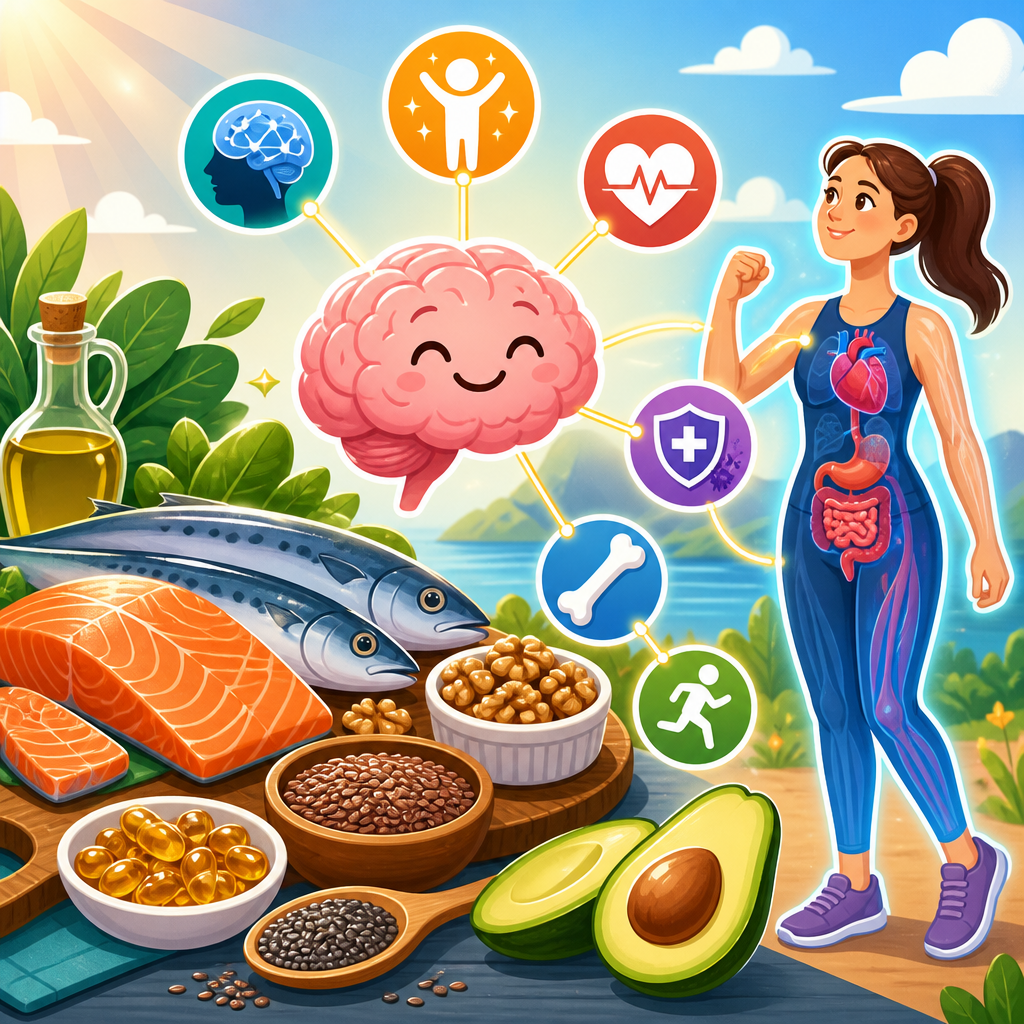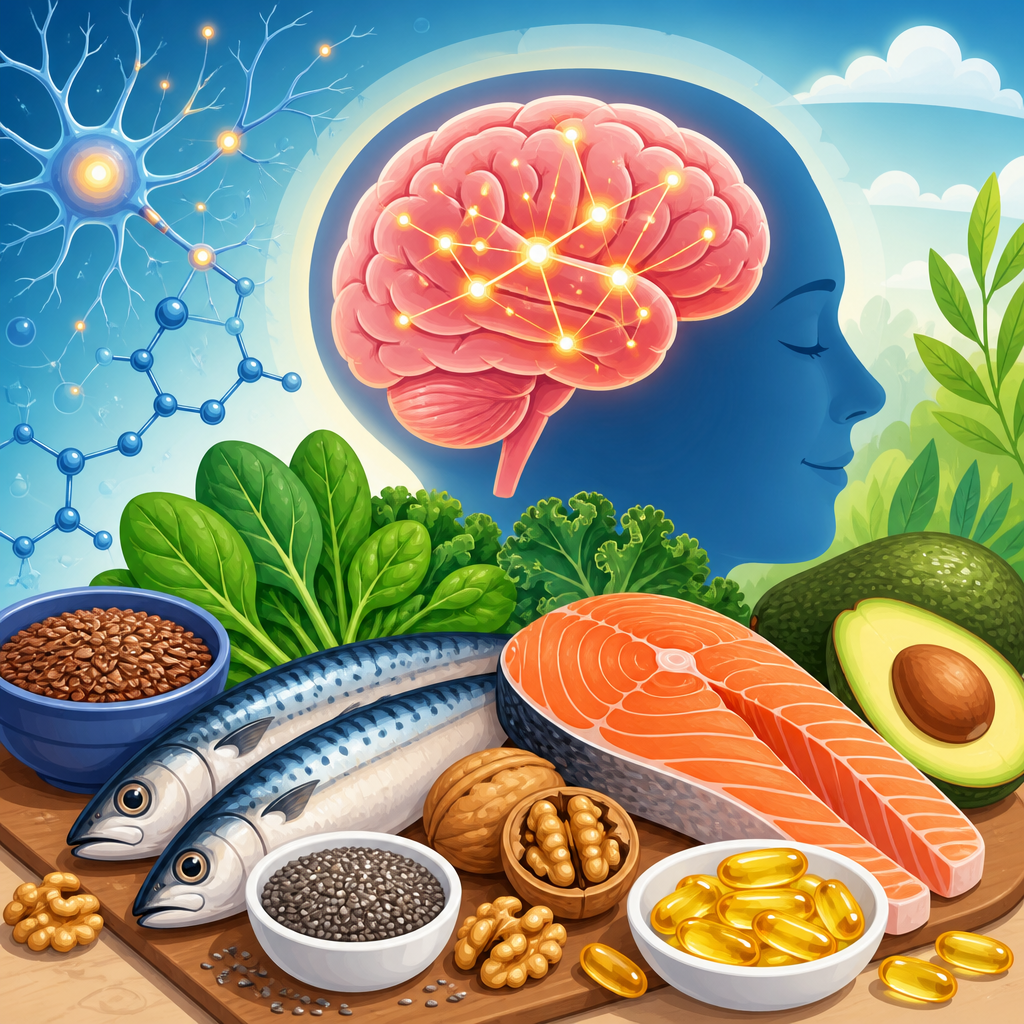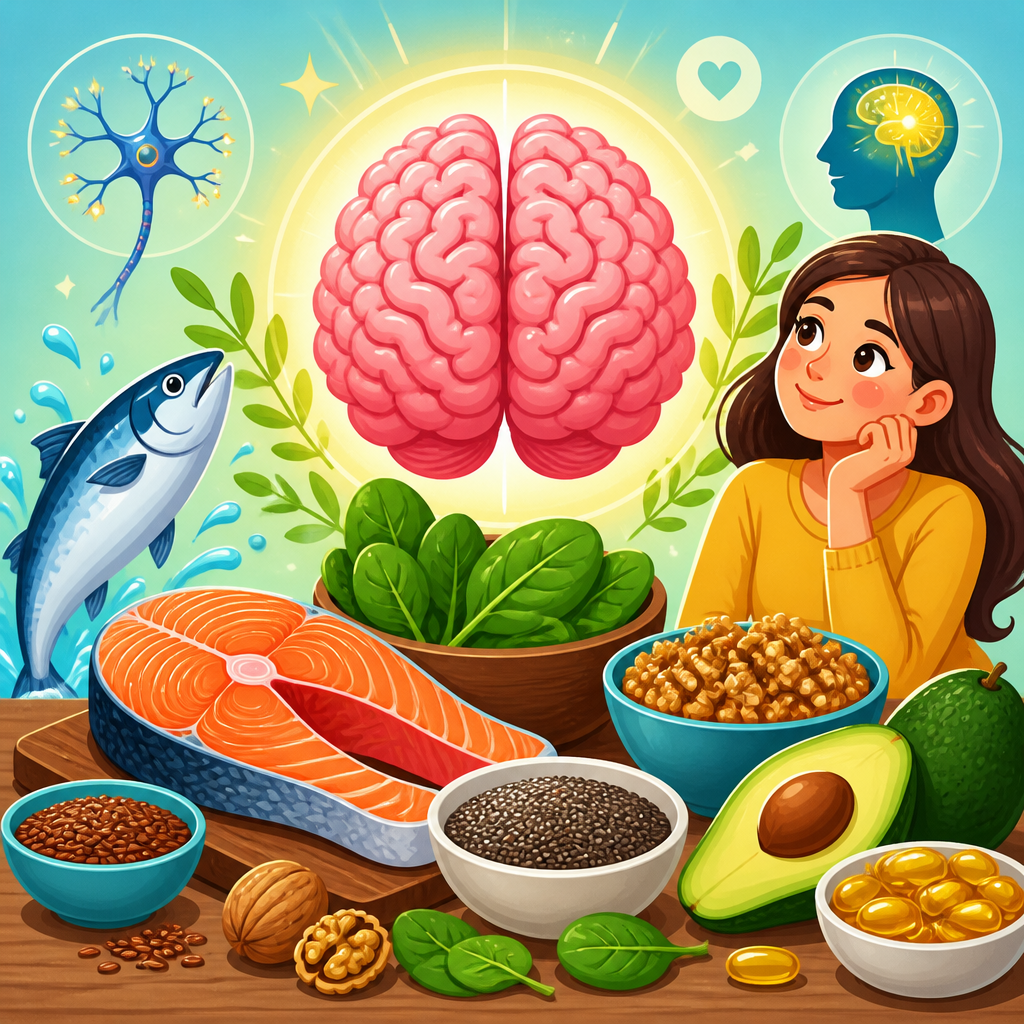
Omega-3 rich foods and brain health are linked through well-studied biological mechanisms that affect brain structure, signaling, blood flow, and inflammation. Omega-3 fatty acids are a family of polyunsaturated fats, but the brain-health conversation mainly centers on three forms: ALA, found in plant foods such as flaxseed, chia seeds, walnuts, and canola oil; EPA, found mostly in fatty fish and seafood; and DHA, the dominant structural omega-3 in the brain and retina. When people ask whether eating more salmon, sardines, walnuts, or seeds can help memory, focus, mood, or long-term cognitive function, the useful answer is yes, with important qualifications. Food quality, overall diet pattern, age, life stage, and existing health status all influence results.
In practice, I have found that many people know omega-3s are “good for the brain” but cannot explain why, how much they need, or which foods matter most. That gap matters because the brain is nearly 60 percent fat by dry weight, and DHA is a major component of neuronal membranes. Membrane fluidity affects receptor activity, neurotransmitter release, and cell-to-cell communication. EPA, while less concentrated in brain tissue than DHA, plays an important role in inflammatory signaling and vascular health, both of which influence cognition. ALA has value, but conversion from ALA into EPA and DHA is limited in humans, often estimated in low single digits for DHA. That means food choices matter if the goal is meaningful brain support rather than a general nutrition checkbox.
This topic matters across the lifespan. During pregnancy and infancy, DHA supports fetal and early childhood brain and eye development. In adulthood, omega-3 intake is associated with cardiovascular health, and healthy circulation supports the brain’s constant demand for oxygen and nutrients. In older adults, researchers continue to study whether adequate intake helps preserve cognition, especially when paired with strong diet quality, physical activity, sleep, and blood pressure control. For a hub page on omega-3 rich foods and brain health, the key is to understand the science, identify the best food sources, compare plant and marine options honestly, and turn evidence into practical meals people will actually eat consistently.
How Omega-3s Support Brain Function
The simplest accurate explanation is that omega-3s help the brain by supporting cell membranes, communication between neurons, and the systems that protect brain tissue over time. DHA is embedded in synaptic membranes, where nerve cells send and receive signals. Better membrane fluidity can influence how receptors function and how efficiently signals move. EPA contributes less to structure and more to the regulation of inflammatory pathways and eicosanoid production. Both matter because the brain performs best when signaling is efficient and chronic inflammation is controlled. This is one reason nutrition researchers rarely discuss brain health in terms of a single vitamin or single meal. They look at tissue composition, vascular function, oxidative stress, and long-term dietary patterns.
Clinical evidence is strongest in a few areas. Maternal DHA intake is important during pregnancy and lactation because fetal DHA accumulation is highest in late pregnancy and continues after birth. In adults, diets that include fish regularly are associated with better cardiometabolic health, and cardiometabolic health strongly affects brain aging. Some studies also suggest omega-3 intake may support mood regulation, although results vary depending on dosage, baseline intake, and whether a person has diagnosed depression or is simply trying to improve general wellbeing. What omega-3s do not do is function like an instant mental-performance hack. They work slowly, through tissue incorporation and long-term physiological effects, which is why consistency matters more than occasional supplementation or a single “healthy” dinner.
Best Omega-3 Rich Foods for Brain Health
When choosing omega-3 rich foods for brain health, marine foods lead because they provide preformed EPA and DHA. Fatty fish such as salmon, sardines, mackerel, herring, trout, and anchovies are the most efficient dietary sources. A three-ounce serving of salmon commonly provides around 1,200 to 2,000 milligrams of EPA plus DHA, depending on species and farming method. Sardines are especially practical because they are affordable, shelf-stable when canned, and also provide calcium, vitamin D, selenium, and high-quality protein. Trout offers a milder flavor for people who do not enjoy stronger fish. Anchovies and herring are concentrated sources, though their sodium content may matter if they are cured or packed heavily.
Shellfish contribute smaller but still useful amounts. Oysters and mussels provide omega-3s along with zinc, iron, and vitamin B12, nutrients relevant to cognitive performance and energy metabolism. Eggs from hens fed omega-3-enriched diets can modestly increase intake, though they should be treated as supporting foods rather than primary sources. For plant-based eaters, flaxseed, chia seeds, hemp seeds, walnuts, edamame, and canola oil provide ALA. These foods deserve attention because they improve overall diet quality, fiber intake, and micronutrient density. However, from a brain-focused perspective, it is important to be direct: they are not equivalent to fish for delivering DHA. Some vegetarian and vegan diets therefore rely on algae-based DHA sources, which provide a direct form similar to marine omega-3s without using fish.
| Food | Main Omega-3 Form | Typical Strength | Brain-Health Notes |
|---|---|---|---|
| Salmon | EPA + DHA | High | Efficient source; also provides protein, selenium, vitamin D |
| Sardines | EPA + DHA | High | Affordable, low-mercury choice with calcium if bones are included |
| Trout | EPA + DHA | High | Mild flavor; useful for people increasing fish intake |
| Mussels/Oysters | EPA + DHA | Moderate | Add zinc, iron, and B12 that also support neurological function |
| Flaxseed | ALA | Moderate | Best used ground; valuable but not a direct DHA source |
| Chia seeds | ALA | Moderate | Useful in oats, yogurt, and puddings; adds fiber |
| Walnuts | ALA | Moderate | Easy snack option; supports overall dietary quality |
| Algae oil foods or supplements | DHA, sometimes EPA | High | Direct vegan alternative when fish is not consumed |
Plant vs. Marine Omega-3 Sources: What Changes in the Body
The main difference between plant and marine omega-3 sources is what your body must do after you eat them. ALA from flax, chia, walnuts, and similar foods must be converted into EPA and then DHA through a series of enzymatic steps involving desaturase and elongase enzymes. Humans do this inefficiently. Conversion is influenced by sex, genetics, overall dietary fat composition, and the amount of linoleic acid consumed from omega-6-rich oils. A person can eat ALA-rich foods every day and still have relatively low DHA status compared with someone who eats fish twice weekly. That does not make plant omega-3 foods unhelpful; it simply means they solve a different nutritional problem than salmon or sardines.
In real meal planning, this matters most for vegetarians, vegans, pregnant people, and older adults. I generally view ALA foods as foundational because they improve the whole diet and are easy to include at breakfast, snacks, and baking. Ground flaxseed in oats, chia in yogurt, walnuts on salads, and edamame with lunch are all sensible habits. But when the conversation is specifically about omega-3 rich foods and brain health, precision matters. If someone avoids seafood, direct DHA from algae is usually the most reliable alternative. This is especially relevant in pregnancy and breastfeeding, when DHA demand is meaningful. It is also relevant for people who assume walnuts alone cover all omega-3 needs. They help, but they are not a full substitute for preformed DHA.
How Much Omega-3 Do You Need for Brain Health?
There is no single universal target that guarantees better cognition, but there are practical benchmarks. General adequate intake recommendations for ALA are commonly set around 1.1 grams per day for adult women and 1.6 grams per day for adult men. Those figures prevent inadequacy, yet they do not answer the more useful question: how much EPA and DHA supports brain and cardiovascular health? Many professional groups and public health authorities advise eating at least two servings of fish per week, particularly fatty fish. That pattern typically supplies about 250 to 500 milligrams per day of EPA plus DHA on average, a range widely used in research and heart-health guidance.
Needs can increase with life stage and clinical context. Pregnancy and lactation often come with specific DHA guidance because of fetal brain and eye development. Older adults with low fish intake may benefit from being more deliberate about food choices. People with elevated triglycerides are often advised medically to use much higher doses of omega-3s, but that is a treatment issue, not a general brain-health food guideline. The food-first rule works well here: start with two fish meals weekly, add ALA-rich foods regularly, and assess whether dietary restrictions justify algae-based DHA. Quantity also depends on replacement. Adding salmon while keeping a diet high in ultra-processed foods and low in fruits, vegetables, and sleep quality will not deliver the same outcome as adding salmon within an overall Mediterranean-style eating pattern.
What the Research Says About Memory, Mood, and Cognitive Aging
Research on omega-3 rich foods and brain health is encouraging but nuanced. Observational studies often find that people who eat more fish tend to have better cognitive outcomes over time, but those same people may also exercise more, smoke less, and have better access to healthcare. Randomized trials using supplements have produced mixed results, partly because timing matters. Nutrients may work better before major decline begins than after disease is established. Baseline status matters too. Someone who rarely eats fish and has low omega-3 levels may respond differently than someone who already eats a balanced diet.
For mood, evidence is strongest when EPA-containing formulations are studied in clinical populations, especially alongside standard care, though this article focuses on foods rather than treatment. For memory and attention in healthy adults, benefits are usually modest rather than dramatic. For cognitive aging, the most defensible statement is that omega-3-rich foods are one part of a protective pattern. They support vascular health, may reduce inflammatory burden, and provide structural fats the brain uses directly. They are not a stand-alone prevention strategy for dementia. The strongest brain-health pattern remains comprehensive: regular exercise, blood pressure control, social engagement, adequate sleep, hearing protection, glycemic control, and a diet rich in fish, legumes, vegetables, fruit, olive oil, and minimally processed staples.
Smart Ways to Add Omega-3 Foods to Daily Meals
The best diet advice is usable advice. Aim for one to two easy fish defaults each week rather than chasing perfection. Canned sardines on whole-grain toast with lemon and tomato make a ten-minute lunch. Baked salmon with potatoes and green beans is a straightforward dinner. Trout tacos with cabbage slaw are mild enough for households new to fish. If cost is a concern, canned salmon and sardines often beat fresh fillets on price while still delivering EPA and DHA. If smell is the barrier, use chilled fish in salads or fish cakes rather than pan-searing in a small kitchen.
For plant-forward meals, treat ALA foods as daily additions. Stir ground flax into oatmeal, blend chia into smoothies, keep walnuts visible for snacks, and use canola oil where it fits your cooking style. If you do not eat seafood, choose fortified foods or discuss algae-based DHA with a clinician, especially during pregnancy. Also pay attention to preparation and sourcing. Baking, grilling, steaming, and poaching preserve nutritional quality better than deep frying. Lower-mercury fish such as salmon, sardines, trout, and anchovies are generally better routine choices than large predatory fish. The practical goal is simple: build repeated meals around reliable omega-3 sources so brain-supportive eating becomes automatic instead of aspirational.
Common Mistakes and How to Avoid Them
The first mistake is assuming all omega-3s are interchangeable. They are not. ALA is beneficial, but DHA is the structural form the brain uses most directly. The second mistake is overrelying on supplements while ignoring food quality. Supplements can help specific groups, but whole foods bring protein, minerals, vitamins, and dietary patterns that shape health outcomes. The third mistake is choosing fish rarely and expecting noticeable short-term cognitive changes. Brain-related nutrition is cumulative. Tissue incorporation takes time, and benefits are usually subtle, preventive, and long horizon.
Another common error is overlooking safety and context. People on anticoagulant therapy, those managing seafood allergies, and anyone who is pregnant should consider individual medical guidance and seafood selection. Sustainability also matters. Certified fisheries, responsibly farmed salmon, and lower-food-chain species such as sardines can reduce environmental tradeoffs. Finally, avoid turning omega-3s into a single-nutrient obsession. In every successful nutrition plan I have implemented, omega-3 foods worked best when they replaced less useful options and reinforced a broader pattern of whole foods, movement, and recovery.
Omega-3 rich foods and brain health belong together because the evidence supports a clear, practical message: the brain benefits most when your diet regularly includes direct sources of EPA and DHA, supported by ALA-rich plant foods and an overall high-quality eating pattern. DHA helps build and maintain neuronal membranes. EPA supports inflammatory balance and vascular function. Fish such as salmon, sardines, trout, herring, and mackerel remain the most effective food sources, while flaxseed, chia, walnuts, and hemp add useful ALA and improve diet quality. For people who do not eat seafood, algae-based DHA is the most direct alternative.
The biggest takeaway is that consistency beats intensity. You do not need a complicated protocol to support cognitive health. You need repeatable meals, realistic portions, and an honest understanding of what different omega-3 foods actually provide. Two fish meals a week, daily inclusion of plant omega-3 foods, and attention to life stage and dietary restrictions form a strong foundation. If you want better long-term brain support, start by planning your next three omega-3-rich meals and build from there.
Frequently Asked Questions
What are omega-3 fatty acids, and which types matter most for brain health?
Omega-3 fatty acids are a family of polyunsaturated fats that play important roles throughout the body, especially in the brain, eyes, heart, and immune system. When the conversation focuses on brain health, three types come up most often: ALA, EPA, and DHA. ALA, or alpha-linolenic acid, is found mainly in plant foods such as flaxseed, chia seeds, walnuts, and canola oil. EPA, or eicosapentaenoic acid, and DHA, or docosahexaenoic acid, are found primarily in fatty fish and other seafood.
Among these, DHA is especially important because it is a major structural fat in the brain and retina. In simple terms, DHA helps form and maintain cell membranes in brain tissue, which supports communication between brain cells. EPA is less concentrated in brain structure itself, but it appears to play meaningful roles in inflammation regulation, circulation, and signaling processes that can indirectly support brain function. ALA is valuable nutritionally, but the body must convert it into EPA and DHA for many of these brain-related benefits, and that conversion is generally inefficient. That is why EPA and DHA are usually considered the most directly relevant omega-3s for brain health.
How do omega-3 rich foods support the brain?
Omega-3 rich foods support brain health through several well-studied biological mechanisms. First, DHA is a key building block of neuronal cell membranes. Healthy membranes need to remain flexible and functional so brain cells can send and receive signals efficiently. When membrane integrity is strong, processes related to learning, attention, and overall cognitive performance are better supported.
Second, omega-3s influence signaling in the brain. Brain cells communicate through complex electrical and chemical pathways, and the fats present in cell membranes affect how well receptors, neurotransmitters, and signaling molecules function. DHA in particular helps maintain the kind of cellular environment that supports efficient communication. EPA and DHA may also help regulate pathways tied to mood, stress responses, and neural resilience.
Third, omega-3s appear to support healthy blood flow. The brain is highly metabolically active and depends on a steady supply of oxygen and nutrients. EPA and DHA may help maintain vascular function, which can contribute to better circulation and potentially support long-term brain performance. Finally, omega-3s are linked to inflammation balance. Chronic, low-grade inflammation is increasingly recognized as a factor in brain aging and cognitive decline. EPA is especially noted for its role in inflammatory pathways, while DHA contributes to resolving inflammatory processes and protecting neural tissue.
Are plant-based omega-3 foods enough, or do you need fish to support brain health?
Plant-based omega-3 foods can absolutely be part of a brain-healthy diet, but it is important to understand their limitations. Foods like flaxseed, chia seeds, walnuts, hemp seeds, and canola oil provide ALA, the plant form of omega-3. ALA is beneficial in its own right and contributes to overall dietary quality. However, for brain-specific benefits, the challenge is that the body converts only a small portion of ALA into EPA and DHA, the forms most directly tied to brain structure and function.
That means people who eat fish and seafood generally have a more direct route to obtaining EPA and DHA. Fatty fish such as salmon, sardines, mackerel, trout, and herring are among the richest food sources. For people who do not eat fish, plant foods still matter, but relying on ALA alone may not provide the same level of EPA and DHA exposure. In those cases, algae-based sources of DHA, and sometimes EPA, can be a useful alternative because algae are the original source of these marine omega-3s in the food chain.
So the best answer is nuanced: plant-based omega-3 foods are valuable and should not be dismissed, but fish and seafood tend to be more efficient sources for the omega-3s most closely linked with brain health. If someone follows a vegetarian or vegan pattern, it can be wise to pay closer attention to how EPA and DHA needs are being addressed.
What foods are the best sources of omega-3s for the brain?
The strongest food sources of brain-relevant omega-3s are fatty fish and seafood because they provide preformed EPA and DHA. Excellent choices include salmon, sardines, mackerel, anchovies, herring, trout, and certain types of tuna. These foods are often highlighted because they deliver meaningful amounts of omega-3s in a form the body can use directly. Regular intake of these foods is one of the most practical ways to raise dietary EPA and DHA.
For people looking to diversify their intake, shellfish and roe can also contribute omega-3s, though amounts vary. On the plant side, flaxseed, chia seeds, walnuts, hemp seeds, soy foods, and canola oil provide ALA. While ALA is not identical to EPA or DHA, these foods still deserve a place in a brain-conscious eating pattern because they add healthy fats, fiber, minerals, and other compounds that support overall cardiovascular and metabolic health, which in turn can benefit the brain.
A practical approach is to think in layers. Marine foods supply the most direct forms linked to brain function, while plant foods help strengthen the overall nutritional pattern. For many people, combining both is ideal: include fatty fish regularly if you eat it, and also use ALA-rich foods consistently through meals and snacks, such as adding ground flaxseed to yogurt, using chia in oatmeal, or choosing walnuts as a snack.
Can eating more omega-3 rich foods improve memory, focus, or protect against cognitive decline?
This is one of the most common questions, and the most accurate answer is that omega-3 rich foods are supportive, but they are not a magic fix. Research connecting omega-3s and brain health is strong in terms of biological plausibility and observational patterns, but real-world outcomes can vary depending on age, baseline diet, overall health, genetics, and whether someone is trying to maintain brain function or address an existing problem. In general, diets that include adequate omega-3s are associated with healthier brain aging and may help support cognition over time.
For memory and focus, omega-3 intake may be most helpful as part of a broader long-term dietary pattern rather than as a quick intervention. The brain benefits from consistent nourishment, good blood flow, stable metabolic health, and lower inflammation, and omega-3s contribute to those conditions. Some people may notice subtle benefits in concentration or mental clarity when their diet improves overall, but expectations should remain realistic. Brain function depends on many factors, including sleep, exercise, stress management, blood pressure, blood sugar control, and social and cognitive engagement.
When it comes to protecting against cognitive decline, omega-3 rich foods appear most promising as part of prevention-oriented habits. They support brain structure, vascular health, and inflammatory balance, all of which matter for long-term cognitive resilience. That said, increasing omega-3 intake should be seen as one meaningful piece of a bigger brain-health strategy, not a stand-alone guarantee. The strongest takeaway is that regularly eating omega-3 rich foods is a smart, evidence-based habit that supports brain health across the lifespan.