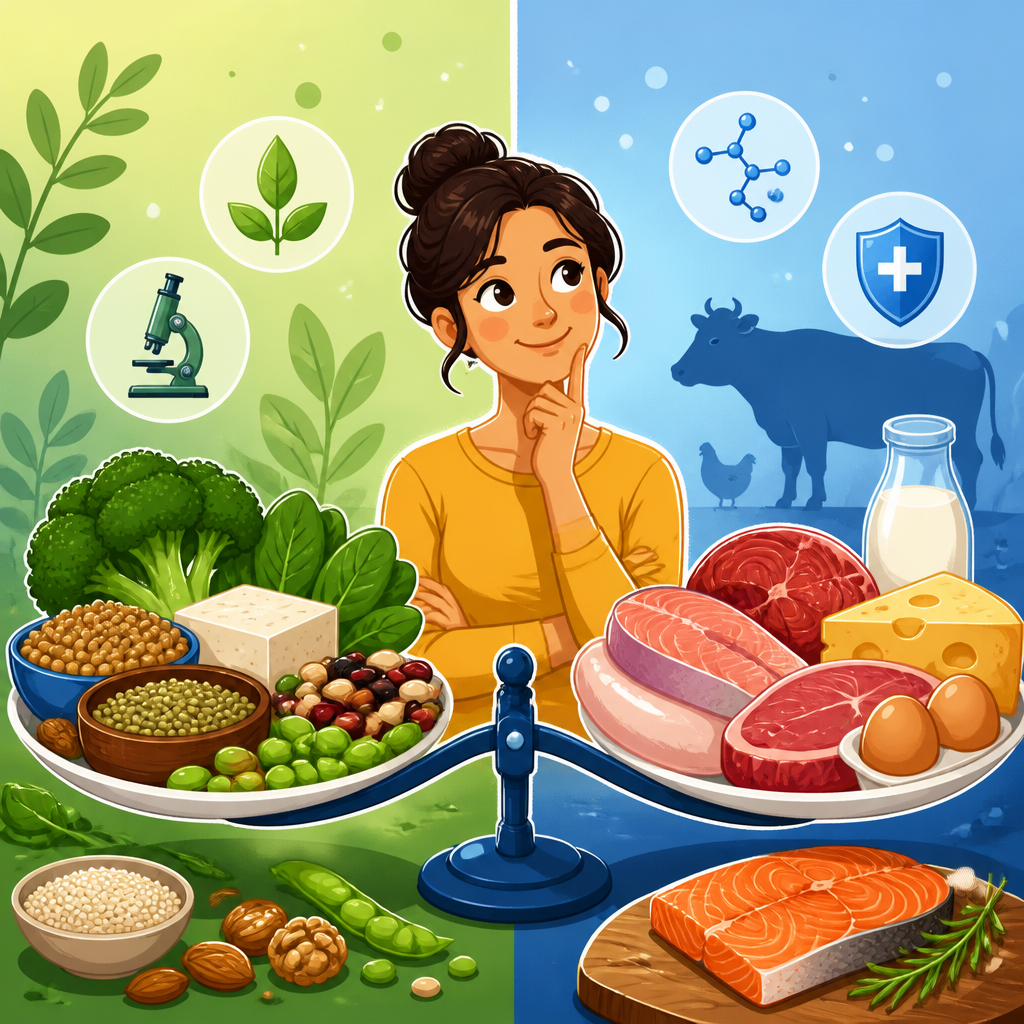
Plant-based proteins and animal proteins both supply amino acids, the building blocks the body uses to repair tissue, produce enzymes, support immunity, and maintain muscle mass, yet the science shows important differences in nutrition, health effects, sustainability, and practical use. Protein quality refers to how well a food provides essential amino acids in digestible form, while protein source describes whether that protein comes from plants such as beans, soy, lentils, peas, nuts, seeds, and grains, or from animals such as meat, poultry, fish, eggs, and dairy. This distinction matters because people are no longer asking only, “How much protein do I need?” They are also asking which protein supports longevity, heart health, exercise performance, blood sugar control, and environmental goals. In clinical nutrition work and recipe development, I have seen how quickly the conversation changes once someone realizes that grams alone do not tell the whole story. The matrix surrounding protein includes fiber, saturated fat, sodium, heme iron, phytochemicals, and food processing. Those factors influence outcomes as much as protein itself. Current evidence does not say everyone must choose one side absolutely. Instead, it shows that choosing more minimally processed plant protein, and using animal protein strategically when it fits health needs and preferences, is a practical evidence-based approach.
What science means by protein quality and why it matters
Protein is made of twenty amino acids, nine of which are essential because the body cannot synthesize them. A complete protein provides all nine essential amino acids in adequate amounts. Many animal proteins are complete, including eggs, dairy, fish, and meat. Some plant proteins are also complete, notably soy, tempeh, tofu, edamame, quinoa, buckwheat, hemp seeds, and mycoprotein. Other plant foods may be lower in one or more amino acids, such as lysine in grains or methionine in legumes, but that does not make them inferior in a real diet. Across a full day of eating, complementary proteins easily supply what the body needs. Rice and beans is the classic example, but hummus with whole grain pita, peanut butter on whole grain bread, lentil pasta with pumpkin seeds, and oatmeal with soy milk also work well.
Researchers assess protein quality using measures such as PDCAAS and DIAAS. PDCAAS, the Protein Digestibility Corrected Amino Acid Score, has been widely used for years, while DIAAS, the Digestible Indispensable Amino Acid Score, is newer and more precise because it estimates ileal digestibility of individual amino acids. Animal proteins often score high on both systems, with whey, milk, eggs, and beef near the top. Soy isolate also scores strongly, and pea protein performs well though usually slightly lower. In practice, these scores matter most for people with high protein demands, limited calorie intake, or highly restricted diets, such as older adults, hospitalized patients, or athletes in intense training blocks. For the average healthy adult eating enough total calories and varied foods, a mixed plant-forward pattern can meet essential amino acid needs reliably.
Leucine deserves special attention because it triggers muscle protein synthesis through the mTOR pathway. Animal proteins generally contain more leucine per serving, which is why whey stimulates muscle protein synthesis efficiently after exercise. Plant proteins can achieve the same effect, but the serving may need to be larger or blended, as many sports nutrition products now combine pea and rice protein to improve the amino acid profile. This is a useful nuance, not a reason to dismiss plant protein.
Health benefits linked to plant-based proteins
The strongest case for plant-based proteins is not that they contain protein without exception better than animal foods; it is that they usually arrive in a healthier package. Beans, lentils, soy foods, nuts, and seeds bring fiber, unsaturated fats, polyphenols, potassium, magnesium, and phytosterols. Those compounds are consistently associated with lower LDL cholesterol, improved blood pressure, better glycemic control, and healthier gut microbiota. In large cohort studies, replacing some red and processed meat with legumes, nuts, or soy is associated with lower risk of cardiovascular disease and, in many analyses, lower all-cause mortality. The mechanism is biologically plausible. Fiber improves satiety and cholesterol excretion, while replacing saturated fat with unsaturated fat improves lipid profiles.
Soy has been studied especially closely because it is one of the few plant proteins often compared head-to-head with animal protein. Meta-analyses have found that soy protein can modestly reduce LDL cholesterol, particularly when it replaces foods higher in saturated fat. Despite years of confusion, mainstream evidence indicates that moderate soy intake is safe for most people, including those concerned about hormones, because isoflavones act differently from human estrogen and generally show neutral or beneficial effects in usual dietary amounts. Fermented soy foods such as tempeh, miso, and natto add culinary variety and, in the case of natto, significant vitamin K2.
Another important benefit is metabolic health. Pulses, including chickpeas, lentils, dry beans, and peas, digest slowly and can blunt post-meal blood glucose spikes. Their combination of protein and fiber is particularly useful in dietary patterns for insulin resistance and type 2 diabetes. I often recommend swapping part of the meat in tacos or pasta sauce with black beans or lentils because adherence improves when the change feels familiar rather than restrictive. That practical substitution strategy matters more than nutrition theory alone.
Where animal proteins still offer clear advantages
Animal proteins remain valuable because they are dense sources of highly digestible protein and several nutrients that are harder, though not impossible, to obtain from plants alone. These include vitamin B12, heme iron, zinc, preformed omega-3 fats EPA and DHA in fatty fish, and calcium in dairy foods. For older adults with reduced appetite, patients recovering from illness, and athletes trying to maximize muscle repair within a limited calorie budget, these advantages can be meaningful. Greek yogurt, eggs, salmon, cottage cheese, and whey protein are efficient options when convenience and digestibility matter.
Muscle maintenance is a common reason people favor animal protein, and the evidence has some support for that position. Controlled trials often show slightly greater acute muscle protein synthesis from whey or milk compared with equal grams of some plant proteins because of higher leucine content and digestibility. However, when total daily protein is adequate and resistance training is consistent, longer-term differences in muscle gain tend to narrow substantially. A well-planned plant-based diet can support strength and hypertrophy, but it usually requires more deliberate meal construction.
There are also specific life stages where animal foods can simplify nutrition. Pregnancy increases demand for iron, choline, iodine, and B12. Childhood requires enough energy and protein in smaller stomachs. In these contexts, eggs, dairy, fish, and lean meats can help meet needs efficiently. The key scientific point is not that animal protein is automatically healthier, but that bioavailability and nutrient density sometimes make it easier to use clinically and practically.
What the evidence says about disease risk, longevity, and sustainability
Not all animal proteins act the same in the body, and not all plant proteins are equally beneficial. This is where oversimplified claims fail. Processed meats such as bacon, sausage, deli meats, and hot dogs are consistently associated with higher risk of colorectal cancer, cardiovascular disease, and mortality. The World Health Organization classifies processed meat as carcinogenic to humans based on evidence for colorectal cancer. Red meat, especially when consumed frequently and in large portions, is associated with higher cardiometabolic risk in many observational studies, though the strength of association depends on overall dietary pattern and what food replaces it.
Fish and fermented dairy tell a different story. Fatty fish supply EPA and DHA, which support cardiovascular and neurologic health. Yogurt and kefir offer protein plus beneficial bacteria and are often associated with neutral or favorable metabolic outcomes. On the plant side, whole-food protein sources outperform highly processed products. A lentil stew and a sugary plant-based protein bar are not nutritionally equivalent just because both contain protein.
| Protein source | Key strengths | Main limitations | Best use case |
|---|---|---|---|
| Legumes | Fiber, folate, potassium, low saturated fat | Lower methionine, may cause bloating initially | Heart health, blood sugar support, budget meals |
| Soy foods | Complete protein, versatile, cholesterol-lowering potential | Flavor acceptance varies | Meat replacement, muscle-supportive plant meals |
| Nuts and seeds | Healthy fats, minerals, satiety | Calorie dense, lower protein per calorie | Snacks, breakfast, topping meals |
| Eggs and dairy | High-quality protein, B12, calcium, leucine | Not suitable for all allergies or ethical preferences | Convenient recovery meals, older adults |
| Fish | Protein plus EPA and DHA | Cost, sustainability varies by species | Cardiometabolic support, balanced omnivorous diets |
| Red and processed meat | Iron, zinc, complete protein | Higher saturated fat, stronger disease concerns when processed | Occasional use, not ideal as a default staple |
Environmental evidence is also decisive. Producing beans, peas, and lentils generally requires less land and water and causes fewer greenhouse gas emissions than producing beef or lamb. Life-cycle assessments repeatedly place ruminant meat among the highest-impact foods. For readers who care about both personal and planetary health, shifting even part of weekly protein intake from red meat to legumes is one of the most effective dietary changes available.
How to choose the best protein pattern for your goals
The best protein choice depends on your goal, health status, budget, culture, and preferences. For heart health, the evidence strongly favors emphasizing legumes, soy foods, nuts, seeds, and fish while limiting processed meat and reducing frequent large servings of red meat. For muscle gain, target adequate daily protein, distribute it across meals, and prioritize leucine-rich choices. That can mean whey, Greek yogurt, eggs, tofu, tempeh, edamame, soy milk, or a blended pea-rice protein powder. For weight management, foods with protein plus fiber often work best because they improve fullness more than protein alone. Lentil soup, tofu stir-fry, and bean chili are classic examples.
Older adults should usually aim for higher protein intake per meal because aging muscle becomes less responsive, a phenomenon called anabolic resistance. In practice, that often means 25 to 35 grams of protein per meal, with attention to leucine. Plant-based eaters in this group may benefit from soy foods, higher total protein targets, and fortified foods or supplements for B12. Athletes can thrive on either pattern, but plant-based athletes need to plan iron, calcium, iodine, B12, and total energy more carefully. I have found that performance improves fastest when the diet is built from routine staples rather than an assortment of specialty products.
If you are transitioning toward more plant protein, start with substitutions rather than complete overhauls. Replace half the ground beef in chili with lentils. Use tofu in curry where you once used chicken. Choose edamame or roasted chickpeas as snacks. Swap breakfast sausage for eggs and black beans, or for tofu scramble if you prefer a fully plant-based meal. These changes preserve satisfaction while improving nutrient density. The broader scientific conclusion is clear: the healthiest long-term pattern is usually not protein extremism. It is a predominantly whole-food, plant-forward diet that uses high-quality animal proteins selectively, or excludes them carefully with informed planning.
Science does not support the idea that plant-based proteins and animal proteins are nutritionally identical, but it also does not support the claim that one category is universally superior in every situation. Animal proteins generally offer more digestible amino acids per serving and can make it easier to reach leucine, B12, iron, calcium, and omega-3 targets. Plant-based proteins, however, are consistently linked with better cardiovascular and metabolic outcomes because they usually come packaged with fiber, unsaturated fats, minerals, and protective phytochemicals while containing little or no saturated fat. The most important distinction is not plant versus animal in isolation; it is whole, minimally processed foods versus patterns dominated by processed meat or ultra-processed convenience products.
For most adults, the evidence-based path is to increase protein from legumes, soy foods, nuts, seeds, and other whole plant sources, while being selective about animal proteins and limiting processed meat. If your goals include muscle gain, healthy aging, blood sugar control, or a lower environmental footprint, this approach is flexible enough to work. Build meals around a quality protein source, pair it with vegetables and high-fiber carbohydrates, and pay attention to nutrients that may need extra planning. Use this hub as your starting point, then explore specific guides on soy, legumes, protein timing, and high-protein meal design to put the science into daily practice.
Frequently Asked Questions
1. Are plant-based proteins as complete and effective as animal proteins?
Yes, plant-based proteins can absolutely support health, muscle maintenance, and daily protein needs, but there are a few important scientific nuances. Animal proteins such as eggs, dairy, fish, and meat are often described as “complete” because they naturally contain all nine essential amino acids in proportions the body can readily use. They also tend to score highly for digestibility, which is one reason they have traditionally been viewed as the benchmark for protein quality.
That said, many plant foods also provide complete protein, including soy foods such as tofu, tempeh, and edamame, as well as quinoa, buckwheat, hemp seeds, and certain pea protein blends. Even when a single plant food is lower in one essential amino acid, that does not mean it is nutritionally inadequate. In real-world eating patterns, people typically consume a variety of foods across the day, and that variety allows amino acids from different plant foods to complement one another. For example, legumes tend to be lower in methionine, while grains are often lower in lysine, so eating both regularly helps cover the full amino acid spectrum.
Research shows that total daily protein intake matters more than obsessing over perfection at each meal, especially for the general population. For athletes, older adults, or people trying to maximize muscle protein synthesis, plant proteins may require slightly higher portions or more deliberate meal planning because some plant foods are less concentrated in leucine, a key amino acid involved in triggering muscle building. Still, with adequate intake and a balanced diet, plant-based proteins can be highly effective. In short, animal proteins may offer convenience in terms of amino acid density and digestibility, but plant-based proteins can be equally workable and beneficial when chosen thoughtfully.
2. What does science say about the health benefits of plant protein compared with animal protein?
The scientific literature generally suggests that the health effects of protein depend not only on how much protein a person eats, but also on the package that comes with it. Plant protein sources often come bundled with fiber, antioxidants, polyphenols, vitamins, minerals, and unsaturated fats. Animal protein sources can also be nutritious, especially fish, yogurt, eggs, and minimally processed poultry, but some types—particularly processed meats and heavily marbled red meats—may come with higher amounts of saturated fat, sodium, heme iron, and compounds associated with increased chronic disease risk when eaten in excess.
Studies consistently link higher intake of legumes, nuts, seeds, and soy foods with better heart health, improved cholesterol levels, and a lower risk of type 2 diabetes. One major reason is that these foods do more than provide protein. Their fiber supports blood sugar control, gut health, and satiety, while their unsaturated fats may help improve lipid profiles. In contrast, replacing refined carbohydrates or highly processed foods with either plant or animal protein can be beneficial, so context matters. The comparison is not simply “plants good, animals bad.” It depends on which foods are being compared.
When researchers specifically look at swapping some red or processed meat for beans, lentils, soy, nuts, or other plant proteins, they often find favorable changes in cardiovascular risk markers and overall diet quality. However, not all animal proteins have the same health profile. Fish is associated with omega-3 intake, fermented dairy may support cardiometabolic health in some populations, and eggs can fit well into balanced diets for many people. The strongest scientific takeaway is that emphasizing minimally processed plant proteins tends to offer broader health advantages, especially when it displaces processed meats and excessive saturated fat. Quality of the overall diet remains the deciding factor.
3. Is plant protein better for weight management, digestion, and long-term wellness?
For many people, yes—plant protein can be especially helpful for weight management and long-term wellness because it often comes with fiber and a lower calorie density than many animal-based options. Foods such as beans, lentils, chickpeas, tofu, peas, and edamame can increase fullness and help people stay satisfied after meals. Fiber slows digestion, supports steadier blood sugar, and may reduce the tendency to overeat later in the day. This combination makes plant proteins useful in eating patterns focused on appetite control and metabolic health.
Digestive health is another area where plant proteins frequently stand out. Since animal foods contain no fiber, they do not provide the same direct support for a healthy gut microbiome. Plant foods, by contrast, feed beneficial gut bacteria and can contribute to production of short-chain fatty acids, which are linked to colon health, improved immune signaling, and reduced inflammation. Of course, people who are not used to eating many legumes or high-fiber foods may need to increase them gradually to avoid bloating or discomfort. Proper soaking, rinsing, cooking, and choosing easier-to-digest options like lentils or tofu can make a big difference.
Long-term wellness is where dietary patterns matter most. Populations that eat more plant-centered diets generally show lower rates of several chronic conditions, including heart disease, hypertension, and some metabolic disorders. That does not mean every plant-based product is healthy or that all animal products are harmful. A diet built around refined starches, sugary foods, and ultra-processed meat alternatives will not deliver the same benefits as one centered on whole legumes, nuts, seeds, vegetables, fruits, and whole grains. Plant protein is often advantageous because it supports a healthier dietary pattern overall, not just because of the protein itself.
4. Are there any nutritional drawbacks or challenges with relying mostly on plant-based proteins?
There can be, but most are manageable with informed food choices. The main concerns are usually protein density, digestibility, and certain micronutrients that are more abundant or more bioavailable in animal foods. Some plant protein sources are less concentrated in protein per serving than meat, fish, eggs, or dairy, so a person may need larger portions or more strategic meal combinations to reach higher protein targets. This becomes especially relevant for older adults, strength athletes, or anyone with reduced appetite who needs more protein in smaller volumes of food.
Another issue is that some plant foods contain antinutrients such as phytates or tannins, which can modestly reduce absorption of minerals like iron, zinc, and calcium. This does not make plant foods unhealthy; it simply means planning matters. Techniques such as soaking beans, sprouting grains, fermenting soy, and eating a varied diet can improve both digestibility and nutrient availability. Pairing iron-rich plant foods with vitamin C sources—for example, lentils with tomatoes or bell peppers—can also significantly improve iron absorption.
Vitamin B12 deserves special attention because it is not reliably available from unfortified plant foods. People eating fully vegan diets need fortified foods or supplements for B12. Depending on the diet, attention may also be needed for omega-3 fats, iodine, calcium, vitamin D, iron, and zinc. None of these concerns mean a plant-based diet is inadequate; they simply reflect the importance of choosing nutrient-dense foods rather than assuming all plant-based eating patterns are automatically balanced. With good planning, mostly plant-based diets can meet protein and nutrient needs very well, but they do benefit from a more intentional approach than a diet that includes a wider range of animal foods.
5. Which is better for sustainability and everyday practicality: plant proteins or animal proteins?
From an environmental standpoint, plant proteins generally have the advantage. Producing beans, lentils, peas, and soy typically requires less land, less water, and generates fewer greenhouse gas emissions than producing beef, lamb, and many other animal proteins. This is one of the clearest findings in sustainability research. While there is variation within both categories—for example, poultry and some seafood usually have a smaller environmental footprint than beef—shifting even part of protein intake toward plants tends to reduce the environmental burden of the diet.
In everyday practical terms, plant proteins are often affordable, versatile, and shelf-stable. Dried beans, lentils, split peas, chickpeas, and peanut butter can provide a great deal of nutrition at a relatively low cost. Tofu, tempeh, and frozen edamame also make convenient high-protein staples. For many households, this affordability is a major advantage, especially when compared with rising prices for meat and fish. Plant proteins also work well in soups, salads, curries, grain bowls, pasta dishes, tacos, and snacks, making them easier to incorporate than many people initially assume.
That said, practicality depends on personal preferences, cooking skills, digestive tolerance, cultural food traditions, and nutritional goals. Some people find animal proteins more convenient because they are familiar, concentrated, and simple to build meals around. Others prefer plant proteins because they align with ethical values, budget needs, or health priorities. A realistic science-based approach does not require choosing one side exclusively. For many people, the most sustainable and practical strategy is to increase high-quality plant proteins while using animal proteins more selectively. This balanced approach can support health, fit daily life, and meaningfully improve the environmental impact of the diet.