Protein sits at the center of nearly every nutrition conversation because it builds tissue, supports immune function, regulates hormones, and helps people stay full after meals. When readers ask about plant-based proteins vs. animal proteins, they usually want a clear answer to three questions: what each type is, how they differ, and which one is better for health, performance, and daily eating. The honest answer, based on clinical evidence and years of meal planning work, is that both can support excellent nutrition when chosen and combined well. The difference lies in amino acid profile, digestibility, micronutrients, saturated fat content, fiber, cost, sustainability, and how the protein shows up in real meals.
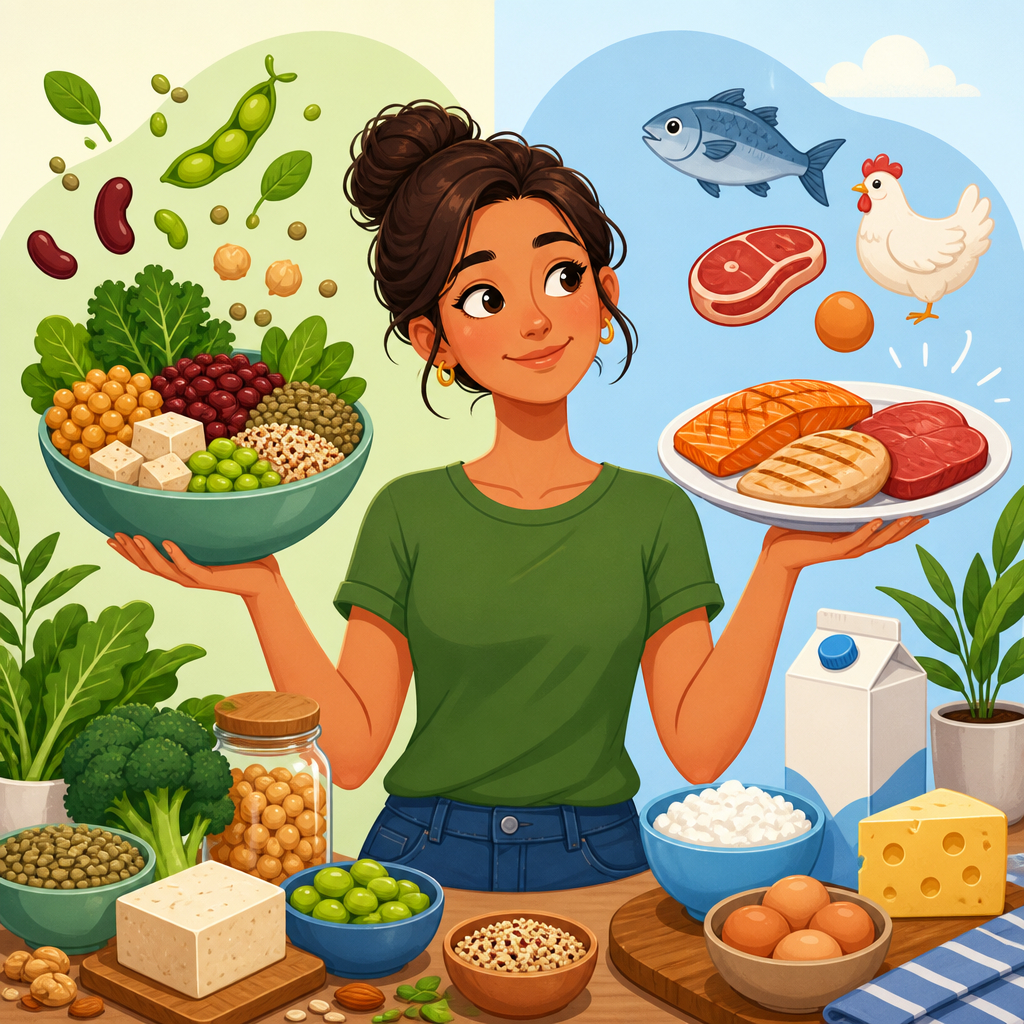
Protein is made of amino acids, including nine essential amino acids that the body cannot produce on its own. Animal proteins come from foods such as eggs, dairy, poultry, fish, and meat. Plant-based proteins come from legumes, soy foods, peas, lentils, beans, whole grains, nuts, seeds, and newer products such as tofu, tempeh, seitan, edamame pasta, and pea protein powder. Complete protein refers to a food that contains all nine essential amino acids in adequate amounts. Many animal proteins are complete, while some plant proteins are complete and others become fully effective across the day through variety.
This topic matters because protein quality influences muscle protein synthesis, recovery, appetite control, and long-term diet adherence. It also matters because many people are trying to reduce red meat, improve heart health, manage weight, eat for athletic performance, or build a more sustainable plate without sacrificing nutrition. A strong understanding of plant-based proteins vs. animal proteins helps readers move beyond simplistic claims. Instead of asking which category wins universally, the better question is which sources fit a person’s health goals, digestion, ethics, budget, and cooking habits. That practical lens is what makes this guide useful as a hub for the broader superfoods and functional foods conversation.
What plant-based proteins and animal proteins actually include
Animal protein foods include chicken breast, turkey, salmon, tuna, sardines, Greek yogurt, cottage cheese, eggs, whey protein, beef, pork, and shellfish. These foods usually deliver concentrated protein per serving, and several also provide highly bioavailable vitamin B12, heme iron, zinc, calcium, iodine, choline, creatine, and long-chain omega-3 fats depending on the source. In practice, I group them by processing level and fat quality. Fish, yogurt, eggs, and lean poultry function very differently in a meal plan from processed meats such as bacon, sausage, and deli slices, which carry higher sodium and stronger links with poor health outcomes.
Plant-based protein foods include lentils, black beans, chickpeas, split peas, soybeans, tofu, tempeh, soy milk, edamame, quinoa, hemp seeds, pumpkin seeds, peanuts, almonds, pistachios, oats, and seitan. Protein content varies widely. A cup of cooked lentils provides about 18 grams, firm tofu often provides 15 to 20 grams per serving, tempeh can exceed 18 grams, edamame delivers around 17 grams per cup, and two tablespoons of peanut butter offer about 7 grams alongside healthy fats. Because many plant foods also bring fiber, polyphenols, potassium, and unsaturated fats, they contribute more than protein alone. That broader nutrient package is one reason they are consistently associated with cardiometabolic benefits.
The key point is that neither category is nutritionally uniform. A grilled salmon fillet and a hot dog are both animal proteins, yet they have very different effects on sodium intake, fat quality, and overall diet quality. The same is true for plant proteins. A bowl of lentils, a sugary protein bar, and fried mock meat all count as plant-based options, but they do not perform equally well nutritionally. Any useful comparison must focus on specific food choices, not labels alone.
Protein quality, amino acids, and digestibility
The most important biological difference in plant-based proteins vs. animal proteins is amino acid composition and digestibility. Muscle protein synthesis depends heavily on essential amino acids, especially leucine. Animal proteins generally contain all essential amino acids in proportions that closely match human requirements, and they tend to be highly digestible. Whey, eggs, milk, fish, and meat score strongly on digestibility systems such as PDCAAS and DIAAS, which researchers use to estimate how effectively the body can use dietary protein.
Plant proteins can absolutely meet protein needs, but they require a more deliberate approach. Soy is the standout because tofu, tempeh, edamame, and soy milk provide complete protein with strong digestibility. Pea protein is also effective, especially in powders or fortified foods. Legumes often run lower in methionine, while grains are often lower in lysine. Nuts and seeds can be lower in lysine as well. This is why classic pairings such as beans and rice work so well. They complement each other and improve overall amino acid coverage without requiring perfect balance in one sitting.
In sports nutrition practice, I usually explain digestibility in simple terms: if two meals contain the same grams of protein, the body may not use them equally for recovery. For older adults, athletes in calorie deficits, or anyone trying to maximize muscle gain, this matters. A 30-gram serving of whey or Greek yogurt tends to trigger muscle protein synthesis efficiently. A plant-based eater can achieve a similar effect by using larger servings, emphasizing soy, combining complementary foods, or using a blended plant protein powder with enough leucine. The evidence does not say plant protein is ineffective. It says planning matters more.
Health benefits and limitations of each protein source
Animal proteins offer several clear nutritional advantages. Dairy proteins support muscle maintenance and bone health. Eggs supply choline for brain and liver function. Seafood provides protein plus omega-3 fatty acids EPA and DHA, nutrients strongly linked with cardiovascular and cognitive benefits. Lean meats provide iron and zinc in highly absorbable forms, which can help people with higher iron needs. These are meaningful strengths, especially for children, pregnant women, highly active adults, and older adults who need nutrient density in relatively small portions.
Animal proteins also have limitations. Fatty cuts of red meat can raise saturated fat intake, and processed meats are consistently associated with higher risk of colorectal cancer, cardiovascular disease, and type 2 diabetes in large cohort studies. Preparation matters too. Deep-frying, heavy breading, and high-sodium curing change the health profile substantially. In other words, choosing animal protein well means prioritizing fish, eggs, fermented or lower-sugar dairy, and minimally processed lean meats more often than processed meat products.
Plant-based proteins bring a different set of benefits. Beans, lentils, soy foods, nuts, and seeds usually come packaged with fiber, which supports gut health, cholesterol reduction, blood sugar control, and satiety. They also provide polyphenols and unsaturated fats that align with Mediterranean and DASH-style eating patterns. Replacing part of red meat intake with legumes or soy is one of the most reliable shifts for improving LDL cholesterol and lowering overall diet inflammatory load. For many people trying to manage weight, blood pressure, or insulin resistance, this swap delivers immediate practical value.
Plant proteins have limitations as well. Some people struggle with digesting large amounts of beans because of fermentable carbohydrates. Iron and zinc are less bioavailable than in animal foods because of phytates, though soaking, sprouting, fermenting, and pressure cooking can help. Strictly plant-based eaters must pay attention to vitamin B12, and often to iodine, calcium, vitamin D, and long-chain omega-3 intake. These are manageable issues, but they should be addressed directly rather than glossed over.
How to choose the best protein for muscle, weight loss, and daily meals
The best protein source depends on the outcome you care about. For muscle gain and athletic recovery, high-quality protein rich in leucine is the priority. Whey, milk, eggs, fish, poultry, soy, and blended pea-rice protein all perform well when total daily intake is adequate. Most active adults do well around 1.4 to 2.0 grams of protein per kilogram of body weight, with protein spread across meals. For weight loss, satiety and adherence matter just as much as biology. Greek yogurt, eggs, tofu, lentil soup, cottage cheese, edamame, and salmon all work because they provide protein in satisfying, practical formats.
| Goal | Strong Animal Protein Options | Strong Plant-Based Protein Options | What Matters Most |
|---|---|---|---|
| Muscle gain | Whey, eggs, Greek yogurt, chicken, fish | Soy, tempeh, tofu, pea-rice protein blends | Leucine content, total daily protein, meal timing |
| Weight loss | Cottage cheese, yogurt, eggs, shrimp | Lentils, edamame, tofu, high-protein soy yogurt | Satiety, calorie control, easy meal structure |
| Heart health | Salmon, sardines, low-fat dairy | Beans, soy foods, nuts, seeds | Lower saturated fat, more fiber, better fat quality |
| Budget eating | Eggs, canned tuna, plain yogurt | Dried beans, lentils, peanut butter, tofu | Cost per serving, shelf life, simple preparation |
For everyday meal planning, I recommend thinking in anchors instead of categories. Build each meal around one anchor protein, then add produce, whole-food carbohydrates, and healthy fats. A salmon bowl with rice and broccoli, a tofu stir-fry with soba noodles, a lentil chili with avocado, or eggs with oats and fruit can all fit a strong diet. This is why the plant-based proteins vs. animal proteins debate often becomes more balanced in real life. Excellent diets are usually built from repeated high-quality meals, not ideological extremes.
Common myths, sustainability, and practical takeaways
Several myths keep this topic confusing. The first is that plant proteins are incomplete and therefore inferior. That is outdated. Many plant foods provide substantial amino acid coverage, soy is complete, and mixed diets easily meet essential amino acid needs across the day. The second myth is that all animal protein is unhealthy. That is also false. Fish, yogurt, kefir, eggs, and minimally processed poultry can be nutrient-dense foods with clear benefits. The third myth is that more protein is always better. Beyond a useful range, quality, balance, and consistency matter more than chasing extreme numbers.
Sustainability is part of the conversation because food choices affect land use, water use, and greenhouse gas emissions. In general, legumes and soy foods have a lower environmental footprint than beef and lamb, while poultry, eggs, and some seafood often fall in the middle. That does not mean everyone must eliminate animal foods. A realistic and evidence-based approach is to shift the overall pattern: use beans, lentils, tofu, and whole grains more often, reduce processed meat, choose seafood carefully, and treat red meat as one option rather than the default. This pattern supports both health and environmental goals without requiring perfection.
The clearest takeaway from understanding plant-based proteins vs. animal proteins is that protein quality is not a single scoreboard. Animal proteins generally win on digestibility, leucine density, B12, and heme iron. Plant-based proteins generally win on fiber, lower saturated fat, and broader cardiometabolic benefits when they replace processed or high-fat meats. The strongest diets use this knowledge strategically. Choose more legumes, soy, nuts, seeds, and whole grains for routine meals. Use fish, eggs, yogurt, or lean meats when they fit your needs and preferences. If you eat fully plant-based, plan for B12 and emphasize complete or complementary proteins. If you eat omnivorously, improve quality before increasing quantity.
As a hub within superfoods and functional foods, this topic connects directly to deeper questions about soy foods, legumes, protein powders, red meat, dairy, omega-3s, gut health, and athletic fueling. Start by auditing your current protein sources for quality, processing level, and meal usefulness. Then make one practical upgrade this week: swap processed meat for lentils, replace a low-protein breakfast with Greek yogurt or tofu, or add edamame, eggs, or salmon to a meal that leaves you hungry. Better protein choices do not require a dietary identity. They require informed decisions repeated consistently.
Frequently Asked Questions
What is the difference between plant-based proteins and animal proteins?
Plant-based proteins come from foods such as beans, lentils, peas, soy, tofu, tempeh, edamame, nuts, seeds, and whole grains. Animal proteins come from foods like meat, poultry, fish, eggs, and dairy products. The main difference is not just where they come from, but how they are packaged nutritionally. Animal proteins typically provide all nine essential amino acids in amounts the body can use efficiently, which is why they are often called complete proteins. Many plant proteins are lower in one or more essential amino acids, although there are important exceptions such as soy, quinoa, buckwheat, and chia.
Another major difference is the overall nutrient profile. Animal proteins often come with nutrients like vitamin B12, heme iron, zinc, creatine, and highly bioavailable protein. At the same time, some animal foods can also contain more saturated fat, depending on the source and cut. Plant proteins are usually packaged with fiber, antioxidants, phytonutrients, and beneficial unsaturated fats, while being naturally cholesterol-free. That combination can support digestion, heart health, and blood sugar control. In practical terms, the best choice often depends on the person’s dietary pattern, health goals, preferences, budget, and how the rest of the diet is built.
Are plant-based proteins complete proteins, or do they need to be combined?
This is one of the most common areas of confusion. Not all plant proteins are incomplete, and not all need to be carefully paired at every meal. Soy foods, including tofu, tempeh, soy milk, and edamame, are complete proteins. Quinoa, buckwheat, hemp seeds, and a few other plant foods also provide all essential amino acids. Even when a plant food is lower in one amino acid, that does not make it low quality or ineffective. It simply means variety matters more over the course of the day.
The older idea that people must combine specific plant proteins at the same meal, such as rice and beans, has largely been replaced by a more realistic understanding. If someone eats a range of legumes, grains, nuts, seeds, and vegetables throughout the day, the body can draw from that amino acid intake to meet its needs. For most healthy adults, it is total daily protein intake and dietary variety that matter most. However, people with very high protein needs, such as athletes, older adults, or those recovering from illness, may benefit from being more intentional about including higher-protein plant foods and complete plant protein options regularly.
Is animal protein better for building muscle and supporting exercise performance?
Animal protein has long been considered the gold standard for muscle building because it is typically rich in essential amino acids, especially leucine, which plays a key role in stimulating muscle protein synthesis. Foods like whey, eggs, chicken, fish, and Greek yogurt are convenient, concentrated sources of protein that the body digests and uses efficiently. For people focused on strength training, recovery, or preserving lean mass, animal proteins can make it easier to hit protein goals with smaller portions.
That said, plant-based proteins can absolutely support muscle growth and athletic performance when total intake is adequate and food choices are well planned. The key is usually eating enough overall protein and choosing quality sources such as soy, pea protein, lentils, beans, tofu, tempeh, seitan, and protein-fortified foods when needed. Because some plant proteins are less concentrated or slightly lower in certain amino acids, a person following a fully plant-based diet may benefit from aiming for a bit more total protein and distributing it evenly across meals. In real-world meal planning, both animal and plant proteins can work very well for active people. Consistency, total calories, training quality, and recovery habits matter just as much as the source of the protein itself.
Which is healthier: plant-based protein or animal protein?
There is no single winner in every situation, because health outcomes depend heavily on the type of protein food chosen and the overall diet pattern. Minimally processed plant proteins are strongly associated with benefits for heart health, weight management, blood sugar regulation, and long-term disease prevention, largely because they also provide fiber, polyphenols, vitamins, minerals, and healthy fats. Diets centered on beans, lentils, soy foods, nuts, and seeds tend to support better cardiometabolic health, especially when they replace heavily processed foods or fatty cuts of meat.
Animal protein can also be part of a very healthy diet, especially when the focus is on nutrient-dense choices like fish, eggs, plain yogurt, kefir, cottage cheese, and lean poultry. These foods can provide highly absorbable protein and important nutrients such as vitamin B12, iodine, calcium, iron, and omega-3 fats in the case of fatty fish. The concern is usually not animal protein itself, but the pattern in which it appears. Diets high in processed meats, frequent fried foods, and excessive saturated fat are linked with poorer health outcomes. From a practical nutrition standpoint, the healthiest approach for many people is to prioritize high-quality protein from either source, limit ultra-processed options, and build meals around vegetables, whole grains, legumes, and healthy fats.
How can someone choose the right balance of plant and animal protein in everyday meals?
The right balance depends on health goals, ethics, digestive tolerance, cooking habits, and nutrient needs. Some people do best eating a mixed pattern that includes both plant and animal proteins, because it offers flexibility and makes it easier to cover bases like fiber, iron, calcium, omega-3 fats, and vitamin B12. Others prefer mostly or fully plant-based eating for personal or environmental reasons, and that can be done successfully with thoughtful planning. There is no universal percentage that works for everyone, but there are a few reliable strategies that make the decision easier.
Start by looking at the quality of the protein foods you eat most often. Choose beans, lentils, tofu, tempeh, edamame, nuts, and seeds more often on the plant side, and if you eat animal foods, emphasize fish, eggs, dairy, and lean poultry over heavily processed meats. Think in terms of meal construction rather than labels. A balanced plate might include tofu stir-fry with brown rice and vegetables, Greek yogurt with berries and seeds, salmon with quinoa and roasted vegetables, or lentil pasta with cottage cheese and a salad. If someone is fully plant-based, it is especially important to include reliable sources of protein at each meal and to pay attention to vitamin B12, iron, calcium, iodine, and omega-3 intake. In the end, the best protein pattern is one that is nutritionally sound, sustainable, enjoyable, and realistic enough to follow long term.