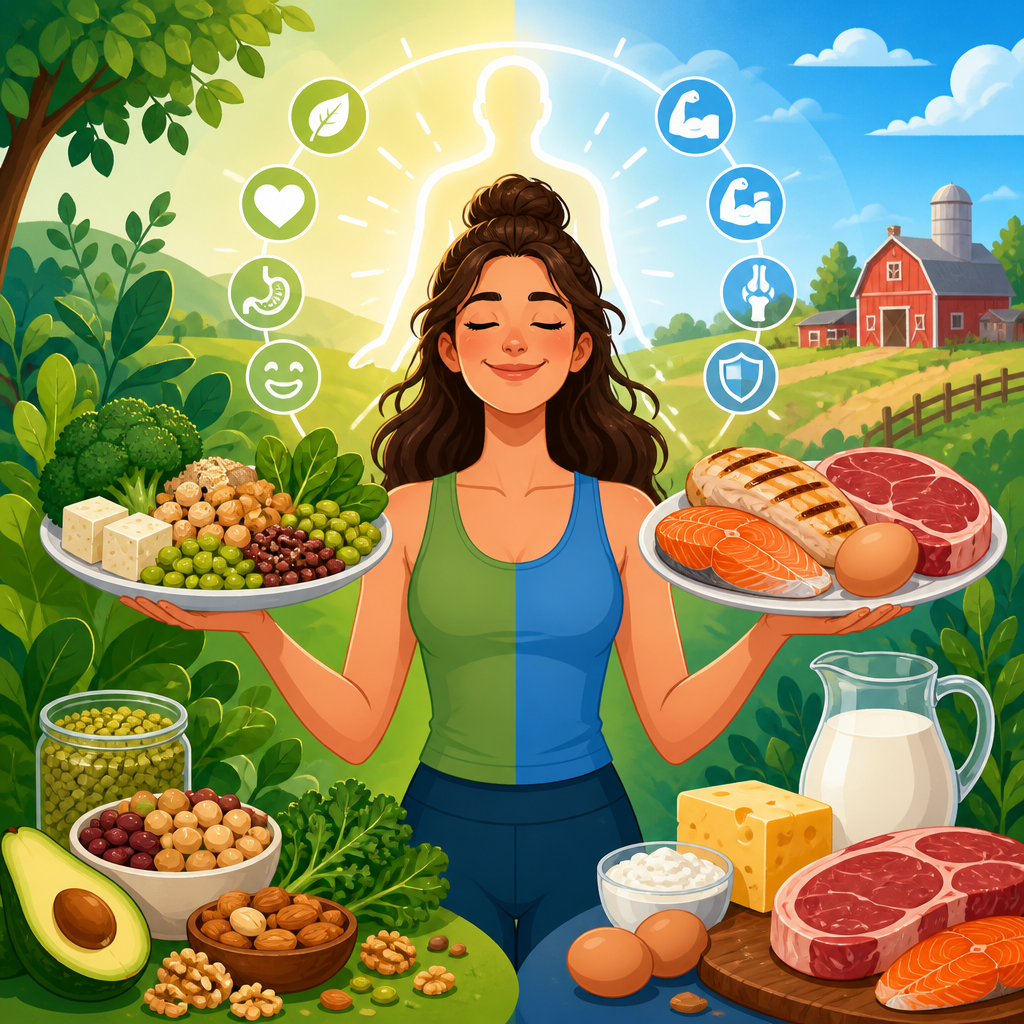
Protein shapes far more than muscle size, and the choice between plant-based proteins and animal proteins influences energy, appetite, digestion, heart health, long-term disease risk, and even how sustainable a diet feels in daily life. Plant-based proteins come from foods such as beans, lentils, soy, peas, nuts, seeds, and whole grains, while animal proteins come from meat, poultry, fish, eggs, and dairy. Both can support strength, recovery, healthy aging, and metabolic health, but they differ in amino acid profile, digestibility, accompanying nutrients, and the compounds that travel with them on the plate. I have worked with clients who assumed protein quality was only about grams, yet the bigger picture always included food matrix, cooking methods, portion size, and the rest of the diet. That is why this comparison matters: two meals with the same protein total can affect fullness, cholesterol, gut comfort, blood sugar, and overall well-being very differently.
At the most basic level, proteins are built from amino acids, including nine essential amino acids that must come from food. Animal proteins are often called complete proteins because they naturally provide all essential amino acids in sufficient amounts. Some plant foods, especially soy, quinoa, buckwheat, hemp, and pea protein blends, also provide a strong essential amino acid profile, while other plant sources are lower in one or more amino acids, such as lysine in many grains or methionine in many legumes. In practice, this is rarely a problem when people eat a varied diet across the day. The body maintains an amino acid pool, so combining rice and beans, hummus and whole grain pita, tofu and noodles, or oats with soy milk can support excellent protein adequacy without requiring perfect pairing at every meal.
Well-being is the useful lens for this topic because most people are not choosing protein in a laboratory; they are choosing breakfast, lunch, snacks, and dinner while managing budget, taste, culture, training, medical history, and convenience. Protein source can influence satiety hormones, post-meal glucose response, micronutrient intake, and exposure to saturated fat, heme iron, sodium, nitrates, fiber, and phytochemicals. It also affects how easy a plan is to follow over months and years, which matters more than any short burst of perfect eating. Understanding plant-based proteins vs. animal proteins helps people choose the right balance for their goals instead of getting trapped in false all-or-nothing thinking.
For a hub article in the broader superfoods and functional foods conversation, protein deserves central attention because many protein-rich foods do more than provide amino acids. Lentils bring folate, magnesium, potassium, and polyphenols. Greek yogurt delivers calcium and probiotics, depending on the product. Salmon contributes omega-3 fats that support cardiovascular and brain health. Tofu can provide calcium when set with calcium sulfate, and tempeh adds fermentation-related benefits. The key question is not which side wins universally, but how each category affects overall well-being in real life and how to use them wisely.
Protein quality, muscle support, and daily performance
When people ask whether plant-based proteins or animal proteins are better, the first honest answer is that both can build and maintain muscle when total protein intake, resistance training, and calorie intake are appropriate. Animal proteins generally stimulate muscle protein synthesis efficiently because they are rich in leucine, one of the branched-chain amino acids that acts as a trigger for muscle repair. Whey protein, eggs, dairy, poultry, and fish are especially effective in this role. Plant proteins can absolutely do the job too, but some sources require a larger serving or strategic combinations to match the leucine content and digestibility of animal protein. For example, soy protein isolate performs well in research, and blends of pea and rice protein can create a more balanced amino acid profile.
Digestibility is part of the equation. Animal proteins are usually highly digestible, whereas whole plant foods contain fiber and anti-nutritional compounds such as phytates and tannins that can modestly reduce protein availability. That sounds negative, but context matters. Those same plant compounds can support fullness, glycemic control, and gut health. In sports nutrition, I often recommend that highly active people using mostly plant proteins include concentrated options like tofu, tempeh, edamame, soy yogurt, fortified soy milk, or a well-formulated protein powder to meet needs without excessive volume. Older adults should also pay attention, because age-related anabolic resistance increases protein requirements and makes leucine-rich meals more important regardless of dietary pattern.
A practical target for many adults is roughly 20 to 40 grams of protein per meal, adjusted for body size, age, activity, and health status. Spreading intake across the day supports muscle maintenance better than eating most protein at dinner. A breakfast of eggs and yogurt, or tofu scramble with soy milk and chia seeds, can set up better satiety and energy than a pastry and coffee. The strongest plan is the one a person can repeat consistently, digest comfortably, and align with medical needs and preferences.
Heart health, metabolic health, and chronic disease risk
Protein source can meaningfully affect cardiovascular and metabolic health because proteins arrive packaged with fats, sodium, fiber, and bioactive compounds. Many plant-based proteins support heart health because they are naturally cholesterol-free, lower in saturated fat, and rich in fiber, potassium, and polyphenols. Diets centered on beans, lentils, soy foods, nuts, and seeds are associated with lower LDL cholesterol and better blood pressure patterns, especially when they replace processed meats and fatty cuts of red meat. Soluble fiber from legumes helps bind bile acids and can reduce cholesterol, while soy protein has been linked with modest LDL-lowering effects in established nutrition guidance.
Animal proteins are not a single category nutritionally. Fish, plain yogurt, kefir, eggs, and skinless poultry do not carry the same risk profile as bacon, sausage, hot dogs, deli meats, or heavily charred steaks. Processed meats are consistently associated with higher risk of cardiovascular disease, colorectal cancer, and all-cause mortality in large observational studies. Red meat can fit in some diets, but frequency, portion size, and cut matter. Replacing some red and processed meat with beans, tofu, fish, or nuts is one of the clearest food swaps for improving long-term health markers.
For blood sugar management, protein can slow gastric emptying and improve satiety, but whole-food plant proteins add an extra advantage through fiber. A lentil bowl with vegetables and tahini often produces steadier post-meal glucose than a refined grain meal with processed meat. On the other hand, unsweetened Greek yogurt or cottage cheese can be excellent high-protein choices for people who tolerate dairy and want a low-carbohydrate option. The real lesson is that food form matters as much as protein category.
Micronutrients, gut health, and the full food matrix
Looking only at protein grams misses the wider nutritional package. Animal proteins can provide highly bioavailable iron, vitamin B12, zinc, calcium, iodine, creatine, taurine, and long-chain omega-3 fats, depending on the food. These nutrients are valuable. Heme iron from red meat is absorbed well, and B12 is naturally concentrated in animal foods, making supplementation or fortification essential for strict vegans. Fish contributes EPA and DHA, forms of omega-3 fat linked to cardiovascular benefit. Dairy foods can support calcium intake and bone health, especially in adolescents and older adults.
Plant-based proteins bring strengths that animal proteins usually lack, particularly fiber, resistant starch, and a wide range of phytochemicals. These compounds feed beneficial gut microbes, increase stool bulk, support bowel regularity, and can lead to short-chain fatty acid production, especially butyrate, which helps maintain colon health. In practice, people who shift from mostly meat-based meals to meals built around lentils, chickpeas, tofu, and mixed grains often report better fullness and more regular digestion once their fiber intake adjusts upward gradually. The tradeoff is that some individuals initially experience bloating, especially if they increase legumes too quickly or have irritable bowel symptoms.
Preparation methods improve tolerance and nutrient availability. Soaking beans, rinsing canned legumes, choosing split lentils, using fermented soy foods like tempeh, and cooking cruciferous vegetables thoroughly can all improve digestion. Vitamin C-rich foods such as bell peppers, citrus, kiwi, or tomatoes enhance non-heme iron absorption from plants, while tea and coffee consumed with meals can reduce it. These details matter because they turn a theoretically healthy pattern into one that works well in a real kitchen.
| Protein source | Main strengths | Potential limitations | Best use case |
|---|---|---|---|
| Lentils and beans | Fiber, folate, potassium, low saturated fat | Lower methionine, may cause gas if increased too fast | Heart health, glucose control, budget meals |
| Soy foods | Complete protein, versatile, often fortified | Quality varies in ultra-processed products | Plant-forward muscle support |
| Fish | High-quality protein, omega-3 fats | Cost, sustainability and mercury considerations in some species | Cardiovascular support |
| Eggs and dairy | Leucine-rich, convenient, calcium in many dairy foods | Not suitable for all allergies or intolerances | Easy breakfast and recovery meals |
| Processed meats | Convenient, high protein | Higher sodium, nitrates, stronger chronic disease concerns | Best limited rather than routine |
Weight management, sustainability, and what works in real life
For weight management, both plant-based proteins and animal proteins can help by increasing satiety and preserving lean mass during calorie reduction. The difference often comes from calorie density and palatability. Beans, lentils, and tofu usually deliver protein with more water and fiber and less saturated fat than cheese-heavy or fatty meat meals, which can make portion control easier. At the same time, very low-fiber, highly processed meat snacks can be easy to overeat, while very bulky plant meals may leave highly active people under-fueled unless they add calorie-dense foods such as nuts, seeds, avocado, or olive oil. I see the best adherence when people build meals around a clear anchor: a protein source, a produce source, and a quality carbohydrate or healthy fat.
Environmental impact also enters the well-being conversation because dietary choices affect food security, cost, and personal values. On average, legumes have a much lower greenhouse gas footprint than beef and lamb, and they generally require less land and water per gram of protein. That does not mean every plant product is automatically sustainable or every animal food is equally impactful, but shifting part of protein intake toward legumes, soy, nuts, and seeds is one of the most practical ways to lower dietary environmental burden. For many households, it also lowers grocery costs.
The smartest pattern for most people is not ideological purity but intentional balance. A Mediterranean-style approach, a flexitarian pattern, or a carefully planned vegetarian diet can all support excellent health. If you eat animal proteins, prioritize fish, yogurt, kefir, eggs, and modest portions of lean poultry, and limit processed meats and frequent large servings of red meat. If you eat mostly plant-based proteins, include soy foods, legumes, nuts, seeds, and fortified foods, and monitor vitamin B12, iron, calcium, iodine, and omega-3 intake. The best protein strategy is the one that supports labs, energy, digestion, training, and long-term consistency.
Plant-based proteins vs. animal proteins is not a contest with one universal winner; it is a decision about which protein sources best support your overall well-being, meal by meal and over time. Animal proteins offer convenience, dense essential amino acids, and key nutrients such as B12, calcium, heme iron, and omega-3 fats in certain foods. Plant-based proteins offer fiber, phytochemicals, lower saturated fat, and strong benefits for heart health, gut health, and dietary sustainability. The strongest evidence consistently favors replacing at least some processed and red meat with legumes, soy foods, nuts, seeds, and other minimally processed plant proteins.
If your goal is muscle, you do not need to avoid plant proteins, but you do need to plan them well and eat enough total protein. If your goal is heart health or weight management, whole-food plant proteins deserve a larger role. If your goal is simplicity, combining both categories strategically often works best. What matters most is protein quality in context: the whole food matrix, the cooking method, the portion, and the overall pattern on your plate. Small swaps compound quickly, such as choosing lentil chili instead of sausage chili, salmon instead of processed deli meat, or tofu stir-fry instead of takeout built around fried meat.
Use this hub as your starting point for deeper articles on soy foods, legumes, dairy, fish, protein powders, meal timing, and special considerations for athletes, older adults, and plant-based eaters. Review your current meals, identify where your protein is coming from, and make one upgrade this week toward more nutrient-dense, minimally processed options. Your energy, digestion, cardiometabolic health, and long-term resilience are shaped by those repeated choices.
Frequently Asked Questions
1. Is plant protein as effective as animal protein for strength, muscle maintenance, and recovery?
Yes, plant protein can absolutely support strength, muscle maintenance, and recovery when total intake, variety, and overall diet quality are well planned. Animal proteins are often described as “complete” proteins because they naturally contain all nine essential amino acids in proportions that align well with human needs. Many plant proteins contain all essential amino acids too, but some are lower in one or more amino acids, such as lysine or methionine, depending on the food. In practical terms, this does not mean plant proteins are inferior. It means the overall pattern of eating matters more. Foods like soy, tofu, tempeh, edamame, quinoa, buckwheat, and pea protein are especially helpful because they provide a strong amino acid profile, while combinations such as beans and rice, lentils and whole grains, or nuts and legumes can round out intake over the course of a day.
For muscle repair and healthy aging, quantity matters alongside quality. If someone eats mostly plant-based proteins, they may benefit from being more intentional about reaching their daily protein target and distributing protein across meals. This is especially important for athletes, older adults, and people trying to preserve lean mass during weight loss. Animal proteins may stimulate muscle protein synthesis a little more efficiently per serving because of their leucine content and digestibility, but plant-forward diets can still produce excellent results when meals include enough total protein and calorie intake is adequate. Recovery also depends on carbohydrates, sleep, hydration, and micronutrients, so protein type is only one part of the bigger picture. The key takeaway is that both plant and animal proteins can support performance and recovery, but plant-based eaters typically benefit from a bit more planning to make sure intake is consistently sufficient.
2. How do plant-based proteins and animal proteins affect digestion, fullness, and daily energy levels?
Plant-based proteins and animal proteins can feel very different in the body because they usually come packaged with different nutrients. Plant protein foods often bring fiber, complex carbohydrates, antioxidants, and beneficial plant compounds that support digestive health and a steadier energy curve. Beans, lentils, peas, seeds, and whole grains can improve satiety by slowing digestion and helping blood sugar rise more gradually. Many people find that meals built around these foods keep them full for longer while also supporting regular bowel movements and a healthier gut microbiome. A healthier gut can influence everything from immune function to mood and energy regulation.
Animal protein foods, by contrast, contain no fiber, but they can still be highly satisfying because protein itself helps regulate appetite-related hormones. Foods like eggs, Greek yogurt, fish, and lean poultry are often easy to digest and convenient for people who want a concentrated protein source without a lot of volume. However, the digestive and energy effects depend heavily on the specific animal food. A meal centered on grilled salmon may leave someone feeling nourished and stable, while a heavily processed meat meal high in saturated fat and sodium may feel heavier and less energizing. The same is true on the plant side: a balanced lentil bowl is different from an ultra-processed meat alternative with little fiber. If someone experiences bloating with legumes, preparation methods like soaking beans, rinsing canned legumes, starting with smaller portions, or choosing tofu and tempeh can help. In daily life, the most sustainable option is often the one that leaves you feeling comfortably full, mentally clear, and digestively well after meals.
3. Which is better for heart health and long-term disease prevention: plant protein or animal protein?
In general, diets that include more plant-based protein and less processed or high-fat animal protein are consistently associated with better heart health and lower risk of several chronic diseases. One reason is nutrient packaging. Plant proteins typically come with fiber, potassium, magnesium, and phytonutrients, all of which support cardiovascular health, blood pressure regulation, and metabolic function. Replacing some red meat or processed meat with beans, lentils, soy foods, nuts, or seeds has been linked with improvements in cholesterol levels and a lower risk of heart disease over time. Fiber is especially important because it helps reduce LDL cholesterol and supports better blood sugar control, both of which matter for long-term well-being.
That said, not all animal proteins affect health the same way. Fish, fermented dairy, yogurt, eggs, and lean poultry can fit into a healthy eating pattern for many people, especially when the diet also includes vegetables, fruits, legumes, and whole grains. The biggest concerns tend to be frequent intake of processed meats like bacon, sausage, deli meats, and hot dogs, as well as excessive consumption of fatty cuts of red meat. These foods have been associated with higher risks of cardiovascular disease, type 2 diabetes, and certain cancers when eaten often. So the question is not simply “plant or animal,” but also “which specific foods, how often, and in what overall eating pattern?” A thoughtful approach often works best: emphasize plant proteins more often, choose higher-quality animal proteins when you eat them, and minimize processed meat. That pattern supports both present-day health markers and long-term disease prevention.
4. Do you need to combine plant proteins at every meal to get complete nutrition?
No, you do not need to combine plant proteins at every single meal to get complete nutrition. This is one of the most common misconceptions about plant-based eating. Your body maintains an amino acid pool throughout the day, which means it can use amino acids from different meals and snacks to meet its needs. As long as you are eating a variety of protein-containing plant foods across the day and consuming enough total calories and protein, your body can assemble what it needs. For example, someone might eat oatmeal with nuts at breakfast, a lentil soup at lunch, tofu with rice and vegetables at dinner, and easily cover essential amino acid needs without deliberately “pairing” proteins at one sitting.
That said, being intentional still helps. Some plant-based eaters, especially those with higher protein needs, benefit from regularly including protein-rich staples such as soy foods, legumes, seitan, pea protein, nuts, seeds, and whole grains. Variety matters not just for amino acids but also for iron, zinc, calcium, omega-3 fats, and B vitamins. If someone is fully vegan, vitamin B12 deserves special attention because it is not reliably available in unfortified plant foods. Older adults may also need to be more deliberate because appetite can decrease with age while protein needs remain important for preserving muscle and function. So while protein combining at each meal is not necessary, diversity and consistency across the day are smart strategies for making a plant-based diet nutritionally strong and easier to sustain.
5. What is the healthiest and most realistic way to choose between plant-based and animal proteins in everyday life?
The healthiest and most realistic approach for most people is not an all-or-nothing decision. It is usually a flexible pattern that emphasizes more plant proteins while choosing animal proteins selectively based on quality, health goals, preferences, budget, and lifestyle. This matters because a diet only improves well-being if it is sustainable in real life. Plant proteins can be affordable, versatile, and highly beneficial for heart health, digestion, and long-term disease risk, but some people find it easier to meet protein targets, especially during busy weeks, by including foods like Greek yogurt, eggs, fish, or chicken. Others prefer a fully plant-based approach for ethical, environmental, or digestive reasons and do very well with some planning. The best choice is the one that supports nutrient adequacy, enjoyment, consistency, and a healthy relationship with food.
A practical strategy is to build meals around whole or minimally processed protein sources most of the time. On the plant side, that means beans, lentils, tofu, tempeh, edamame, peas, nuts, seeds, and whole grains. On the animal side, that means options like fish, plain yogurt, cottage cheese, eggs, and lean poultry more often than processed meats. You can also think in terms of replacement rather than restriction: swap some red meat meals for chili made with beans, use tofu in stir-fries, add lentils to pasta sauce, or mix Greek yogurt and nuts into breakfast. This approach improves dietary diversity without forcing a dramatic lifestyle change. In the long run, the strongest evidence supports a dietary pattern rich in plants, adequate in total protein, and low in heavily processed foods. That balance tends to promote steady energy, better appetite control, healthier aging, and overall well-being.