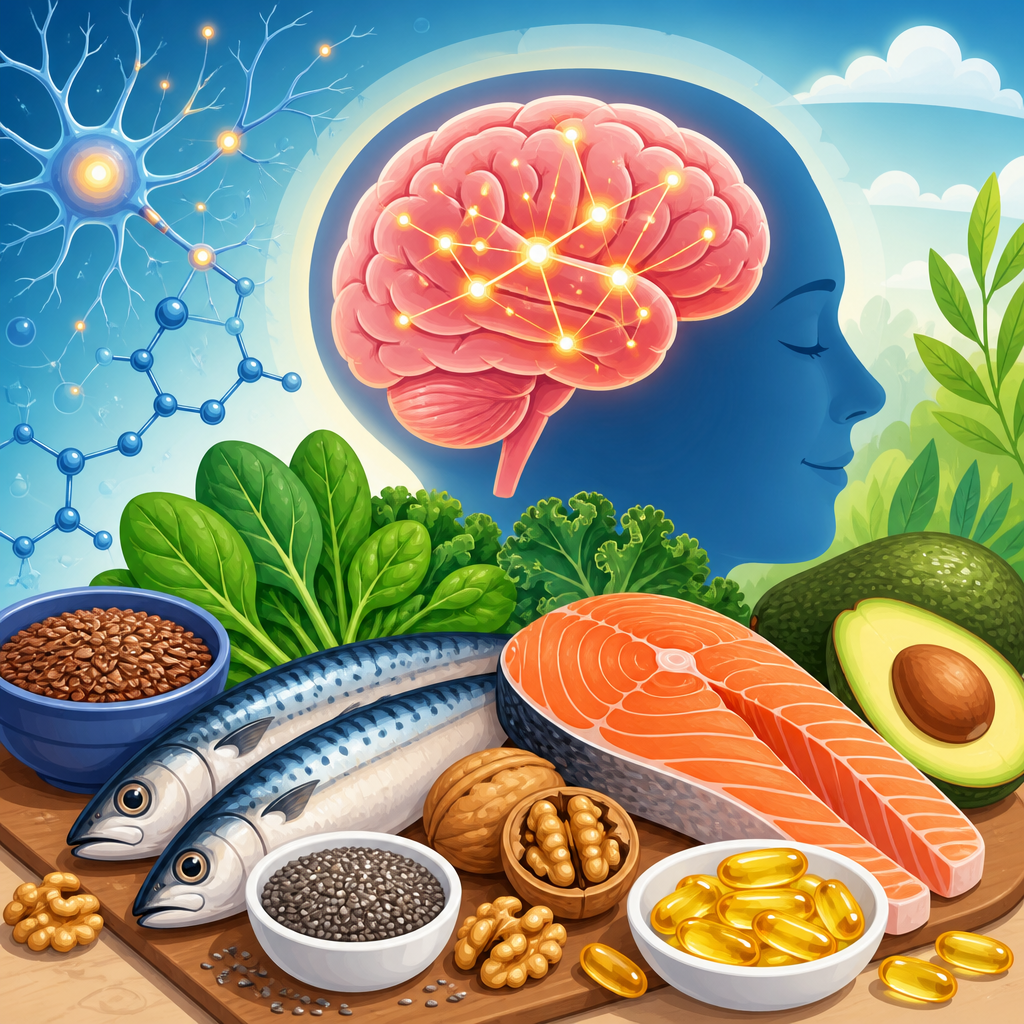
Omega-3 rich foods and brain health are closely linked, and the science behind that connection is stronger than most nutrition trends. Omega-3 fatty acids are a family of polyunsaturated fats that the body cannot produce efficiently on its own, which means diet matters. The three forms people hear about most are ALA, found mainly in plants such as flaxseed, chia seeds, walnuts, and canola oil, and EPA and DHA, found primarily in fatty fish, shellfish, and algae. When clinicians, dietitians, and researchers discuss brain benefits, DHA usually gets the most attention because it is a major structural fat in the brain, while EPA is often studied for its role in mood, inflammation, and signaling. Understanding the distinction matters because not all omega-3 sources affect the brain in the same way.
Brain health is also broader than memory alone. It includes cognitive development in infancy, attention and learning in childhood, mental performance in adulthood, mood regulation, healthy aging, and resilience against neurodegeneration. In practice, I have seen people assume a fish oil capsule can compensate for an otherwise poor diet, inadequate sleep, or uncontrolled vascular risk factors. That is not how the evidence works. Omega-3 rich foods support brain health best as part of a larger pattern that includes adequate protein, colorful plant foods, regular exercise, blood pressure control, and consistent sleep. Still, omega-3s deserve focused attention because they influence cell membranes, neurotransmission, cerebral blood flow, and inflammatory pathways that affect how the brain functions over time.
This hub article explains what omega-3 rich foods are, why they matter for the brain, what research says about benefits and limits, and how to choose practical food sources. It also clarifies common questions, such as whether plant omega-3s are enough, how much fish is useful, and who may need to prioritize intake more carefully. If you want a clear, evidence-based guide to omega-3 rich foods and brain health, this is the place to start.
What omega-3 fatty acids do in the brain
Omega-3 fatty acids help build and maintain the physical structure of brain cells. DHA is highly concentrated in neuronal membranes, especially in synapses and the retina. A membrane rich in DHA stays flexible, which improves signal transmission between cells. That fluidity affects receptor function, ion channels, and the release of neurotransmitters. In plain terms, brain cells communicate more effectively when the fats in their membranes are balanced. EPA is present in smaller amounts in brain tissue, but it plays an important role in producing signaling molecules that help regulate inflammation and immune activity. Since chronic inflammation can impair cognition and mood, EPA may contribute indirectly to better brain function.
These fats also affect blood vessels. The brain uses a large share of the body’s oxygen and glucose supply, so stable circulation matters. Omega-3 intake has been associated with healthier triglyceride levels and may support endothelial function, which can benefit cerebral blood flow. Researchers also study omega-3s for their role in neuroplasticity, the brain’s ability to adapt, form new connections, and recover from stress or injury. Animal and human studies suggest DHA may influence brain-derived neurotrophic factor, a protein involved in learning and memory. The mechanism is not magic; it is a combination of structure, signaling, and inflammation control.
Because of these biological roles, omega-3 rich foods and brain health are studied across the lifespan. During pregnancy and infancy, DHA supports rapid brain and eye development. In school-age children, researchers look at attention, reading, and behavior. In adults, the focus often shifts to mood, stress resilience, and long-term cognitive maintenance. In older adults, the main question becomes whether higher omega-3 intake is associated with slower cognitive decline or reduced dementia risk. The answers differ by age group and by outcome measured, which is why broad claims can become misleading if they ignore context.
Best omega-3 rich foods for brain health
The most effective food sources for direct brain-related omega-3 intake are fatty fish and seafood because they provide preformed DHA and EPA. Salmon, sardines, mackerel, herring, trout, anchovies, and some shellfish are the strongest options. For example, a serving of Atlantic salmon can provide well over one gram of EPA plus DHA, while sardines offer a similar advantage in a smaller, affordable package. I often recommend sardines to people who want a shelf-stable option with low preparation time and a generally favorable mercury profile. Trout is another practical choice for families because it is widely available and usually milder in flavor than mackerel or herring.
Plant foods still matter, but for a different reason. Flaxseed, chia seeds, walnuts, hemp seeds, and soy foods provide ALA, which supports overall diet quality and can contribute modestly to omega-3 status. The limitation is conversion. The body converts only a small percentage of ALA into EPA and an even smaller amount into DHA, with rates influenced by genetics, sex, overall diet, and the amount of competing omega-6 fats consumed. That means a spoonful of flaxseed is a valuable addition to breakfast, but it is not nutritionally equivalent to eating salmon when the goal is brain DHA status.
| Food | Main omega-3 type | Brain-health advantage | Practical note |
|---|---|---|---|
| Salmon | EPA and DHA | High direct intake for cell membranes and signaling | Fresh, frozen, and canned options work |
| Sardines | EPA and DHA | Dense source with calcium and vitamin D | Affordable and low-prep |
| Trout | EPA and DHA | Reliable source with mild taste | Good entry point for fish beginners |
| Algae oil foods or fortified products | DHA, sometimes EPA | Useful for vegetarians and vegans | Check label for actual DHA amount |
| Flaxseed and chia seeds | ALA | Supports overall omega-3 intake | Best used regularly, not as a substitute for DHA |
| Walnuts | ALA | Convenient plant option with polyphenols | Helpful snack in brain-friendly dietary patterns |
Fortified foods can help fill gaps. Some eggs, milk alternatives, yogurts, and functional beverages contain added omega-3s, though the amount varies widely. For vegetarians and vegans, algae-based products are especially relevant because algae is the original marine source of DHA. Fish accumulate DHA and EPA by eating organisms lower in the food chain, so algae-based foods or supplements can provide a direct route without seafood. When choosing among omega-3 rich foods and brain health strategies, the key question is not whether a food is trendy. It is whether it delivers meaningful amounts of DHA and EPA or contributes consistently to overall intake.
What science says about cognitive function, mood, and aging
The evidence is strongest for developmental importance and more mixed for short-term cognitive enhancement in healthy adults. During pregnancy, maternal DHA intake supports fetal brain and retinal development, which is why many prenatal guidelines encourage low-mercury seafood intake. In infancy, DHA-enriched feeding has been studied for visual and neurodevelopmental outcomes, though not every trial shows the same effect size. The broad scientific position is that DHA is an important nutrient during early development because the brain is building tissue rapidly.
In healthy young and middle-aged adults, omega-3 rich foods are not a guaranteed way to become sharper overnight. Randomized trials on memory, processing speed, and attention show variable results. Some studies find benefits in people with low baseline intake, high stress, or specific deficits, while others show little change. That does not mean omega-3s do nothing. It means their impact may be subtle, cumulative, and easier to detect in populations that start with lower status or higher inflammatory burden. Nutrition science often works like that. Essential nutrients prevent problems more reliably than they create dramatic boosts above normal function.
Mood is one of the most actively studied areas. EPA-heavy interventions have been examined in depression, with some meta-analyses suggesting modest benefit, particularly as an adjunct to standard care rather than a replacement. Food-first patterns that include fish are also associated with better mental health in observational research, though association is not proof of causation. Many fish-eating populations also differ in activity, social structure, and overall diet quality. Even so, the biological rationale is credible: omega-3s influence inflammatory mediators, membrane signaling, and neurotransmitter systems connected to mood regulation.
For older adults, the question is whether omega-3 intake helps preserve cognition and reduce dementia risk. Observational studies often show that people who eat more fish tend to have better cognitive aging outcomes. Brain imaging research has also linked higher omega-3 status to favorable markers such as larger brain volumes in some groups. Yet intervention trials in established dementia have been less impressive, and supplementation after significant decline begins may be too late to show a large effect. The most defensible conclusion is that omega-3 rich foods and brain health are relevant to prevention and maintenance, especially when paired with Mediterranean-style eating, exercise, and vascular risk reduction. They are not a cure for Alzheimer’s disease, but they are part of a plausible long-term strategy for healthier brain aging.
How much to eat, safety issues, and smart food choices
Most public health guidance supports eating fish about two times per week, especially varieties rich in omega-3s and lower in mercury. Organizations such as the American Heart Association and Dietary Guidelines for Americans use that range because it is practical and associated with cardiovascular benefits that also matter for the brain. Pregnancy requires extra care, not avoidance. Low-mercury seafood choices such as salmon, sardines, trout, anchovies, and light tuna can provide DHA without the higher mercury exposure associated with shark, swordfish, king mackerel, and tilefish. The Food and Drug Administration and Environmental Protection Agency provide category-based seafood advice that is worth following closely.
Preparation matters more than people think. A grilled salmon fillet, sardines on whole-grain toast, or trout baked with olive oil preserves the nutritional value without adding much damage from overheating fats. Deep-frying fish can increase oxidation and calorie load, which weakens the overall health profile. Canned fish is a strong option if sodium fits your needs, and frozen fish is nutritionally sound when handled well. Cost can be a barrier, so I often point people toward canned salmon or sardines, frozen fillets, and rotating species based on sales. Consistency matters more than buying a premium fillet once a month.
For people who do not eat seafood, building a brain-supportive omega-3 pattern takes more planning. Include flaxseed, chia, walnuts, soy, and canola oil regularly, and consider algae-based DHA foods or supplements if intake is otherwise low. This is especially important during pregnancy, lactation, and older age, when DHA needs deserve attention. The practical rule is simple: if your diet contains little or no fish, do not assume ALA alone fully covers brain-related omega-3 needs.
There are also limits to keep in mind. More is not always better, and extremely high supplemental doses can interact with medications or cause gastrointestinal side effects. Food sources bring advantages beyond omega-3s, including protein, selenium, vitamin D, iodine in some species, and displacement of less beneficial foods. That is why the most evidence-based approach starts with omega-3 rich foods and uses supplements selectively.
How to build an omega-3 centered eating pattern that actually lasts
The best diet strategy is the one people can repeat. Start by choosing two seafood meals each week that fit your schedule and budget. One can be as simple as canned sardines with lemon, herbs, and crackers, and the other might be baked salmon with vegetables and brown rice. Add plant sources daily by stirring ground flax into oatmeal, using chia in yogurt, or keeping walnuts available for snacks. If someone in the household refuses fish, try milder options like trout or salmon cakes before giving up on the category. Flavor, texture, and familiarity often matter more than motivation alone.
Pair omega-3 rich foods with a broader brain-friendly pattern. Include leafy greens, berries, beans, olive oil, fermented dairy if tolerated, and whole grains. Control blood pressure, blood sugar, and sleep debt because vascular injury and metabolic stress can erase nutrition gains. Track habits for four weeks rather than chasing perfection. Small repeatable actions change nutrient status far more effectively than occasional health kicks. If your current intake is low, improving it now is a practical investment in long-term brain health. Start with one fish meal this week, add one daily plant source, and build from there.
Frequently Asked Questions
1. How do omega-3 fatty acids support brain health?
Omega-3 fatty acids support brain health in several important ways, and the strongest evidence centers on DHA and EPA. DHA is a major structural fat in the brain and is especially concentrated in cell membranes, where it helps maintain fluidity and efficient communication between neurons. In practical terms, that means omega-3s help support the way brain cells send signals, respond to chemical messengers, and adapt over time. EPA, while present in smaller amounts in brain tissue, appears to play an important role in regulating inflammation and supporting healthy blood flow, both of which matter for long-term cognitive function.
Researchers have also looked at omega-3s in relation to memory, learning, mood, and healthy brain aging. While results vary depending on age, health status, diet quality, and whether the omega-3s come from food or supplements, the overall scientific picture suggests that getting enough omega-3s is part of a brain-supportive eating pattern. These fats are not a magic fix, but they are a foundational nutrient. That is why clinicians and dietitians often emphasize regular intake of omega-3 rich foods such as salmon, sardines, mackerel, trout, herring, walnuts, chia seeds, flaxseed, and algae-based sources, especially for people who do not eat seafood often.
2. Which omega-3 rich foods are best for the brain?
The best omega-3 rich foods for brain health are usually those that provide DHA and EPA directly, because these are the forms most readily used by the body for many neurological and anti-inflammatory functions. Fatty fish are the leading food sources, including salmon, sardines, mackerel, herring, anchovies, and trout. Shellfish can also contribute meaningful amounts, and algae is an especially useful source of DHA for people following vegetarian or vegan diets. These foods are often considered the most efficient choices because the body does not need to convert them from another omega-3 form before use.
Plant foods still matter, however, because they provide ALA, another omega-3 fatty acid linked to overall health. Good sources include flaxseed, chia seeds, walnuts, hemp seeds, and canola oil. The challenge is that the body converts only a limited amount of ALA into EPA and DHA, and that conversion can vary from person to person. For that reason, someone who relies entirely on plant sources may still benefit from paying close attention to intake levels or considering algae-based DHA and EPA sources. In everyday terms, the strongest brain-focused strategy is usually to include fatty fish regularly if you eat it, and to use plant omega-3 foods consistently as part of a balanced diet rich in vegetables, legumes, whole grains, and minimally processed fats.
3. Is there strong scientific evidence that omega-3s improve memory, focus, or mood?
The science is promising, but it is also nuanced. Omega-3s are among the most studied nutrients in relation to brain health, and researchers have examined their role in cognitive performance, emotional well-being, neurodevelopment, and healthy aging. Some studies suggest benefits for mood regulation, especially in people with low baseline omega-3 intake or certain inflammatory patterns. Other research has explored whether higher omega-3 intake is associated with better memory retention, slower cognitive decline, or improved attention, but the findings are not identical across all populations.
One reason the results are mixed is that brain health is influenced by far more than one nutrient. Sleep, physical activity, cardiovascular health, education, stress, social connection, and overall diet quality all shape cognitive outcomes. In addition, not all studies use the same dose, type, or duration of omega-3 intake. Even so, many experts agree on one key point: omega-3s are biologically important for the brain, and consuming enough of them is a sensible, evidence-based part of a long-term brain health strategy. It is best to think of omega-3 rich foods as supportive rather than curative. They are most effective when included within a broader lifestyle pattern that also protects heart health, metabolic health, and vascular function, all of which are closely tied to the brain.
4. Are plant-based omega-3 foods enough, or do you need fish for brain benefits?
Plant-based omega-3 foods can absolutely contribute to brain health, but whether they are enough depends on the individual diet and the form of omega-3 being consumed. Plant foods such as flaxseed, chia seeds, walnuts, hemp seeds, and canola oil provide ALA. ALA is beneficial, but it must be converted by the body into EPA and DHA, and that conversion is generally inefficient. As a result, people who do not eat fish may not produce large amounts of DHA and EPA from plant foods alone, even when their intake of ALA is quite good.
That does not mean a plant-based approach cannot work. It means it should be planned thoughtfully. For vegetarians and vegans, regularly eating ALA-rich foods is a strong starting point, and algae-based omega-3 products offer a direct source of DHA, often with EPA as well. This is especially relevant during life stages or circumstances when omega-3 needs may be more important, such as pregnancy, breastfeeding, older adulthood, or periods of low seafood intake. For omnivores, adding fatty fish once or twice a week remains one of the simplest food-first ways to get DHA and EPA directly. For everyone, the goal is not perfection but consistency: getting meaningful omega-3 intake over time is what supports the larger picture of brain and nervous system health.
5. How much omega-3 should you eat for brain health, and is food better than supplements?
There is no single universal target for brain health alone, but many nutrition guidelines encourage regular intake of omega-3 rich foods, particularly seafood, as part of a healthy dietary pattern. A common recommendation is to eat fatty fish about two times per week, which helps provide EPA and DHA in meaningful amounts. If you do not eat seafood, it makes sense to include plant omega-3 foods daily and, in some cases, consider algae-based options to help cover DHA and EPA needs. Exact requirements can vary based on age, pregnancy status, medical history, and overall diet quality.
Food is usually the preferred first approach because whole foods deliver more than isolated fats. Fish, for example, also provides protein, selenium, vitamin D, iodine, and other nutrients that may work together to support overall health. Plant sources contribute fiber, minerals, antioxidants, and beneficial phytochemicals. Supplements can still be useful in certain situations, especially for people who rarely eat omega-3 rich foods or who have specific health needs, but they are not automatically better than dietary sources. In most cases, science supports a food-first approach: build meals around salmon, sardines, trout, flaxseed, chia seeds, walnuts, and other omega-3 rich foods, then discuss supplements with a healthcare professional if intake is low or personal needs are higher.