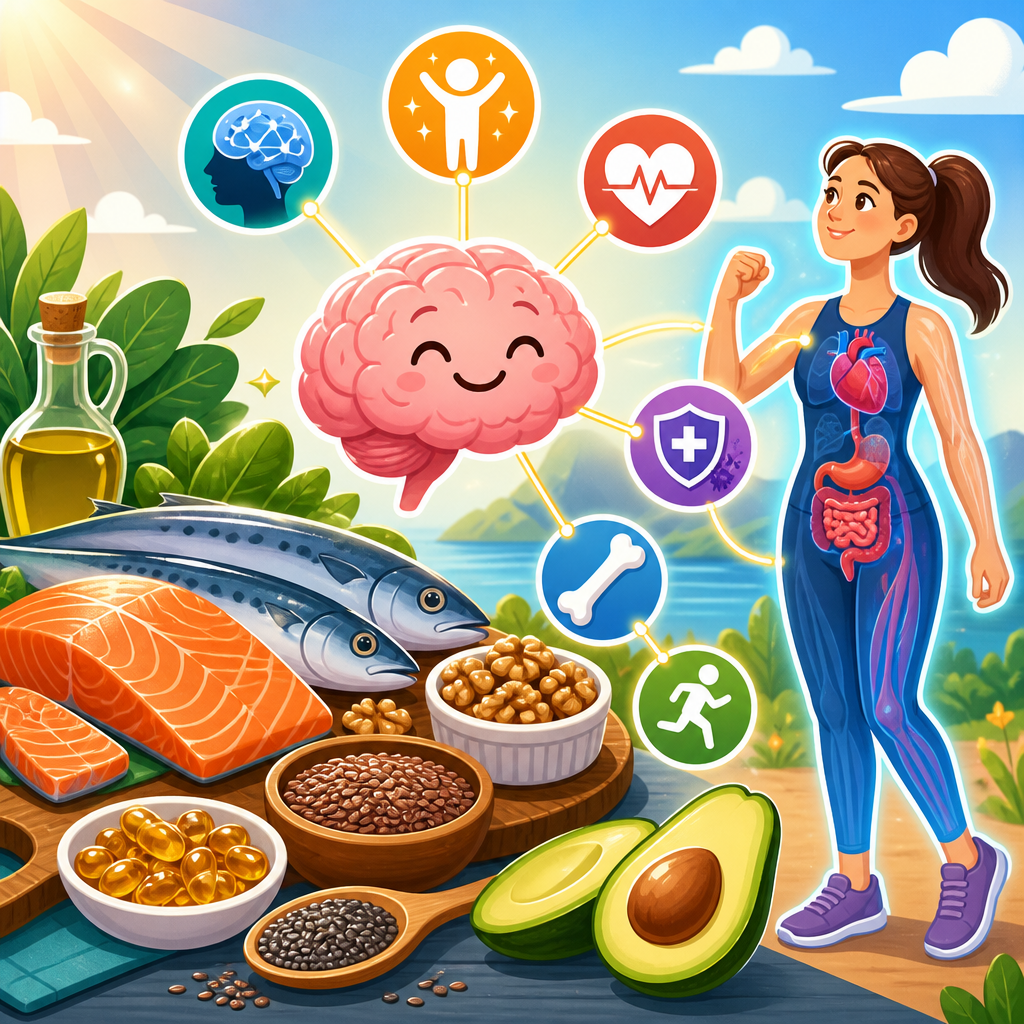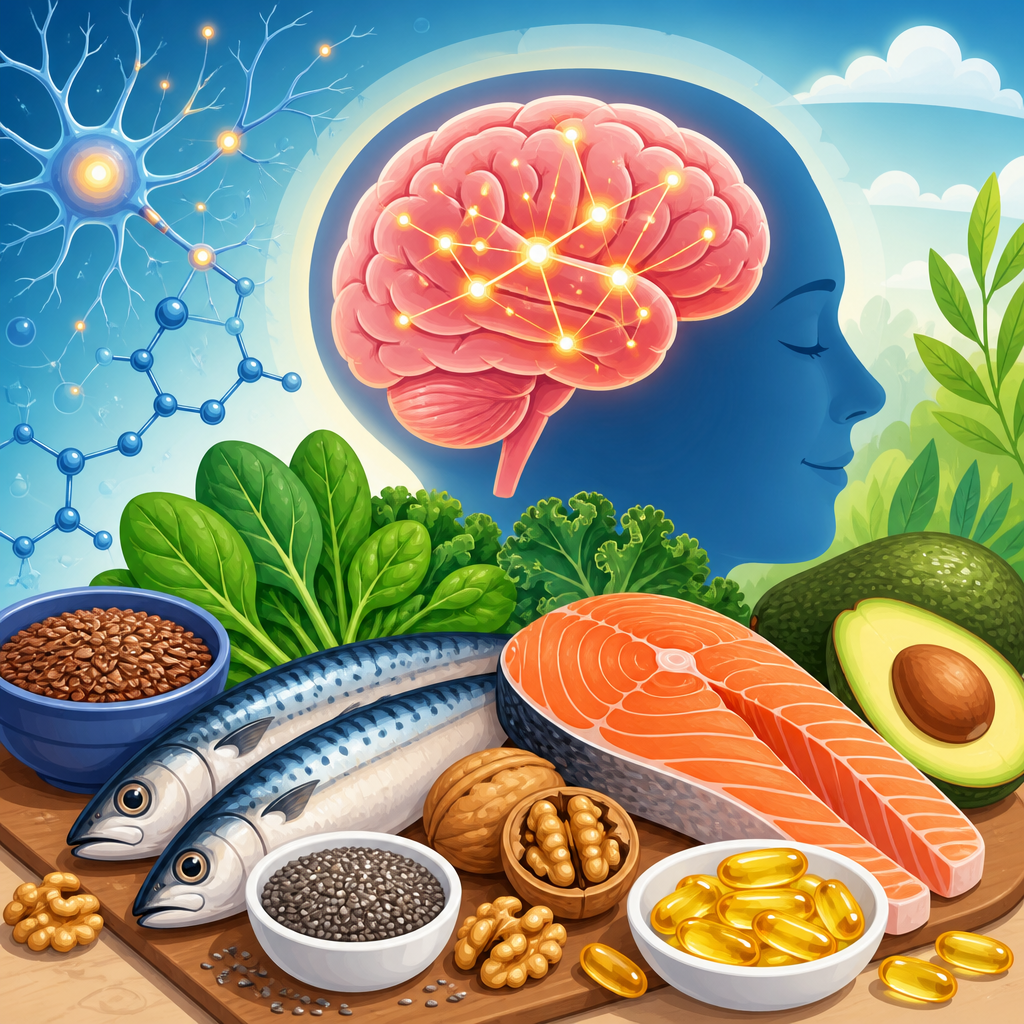
Omega-3 rich foods and brain health are closely linked through well-studied biological mechanisms that affect memory, mood, development, and long-term cognitive resilience. Omega-3 fatty acids are a family of polyunsaturated fats, primarily ALA, EPA, and DHA, that the body cannot produce efficiently in the amounts needed for optimal function. In practice, that means diet matters. I have worked with nutrition content, clinical research summaries, and food-based health education long enough to see one pattern repeated: when people understand which omega-3 foods matter, why they matter, and how to use them consistently, they make better choices and see more durable benefits than when they rely on vague advice or marketing claims.
Brain health is a broad term, but in nutrition science it usually refers to cognitive performance, emotional regulation, healthy brain aging, structural integrity of neurons, and support for normal neurological development across the lifespan. DHA, or docosahexaenoic acid, is especially important because it is a major structural fat in the brain and retina. EPA, or eicosapentaenoic acid, plays a strong role in signaling and inflammation regulation. ALA, or alpha-linolenic acid, is the plant-based omega-3 found in flax, chia, walnuts, hemp, and canola oil, but conversion from ALA into EPA and DHA is limited in humans. That limitation is one reason seafood and algae-based sources receive so much attention in evidence-based dietary guidance.
This topic matters because modern diets often provide too little omega-3 and too much omega-6 from processed seed oils and ultra-processed foods, shifting fatty acid balance in ways that may not support ideal inflammatory control or neural function. Public health agencies and professional organizations, including the American Heart Association and the Dietary Guidelines for Americans, routinely advise regular seafood intake, in part because fatty fish supply EPA and DHA in useful amounts. For adults interested in concentration, mood support, healthy aging, pregnancy nutrition, and child development, omega-3 intake is one of the most practical food-first strategies to understand. As a hub article, this guide explains the science, best food sources, intake patterns, common questions, and real-world ways to build meals around omega-3 rich foods.
How Omega-3 Fatty Acids Support Brain Structure and Function
The brain is rich in lipids, and the composition of those lipids affects how brain cells communicate. DHA is incorporated into neuronal membranes, where it helps maintain membrane fluidity, receptor function, synaptic signaling, and efficient neurotransmission. In plain terms, brain cells need the right fats to send signals cleanly. When I review the evidence, this is the core point that consistently matters: omega-3s are not just general “healthy fats”; they are structural and functional components of the nervous system.
DHA is concentrated in synapses, the contact points where neurons communicate, and in the retina, which is why omega-3 discussions often include vision alongside cognition. During fetal development and early childhood, DHA accumulation is rapid, making maternal intake particularly important. In adulthood, DHA continues to support membrane architecture, while EPA influences signaling molecules involved in inflammatory pathways. EPA is less concentrated structurally in the brain than DHA, yet it remains highly relevant because chronic inflammation, vascular dysfunction, and altered cell signaling are all associated with poorer cognitive and mental health outcomes.
Researchers also study omega-3s for their influence on brain-derived neurotrophic factor, cerebral blood flow, oxidative stress, and neuroinflammation. The evidence is not uniform across every condition, and benefits depend on dose, baseline diet, age, health status, and whether food or supplements are used. Still, the directional finding is strong: diets that regularly include omega-3 rich foods are associated with better support for normal brain function than diets chronically low in these fats.
Best Omega-3 Rich Foods for Brain Health
The most effective food sources for brain-focused omega-3 intake are fatty fish and seafood because they provide preformed EPA and DHA. Salmon, sardines, mackerel, herring, anchovies, trout, and some shellfish are the major examples. A three-ounce serving of Atlantic salmon commonly provides well over one gram of EPA plus DHA combined, while sardines and herring are also dense sources in a smaller, affordable format. Canned sardines, canned salmon, and frozen mackerel are often the most practical options for households trying to increase intake without overspending.
Plant foods contribute omega-3 in the form of ALA. Ground flaxseed, chia seeds, hemp seeds, walnuts, soy foods, and canola oil can all improve total omega-3 intake and support an overall healthy dietary pattern. However, ALA should not be treated as nutritionally identical to marine omega-3s. Conversion to EPA is low, and conversion to DHA is even lower, often only a few percentage points or less depending on sex, genetics, and background diet. That does not make plant sources unimportant; it means they are complementary rather than perfect substitutes for fish or algae-derived DHA and EPA.
| Food | Main Omega-3 Type | Typical Strength | Practical Brain-Health Use |
|---|---|---|---|
| Salmon | EPA and DHA | High | Reliable weekly staple for adults and families |
| Sardines | EPA and DHA | High | Budget-friendly, shelf-stable, low-mercury option |
| Mackerel | EPA and DHA | High | Dense source for people needing more seafood variety |
| Trout | EPA and DHA | Moderate to high | Mild flavor for regular meal rotation |
| Oysters and mussels | EPA and DHA | Moderate | Adds minerals like zinc and B12 alongside omega-3 |
| Flaxseed | ALA | High ALA | Useful plant addition for oatmeal, yogurt, and baking |
| Chia seeds | ALA | High ALA | Easy to add to smoothies and puddings |
| Walnuts | ALA | Moderate ALA | Convenient snack within a brain-healthy eating pattern |
| Algae oil foods or supplements | DHA, sometimes EPA | Moderate to high | Best non-fish option for vegetarians and vegans |
One practical issue I often explain is contaminant concern. Larger predatory fish can accumulate more mercury, so regular intake should emphasize lower-mercury, high-omega-3 choices such as salmon, sardines, trout, anchovies, Atlantic mackerel, and herring. This is especially important during pregnancy and early childhood, when neurodevelopment is a priority. The goal is not simply “eat more fish,” but “eat the right fish in the right pattern.”
What Research Says About Omega-3 Rich Foods and Brain Health
Research on omega-3 rich foods and brain health spans epidemiology, randomized trials, developmental nutrition, psychiatry, and aging. Observational studies repeatedly show that people who eat fish regularly tend to have better cognitive aging profiles and, in some cohorts, lower rates of cognitive decline. These studies cannot prove cause and effect on their own, but the consistency across populations makes them meaningful, especially when paired with mechanistic evidence about DHA in neuronal membranes.
In pregnancy and infancy, the evidence is especially important. DHA contributes to fetal brain and eye development, and low maternal seafood intake has been a longstanding concern in public health nutrition. Many prenatal nutrition guidelines encourage two to three servings per week of low-mercury seafood. In children, omega-3 status has been studied in relation to learning, attention, and visual development. Results vary by population and baseline deficiency, but adequate intake remains a sound standard because the developing brain has high structural demand for DHA.
In adults, evidence is strongest for supporting normal brain function and healthy aging rather than promising dramatic short-term changes in healthy people. Some studies suggest omega-3 intake may help mood regulation, particularly where inflammation or low seafood intake is part of the picture. In older adults, dietary patterns that include fish, vegetables, legumes, whole grains, olive oil, and nuts often correlate with better cognitive outcomes than low-quality diets. This matters because omega-3 foods rarely work in isolation; they work best as part of an overall dietary pattern that also supports vascular health, insulin sensitivity, and micronutrient adequacy.
It is also important to address what the science does not clearly prove. Omega-3 foods are not a guaranteed prevention or treatment for dementia, depression, ADHD, or neurodegenerative disease. Clinical results differ based on timing, dosage, diagnosis, medication use, and whether participants began with low omega-3 status. Responsible guidance avoids overclaiming. The evidence supports regular intake as a foundational habit, not a miracle intervention.
How Much Omega-3 Do You Need and Who Benefits Most
There is no single universal target for everyone, but common evidence-based guidance is to eat at least two servings of seafood per week, ideally including fatty fish. That pattern generally delivers meaningful EPA and DHA intake for most healthy adults. Specific adequate intake values exist for ALA, but brain-health discussions should not stop there because ALA is not equivalent to direct DHA and EPA intake. For people who never eat seafood, algae-derived DHA, sometimes paired with EPA, is the closest food-chain alternative.
Certain groups benefit from special attention. Pregnant and breastfeeding women need reliable low-mercury omega-3 sources because DHA supports fetal and infant brain development. Older adults may benefit from regular intake as part of healthy aging strategies, particularly where diet quality has slipped. People with low fish intake, highly processed diets, cardiovascular risk factors, or inflammatory conditions may also have more to gain from improving omega-3 intake. Vegetarians and vegans should plan intentionally with ALA-rich foods plus algae-based DHA if needed.
In real meal planning, consistency beats extremes. Two fish meals each week, a tablespoon of ground flax in breakfast, walnuts as a snack, and a seafood-based lunch such as salmon salad can raise omega-3 intake substantially without making diet feel clinical. That pattern is more sustainable than short bursts of supplementation or occasional “healthy” meals.
How to Choose, Prepare, and Use Omega-3 Foods Effectively
Buying and cooking decisions affect whether people actually follow through. Fresh fish is excellent, but frozen fillets and canned options are often more realistic and just as useful nutritionally. Canned salmon can be turned into patties, grain bowls, or sandwiches. Sardines work on toast with lemon and herbs, or mashed into pasta with olive oil and capers. Trout and salmon roast well at moderate heat, and simple seasoning keeps them versatile. The best omega-3 rich foods are the ones you will eat regularly.
Preparation matters because deep-frying can undermine some of the broader health value by adding excess refined oil and calories, while baking, poaching, grilling, steaming, or pan-searing are more balanced methods. Plant sources also need smart handling. Flaxseed should usually be ground for better absorption, chia can be soaked or blended, and walnuts should be stored carefully to prevent rancidity because polyunsaturated fats are sensitive to oxidation.
For a sub-pillar hub on Superfoods and Functional Foods, the central takeaway is simple: omega-3 rich foods and brain health belong in the same conversation because the connection is structural, functional, and clinically relevant. DHA helps build and maintain brain tissue, EPA supports signaling and inflammatory balance, and regular intake from fish, seafood, and complementary plant foods fits naturally into preventive nutrition. The strongest choices are fatty fish such as salmon, sardines, mackerel, herring, and trout, with algae-based DHA offering a credible non-fish alternative.
The most useful approach is food first, pattern based, and realistic. Aim for two seafood meals per week, prioritize low-mercury options, use flax, chia, hemp, and walnuts to strengthen overall intake, and treat consistency as the real advantage. Omega-3 foods are not a cure-all, but they are one of the clearest examples of how targeted nutrition can support cognition, mood, development, and healthy aging across the lifespan. If you are building a smarter diet under the Superfoods and Functional Foods umbrella, make omega-3 rich foods a core category and use this hub as your starting point for deeper exploration.
Frequently Asked Questions
What makes omega-3 fatty acids so important for brain health?
Omega-3 fatty acids are essential to brain health because they are literal structural and functional building blocks of the nervous system. The two forms most closely tied to cognitive function are DHA and EPA. DHA is highly concentrated in brain cell membranes, where it helps maintain membrane fluidity, supports communication between neurons, and contributes to the integrity of synapses, the connection points where brain cells send signals to one another. When cell membranes remain flexible and healthy, neurotransmitter activity, signal transmission, and overall brain responsiveness tend to function more efficiently.
EPA plays a somewhat different but equally valuable role. It is strongly associated with the regulation of inflammation and may influence mood-related pathways, blood flow, and cellular signaling. Chronic low-grade inflammation and vascular dysfunction can negatively affect memory, mental clarity, and long-term brain resilience, so EPA’s role matters more than many people realize. Together, DHA and EPA support normal brain development, help preserve cognitive performance over time, and may contribute to emotional well-being.
Another reason omega-3s are so important is that the body cannot make enough of them on its own to meet optimal needs. ALA, the plant-based omega-3 found in foods like flaxseeds, chia seeds, and walnuts, can be converted into EPA and DHA, but the conversion is limited and often inefficient. That is why diet becomes such a central factor. Regular intake of omega-3-rich foods gives the brain access to the fats it depends on for maintenance, repair, and long-term function.
Which omega-3 rich foods are best for supporting memory, mood, and cognitive function?
The most effective food sources for brain support are typically fatty fish because they provide preformed EPA and DHA, the forms most directly used by the body. Salmon, sardines, mackerel, herring, trout, and anchovies are among the most recommended choices. These foods deliver meaningful amounts of omega-3s in a highly bioavailable form, making them especially useful for people who want to support memory, concentration, and overall cognitive function through diet. Seafood also often supplies additional nutrients that work alongside omega-3s, including vitamin D, selenium, iodine, and high-quality protein.
For people who eat little or no fish, plant foods can still play a valuable role, especially when included consistently. Flaxseeds, chia seeds, hemp seeds, walnuts, and canola oil are notable sources of ALA. While ALA is beneficial and absolutely worth including in a healthy diet, it does not replace EPA and DHA perfectly because the body converts only a small percentage. That means plant-based eaters may need to be more intentional about intake patterns and, in some cases, consider algae-based DHA and EPA sources if they want a direct non-fish option.
In practical terms, the best omega-3 foods are the ones you can eat regularly and enjoy consistently. A pattern such as including fatty fish two times per week, adding ground flax or chia to breakfast, and using walnuts as a snack can create a strong nutritional foundation. Brain health is influenced by long-term habits more than occasional superfoods, so consistency matters just as much as the specific source.
How do omega-3 rich foods affect mood, focus, and mental performance?
Omega-3 rich foods can influence mood, attention, and mental performance through several interconnected mechanisms. First, omega-3s help maintain the structure of neuronal membranes, which affects how well brain cells communicate. Efficient communication supports concentration, processing speed, and the ability to adapt to mental demands. DHA is particularly important here because it is deeply embedded in brain tissue and helps preserve the physical environment in which signaling occurs.
EPA appears especially relevant to mood regulation. Research has explored its relationship with inflammatory pathways, stress responses, and neurotransmitter function. While omega-3s are not a substitute for mental health care, a diet low in omega-3 fats has been associated in some studies with poorer mood outcomes, and higher intake may support emotional balance as part of an overall healthy lifestyle. This is one reason omega-3s are often discussed in connection with depression, anxiety, and stress resilience, although outcomes vary by person and by overall diet quality.
There is also a circulation component. Healthy blood flow supports oxygen and nutrient delivery to the brain, and omega-3s may help promote cardiovascular function that indirectly benefits mental clarity and stamina. The result is not usually a dramatic overnight effect, but rather a gradual support of brain performance over time. People often think of omega-3s as a single “brain booster,” but the science points more toward steady biological support: better membrane function, healthier signaling, regulated inflammation, and improved conditions for the brain to do its work well.
Can omega-3 rich foods help protect the brain as we age?
They may play an important protective role, especially when included as part of a broader long-term dietary pattern. Aging affects the brain through multiple pathways, including oxidative stress, inflammation, vascular changes, and gradual shifts in cell membrane composition. Omega-3 fatty acids, particularly DHA and EPA, are relevant to several of these processes. They help support membrane integrity, may reduce inflammatory burden, and can contribute to cardiovascular health, all of which matter for preserving cognitive function over time.
Research has linked higher intake of omega-3-rich foods with better maintenance of memory and cognitive performance in some populations, though results are not uniform across every study. That inconsistency does not mean omega-3s are unimportant. Instead, it reflects the reality that brain aging is influenced by many factors at once, including genetics, exercise, sleep, blood sugar regulation, blood pressure, education, social engagement, and overall diet quality. Omega-3s are best understood as one meaningful piece of the prevention puzzle rather than a stand-alone guarantee against cognitive decline.
What is especially compelling is the biological plausibility behind their benefit. The brain remains rich in lipids throughout life, and maintaining a steady supply of key fatty acids supports repair, signaling, and resilience. When omega-3 intake is paired with other protective habits, such as regular physical activity, a Mediterranean-style eating pattern, adequate sleep, and management of cardiovascular risk factors, the potential benefits for long-term brain health become more compelling and practical.
How much omega-3 should you get from food, and what is the best way to include it in your diet?
There is no single universal target that applies perfectly to everyone, but many nutrition guidelines support eating fatty fish at least two times per week as a realistic and evidence-based starting point. That pattern generally provides a meaningful amount of EPA and DHA for most healthy adults. For people who do not eat fish, daily inclusion of ALA-rich foods such as flaxseeds, chia seeds, walnuts, and hemp seeds can improve omega-3 intake, though direct EPA and DHA sources may still be worth discussing with a qualified healthcare professional depending on individual needs, life stage, and dietary pattern.
Pregnancy, breastfeeding, childhood development, older adulthood, and certain health conditions can all affect omega-3 needs or priorities. DHA is especially important during pregnancy and early life because of its role in fetal and infant brain and eye development. Older adults may focus more on cognitive maintenance and cardiovascular support. People with limited seafood intake should also think about the quality and variety of their omega-3 sources, not just the quantity.
The easiest way to include more omega-3s is to build them into meals you already eat. Add sardines or salmon to salads, grain bowls, or wraps. Use canned salmon for quick patties or lunch mixes. Stir ground flaxseed into oatmeal or yogurt. Add chia seeds to smoothies or overnight oats. Keep walnuts on hand for snacks or use them in cooking. The most effective approach is not chasing perfection but creating repeatable habits that increase intake over time. Since the body relies on dietary sources for these essential fats, regular food choices are what ultimately shape the brain-health benefits.