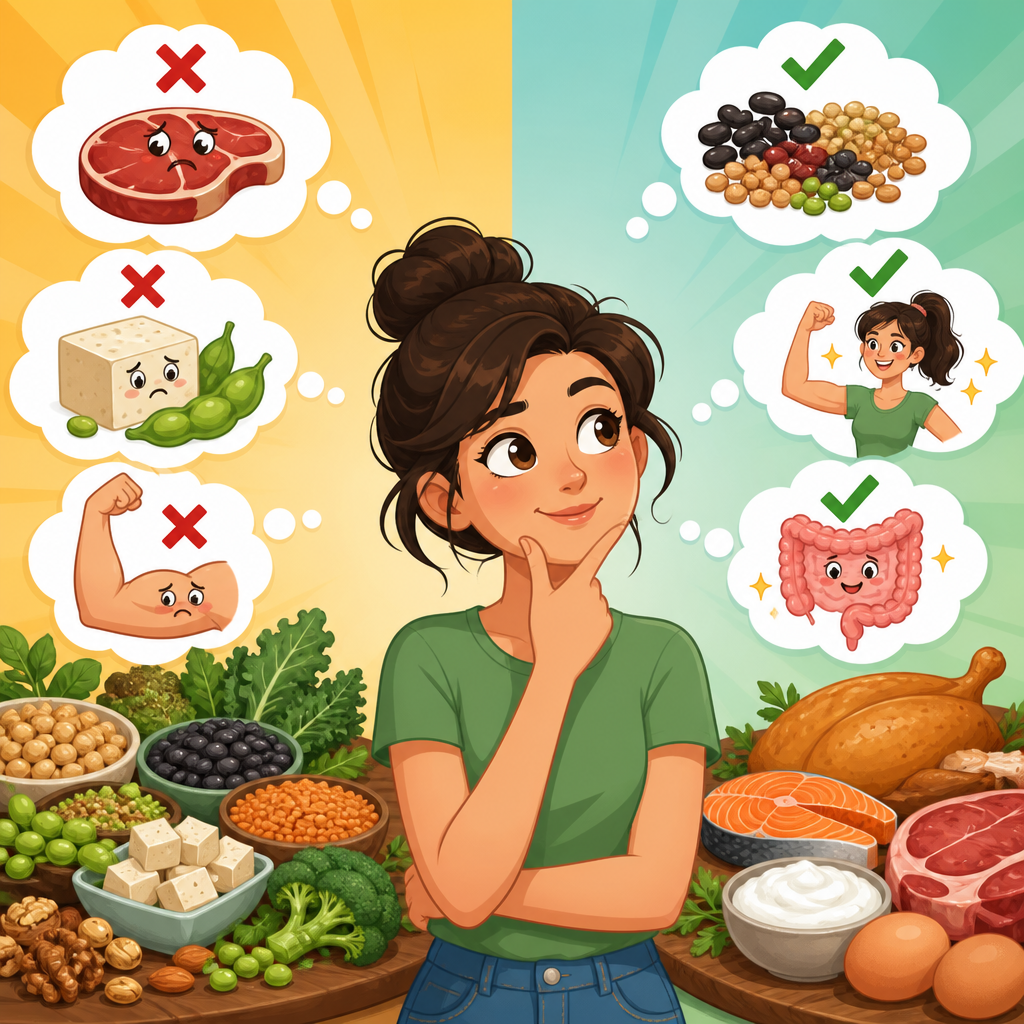
Choosing the best sources of plant-based proteins vs. animal proteins for optimal health starts with understanding what protein actually does in the body and why source matters as much as total intake. Protein supplies amino acids, the building blocks used to repair tissue, maintain muscle, produce enzymes and hormones, support immunity, and regulate countless metabolic processes. In nutrition practice, I have seen people focus only on grams per day, yet their outcomes often improve when they also consider digestibility, amino acid profile, micronutrient density, saturated fat, sodium, fiber, and how a protein source fits into real meals. That is the practical debate behind plant-based proteins vs. animal proteins: not whether one camp is universally perfect, but which foods best support health goals, activity level, age, ethics, budget, and long-term adherence.
Plant-based proteins come from legumes, soy foods, peas, lentils, beans, nuts, seeds, whole grains, and newer products such as pea protein or mycoprotein. Animal proteins include fish, eggs, poultry, dairy, and red meat. Both categories can contribute to a healthy diet, but they are not nutritionally identical. Animal proteins generally provide all nine essential amino acids in proportions that closely match human requirements and are often highly digestible. Many plant proteins provide less leucine, lysine, or methionine depending on the food, though soy, quinoa, buckwheat, hemp, and blends can narrow the gap. Plants also bring benefits animal foods do not, especially fiber, polyphenols, phytosterols, and lower saturated fat in many cases. Animal foods, meanwhile, can deliver vitamin B12, heme iron, zinc, calcium, iodine, omega-3 fats, and creatine more efficiently.
This topic matters because the best protein choices influence body composition, heart disease risk, blood sugar control, gut health, kidney considerations, and healthy aging. Large cohort studies consistently associate higher intake of legumes, nuts, and minimally processed soy with lower cardiovascular risk, while excessive intake of processed meat is linked with poorer outcomes. At the same time, older adults, athletes, and people recovering from illness may benefit from the convenience and anabolic strength of dairy, eggs, fish, or high-quality protein supplements. The central question is not plant versus animal in the abstract. It is how to choose among plant-based proteins and animal proteins in a way that delivers complete nutrition, supports muscle maintenance, and protects long-term health.
How protein quality is measured and why it matters
Protein quality refers to how well a food supplies essential amino acids and how efficiently the body digests and uses them. The main scientific tools are PDCAAS, the Protein Digestibility Corrected Amino Acid Score, and DIAAS, the Digestible Indispensable Amino Acid Score, which gives a more precise estimate at the end of the small intestine. In practice, eggs, milk proteins such as whey and casein, and many meats score very high because they are rich in essential amino acids and highly digestible. Soy protein isolate also performs well, while beans, grains, nuts, and seeds usually score lower individually because one or more amino acids are less abundant or less digestible.
Leucine deserves special attention because it helps trigger muscle protein synthesis through the mTOR pathway. I usually explain it simply: if total protein is the bricks, leucine is the foreman that tells the crew to start building. Whey protein is particularly rich in leucine, which is one reason it reliably supports post-exercise recovery. Plant proteins can work well too, but the serving often needs to be larger or strategically combined. For example, 30 grams of pea protein generally stimulates muscle building better than a small serving of beans because it delivers more concentrated amino acids, while a tofu, edamame, and quinoa meal can outperform a grain-heavy vegetarian dish with little soy or legumes.
Protein quality matters most when calorie intake is low, appetite is poor, training demands are high, or muscle preservation is a priority. It matters less when someone eats adequate total protein from a varied diet. That nuance is important. A healthy adult who eats lentils, tofu, soy milk, whole grains, nuts, and seeds across the day can meet amino acid needs without obsessing over combining foods at every meal. However, a frail older adult eating tiny portions may struggle to reach the amino acid threshold with vegetables and grains alone. The best source depends on context, not ideology.
Best plant-based protein sources for overall health
The strongest plant-based protein choices are legumes, soy foods, pulses, and minimally processed protein-rich staples that bring fiber and micronutrients along with amino acids. Lentils provide about 18 grams of protein per cooked cup plus folate, iron, potassium, and roughly 15 grams of fiber. Chickpeas offer about 15 grams per cooked cup and work well in soups, curries, hummus, and roasted snacks. Black beans, kidney beans, and cannellini beans each deliver meaningful protein with slow-digesting carbohydrates that help glycemic control. In clinical settings, these foods repeatedly help patients improve fullness and overall diet quality because they displace refined grains and processed meats.
Soy stands out among plant proteins because it is both versatile and nutritionally complete. Tofu, tempeh, edamame, soy milk, and soy yogurt provide substantial protein, and soy’s amino acid pattern compares favorably with animal foods. Tempeh is especially useful because fermentation improves flavor and may enhance digestibility. A typical serving of extra-firm tofu supplies around 12 to 15 grams of protein per 100 grams, while tempeh often provides close to 19 grams. Concerns about soy and hormones are commonly overstated. Current evidence shows moderate soy intake is safe for most people and may support heart health by helping lower LDL cholesterol when it replaces higher saturated fat foods.
Other valuable plant options include seitan, pea protein, mycoprotein, hemp seeds, pumpkin seeds, chia seeds, and higher-protein grains such as quinoa. Seitan is protein-dense and useful for texture, though it is unsuitable for people with celiac disease or gluten sensitivity. Mycoprotein, derived from fungi, offers a fibrous structure and good satiety. Seeds are not complete protein powerhouses by themselves, but they contribute magnesium, zinc, and healthy fats. When I build plant-forward meal plans, the formula that works best is simple: anchor the plate with a substantial legume or soy food, then add whole grains, vegetables, and healthy fats. That pattern supports protein adequacy while delivering the disease-protective compounds people often miss in animal-heavy diets.
Best animal protein sources for overall health
Not all animal proteins are equal. The best choices tend to be fish, cultured dairy, plain yogurt, kefir, cottage cheese, eggs, and lean poultry, with red meat used more selectively and processed meat minimized. Fish is exceptional because it combines high-quality protein with marine omega-3 fats. Salmon, sardines, trout, herring, and mackerel support cardiovascular and brain health, and canned options are practical, affordable, and shelf-stable. Sardines also provide calcium when the bones are eaten. For people who tolerate dairy, Greek yogurt, skyr, cottage cheese, and milk offer complete protein with calcium, riboflavin, iodine, and often probiotics in fermented forms.
Eggs remain one of the most efficient whole-food proteins available. They are rich in leucine, choline, selenium, and vitamin B12, and they fit breakfast better than many plant proteins do. Poultry can also be useful, especially when prepared plainly rather than breaded or heavily processed. The problem category is processed meat: bacon, sausages, deli meats, and hot dogs are frequently high in sodium, preservatives, and saturated fat, and regular intake is consistently associated with worse health outcomes. Red meat itself is more nuanced. Lean, unprocessed cuts can fit a balanced diet, but relying on beef or lamb as the dominant protein source crowds out beans, fish, and plant foods that bring broader benefits.
The health value of animal protein often depends on the company it keeps. A grilled salmon fillet with lentils, greens, and olive oil is a different dietary pattern from a fast-food double burger with fries and soda. I have seen many clients improve cholesterol and digestive comfort without abandoning animal foods entirely; they simply shift toward fish, fermented dairy, eggs, and smaller portions of meat while increasing legumes and vegetables. That mixed strategy is often easier to sustain than an all-or-nothing approach.
Comparing plant-based proteins and animal proteins by health goal
If the goal is muscle building or preserving lean mass during weight loss, high-quality animal proteins and concentrated plant proteins both perform well, but plant proteins often require more planning. Whey, milk, eggs, and chicken reliably deliver enough leucine per serving to stimulate muscle protein synthesis. Soy isolate, pea protein blends, tofu, tempeh, and mycoprotein can also support muscle growth, especially when total daily protein reaches evidence-based targets such as 1.2 to 2.0 grams per kilogram of body weight for active people. For strict plant-based eaters, distributing protein evenly across meals matters because a dinner-only approach usually undershoots the threshold earlier in the day.
| Health goal | Better plant-based choices | Better animal choices | Key consideration |
|---|---|---|---|
| Muscle maintenance | Soy, tempeh, tofu, pea protein, mycoprotein | Whey, Greek yogurt, eggs, fish, poultry | Leucine and total protein per meal matter most |
| Heart health | Beans, lentils, soy, nuts, seeds | Salmon, sardines, plain yogurt | Favor fiber and unsaturated fats; limit processed meat |
| Blood sugar control | Legumes, tofu, chia, edamame | Eggs, fish, cottage cheese | Protein works best when paired with minimally processed carbs |
| Healthy aging | Protein blends, soy foods, fortified plant milks | Dairy, eggs, fish | Digestibility, calcium, B12, and appetite are critical |
For heart health, plant-based proteins usually have the edge because they deliver fiber and tend to replace foods higher in saturated fat. Legumes and soy can help reduce LDL cholesterol, and nuts are associated with lower cardiovascular risk despite being calorie-dense. Fish remains a top animal choice because omega-3 fats provide benefits that most plant proteins do not. For blood sugar management, beans, lentils, and soy are particularly helpful because they combine protein with fiber and slow carbohydrate absorption. For healthy aging, the equation becomes more individualized. Older adults often need more protein, more leucine, and enough vitamin B12, calcium, and vitamin D. In that setting, dairy, eggs, fish, and fortified plant foods can all play important roles.
Common mistakes, special populations, and how to choose well
The most common mistake with plant-based proteins is assuming all vegetarian diets are automatically high in protein. Many are actually centered on bread, pasta, snack foods, and vegetables with little concentrated protein. Another frequent problem is relying too heavily on ultra-processed meat alternatives. Some are useful convenience foods, but many contain long ingredient lists, refined oils, and sodium levels similar to deli meat. The best strategy is to prioritize whole or minimally processed proteins first, then use powders or substitutes when they solve a specific need such as convenience, appetite, or post-workout recovery.
With animal proteins, the biggest mistake is treating all sources as equivalent. A plate dominated by processed meat, large portions of cheese, and little produce may hit protein targets while missing the larger health picture. Portion size, cooking method, and dietary pattern matter. Grilling lean chicken, baking salmon, or eating plain yogurt with berries is not nutritionally comparable to fried chicken, pepperoni pizza, or sugar-sweetened yogurt. The protein discussion should always sit inside an overall food-quality discussion.
Special populations need extra attention. Athletes may need higher total protein and should choose sources that are easy to digest around training. Pregnant people need adequate protein plus iron, choline, iodine, folate, and B12. Older adults often benefit from 25 to 35 grams of protein per meal because anabolic resistance makes muscle maintenance harder. People with chronic kidney disease should not automatically increase protein without medical guidance, since needs vary by stage and treatment plan. Vegans should pay close attention to vitamin B12, iron, calcium, iodine, omega-3 intake, and total protein density. The best source of plant-based proteins vs. animal proteins is ultimately the source you can eat consistently in a balanced pattern that supports your labs, energy, digestion, and long-term health.
The smartest conclusion in the plant-based proteins vs. animal proteins debate is that optimal health rarely depends on choosing one side completely. It depends on choosing the best foods within each category and matching them to your needs. Plant proteins shine for heart health, gut health, fullness, and dietary diversity because legumes, soy foods, nuts, seeds, and whole grains bring fiber and protective compounds that animal foods lack. Animal proteins shine for convenience, complete amino acid delivery, vitamin B12, calcium, heme iron, and efficient support of muscle protein synthesis, especially in older adults and highly active people.
If you want a practical rule, build your routine around legumes and soy several times per week, include nuts and seeds regularly, and if you eat animal foods, favor fish, cultured dairy, eggs, and lean poultry over processed meat. Aim for adequate protein at each meal rather than cramming it into dinner. Use supplements or protein powders only when whole foods fall short. This balanced approach gives you the metabolic benefits of high-quality protein without sacrificing the broader advantages of fiber-rich plant foods. Review your current protein sources, upgrade one meal at a time, and let food quality guide the choice.
Frequently Asked Questions
What is the main difference between plant-based proteins and animal proteins for health?
The biggest difference is not simply whether the protein comes from a plant or an animal, but the total nutritional package that comes with it. All proteins provide amino acids, which the body uses to build and repair tissues, preserve muscle, make enzymes and hormones, and support immune function. However, protein sources differ in amino acid balance, digestibility, micronutrient content, fat profile, fiber content, and their effects on long-term health markers such as cholesterol, blood sugar control, inflammation, and cardiovascular risk.
Animal proteins such as eggs, dairy, fish, poultry, and meat are often called “complete” proteins because they contain all nine essential amino acids in amounts the body can readily use. They are also typically rich in nutrients like vitamin B12, heme iron, zinc, and in some cases omega-3 fats. That can make them efficient choices for meeting protein needs, especially for athletes, older adults, or anyone trying to maintain muscle mass during weight loss or illness recovery.
Plant proteins, including beans, lentils, soy foods, peas, nuts, seeds, and whole grains, can absolutely support optimal health as well. While some individual plant proteins are lower in one or more essential amino acids, eating a variety of plant foods across the day easily solves this for most people. Plant protein sources also tend to provide fiber, antioxidants, phytonutrients, and less saturated fat, which can support heart health, digestive health, and better metabolic outcomes. In practice, the healthiest pattern for many people is not a strict all-or-nothing approach, but choosing mostly minimally processed, nutrient-dense protein sources and balancing them according to personal goals, health conditions, ethics, and preferences.
Do plant-based proteins provide all the essential amino acids, or do I need to combine them at every meal?
Yes, plant-based proteins can provide all the essential amino acids, and no, most people do not need to carefully combine them at every single meal. That idea came from older nutrition messaging that overemphasized “protein combining” in one sitting. What matters more is your overall intake across the day. If you regularly eat a range of legumes, soy foods, whole grains, nuts, seeds, and vegetables, your body can draw from that amino acid supply to meet its needs.
That said, it is helpful to understand why this question comes up. Some plant foods are lower in specific amino acids. For example, legumes tend to be lower in methionine, while grains are often lower in lysine. When eaten as part of a varied diet, these foods complement one another naturally. Meals such as rice and beans, hummus and whole grain pita, tofu with quinoa, or lentil soup with whole grain bread all contribute to a strong amino acid profile without requiring perfection.
There are also several plant proteins that are considered complete or near-complete on their own, including soy, edamame, tofu, tempeh, soy milk, quinoa, hemp seeds, and buckwheat. For people with higher protein demands, such as older adults, strength trainers, or those recovering from illness, being a bit more intentional can be useful. In those cases, aiming for a quality protein source at each meal can help support muscle protein synthesis more effectively. But for the average healthy adult, variety and adequacy matter far more than obsessively pairing foods at each bite.
Which protein sources are best if I want to build or maintain muscle while supporting long-term health?
If your goal is to build or preserve muscle, the best protein sources are those that are rich in essential amino acids, especially leucine, and easy to include consistently in your diet. Animal-based proteins such as Greek yogurt, cottage cheese, eggs, fish, chicken, turkey, and lean cuts of meat are especially effective because they are highly digestible and provide a strong amino acid profile. Whey protein is also well studied for muscle repair and recovery. These foods can be very practical for people who need concentrated protein in smaller volumes.
Plant-based eaters can absolutely build and maintain muscle too, but they often benefit from a little more planning. Soy foods like tofu, tempeh, edamame, and unsweetened soy milk are among the strongest plant options because they are high-quality proteins with a favorable amino acid profile. Lentils, beans, chickpeas, seitan, pea protein, quinoa, pumpkin seeds, and mixed plant protein powders can also help. In some cases, plant-based eaters may need slightly more total protein to account for differences in digestibility and amino acid composition, particularly if muscle gain is a primary goal.
For long-term health, source quality still matters. Choosing protein from fish, fermented dairy, legumes, soy, nuts, seeds, and minimally processed poultry often supports better overall outcomes than relying heavily on processed meats or highly refined meat substitutes. If you eat red meat, keeping portions moderate and emphasizing quality and frequency rather than making it the foundation of every meal is often a wise approach. In real-world nutrition, the most effective strategy is one you can sustain: enough total protein, well distributed across meals, from mostly whole-food sources that also support heart, metabolic, and digestive health.
Are animal proteins unhealthy because they contain saturated fat and cholesterol?
Not inherently. Animal proteins are not automatically unhealthy, but the type of animal protein and how often you eat it make a significant difference. There is a major nutritional gap between salmon and processed sausage, or between plain Greek yogurt and heavily breaded fried chicken. Some animal protein sources are associated with excellent health outcomes, while others are more consistently linked with increased risk when eaten in excess.
Fish, especially fatty fish like salmon, sardines, trout, and mackerel, offers high-quality protein along with omega-3 fats that support heart and brain health. Yogurt, kefir, cottage cheese, eggs, and moderate amounts of minimally processed poultry can also fit well into a healthy diet for many people. On the other hand, regularly eating large amounts of processed meats such as bacon, hot dogs, deli meats, and sausage is linked with higher risk of cardiovascular disease, colorectal cancer, and other chronic health issues. Fatty cuts of red meat can also contribute more saturated fat than some people tolerate well, especially if the rest of the diet is low in fiber and high in refined foods.
Cholesterol in food is no longer viewed as the sole villain it was once made out to be, because blood cholesterol levels are influenced by many factors, including saturated fat intake, genetics, body weight, physical activity, and overall dietary pattern. For most people, the healthier question is not “animal protein or no animal protein,” but “which animal proteins, how much, and compared with what?” Replacing heavily processed meats with beans, lentils, fish, tofu, or yogurt is often beneficial. Choosing leaner, less processed animal proteins and balancing them with plenty of fiber-rich plant foods is usually a smarter strategy than treating all animal protein as equally harmful.
How can I choose the healthiest mix of plant-based and animal proteins for optimal health?
The healthiest mix depends on your goals, health history, preferences, budget, and lifestyle, but a strong general framework is to prioritize variety, nutrient density, and overall dietary pattern. Instead of asking whether plant or animal protein is universally better, it is more useful to ask which sources give you the best combination of protein quality, beneficial nutrients, and long-term health support. For many people, that means building meals around legumes, soy foods, nuts, seeds, fish, yogurt, eggs, and moderate portions of minimally processed poultry, while limiting processed meats and ultra-processed protein products.
A practical approach is to make plant proteins a regular foundation because they bring fiber, polyphenols, potassium, magnesium, and other compounds that many diets lack. Beans, lentils, tofu, tempeh, edamame, chia seeds, hemp seeds, and nuts can improve satiety and support heart and gut health. Then, if you include animal proteins, use them strategically. Fish can add omega-3s, dairy can add calcium and protein, eggs are versatile and nutrient-rich, and lean poultry can help meet higher protein needs efficiently. This blended pattern often works well because it combines the strengths of both categories.
It also helps to think beyond grams of protein alone. The best source for you is one that supports your labs, energy, digestion, body composition, and health goals over time. Someone with high LDL cholesterol may benefit from shifting more intake toward legumes, soy, and nuts. An older adult with low appetite may need more concentrated, easily consumed protein such as Greek yogurt, eggs, fish, or a protein-rich smoothie. An athlete may do best with a mix of soy, dairy, eggs, fish, or supplemental protein depending on training demands. Optimal health rarely comes from a single “perfect” protein source. It comes from consistently choosing high-quality foods in a pattern your body responds well to and that you can realistically maintain.