Superfoods for energy and immunity attract huge interest because they promise support for two concerns nearly everyone feels: staying alert through demanding days and avoiding frequent illness. The term “superfood” is not a scientific classification or a regulated label. It is a marketing and nutrition shorthand for foods that provide unusually high amounts of beneficial nutrients, phytochemicals, fiber, or bioactive compounds relative to their calories. In practice, foods such as berries, leafy greens, yogurt, legumes, nuts, seeds, citrus, mushrooms, and oily fish are often grouped into this category because they supply vitamins, minerals, antioxidants, protein, healthy fats, and compounds linked with better health outcomes.
Energy, in nutrition terms, does not mean a mysterious boost. It refers to the body’s ability to convert carbohydrates, fats, and protein into usable fuel through cellular metabolism, especially in the mitochondria. Nutrients including iron, B vitamins, magnesium, and protein help that process run efficiently. Immunity also needs plain-language clarification. A strong immune system is not one that is permanently “boosted.” It is one that is well regulated, able to defend against pathogens without excessive inflammation, and supported by sleep, diet, movement, vaccination, and stress management. Many myths begin when these terms are oversimplified and foods are treated like instant remedies.
I have worked with nutrition content for wellness brands and editorial teams long enough to see the same misunderstandings repeat across product pages, social media posts, and even supplement labels. Açaí is framed as more energizing than breakfast, ginger shots are sold as immunity insurance, and spirulina is presented as a cure-all despite mixed evidence for broad claims. The truth is more useful than the hype. Certain foods can absolutely support sustained energy and resilient immune function, but they work through patterns, portions, nutrient density, and consistency, not magic. This hub article clears up the most common myths about superfoods for energy and immunity, explains what these foods can realistically do, and shows how to choose them wisely.
Myth 1: A single superfood can dramatically increase energy
No single food can create lasting energy on its own. What people often feel after eating is influenced by overall calorie intake, blood glucose response, hydration status, sleep debt, caffeine use, and whether a meal contains enough protein, fiber, and fat to slow digestion. If you eat a bowl of sweetened granola with berries, the initial lift may come more from carbohydrates than from the berries themselves. If you eat eggs with spinach and whole-grain toast, the steadier energy usually reflects meal composition, not one “hero” ingredient.
Foods commonly labeled superfoods support energy best when they correct common nutritional shortfalls or improve meal quality. Pumpkin seeds contribute magnesium and iron. Lentils provide iron, folate, and slow-digesting carbohydrates. Greek yogurt offers protein, which can help with satiety and more stable energy between meals. Bananas add carbohydrate and potassium, useful before exercise, but they are not inherently more energizing than other fruit. The mechanism matters. Energy support comes from meeting physiological needs, not from a special aura around a food.
A practical example is oats. They are rarely marketed as glamorous, yet oats outperform many trendy powders for everyday energy because they deliver complex carbohydrates, beta-glucan fiber, and useful amounts of iron and B vitamins. In client-facing content audits, I often replace vague claims like “chia seeds fight fatigue instantly” with accurate language: chia seeds can support satiety and add fiber, fat, and minerals, especially when included in a balanced breakfast. Precision builds trust and helps readers make better choices.
Myth 2: “Immune-boosting” foods can prevent illness on demand
The idea that a food can flip an immunity switch is one of the most persistent myths in wellness marketing. Immune function depends on many interacting systems, including barriers such as skin and mucous membranes, innate immune defenses, adaptive immune responses, and the gut microbiome. Nutrition influences all of these, but not instantly and not in isolation. A citrus smoothie the morning after several nights of poor sleep does not erase the immune effects of stress and fatigue.
Vitamin C is the classic example. Citrus, kiwi, strawberries, bell peppers, and broccoli are excellent sources, and vitamin C is necessary for immune cell function and antioxidant defense. But in generally well-nourished adults, taking in more than the body needs does not create a force field against colds. Zinc from shellfish, beef, beans, and seeds matters too, but both low and excessive zinc intake can be problematic. Vitamin D status influences immune regulation, yet food alone may not correct deficiency for many people, especially in low-sunlight regions. Good guidance is more nuanced than slogans.
What works better is a repeated pattern: enough protein, a variety of plants, adequate vitamin and mineral intake, fermented foods where tolerated, and fewer ultra-processed foods crowding out nutrient-dense choices. Yogurt with live cultures, kefir, kimchi, and sauerkraut may support the gut microbiome, which in turn influences immune signaling. However, they are not substitutes for evidence-based medical care or preventive measures. Superfoods for energy and immunity are supportive tools, not guarantees.
Myth 3: Exotic foods are automatically better than everyday staples
Shiny packaging often creates the impression that imported berries, algae powders, or rainforest fruits are superior to ordinary foods from the grocery store. In reality, nutrient density is not limited to expensive items. Blueberries are excellent, but so are blackberries, cherries, and even frozen mixed berries. Matcha contains concentrated catechins, yet standard green tea remains a strong choice. Goji berries provide carotenoids and vitamin C, but oranges, carrots, and red peppers are more accessible and often cheaper per serving.
From a diet-planning perspective, affordability and consistency matter more than novelty. If a person buys maca powder once, uses it twice, and lets it expire, it delivers less benefit than a routine breakfast with eggs, oats, fruit, and nuts. I have seen content perform better and readers respond more positively when recommendations include realistic swaps instead of prestige ingredients. Sardines, beans, spinach, plain yogurt, mushrooms, and sunflower seeds are not trendy, but they are nutritional workhorses.
| Claimed Superfood | Accessible Alternative | Key Nutrients for Energy or Immunity | Why the Alternative Works |
|---|---|---|---|
| Açaí puree | Frozen blueberries | Anthocyanins, fiber, vitamin C | Similar antioxidant profile for smoothies at lower cost |
| Spirulina powder | Eggs and spinach | Protein, iron, folate, carotenoids | More complete meal support and better everyday usability |
| Goji berries | Oranges and carrots | Vitamin C, carotenoids, fiber | Easy to find, versatile, and evidence-based nutrients |
| Maca powder | Oats with nuts | Complex carbs, magnesium, healthy fats | Steadier energy through balanced macronutrients |
This does not mean specialty foods are useless. It means the best superfoods for energy and immunity are the ones you can buy regularly, prepare easily, and fit into your total diet. Sustainability, budget, and taste determine long-term success.
Myth 4: More antioxidants always mean better health
Antioxidants are important because they help manage oxidative stress, but the “more is always better” idea is inaccurate. The body uses reactive oxygen species for signaling, exercise adaptation, and immune defense. Oversimplified antioxidant messaging ignores that biology. Whole foods rich in polyphenols and carotenoids are valuable, yet mega-dosing isolated antioxidant supplements has not consistently produced the broad health benefits many consumers expect. In some contexts, high-dose supplements can even interfere with training adaptations or interact with medications.
Food matrices matter. Blueberries contain anthocyanins, but they also bring fiber and water. Tomatoes provide lycopene within a package that may be better absorbed when eaten with fat, such as olive oil. Dark leafy greens contain vitamin C, folate, nitrates, lutein, and minerals together. That combination is one reason whole-food patterns repeatedly outperform single-nutrient thinking in public health research.
For energy and immunity, the goal is not to chase the highest antioxidant score on a chart. It is to build dietary variety. Different colors usually signal different compounds: orange foods often bring carotenoids, purple and blue foods often supply anthocyanins, green vegetables contribute folate and magnesium, and herbs and spices add smaller but useful amounts of polyphenols. Diversity across a week beats fixation on one “most antioxidant” food.
Myth 5: Juices and shots are the fastest path to results
Juice bars and bottled wellness shots sell convenience, but they often create a halo effect that exceeds their nutritional value. A ginger-turmeric-lemon shot may taste potent, yet its actual dose of active compounds can be modest, inconsistent, or hard to absorb depending on formulation and whether it is consumed with food. Many commercial juices also remove fiber, which changes satiety and blood sugar response. A 12-ounce fruit juice can deliver the sugar of several pieces of fruit without the same fullness.
Whole foods usually provide more reliable benefits. Eating an orange gives vitamin C plus fiber. Having a smoothie made with berries, yogurt, oats, and spinach can support both energy and immunity better than a tiny shot because it includes protein, carbohydrate, micronutrients, and volume. Turmeric is a useful ingredient, but curcumin has limited bioavailability on its own; meals that include fat and black pepper are often discussed because piperine can increase absorption, though not every person tolerates that combination well.
Use shots and juices, if you like them, as additions rather than substitutes. They should not replace breakfast, vegetables, or medical treatment. In editorial reviews, this is where accuracy matters most: a convenient product can support a healthy routine, but it should never be framed as a shortcut past basic nutrition.
Myth 6: Superfood powders and supplements are equal to whole foods
Powders can be helpful, especially for travel, appetite issues, or specific dietary gaps, but they are not automatically equivalent to whole foods. Processing can reduce certain nutrients, alter fiber structure, or concentrate compounds in ways that make labeling more impressive than real-world impact. Protein powders can help someone meet protein needs after training. Greens powders may add some vitamins and phytonutrients. Mushroom blends may be convenient. None of those products fully replicate the complexity of vegetables, fruit, legumes, dairy, seafood, or nuts.
Quality control is another concern. Dietary supplements are regulated differently from conventional foods in many markets. Third-party testing from organizations such as NSF, USP, or Informed Choice can reduce risk, but not every product carries those certifications. I advise readers to treat broad claims about detoxification, instant immunity, or dramatic fatigue reversal as red flags, especially when a product hides behind proprietary blends.
There are valid exceptions. Vitamin D supplementation may be appropriate when blood levels are low or sun exposure is limited. Iron should be used under medical guidance when deficiency is confirmed. Protein powder can be practical for athletes, older adults, or people struggling to hit protein targets. The rule is simple: use supplements to fill defined gaps, not to replace the foundational role of food.
Myth 7: If a food is healthy, large amounts must be healthier
Even nutrient-dense foods have sensible limits. Brazil nuts are a strong example. They are rich in selenium, a mineral involved in antioxidant enzymes and immune function, but too many can push selenium intake too high and cause adverse effects over time. Tuna offers protein and micronutrients, yet some species raise mercury concerns if eaten excessively. Liver is nutrient dense but can provide very high vitamin A. Fermented foods can benefit some people but may aggravate symptoms in those with histamine sensitivity or certain digestive conditions.
Portion size also affects energy balance. Nut butters, trail mix, dried fruit, and granola are nutritious, but they are calorie dense. For someone seeking stable energy, a moderate serving combined with protein and fiber often works better than an oversized “healthy” snack that leads to sluggishness. The best superfoods for energy and immunity fit into balanced meals rather than dominating them.
A reliable framework is to think in roles. Protein foods help repair and satiety. Fruits and vegetables contribute vitamins, minerals, and phytochemicals. Whole grains and legumes provide sustained carbohydrate and fiber. Healthy fats support absorption and hormone function. Build from roles, then add favored superfoods within them.
How to use superfoods for energy and immunity in real life
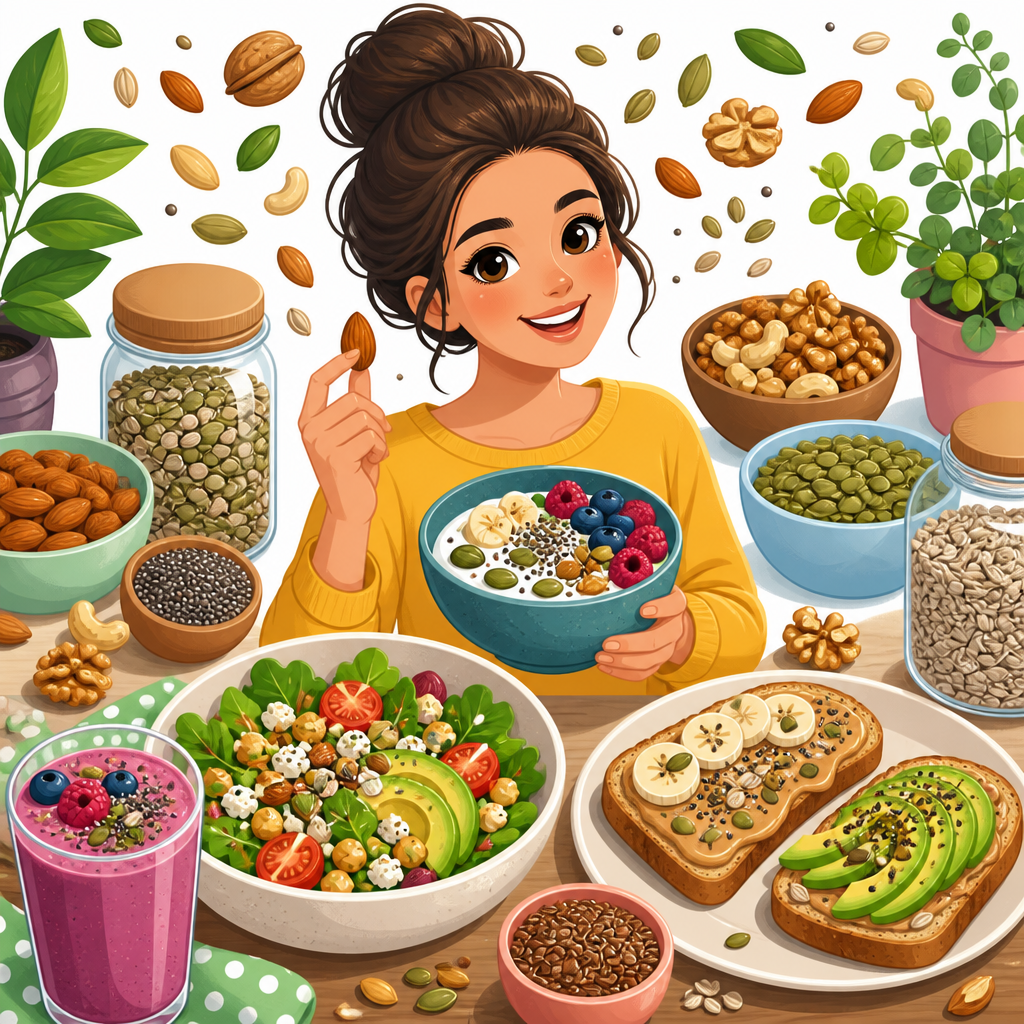
The most effective approach is practical, repetitive, and unglamorous. Start with meals that solve common problems: energy crashes, low protein intake, low fruit and vegetable intake, and inconsistent eating patterns. Breakfast might be oats with Greek yogurt, berries, chia seeds, and walnuts. Lunch could be a lentil bowl with spinach, roasted vegetables, olive oil, and pumpkin seeds. Dinner might include salmon, quinoa, broccoli, and citrus. Snacks can be kefir, edamame, fruit with peanut butter, or hummus with peppers.
These combinations work because they combine macronutrients and micronutrients that support normal physiology. Protein supports immune cell production and muscle maintenance. Iron, B12, folate, and copper contribute to red blood cell formation and oxygen transport. Magnesium and potassium help neuromuscular function. Vitamin C supports collagen and immune defenses. Omega-3 fats from salmon, sardines, trout, chia, flax, and walnuts play roles in inflammation regulation, though plant omega-3 conversion is limited compared with marine sources.
As a hub within the broader superfoods and functional foods topic, this article connects naturally to deeper guides on berries, fermented foods, medicinal mushrooms, omega-3-rich foods, iron-rich plant foods, adaptogens, and protein-focused functional snacks. The central principle across all of them is the same: choose foods based on evidence, context, and consistency. If you want better daily energy and more resilient immune support, stop chasing miracle ingredients and build a repeatable pattern around nutrient-dense staples. Review your current meals, pick two realistic upgrades this week, and make them automatic.
Frequently Asked Questions
Are superfoods scientifically proven to boost energy and immunity on their own?
No single “superfood” can, by itself, guarantee more energy or a stronger immune system. One of the biggest myths is that a specific berry, seed, powder, or leafy green works like a shortcut to all-day stamina and illness prevention. In reality, the word “superfood” is not a scientific or regulated category. It is a popular nutrition term used to describe foods that are especially rich in vitamins, minerals, antioxidants, fiber, or other beneficial compounds relative to their calories. That matters, but it does not mean these foods act like magic.
Energy levels depend on many factors, including total calorie intake, blood sugar stability, iron status, hydration, sleep quality, stress, and overall diet quality. Immunity is equally complex. It is influenced by nutrients such as vitamin C, vitamin D, zinc, protein, and vitamin A, but also by sleep, exercise, stress management, gut health, age, and underlying medical conditions. Superfoods can support these systems because they help fill nutrient gaps and provide compounds that may reduce inflammation or oxidative stress, but they work best as part of a consistently balanced eating pattern.
In practical terms, foods like berries, leafy greens, beans, nuts, seeds, yogurt, citrus, and fatty fish can absolutely contribute to better health. However, their benefits build over time through regular intake, not through one dramatic serving. The smartest way to think about superfoods is not as miracle cures, but as nutrient-dense tools that strengthen a solid foundation of healthy habits.
Do superfoods provide instant energy the way caffeine or sugar does?
Not usually, and that is actually a good thing. Another common myth is that superfoods create an immediate surge of energy, similar to coffee, energy drinks, or sugary snacks. Most so-called superfoods do not stimulate the nervous system in that way. Instead, they support the body’s natural energy production through steady nourishment. Foods rich in complex carbohydrates, fiber, healthy fats, protein, magnesium, B vitamins, and iron help your cells produce and use energy more efficiently over time.
For example, oats, chia seeds, nuts, berries, spinach, legumes, and eggs do not typically cause a dramatic “pick-me-up” feeling within minutes. What they can do is help stabilize blood sugar, improve satiety, support oxygen transport, and reduce the energy crashes that come from highly processed foods. If someone feels exhausted all the time, the answer is rarely to add one trendy ingredient. More often, it involves improving meal balance, eating enough overall, sleeping better, staying hydrated, and checking for issues such as anemia, thyroid problems, or low vitamin levels.
So while superfoods may support sustained energy, they are not a substitute for rest or a cure for fatigue. Their strength lies in helping the body perform better consistently, not in delivering a fast artificial jolt.
Is it true that expensive powders, juices, and supplements are better than whole superfoods?
No, that is one of the most misleading myths in the superfood space. Many people assume that if a product is exotic, heavily marketed, or sold in powder form, it must be more potent than ordinary foods. In reality, whole foods often provide broader nutritional value than processed superfood products. A bowl of berries, a serving of leafy greens, plain yogurt, lentils, or a handful of walnuts can deliver fiber, water, natural plant compounds, and a spectrum of nutrients that work together in ways isolated ingredients may not fully replicate.
Powders and supplements can sometimes be convenient, especially if someone has limited access to fresh produce or specific nutritional needs. But convenience does not automatically mean superiority. Some products are expensive, lightly regulated, high in added sugars, or based on health claims that are exaggerated. Juices, for instance, may contain vitamins and antioxidants, but they often remove much of the fiber that helps with fullness and blood sugar control. Likewise, a green powder may contain concentrated plant ingredients, but it should not be seen as nutritionally equal to regularly eating vegetables.
For most people, the best value comes from building meals around accessible, nutrient-dense whole foods rather than chasing premium “superfood” formulations. Frozen berries, canned beans, spinach, sweet potatoes, citrus fruit, kefir, eggs, and seeds can all support energy and immunity without requiring a specialty health budget. Supplements may have a place, but they should complement, not replace, a well-rounded diet.
Can superfoods prevent colds and infections completely?
No food can make you immune to getting sick, and that is an important myth to clear up. Superfoods can support normal immune function, but they cannot create a protective shield against every virus, bacteria, or seasonal illness. The immune system is incredibly sophisticated and depends on a wide range of nutrients and lifestyle factors. Eating well helps your body maintain the cells, tissues, and chemical messengers involved in immune defense, but it does not eliminate exposure risk or guarantee that infection will never happen.
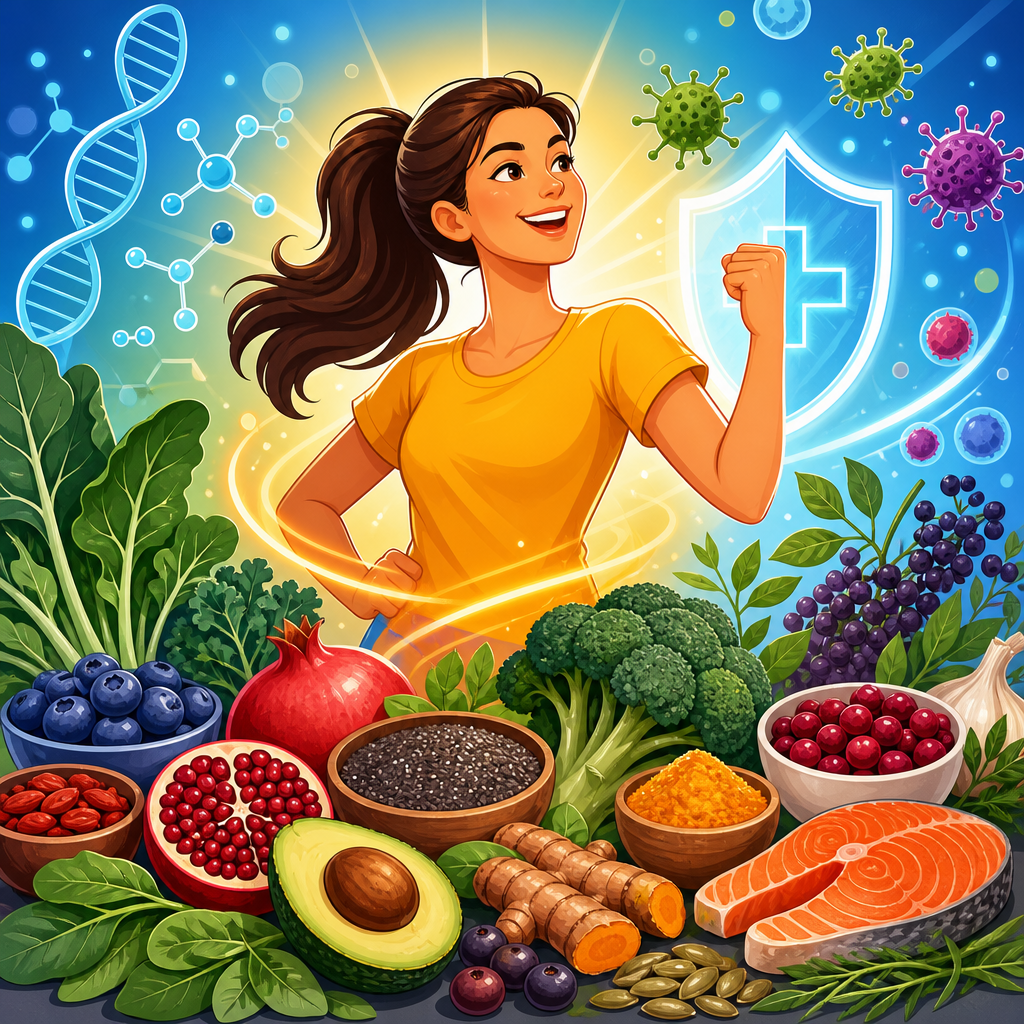
What nutrient-dense foods can do is improve the conditions your immune system needs to function properly. Foods rich in vitamin C, zinc, selenium, vitamin A, probiotics, protein, and polyphenols may help maintain barrier integrity, support white blood cell activity, and influence inflammation. For example, citrus fruits, berries, yogurt, garlic, mushrooms, nuts, seeds, and colorful vegetables all contribute useful compounds. But immunity is not built from one nutrient alone. It is the result of adequate nourishment across the board, along with good sleep, stress control, physical activity, and preventive habits such as handwashing and vaccinations where appropriate.
If someone still gets occasional colds while eating a healthy diet, that does not mean superfoods “failed.” It simply means nutrition is one part of a much larger health picture. A strong diet may help reduce vulnerability, support recovery, and improve resilience, but it does not promise total protection from illness.
Do you need to eat exotic or trendy superfoods to improve energy and immune health?
Absolutely not. One of the most persistent myths is that only rare, imported, or social-media-famous foods count as real superfoods. The truth is that many everyday staples offer the same kind of nutritional benefits people are looking for. The body does not care whether antioxidants came from an expensive tropical berry or from affordable blueberries, cabbage, or beans. What matters most is the overall quality, consistency, and variety of the diet.
Common foods can be extremely powerful for both energy and immunity. Leafy greens provide folate, vitamin K, and carotenoids. Beans and lentils offer fiber, iron, and plant protein. Yogurt and kefir can support gut health through beneficial bacteria. Eggs provide high-quality protein and key micronutrients. Citrus fruits, peppers, and strawberries contribute vitamin C. Nuts and seeds add healthy fats, magnesium, and zinc. Oats and sweet potatoes can help fuel steady energy through complex carbohydrates and fiber. These foods may not always be marketed as glamorous, but nutritionally they are highly valuable.
The real goal is not to find one perfect superfood. It is to build a pattern of eating that includes colorful produce, adequate protein, healthy fats, whole grains, legumes, and minimally processed foods. That approach is far more effective than relying on trends. In other words, improving energy and immune support usually comes from simple, repeatable choices—not from chasing the latest miracle ingredient.