Superfoods for energy and immunity sit at the intersection of nutrition science, metabolic health, and disease resilience. The term “superfood” is not a formal medical classification, yet it is useful when it describes foods with unusually high concentrations of vitamins, minerals, fiber, polyphenols, healthy fats, or bioactive compounds that support normal physiological function. Energy, in this context, does not mean a caffeine rush or a sugar spike. It means the body’s ability to produce adenosine triphosphate, regulate blood glucose, deliver oxygen, and maintain stable mental and physical performance through the day. Immunity refers to the coordinated work of barriers, white blood cells, antibodies, inflammatory signals, and the gut microbiome to defend against infections while avoiding excessive inflammation.
I have worked with clients and editorial teams in nutrition content long enough to see the same pattern repeatedly: people look for “immune boosting” foods when they feel run down, but the more useful question is which foods consistently support immune competence and sustainable energy production. The answer is rooted in biochemistry. Iron helps hemoglobin carry oxygen. B vitamins help enzymes release energy from carbohydrate, fat, and protein. Vitamin C supports antioxidant defense and collagen formation. Zinc helps immune cell development. Omega-3 fats influence inflammatory signaling. Fermented foods can shape the gut environment, where a large share of immune activity is coordinated. When these nutrients come from whole foods, they arrive in combinations that often work better together than isolated pills.
This hub article explains the science behind superfoods for energy and immunity, why they matter, which foods deserve attention, and how to build them into meals realistically. It also connects the topic across the broader superfoods and functional foods category: berries for polyphenols, leafy greens for folate and magnesium, fatty fish for vitamin D and EPA and DHA, mushrooms for beta-glucans, seeds for trace minerals, yogurt and kefir for probiotics, citrus and kiwi for vitamin C, and legumes for iron and fiber. Understanding these foods helps people move beyond trend-driven claims and make decisions based on mechanisms, evidence, and practical use.
How Energy and Immunity Are Connected in the Body
Energy and immunity are tightly linked because immune defense is metabolically expensive. When the body detects a pathogen, immune cells shift how they use fuel, increase protein synthesis, and generate signaling molecules. That work depends on adequate calories, amino acids, and micronutrients. If a person is undernourished, chronically sleep deprived, or relying on a diet dominated by refined carbohydrates and ultra-processed foods, both energy regulation and immune performance tend to suffer. In practice, I see this show up as midday fatigue, poor workout recovery, frequent minor illnesses, and unstable appetite.
Mitochondria are central to the energy side of the equation. These organelles generate ATP from glucose and fatty acids, and they rely on nutrients such as riboflavin, niacin, iron, copper, magnesium, and coenzyme-supporting compounds found in whole foods. At the same time, immune cells generate reactive oxygen species to neutralize pathogens, which means the body also needs antioxidant systems that depend on vitamin C, vitamin E, selenium, glutathione precursors, and plant polyphenols. The goal is not to eliminate oxidation completely; it is to maintain balance. Superfoods matter because many of them deliver both fuel-supporting nutrients and compounds that help regulate oxidative stress and inflammation.
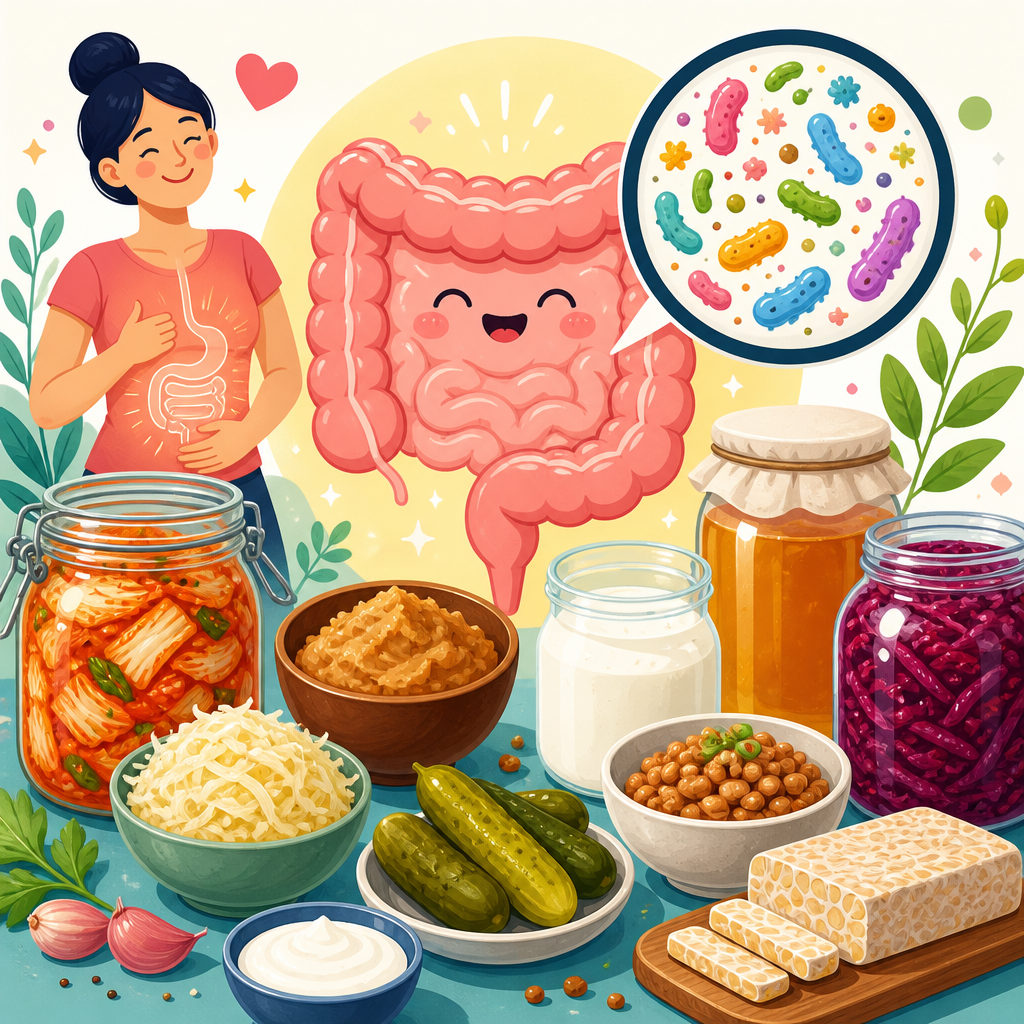
The gut is another major link. Roughly 70 percent of immune tissue is associated with the gastrointestinal tract, and diet strongly influences microbial diversity, short-chain fatty acid production, and intestinal barrier function. Fiber-rich foods such as oats, beans, berries, flaxseed, and leafy vegetables feed beneficial microbes. Fermented foods such as kefir, yogurt, kimchi, and sauerkraut introduce live organisms or fermentation byproducts that can support gut ecology, though benefits vary by strain and product quality. A healthy gut often translates to better immune signaling and steadier energy, partly because blood sugar, inflammation, and nutrient absorption are more stable.
Core Superfoods That Support Daily Energy
The best superfoods for energy are not stimulants. They are foods that improve oxygen transport, blood sugar control, mitochondrial function, hydration, and recovery. Oats are a foundational example. They provide beta-glucan fiber, slow-digesting carbohydrate, magnesium, and some iron, which together support sustained energy rather than a rapid rise and crash. Chia seeds and flaxseeds add alpha-linolenic acid, fiber, and minerals that help satiety and metabolic stability. I often recommend combining oats with yogurt, berries, and seeds because the meal covers protein, probiotic support, complex carbohydrate, and polyphenols in one bowl.
Leafy greens deserve equal attention. Spinach, kale, Swiss chard, and arugula contain folate, magnesium, potassium, vitamin K, carotenoids, and in some cases non-heme iron. While plant iron is less bioavailable than heme iron from animal foods, pairing greens or legumes with vitamin C-rich foods improves absorption. A spinach salad with lentils, red peppers, and lemon juice is a simple example. Beetroot also has a place in the energy conversation because it provides dietary nitrate, which can improve nitric oxide production and support blood flow and exercise efficiency in some settings. That is why beet juice appears frequently in sports nutrition research.
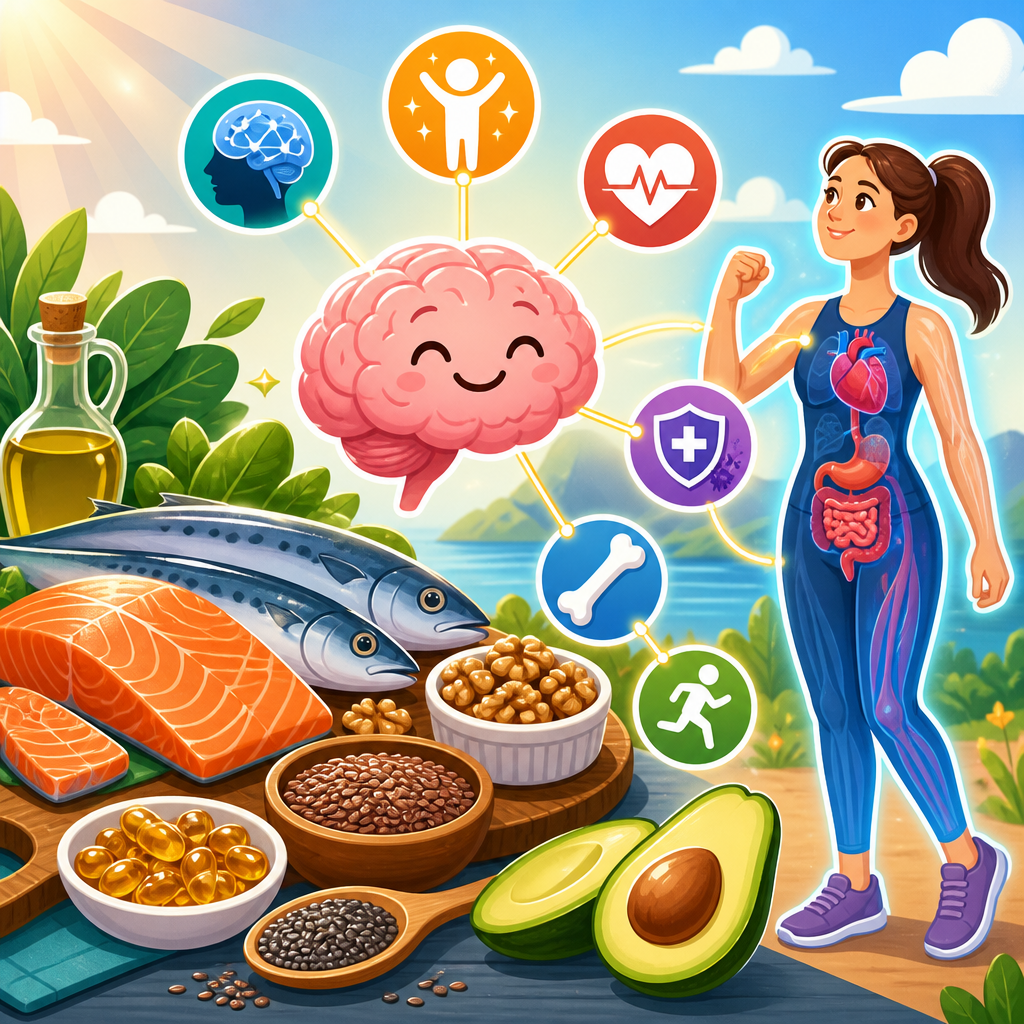
Eggs, legumes, and fatty fish round out the picture. Eggs supply high-quality protein, choline, selenium, vitamin B12, and riboflavin. Beans and lentils provide iron, folate, magnesium, resistant starch, and steady carbohydrate. Salmon, sardines, and mackerel contribute protein plus omega-3 fats that may support recovery and reduce excessive inflammation. For people who avoid fish, walnuts, chia, and flax can contribute plant omega-3s, though conversion to EPA and DHA is limited. The larger point is that energy-supporting superfoods work because they nourish systems, not because they create a temporary rush.
Superfoods Most Strongly Linked to Immune Support
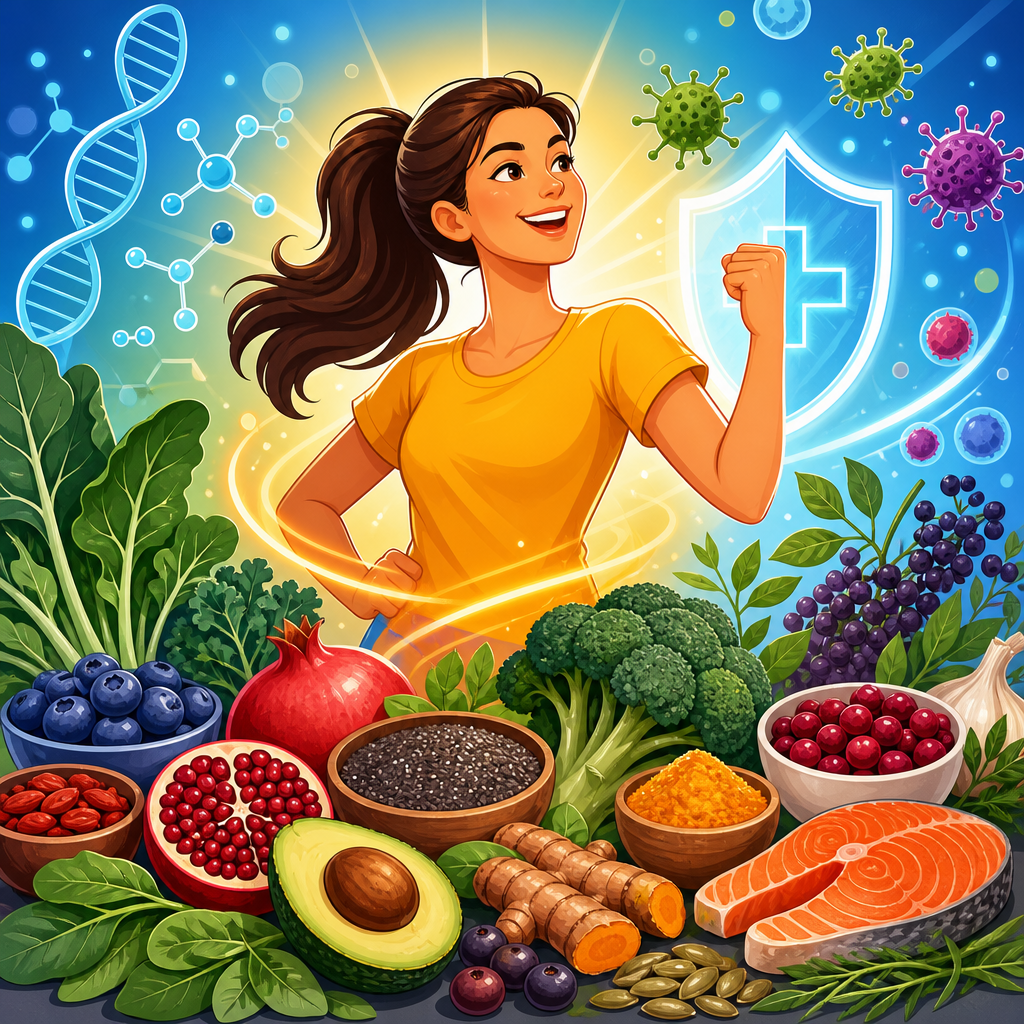
When people ask which superfoods help immunity, I start with foods rich in vitamin C, zinc, vitamin D, selenium, probiotics, and diverse polyphenols. Citrus fruits, kiwi, strawberries, guava, red peppers, and broccoli are standout vitamin C sources. Vitamin C helps protect cells from oxidative damage and supports the function of neutrophils and lymphocytes. Kiwi is especially notable because it combines vitamin C with fiber and potassium, while red bell peppers provide more vitamin C per serving than many citrus fruits.
Mushrooms bring a different immune angle. Varieties such as shiitake, maitake, and oyster mushrooms contain beta-glucans, compounds studied for their effects on innate immune function. They also provide copper, selenium, and ergothioneine, an antioxidant amino acid derivative that accumulates in tissues exposed to oxidative stress. Yogurt and kefir contribute live cultures that may support the gut-immune axis, especially when products contain clearly identified strains and minimal added sugar. Garlic and ginger are widely discussed because they contain sulfur compounds and phenolic constituents associated with antimicrobial and anti-inflammatory effects, though they are better understood as supportive foods than as direct treatments.
Fatty fish and fortified dairy matter because vitamin D plays a regulatory role in innate and adaptive immunity. Low vitamin D status is common in many populations, particularly in winter or in people with limited sun exposure. Selenium-rich foods such as Brazil nuts, seafood, and eggs also deserve mention because selenium supports antioxidant enzymes including glutathione peroxidase. The most effective immune-supportive pattern is varied rather than narrow: colorful produce, fermented foods, seafood or equivalent protein sources, nuts and seeds, legumes, and minimally processed staples consumed consistently over time.
Evidence-Based Superfoods and Their Key Benefits
Different superfoods work through different mechanisms, so comparing them side by side helps clarify where they fit. The table below highlights common options that appear repeatedly in research and clinical nutrition practice. None is magic on its own, but each contributes something measurable.
| Superfood | Primary Nutrients or Compounds | Energy Benefit | Immunity Benefit | Practical Use |
|---|---|---|---|---|
| Oats | Beta-glucan fiber, magnesium, iron | Steadier blood sugar and sustained fuel release | Gut support through fermentable fiber | Breakfast bowls, overnight oats, smoothies |
| Berries | Anthocyanins, vitamin C, fiber | Lower oxidative stress and improved recovery | Supports antioxidant defense and gut diversity | Yogurt, oatmeal, frozen blends |
| Leafy greens | Folate, magnesium, carotenoids, iron | Supports red blood cell formation and metabolism | Provides antioxidants and barrier-support nutrients | Salads, soups, sautés |
| Salmon | Protein, vitamin D, EPA, DHA, selenium | Recovery support and reduced inflammatory load | Helps regulate immune signaling | Baked fillets, canned salmon, grain bowls |
| Yogurt or kefir | Probiotics, protein, calcium | Better satiety and digestive stability | Supports gut-immune communication | Breakfast, snacks, dressings |
| Mushrooms | Beta-glucans, ergothioneine, selenium | Indirect support through reduced oxidative burden | Supports innate immune function | Soups, stir-fries, omelets |
| Beans and lentils | Iron, folate, fiber, protein | Stable energy and better glycogen support | Feeds beneficial gut microbes | Salads, soups, curries |
One practical lesson from this comparison is that combining foods multiplies their value. Lentils with tomatoes increase iron absorption. Yogurt with berries adds probiotics plus polyphenols. Salmon with greens covers protein, vitamin D, omega-3 fats, magnesium, and carotenoids. The science consistently favors dietary patterns over single ingredients.
Bioactive Compounds: Why These Foods Work Beyond Basic Nutrition
Superfoods earn their reputation partly because of bioactive compounds that influence physiology beyond classic deficiency prevention. Polyphenols in berries, cocoa, green tea, olives, and pomegranates can affect endothelial function, oxidative stress, microbial activity, and cell signaling. Anthocyanins, the pigments that make blueberries and blackberries dark blue or purple, have been studied for benefits related to vascular function and exercise recovery. Flavanols in cocoa may support nitric oxide pathways and circulation, which can matter for both cognition and physical performance.
Carotenoids such as beta-carotene, lutein, and lycopene are another major class. They are found in carrots, sweet potatoes, spinach, kale, tomatoes, and red peppers. These compounds support antioxidant defense and, in some cases, immune regulation and eye health. Sulforaphane from broccoli sprouts and cruciferous vegetables is especially interesting because it activates pathways involved in cellular defense and detoxification. Allicin from garlic, curcumin from turmeric, and gingerols from ginger also show anti-inflammatory or antimicrobial potential, though absorption and dose vary with preparation.
Fermentable fibers and resistant starch deserve equal status as functional compounds. They are converted by gut microbes into short-chain fatty acids such as butyrate, acetate, and propionate, which help maintain the intestinal barrier and influence immune behavior. This is one reason cooled potatoes, oats, beans, green bananas, onions, and garlic are more important than many trendier products. In real diets, these compounds work in networks. A meal containing legumes, vegetables, herbs, olive oil, and fermented dairy often has broader physiological impact than a supplement trying to imitate one isolated molecule.
How to Build Meals Around Superfoods for Energy and Immunity
The most effective way to use superfoods is to make them structural parts of breakfast, lunch, dinner, and snacks. For breakfast, a high-impact option is plain Greek yogurt or kefir with oats, berries, chia seeds, and walnuts. That meal offers protein, probiotics, soluble fiber, omega-3 precursors, magnesium, and vitamin C-rich fruit. If someone prefers savory food, eggs with sautéed spinach and mushrooms plus whole-grain toast provide choline, selenium, folate, beta-glucans, and slow-release carbohydrate.
At lunch, a grain and legume bowl works well. Start with quinoa or brown rice, add lentils or chickpeas, then layer in kale, roasted peppers, pumpkin seeds, and a citrus-based dressing. This combination covers iron, zinc, vitamin C, fiber, and plant protein while improving absorption through smart pairing. For dinner, salmon with broccoli, sweet potato, and a side of fermented vegetables creates a compact but comprehensive plate. It supports glycogen replenishment, omega-3 status, antioxidant intake, and gut health in one meal.
Snacks matter too, especially for people with long workdays or training schedules. A kiwi with cottage cheese, hummus with red peppers, or a small handful of nuts plus fruit is more useful than energy drinks or pastries because it supports stable blood glucose. Consistency beats intensity. I have seen people get better results from adding two servings of nutrient-dense foods every day than from trying exotic powders they stop using after a week. The hub principle is simple: choose a few reliable superfoods from each category and rotate them often enough to cover nutrient range without making meals complicated.
Common Mistakes, Limits, and What Science Actually Supports
The biggest mistake is expecting any food to “boost” immunity in the sense of making it stronger without limit. An overactive immune system can be harmful, as seen in allergies and autoimmune disease. Food supports normal immune regulation; it does not replace vaccination, medical care, sleep, hygiene, exercise, or treatment for deficiencies. Another common error is ignoring total diet quality. A spoonful of chia or a daily ginger shot cannot compensate for chronic under-eating, high alcohol intake, severe sleep loss, or a diet built mostly from ultra-processed snacks.
It is also important to watch for overstatement around supplements and imported powders. Acai, maca, spirulina, and matcha can be useful, but many offer benefits similar to more accessible foods. Frozen berries, beans, cabbage, oats, sardines, plain yogurt, and eggs are often better value and easier to sustain. People with thyroid disease, kidney disease, anticoagulant use, histamine intolerance, or digestive disorders may need tailored guidance because some otherwise healthy foods are not ideal in every context. Brazil nuts, for example, are rich in selenium, but eating too many regularly can push intake too high.
The strongest evidence supports dietary patterns rich in plants, adequate protein, healthy fats, and fermented or high-fiber foods, combined with good sleep and physical activity. If fatigue is severe or frequent infections persist, underlying issues such as iron deficiency, low B12, poor sleep, overtraining, thyroid dysfunction, or chronic illness should be assessed. Superfoods are powerful when they address real nutritional gaps and reinforce healthy systems. They are not a shortcut, but they are a highly effective foundation.
The science behind superfoods for energy and immunity is clear: whole foods support the body best when they deliver essential nutrients, beneficial fibers, and bioactive compounds in combinations that work together. Oats, berries, greens, beans, mushrooms, yogurt, kefir, citrus, kiwi, eggs, and fatty fish stand out because they help regulate blood sugar, fuel mitochondria, support the gut microbiome, and provide key immune nutrients such as vitamin C, zinc, selenium, and vitamin D. Their benefits are practical, measurable, and realistic for everyday eating.
As a hub within the broader superfoods and functional foods topic, this page points to the core idea that no single ingredient does everything. Energy and immunity improve most when meals consistently combine protein, fiber, colorful produce, healthy fats, and fermented or mineral-rich foods. That pattern supports resilience better than chasing trends or relying on stimulants. Start with one upgrade per meal, rotate proven superfoods through the week, and build a routine your body can actually use. If you want better daily stamina and stronger nutritional support for immune health, begin with your next grocery list.
Frequently Asked Questions
1. What does “superfood” really mean when talking about energy and immunity?
“Superfood” is not an official medical or scientific category, but it can be a useful term when it refers to foods that deliver unusually high levels of beneficial nutrients and bioactive compounds in a relatively compact form. In the context of energy and immunity, superfoods are foods that help the body perform its normal functions more efficiently by supplying vitamins, minerals, amino acids, fiber, healthy fats, antioxidants, and plant compounds that support metabolism, cellular repair, and immune regulation.
Importantly, energy in nutrition science does not mean a quick stimulant effect like caffeine or a sharp blood sugar increase from refined carbohydrates. It refers to the body’s ability to generate adenosine triphosphate, or ATP, which is the basic energy currency of cells. Nutrients such as B vitamins, magnesium, iron, copper, and coenzyme-supporting compounds are involved in converting carbohydrates, fats, and proteins into usable cellular energy. When the diet is deficient in these nutrients, people may feel fatigued even if they are consuming enough calories.
Immunity works in a similar way. The immune system does not rely on one “magic” ingredient. It depends on a constant supply of nutrients that support barrier function, white blood cell activity, inflammatory balance, antioxidant defense, and recovery from stress. Vitamin C, vitamin D, zinc, selenium, omega-3 fats, and polyphenols all play roles in helping the immune system respond appropriately without becoming overactive or chronically inflamed. So, when people talk about superfoods for energy and immunity, the real science is about nutrient density, metabolic support, and resilience rather than hype.
2. Which superfoods are most strongly linked to better energy production in the body?
Several foods stand out because they provide nutrients directly involved in mitochondrial function, blood sugar balance, oxygen transport, and reduced oxidative stress. Fatty fish such as salmon, sardines, and mackerel are excellent examples because they supply protein, B vitamins, selenium, and omega-3 fatty acids. These nutrients support muscle function, brain health, and cellular metabolism while also helping to regulate inflammation that can contribute to fatigue.
Leafy greens like spinach, kale, and Swiss chard are also highly valuable. They provide folate, magnesium, potassium, vitamin C, and various carotenoids. Magnesium is particularly important because it acts as a cofactor in hundreds of enzymatic reactions, including many tied to ATP production. Beans, lentils, and chickpeas also deserve attention because they offer complex carbohydrates, iron, protein, and fiber. This combination helps maintain more stable blood glucose levels, which supports steadier energy instead of the highs and lows associated with heavily processed foods.
Berries, nuts, seeds, eggs, yogurt, and whole grains are frequently included in evidence-based discussions of high-performance nutrition for good reason. Berries contain polyphenols that may help reduce oxidative stress and support vascular health. Nuts and seeds provide healthy fats, magnesium, zinc, and vitamin E, while eggs deliver high-quality protein, choline, and B vitamins. Fermented dairy such as yogurt may support gut health, which can influence nutrient absorption and immune signaling. Whole grains like oats and quinoa contribute fiber and slow-digesting carbohydrates that help fuel the body in a sustained way. Rather than relying on one standout food, the best approach is to combine these foods regularly so the body has the full range of inputs needed for efficient energy production.
3. How do superfoods support the immune system without “boosting” it in an unhealthy way?
The phrase “boost the immune system” is popular, but it can be misleading. A healthy immune system is not simply stronger or more aggressive. It is balanced, responsive, and well-regulated. Superfoods support immunity by helping the immune system function normally, not by pushing it into overdrive. This distinction matters because an excessively activated immune response can contribute to chronic inflammation, tissue damage, or immune dysfunction.
Many so-called superfoods help at multiple levels. Citrus fruits, kiwi, bell peppers, and berries provide vitamin C, which supports immune cell function and helps protect tissues from oxidative stress. Garlic, onions, mushrooms, and cruciferous vegetables contain sulfur compounds and other bioactives that may influence detoxification pathways and immune signaling. Yogurt, kefir, kimchi, and other fermented foods can support the gut microbiome, which is deeply connected to immune regulation because a large share of immune activity is associated with the gastrointestinal tract.
Healthy fats are another major part of the picture. Omega-3 fatty acids from fatty fish, chia seeds, flaxseeds, and walnuts help regulate inflammatory processes. This is important because the immune system depends on inflammation in the short term to fight threats, but chronic low-grade inflammation can impair normal immune performance. Selenium from Brazil nuts, zinc from pumpkin seeds and shellfish, and vitamin A precursors from orange and dark green vegetables all contribute to immune cell development and barrier integrity. In practical terms, superfoods help the immune system by supporting nutrient sufficiency, lowering unnecessary oxidative stress, and improving the body’s ability to adapt to physical and environmental challenges.
4. Can superfoods replace supplements or medical treatment for low energy and weak immunity?
In many cases, nutrient-dense foods should be the foundation of a health-supportive diet, but they are not a substitute for proper diagnosis or medical care when symptoms are persistent or severe. Ongoing fatigue, frequent infections, poor recovery, brain fog, or weakness can be linked to nutrient deficiencies, but they can also reflect sleep problems, thyroid disorders, anemia, depression, chronic stress, autoimmune disease, medication effects, or metabolic conditions. If someone is struggling with energy or immune resilience over time, it is wise to look beyond food trends and consider a broader health evaluation.
That said, food often provides advantages that supplements do not fully replicate. Whole foods contain complex nutrient matrices, including fiber, water, enzymes, and synergistic compounds that work together in ways isolated pills may not. For example, berries provide not just vitamin C but also anthocyanins and other polyphenols; legumes provide iron alongside protein and fiber; nuts offer magnesium in a food matrix with healthy fats and additional micronutrients. These combinations can improve satiety, stabilize blood sugar, and support long-term dietary quality.
Supplements can still be useful in specific situations, such as medically confirmed deficiencies, restricted diets, certain life stages, or conditions that increase nutrient needs or reduce absorption. Vitamin D, iron, B12, zinc, and omega-3 supplements are common examples, but they are best used thoughtfully and ideally under professional guidance. The most scientifically grounded perspective is this: superfoods can meaningfully strengthen the nutritional foundation for energy and immunity, but they work best as part of an overall strategy that includes sleep, movement, stress management, hydration, and appropriate medical care when needed.
5. What is the best way to add superfoods to a daily routine for lasting health benefits?
The most effective strategy is consistency, not extremes. Lasting benefits come from regularly eating a wide variety of nutrient-dense foods rather than chasing a short list of trendy ingredients. A simple way to think about it is to build meals around a few core elements: a quality protein source, a high-fiber carbohydrate, healthy fats, and colorful plant foods. This structure helps support blood sugar control, satiety, tissue repair, and sustained energy throughout the day.
For breakfast, that might mean oatmeal topped with berries, chia seeds, walnuts, and yogurt. For lunch, a bowl with quinoa, salmon or beans, leafy greens, olive oil, and roasted vegetables works well. For dinner, lentils, eggs, tofu, or fish paired with cruciferous vegetables and a whole grain can provide a strong nutritional base. Snacks can include fruit with nuts, plain yogurt with seeds, or hummus with sliced vegetables. These combinations deliver fiber, protein, minerals, antioxidants, and fats in a way that supports both metabolism and immune function.
It is also important to think in terms of patterns over time. Rotating foods helps broaden nutrient intake and supports a more diverse gut microbiome. Choosing minimally processed foods most of the time helps reduce excess sugar, sodium, and refined starches that can undermine metabolic health. Preparation matters too: keeping frozen berries, leafy greens, canned beans, nuts, seeds, and plain yogurt on hand makes nutrient-dense eating much easier in real life. Ultimately, the best superfood plan is the one you can sustain. A practical, varied, whole-food diet will do more for long-term energy and immunity than any single ingredient ever could.