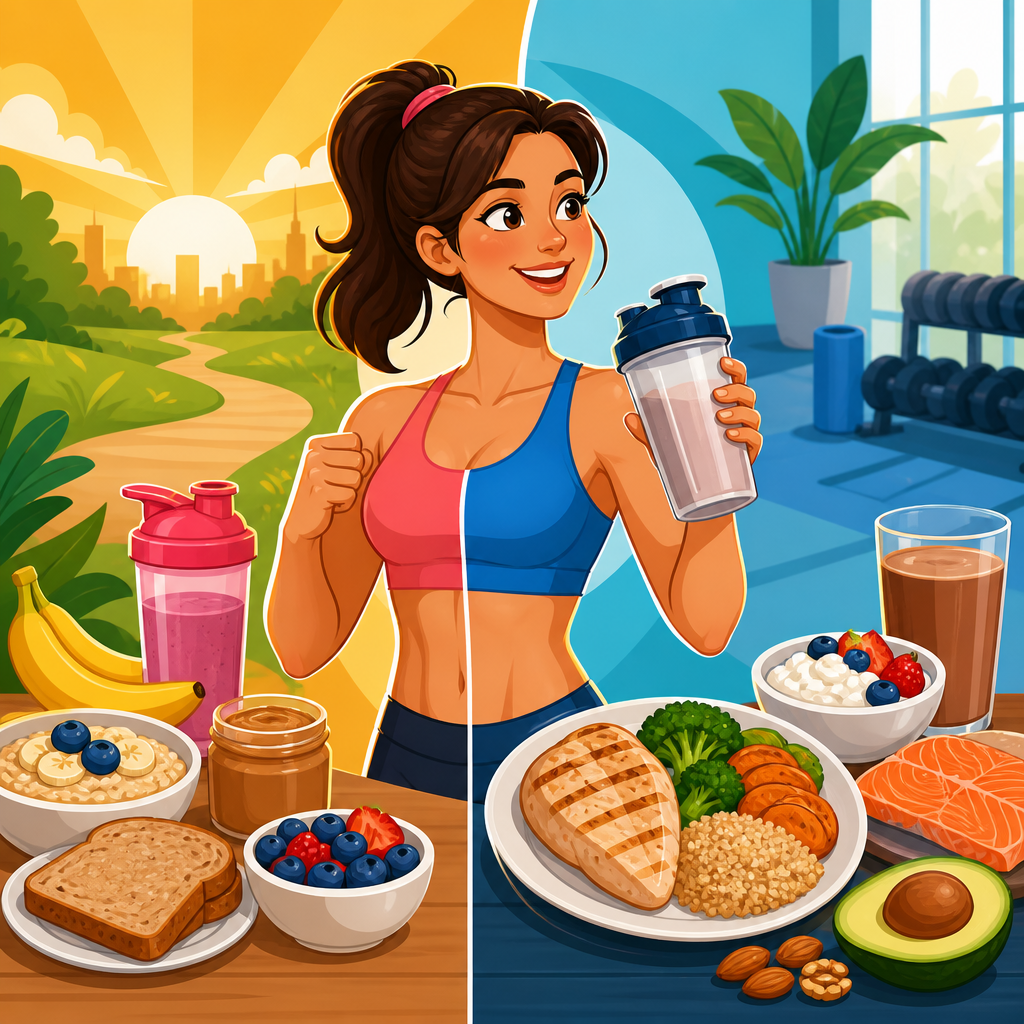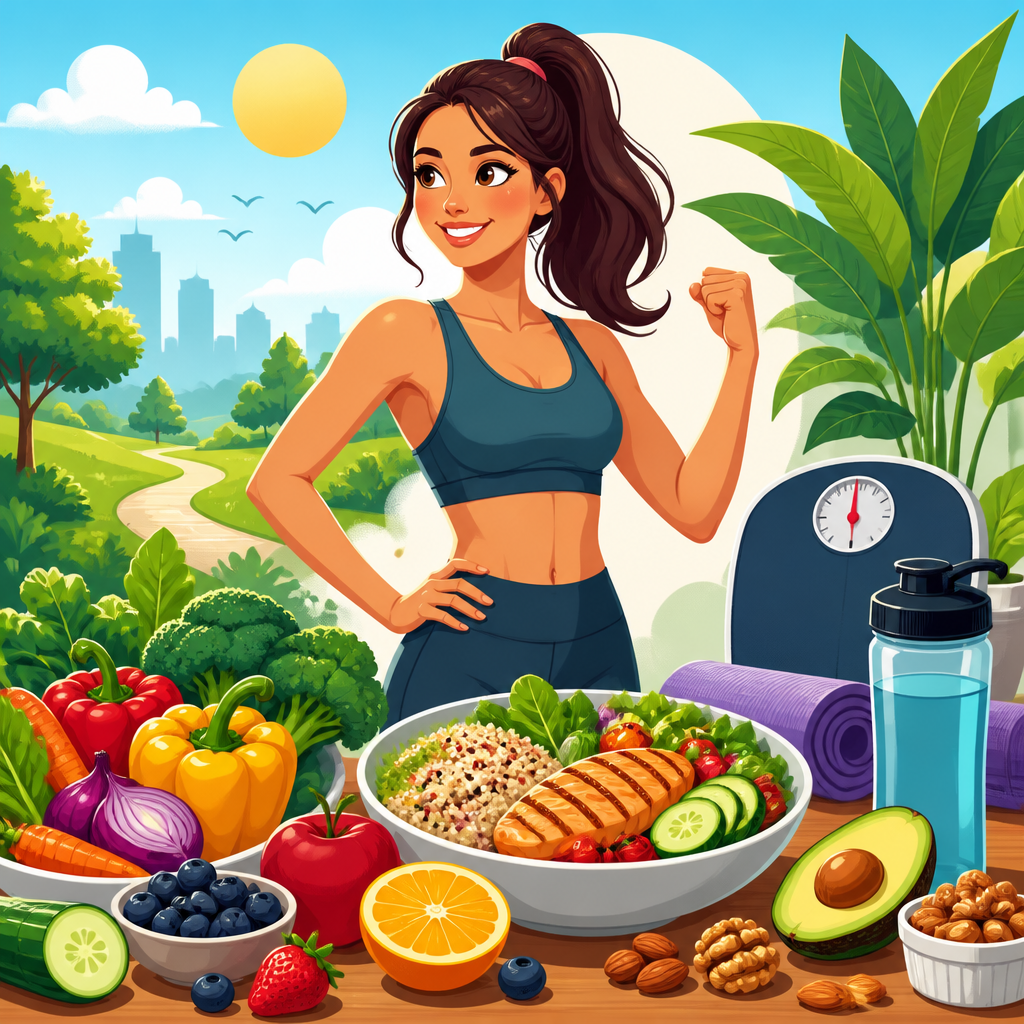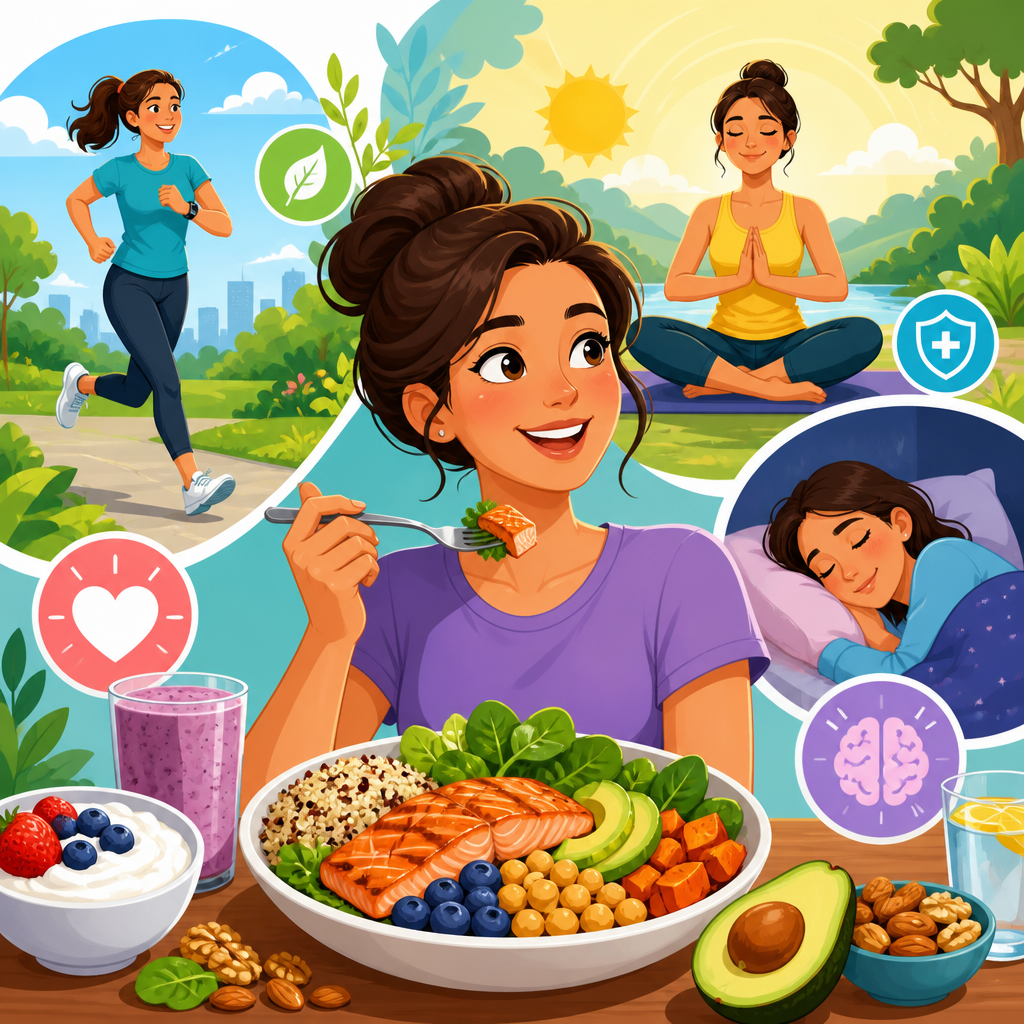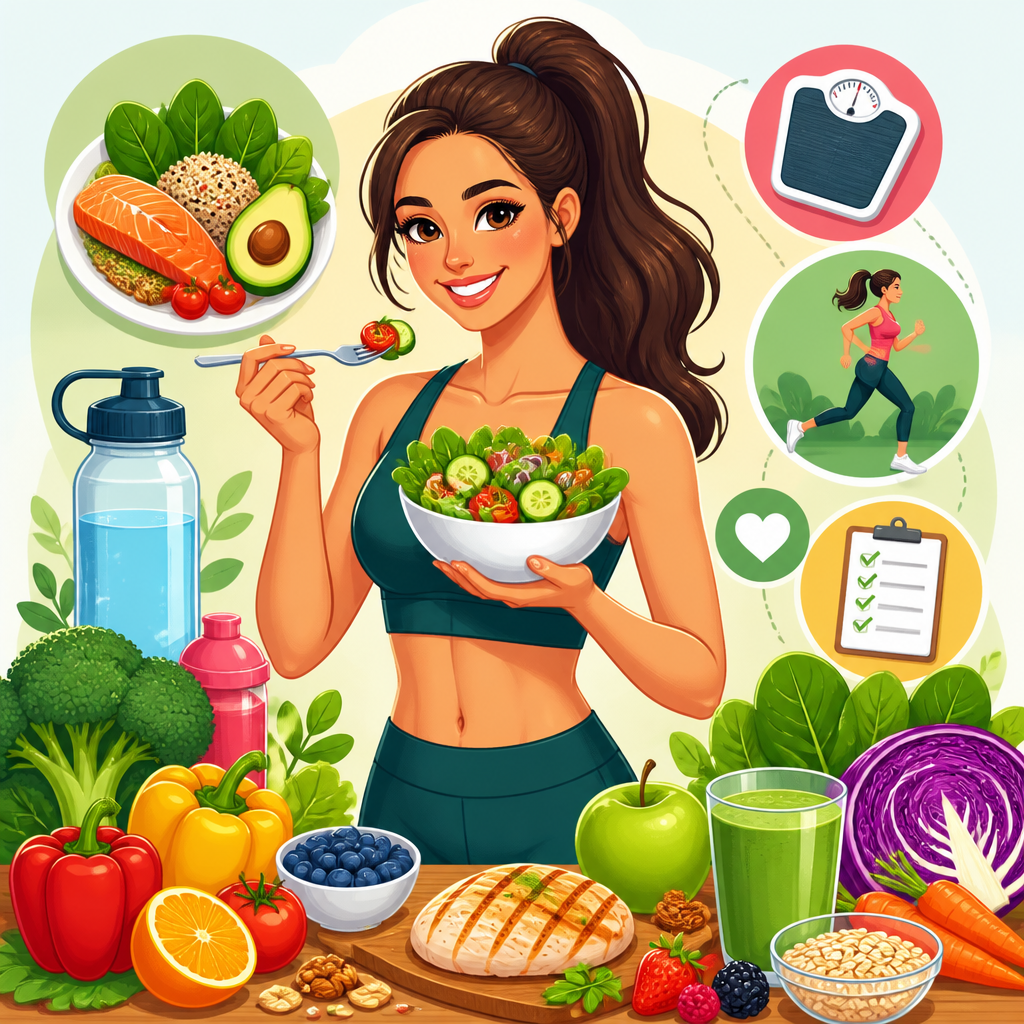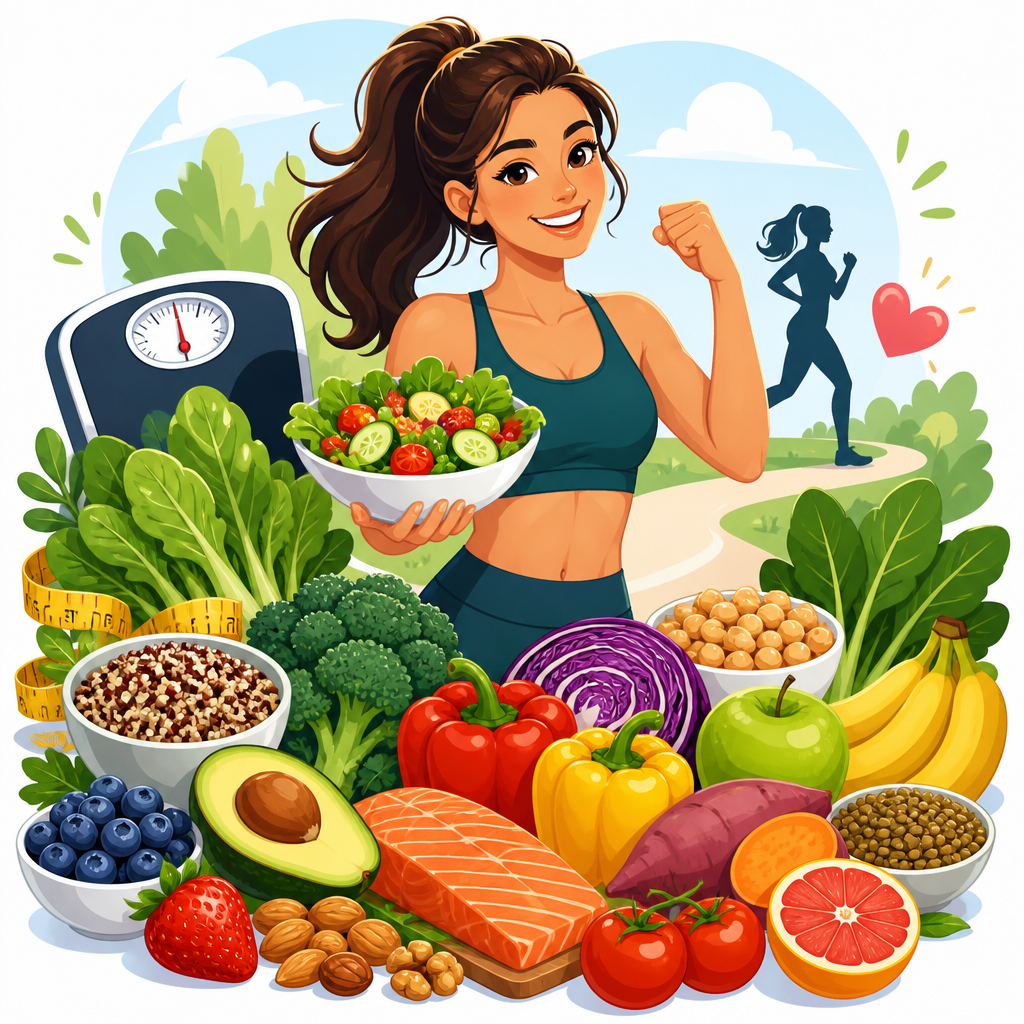
Weight loss and fat burning work best when food choices support training, recovery, appetite control, and long term adherence, not when a plan depends on restriction alone. In sports and performance nutrition, “weight loss” means reducing body mass in a controlled way, while “fat burning” refers to increasing the body’s reliance on stored fat for energy without sacrificing muscle, output, or health. The most effective nutrition strategies for weight loss and fat burning center on nutrient density, protein adequacy, fiber intake, meal timing, hydration, and food quality. I have used these principles with recreational runners, strength athletes, and busy professionals, and the pattern is consistent: people succeed when they build meals from foods rich in nutrition rather than chasing isolated hacks.
The phrase “top foods rich in nutrition” matters because body composition change is not only about calories. Energy balance still governs loss of body fat, but the foods that create that deficit shape hunger, performance, sleep, recovery, and compliance. A 500 calorie deficit built on ultra processed snacks feels very different from the same deficit built on lean proteins, legumes, vegetables, fruit, potatoes, yogurt, and whole grains. The second approach delivers more vitamins, minerals, water, and satiety per calorie. It also protects training quality, which is essential in a sports and performance nutrition context where preserving muscle and output is a priority.
This hub article explains the core foods and methods that consistently improve weight loss and fat burning results. It covers how protein preserves lean mass, why fiber reduces spontaneous calorie intake, how carbohydrate quality affects training and appetite, where healthy fats fit, and which meal structures work in real life. It also addresses common questions directly: What should you eat to burn fat? Which foods keep you full the longest? How do athletes lose fat without losing strength? The short answer is simple: prioritize high satiety, minimally processed foods, hit protein targets, manage total calories, and place carbohydrates around activity. The detailed answer is what follows.
Why nutrient density drives better fat loss outcomes
Nutrient density means getting more protein, fiber, vitamins, minerals, and beneficial compounds for fewer calories. This is the backbone of any sustainable nutrition strategy for weight loss and fat burning because it lowers the effort required to stay in a deficit. Foods with high water and fiber content increase stomach distension and slow gastric emptying, which helps fullness signals arrive before calorie intake gets excessive. In practice, that means a meal of grilled chicken, potatoes, broccoli, olive oil, and berries will usually control hunger better than a meal with the same calories from pastries or chips.
Researchers and coaches often talk about satiety per calorie. In the field, this is one of the most useful concepts for clients who train hard but struggle with snacking. Boiled potatoes, oats, Greek yogurt, eggs, beans, apples, oranges, and nonstarchy vegetables repeatedly outperform low fiber, hyperpalatable foods for keeping appetite stable. Nutrient dense foods also make it easier to meet micronutrient needs during a deficit. That matters because low intakes of iron, calcium, magnesium, potassium, and B vitamins can impair energy levels, recovery, and exercise performance, which indirectly makes fat loss harder.
For a hub level framework, think of your plate in layers: protein first, vegetables or fruit second, smart carbohydrates third, and fats used intentionally for flavor and absorption. This structure creates meals that are easier to repeat. It is also compatible with Mediterranean style eating patterns, which have strong evidence for cardiometabolic health and body composition support.
High protein foods: the anchor of weight loss and fat burning nutrition
If there is one nonnegotiable in sports and performance nutrition for fat loss, it is adequate protein. Protein has the highest thermic effect of food, meaning digestion and metabolism use more energy than they do for carbohydrates or fats. More importantly, protein preserves lean mass during a calorie deficit, and lean mass preservation helps maintain resting metabolic rate and performance. Most active adults cutting body fat do well around 1.6 to 2.2 grams of protein per kilogram of body weight per day, with intake spread across three to five meals to support muscle protein synthesis.
The best high protein foods for weight loss and fat burning include chicken breast, turkey, eggs, egg whites, Greek yogurt, cottage cheese, skyr, fish, shellfish, tofu, tempeh, edamame, lean beef, bison, and whey or casein protein when whole food convenience is limited. Salmon and sardines deserve special mention because they combine protein with omega 3 fats, which support recovery and overall health. Greek yogurt works especially well as a cut phase staple because it is rich in protein, easy to portion, and pairs well with fruit for a high satiety snack.
Real world example: when I move a strength trainee from a low protein breakfast like toast and juice to a meal built around eggs, yogurt, and fruit, afternoon cravings usually fall within a week. The calorie target has not changed much, but satiety and meal stability improve. This is why protein is not just a muscle nutrient; it is an appetite management tool.
Fiber rich carbohydrates that support fullness and training
Carbohydrates are often reduced too aggressively during fat loss, especially by active people who need them for quality training. The better strategy is to select fiber rich, minimally processed carbohydrate sources and match portions to activity demands. Carbohydrates replenish glycogen, support high intensity efforts, and lower perceived exertion. When training quality stays high, calorie expenditure and lean mass retention are easier to maintain. At the same time, higher fiber choices improve fullness and blood glucose stability.
Top foods in this category include oats, potatoes, sweet potatoes, beans, lentils, chickpeas, quinoa, brown rice, whole grain bread, berries, apples, oranges, and high fiber cereals with minimal added sugar. Potatoes are one of the most underrated foods in weight loss. Prepared simply, they are filling, rich in potassium, and useful before or after training. Legumes are another cornerstone because they combine carbohydrate, fiber, and plant protein in one food, making them ideal for people who want budget friendly meal volume.
Timing matters. Athletes trying to lose fat should place more carbohydrate around training sessions and choose lower energy density foods at meals away from exercise. For example, a cyclist might eat oats and banana before riding, rice and chicken after, and larger vegetable based meals later in the day. This approach supports output without turning every meal into a glycogen loading event.
Healthy fats, micronutrients, and the foods that make diets sustainable
Fat is essential for hormone production, absorption of vitamins A, D, E, and K, and overall meal satisfaction. The mistake is not eating fat; it is letting calorie dense fats dominate portions during a deficit. The most useful fat sources for weight loss and fat burning are foods that deliver clear nutritional value alongside taste: extra virgin olive oil, avocado, nuts, seeds, natural nut butters, olives, salmon, trout, sardines, and chia or flax seeds. These foods bring monounsaturated fats, omega 3s, vitamin E, magnesium, selenium, and polyphenols, but they still require portion awareness.
Micronutrients deserve more attention in fat loss discussions because low energy intake can quietly reduce nutrient adequacy. Leafy greens provide folate, magnesium, and potassium. Dairy or fortified alternatives help with calcium and protein. Red meat in moderate amounts can support iron, zinc, and vitamin B12 intake, especially in menstruating athletes. Fruits and vegetables contribute vitamin C, carotenoids, and polyphenols that support recovery from training stress. When people say they feel “flat” on a diet, the issue is often not just calories. It can be a combination of underfueling, low potassium, poor iron status, low sodium around workouts, and insufficient carbohydrate.
| Food category | Best examples | Primary fat loss benefit | Performance benefit |
|---|---|---|---|
| Lean proteins | Greek yogurt, chicken breast, eggs, fish, tofu | High satiety, muscle retention | Recovery and muscle repair |
| Fiber rich carbs | Oats, potatoes, beans, berries, whole grains | Fullness, steadier appetite | Glycogen support for training |
| Healthy fats | Olive oil, avocado, nuts, salmon, chia | Meal satisfaction, nutrient absorption | Hormonal and joint support |
| High volume produce | Leafy greens, broccoli, carrots, apples, oranges | Low calorie density | Micronutrients and hydration |
Meal timing, food sequencing, and practical strategies that actually work
Meal timing is not magic, but it is useful. The strongest evidence based rule is to distribute protein across the day and align carbohydrate intake with training needs. A simple structure is three main meals and one protein rich snack, each containing 25 to 40 grams of protein depending on body size. This improves satiety and makes it easier to reach daily targets. For early morning trainees, a small pre workout option like yogurt, banana, or whey can improve performance without upsetting the stomach. Post workout, a mixed meal with protein and carbohydrate supports recovery and reduces the chance of rebound overeating later.
Food sequencing can also help. Starting meals with vegetables, salad, broth based soup, or protein often reduces total intake naturally. This works because appetite is influenced by eating rate, gastric volume, and reward value. Slowing down meals, chewing thoroughly, and avoiding distracted eating are simple behaviors, but they consistently improve compliance. Hydration matters too. Mild dehydration can be mistaken for hunger, and athletes who sweat heavily may overconsume snack foods when the real issue is fluid and sodium replacement.
Some people do well with time restricted eating, while others perform worse if their feeding window is too narrow. In my experience, the method only works when it reduces mindless eating without undermining training quality or causing nighttime overeating. The same balanced view applies to low carb and low fat approaches. Both can reduce body fat if calories and protein are controlled. The better plan is the one a person can execute consistently while still training well, sleeping well, and recovering adequately.
Common mistakes, athlete specific considerations, and how to build your hub plan
The biggest mistakes in nutrition strategies for weight loss and fat burning are predictable: cutting calories too hard, underestimating liquid calories, neglecting protein, fearing carbohydrates, and relying on supplements before fixing meals. Fast loss usually increases fatigue, lowers training output, and raises the risk of muscle loss. A better rate for many active adults is roughly 0.5 to 1.0 percent of body weight per week, adjusted for starting size, timeline, and sport demands. Smaller, slower deficits are especially important for lean athletes, women with high training loads, and anyone with a history of restrictive eating.
Supplements have a limited but real role. Whey protein can help meet targets conveniently. Creatine monohydrate supports strength and lean mass retention, though temporary water retention can confuse scale interpretation. Caffeine may improve training performance and perceived effort. Fiber supplements can assist if food intake is poor, but they should not replace vegetables, fruit, legumes, and whole grains. Fat burners, detox teas, and stimulant heavy blends rarely solve the actual problem and often create new ones, including poor sleep and elevated stress.
As the hub page for this subtopic, your working plan should be simple. Build each meal around lean protein. Add at least one high volume fruit or vegetable. Choose carbohydrates based on training demand, favoring oats, potatoes, legumes, and whole grains. Include measured portions of healthy fats. Monitor body weight trends, waist measurements, gym performance, sleep, and hunger, not just calories. Then refine from there. This is the practical center of sports and performance nutrition for body composition change.
Top foods rich in nutrition give weight loss and fat burning plans their staying power because they solve the problems that derail most diets: hunger, low energy, poor recovery, and inconsistency. Protein protects muscle and keeps meals satisfying. Fiber rich carbohydrates support fullness and training output. Healthy fats and micronutrient dense produce make a calorie deficit healthier and easier to maintain. When these foods are organized into repeatable meals, fat loss becomes less dependent on willpower and more dependent on sound structure.
The main benefit of this approach is not just losing weight. It is improving body composition while preserving performance, strength, and health. That distinction matters in sports and performance nutrition, where looking lighter but feeling weaker is not a win. A good plan reduces body fat, keeps training productive, and teaches food habits you can sustain after the cut ends. That is why nutrient density, protein targets, meal timing, and food quality should lead the process instead of extreme rules.
Use this hub as your foundation for every deeper topic in nutrition strategies for weight loss and fat burning. Start with one week of structured meals built from the foods listed here, track your response, and adjust portions based on results. If you want better fat loss with fewer setbacks, begin with your next plate.
Frequently Asked Questions
What does “nutrient density” mean, and why is it so important for weight loss and fat burning?
Nutrient density refers to how much beneficial nutrition a food provides relative to its calorie content. In practical terms, nutrient-dense foods deliver high amounts of protein, fiber, vitamins, minerals, and other compounds that support health and performance without driving calories up too quickly. This matters because successful weight loss is not just about eating less. It is about eating in a way that helps control hunger, preserve muscle, maintain training quality, and make the plan sustainable over time.
When someone focuses on nutrient-dense foods, they are more likely to feel full on fewer calories, which makes a calorie deficit easier to maintain without constant hunger. Foods such as lean proteins, eggs, Greek yogurt, legumes, leafy greens, berries, potatoes, oats, and whole grains can help support satiety while also supplying the nutrients needed for recovery, hormone production, energy metabolism, and immune function. This is especially important for active people, because under-fueling or relying on low-quality foods can reduce workout intensity, slow recovery, and increase the likelihood of losing lean muscle along with body fat.
For fat burning, nutrient density also supports consistency. The body is more willing to use stored fat effectively when energy intake, protein intake, and training are aligned. If a person attempts weight loss through highly restrictive eating or by cutting out too many nutritious foods, adherence usually suffers. Energy levels may drop, cravings may increase, and training performance may decline. A nutrient-dense approach creates a better environment for steady fat loss by keeping the body better fueled, the appetite more controlled, and the plan more realistic to follow long term.
Which foods are most helpful for losing weight while protecting muscle and supporting fat burning?
The most helpful foods usually fall into a few key categories: high-protein foods, high-fiber foods, minimally processed carbohydrate sources, healthy fats in appropriate portions, and foods rich in water volume. Protein-rich options are especially important because protein helps preserve lean mass during a calorie deficit, supports recovery from training, and tends to be the most filling macronutrient. Excellent examples include chicken breast, turkey, fish, eggs, cottage cheese, Greek yogurt, tofu, tempeh, lean beef, edamame, and protein-rich legumes.
Fiber-rich foods also play a major role. Vegetables, fruits, beans, lentils, oats, chia seeds, and whole grains slow digestion, improve fullness, support blood sugar control, and make meals more satisfying. Potatoes are another highly useful food that is often underestimated. When prepared simply, potatoes can be very filling and provide useful carbohydrate for training. Berries, apples, citrus fruits, broccoli, spinach, carrots, and mixed vegetables are all excellent choices because they provide volume, micronutrients, and appetite support without adding excessive calories.
For active people, quality carbohydrates should not be viewed as the enemy. Foods like oats, rice, quinoa, beans, fruit, and potatoes can help maintain workout performance and recovery, which indirectly supports better fat loss outcomes. If training quality drops too much, total energy expenditure may fall and maintaining muscle becomes harder. Healthy fats such as avocado, nuts, seeds, olive oil, and fatty fish are also important, but portion awareness matters because fats are calorie-dense. The most effective pattern is usually not a single “superfood,” but a meal structure built around lean protein, vegetables or fruit, a sensible portion of carbohydrate, and just enough healthy fat to support satisfaction and nutrition.
Can you lose weight and burn fat without cutting out carbohydrates?
Yes, absolutely. Carbohydrates do not prevent fat loss on their own, and many people lose weight very effectively while including them. The key factor in weight loss is maintaining an appropriate energy deficit over time, while the key factor in productive fat burning is creating conditions that encourage the body to use stored fat without compromising muscle, health, or performance. Carbohydrates can actually help with that process when they are chosen well and matched to activity level.
In sports and performance nutrition, carbohydrates are valuable because they help fuel training, support recovery, and allow a person to maintain intensity and output. That matters because effective training helps preserve lean tissue and sustain total daily energy expenditure. If carbohydrates are removed too aggressively, some people experience lower energy, poorer workouts, increased cravings, and reduced adherence. That does not mean everyone needs a high-carbohydrate diet, but it does mean that carbohydrate restriction is not a requirement for fat loss.
The smarter strategy is usually to focus on carbohydrate quality, quantity, and timing. Whole-food carbohydrate sources such as oats, fruit, beans, lentils, rice, quinoa, and potatoes tend to provide better satiety and nutritional value than highly refined snacks or sugary drinks. Many people do well by placing more of their carbohydrates around training and keeping portions moderate at other meals. This approach can support performance and appetite control at the same time. So rather than asking whether carbohydrates should be eliminated, it is more useful to ask which carbohydrate foods help you train well, feel satisfied, and stay consistent in a calorie-conscious plan.
How do high-protein and high-fiber foods help control appetite during a fat-loss phase?
High-protein and high-fiber foods are two of the strongest nutritional tools for appetite control, which is one of the biggest challenges during weight loss. Protein helps by slowing digestion, increasing satiety after meals, and reducing the urge to keep eating shortly after a meal is finished. It also has a higher thermic effect than carbohydrates or fats, meaning the body uses more energy to digest and process it. Most importantly for active individuals, protein helps preserve lean muscle mass during a calorie deficit, which supports metabolic health and physical performance.
Fiber works differently but complements protein extremely well. Foods high in fiber tend to add bulk and volume to meals, helping the stomach feel physically fuller. Fiber can also slow gastric emptying and support steadier blood sugar responses, which may reduce sudden hunger and energy crashes. This is one reason meals based on whole foods usually outperform snack-based diets in terms of fullness. A bowl with chicken, roasted vegetables, beans, and rice will generally keep someone satisfied longer than a processed snack with similar calories.
The best appetite-control strategy is often combining both nutrients in the same meal. Examples include Greek yogurt with berries and chia seeds, eggs with vegetables and oatmeal, salmon with potatoes and green beans, or lentils with lean turkey and salad. These combinations support fullness, recovery, and better food choices later in the day. When people rely too heavily on low-volume, highly processed foods, they often struggle with hunger even if calories are technically controlled. Building meals around protein and fiber makes a fat-loss plan feel far less restrictive and much easier to maintain consistently.
Why is long-term adherence more important than extreme restriction when choosing foods for weight loss?
Long-term adherence matters because the best nutrition strategy is the one a person can follow consistently enough to produce results and maintain them. Extreme restriction may cause rapid early changes on the scale, but it often comes with trade-offs such as fatigue, increased cravings, poor workout performance, social stress, rebound eating, and loss of lean mass. In many cases, the issue is not that the strategy “doesn’t work” in the short term, but that it stops being realistic before meaningful, lasting progress can occur.
For weight loss and fat burning, consistency is what allows small daily choices to create a meaningful energy deficit over weeks and months. Nutrient-dense foods are valuable because they support this consistency. They help people stay fuller, recover better from exercise, meet protein and micronutrient needs, and avoid the all-or-nothing mindset that often comes with rigid dieting. A plan built around lean proteins, produce, legumes, whole grains, dairy or fortified alternatives, and healthy fats can be adjusted to different preferences, cultures, schedules, and training demands. That flexibility is one of the biggest predictors of adherence.
From a performance nutrition perspective, preserving muscle, maintaining output, and supporting health are all priorities during a fat-loss phase. If a diet is so strict that it harms training, mood, sleep, or recovery, it becomes harder to sustain and less likely to produce high-quality results. A better approach is controlled, structured, and sustainable: prioritize nutrient-dense foods most of the time, include satisfying meals, manage portions, and leave room for flexibility. That is what helps weight loss stay steady, fat burning remain productive, and results last beyond the diet itself.