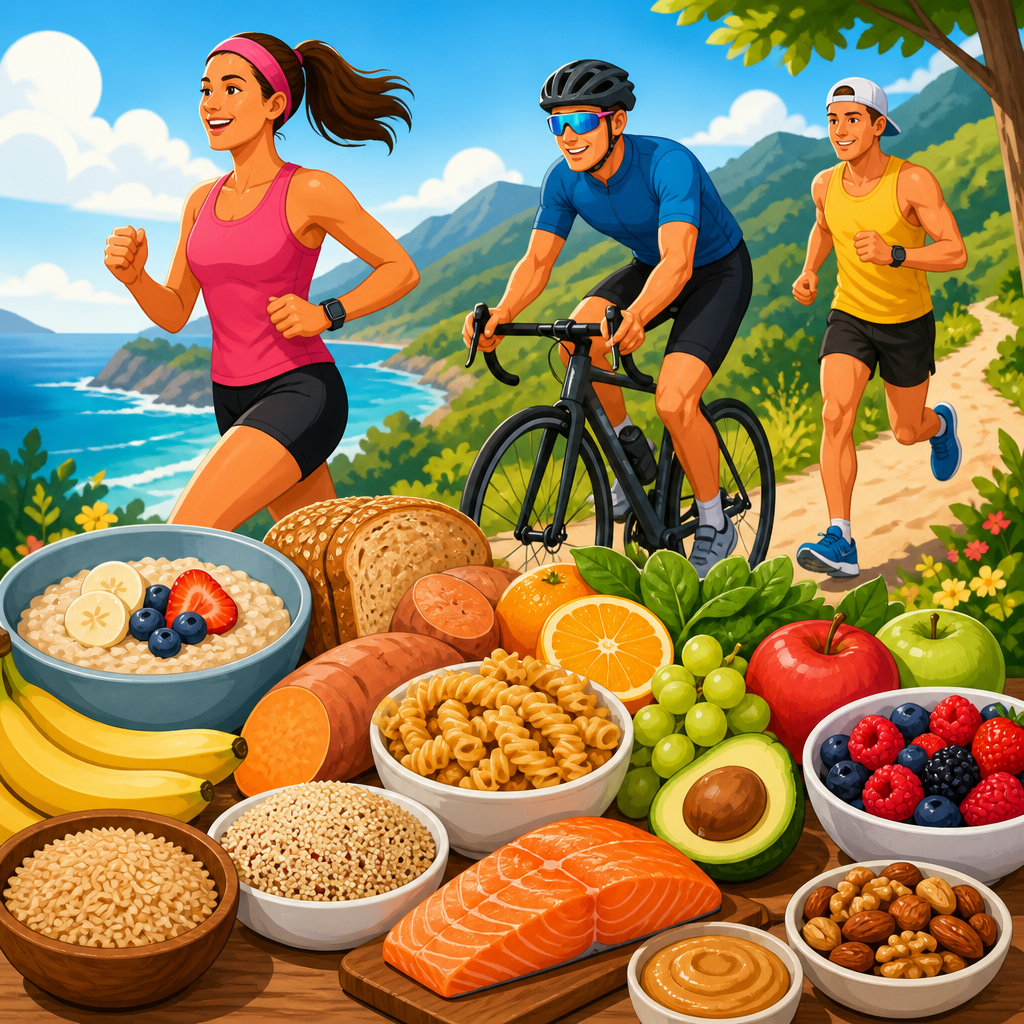
Endurance nutrition for long-distance athletes is the strategic use of food and fluid to sustain energy, protect health, speed recovery, and support consistent training over weeks, months, and racing seasons. For runners, cyclists, triathletes, rowers, Nordic skiers, and open-water swimmers, nutrition is not a side issue; it is one of the main determinants of performance, adaptation, and resilience. The phrase includes daily eating patterns, pre-exercise meals, during-exercise fueling, post-workout recovery, hydration, electrolyte balance, and the micronutrients that keep oxygen delivery, muscle contraction, and immune function working under load. In practice, I have seen strong athletes plateau not because their training plan was poor, but because their food choices did not match the demands of their mileage, intensity, climate, or recovery needs. The right foods solve specific problems: low glycogen, gut distress, slow tissue repair, iron depletion, excessive fatigue, and inconsistent race-day energy. That is why understanding the best foods for endurance nutrition matters.
Long-distance events place a unique metabolic demand on the body. At lower intensities, athletes rely more heavily on fat oxidation, but as pace rises, carbohydrate becomes the preferred fuel because it can generate adenosine triphosphate quickly enough to support sustained output. Glycogen stores in muscle and liver are limited, typically enough for roughly 90 to 120 minutes of harder work if they are not replenished. Protein is not a primary race fuel, yet it becomes crucial for muscle repair, mitochondrial adaptation, and preserving lean mass during heavy training blocks. Fluids and electrolytes regulate plasma volume, thermoregulation, and neuromuscular function. Micronutrients such as iron, calcium, vitamin D, magnesium, and B vitamins influence oxygen transport, bone health, and energy metabolism. When athletes underfuel or rely on random food choices, the consequences can include bonking, under-recovery, recurrent illness, menstrual dysfunction, relative energy deficiency, and preventable injuries. A smart endurance diet uses whole foods to build the base and then layers practical sports fuels when convenience and intensity demand them.
This hub article explains the top foods rich in endurance nutrition for long-distance athletes and why each deserves a place in a performance-focused diet. It covers how those foods support glycogen storage, hydration, recovery, gut tolerance, and long-term adaptation. It also answers a common question directly: what should endurance athletes actually eat? The short answer is simple. Eat carbohydrate-rich staples to fuel training, quality proteins to repair muscle, healthy fats to support overall energy and hormone function, and micronutrient-dense foods to protect blood health, bone strength, and immunity. Then organize those foods around the training day so that meals and snacks work with the session, not against it. Whether you are preparing for a marathon, building cycling volume, or trying to recover better between long sessions, the foods below form the foundation of effective endurance nutrition.
Carbohydrate-Rich Foods That Build and Refill Glycogen
The most important food category for endurance performance is carbohydrate. Carbohydrate is stored as glycogen in muscle and liver, and those stores are the body’s most accessible high-output fuel source. When athletes ask me what to prioritize first, the answer is almost always glycogen availability. If you cannot start sessions well fueled and replenish afterward, your training quality drops quickly. The best carbohydrate foods for endurance athletes are those that are easy to digest, practical to prepare, and versatile enough to fit different parts of the day.
Oats, rice, potatoes, sweet potatoes, pasta, bread, quinoa, bananas, dates, and lower-fiber cereal all belong in an endurance pantry. Oats are especially useful because they provide carbohydrate plus soluble fiber and minerals, making them ideal for breakfast on easier training days. Rice is one of the most dependable options before and after hard sessions because it is low in fat, easy on the stomach, and easy to portion in larger amounts. Potatoes and sweet potatoes provide potassium and can be eaten baked, mashed, or roasted depending on tolerance. Bananas are a practical portable carbohydrate source that also contribute potassium, while dates offer dense fuel in a small serving and work well before long runs if the athlete tolerates concentrated sweetness.
Not every carbohydrate food fits every context. Before a race or intense long workout, lower-fiber options usually work best because they reduce the risk of gastrointestinal distress. That is why many athletes do better with toast, rice, pancakes, bagels, or a ripe banana rather than a large bran cereal or bean-heavy meal. After exercise, pairing carbohydrate with protein speeds glycogen resynthesis and supports repair. A bowl of rice with eggs, a bagel with yogurt, or potatoes with salmon can be more effective than an isolated recovery shake when the next session is many hours away. For athletes training twice in one day, rapid replenishment matters even more, and fast-digesting choices such as fruit, cereal, chocolate milk, and white rice become particularly useful.
Protein Foods That Repair Muscle and Support Adaptation
Endurance athletes sometimes underestimate protein because their sport is not primarily about maximal strength, but repeated aerobic training still damages muscle proteins and increases the need for repair. Protein also supports enzyme production, immune defense, connective tissue maintenance, and satiety during higher-calorie phases. In real training blocks, especially during marathon builds or stage-race preparation, athletes who spread protein across the day recover more consistently and report less lingering soreness.
Eggs, Greek yogurt, cottage cheese, milk, kefir, chicken, turkey, lean beef, fish, tofu, tempeh, edamame, and legumes are the most reliable protein foods for endurance nutrition. Greek yogurt stands out because it combines high-quality protein with calcium and can be paired easily with fruit, granola, or honey. Eggs provide leucine, a key amino acid that helps stimulate muscle protein synthesis, and they work well at breakfast or after training. Fish such as salmon and sardines add protein plus omega-3 fats, which can help manage inflammation from heavy volume. Lean beef contributes highly bioavailable iron, vitamin B12, and zinc, making it particularly valuable for athletes at risk of low iron stores.
Plant-based athletes can meet protein needs effectively, but they benefit from planning. Tofu, tempeh, soy milk, lentils, beans, pea protein, and whole grains can cover protein targets when total intake is adequate and meal variety is good. The practical rule is to include a meaningful protein source in every main meal and most recovery snacks. For many athletes, that means roughly 20 to 40 grams per meal depending on body size and training load. The food matters, but the timing pattern matters too.
Healthy Fats, Anti-Inflammatory Foods, and Long-Range Energy Support
Fat is not the fuel you should emphasize immediately before hard training, but it is essential in the overall endurance diet. Dietary fat supports hormone production, cell membrane integrity, absorption of vitamins A, D, E, and K, and steady energy intake across long weeks of high caloric expenditure. Athletes who slash fat too aggressively often struggle with appetite control, poor meal satisfaction, and in some cases hormonal disruption.
Avocados, nuts, seeds, nut butters, extra-virgin olive oil, olives, flaxseed, chia seeds, walnuts, salmon, trout, and sardines are top choices. Chia and flax add alpha-linolenic acid and can be mixed into oats, smoothies, or yogurt. Walnuts and salmon support omega-3 intake, which is useful for athletes dealing with cumulative training stress, though food should not be viewed as a substitute for training management or sleep. Extra-virgin olive oil adds energy density without much meal volume, helping athletes who need more calories but cannot tolerate constantly oversized portions.
There is an important tradeoff here. Foods high in fat can slow gastric emptying, so they are often a poor choice in the one to three hours before a demanding run or race. The same peanut butter that works perfectly in a general snack may feel heavy before tempo work. Place fats away from key sessions and use them more generously in meals that support baseline energy intake and evening recovery. This simple adjustment improves comfort without reducing the benefits of healthy fats.
Hydration Foods, Electrolytes, and Micronutrients That Keep the Engine Running
Endurance performance depends on more than calories. Fluid balance, sodium replacement, and micronutrient sufficiency shape how well an athlete can convert training into progress. Sweat losses vary enormously by person, temperature, humidity, clothing, and pace. Some athletes lose modest sodium; others are heavy, salty sweaters who finish long sessions with crusted kit and headache risk. Those differences explain why one athlete thrives on water and another needs a deliberate electrolyte plan.
Milk, yogurt, soups, watermelon, oranges, berries, potatoes, leafy greens, beans, pumpkin seeds, fortified cereals, and sodium-containing broths all contribute to hydration and micronutrient intake. Potatoes and bananas are useful for potassium, dairy products supply calcium, and fortified cereals can help with iron and B vitamins. For athletes with low ferritin or recurrent fatigue, iron-rich foods deserve special attention: lean red meat, lentils, beans, spinach, pumpkin seeds, and iron-fortified grains. Pairing plant iron with vitamin C sources such as citrus, kiwi, peppers, or berries improves absorption, while tea and coffee taken with meals can reduce it.
| Food | Primary benefit | Best use for endurance athletes |
|---|---|---|
| White rice | Fast-digesting carbohydrate | Pre-race meal or post-workout glycogen refill |
| Greek yogurt | High-quality protein and calcium | Recovery snack with fruit or granola |
| Bananas | Carbohydrate and potassium | Portable pre-workout or during long sessions |
| Salmon | Protein plus omega-3 fats | Evening recovery meal after high-volume days |
| Potatoes | Carbohydrate, potassium, fluid-friendly texture | Post-training meal or easy-to-eat dinner |
| Fortified cereal | Carbohydrate, iron, B vitamins | Quick breakfast before early training |
Hydration strategy should be individualized, but the food base still matters. Meals that include sodium and fluid improve retention better than plain water alone after long sweat losses. That is why soup, salted rice, sandwiches, and dairy-based recovery drinks often work so well after summer training. When a session exceeds 60 to 90 minutes, especially in heat, sports drinks, sodium tablets, or gels may become necessary, but they should complement rather than replace a nutrient-dense daily diet.
How to Organize Endurance Foods Around Training and Racing
The best endurance foods only deliver results when they are timed well. Before training, the goal is to start with available energy and a settled stomach. For most athletes, that means a carbohydrate-focused meal three to four hours before long or intense exercise, such as oatmeal with banana and honey, rice with eggs, or a bagel with jam and yogurt. If the workout is early, a smaller snack 30 to 90 minutes before, like toast, a banana, or a sports drink, can be enough.
During long sessions, athletes should not wait until they feel weak to fuel. For events lasting longer than about 90 minutes, taking in carbohydrate during exercise helps preserve blood glucose and spare glycogen. Many sports nutrition guidelines support roughly 30 to 60 grams of carbohydrate per hour for longer steady work, with trained athletes sometimes using up to 90 grams per hour when multiple transportable carbohydrates such as glucose and fructose are used. Practice is essential. The gut adapts, and race-day fueling should never be improvised.
After training, start recovery with carbohydrate, protein, and fluid. A simple benchmark is to eat within about an hour when the session was long, intense, or followed by another session later in the day. Chocolate milk, yogurt with fruit, rice bowls, eggs on toast, or a smoothie with milk and oats all work. Across the rest of the day, continue to eat enough. Many endurance problems come not from one missed snack, but from chronic low energy availability that quietly erodes adaptation, mood, bone health, and consistency.
Endurance nutrition works best when athletes build a shortlist of reliable foods they tolerate well in training, recovery, and racing. Use carbohydrate staples to protect glycogen, quality proteins to repair and adapt, healthy fats to support overall energy and hormone function, and micronutrient-rich foods to maintain blood health, hydration, and durability. Then test your plan under real conditions. Learn which breakfast sits well before intervals, which fluids you tolerate in heat, and which recovery meal helps you feel ready the next morning. If you want better long-distance performance, start by upgrading the foods on your plate and aligning them with your training calendar. That is the foundation every serious endurance athlete needs.
Frequently Asked Questions
What makes a food especially valuable for endurance nutrition in long-distance athletes?
A food is especially useful for endurance nutrition when it does more than simply provide calories. Long-distance athletes need foods that deliver reliable energy, support glycogen storage, aid muscle repair, help maintain hydration, and provide vitamins and minerals involved in oxygen delivery, immune function, and recovery. In practical terms, that usually means foods rich in carbohydrates for training fuel, moderate to high-quality protein for repair and adaptation, healthy fats for overall energy balance and hormone health, and key micronutrients such as iron, calcium, magnesium, sodium, potassium, and B vitamins.
For example, oats, rice, potatoes, bananas, whole-grain breads, and pasta are prized because they help replenish muscle glycogen, which is one of the biggest performance drivers in endurance sport. Foods like Greek yogurt, eggs, milk, beans, lentils, fish, tofu, and lean poultry are important because repeated long sessions create ongoing repair demands. Then there are foods that help cover the “supporting roles” that matter just as much over a long season, such as berries and leafy greens for antioxidants and micronutrients, nuts and seeds for healthy fats and minerals, and dairy or fortified alternatives for bone support.
The best endurance foods also tend to be digestible, accessible, and easy to use around training. A technically healthy food is not always the most useful if it sits heavily in the stomach before a run or is hard to eat during a long ride. That is why athletes often build their nutrition around a combination of nutrient-dense staples and performance-friendly options that are easy to tolerate. The goal is not perfection in any one meal, but a repeatable pattern that supports energy, recovery, and consistency week after week.
Which foods are considered top choices for fueling long-distance training and racing?
Some of the best foods for endurance athletes are the ones that consistently help meet carbohydrate, protein, fluid, and micronutrient needs without making eating feel overly complicated. Top carbohydrate-rich choices include oats, rice, potatoes, sweet potatoes, whole-grain pasta, quinoa, bread, fruit, and low-fiber cereals when quick digestion is needed. These foods are valuable because they refill glycogen stores, which power moderate to high-intensity efforts and help athletes maintain pace and volume across longer sessions.
Bananas, dates, raisins, applesauce, and sports-friendly carbohydrate foods can be especially helpful around training because they are portable and easier to digest. For athletes doing long sessions, practical fuel sources during exercise may also include sports drinks, chews, gels, white bread with honey or jam, or low-fiber bars. While these may not always look like traditional “health foods,” they serve a performance purpose by helping maintain blood glucose and delaying fatigue when exercise lasts well beyond an hour.
For recovery and training adaptation, top protein-rich foods include Greek yogurt, cottage cheese, eggs, milk, soy milk, tofu, tempeh, beans, lentils, chicken, turkey, and fish such as salmon or tuna. These foods help repair muscle tissue and support the changes the body is trying to make in response to training. Fat-rich foods also have an important place, especially avocados, olive oil, nuts, seeds, nut butters, and fatty fish, because they contribute to total energy intake, reduce the risk of underfueling, and support overall health.
Finally, foods rich in iron, calcium, and electrolytes deserve special attention. Red meat in moderate amounts, beans, lentils, spinach, fortified cereals, and pumpkin seeds can support iron intake, which is critical for oxygen transport. Dairy foods, fortified alternatives, yogurt, and cheese can help meet calcium needs. Fruits, vegetables, soups, potatoes, and salted foods can contribute to potassium and sodium intake, both of which matter for fluid balance and performance. The strongest endurance diet usually combines these categories rather than relying on a single “superfood.”
Why are carbohydrates so important for endurance athletes compared with other nutrients?
Carbohydrates are central to endurance performance because they are the body’s most efficient fuel for sustained training and harder race efforts. They are stored in the muscles and liver as glycogen, and those glycogen stores are limited. Once they drop too low, athletes often experience the classic signs of underfueling: heavy legs, falling pace, poor concentration, rising perceived effort, irritability, and difficulty finishing strong. For long-distance athletes, preserving and replenishing glycogen is one of the most important nutrition tasks there is.
This is why carbohydrate-rich foods are foundational throughout the day, not just right before competition. Daily intake helps athletes recover from yesterday’s session and prepare for the next one. Before training, carbohydrates top off fuel stores. During long workouts or races, they help maintain blood glucose and reduce the rate at which glycogen is depleted. After exercise, they speed glycogen restoration, especially when an athlete has another session coming soon. In that sense, carbohydrates affect both immediate performance and the ability to train consistently over time.
That does not mean protein and fat are unimportant. Protein is essential for muscle repair, and fats support health and help meet energy needs. But neither replaces the performance role of carbohydrate in long-duration training. Endurance athletes who chronically eat too little carbohydrate often find that their workouts feel harder than they should, recovery lags, and high-quality training becomes difficult to sustain. Inadequate carbohydrate intake can also contribute to low energy availability, increased illness risk, and a higher chance of plateauing or breaking down over a season.
The practical takeaway is that carbohydrate needs should rise with training demands. Easy days, heavy blocks, race weeks, and long sessions all call for different amounts, but the principle remains the same: carbohydrate is the primary performance fuel for most long-distance athletes. Choosing the right foods and timing them well can make a major difference in endurance, pacing, and recovery.
How should long-distance athletes use food before, during, and after exercise?
Before exercise, the main objective is to start training well fueled, well hydrated, and with a settled stomach. A pre-exercise meal typically emphasizes carbohydrates, includes some protein, and keeps fat and fiber moderate or low when digestion time is short. Good options might include oatmeal with banana, toast with nut butter and honey, rice with eggs, yogurt with fruit, or a bagel with jam. The exact amount depends on how long and intense the session will be, as well as how much time the athlete has before starting. In general, larger meals work better when eaten several hours before exercise, while smaller carbohydrate-focused snacks are often better within the final hour or two.
During exercise, nutrition becomes more important as duration increases. For shorter easy sessions, water may be enough. But once workouts extend well beyond an hour, especially at moderate to hard intensity, most athletes benefit from taking in carbohydrates and fluids. This can come from bananas, dates, sports drinks, gels, chews, bars, or simple carbohydrate foods that are easy to tolerate. The goal is to maintain energy, protect pacing, and reduce late-session fatigue. For very long or hot sessions, sodium and fluids become increasingly important as well, particularly for athletes with high sweat losses.
After exercise, the priority shifts to recovery. This means replacing fluids, restoring glycogen with carbohydrate-rich foods, and providing enough protein to support muscle repair and adaptation. A strong post-workout meal might include rice and salmon, potatoes and eggs, pasta with lean meat or tofu, or yogurt with granola and fruit if a full meal is not practical right away. Athletes with another hard session later the same day or the next morning should be especially intentional about eating soon after finishing, because the recovery window matters more when turnaround time is short.
What matters most is not just a single pre-, during-, or post-workout snack, but the system as a whole. Long-distance athletes perform best when daily eating patterns support training demands consistently. Well-timed meals and snacks help stabilize energy, improve workout quality, reduce excessive fatigue, and make it more likely that the athlete can absorb the training they are working so hard to complete.
Can healthy endurance foods also help prevent fatigue, illness, and poor recovery over a full training season?
Yes, and this is one of the biggest reasons endurance nutrition matters beyond race day. Over a full season, the right foods help protect athletes from the cumulative effects of high training loads. Consistently eating enough carbohydrate reduces the risk of depleted glycogen and chronic fatigue. Adequate protein supports muscle repair, tissue maintenance, and adaptation. Sufficient total calories help prevent low energy availability, a condition that can impair hormone function, recovery, bone health, mood, and immune resilience. In other words, smart nutrition does not just help an athlete go faster today; it helps them stay healthy enough to keep training tomorrow.
Micronutrients also play a major preventive role. Iron supports oxygen transport and is particularly important for female athletes, growing athletes, and anyone with a history of deficiency. Calcium and vitamin D help maintain bone strength, which is critical in repetitive-impact sports such as distance running. Magnesium, potassium, and sodium contribute to muscle and nerve function, hydration balance, and normal recovery processes. Antioxidant-rich foods such as berries, cherries, citrus, leafy greens, and colorful vegetables can support overall health, although they work best as part of a balanced diet rather than as