Muscle building and protein needs are essential for a balanced diet because lean muscle supports movement, metabolism, recovery, healthy aging, and everyday function, while protein provides the amino acids required to build, repair, and preserve that tissue. In sports and performance nutrition, this topic matters far beyond bodybuilding. I have seen endurance runners under-eat protein and struggle with recovery, office workers lose strength during weight-loss phases, and older adults fail to maintain muscle despite staying active. In each case, the missing piece was not motivation. It was understanding how muscle protein synthesis works and how daily protein intake, meal timing, resistance training, and total energy intake fit together.
Muscle building refers to the process of increasing skeletal muscle mass through training, recovery, and nutrition. Protein needs refers to the amount, quality, distribution, and timing of protein required to support health and performance goals. A balanced diet is not simply one that avoids excess. It is one that delivers enough energy, essential fatty acids, micronutrients, fiber, carbohydrate, and protein to meet the body’s changing demands. When protein intake is too low, or poorly distributed across the day, muscle repair and adaptation are limited. When training is absent, extra protein alone does not create meaningful muscle gain.
The evidence is clear that muscle is metabolically active tissue with broad health value. It improves glucose disposal, supports insulin sensitivity, protects joints by stabilizing movement, and helps maintain resting energy expenditure during aging or calorie restriction. Protein is equally important because the body has no dedicated storage depot for amino acids in the way it stores glycogen or body fat. Dietary protein therefore needs to arrive consistently. The current Recommended Dietary Allowance of 0.8 grams per kilogram of body weight prevents deficiency in most adults, but it is not an optimal target for athletes, highly active people, older adults, or anyone trying to gain or preserve muscle mass.
For most people pursuing muscle gain or improved recovery, practical protein targets are higher. Research commonly supports about 1.4 to 2.2 grams per kilogram per day depending on training volume, age, energy balance, and goal. During aggressive dieting, high training loads, or injury recovery, needs can rise toward the upper end. This is why muscle building and protein needs deserve hub-level attention within sports and performance nutrition: they shape strength, body composition, resilience, and long-term health in ways that affect almost every other nutrition decision.
What Protein Does for Muscle Growth and Recovery
Protein supplies twenty amino acids, nine of which are essential because the body cannot produce them in adequate amounts. These amino acids are used to build contractile proteins such as actin and myosin, enzymes involved in energy production, transport proteins, and signaling molecules. The central mechanism for muscle growth is muscle protein synthesis, the process of assembling new muscle proteins after feeding and training. Resistance exercise sensitizes muscle tissue to amino acids, and adequate protein intake provides the raw material to capitalize on that signal.
Leucine deserves special attention because it acts as a key trigger for muscle protein synthesis through pathways involving mTOR signaling. In practice, this means protein quality matters, not just protein quantity. Whey protein, dairy foods, eggs, fish, poultry, lean meat, soy, and some mixed plant protein combinations provide enough essential amino acids to support adaptation well. Lower-quality sources can still contribute, but they may require larger portions or strategic pairing. I often explain this to clients by comparing 30 grams of whey with 30 grams of collagen. Both are labeled protein, but whey is rich in leucine and essential amino acids, while collagen lacks a complete amino acid profile for muscle building.
Recovery is not limited to visible muscle gain. Protein supports repair of training-induced damage, immune function, connective tissue turnover, and adaptation between sessions. Athletes who train hard on consecutive days need sufficient protein to reduce the performance drop that comes from incomplete recovery. Recreational exercisers benefit too. A person lifting three times per week may notice less soreness, better session quality, and steadier progress when protein intake is consistently adequate.
How Much Protein You Actually Need
The best protein intake depends on body size, age, training status, and energy intake. For generally healthy adults with low activity levels, 0.8 grams per kilogram is the baseline minimum. For active adults aiming to maintain muscle, around 1.2 to 1.6 grams per kilogram per day is usually more effective. For muscle gain, many evidence-based sports nutrition guidelines support roughly 1.6 to 2.2 grams per kilogram per day. Older adults often benefit from the higher end because anabolic resistance makes their muscles less responsive to small protein doses.
Energy balance changes the equation. In a calorie surplus, muscle gain is easier, so moderate protein can work well. In a calorie deficit, protein needs rise because the body is more likely to break down lean tissue. This is why physique athletes cutting body fat may aim for the high end of the range. A 75-kilogram person seeking muscle gain might do well at 120 to 150 grams per day. A 90-kilogram strength athlete in a fat-loss phase may need 180 grams or more depending on lean mass and training demand.
Daily distribution matters almost as much as total intake. Instead of pushing most protein into dinner, it is better to spread intake across three to five meals. Doses of roughly 0.25 to 0.4 grams per kilogram per meal, often around 20 to 40 grams for many adults, stimulate muscle protein synthesis effectively. Older adults and larger athletes may require more per meal. This pattern is more reliable than a low-protein breakfast, a moderate lunch, and an oversized dinner that arrives after the body has gone most of the day without enough amino acids.
| Goal or Situation | Common Daily Protein Target | Practical Example |
|---|---|---|
| General health, low activity | 0.8 g/kg | 60 g for a 75 kg adult |
| Active adult, maintenance | 1.2–1.6 g/kg | 90–120 g for a 75 kg adult |
| Muscle gain | 1.6–2.2 g/kg | 120–165 g for a 75 kg adult |
| Fat loss with hard training | 1.8–2.4 g/kg | 135–180 g for a 75 kg adult |
| Older adult preserving muscle | 1.2–2.0 g/kg | 90–150 g for a 75 kg adult |
Protein Quality, Food Sources, and Meal Design
High-quality protein contains all essential amino acids in proportions that support tissue synthesis. Animal proteins usually score well for digestibility and amino acid profile. Dairy is especially useful because whey digests quickly and casein digests more slowly, giving different but complementary benefits. Eggs provide a dense package of protein, choline, selenium, vitamin B12, and other nutrients. Fish and lean meats deliver protein plus iron, zinc, creatine, and B vitamins. For athletes with high training loads, these foods make it easier to hit targets without excessive calories.
Plant-based diets can absolutely support muscle building, but they require more planning. Soy, tofu, tempeh, edamame, seitan, legumes, quinoa, and fortified dairy alternatives all help. The main issue is usually lower leucine content or lower digestibility in some plant sources. That can be solved by increasing portion size, combining sources such as rice and beans, or using soy or pea-based protein powders. I have worked with vegan lifters who built muscle successfully by targeting four protein-rich meals daily, aiming slightly above standard protein recommendations, and checking total energy intake carefully.
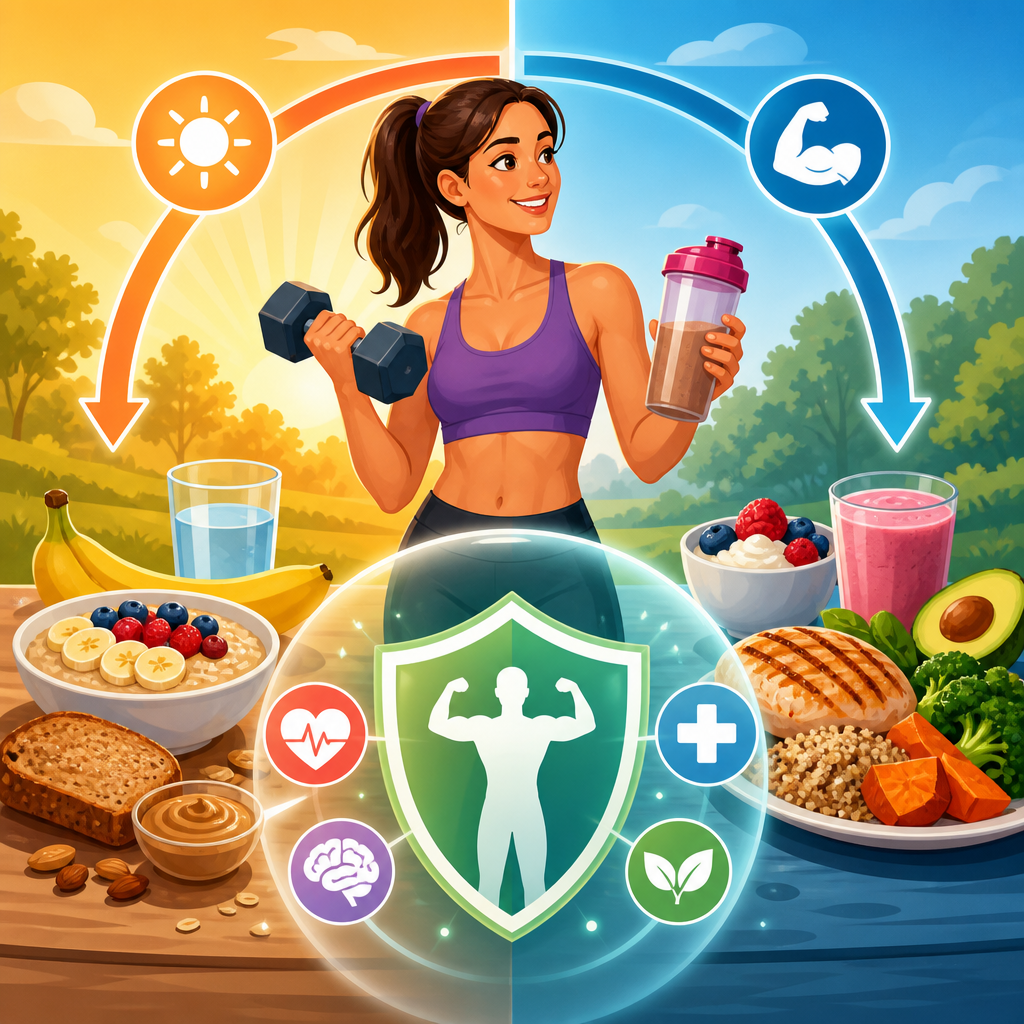
Meal design should align with training and appetite. A strong template is simple: anchor each meal around a meaningful protein serving, then add carbohydrate, produce, and healthy fats. Breakfast might include Greek yogurt, oats, berries, and chia. Lunch could be chicken, rice, vegetables, and olive oil. After training, a shake with whey and fruit may help convenience and recovery. Dinner might be salmon, potatoes, and a large salad. This structure supports muscle building while keeping the overall diet balanced, not protein-heavy at the expense of other nutrients.
Resistance Training, Energy Intake, and the Real Drivers of Muscle Gain
Protein does not build muscle in isolation. Progressive resistance training is the primary stimulus. Muscles grow when they are challenged by increasing tension, sufficient volume, and consistent repetition over time. Compound lifts such as squats, presses, rows, deadlifts, and pull-ups are efficient because they train large amounts of muscle and allow clear progression. Beginners can gain muscle with two to three full-body sessions per week. More advanced lifters often need higher weekly volume and more structured programming.
Total calorie intake also matters. Building muscle is easier in a small energy surplus because the body has enough fuel to support training and tissue synthesis. That surplus does not need to be large. In practice, many people do well adding roughly 150 to 300 calories per day above maintenance while monitoring performance, body weight, and waist measurement. An oversized surplus often adds body fat faster than it adds muscle. Slow, measurable progress is usually the better approach.
Carbohydrate supports training quality by replenishing glycogen, especially for athletes doing high-volume lifting, sprint work, or mixed training. Fat supports hormone production, absorption of fat-soluble vitamins, and overall energy intake. Micronutrients such as vitamin D, magnesium, calcium, zinc, and iron influence performance and recovery, directly or indirectly. Sleep is another major variable. Someone sleeping five hours a night and training hard will struggle to gain muscle even with excellent protein intake. From experience, the most successful plans are never just “eat more protein.” They match training, calories, food quality, and recovery habits.
Common Mistakes and How to Avoid Them
The first mistake is relying on protein supplements while ignoring whole-food meals. Powders are useful, but they should fill gaps, not replace a diet built on nutrient-dense foods. The second mistake is under-eating overall calories. I often see people chase hypertrophy while eating like they are still dieting. If body weight is flat, training performance is stalled, and hunger is constant, intake may simply be too low.
A third mistake is poor meal distribution. Getting 15 grams at breakfast, 20 grams at lunch, and 80 grams at dinner is less effective than four meals containing 30 to 40 grams each. Another issue is misunderstanding labels. A bar marketed for fitness may contain more sugar alcohols than useful protein, while a collagen product may be excellent for connective tissue support but inadequate as a primary muscle-building protein. Timing errors are usually overstated, but going many hours after training without eating can be unhelpful when repeated consistently.
There are also population-specific concerns. People with kidney disease need individualized medical nutrition advice rather than generic high-protein recommendations. Teen athletes should focus on total food quality and structured meals, not extreme supplement use. Older adults need enough protein plus resistance training, because walking alone is not always enough to preserve muscle. Women often benefit from the same evidence-based protein ranges as men when adjusted for body size and training demand, yet they are frequently advised to eat too little. Good guidance corrects these errors early and keeps the plan sustainable.
How to Build a Balanced, Protein-Smart Eating Pattern
A balanced diet that supports muscle building starts with a realistic protein target, then organizes meals around consistency. Most active adults can begin by calculating body weight in kilograms and multiplying by 1.4 to 1.8. From there, split the result across breakfast, lunch, dinner, and one snack or recovery feeding. Choose mostly whole-food proteins, use supplements when convenient, and pair protein with adequate carbohydrate and produce. Review progress every two to four weeks using training logs, body measurements, energy levels, and recovery markers.
This hub topic connects naturally with strength training nutrition, pre-workout meals, post-workout recovery, healthy weight gain, and high-protein food planning. If your goal is better performance, improved body composition, or healthier aging, muscle building and protein needs belong at the center of your nutrition strategy. Start by assessing your current intake, identify weak meals, and build a daily pattern you can repeat. When protein is adequate, training is progressive, and the rest of the diet stays balanced, muscle becomes easier to build and much easier to keep for life.
Frequently Asked Questions
Why is muscle building important for a balanced diet, even if I am not trying to become a bodybuilder?
Muscle building matters in a balanced diet because lean muscle is not just about appearance or athletic performance. Muscle tissue plays a central role in how your body moves, stabilizes joints, supports posture, handles daily tasks, and maintains overall physical function. It also contributes to metabolic health, because muscle is an active tissue that helps your body use energy efficiently and supports healthy blood sugar regulation. When people think of nutrition only in terms of calories, weight loss, or avoiding deficiencies, they often overlook the fact that preserving and building muscle is one of the most practical ways to support long-term health.
For everyday life, stronger muscles make ordinary activities easier, from climbing stairs and carrying groceries to standing for long periods and recovering from physically demanding days. For active people, muscle supports endurance, force production, movement quality, and resilience against overuse. For older adults, it becomes even more important because age-related muscle loss can reduce independence, increase fall risk, and make recovery from illness or injury more difficult. A balanced diet should therefore do more than provide enough energy; it should also provide the building blocks needed to maintain the tissues that help you function well through every stage of life.
Why is protein so essential for muscle building and muscle maintenance?
Protein is essential because it supplies the amino acids your body needs to build, repair, and preserve muscle tissue. Every day, your body is constantly breaking down and rebuilding proteins in muscles and other tissues. Without enough dietary protein, that rebuilding process becomes less effective, and over time this can lead to reduced recovery, loss of strength, decreased muscle mass, and poorer physical performance. Protein is especially important after resistance training, endurance exercise, illness, injury, and during calorie restriction, when the body needs extra support to protect lean tissue.
Protein also does much more than support muscle growth. It contributes to enzymes, hormones, immune function, tissue repair, and satiety. But in the context of a balanced diet, its role in muscle health is one of the main reasons it deserves consistent attention. Many people assume protein is only a concern for weight lifters, yet low protein intake can affect endurance runners, busy professionals, people trying to lose weight, and older adults who naturally become less efficient at using protein as they age. In practical terms, adequate protein helps your body recover better from workouts, maintain strength during fat loss, and keep muscle from declining during periods of inactivity or aging.
How much protein do most people need to support muscle health in a balanced diet?
Protein needs vary based on age, body size, activity level, training style, health status, and goals, but many people benefit from more than the bare minimum commonly associated with deficiency prevention. Sedentary adults may meet basic needs at lower intake levels, but individuals who exercise regularly, want to build or preserve muscle, are losing weight, or are getting older often need a higher intake to support recovery and muscle maintenance. In sports and performance nutrition, protein is not just about maximizing muscle gain; it is also about protecting lean tissue, improving adaptation to training, and supporting consistent function.
A helpful practical approach is to include a meaningful source of protein at each meal rather than trying to consume most of it at dinner. Spreading intake across breakfast, lunch, dinner, and possibly snacks tends to support muscle protein synthesis more effectively than eating very little during the day and a large amount at night. For example, someone who exercises regularly may benefit from building meals around protein-rich foods such as eggs, Greek yogurt, cottage cheese, fish, poultry, lean meats, tofu, tempeh, edamame, legumes, or a high-quality protein supplement when needed. The exact amount is personal, but the key principle is that regular, sufficient protein intake supports muscle better than inconsistent intake, especially during training, recovery, aging, or weight loss.
Can you build or maintain muscle if you are trying to lose weight?
Yes, but it requires attention to both protein intake and overall diet quality. During weight loss, the body is in a calorie deficit, which means there is less energy available overall. Without enough protein and some form of resistance or muscle-stimulating activity, the body may lose both fat and lean tissue. That is one reason some people lose weight but end up weaker, more fatigued, or less toned than expected. A balanced diet during fat loss should aim not just to lower calories, but to preserve muscle while reducing body fat.
This is where protein becomes especially valuable. Higher protein intake during weight loss helps protect lean mass, supports satiety, and improves recovery from exercise. Pairing protein with strength training is one of the most effective ways to signal the body to keep muscle tissue. This matters for office workers trying to avoid becoming weaker during dieting, athletes trying to maintain performance in a leaner body, and older adults who cannot afford unnecessary muscle loss. In many cases, the goal should not be “eat less at all costs,” but rather “create a smart calorie deficit while preserving strength, function, and metabolic health.” That is a much more sustainable and healthier interpretation of balanced eating.
What are the best protein sources for supporting muscle building as part of a balanced diet?
The best protein sources are the ones that provide enough essential amino acids, fit your dietary pattern, and are realistic for you to eat consistently. Animal-based proteins such as eggs, dairy, fish, poultry, and lean meats are generally rich in all essential amino acids and are often efficient choices for muscle support. Dairy foods like Greek yogurt, cottage cheese, and milk can be particularly useful because they are convenient, versatile, and naturally high in protein. Fish and poultry offer high-quality protein along with other valuable nutrients, while eggs are one of the most accessible options for many people.
Plant-based proteins can also support muscle building effectively when chosen thoughtfully. Tofu, tempeh, edamame, soy milk, lentils, beans, peas, quinoa, nuts, seeds, and plant-based protein powders can all contribute meaningfully. Because some plant proteins are lower in certain essential amino acids or less concentrated per serving, plant-based eaters often benefit from combining different protein sources and being intentional about total intake. The goal is not perfection at every meal, but consistency over the day. A balanced diet can absolutely support muscle building whether it includes animal foods, plant foods, or a mix of both. What matters most is getting enough total protein, distributing it well, and pairing it with nutritious meals that also supply carbohydrates, healthy fats, vitamins, minerals, and adequate overall energy.