Building muscle depends on more than lifting heavier weights; it depends on eating the right foods in the right amounts, consistently enough to support recovery, adaptation, and growth. When people search for top foods rich in muscle building and protein needs, they usually want a practical answer: which foods help, how much protein is necessary, when to eat it, and why food quality matters as much as the total number. Those are the questions this hub article answers.
Muscle building, or muscular hypertrophy, is the process of increasing the size of muscle fibers through resistance training combined with adequate nutrition and recovery. Protein needs refers to the amount and distribution of dietary protein required to maintain muscle, repair tissue, and stimulate muscle protein synthesis, the cellular process that builds new muscle proteins. In practice, muscle gain also depends on total calories, carbohydrate intake, healthy fats, sleep, hydration, and training quality, but protein remains the central nutritional lever because it supplies the amino acids that muscle tissue is made from.
In coaching athletes and active adults, I have seen the same pattern repeatedly: people often train hard yet under-eat protein, rely on convenience foods with poor nutrient density, or cram most of their intake into one dinner. That approach leaves progress on the table. Research and field practice both show that spreading high-quality protein across the day, pairing it with adequate energy intake, and choosing foods rich in leucine and essential amino acids leads to better recovery and more consistent gains. For most active people pursuing muscle growth, a daily protein target of about 1.6 to 2.2 grams per kilogram of body weight is a strong evidence-based starting range, adjusted for age, training volume, body composition goals, and calorie intake.
This matters because muscle supports performance, metabolic health, injury resilience, and healthy aging. More lean mass improves strength, power output, glucose control, and functional capacity. Whether you are a field sport athlete, a lifter in an off-season phase, or an adult trying to maintain muscle while losing fat, the best foods for muscle building can make the difference between stalled progress and measurable results. This page serves as a hub for the full topic, covering the best protein-rich foods, how to structure intake, and the nutrition principles that determine whether those foods actually work.
What your muscles actually need to grow
Muscle is built when muscle protein synthesis exceeds muscle protein breakdown over time. Resistance training provides the signal, but food provides the raw material. The most important dietary factor is enough essential amino acids, especially leucine, which helps activate the mTOR pathway involved in initiating muscle protein synthesis. In practical terms, most adults need roughly 25 to 40 grams of high-quality protein per meal to maximize the anabolic response, with older adults often benefiting from the higher end because of anabolic resistance.
Protein quality matters because not all foods provide the same amino acid profile or digestibility. Animal proteins such as eggs, dairy, poultry, fish, and lean meat are complete proteins, meaning they contain all nine essential amino acids in meaningful amounts. Many plant proteins can also support muscle gain, but they often require larger servings or strategic combinations, such as soy plus grains or legumes plus rice, to match the leucine content and amino acid completeness of animal-based sources. Digestibility scores such as DIAAS and PDCAAS are useful here: whey, milk, eggs, and beef score highly, while some plant proteins are limited by methionine or lysine.
Carbohydrates are also necessary. They replenish muscle glycogen, support training intensity, and reduce the chance that protein will be used as fuel. Fats support hormone production, cellular health, and calorie sufficiency. Micronutrients matter too. Vitamin D, magnesium, calcium, iron, zinc, selenium, and B vitamins all contribute to muscle function, oxygen transport, and energy metabolism. The best muscle-building foods therefore do not just contain protein; they bring supportive nutrients that improve recovery and performance.
Top animal-based foods rich in muscle building and protein needs
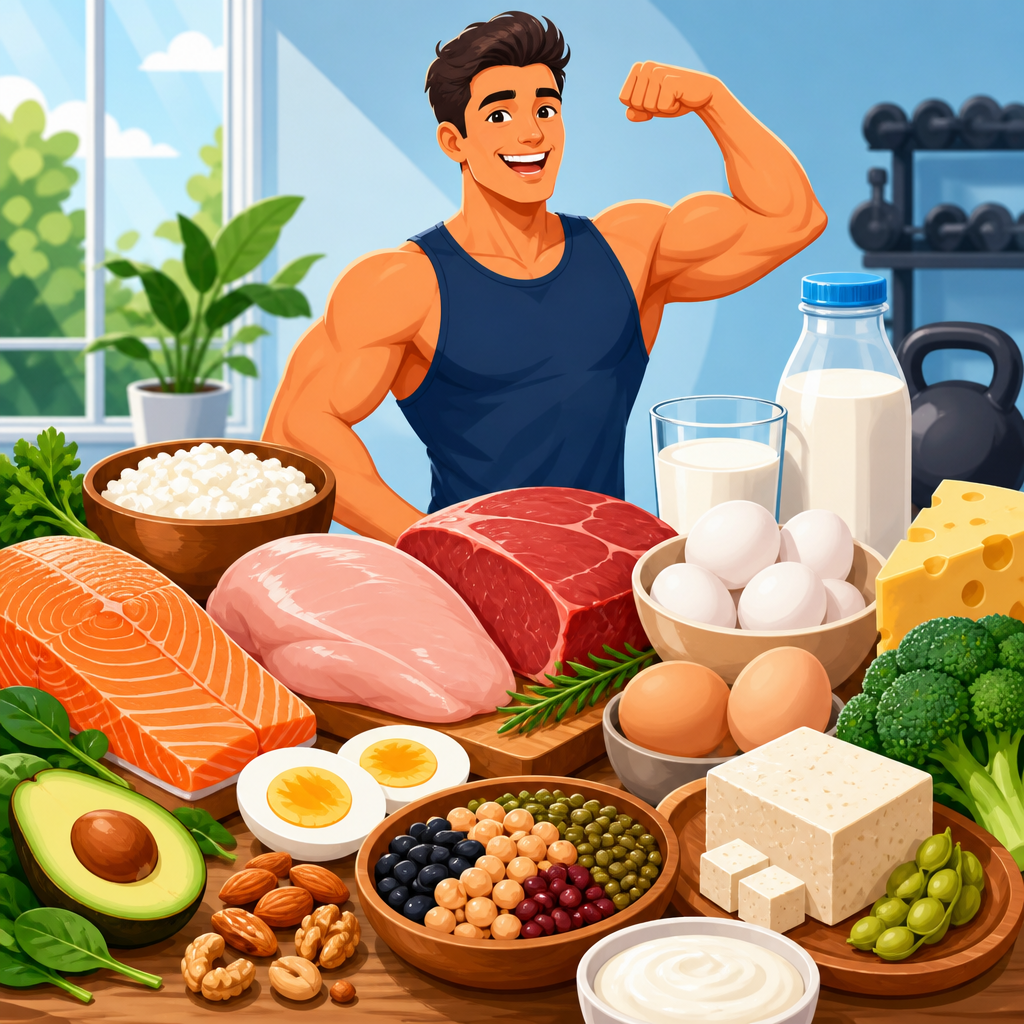
Chicken breast is popular for a reason. A cooked 100 gram serving typically provides about 31 grams of protein with relatively low fat, making it easy to hit protein targets without overshooting calories. Turkey breast is similar and often overlooked. These poultry options work well in meal prep because they are versatile, affordable, and easy to portion across lunches and dinners.
Eggs remain one of the most efficient foods for muscle support. One large egg contains about 6 grams of protein, and the protein is highly bioavailable. The yolk supplies choline, selenium, vitamin B12, and fat-soluble vitamins. Whole eggs are especially useful after training or at breakfast because they provide a broad nutrient package. In practice, I often recommend combining whole eggs with extra egg whites when someone wants more protein without too much additional fat.
Greek yogurt, cottage cheese, milk, and whey protein are standout dairy options. Greek yogurt typically delivers 15 to 20 grams of protein per serving, cottage cheese often gives 25 grams per cup, and milk provides both whey and casein. Whey digests quickly and is rich in leucine, making it ideal around workouts. Casein digests more slowly, which is why cottage cheese or casein-rich dairy can work well before bed to support overnight recovery.
Lean beef offers complete protein plus heme iron, zinc, vitamin B12, and creatine, all useful for athletes and hard trainers. A 100 gram cooked serving commonly provides 26 grams of protein. Fish brings additional advantages. Salmon provides roughly 20 to 25 grams of protein per serving and delivers omega-3 fatty acids, which may help regulate inflammation and support recovery. Tuna, cod, haddock, and sardines are also excellent high-protein choices. Shellfish such as shrimp add protein with minimal fat and are convenient for quick meals.
| Food | Typical Serving | Protein | Key Advantage for Muscle Building |
|---|---|---|---|
| Chicken breast | 100 g cooked | 31 g | Lean, easy to meal prep, high protein density |
| Eggs | 2 large | 12 g | Highly bioavailable protein plus choline |
| Greek yogurt | 170 g | 17 g | Convenient snack with calcium and casein |
| Lean beef | 100 g cooked | 26 g | Provides iron, zinc, B12, and creatine |
| Salmon | 100 g cooked | 22 g | Protein plus omega-3 fats for recovery |
| Tofu | 150 g | 18 g | Complete plant protein, adaptable in meals |
Top plant-based foods for building muscle effectively
Plant-based athletes can absolutely build muscle, but they need a more deliberate strategy. Soy foods are the strongest foundation because soy is a complete protein. Firm tofu, tempeh, edamame, and soy milk provide substantial protein and fit easily into everyday meals. Tempeh is especially useful because fermentation improves digestibility and adds texture that works well in savory dishes.
Legumes such as lentils, chickpeas, black beans, and kidney beans contribute protein, carbohydrates, fiber, potassium, folate, and iron. On their own, they are lower in certain essential amino acids than animal proteins, but they still support muscle gain when total daily protein is adequate and meals are planned well. Pairing legumes with grains improves amino acid balance. A rice-and-beans bowl, lentil pasta with soy crumbles, or hummus with whole grain pita are simple examples.
Seitan is a high-protein wheat gluten food that can be useful for people who tolerate gluten. Quinoa contributes more protein than most grains and adds magnesium and manganese. Nuts and seeds are helpful for calories, minerals, and healthy fats, though they are not as protein-dense as soy or seitan. Hemp seeds, pumpkin seeds, peanut butter, and almonds work better as supporting foods than as primary protein anchors. For athletes following vegan diets, plant protein powders made from soy, pea, rice, or blended sources can close the gap when whole-food intake falls short.
The main limitation of plant-only muscle building diets is not possibility but precision. Fiber volume can make it harder to eat enough calories, and the leucine threshold per meal may require larger portions. That means a tofu stir-fry with edamame and rice is often more effective for growth than a small salad with chickpeas. Bigger, more intentional meals win.
How much protein you need, when to eat it, and how to space meals
For muscle gain, most evidence supports a daily protein intake around 1.6 to 2.2 grams per kilogram of body weight. Someone who weighs 80 kilograms would typically aim for 128 to 176 grams per day. The lower end can work for beginners eating enough calories overall, while the upper end is more useful during fat loss phases, very hard training blocks, or for older trainees trying to preserve lean mass.
Meal timing helps, but total daily intake still comes first. A practical structure is three to five protein-rich meals spaced every three to five hours. Each meal should generally provide 25 to 40 grams of complete protein, or a higher amount if the source is lower in leucine. This pattern repeatedly triggers muscle protein synthesis during the day instead of relying on one oversized dinner. A post-workout meal within a couple of hours is useful, especially if pre-workout protein was low, but the anabolic window is broader than many people think.
Pre-sleep protein can also be effective. About 30 to 40 grams of casein-rich dairy or a similar slow-digesting protein before bed may support overnight muscle protein synthesis. This is particularly helpful for athletes in high-volume training or anyone struggling to reach total protein targets. However, digestive comfort matters. The best plan is one you can repeat daily without disrupting sleep or appetite.
Building meals that turn high-protein foods into real results
A high-protein food list is useful, but results come from meal construction. Every muscle-building meal should answer four needs: enough protein, enough energy, enough carbohydrate to support training, and enough micronutrients for recovery. A plate of grilled chicken, rice, olive oil, and vegetables works because it covers all four. So does Greek yogurt with oats, berries, and nuts, or tofu with noodles and mixed vegetables.
Breakfast is the meal many lifters underuse. Starting the day with 30 grams of protein from eggs and Greek yogurt, a whey smoothie, or tofu scramble improves intake distribution and usually reduces the need to catch up late at night. Lunch should anchor the day with a reliable protein source such as turkey, tuna, beef, tempeh, or lentil pasta. Dinner can focus on larger mixed meals, especially after training. Snacks matter when appetite is low: milk, cottage cheese, jerky, protein shakes, and edamame are efficient choices.
Energy intake is the hidden variable. If you want to gain muscle, you generally need a modest calorie surplus, often around 150 to 300 calories above maintenance, though the exact number depends on training age and body composition goals. Without enough total energy, the body does not build tissue efficiently, even if protein intake looks good on paper. That is why very lean athletes who eat “clean” but too little often fail to grow.
Common mistakes, tradeoffs, and how to choose the best foods for your goal
The biggest mistake is assuming all protein sources are equal in context. They are not. Bacon contains protein, but it is not a top muscle-building choice because it usually brings more saturated fat and sodium than useful protein density. Bread and peanut butter contain some protein, but the total and amino acid profile are too weak to serve as a primary recovery meal. On the other hand, whole foods should not be judged on protein alone. Salmon is not as lean as chicken, yet its omega-3 fats add distinct recovery value.
Another common error is over-relying on supplements. Whey and plant protein powders are effective, convenient tools, but they should supplement a solid food base, not replace it. Whole foods provide iron, calcium, potassium, magnesium, and other compounds that powders often lack. Budget also matters. You do not need expensive superfoods to build muscle. Eggs, milk, canned tuna, frozen chicken, dried lentils, and store-brand Greek yogurt are consistently cost-effective.
There are real tradeoffs. Red meat supports iron status and creatine intake but should be balanced with fish, poultry, and plant proteins for dietary variety. Dairy is excellent for protein quality but not suitable for everyone with lactose intolerance, though lactose-free milk, whey isolate, and aged cheeses often work. Vegan diets can support hypertrophy well, but they demand more planning around protein density, leucine, vitamin B12, iron, calcium, iodine, and omega-3 intake.
The top foods rich in muscle building and protein needs are the foods that reliably help you meet daily protein targets, deliver enough essential amino acids to stimulate muscle protein synthesis, and fit your routine well enough to use every day. For most people, that means building around a core group: eggs, Greek yogurt, cottage cheese, milk, chicken, turkey, lean beef, fish, tofu, tempeh, edamame, legumes, and strategically chosen protein powders. These foods work because they provide complete or complementary amino acids, support recovery, and can be scaled to match different calorie needs.
The most effective approach is simple: aim for roughly 1.6 to 2.2 grams of protein per kilogram of body weight, spread it across three to five meals, and pair those meals with enough carbohydrates and total calories to support training. Choose foods based on protein quality, nutrient density, digestibility, cost, and consistency rather than trends. If a food helps you recover, perform, and hit your intake target week after week, it belongs in your plan.
Use this page as your starting point for the broader Sports & Performance Nutrition topic, then build your routine meal by meal. Review your current intake, identify the protein gaps, and add two or three proven foods from this list to your daily rotation this week. Small changes, repeated consistently, are what build stronger muscle.
Frequently Asked Questions
What are the best foods for muscle building and meeting daily protein needs?
The best foods for muscle building are the ones that deliver high-quality protein along with vitamins, minerals, and energy that support recovery and growth. Lean meats such as chicken breast, turkey, lean beef, and pork are top choices because they provide complete protein, meaning they contain all nine essential amino acids your body needs to repair and build muscle tissue. Fish like salmon, tuna, sardines, and cod are also excellent because they combine protein with important nutrients such as omega-3 fats, which may help support recovery and reduce exercise-related inflammation. Eggs remain one of the most effective muscle-building foods because they are rich in protein, easy to prepare, and naturally contain leucine, a key amino acid involved in stimulating muscle protein synthesis.
Dairy foods such as Greek yogurt, cottage cheese, milk, and cheese can be especially useful because they provide both whey and casein proteins. Whey is digested quickly, making it useful around workouts, while casein digests more slowly and can help support muscle repair over a longer period. Plant-based eaters can also meet muscle-building protein needs with foods such as tofu, tempeh, edamame, lentils, chickpeas, black beans, quinoa, hemp seeds, chia seeds, and high-protein soy products. While some plant proteins are lower in one or more essential amino acids, eating a variety of plant protein sources across the day can help cover those needs well.
It is also important to remember that muscle growth does not happen from protein alone. Foods such as oats, rice, potatoes, fruit, whole grain bread, nuts, seeds, olive oil, and avocados play a major role by supplying energy for training and recovery. In practical terms, the best muscle-building diet usually includes a combination of protein-rich foods, quality carbohydrates, and healthy fats rather than relying on a single “superfood.” The most effective foods are the ones you can eat consistently, in sufficient amounts, and as part of an overall routine that supports strength training and recovery.
How much protein do you actually need to build muscle?
For most people trying to build muscle, a common evidence-based target is around 1.6 to 2.2 grams of protein per kilogram of body weight per day. That means someone who weighs 70 kilograms, or about 154 pounds, may benefit from roughly 112 to 154 grams of protein daily. Many active adults can make solid progress near the lower to middle end of that range, especially if total calorie intake, sleep, and training quality are all in good shape. People who are dieting, training intensely, very lean, or trying to preserve muscle while losing fat may benefit from aiming higher within that range.
At the same time, protein needs are not one-size-fits-all. Age, training frequency, body size, activity level, and whether you are trying to gain, maintain, or lose weight all affect how much is ideal. For example, older adults may need a bit more protein per meal because muscles can become less responsive to smaller doses over time. Someone doing resistance training four or five times a week will generally need a more intentional protein plan than someone who is only casually active. The key point is that eating too little protein can limit progress, even if your workouts are excellent.
It also helps to think beyond the daily total and look at distribution. Instead of eating most of your protein at dinner and very little earlier in the day, many experts recommend spreading protein across three to five meals. A practical approach is to include about 20 to 40 grams of high-quality protein per meal, depending on body size and total needs. This pattern can help create multiple opportunities during the day to support muscle repair and growth. In other words, your daily protein target matters, but so does how consistently you hit it.
When should you eat protein for the best muscle-building results?
Protein timing matters, but not in the extreme way many people think. The biggest priority is still getting enough total protein each day. Once that foundation is in place, timing protein around training can be helpful because resistance exercise makes your muscles more responsive to amino acids. Eating a protein-rich meal within a few hours before or after your workout is usually enough for most people. You do not need to panic about consuming protein the minute you finish your last set, but you also do not want to go long stretches around training without eating, especially if muscle growth is your goal.
A simple strategy is to have a balanced meal containing protein and carbohydrates one to three hours before training, then another protein-rich meal after training. For example, eggs and toast before a morning workout or Greek yogurt with fruit before lifting can work well. Afterward, a meal such as chicken with rice and vegetables, a turkey sandwich, or a protein shake with fruit can help support recovery. Carbohydrates matter here too because they help replenish glycogen, which is the stored energy your muscles use during exercise.
Many people also benefit from having protein evenly spaced throughout the day rather than saving it for one large meal. Breakfast is a common weak point, so adding foods such as eggs, Greek yogurt, cottage cheese, or a protein smoothie can improve intake early in the day. Some people also choose a slow-digesting protein source before bed, such as cottage cheese or Greek yogurt, to support overnight recovery. While timing is not a replacement for a good overall diet, it can be a useful tool when your goal is to maximize adaptation from your training.
Why does food quality matter as much as total protein intake?
Food quality matters because your body needs more than raw grams of protein to build muscle effectively. Two meals may each contain 30 grams of protein, yet affect your progress differently depending on the source and what else comes with it. High-quality protein foods tend to provide a strong amino acid profile, especially essential amino acids such as leucine, which plays a major role in signaling muscle protein synthesis. Animal-based foods like eggs, dairy, meat, poultry, and fish are typically considered complete proteins and are often highly digestible, making them efficient choices for supporting muscle repair and growth.
Quality also matters because nutrient-dense foods provide the supporting cast that muscle-building requires. Iron helps carry oxygen, zinc supports recovery and immune function, B vitamins help your body use energy, magnesium plays a role in muscle function, and calcium and vitamin D are important for bone health and contraction. Fatty fish provide omega-3 fats, dairy provides calcium, red meat offers iron and creatine, and legumes bring fiber and minerals. If you focus only on hitting a protein number while ignoring overall food quality, you may miss out on nutrients that help you train well, recover properly, and stay healthy enough to progress consistently.
Another reason quality matters is satiety, digestion, and sustainability. Whole food protein sources often keep you fuller longer and can fit into a more balanced eating pattern than relying heavily on processed snacks or sugary shakes. Protein powders can be useful and convenient, especially after workouts or when time is limited, but they work best as supplements rather than the base of your diet. In short, total protein is critical, but choosing nutrient-rich, digestible, and varied protein sources can make your muscle-building plan more effective and easier to maintain over time.
Can you build muscle with plant-based foods, and what should you focus on?
Yes, you can absolutely build muscle with plant-based foods, but it usually takes a bit more planning. The main goal is the same as with any muscle-building diet: get enough total protein, spread it well across the day, and support it with enough calories and resistance training. Strong plant-based protein choices include tofu, tempeh, edamame, soy milk, lentils, chickpeas, black beans, kidney beans, peas, quinoa, seitan, hemp seeds, chia seeds, pumpkin seeds, and plant-based protein powders made from soy, pea, rice, or blends. Soy foods are especially useful because they are among the most complete and well-studied plant proteins for muscle support.
One thing to focus on is protein density. Some plant foods contain protein, but also come with a lot of volume or carbohydrates, which can make it harder to reach higher protein targets if you are not intentional. For example, beans and lentils are healthy and helpful, but it may take larger portions to match the protein in lean meat, fish, eggs, or Greek yogurt. That is why many plant-based athletes combine several protein sources during the day and often use concentrated options such as tofu, tempeh, soy yogurt, or protein powders when needed. Pairing foods strategically, such as legumes with grains, can also help improve the overall amino acid profile of meals.
You should also pay attention to total energy intake and a few key nutrients that can become limiting in some plant-based diets, including vitamin B12, iron, zinc, calcium, iodine, and omega-3 fats. A well-planned plant-based approach can still support excellent muscle gain, but under-eating is a common reason progress stalls. In practical terms, focus on eating enough, choosing protein-rich foods at every meal, and keeping your meals balanced with carbohydrates and healthy fats. With consistency, progressive training, and smart food selection, plant-based eating can support muscle growth very effectively.