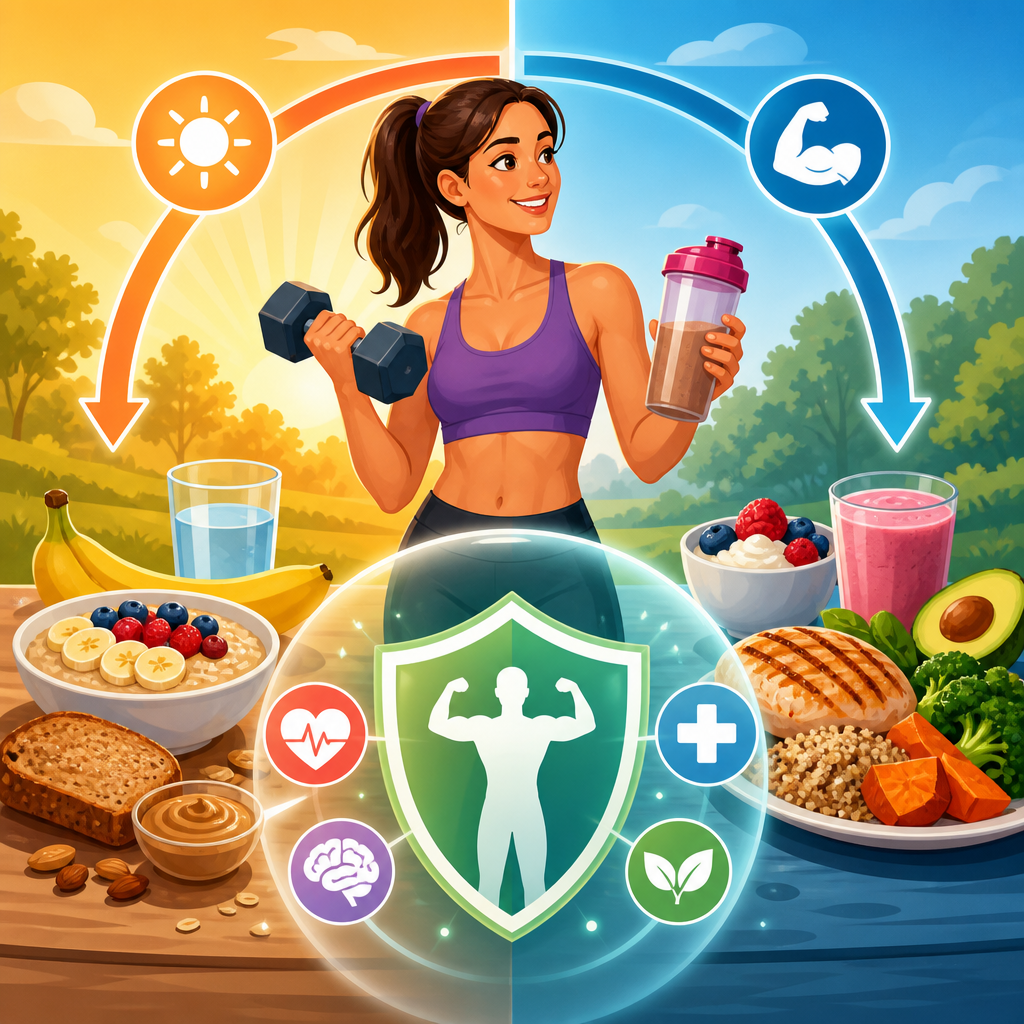
Muscle building and protein needs sit at the center of sports and performance nutrition because lean tissue supports strength, power, metabolic health, injury resilience, and healthy aging. In practice, people often reduce the topic to one question: how much protein should I eat? That question matters, but it is only one piece of a larger system that includes resistance training, total calorie intake, meal timing, food quality, sleep, and recovery. When those variables align, muscle protein synthesis rises, training adaptations improve, and athletes as well as recreational lifters make measurable progress. When they do not, even high protein intakes can underperform.
Muscle building, or hypertrophy, refers to an increase in muscle fiber size driven largely by repeated mechanical tension and sufficient nutrition. Protein needs describe the amount, distribution, and quality of dietary protein required to maintain, repair, and build body tissues. A healthy diet, in this context, is not a bodybuilding meal plan full of extremes. It is a sustainable pattern that provides adequate energy, complete nutrition, and enough protein to support goals without crowding out carbohydrates, fats, fiber, vitamins, or minerals. I have seen the biggest nutrition mistakes come from chasing one number while ignoring the full picture: under-eating calories, skipping meals after training, or relying on supplements instead of structured meals.
This matters beyond physique. More muscle mass is associated with better glucose disposal, higher functional capacity, improved balance, and greater protection during illness or inactivity. For athletes, muscle supports force production and tolerance to training loads. For older adults, preserving muscle reduces the risk of frailty and loss of independence. For people trying to lose fat, retaining lean mass helps maintain resting energy expenditure and performance. That is why a practical understanding of muscle building and protein needs belongs in any serious conversation about healthy eating.
Protein itself is made of amino acids, nine of which are essential because the body cannot make them in sufficient amounts. Leucine is especially important because it helps trigger muscle protein synthesis through mTOR signaling, but leucine does not work in isolation; the body still needs the full set of essential amino acids to build tissue effectively. High-quality protein sources such as dairy, eggs, meat, fish, soy, and some blended plant proteins provide this profile well. The most effective diet is therefore not simply high in protein. It is appropriately dosed, evenly distributed, and paired with training that gives the body a reason to adapt.
How muscle is built: training, energy, and recovery
Muscle does not grow because protein is eaten; it grows because the body receives a training stimulus and has the resources to adapt. Resistance training creates mechanical tension, metabolic stress, and small amounts of muscle damage. In response, the body increases muscle protein synthesis for roughly 24 to 48 hours, with the exact duration influenced by training status, session design, and protein intake. Beginners often see a longer response window, while advanced lifters need more precise programming and recovery management to continue progressing.
Energy availability is a major limiter. In a calorie surplus, gaining muscle is easier because the body has extra energy to support tissue growth. In calorie balance, gains are still possible, especially for beginners, people returning after time off, and individuals with higher body fat. In a calorie deficit, building muscle becomes harder, though not impossible; the priority shifts toward preserving lean mass while losing fat. Across all three scenarios, training quality matters. Progressive overload, sufficient volume, and consistent execution drive adaptation far more than any single supplement.
Recovery is where growth is completed. Most athletes need seven to nine hours of sleep because sleep restriction increases fatigue, impairs glycogen restoration, and can reduce anabolic signaling. Hydration matters too, especially for repeated training sessions. In the field, I often find stalled progress explained by poor recovery rather than inadequate protein. Someone eating 180 grams of protein per day but sleeping five hours and training randomly is far less likely to grow than someone eating a moderate, well-distributed amount while following a sound program.
How much protein do you need for muscle building?
For healthy adults, the Recommended Dietary Allowance of 0.8 grams of protein per kilogram of body weight prevents deficiency, but it is not a muscle-building target. For active people, evidence consistently supports higher intakes. A practical baseline for lifters and field sport athletes is 1.4 to 2.0 grams per kilogram per day. Many reviews place the upper end near 2.2 grams per kilogram when maximizing lean mass retention during hard training or dieting. For a 75 kilogram athlete, that means about 105 to 165 grams daily, with circumstances determining where in that range the best target sits.
Several factors change protein needs. Training volume and frequency raise demand because more tissue remodeling occurs. Age matters because older adults experience anabolic resistance and often benefit from slightly higher per-meal doses and total daily intake. Energy restriction increases protein requirements because dietary protein helps preserve lean mass when calories are low. Plant-based athletes may also aim toward the higher end because some plant proteins have lower digestibility or less leucine per serving, though this can be solved with thoughtful food selection.
More is not automatically better. Intakes far above 2.2 grams per kilogram do not reliably create extra muscle gain in well-fed lifters when training and calories are already appropriate. They can also displace carbohydrates, which are essential for fueling intense training and supporting recovery. In healthy individuals, high-protein diets are generally safe, but the useful question is efficiency. The goal is to eat enough protein to maximize adaptation while keeping the whole diet balanced and sustainable.
Protein quality, meal timing, and distribution
Total daily protein is the first priority, but distribution across the day materially improves results. A strong working target is 0.25 to 0.4 grams of protein per kilogram per meal across three to five meals. For many adults, that means roughly 20 to 40 grams per feeding, with larger athletes needing more. This pattern helps repeatedly stimulate muscle protein synthesis instead of compressing nearly all protein into dinner. I routinely see better recovery and appetite control when breakfast and lunch contain meaningful protein rather than just coffee, cereal, or a pastry.
Protein quality matters because amino acid composition and digestibility differ. Whey protein is rapidly digested and naturally rich in leucine, making it useful around training. Casein digests more slowly and can be useful when a longer amino acid release is desirable, such as before bed. Whole foods remain the foundation: Greek yogurt, cottage cheese, eggs, chicken, lean beef, fish, tofu, tempeh, edamame, and soy milk are practical staples. Blended plant proteins that combine pea and rice can also provide a more complete amino acid profile than either alone.
The anabolic window is broader than old gym lore suggested, but post-workout protein still matters. If a lifter trains fasted or has not eaten protein for several hours, a protein-rich meal soon after training is smart. If they ate a mixed meal one to two hours before lifting, urgency is lower because amino acids are still circulating. The deeper principle is timing by context: place protein near sessions, distribute it across the day, and make sure each meal reaches an effective dose.
| Goal or Situation | Practical Protein Target | Example |
|---|---|---|
| General active adult | 1.4–1.6 g/kg/day | 70 kg person: 98–112 g daily |
| Muscle gain phase | 1.6–2.0 g/kg/day | 80 kg lifter: 128–160 g daily |
| Fat loss with lifting | 1.8–2.2 g/kg/day | 90 kg athlete: 162–198 g daily |
| Per meal target | 0.25–0.4 g/kg | 75 kg person: 19–30 g each meal |
Best protein sources in a healthy diet
Animal proteins provide complete amino acid profiles with high digestibility. Dairy stands out because milk proteins combine whey and casein, offering both rapid and sustained amino acid delivery. Greek yogurt and cottage cheese are especially useful because they provide substantial protein with calcium and, in many products, minimal preparation. Eggs offer high-quality protein plus choline. Fish provides protein alongside omega-3 fatty acids, and lean meats contribute iron, zinc, and vitamin B12. These foods make it easier to hit targets without excessive calories, but portion size still matters if body composition is a goal.
Plant proteins can support muscle growth very effectively when chosen deliberately. Soy is the most studied and performs well because it is a complete protein with good leucine content. Tofu, tempeh, edamame, and fortified soy milk fit smoothly into sports nutrition plans. Legumes, whole grains, nuts, and seeds add protein too, though many are lower in one or more essential amino acids. Pairing foods across the day, such as beans with rice or hummus with whole grain pita, helps create a stronger amino acid intake pattern. Vegan athletes usually benefit from slightly higher total protein and more attention to meal planning.
Supplements are optional, not mandatory. Protein powders are useful for convenience, travel, low-appetite periods, or post-training situations where whole food is impractical. Whey isolate is lower in lactose and often easier for sensitive stomachs. Casein can be effective before longer gaps between meals. For plant-based users, soy isolate or pea-rice blends are the most reliable choices. No powder replaces a poor diet, but a good supplement can remove friction and improve consistency, which is often the difference between a theoretical plan and one that actually gets followed.
Common mistakes that limit muscle gain
The first mistake is under-eating total calories. Many people say they cannot build muscle despite lifting hard, then reveal that lunch is a salad, dinner is small, and snacks are inconsistent. Protein cannot manufacture tissue from nowhere; energy is required. The second mistake is poor meal structure, especially protein-light breakfasts and long gaps between meals. The third is overvaluing supplements. Creatine monohydrate has strong evidence, and protein powder can help, but neither compensates for inadequate training, sleep, or calories.
Another common issue is ignoring carbohydrates. Carbs replenish muscle glycogen, support training intensity, and help spare protein from being used for energy. Athletes who slash carbohydrates to push protein very high often feel flat, recover slowly, and struggle to progress in volume-based hypertrophy programs. Finally, many people do not track outcomes objectively. Body weight, training logs, waist measurements, and periodic progress photos give far more useful feedback than day-to-day mirror impressions.
Building a sustainable muscle-focused eating pattern
The healthiest muscle-building diet is repeatable. Start by setting a realistic protein target based on body weight and training load, then spread it across meals you can maintain through workweeks, travel, and family life. Build plates around a protein anchor, add quality carbohydrates, include healthy fats, and cover produce and fiber daily. Review progress every two to four weeks and adjust intake based on performance, body composition, and recovery. If you want better strength, better body composition, or healthier aging, make muscle building and protein needs a planned part of your diet, then stay consistent long enough for the results to appear.
Frequently Asked Questions
How much protein do you really need for muscle building and overall health?
Protein needs depend on your age, body size, activity level, training goals, and overall calorie intake, so there is no single number that fits everyone. For generally healthy adults, baseline protein recommendations are often enough to prevent deficiency, but they may be too low to fully support muscle growth, recovery, and body composition goals in active people. For those doing regular resistance training or trying to preserve lean mass during weight loss, a higher intake is usually more effective. In many cases, a daily range of about 1.2 to 2.0 grams of protein per kilogram of body weight is a practical target, with some individuals benefiting from the higher end depending on training volume, age, or calorie restriction.
It is also important to understand that more protein is not automatically better if the rest of the diet and training plan are not in place. Muscle building requires a stimulus, which usually comes from progressive resistance training, and it also depends on having enough total energy, carbohydrates for training performance, and adequate recovery. Protein is essential, but it works as part of a larger system. If your workouts are inconsistent, calories are too low, or sleep is poor, simply increasing protein will not fully solve the problem.
For overall health, adequate protein supports much more than muscle size. It contributes to immune function, enzyme production, tissue repair, satiety, and healthy aging. Maintaining muscle mass is especially important because lean tissue supports movement, balance, metabolic health, and resilience after illness or injury. That is why protein should be viewed not only as a sports nutrition issue, but also as a cornerstone of a healthy diet across the lifespan.
Is resistance training necessary to build muscle, or can a high-protein diet do the job on its own?
Resistance training is the main driver of muscle growth. A high-protein diet can support muscle protein synthesis and help your body repair and maintain tissue, but without a meaningful training stimulus, it is unlikely to produce significant muscle gain. Muscles grow in response to challenge. When you lift weights or perform other forms of progressive resistance exercise, you create a signal that tells the body to adapt by building stronger, larger muscle fibers over time. Protein then provides the amino acids needed to support that remodeling process.
This is why protein and training should be thought of as partners rather than substitutes. If someone eats plenty of protein but does not challenge their muscles, the body has less reason to direct those amino acids toward new muscle growth. On the other hand, if someone trains hard but does not consume enough protein, they may struggle to recover well or maximize the benefits of training. The best results usually come from combining regular resistance exercise, enough protein, sufficient calories, and good sleep.
That said, protein still matters even when muscle gain is not the goal. In people who are inactive, older, injured, or losing weight, adequate protein can help reduce muscle loss. But for active muscle building, resistance training remains essential. Even basic, well-structured programs using bodyweight exercises, resistance bands, or free weights can be effective if they are performed consistently and become more challenging over time.
Does meal timing matter for protein intake, or is total daily protein all that counts?
Total daily protein intake is the most important factor, but meal timing still has value, especially for people focused on performance, recovery, or muscle growth. The body appears to use protein most effectively when intake is spread across the day rather than consumed almost entirely in one large meal. A more balanced approach helps provide repeated opportunities to stimulate muscle protein synthesis. For many people, this means including a meaningful protein source at breakfast, lunch, dinner, and possibly one snack or post-workout meal.
The post-exercise period often gets a lot of attention, and for good reason. After resistance training, the muscles are especially responsive to nutrients that support repair and adaptation. Eating protein within a reasonable window after exercise can help recovery, but this does not mean there is an extremely narrow deadline. If you had a protein-rich meal before training or plan to eat one soon after, you are still supporting the same broader goal. What matters most is that your day consistently includes enough high-quality protein and that your meals are not excessively unbalanced.
Meal timing may become even more relevant in certain situations, such as for older adults, athletes training multiple times per day, or people trying to preserve muscle while dieting. In these cases, evenly distributed protein can help support muscle retention and recovery. A practical strategy is to aim for regular meals that each contain enough protein to contribute meaningfully to your daily target, instead of relying on one large dinner to make up for a low-protein day.
What are the best protein sources for a healthy diet and muscle support?
The best protein sources are the ones that reliably help you meet your needs while fitting your health goals, preferences, budget, and digestion. High-quality animal proteins such as eggs, dairy, fish, poultry, and lean meats provide all essential amino acids and are generally efficient at supporting muscle protein synthesis. Dairy foods like Greek yogurt, cottage cheese, and milk can be especially useful because they combine convenience with a strong amino acid profile. Fish also offers the added benefit of omega-3 fats, which support overall health.
Plant proteins can absolutely play a major role as well, but they sometimes require a bit more planning. Foods such as soy products, beans, lentils, peas, tofu, tempeh, edamame, nuts, seeds, and whole grains all contribute valuable protein. Some plant sources are lower in one or more essential amino acids or less concentrated per serving, so eating a variety of them across the day is often the best strategy. Soy, in particular, is one of the more complete and effective plant proteins for muscle support. Protein powders can also be useful when convenience is a challenge, but they should complement rather than replace a nutrient-dense eating pattern.
Food quality matters because muscle building does not happen in isolation from health. A healthy diet should also provide fiber, vitamins, minerals, healthy fats, and enough carbohydrates to support training and recovery. Choosing mostly minimally processed protein sources can make it easier to meet those wider needs. In practice, the best approach is usually a balanced mix of protein-rich foods that supports both your performance goals and long-term health.
Can eating more protein help with weight loss and healthy aging, or is it only important for athletes?
Protein is highly relevant for weight management and healthy aging, not just for athletes. During weight loss, adequate protein helps preserve lean mass while body fat is being reduced. That matters because losing too much muscle can lower strength, reduce metabolic function, and make long-term weight maintenance more difficult. Protein also tends to be more filling than carbohydrates or fats, which can help with appetite control and meal satisfaction. When combined with resistance training, it becomes an even more powerful tool for improving body composition.
For healthy aging, protein becomes increasingly important because the body tends to become less efficient at maintaining muscle mass over time. Age-related muscle loss can affect mobility, balance, independence, glucose regulation, and overall quality of life. Eating enough protein, distributing it well across meals, and staying physically active, especially through strength training, can help slow that decline. This is one reason experts often emphasize protein intake more strongly in older adults than many people expect.
Protein should not be treated as a magic solution, but it is a critical part of a broader lifestyle strategy. Weight loss and healthy aging are influenced by total diet quality, sleep, stress, physical activity, and medical status. Still, adequate protein remains one of the most practical and evidence-based ways to support tissue maintenance, functional strength, and better health outcomes over time. In that sense, protein is not only for building bigger muscles in the gym. It is also for preserving the strength and resilience needed for everyday life.