Recovery foods for faster healing are foods that supply the energy, protein, vitamins, minerals, and fats your body uses to repair tissue after training, injury, surgery, or illness. In sports and performance nutrition, recovery is not a soft add-on to training; it is the biological phase where adaptation happens. Muscles rebuild, connective tissue knits together, inflammation resolves, immune defenses recover, and glycogen stores refill. I have seen athletes train hard, buy expensive supplements, and still stall because their food choices after sessions or during rehabilitation were weak. When healing slows, the usual causes are predictable: not enough total calories, too little protein, poor carbohydrate timing, low intake of micronutrients such as vitamin C, zinc, and iron, and inconsistent hydration.
The phrase recovery foods for faster healing covers more than post-workout shakes. It includes complete meals, snacks, and fluids that support tissue repair and reduce the time between stress and readiness. The science is straightforward. Protein provides amino acids for muscle protein synthesis, collagen formation, enzyme production, and immune function. Carbohydrates replace glycogen, lower excessive cortisol, and spare protein from being burned for fuel. Omega-3 fats help regulate inflammation and may support muscle recovery. Vitamins and minerals act as cofactors in wound healing, red blood cell production, antioxidant defense, and collagen cross-linking. Even sleep quality can improve when athletes eat enough carbohydrate and magnesium-rich foods later in the day.
This matters because faster healing changes performance outcomes. A runner trying to return from a calf strain, a lifter managing tendon irritation, or a team-sport athlete facing two matches in one week all depend on recovery nutrition. Poor recovery increases soreness, delays return to play, and raises the risk of repeat injury. Strong recovery nutrition supports strength retention, training consistency, and immune resilience during heavy blocks. This hub article explains the top foods rich in recovery nutrition, why each one helps healing, how to combine them, and where they fit within a practical sports nutrition plan.
Why recovery foods accelerate healing
Healing is a sequence, not a single event. First comes inflammation, which is necessary in the right amount because it clears damaged tissue and signals repair. Then comes proliferation, when the body builds new tissue, blood vessels, and collagen. Finally, remodeling strengthens that tissue over time. Recovery foods matter at every stage. Without enough energy, the body downshifts repair to conserve resources. Without enough protein, the raw material for muscle, skin, tendons, and immune molecules is missing. Without enough vitamins and minerals, the enzymes that drive tissue repair cannot work efficiently.
For most active people, protein is the first lever to fix. A practical target during healing is to distribute protein across the day, often around 0.25 to 0.4 grams per kilogram per meal, with many athletes benefiting from 1.6 to 2.2 grams per kilogram per day depending on training load and injury severity. Leucine-rich foods such as dairy, eggs, fish, poultry, and soy are especially useful because leucine helps trigger muscle protein synthesis through the mTOR pathway. Carbohydrates are equally important when the goal is faster healing after training or when immobilization reduces appetite. They preserve glycogen, reduce protein breakdown, and support better session quality once activity resumes.
Micronutrients deserve more attention than they usually get. Vitamin C is required for collagen synthesis. Zinc supports cell division and immune function. Iron helps oxygen delivery and energy metabolism, both essential for rebuilding tissue. Magnesium participates in hundreds of enzymatic reactions, including those related to muscle contraction and nerve signaling. Calcium and vitamin D support bone healing and muscle function. Athletes who cut calories aggressively or remove entire food groups are the ones I most often see struggling to meet these needs through food alone.
Top protein-rich recovery foods for tissue repair
Protein-rich foods are the foundation of recovery foods for faster healing because they directly supply amino acids needed to rebuild damaged tissue. Greek yogurt is one of the best options because it delivers high-quality protein, often 15 to 20 grams per serving, plus calcium and, in many products, probiotics that may support gut and immune health. Cottage cheese is similarly valuable and naturally high in casein, a slower-digesting protein that can support overnight recovery. Eggs remain one of the most efficient healing foods: they provide complete protein, leucine, choline for cell membrane function, and nutrients such as selenium and vitamin B12.
Fish and poultry are workhorse recovery foods in performance plans. Salmon, trout, sardines, tuna, chicken breast, and turkey give dense protein with excellent digestibility. Salmon and sardines add omega-3 fats, which is why they often outperform lean meats when an athlete is also trying to manage post-exercise soreness. Beef can also be highly useful, particularly for athletes low in iron or creatine intake. A lean beef meal provides protein, heme iron, zinc, and vitamin B12 in one package. For plant-based athletes, tofu, tempeh, edamame, soy milk, lentils, beans, and pea-protein products can absolutely support healing, but meal planning has to be more intentional to ensure enough total protein and leucine.
In practice, the best results come from spreading protein intake across breakfast, lunch, dinner, and one or two snacks. I often use combinations such as eggs with toast after early training, yogurt with berries and oats midmorning, chicken and rice at lunch, and cottage cheese with fruit before bed. The pattern matters as much as the total.
Best carbohydrate foods for glycogen replacement and reduced fatigue
Carbohydrates are often misunderstood in recovery nutrition. They are not only fuel for endurance athletes. They also support healing by replacing glycogen, reducing perceived fatigue, and allowing protein to focus on repair instead of energy production. After hard training, muscle glycogen can be significantly depleted, especially in sessions lasting longer than 60 to 90 minutes or those involving repeated sprints. If glycogen stays low day after day, athletes commonly report heavy legs, irritability, poor sleep, and slower progress.
Some of the best carbohydrate-based recovery foods are simple, familiar staples: potatoes, sweet potatoes, rice, oats, pasta, bread, quinoa, fruit, and dairy. Potatoes are especially effective because they provide rapidly usable carbohydrate along with potassium, which helps fluid balance and nerve function. Oats are useful when athletes want a slower, steadier option that also adds beta-glucan fiber, magnesium, and iron. Fruit deserves a higher ranking than it usually gets. Bananas provide easy carbohydrate and potassium. Berries add carbohydrate plus polyphenols, which may help with exercise-induced oxidative stress. Tart cherry juice has been studied for soreness and recovery, though results vary and it should complement, not replace, balanced meals.
Timing can matter when training frequency is high. Within the first few hours after a demanding session, pairing carbohydrates with protein improves glycogen restoration and recovery readiness. A practical example is rice with salmon, chocolate milk and a banana, or yogurt with granola and fruit. Athletes with lower training volume still benefit from carbohydrates, but total daily intake can be adjusted to match energy expenditure.
Micronutrient-dense foods that support collagen, immunity, and bone healing
When people ask what foods help wounds, strains, fractures, or sore muscles heal faster, the answer usually includes colorful produce, dairy, seafood, and legumes because these foods bring the micronutrients that make repair possible. Citrus fruits, kiwifruit, strawberries, bell peppers, broccoli, and tomatoes are rich in vitamin C, a nonnegotiable nutrient for collagen synthesis. Collagen is the scaffold for skin, tendons, ligaments, cartilage, and bone matrix. If vitamin C intake is poor, that scaffold is weaker.
Leafy greens, beans, lentils, red meat, shellfish, pumpkin seeds, and fortified cereals can contribute iron and zinc. Zinc is critical for cell proliferation and immune defense. Iron supports hemoglobin and myoglobin, which carry oxygen to healing tissues. Shellfish, especially oysters, are among the richest zinc sources in the food supply. Dairy foods such as milk, kefir, yogurt, and cheese are valuable for calcium and protein, and fortified versions may add vitamin D. For bone stress injuries or fracture recovery, these nutrients are central, not optional.
Here is a practical comparison of recovery foods and the healing roles they play:
| Food | Primary nutrients | How it helps healing |
|---|---|---|
| Greek yogurt | Protein, calcium | Supports muscle repair and bone health |
| Salmon | Protein, omega-3s, vitamin D | Helps tissue repair and inflammation control |
| Eggs | Complete protein, choline, B12 | Supports muscle recovery and cell repair |
| Potatoes | Carbohydrate, potassium | Refills glycogen and supports hydration |
| Berries | Carbohydrate, polyphenols, vitamin C | Supports recovery from oxidative stress |
| Bell peppers | Vitamin C | Supports collagen formation |
| Lean beef | Protein, iron, zinc | Supports oxygen delivery and tissue rebuilding |
| Milk | Protein, carbohydrate, calcium | A convenient complete recovery drink |
Healthy fats, hydration, and anti-inflammatory support
Fats are often sidelined in post-workout discussions, but they matter greatly in overall healing. Omega-3 fatty acids from salmon, sardines, trout, mackerel, walnuts, chia seeds, flaxseeds, and algae-based supplements influence inflammatory signaling. This does not mean more is always better. Inflammation is required for repair, so the goal is regulation, not complete suppression. Food-first intake through oily fish two to three times per week is a sound strategy for most athletes. Extra-virgin olive oil is another recovery staple because it provides monounsaturated fats and polyphenols that fit well in long-term anti-inflammatory eating patterns.
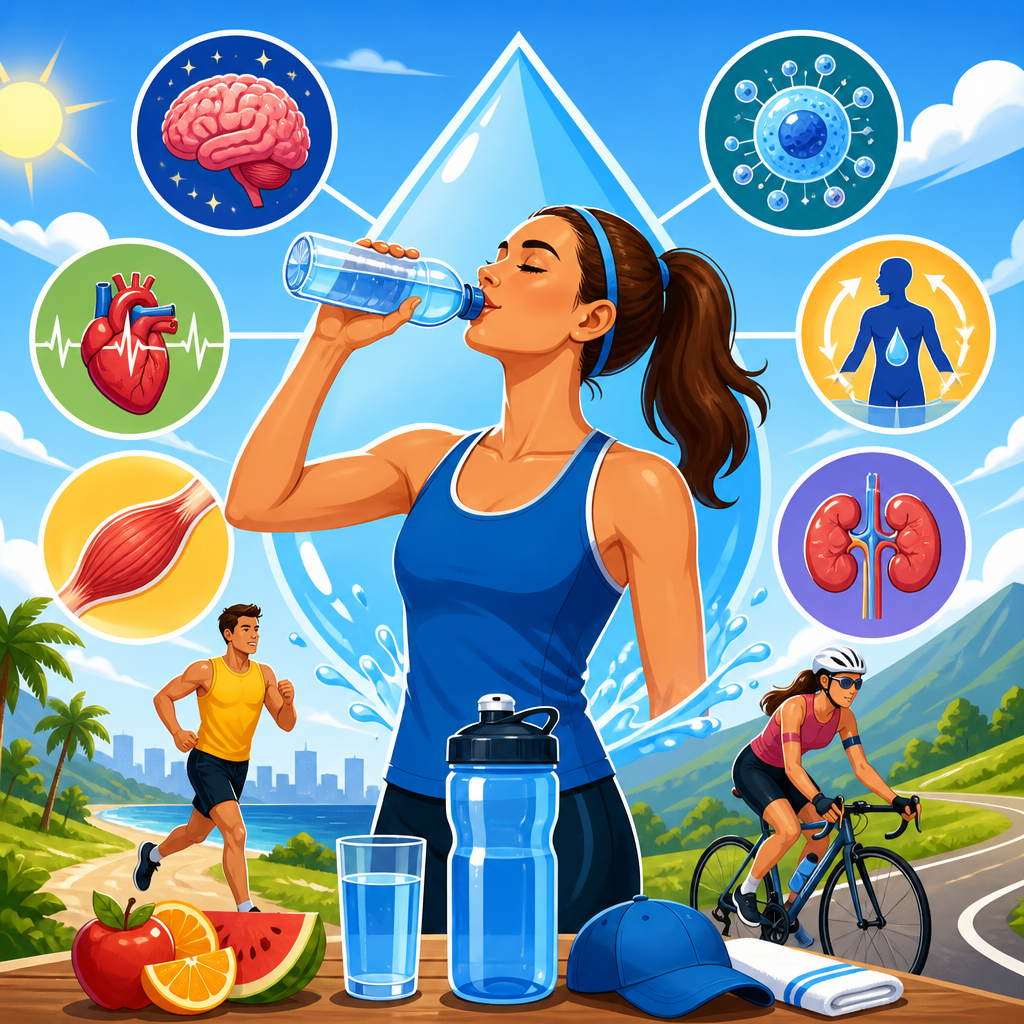
Hydration is equally essential. Blood delivers oxygen, nutrients, and immune cells to healing tissue, and dehydration reduces plasma volume and can impair performance and recovery. Sweat losses are highly individual, so there is no single fluid target that fits everyone. A practical method is to replace weight lost during training with fluids and include sodium when sweat losses are high. Milk, oral rehydration solutions, broth-based soups, fruit, and potatoes all contribute to rehydration because they supply fluid plus electrolytes. Coconut water can help with potassium intake, but it is usually too low in sodium to replace a dedicated sports drink after heavy sweat sessions.
One common mistake is relying on anti-inflammatory supplements while ignoring total food intake. If an athlete under-eats by several hundred calories per day, fish oil will not compensate for low energy availability. Healing always responds better to a solid foundation of meals, snacks, and fluids than to isolated products.
How to build meals with recovery foods for faster healing
The most effective recovery meals are not complicated. Build them around four parts: a protein source, a carbohydrate source, produce, and fluids. For example, a lunch of salmon, rice, roasted peppers, and yogurt covers amino acids, glycogen restoration, vitamin C, calcium, and hydration support. A vegetarian version could use tofu, quinoa, edamame, mixed vegetables, and fortified soy yogurt. Breakfast can be a recovery meal too: eggs, oatmeal, berries, and milk work extremely well after morning training.
Snacks are useful when appetite is low or when an athlete is trying to reach higher protein targets during rehab. Strong options include chocolate milk, Greek yogurt with fruit, a turkey sandwich, cottage cheese with pineapple, trail mix plus a protein shake, or a smoothie made with milk, banana, oats, frozen berries, and whey or soy protein. For athletes recovering from orthopedic injuries with reduced activity, calorie needs may drop somewhat, but protein needs usually stay elevated relative to body size. That is why reducing food volume while keeping protein quality high often works better than simply eating much less.
Special cases require adjustments. Athletes healing from surgery may benefit from softer, easier-to-digest foods at first. Those with gut issues may tolerate low-fiber carbohydrates better immediately after training. Vegan athletes may need fortified foods or targeted supplements for vitamin B12, vitamin D, iron, and omega-3s. The goal is always the same: create a repeatable eating pattern that gives the body enough resources to rebuild.
Recovery foods for faster healing work because they supply the exact materials the body uses to repair muscle, restore glycogen, rebuild collagen, support immunity, and regain readiness for training. The core strategy is simple: eat enough total energy, prioritize high-quality protein at regular intervals, include carbohydrates after demanding work, use micronutrient-rich foods daily, and stay on top of hydration. The best foods are not exotic. Greek yogurt, eggs, salmon, milk, potatoes, oats, berries, citrus, leafy greens, beans, lean beef, olive oil, nuts, and seeds consistently outperform trendy products because they deliver multiple recovery nutrients together.
If you remember one rule, make it this: every recovery meal should answer four needs at once—protein, carbohydrates, color from produce, and fluids. That approach covers most of what healing tissue requires. From there, adjust details based on your sport, sweat rate, injury type, training frequency, and food preferences. When athletes finally match their recovery nutrition to their workload, soreness becomes more manageable, energy improves, and return-to-play timelines often look far more realistic.
Use this article as your hub for sports and performance nutrition recovery planning, then build your week around these foods deliberately. Start with one upgrade today: improve your next post-training meal, or add one protein-rich, micronutrient-dense snack to your routine. Faster healing usually begins with the foods already available in your kitchen.
Frequently Asked Questions
What are recovery foods, and why are they so important for faster healing?
Recovery foods are foods that provide the raw materials your body needs to repair and rebuild after physical stress, injury, surgery, illness, or intense training. They typically supply high-quality protein, carbohydrates, healthy fats, vitamins, minerals, antioxidants, and fluids. These nutrients work together to support muscle protein synthesis, restore glycogen, regulate inflammation, strengthen immune function, and help repair damaged tissue. In simple terms, recovery foods are not just about feeling better after a hard workout. They are central to how the body heals and adapts.
When the body is under stress, its nutrient needs often increase. Protein becomes essential for rebuilding muscle fibers and connective tissue. Carbohydrates help refill depleted energy stores so the body does not continue breaking down tissue for fuel. Healthy fats support hormone production and help manage inflammation. Micronutrients such as vitamin C, zinc, iron, magnesium, and vitamin D play direct roles in collagen formation, oxygen transport, immune resilience, and tissue repair. Without enough of these nutrients, healing can slow down, soreness can linger, performance can drop, and the risk of repeated injury may rise.
This is why recovery nutrition should be viewed as a core part of any healing or training plan, not an optional extra. Many people focus heavily on exercise, treatment, or supplements, but overlook the fact that the body can only repair itself with what it is consistently given through food. Smart recovery meals can help the healing process move more efficiently, whether the goal is bouncing back from a tough training block, recovering after surgery, or supporting the body during illness.
Which foods are best for recovery and tissue repair?
The best recovery foods are usually whole foods that combine protein, carbohydrates, healthy fats, and key micronutrients. Lean proteins such as eggs, Greek yogurt, cottage cheese, chicken, turkey, fish, tofu, tempeh, and beans are foundational because they provide amino acids needed to rebuild muscle and repair tissue. Salmon and sardines are especially valuable because they also contain omega-3 fats, which may help support a healthy inflammatory response. Dairy foods can also be excellent recovery choices because they offer both protein and minerals such as calcium and phosphorus.
Carbohydrate-rich foods matter just as much, especially after training or during periods of high energy demand. Foods like oats, rice, potatoes, sweet potatoes, fruit, whole grain bread, quinoa, and legumes help replenish glycogen stores and provide energy for the healing process. Fruits and vegetables deserve special attention because they are packed with antioxidants, vitamin C, potassium, and polyphenols that support immune health and cellular repair. Berries, citrus fruits, kiwi, peppers, leafy greens, broccoli, and tomatoes are standout options. Nuts, seeds, avocado, and olive oil can round out recovery meals by adding healthy fats and extra minerals such as magnesium and zinc.
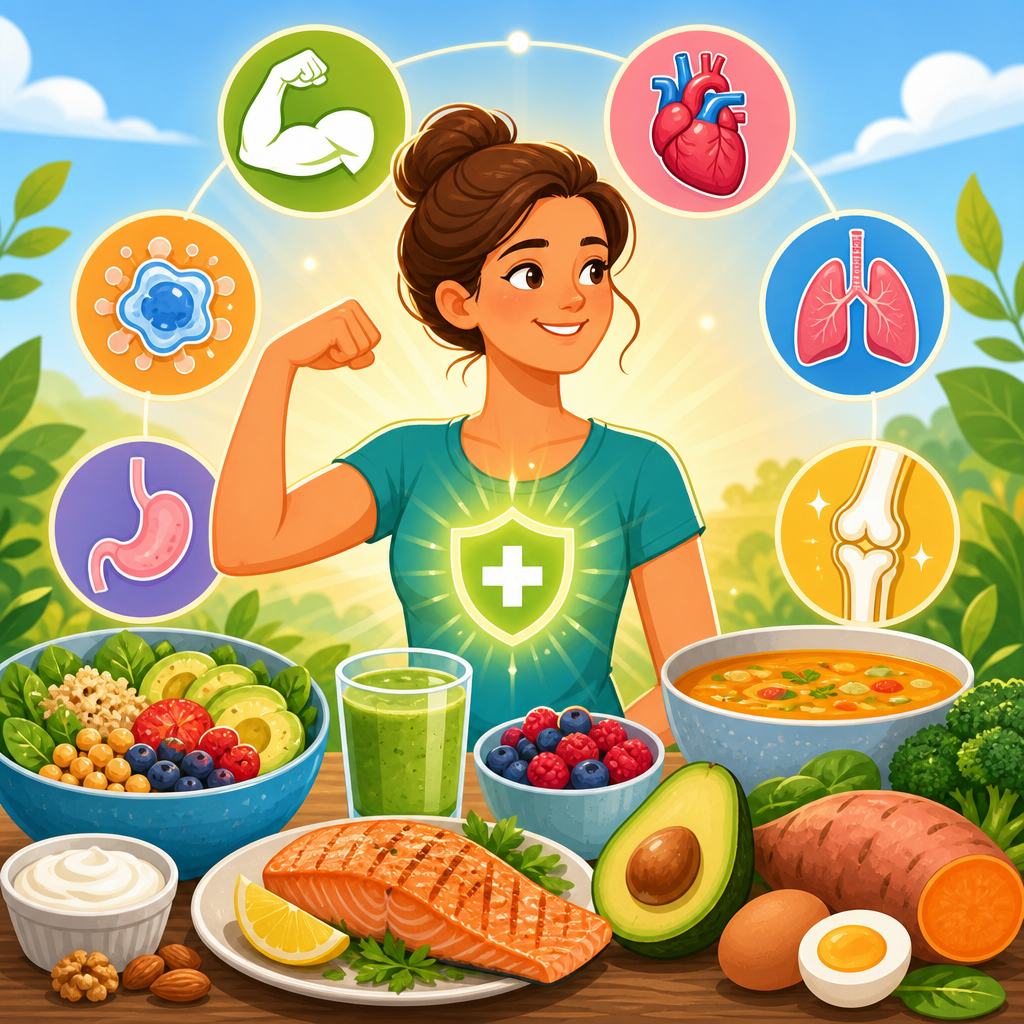
Some of the most practical recovery meals are simple combinations of these foods. Examples include grilled salmon with rice and roasted vegetables, Greek yogurt with berries and oats, eggs with whole grain toast and avocado, or chicken with sweet potatoes and spinach. The exact foods matter less than the pattern: your body heals best when recovery meals consistently deliver enough calories and a broad range of nutrients. Variety also helps, because no single food covers everything the healing process requires.
How much protein do you need for recovery, and what are the best sources?
Protein needs depend on body size, activity level, age, and the type of recovery involved, but in general, people recovering from hard training, injury, or illness often benefit from a higher protein intake than someone who is sedentary. Protein provides amino acids, including leucine, which help trigger muscle repair and rebuilding. It also supports the healing of skin, tendons, ligaments, and other tissues. If protein intake is too low, the body may struggle to preserve lean mass and complete the repair process efficiently.
Rather than eating all protein at one time, it is usually more effective to spread it across the day. Including a meaningful serving at each meal and snack helps provide a steady supply of amino acids for repair. Many people do well with a recovery-focused pattern such as eggs or yogurt at breakfast, poultry, fish, tofu, or beans at lunch and dinner, and a protein-rich snack like cottage cheese, kefir, or a smoothie if needed. This approach is often more useful than relying only on a single post-workout shake. Supplements can be convenient, but whole-food protein sources also bring vitamins, minerals, and other compounds that support healing.
Top protein sources for recovery include eggs, Greek yogurt, cottage cheese, milk, chicken, turkey, lean beef, fish, shellfish, tofu, tempeh, edamame, lentils, and beans. Collagen-rich foods or collagen supplements are sometimes discussed for connective tissue support, but they should complement, not replace, complete proteins. The broader point is that protein quality and consistency matter. If your body is trying to heal damaged tissue, it needs regular access to the building blocks that make repair possible.
Are carbohydrates and fats necessary in recovery foods, or is protein enough?
Protein is critical, but it is not enough on its own. Recovery is an energy-demanding process, which means the body also needs carbohydrates and fats to heal effectively. Carbohydrates are especially important because they replenish glycogen stores after exercise and provide readily available fuel. When carbohydrate intake is too low, the body may rely more heavily on stress hormones and may even break down protein for energy, which is not ideal when the goal is repair. This is one reason people who undereat during intense training often feel persistently sore, fatigued, or slow to bounce back.
Healthy fats are equally important. They help the body absorb fat-soluble vitamins such as A, D, E, and K, all of which play roles in tissue maintenance and immune health. Fats also support hormone production and cell membrane integrity, both of which are essential during recovery. Sources such as olive oil, nuts, seeds, avocado, and fatty fish can be especially useful because they provide anti-inflammatory compounds and nutrients that support overall healing. The goal is not to overload meals with fat, but to include enough to make the diet balanced and supportive.
A strong recovery meal usually contains all three macronutrients. For example, salmon with potatoes and vegetables, yogurt with fruit and granola, or a rice bowl with chicken, avocado, and roasted vegetables will generally support recovery better than protein alone. The body does not heal from one nutrient in isolation. It heals through a coordinated process that depends on energy availability, amino acids, micronutrients, fluid, and rest all working together.
When should you eat recovery foods for the best healing results?
Timing can help, but consistency matters most. After tough exercise, it is generally smart to eat a balanced recovery meal or snack within a couple of hours, especially if another training session is coming soon or if the session was long or intense. This window is useful because muscles are more primed to take up nutrients and begin refilling glycogen. A meal that includes protein and carbohydrates is often ideal, such as a smoothie with milk, yogurt, fruit, and oats, or a full meal like chicken, rice, and vegetables.
For healing from injury, surgery, or illness, recovery nutrition is not just about one post-event meal. It is about maintaining a steady intake of calories and nutrients throughout the day so the body always has what it needs to repair tissue. Skipping meals, eating too little, or relying on low-nutrient convenience foods can slow progress even if protein intake is decent. Hydration also matters because fluid supports circulation, nutrient delivery, temperature regulation, and cellular function. In many cases, the basics of regular meals, snacks, and fluids are more powerful than expensive recovery products.
The most effective strategy is to build a daily eating pattern that supports healing from morning to night. That means including protein at each meal, adding quality carbohydrates for energy, getting fruits and vegetables for antioxidants and vitamins, and not neglecting healthy fats. If appetite is low, smaller and more frequent meals can help. If training demands are high, planning recovery meals in advance can make a major difference. The key takeaway is simple: the best time to eat recovery foods is not just after exercise, but consistently during the entire period when your body is trying to repair, adapt, and get stronger.