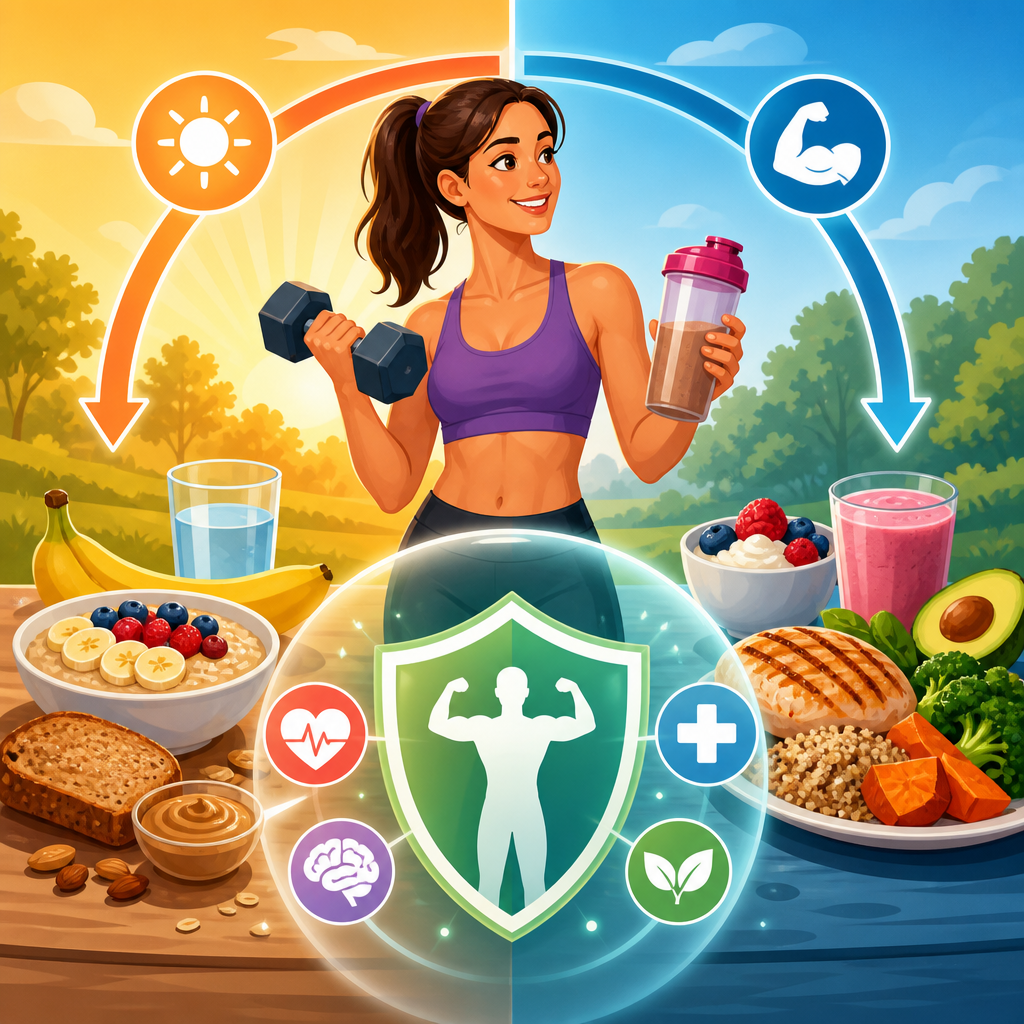
Recovery foods for faster healing are the foods, fluids, and nutrients that help the body repair tissue, control inflammation, rebuild strength, and restore normal function after training, injury, illness, or surgery. In sports and performance nutrition, recovery is not a vague wellness idea; it is a measurable biological process shaped by protein turnover, glycogen resynthesis, immune activity, collagen formation, and bone remodeling. I have seen athletes treat recovery as an afterthought, then wonder why soreness lingers, wounds close slowly, or they return to training flat and fragile. Food cannot replace medical care, rehabilitation, or sleep, but it strongly influences how efficiently the body heals.
The phrase recovery foods covers more than protein shakes. It includes complete meals, targeted snacks, hydration strategies, and micronutrient-rich staples that support each stage of repair. After hard exercise, muscle fibers experience microdamage and energy stores drop. After a sprain, fracture, or operation, the body increases metabolic demand and redirects amino acids, minerals, and vitamins toward rebuilding tissue. Healing requires raw materials and energy. If intake is too low, or key nutrients are missing, the body compensates by breaking down lean mass, slowing collagen synthesis, and prolonging fatigue.
Science consistently shows that recovery nutrition works best when it is specific. Protein supports muscle repair. Carbohydrates refill glycogen and reduce excessive protein breakdown. Omega-3 fats may help regulate inflammation. Vitamin C supports collagen synthesis. Zinc participates in immune defense and wound healing. Calcium and vitamin D matter for bone. Iron helps oxygen delivery, especially in menstruating athletes and endurance populations. Timing also matters. The hours after exertion or injury are not magical, but they are practical windows to start meeting elevated needs before appetite, scheduling, or pain interfere.
This hub article explains what recovery foods for faster healing actually do, which nutrients matter most, how to build effective meals, and where supplements fit. It also addresses common questions athletes ask: What should you eat after a tough workout? Which foods help wounds and soft tissue injuries heal? Can anti-inflammatory foods reduce soreness without blunting adaptation? What changes after surgery or immobilization? By understanding the science and applying it consistently, you can recover faster, preserve more strength, and return to performance with fewer setbacks.
The biology of healing and why nutrition changes the outcome
Healing follows overlapping phases: inflammation, proliferation, and remodeling. In the inflammatory phase, immune cells clear damaged tissue and release signaling molecules. This early inflammation is necessary. Suppressing it indiscriminately is rarely helpful. During proliferation, the body lays down new tissue, builds capillaries, and increases collagen production. In remodeling, tissues gradually strengthen and align according to mechanical load. Every phase depends on adequate energy and nutrient availability. When intake falls short, the body prioritizes immediate survival over optimal repair.
In practice, I see the biggest mistakes during reduced activity. Athletes assume they need less food because they are moving less, then unintentionally underfuel the very process that requires extra resources. Even minor surgery can raise resting energy needs. A severe injury may increase protein requirements because muscle breakdown rises during immobilization. Appetite often drops after pain medication, travel, or stress, so nutrient-dense foods become even more important. Recovery nutrition should match the biological reality, not the training calendar.
Energy availability is the foundation. If calories are too low, the body cannot use protein efficiently for repair. It will oxidize amino acids for energy and delay tissue rebuilding. That is why a grilled chicken breast alone is not an ideal recovery meal. Pairing protein with carbohydrate, fluids, and micronutrient-rich produce works better. The body heals as a system, not one nutrient at a time.
Protein-rich recovery foods that rebuild muscle and connective tissue
Protein is the most discussed recovery nutrient for good reason. It supplies essential amino acids, especially leucine, needed to stimulate muscle protein synthesis. For most active adults, a practical target during recovery is 20 to 40 grams of high-quality protein per meal, distributed across the day every three to four hours. Higher needs are common during injury rehabilitation, older age, energy restriction, or immobilization. Dairy, eggs, fish, poultry, lean meat, soy foods, and mixed plant proteins can all work when total intake is sufficient.
Not all recovery involves muscle alone. Tendons, ligaments, skin, and bone matrix rely heavily on collagen-rich structures. Foods that support collagen synthesis include protein sources plus vitamin C from fruit or vegetables. A simple example is Greek yogurt with berries, or chicken with roasted peppers and citrus. Some clinicians also use gelatin or hydrolyzed collagen before rehab sessions for tendon or ligament issues, usually paired with vitamin C. Evidence is promising but not universal, so it should complement, not replace, total daily protein.
One common mistake is saving most protein for dinner. Recovery is stronger when protein feedings are spread out. A day built around eggs at breakfast, yogurt at lunch, salmon at dinner, and a milk-based snack before bed usually supports repair better than one large evening steak. Pre-sleep casein from cottage cheese, Greek yogurt, or milk can be useful because overnight fasting is long and muscle remodeling continues during sleep.
Carbohydrates, fluids, and electrolytes restore energy and reduce secondary stress
Carbohydrates are often underrated in healing discussions because they lack the “repair” reputation of protein, yet they are central to recovery. Hard training depletes glycogen in muscle and liver. Low glycogen increases fatigue, impairs subsequent performance, and can raise stress hormone output. During injury, adequate carbohydrate also helps spare protein from being burned as fuel. Good sources include rice, potatoes, oats, fruit, beans, pasta, whole-grain bread, and dairy. The right amount depends on training load, body size, and whether the athlete is fully training, tapering, or temporarily immobilized.
After demanding sessions, pairing carbohydrate with protein improves recovery efficiency. Chocolate milk became popular for a reason: it combines fluid, sodium, carbohydrate, and high-quality dairy protein in a portable format. A more complete meal might be salmon, rice, and fruit, or a turkey sandwich with yogurt and a banana. For field athletes training twice daily, rapid carbohydrate replacement can matter within hours. For recreational exercisers, the exact minute is less important than total intake over the day.
Hydration affects circulation, nutrient delivery, temperature control, and joint function. Even mild dehydration can worsen perceived fatigue and recovery quality. Sweat losses vary widely, so the best standard is individualized replacement based on body-mass change, urine color trends, and thirst. Sodium matters when sweat losses are heavy or repeated. Broth, milk, oral rehydration solutions, and salted meals often work better than plain water alone after prolonged sweating because they improve fluid retention.
Micronutrients and anti-inflammatory foods that support faster healing
Several vitamins and minerals repeatedly show up in sports recovery and clinical healing research. Vitamin C is required for collagen formation and acts as an antioxidant within normal physiological ranges. Citrus, kiwi, strawberries, peppers, broccoli, and potatoes are useful sources. Zinc contributes to immune defense, cell division, and wound healing; rich sources include meat, shellfish, dairy, legumes, nuts, and fortified cereals. Iron is essential for oxygen transport and energy production, with particular importance for female athletes, adolescents, and endurance competitors. Calcium and vitamin D are foundational for bone healing and skeletal integrity.
Anti-inflammatory foods help not by shutting inflammation off, but by supporting a balanced response. Fatty fish such as salmon, sardines, trout, and mackerel provide omega-3 fats EPA and DHA, which influence inflammatory signaling and may help with muscle soreness and joint discomfort. Extra-virgin olive oil, nuts, seeds, berries, tart cherries, cocoa, herbs, and colorful vegetables contribute polyphenols that may reduce oxidative stress. Tart cherry juice and pomegranate juice are popular in elite sport; evidence suggests they may help soreness and recovery in some settings, though responses vary.
There is a tradeoff worth stating clearly. Aggressively chasing anti-inflammatory effects with very high-dose supplements can interfere with training adaptation, especially if used chronically around every workout. Foods are less likely to create that problem because they provide broader, lower-dose nutrient patterns rather than pharmacological hits. For most athletes, a Mediterranean-style eating pattern is the safest and most evidence-aligned base for both healing and performance.
Best recovery foods for common situations: workouts, injuries, and surgery
The best recovery foods depend on what the body is recovering from. After a hard lifting session, priorities are protein, carbohydrate, and fluid. After a long endurance event, carbohydrate and sodium become more urgent. After a soft tissue injury, preserving lean mass and supporting collagen-rich repair take center stage. After surgery, appetite, nausea, constipation risk, and medication interactions can shape food choices as much as physiology. The hub approach is useful because one template does not fit every recovery scenario.
| Situation | Main nutrition priority | Useful recovery foods |
|---|---|---|
| Strength training | Muscle protein synthesis and glycogen refill | Greek yogurt, eggs, milk, rice, potatoes, fruit |
| Endurance event | Carbohydrate, sodium, rehydration | Bagels, bananas, sports drink, broth, pasta, yogurt |
| Tendon or ligament rehab | Protein, vitamin C, total energy | Collagen-rich supplement if prescribed, citrus, poultry, berries |
| Bone stress injury | Energy, calcium, vitamin D, protein | Milk, fortified yogurt, canned salmon, eggs, leafy greens |
| Post-surgery | Easy digestion, protein density, hydration | Soups, smoothies, cottage cheese, oats, soft fruit, eggs |
Real-world execution matters. A basketball player finishing late practice may do well with chocolate milk and a turkey wrap on the drive home, then a full dinner. A runner in a walking boot may need smaller, protein-rich meals because appetite drops while protein needs rise. A post-operative patient may tolerate blended soups, yogurt, scrambled eggs, and smoothies before returning to larger meals. The principle is simple: match texture, timing, and quantity to the recovery barrier in front of you.
How to build a recovery meal plan that actually works
A practical recovery plate starts with a protein anchor, a carbohydrate base, produce, and fluid. For example, grilled salmon, roasted potatoes, spinach, olive oil, and fruit covers multiple needs at once. A vegetarian version could be tofu, rice, edamame, sesame vegetables, and orange slices. Breakfast can be equally strategic: oatmeal with milk, chia seeds, walnuts, berries, and a side of eggs is stronger for recovery than coffee and a pastry. Snacks count when they close nutrition gaps. Yogurt with granola, cottage cheese with pineapple, hummus with pita, or a smoothie with milk, banana, oats, and whey are all effective.
Consistency beats novelty. The most successful athletes I have worked with keep a short list of repeatable recovery meals at home, at work, and while traveling. They stock shelf-stable basics like tuna packets, oats, dried fruit, nuts, powdered milk, and electrolyte tablets. They know which convenience foods are good enough when ideal options are unavailable. Rotisserie chicken, microwave rice, frozen vegetables, and prewashed salad can outperform a “perfect” plan that never happens.
Supplements can help, but they are secondary. Whey protein is efficient and well studied. Creatine monohydrate may help preserve muscle during immobilization and supports training quality during return to play. Vitamin D, iron, calcium, or omega-3 supplements may be useful when testing, diet history, or clinical need supports them. The rule is simple: use supplements to fill defined gaps, not to compensate for chronic underfeeding or poor meal structure.
Recovery foods for faster healing work because they give the body what repair actually requires: enough energy, high-quality protein, smart carbohydrate intake, adequate hydration, and the micronutrients that drive collagen formation, immune defense, and bone turnover. The science is not mysterious. Healing speeds up when meals are planned around physiology instead of appetite, convenience, or nutrition myths. Athletes who eat this way usually preserve more lean mass, regain training capacity sooner, and experience fewer setbacks during rehabilitation.
The most important takeaway is that recovery nutrition should be matched to the stressor. Muscle soreness after lifting, depleted glycogen after endurance work, tissue repair after injury, and appetite challenges after surgery are different problems. Each needs a slightly different food strategy. Start with regular meals containing 20 to 40 grams of protein, include carbohydrate according to activity and energy needs, prioritize fluids and sodium when sweat losses are high, and build in colorful produce, dairy or fortified alternatives, fish, legumes, nuts, seeds, and olive oil across the week.
If you want better healing, do not wait for the perfect supplement stack. Build a repeatable recovery system: shop for a few proven foods, prepare easy meals in advance, and adjust your intake when training, illness, or injury changes your needs. Use this hub as your starting point, then apply the same standard to every snack, meal, and hydration choice. Better recovery is not accidental. It is fed, practiced, and earned.
Frequently Asked Questions
1. What are recovery foods, and why do they matter for faster healing?
Recovery foods are the foods, fluids, and nutrients that support the body’s repair processes after physical stress such as exercise, injury, illness, or surgery. They matter because healing is not passive. The body must rebuild damaged tissue, restore energy stores, regulate inflammation, support immune defenses, and repair connective structures like muscle, tendon, ligament, and bone. All of those tasks require raw materials, and those raw materials come from nutrition.
From a science perspective, recovery depends on several measurable processes. Protein helps drive muscle protein synthesis and tissue repair. Carbohydrates help replenish glycogen, which is the stored form of carbohydrate used for energy during training and recovery. Healthy fats contribute to hormone production and help regulate inflammation. Vitamins and minerals such as vitamin C, zinc, magnesium, calcium, iron, and vitamin D support collagen formation, oxygen transport, immune function, and bone remodeling. Fluids and electrolytes help restore hydration status, circulation, and cellular function, all of which are essential for efficient healing.
When recovery nutrition is poor, healing can slow down. People may feel persistently sore, weaker than expected, more fatigued, or unable to return to normal function on schedule. In athletes, under-fueling recovery often leads to reduced performance, increased risk of repeat injury, and prolonged downtime. In everyday health settings, inadequate recovery nutrition can mean slower wound healing, greater muscle loss, and delayed return to activity. That is why recovery foods should be seen as part of the treatment plan, not as an optional add-on.
2. Which nutrients are most important for healing and tissue repair?
The most important nutrients for healing are protein, carbohydrates, fluids, healthy fats, and a group of key micronutrients that support repair at the cellular level. Protein is usually the first priority because the body needs amino acids to rebuild muscle fibers, skin, enzymes, immune cells, and structural proteins involved in tissue repair. High-quality protein sources such as eggs, Greek yogurt, cottage cheese, fish, poultry, lean meat, tofu, tempeh, edamame, legumes, and protein-fortified dairy can all help meet this need.
Carbohydrates are often overlooked, but they are critical. After training or physical trauma, glycogen stores can be depleted. Replacing carbohydrates supports energy recovery, reduces excessive breakdown of protein for fuel, and helps the body return to normal training or activity faster. Whole grains, fruit, potatoes, rice, oats, beans, and dairy-based recovery meals can all play a role. For active individuals, pairing protein with carbohydrate after exertion is especially helpful because it supports both tissue repair and energy restoration.
Several micronutrients also deserve attention. Vitamin C is essential for collagen synthesis, which matters for skin, ligaments, tendons, cartilage, and wound healing. Zinc supports immune function and tissue repair. Vitamin D and calcium are central to bone health and remodeling. Magnesium supports muscle function and energy metabolism. Iron helps deliver oxygen to tissues, which is especially important when the body is trying to heal. Omega-3 fats may help regulate inflammation, though they should be part of a balanced diet rather than treated as a standalone solution. The main takeaway is that faster healing rarely comes from one “superfood.” It comes from a consistent pattern of nutrient-dense eating that supplies enough total energy and the full range of building blocks the body needs.
3. What are the best foods to eat after exercise, injury, or surgery to support recovery?
The best recovery foods are the ones that combine protein, carbohydrates, fluids, and micronutrients in a form that is practical and easy to tolerate. After exercise, a strong option might be Greek yogurt with fruit and granola, a smoothie made with milk or soy milk, berries, oats, and protein powder, or a meal with chicken, rice, and vegetables. These combinations help replenish glycogen, stimulate muscle repair, and restore hydration. Foods rich in antioxidants, such as berries, leafy greens, citrus, and colorful vegetables, can support the body’s normal response to exercise and tissue stress without replacing the need for adequate calories and protein.
After injury or surgery, the goal shifts slightly from performance recovery to tissue healing and preservation of lean mass. In that setting, protein-rich meals become even more important, especially if mobility is reduced and muscle loss is a concern. Eggs, fish, poultry, yogurt, beans, lentils, tofu, soups with added protein, and easy-to-digest balanced meals can be useful. Vitamin C-rich foods like oranges, kiwi, strawberries, bell peppers, and broccoli support collagen production. Calcium-rich foods such as dairy products, fortified plant milks, canned salmon with bones, and tofu processed with calcium can be helpful when bone recovery is a concern.
Hydration also matters more than many people realize. Broth-based soups, milk, water, electrolyte drinks when appropriate, fruit, and water-rich foods can all help maintain fluid balance. If appetite is low, softer and more concentrated options like smoothies, yogurt bowls, oatmeal with nut butter, or fortified soups may be easier to manage. The best approach is not to search for a single perfect food, but to build regular meals and snacks that provide enough energy and a steady supply of repair nutrients throughout the day.
4. How does protein help with healing, and how much do you actually need?
Protein helps healing because it provides amino acids, which are the building blocks for repairing damaged tissue and maintaining muscle mass during recovery. The body uses these amino acids to rebuild muscle fibers after training, form collagen for connective tissue repair, support immune cell activity, and produce enzymes involved in the healing process. Without enough protein, recovery becomes less efficient, and the risk of muscle loss, weakness, and delayed return to function increases.
Science consistently shows that protein intake should be distributed across the day rather than saved for one meal. This is because the body responds best to repeated opportunities for muscle protein synthesis. For many active adults, including a meaningful source of protein at each meal and snack is more effective than having a protein-heavy dinner alone. Practical examples include eggs at breakfast, yogurt or a protein shake as a snack, lean meat or legumes at lunch, and fish, tofu, or dairy at dinner.
How much protein a person needs depends on body size, activity level, age, and the type of recovery involved. People recovering from intense training, injury, surgery, or illness often need more protein than sedentary adults because their tissues are under greater repair demands. While exact needs vary, many recovery-focused nutrition plans emphasize protein at regular intervals across the day and encourage high-quality sources that are easy to digest and rich in essential amino acids. If someone has kidney disease, complex medical issues, or major surgical recovery, protein targets should be individualized with a physician or registered dietitian. In general, though, under-eating protein is one of the most common reasons recovery stalls.
5. Can recovery foods reduce inflammation and speed up return to normal activity?
Yes, recovery foods can help regulate inflammation and support a faster return to normal activity, but it is important to understand what that really means. Inflammation is not always bad. It is part of the body’s natural healing response. The goal of nutrition is not to eliminate inflammation completely, but to support a balanced inflammatory response so repair can happen efficiently without excessive tissue stress, prolonged soreness, or delayed healing.
A nutrient-dense recovery diet helps by supplying enough total calories, high-quality protein, complex carbohydrates, healthy fats, and micronutrients that influence immune and repair pathways. Omega-3 fats from fish like salmon, sardines, and trout may help support inflammation regulation. Colorful fruits and vegetables provide polyphenols, vitamin C, carotenoids, and other compounds that support cellular recovery. Whole grains, legumes, nuts, seeds, olive oil, and fermented dairy or cultured foods can also fit well into a recovery-oriented eating pattern. Hydration is another major factor, because dehydration can worsen fatigue, impair circulation, and make recovery feel harder than it should.
That said, no food works like a magic switch. Faster healing still depends on the larger picture: adequate sleep, medical care when needed, progressive rehabilitation, appropriate training load, and sufficient overall energy intake. Someone can eat blueberries and salmon every day, but if they are under-eating, sleeping poorly, and returning to hard training too soon, healing will still be compromised. The real benefit of recovery foods is that they create the internal conditions the body needs to repair tissue, rebuild strength, and safely move back toward normal performance and daily function.