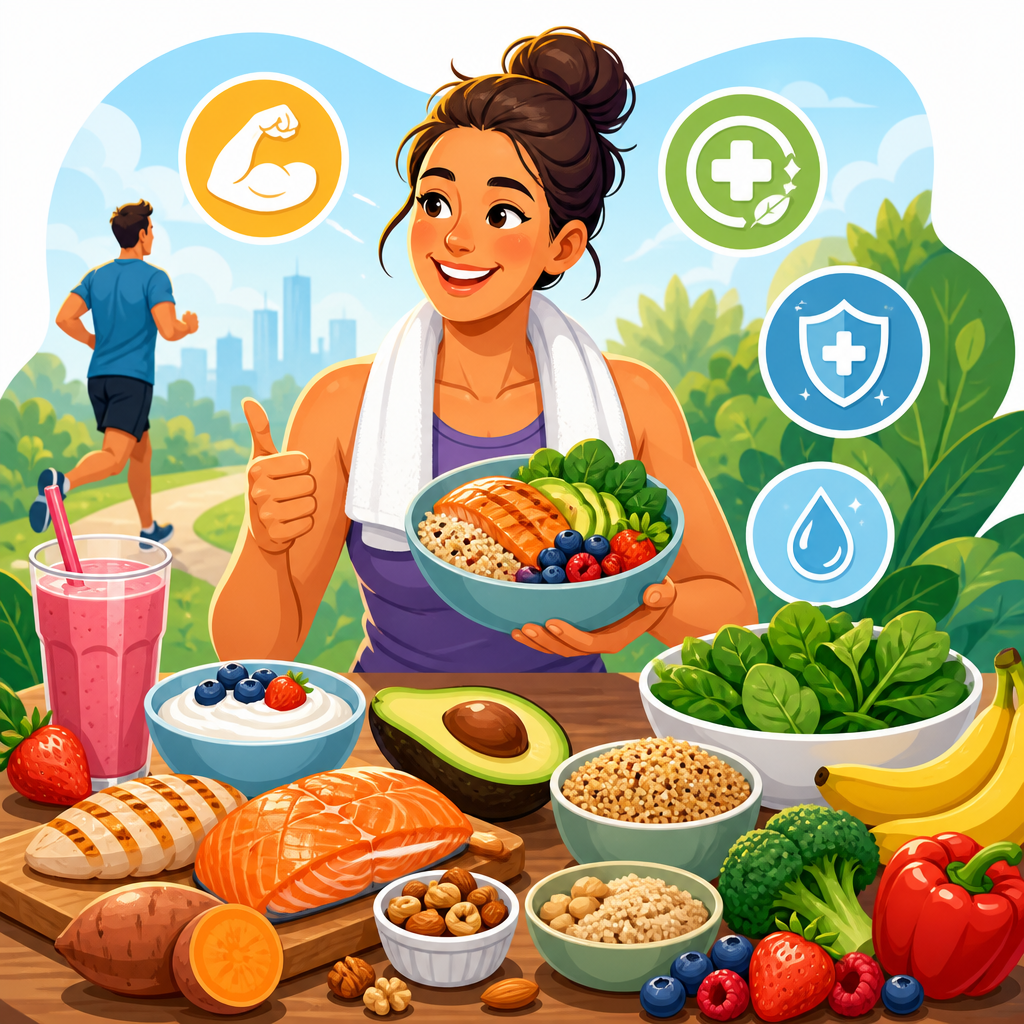
Recovery foods for faster healing sit at the intersection of sports nutrition, tissue repair, immune resilience, and long-term health, making them one of the most practical subjects in performance nutrition. In plain terms, recovery foods are foods and beverages that help the body rebuild muscle, restore glycogen, control excessive inflammation, replace fluids and electrolytes, and supply the micronutrients needed for wound healing and immune function. Faster healing does not mean forcing the body beyond biology; it means creating the internal conditions that let normal repair processes happen efficiently after training, competition, surgery, illness, or injury. When athletes, coaches, and active adults ignore recovery nutrition, the usual result is not only soreness or slower progress but a higher risk of recurrent strains, poor sleep, illness, and eventually chronic disease.
I have seen this repeatedly in practice: athletes obsess over pre-workout supplements and protein totals yet under-eat carbohydrates after hard sessions, skip meals during travel, and go into the next day dehydrated. Their blood markers, performance logs, and injury histories often tell the same story. Recovery is not a single shake. It is a sequence: protein to stimulate muscle protein synthesis, carbohydrate to restore glycogen, fluids and sodium to normalize hydration, antioxidant-rich produce to support cellular defense, and enough total energy to keep the immune and endocrine systems stable. The same pattern that supports post-exercise healing also helps reduce risk factors tied to cardiovascular disease, insulin resistance, osteoporosis, and poor metabolic health.
This matters because healing and disease prevention use overlapping biology. Collagen formation requires vitamin C, copper, zinc, and adequate protein. Bone remodeling depends on calcium, vitamin D, magnesium, vitamin K, and energy availability. The immune system relies on amino acids, iron, selenium, omega-3 fats, and diverse plant compounds. Even inflammation, often misunderstood, must be balanced rather than suppressed indiscriminately. Acute inflammation starts repair; chronic low-grade inflammation undermines it. A strong recovery diet therefore does two jobs at once: it speeds return to training and protects the body over years. As a hub article, this guide explains the major categories, answers the most common questions directly, and gives a practical framework you can use or connect to deeper topic pages across sports and performance nutrition.
Why recovery nutrition affects both healing speed and disease risk
Healing after training or injury follows a predictable sequence: inflammation, proliferation, and remodeling. Nutrition influences each phase. During early recovery, the body increases protein turnover, mobilizes immune cells, and uses stored carbohydrate aggressively. If intake is too low, muscle breakdown exceeds repair, collagen synthesis slows, and fatigue accumulates. For active people, relative energy deficiency is one of the clearest examples. When energy intake chronically fails to match output, hormone production drops, bone health worsens, menstrual function can be disrupted, immunity suffers, and soft-tissue injuries become harder to shake.
The disease-prevention side is just as important. A recovery meal built around lean protein, whole-food carbohydrate, unsaturated fats, and colorful plants improves glycemic control, blood pressure, and lipid quality better than the common fallback of alcohol, fried food, or ultra-processed snacks after exertion. Repeated over months and years, those choices shape body composition, endothelial function, and inflammatory tone. In other words, the habits that help an athlete bounce back by tomorrow are often the same habits that reduce chronic disease risk by middle age.
Protein-rich recovery foods that rebuild muscle and connective tissue
Protein is the anchor of recovery foods for faster healing because it provides essential amino acids, especially leucine, needed to trigger muscle protein synthesis. Most active adults recover best when each meal includes 20 to 40 grams of high-quality protein, with larger or older athletes often benefiting from the upper end. Dairy foods such as Greek yogurt, kefir, cottage cheese, and milk are especially useful because they combine whey and casein, offering both rapid and sustained amino acid delivery. Eggs supply highly bioavailable protein plus choline, vitamin B12, and selenium. Fish, poultry, lean beef, soy foods, and legumes all contribute meaningfully when total intake is adequate.
For actual healing, protein quality and timing both matter. Collagenous tissues like tendons and ligaments require glycine, proline, and lysine, but they also depend on total protein sufficiency and vitamin C. I often use a practical strategy before rehab sessions: gelatin or hydrolyzed collagen paired with a vitamin C source, such as kiwi or orange juice, about 30 to 60 minutes before loading exercises. The research base is still developing, so this is not magic, but it is a reasonable adjunct when the rest of the diet is solid. Protein distribution across the day also beats the old habit of undereating all day and overloading dinner.
Carbohydrates, glycogen restoration, and immune protection
Carbohydrates are routinely underestimated in recovery, yet they are critical for healing because they spare protein, replenish muscle glycogen, and blunt excessive stress hormone output after demanding exercise. After long runs, repeated sprint sessions, tournaments, or high-volume lifting, glycogen depletion can be substantial. Low glycogen does more than hurt performance; it increases perceived fatigue, compromises training quality, and can elevate immune stress. Foods such as rice, potatoes, oats, fruit, whole-grain bread, pasta, beans, and dairy-based smoothies restore carbohydrate stores effectively while adding vitamins, minerals, and fluid.
Simple guidance works well. After very hard or prolonged sessions, aim for a carbohydrate-rich meal within a few hours, ideally alongside protein. Chocolate milk, yogurt with fruit and granola, a rice bowl with chicken and vegetables, or potatoes with salmon are all better recovery options than relying on protein alone. Fruit deserves special mention. Bananas, berries, tart cherries, pineapple, and oranges provide carbohydrate plus polyphenols or vitamin C that support recovery. Athletes who fear carbohydrates often discover that once they refuel properly, soreness, sleep, and next-day output improve at the same time.
Hydration, electrolytes, and circulation-driven healing
Tissue repair depends on circulation, and circulation depends partly on hydration status. Even modest dehydration can impair endurance, elevate cardiovascular strain, worsen perceived effort, and slow the transport of nutrients needed for recovery. Water matters, but so do electrolytes, especially sodium, and in many cases potassium, magnesium, and calcium. Sweat losses vary widely by climate, clothing, body size, and genetics, so there is no universal replacement formula. In hot environments or during double sessions, foods like broth, milk, yogurt, potatoes, bananas, and salted meals can help restore fluid balance better than plain water alone.
One of the most common mistakes I see is the athlete who finishes a sweaty session, drinks only water, eats little sodium, and then wonders why headaches, cramping, and lethargy persist. Oral rehydration does not require exotic products. A balanced meal with soup, rice, lean protein, fruit, and a salted side can work extremely well. For injured athletes who are less active, hydration still matters because blood volume, digestion, and medication tolerance can all be affected by inadequate fluid intake. Good hydration supports wound healing indirectly by improving delivery, temperature regulation, and recovery capacity.
Micronutrients and anti-inflammatory foods that support repair
Vitamins, minerals, and phytonutrients are where faster healing and disease prevention become tightly linked. Vitamin C supports collagen synthesis and immune defense. Zinc contributes to wound healing and cell growth. Iron helps oxygen transport and energy production. Magnesium assists muscle function and hundreds of enzymatic reactions. Calcium and vitamin D remain foundational for skeletal health, particularly during bone stress recovery. Omega-3 fats from salmon, sardines, trout, chia, walnuts, and flax can help modulate inflammation, although dosage and context matter. Too little inflammation stalls repair, while too much prolongs pain and tissue damage.
Instead of chasing “superfoods,” build consistent patterns. Deeply colored produce, legumes, herbs, nuts, seeds, fermented dairy, oily fish, and minimally processed grains produce a broad anti-inflammatory effect over time. Tart cherry juice and berries may reduce post-exercise soreness in some settings because of anthocyanins. Turmeric can be useful, but absorption and dosing are variable, so whole-diet quality remains more reliable. The table below summarizes practical food categories and what they contribute to recovery and prevention.
| Food category | Key nutrients or compounds | Healing benefit | Disease-prevention value |
|---|---|---|---|
| Greek yogurt, milk, kefir | Protein, calcium, potassium, probiotics | Muscle repair, rehydration, bone support | Supports blood pressure, gut health, bone density |
| Eggs | Complete protein, choline, B12, selenium | Tissue rebuilding, immune support | Helps maintain lean mass and nutrient adequacy |
| Salmon, sardines, trout | Protein, omega-3 fats, vitamin D | Controls excessive inflammation, supports repair | Benefits heart health and triglyceride levels |
| Potatoes, rice, oats, fruit | Carbohydrates, potassium, fiber, antioxidants | Restores glycogen and energy | Improves metabolic health when replacing ultra-processed foods |
| Berries, citrus, kiwi, leafy greens | Vitamin C, polyphenols, folate | Collagen formation, oxidative defense | Associated with lower chronic inflammation |
| Nuts, seeds, olive oil, avocado | Unsaturated fats, vitamin E, magnesium | Cell membrane support, energy density | Improves lipid quality and cardiometabolic health |
Best recovery meals after training, competition, illness, or injury
The best recovery meal is one you can eat consistently, digest well, and match to the situation. After resistance training, I usually prioritize 25 to 40 grams of protein plus carbohydrate from grains, fruit, or tubers. A chicken rice bowl with vegetables and olive oil is a classic because it covers protein, glycogen restoration, micronutrients, and calories in one meal. After endurance sessions, carbohydrate needs climb. Oatmeal with milk, berries, honey, and nut butter works well in the morning; pasta with turkey meat sauce and a side salad works later in the day. For athletes with low appetite, smoothies built from milk or soy milk, yogurt, banana, oats, frozen berries, and peanut butter can be highly effective.
Recovery nutrition changes when someone is ill or injured. Training volume may be lower, but protein demand often remains elevated because immobilization accelerates muscle loss. Appetite may drop, yet healing nutrients become more important, not less. In those cases, energy-dense but nutrient-dense foods help: soups with beans and chicken, eggs with toast and fruit, salmon with potatoes, yogurt parfaits, cottage cheese bowls, and fortified smoothies. Alcohol is a consistent obstacle. It can impair glycogen restoration, protein synthesis, sleep quality, and injury recovery, so minimizing it during healing phases is one of the simplest high-value decisions an athlete can make.
Common mistakes, special populations, and a practical recovery framework
Several errors repeatedly slow healing. The first is under-eating total calories while trying to “stay lean” during intense training or rehabilitation. The second is over-relying on supplements while neglecting meals. The third is treating soreness as proof of a good session and failing to recover between bouts. Older athletes need special attention because anabolic resistance can reduce the muscle-building response to smaller protein doses. Youth athletes need structured meals and snacks because growth and sport compound nutrient demand. Plant-based athletes can recover very well, but they should plan deliberately for protein quality, leucine intake, iron, calcium, omega-3 fats, vitamin B12, and total energy.
A practical framework keeps things simple. First, eat a protein-rich meal or snack within a few hours after demanding exercise. Second, include enough carbohydrate to match the session. Third, rehydrate with fluids and sodium according to sweat loss. Fourth, eat produce at least twice in the recovery window for vitamin C, potassium, and polyphenols. Fifth, keep total daily intake high enough to support adaptation. If pain, fatigue, recurrent illness, or stalled healing persist, review the basics before buying another powder: meal timing, calorie intake, sleep, and hydration explain more poor recovery than most people realize.
Recovery foods for faster healing are not a narrow list of trendy ingredients; they are a complete eating pattern that helps the body repair today and stay healthier in the future. Protein rebuilds muscle and connective tissue. Carbohydrates restore glycogen and protect immune function. Fluids and electrolytes support circulation and performance. Micronutrient-rich foods supply the cofactors required for collagen synthesis, bone remodeling, and inflammatory balance. When these pieces come together consistently, athletes recover more reliably, train with better quality, and reduce the long-term wear that accumulates from under-fueling and poor dietary habits.
The strongest benefit of this approach is its double return. The same meals that help you heal faster after training, competition, or injury also lower the risk of chronic problems tied to poor metabolic health, cardiovascular strain, and inadequate bone support. Start with one upgrade this week: build your first post-exercise meal around protein, carbohydrate, fluids, and colorful produce. Then use this hub as your foundation for deeper sports and performance nutrition planning.
Frequently Asked Questions
What are recovery foods, and how do they support both faster healing and disease prevention?
Recovery foods are foods and beverages that help the body repair, rebuild, and rebalance after physical stress, injury, illness, surgery, or intense exercise. They typically provide high-quality protein for tissue repair, carbohydrates to restore glycogen, healthy fats to support cell membranes and hormone function, fluids and electrolytes for hydration, and vitamins and minerals that the body uses in immune defense and wound healing. In practical terms, recovery foods include options such as eggs, yogurt, fish, beans, lentils, fruit, potatoes, oats, leafy greens, berries, nuts, seeds, broth-based soups, and milk or fortified alternatives.
The reason these foods matter for faster healing is straightforward: the body cannot rebuild damaged tissue without raw materials. Protein supplies amino acids needed for muscle repair, collagen formation, enzyme production, and immune signaling. Carbohydrates help spare protein so it can be used for repair rather than burned for energy. Micronutrients such as vitamin C, zinc, vitamin A, iron, magnesium, and selenium support wound closure, immune function, red blood cell production, and antioxidant defense. Fluids maintain circulation, which is essential for moving oxygen and nutrients to healing tissue.
The disease prevention connection is just as important. Many of the same foods that help recovery also reduce long-term health risk because they are rich in fiber, antioxidants, polyphenols, omega-3 fats, and essential minerals. These compounds help regulate inflammation, improve blood sugar control, support cardiovascular health, nourish the gut microbiome, and strengthen immune resilience. In other words, recovery nutrition is not only about bouncing back faster in the short term; it is also about creating a dietary pattern that protects the body over time. When recovery foods are chosen well and eaten consistently, they support performance, healing, and long-term health at the same time.
Which nutrients are most important for healing, tissue repair, and immune resilience?
Several nutrients play a central role in recovery, and each has a distinct job. Protein is the most obvious starting point because it provides the amino acids needed to rebuild muscle fibers, repair connective tissue, support immune cells, and produce enzymes involved in healing. Foods such as poultry, fish, eggs, dairy, soy foods, beans, lentils, and Greek yogurt are especially useful because they provide protein in a form the body can use efficiently. Leucine-rich foods, including dairy, eggs, and meat, are often emphasized in recovery because leucine helps stimulate muscle protein synthesis.
Carbohydrates are also critical, even though they are sometimes overlooked in healing discussions. After exercise or physical stress, carbohydrates help restore glycogen, the stored form of carbohydrate in muscle and liver. This matters because low glycogen can increase fatigue, reduce performance, and make it harder to train or recover effectively. Carbohydrates also reduce the chance that the body will break down protein for fuel. Whole grains, fruit, beans, sweet potatoes, squash, rice, and oats are all practical carbohydrate sources that also contribute vitamins, minerals, and fiber.
Healthy fats, especially omega-3 fatty acids from salmon, sardines, trout, flax, chia, and walnuts, help support cell structure and healthy inflammatory balance. Healing requires some inflammation, but the goal is not chronic, excessive inflammation. Omega-3s can help the body regulate inflammatory responses more effectively. Vitamins and minerals are equally important. Vitamin C supports collagen formation and immune defense. Zinc contributes to wound healing and immune cell function. Vitamin A helps maintain skin and mucosal barriers. Iron supports oxygen transport, which is essential for tissue repair. Magnesium contributes to energy production and muscle function. Selenium helps protect cells from oxidative stress.
Hydration and electrolytes should not be underestimated. Water supports circulation, temperature regulation, nutrient transport, and metabolic reactions. Sodium, potassium, and other electrolytes become particularly important after heavy sweating, vomiting, diarrhea, fever, or prolonged physical activity. When all of these nutrients are present together in a balanced eating pattern, the body is much better equipped to recover efficiently and defend itself against future illness.
Can recovery foods reduce inflammation without interfering with the body’s natural healing process?
Yes, and this is an important distinction. Healing depends on a controlled inflammatory response. Inflammation itself is not the enemy; it is part of the body’s repair system. Problems arise when inflammation is excessive, prolonged, or poorly regulated. Recovery foods can help the body maintain that balance by supplying nutrients and bioactive compounds that support normal immune signaling rather than simply shutting inflammation down. This is why food-based strategies are generally more useful for long-term recovery than extreme approaches that try to suppress all inflammation.
Foods rich in antioxidants and polyphenols are especially helpful. Berries, cherries, citrus fruits, leafy greens, tomatoes, herbs, cocoa, green tea, and colorful vegetables provide compounds that help the body manage oxidative stress created by intense exercise, injury, or illness. Oxidative stress and inflammation are closely linked, so reducing unnecessary oxidative burden can support more efficient recovery. Omega-3-rich foods such as fatty fish, walnuts, chia seeds, and flaxseeds also help the body regulate inflammatory pathways in a beneficial way.
At the same time, an overall dietary pattern matters more than any single “superfood.” Meals built around lean proteins, minimally processed carbohydrates, healthy fats, vegetables, fruit, and adequate fluids tend to support healing better than diets high in ultra-processed foods, excess alcohol, refined sugars, and trans fats. Those less supportive foods can contribute to poor blood sugar control, impaired sleep, gut disruption, and chronic low-grade inflammation, all of which can slow recovery. The goal is not to eliminate every indulgence, but to make nutrient-dense recovery foods the foundation of the diet so the body can do its repair work efficiently.
It is also worth remembering that more is not always better. Extremely high doses of supplements or overly restrictive eating can interfere with adaptation and recovery. A balanced, food-first approach usually works best because it supports the body’s natural healing process while reducing the risk factors that contribute to chronic disease over time.
What are the best recovery foods to eat after exercise, injury, or illness?
The best recovery foods are those that combine protein, carbohydrates, fluids, and micronutrients in a way that matches the body’s immediate needs. After exercise, a simple and effective recovery meal might include Greek yogurt with berries and oats, eggs with toast and fruit, a turkey sandwich with milk, rice with salmon and vegetables, or a smoothie made with milk or soy milk, banana, berries, and protein-rich yogurt. These combinations help replenish energy stores, stimulate muscle repair, and replace fluid losses while also providing vitamins and minerals.
After injury or during wound healing, protein becomes especially important because the body’s repair demand often increases. Meals centered on fish, chicken, eggs, cottage cheese, tofu, beans, lentils, or yogurt can help meet that need. Vitamin C-rich foods such as citrus, kiwi, strawberries, bell peppers, and broccoli support collagen production. Zinc-containing foods like beef, pumpkin seeds, shellfish, beans, and dairy can also be useful. If appetite is reduced, softer and easier-to-digest foods such as soups, stews, smoothies, oatmeal, scrambled eggs, and yogurt bowls can make it easier to eat enough.
During or after illness, hydration becomes even more important, especially if fever, sweating, vomiting, or diarrhea are involved. Broth-based soups, oral rehydration solutions, water, milk, herbal tea, and electrolyte-containing beverages may all be appropriate depending on the situation. Foods such as bananas, rice, applesauce, toast, potatoes, oatmeal, eggs, yogurt, and simple soups can be easier to tolerate while still providing useful nutrition. As appetite returns, adding more colorful produce, protein-rich foods, and healthy fats helps rebuild strength and immune resilience.
For long-term disease prevention, the best recovery foods are the ones that can be eaten regularly, not just occasionally after hard workouts. A repeatable pattern of protein-rich meals, whole-food carbohydrates, fruits, vegetables, nuts, seeds, legumes, and omega-3-rich seafood provides both immediate recovery benefits and protective effects for heart health, metabolic health, and immune function. Consistency is what turns recovery eating into a true health strategy.
How can someone build a daily eating pattern that improves recovery now and protects health in the future?
A smart daily recovery pattern starts with meal balance. Each meal should ideally include a quality protein source, a nourishing carbohydrate source, colorful produce, and some healthy fat. That could look like oatmeal with milk, nuts, and berries at breakfast; a grain bowl with chicken or tofu, vegetables, and olive oil at lunch; and fish, potatoes, and greens at dinner. Snacks can fill in the gaps with options such as yogurt, fruit, cheese, hummus, nuts, smoothies, or hard-boiled eggs. This kind of structure helps distribute protein throughout the day, stabilize energy, support immune function, and improve the body’s ability to recover from repeated stress.
Hydration should be treated as part of the food plan, not an afterthought. Drinking enough fluid across the day supports circulation, digestion, joint comfort, body temperature regulation, and recovery capacity. People who exercise heavily, work outdoors, or are recovering from illness may need extra fluids and electrolytes. Sleep