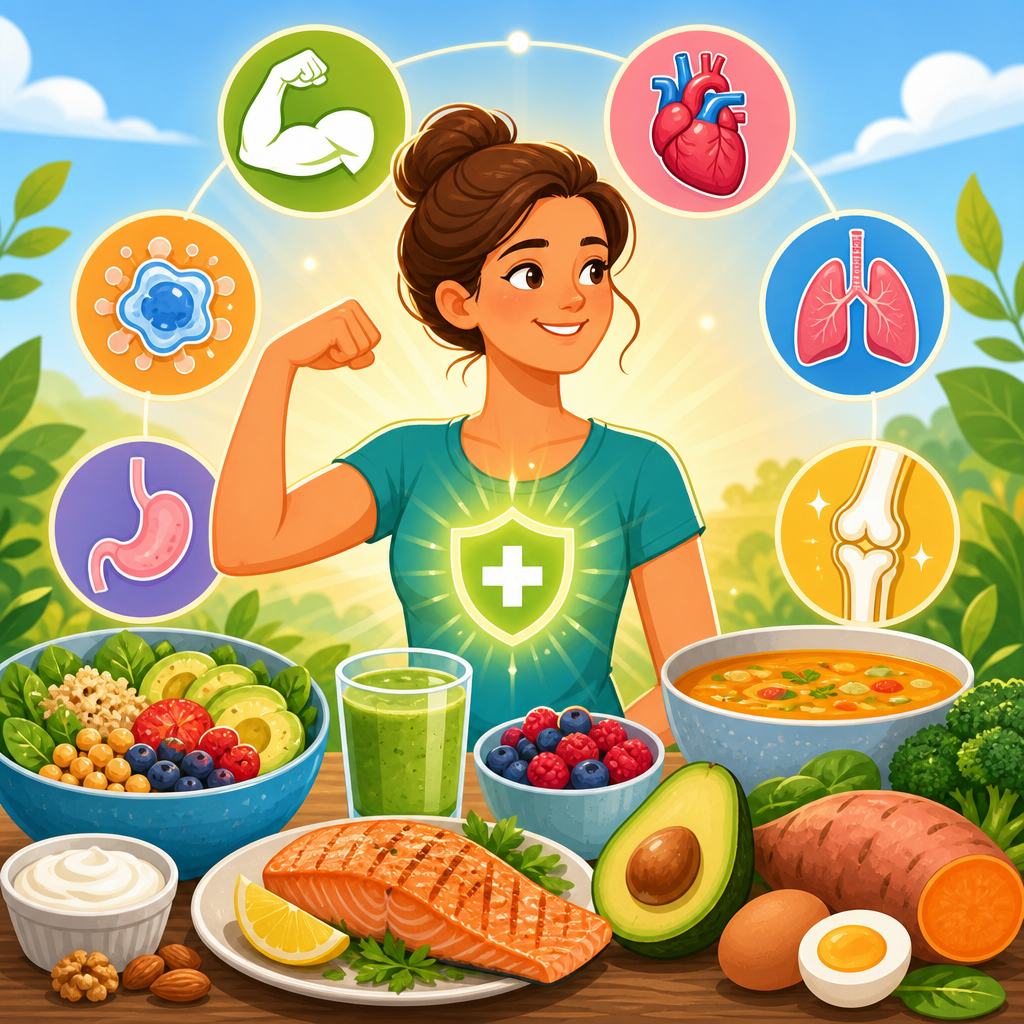
Recovery foods for faster healing help the body rebuild tissue, control inflammation, restore energy, and protect immune function after hard training, injury, illness, or surgery. In sports and performance nutrition, recovery is not a passive break between workouts. It is an active biological process driven by what you eat, when you eat it, and how consistently you meet your body’s nutrient demands. I have seen athletes train brilliantly yet stall because their meals did not support repair. The opposite is also true: once nutrition matches the stress placed on the body, soreness decreases, energy returns faster, and healing becomes more predictable.
The term recovery foods refers to foods and fluids that supply the raw materials needed to repair damaged muscle fibers, rebuild connective tissue, replace glycogen, rehydrate cells, and regulate the immune and hormonal systems involved in healing. Faster healing does not mean forcing the body beyond biology. It means removing avoidable nutritional barriers so normal healing can proceed efficiently. Protein provides amino acids for tissue synthesis. Carbohydrates replenish glycogen and reduce excessive protein breakdown. Fats support cell membranes and inflammatory signaling. Vitamins, minerals, and phytonutrients act as cofactors in collagen formation, oxygen transport, antioxidant defense, and immune activity.
This topic matters because recovery capacity often determines performance more than training volume alone. A runner preparing for a marathon, a lifter returning from a shoulder strain, and a team-sport athlete navigating congested match schedules all depend on effective healing. Poor recovery nutrition can prolong soreness, increase illness risk, impair sleep quality, and raise the chance of repeated injury. Good recovery nutrition supports muscle protein synthesis, tendon and ligament repair, mitochondrial function, and fluid balance. It also helps preserve lean mass during periods of reduced training, which is critical when an athlete is sidelined but still wants a faster return to form.
Many athletes ask the same practical questions: What should I eat after exercise? Which foods reduce inflammation without blunting adaptation? How much protein is enough? Do supplements matter more than whole foods? This hub answers those questions directly and lays the foundation for deeper articles on post-workout meals, anti-inflammatory foods, hydration, collagen support, micronutrients for tissue repair, and recovery meal timing. The goal is simple: understand how recovery foods for faster healing support your body’s key functions, then build meals that make those functions work better every day.
The Core Functions Recovery Foods Support
Healing after training or injury depends on several overlapping systems, and each one has specific nutritional requirements. The first is tissue repair. Resistance training causes microscopic muscle damage, while injuries may affect muscle, tendon, ligament, cartilage, or bone. These tissues require amino acids, especially leucine-rich essential amino acids, to stimulate muscle protein synthesis and broader repair processes. In practice, I look for 20 to 40 grams of high-quality protein per meal, using foods such as Greek yogurt, eggs, milk, fish, chicken, tofu, tempeh, or lean beef. Older athletes and those in energy deficit often need the higher end of that range.
The second function is glycogen restoration. Hard intervals, repeated sprints, long rides, and team sports can significantly deplete glycogen stored in muscle and liver. Carbohydrates are the primary nutrient for replenishment. For athletes training again within 24 hours, post-exercise carbohydrate intake becomes especially important. Rice, oats, potatoes, fruit, bread, pasta, beans, and dairy-based recovery drinks all contribute. When rapid recovery is needed, pairing carbohydrate with protein improves practicality and often appetite acceptance, which is why chocolate milk, yogurt with fruit, or a rice bowl with chicken work so well.
The third function is inflammation control. Inflammation is not the enemy; it is part of normal repair. The goal is regulation, not elimination. Colorful berries, cherries, leafy greens, extra-virgin olive oil, nuts, seeds, cocoa, herbs, spices, and omega-3-rich fish such as salmon and sardines provide polyphenols and fatty acids that help modulate inflammatory pathways. The fourth function is immune defense. Intense training, travel, poor sleep, and low energy availability can suppress immunity. Vitamin C foods, zinc-containing foods, probiotic-rich fermented dairy, and adequate overall energy intake help maintain resilience when the body is already under stress.
Finally, recovery foods support connective tissue integrity, bone turnover, red blood cell production, and fluid balance. Collagen formation requires vitamin C and adequate protein. Bone remodeling relies on calcium, vitamin D, magnesium, vitamin K, and phosphorus. Oxygen delivery depends on iron, vitamin B12, folate, and copper. Hydration requires not just water but electrolytes, especially sodium when sweat losses are high. When athletes understand these functions, they stop viewing recovery meals as optional extras and start seeing them as a direct input into healing biology.
Protein, Amino Acids, and the Rebuilding Process
Protein is the centerpiece of most recovery plans because it directly supplies the amino acids used to rebuild damaged tissue. The strongest evidence in sports nutrition supports distributing protein across the day rather than concentrating it in one dinner meal. A practical target for many active adults is roughly 1.6 to 2.2 grams of protein per kilogram of body weight per day, with higher needs often justified during injury rehabilitation, calorie restriction, or heavy training blocks. Spreading intake over three to five meals gives the body repeated opportunities to stimulate repair pathways instead of waiting for one large dose at night.
Quality matters as much as quantity. Leucine acts as a key trigger for muscle protein synthesis, and complete proteins such as whey, milk, eggs, fish, poultry, soy, and meat reliably provide it. Plant-based athletes can absolutely recover well, but they usually need more deliberate meal design. Combining soy foods, legumes, whole grains, nuts, and seeds across the day improves amino acid coverage. In practice, a tofu stir-fry with rice, edamame, and sesame seeds outperforms a low-protein salad after training. If appetite is poor after exercise or surgery, a smoothie with milk or fortified soy milk, Greek yogurt, oats, berries, and nut butter can deliver dense nutrition without heavy volume.
Collagen has earned attention for tendon and ligament support. The evidence is more specific than many marketing claims suggest. Collagen or gelatin provides glycine, proline, and hydroxyproline, amino acids concentrated in connective tissue, but it is not a complete protein and should not replace core protein intake. It fits best as an addition before rehab loading or mobility work, especially when paired with vitamin C. For example, an athlete with patellar tendon pain might use collagen with orange juice before eccentric exercises, while still meeting full daily protein targets from complete food sources.
Carbohydrates, Energy Availability, and Glycogen Restoration
Carbohydrates are often undervalued in discussions about healing, yet they affect far more than endurance performance. When glycogen is low and total energy intake is inadequate, the body increases stress signaling, perception of fatigue rises, and recovery quality falls. In injured athletes, underfueling is especially common because training volume drops and appetite can become inconsistent. The mistake is assuming less training means dramatically less nutrition. Healing itself is metabolically expensive. Tissue repair, immune activity, and cellular turnover all require energy, so aggressive calorie cutting can delay progress even when protein intake looks good on paper.
For rapid post-exercise recovery, carbohydrate needs vary with the session. After moderate training, a balanced meal within a few hours is usually sufficient. After very hard or repeated sessions, higher carbohydrate intake soon after exercise is more useful. Simple examples include a turkey sandwich with fruit, oatmeal with whey and banana, rice with salmon, or yogurt plus granola and berries. Athletes with back-to-back practices often do better with easy-to-digest carbohydrates immediately after training, then a larger mixed meal later. That approach restores glycogen without overwhelming the stomach.
Carbohydrate choices should match context. Whole-food sources provide fiber, potassium, antioxidants, and satiety, which benefit everyday recovery. Faster-digesting options such as white rice, bagels, sports drinks, or pretzels have a place when appetite is suppressed, time is limited, or gastrointestinal tolerance is a concern. I rarely frame carbohydrates as good or bad. The more useful question is whether the food solves the current recovery problem: quick refueling, sustained energy, nutrient density, or easy digestion.
Micronutrients, Fluids, and Anti-Inflammatory Foods That Matter Most
Micronutrients frequently determine whether a solid recovery plan is merely adequate or genuinely effective. Vitamin C supports collagen synthesis and antioxidant defense; citrus, kiwifruit, strawberries, peppers, and potatoes are practical sources. Iron supports oxygen transport and energy metabolism; red meat, legumes, tofu, fortified cereals, and shellfish can help, though iron status should be assessed before supplementing. Zinc contributes to wound healing and immune function, while calcium, vitamin D, magnesium, and vitamin K influence bone health and neuromuscular performance. Deficiencies do not always produce immediate symptoms, but they often show up as stalled recovery, low energy, recurrent illness, or persistent soreness.
Hydration is equally important because blood volume, nutrient delivery, temperature regulation, and joint function all depend on fluid balance. Athletes replacing heavy sweat losses need sodium as well as water. A good rule is to begin rehydration early rather than trying to catch up late in the day. Milk, broths, electrolyte drinks, fruit, and salted meals can all help. Recovery foods with high water content, such as yogurt, soups, smoothies, oranges, and watermelon, make hydration easier when plain water feels unappealing.
| Recovery need | Key nutrients | Best food examples | Primary body function supported |
|---|---|---|---|
| Muscle repair | Protein, leucine | Greek yogurt, eggs, whey, tofu, fish | Muscle protein synthesis and lean mass retention |
| Glycogen restoration | Carbohydrates, sodium | Rice, oats, potatoes, fruit, bread | Energy replenishment and reduced fatigue |
| Connective tissue support | Collagen, vitamin C, copper | Gelatin, collagen peptides, citrus, berries | Tendon, ligament, and collagen formation |
| Bone recovery | Calcium, vitamin D, magnesium, protein | Dairy, fortified soy milk, sardines, leafy greens | Bone remodeling and structural strength |
| Inflammation regulation | Omega-3s, polyphenols | Salmon, cherries, berries, olive oil, walnuts | Balanced inflammatory response and cell protection |
| Rehydration | Fluids, sodium, potassium | Milk, soup, electrolyte drinks, bananas | Circulation, nerve function, and fluid balance |
Anti-inflammatory foods deserve careful framing. They help regulate excessive inflammation, but they do not replace overall diet quality or medical care. Tart cherry juice may reduce soreness in some contexts. Omega-3 fats may support recovery, especially in athletes with low fish intake. Extra-virgin olive oil, legumes, vegetables, herbs, and nuts create a dietary pattern associated with better cardiometabolic health and lower chronic inflammation. Still, large doses of isolated antioxidants around every session may blunt some training adaptations. Food-first strategies are usually the safer and more balanced choice.
Meal Timing, Practical Recovery Meals, and Common Mistakes
Meal timing matters most when training is frequent, appetite is low, or healing demands are high. The old idea that recovery closes within a tiny post-workout window is too rigid, but waiting many hours to eat after hard exercise is still unhelpful. A practical standard is to consume protein and carbohydrates within one to two hours after demanding training, then continue eating balanced meals through the day. Before bed, a protein-rich snack such as cottage cheese, Greek yogurt, or a casein shake can support overnight recovery, particularly during heavy training or rehab phases.
Effective recovery meals are simple. Breakfast after morning training might be eggs, toast, fruit, and yogurt. Lunch could be a chicken rice bowl with vegetables and olive oil. A plant-based option might be lentil pasta with tofu and tomato sauce. Snacks that work consistently include kefir with berries, tuna on crackers, a smoothie with milk and banana, or peanut butter on toast with honey. For injured athletes with reduced movement, portion sizes may shift, but nutrient density should remain high. Cutting out carbohydrates entirely, relying only on supplements, or skipping meals because training volume is lower are common mistakes that slow healing.
The best recovery nutrition plan is one an athlete can repeat under real conditions: after late practices, during travel, with limited kitchen access, or when stress is high. Build each meal around protein, add purposeful carbohydrates, include colorful plant foods, and replace fluids and sodium according to sweat loss. That pattern supports the body’s key functions consistently. If recovery has stalled, audit the basics first: total intake, protein distribution, carbohydrate adequacy, hydration, iron status, sleep, and meal regularity. Start there, then refine. Better healing usually comes from disciplined fundamentals, not flashy products.
Frequently Asked Questions
What do recovery foods actually do to help the body heal faster?
Recovery foods support several key healing functions at the same time. After hard training, injury, illness, or surgery, the body has to repair damaged tissue, replace used energy, manage inflammation, and keep the immune system working efficiently. Food provides the raw materials for all of that. Protein delivers amino acids that help rebuild muscle, connective tissue, skin, and other structures involved in repair. Carbohydrates restore glycogen, which is the body’s stored form of energy and an important factor in reducing excessive physical stress after demanding activity. Healthy fats help support cell membranes, hormone production, and the regulation of inflammation.
Micronutrients also play a major role. Vitamin C contributes to collagen formation and tissue repair. Zinc supports immune defense and wound healing. Iron helps carry oxygen to recovering tissues. Magnesium supports muscle and nerve function, while fluids and electrolytes help maintain circulation, hydration, and nutrient delivery. In practical terms, recovery foods help the body shift from breakdown to rebuilding. That is why recovery is not just about resting. It is an active, nutrition-dependent process, and the quality, timing, and consistency of meals can strongly influence how efficiently the body heals.
Which nutrients matter most in recovery foods for faster healing?
The most important recovery nutrients are protein, carbohydrates, healthy fats, fluids, electrolytes, and a range of vitamins and minerals involved in tissue repair and immune support. Protein is often the first priority because healing increases the body’s demand for amino acids. These building blocks are needed to repair muscle fibers, support wound healing, and maintain lean mass when activity levels change. Good recovery protein sources include eggs, Greek yogurt, cottage cheese, fish, chicken, lean meat, tofu, tempeh, legumes, and protein-rich smoothies.
Carbohydrates are equally important, especially after training or during periods when the body is under stress. They restore glycogen, help fuel immune cells, and can reduce the burden on the body by preserving protein for repair rather than energy use. Healthy fats from foods such as salmon, walnuts, chia seeds, flaxseeds, olive oil, and avocado help regulate inflammation and support overall recovery. Micronutrients matter too. Vitamin C from berries, citrus, kiwi, peppers, and potatoes supports collagen production. Zinc from meat, shellfish, dairy, beans, and seeds is linked to wound healing and immune function. Vitamin D, calcium, and magnesium support muscle, bone, and nerve recovery. The best approach is not to chase one “superfood,” but to build meals that combine these nutrients in a balanced, repeatable way.
How soon after exercise, injury, or surgery should recovery foods be eaten?
Recovery nutrition works best when it is started early and repeated consistently. After exercise, many people benefit from eating within about 30 to 90 minutes, especially if the session was intense, long, or followed by another training session later in the day. That window can help the body begin muscle repair and replenish glycogen more efficiently. A meal or snack that combines protein and carbohydrates is often the most effective choice, such as Greek yogurt with fruit, eggs with toast, a chicken and rice bowl, or a smoothie made with milk, fruit, and protein.
After injury, illness, or surgery, the concept is similar but often even more important because the body may be working harder around the clock to heal. In those situations, waiting too long between meals can make it harder to meet increased energy and protein needs. Small, regular meals and snacks are often more realistic than relying on a few large meals, especially if appetite is reduced. Hydration should begin early as well, since fluids are essential for circulation, temperature regulation, digestion, and nutrient transport. The main takeaway is that recovery nutrition should not be treated as an afterthought. Early intake helps, but total daily consistency is what usually makes the biggest difference in healing outcomes.
Are anti-inflammatory foods helpful for recovery, or can they slow healing?
Anti-inflammatory foods can absolutely help recovery when used appropriately. The body needs a controlled inflammatory response to start the healing process, but excessive or prolonged inflammation can increase soreness, delay tissue repair, and place extra stress on the immune system. Foods that naturally support inflammation balance include fatty fish, extra virgin olive oil, nuts, seeds, colorful fruits, leafy greens, beans, herbs, spices, and other minimally processed plant foods. These foods provide omega-3 fats, antioxidants, polyphenols, and minerals that help the body manage stress and protect cells during recovery.
The key is balance. A food-first anti-inflammatory eating pattern does not “shut off” healing. Instead, it helps the body regulate inflammation more effectively while still allowing normal repair processes to occur. What tends to interfere more with recovery is a diet dominated by heavily processed foods, excess alcohol, and inadequate protein or total calories. That combination can increase oxidative stress, impair sleep, weaken immune function, and make healing less efficient. So yes, anti-inflammatory foods are helpful, but they work best as part of a complete recovery strategy that includes enough energy, enough protein, smart carbohydrate intake, hydration, and regular meals.
What are the best examples of recovery meals for faster healing?
The best recovery meals are those that combine high-quality protein, useful carbohydrates, healthy fats, and micronutrient-rich foods in portions that fit the person’s needs and appetite. For example, a salmon bowl with rice, roasted vegetables, and olive oil gives the body protein for repair, carbohydrates for energy restoration, omega-3 fats for inflammation support, and vitamins and minerals for overall healing. Another strong option is grilled chicken with sweet potatoes and spinach, which provides protein, slow-digesting carbohydrates, potassium, vitamin A, vitamin C, and iron-supportive nutrients. For a quicker choice, Greek yogurt with berries, oats, nuts, and honey offers protein, antioxidants, carbohydrates, and healthy fats in one simple meal.
For people recovering from surgery or illness, softer and easier-to-digest options can be useful, such as scrambled eggs with avocado toast, a lentil soup with whole grain bread, cottage cheese with fruit, or a smoothie made with milk or fortified soy beverage, banana, berries, oats, and protein powder. The “best” meal is not always the most elaborate one. It is the one that consistently helps meet healing demands. If appetite is low, dividing intake into smaller meals and snacks can be very effective. A steady pattern of nutrient-dense eating usually outperforms occasional perfect meals, because healing depends on the body receiving enough support day after day.