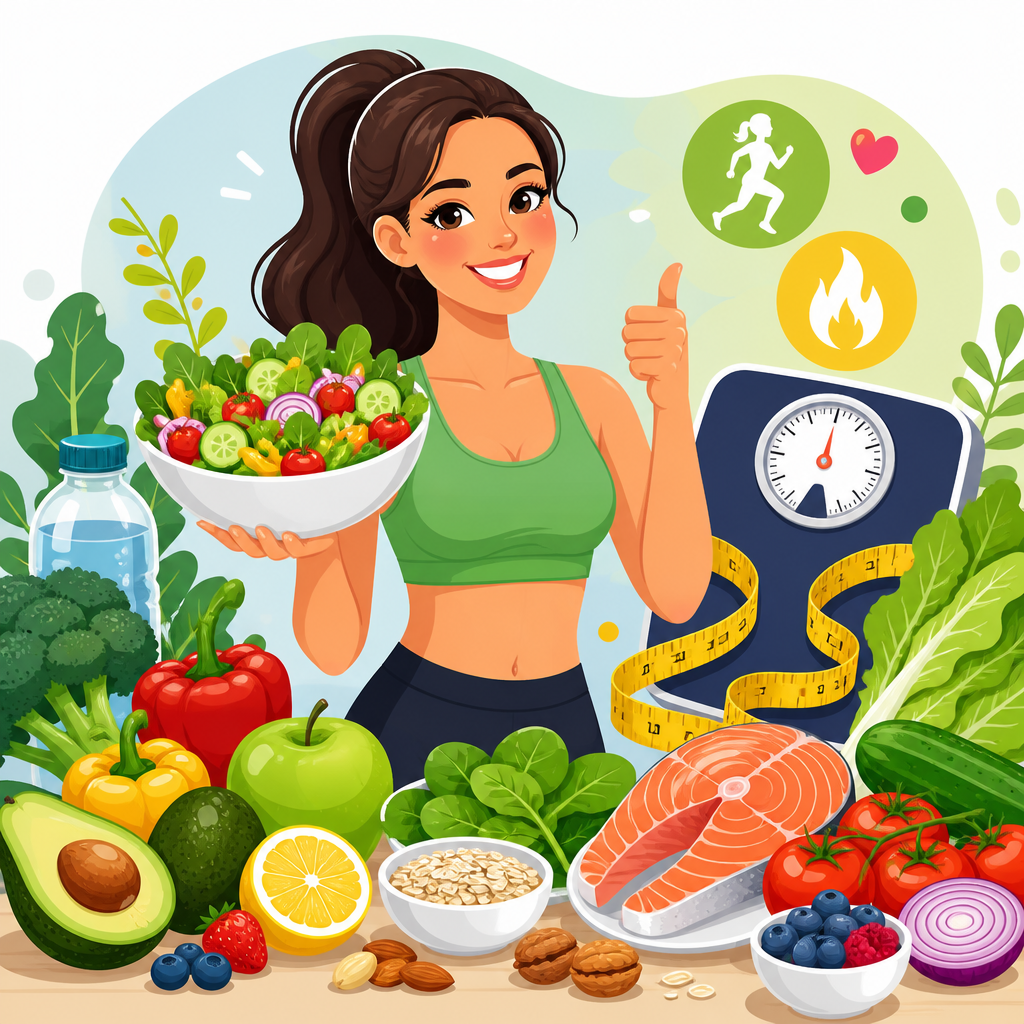
Nutrition strategies for weight loss and fat burning shape whether a healthy diet produces steady, sustainable progress or a short burst of results followed by regain. In practice, weight loss means reducing total body mass, while fat burning refers more specifically to the oxidation of stored fat for energy. The distinction matters because the scale can drop from water, glycogen, or muscle loss, yet better health and body composition usually come from preserving lean tissue while reducing excess body fat. In sports and performance nutrition, this difference is central: athletes, active adults, and general fitness clients want lower fat mass without sacrificing strength, recovery, training quality, or long-term metabolic health.
A sound approach starts with energy balance, but it cannot end there. Calories influence body weight, yet food quality, protein intake, meal timing, appetite control, sleep, stress, and training load all affect whether a person can maintain a calorie deficit and where the lost weight comes from. I have seen clients follow mathematically correct plans that failed because the meals were not filling, the protein was too low, or the diet ignored their training schedule. I have also seen modest, well-structured deficits work for months because the food choices supported satiety, adherence, and performance.
This topic matters because obesity, insulin resistance, nonalcoholic fatty liver disease, and cardiovascular risk are closely tied to excess adiposity, especially visceral fat. At the same time, aggressive dieting can reduce resting energy expenditure, impair menstrual function, lower testosterone, compromise bone health, and increase injury risk when combined with heavy training. Healthy fat loss is therefore not a crash process. It is a nutrition strategy that creates a manageable calorie deficit, protects lean mass, supports physical activity, and teaches habits a person can actually repeat after the diet phase ends.
For a hub article, the goal is to clarify the core principles and show how they connect. The most effective nutrition strategies for weight loss and fat burning include setting an appropriate calorie target, prioritizing protein, choosing high-satiety foods, structuring carbohydrate and fat intake around lifestyle and training demands, monitoring progress with more than body weight alone, and adjusting based on real data rather than emotion. When these pieces are coordinated, a healthy diet becomes a practical system instead of a list of restrictions.
Energy balance is the foundation, but the size of the deficit determines sustainability
The first principle is direct: fat loss requires a sustained energy deficit, meaning energy intake stays below energy expenditure over time. Total daily energy expenditure includes resting metabolic rate, the thermic effect of food, exercise activity, and nonexercise activity thermogenesis, often shortened to NEAT. In real-world coaching, NEAT is one of the most underestimated variables. When people diet hard, they often move less without noticing. Step count falls, posture changes, spontaneous activity drops, and the expected calorie deficit shrinks. That is one reason two people can eat the same meal plan and lose fat at very different rates.
For most adults, a moderate deficit of roughly 300 to 600 calories per day is more sustainable than a severe restriction. A useful rate of loss is about 0.5 to 1.0 percent of body weight per week, adjusted for starting body fat, training demands, and health status. Leaner athletes usually need the slower end to preserve performance and muscle, while individuals with higher body fat can often tolerate a slightly faster pace early on. More aggressive deficits can work short term, but they raise hunger, reduce training output, and increase the odds of rebound eating.
Energy balance is not a loophole for ignoring food quality. Two diets with identical calories can produce very different outcomes if one is built on minimally processed foods with adequate protein and fiber and the other is dominated by low-satiety foods. The body responds not just to energy, but also to digestion rate, palatability, blood glucose swings, and hormone signals related to hunger and fullness. That is why successful weight loss plans typically pair calorie awareness with thoughtful food selection.
Protein is the anchor nutrient for fat loss, muscle retention, and appetite control
If there is one dietary priority that repeatedly delivers during a fat-loss phase, it is adequate protein. Protein has the highest thermic effect of food, meaning the body expends more energy digesting and metabolizing it than it does with carbohydrate or fat. More importantly, protein preserves lean body mass during a calorie deficit and improves satiety, which makes adherence easier. In sports nutrition practice, I usually treat protein as the first target to set and the last macro to compromise.
Evidence consistently supports higher protein intakes during weight loss, especially for active individuals. A practical range is about 1.6 to 2.4 grams per kilogram of body weight per day, with the upper end often useful during deeper deficits, high training volumes, or when the person is already relatively lean. Distribution also matters. Spreading intake across three to five meals with roughly 25 to 40 grams of high-quality protein per meal helps stimulate muscle protein synthesis more effectively than concentrating most protein at dinner.
Good protein sources include Greek yogurt, eggs, cottage cheese, chicken, turkey, fish, lean beef, tofu, tempeh, edamame, whey protein, and legumes. For older adults, people recovering from injury, or athletes in heavy training, leucine-rich proteins such as whey, dairy, eggs, and meat are especially valuable because they more reliably trigger the muscle-building response. Protein alone will not create fat loss, but low protein is one of the fastest ways to make a diet harder, hungrier, and less protective of muscle mass.
Food quality, fiber, and satiety determine whether the plan is livable
The best fat-burning diet is not the one with the most rules; it is the one a person can follow consistently while still meeting nutrient needs. Satiety is the bridge between physiology and behavior. Foods that provide more fullness per calorie make a calorie deficit easier to maintain without constant willpower. In practice, that means emphasizing high-volume, high-fiber, minimally processed foods alongside lean protein.
Vegetables, fruit, potatoes, oats, beans, lentils, whole grains, and broth-based soups often outperform pastries, chips, sugary drinks, and refined snack foods on fullness. Fiber slows gastric emptying, supports glycemic control, and contributes to a healthier gut microbiome. Many adults fall short of recommended fiber intake, and increasing it is one of the simplest ways to improve appetite control and overall diet quality. Hydration matters too. Thirst and hunger can blur together, and people who increase water intake with meals often find portion control easier.
The following table shows how common food choices compare when the goal is weight loss and fat burning within a healthy diet.
| Nutrition goal | Higher-satiety choice | Lower-satiety choice | Why it matters |
|---|---|---|---|
| Breakfast protein | Greek yogurt with berries | Sweetened cereal bar | More protein and volume improve fullness |
| Lunch carbohydrate | Boiled potatoes or brown rice | Large serving of fries | Less added fat, more control over calories |
| Snack | Apple and cottage cheese | Cookies | Fiber plus protein reduce rebound hunger |
| Beverage | Water or diet soda | Sugar-sweetened soda | Liquid calories add up with little satiety |
| Dessert | Frozen yogurt with fruit | Large pastry | Portion control becomes easier at lower energy density |
None of this means enjoyable foods must be banned. Rigid restriction often backfires. A flexible healthy diet usually works better: keep most meals built around protein, produce, and minimally processed staples, then fit less nutrient-dense foods into the remaining calorie budget with deliberate portions. That approach supports both psychological sustainability and social normalcy.
Carbohydrates and fats should be adjusted to training, preference, and health needs
People often ask whether low-carb or low-fat is better for fat burning. The honest answer is that both can work if calories and protein are controlled, but they do not work equally well for every person. Carbohydrate supports glycogen storage, high-intensity exercise, sprint work, and resistance training performance. Dietary fat supports hormone production, cell membranes, absorption of fat-soluble vitamins, and meal satisfaction. The right balance depends on the athlete’s sport, schedule, and food preferences.
For someone doing frequent resistance training, interval work, or team sport sessions, very low carbohydrate intake can reduce training quality and recovery. In those cases, it often makes sense to keep carbohydrate around workouts and reduce calories elsewhere. For a sedentary person with poor appetite control around refined carbs, a lower-carbohydrate pattern based on vegetables, protein, fruit, legumes, and healthy fats may improve adherence. Mediterranean-style eating patterns are especially effective for many adults because they combine high food quality, sufficient protein, fiber, olive oil, nuts, fish, and a structure people can sustain for years.
Fat intake should rarely be pushed too low. A practical minimum is often around 0.6 grams per kilogram of body weight per day, though exact needs vary. Below that, some people experience poorer satiety, lower energy, and difficulty maintaining the plan. The main point is this: macro distribution is a tool for adherence and performance, not a magic switch for fat loss.
Meal timing, training nutrition, and recovery influence body composition outcomes
Meal timing matters less than total daily intake, but it still matters enough to improve results. For active people, placing protein evenly through the day and consuming carbohydrate around training can preserve performance during a deficit. A simple template is protein at each meal, a mixed meal one to three hours before training, and protein after training with carbohydrate adjusted to session length and intensity. This reduces the common problem of under-fueling workouts and overeating later from accumulated hunger.
Intermittent fasting can help some people by limiting the eating window and simplifying decisions. I have used it successfully with clients who dislike breakfast or tend to snack late into the evening. But it is not automatically superior for fat loss. Many athletes struggle to hit protein and carbohydrate targets in a short window, and some end up with lower training quality or gastrointestinal discomfort. The best meal pattern is the one that creates a calorie deficit without disrupting recovery, sleep, or consistency.
Recovery habits also affect fat loss more than most people realize. Poor sleep alters appetite-regulating hormones, increases cravings, reduces insulin sensitivity, and can lower performance enough to reduce training output. Chronic stress can push people toward hyper-palatable foods and irregular eating. A healthy diet for fat burning therefore includes regular meal structure, adequate sleep, and stress management, not just macros on paper.
How to track progress and adjust a weight loss nutrition plan intelligently
Scale weight is useful, but it is incomplete. Glycogen, sodium intake, menstrual cycle shifts, bowel contents, and inflammation from hard training can all change scale readings without reflecting fat gain or loss. Better monitoring combines daily or frequent weigh-ins averaged across the week with waist circumference, progress photos, training performance, hunger levels, and, when available, body composition methods such as DEXA or validated skinfold testing. No method is perfect, but multiple signals tell a clearer story than one metric alone.
When progress stalls for two to three weeks, the first step is to check adherence before cutting calories. In coaching, a plateau is often an execution issue rather than a metabolic mystery: portions drift upward, weekends erase the weekday deficit, or step count drops. If adherence is solid, then a small adjustment works better than a dramatic one. Reducing intake by 100 to 200 calories per day, increasing daily steps, or adding a small amount of structured cardio can restart progress while minimizing fatigue.
Diet breaks and refeed days can also be useful tools. A one- to two-week period at estimated maintenance calories may help restore training quality, improve mood, and make the next fat-loss phase more manageable, especially after long dieting blocks. These are not cheat periods; they are planned strategies. The broader lesson is that nutrition strategies for weight loss and fat burning work best when they are monitored, reviewed, and adjusted based on evidence rather than frustration.
Nutrition strategies for weight loss and fat burning succeed when they combine physiology, behavior, and practical structure instead of chasing quick fixes. The core system is straightforward: create a moderate calorie deficit, set protein high enough to protect lean mass, build meals around filling foods rich in fiber and micronutrients, match carbohydrates and fats to training and preference, and support the plan with sleep, hydration, movement, and recovery. These steps improve the odds that lost weight comes primarily from body fat rather than muscle or water.
As the hub within sports and performance nutrition, this topic connects to meal planning, body composition assessment, protein timing, sports supplements, behavior change, and long-term weight maintenance. The most important takeaway is that fat loss does not require extreme restriction or a single perfect diet style. It requires a repeatable method that fits the person’s schedule, appetite, training load, and health markers. That is why the best healthy diet for fat burning is usually simple, measured, and personalized.
If you are building or refining your plan, start with the basics this week: estimate intake honestly, raise protein, add more high-volume foods, track body weight and waist consistently, and make only one or two adjustments at a time. Those actions create momentum, reveal what actually works for your body, and turn nutrition strategies for weight loss and fat burning into lasting results.
Frequently Asked Questions
What is the difference between weight loss and fat burning, and why does it matter?
Weight loss and fat burning are closely related, but they are not the same thing. Weight loss simply means a reduction in total body mass on the scale. That change can come from several sources, including body fat, water, glycogen stores, and even muscle tissue. Fat burning, on the other hand, refers specifically to the body using stored fat as fuel. This distinction matters because a lower number on the scale does not always reflect better body composition or improved long-term health.
For example, someone can lose weight quickly by drastically cutting calories, carbohydrates, or sodium, which often causes a rapid drop in water weight. The scale moves, but actual fat loss may be limited. In more extreme cases, overly aggressive dieting can also lead to muscle loss. That is usually counterproductive, because lean muscle helps support metabolism, strength, physical function, and overall energy expenditure. A healthier and more sustainable goal is not just losing pounds, but reducing excess body fat while maintaining as much lean tissue as possible.
That is where smart nutrition strategies become important. A balanced calorie deficit, adequate protein intake, regular meals built around nutrient-dense foods, and resistance training all help shift the outcome away from simple weight loss and toward better fat loss. In practical terms, the most successful healthy diets focus on improving body composition, energy levels, and consistency over time, rather than chasing the fastest possible drop on the scale.
What nutrition strategies are most effective for sustainable weight loss and fat burning?
The most effective nutrition strategies are the ones that create a modest calorie deficit while still providing enough nutrients, satisfaction, and flexibility to be maintained over time. Sustainable weight loss depends on consistently taking in slightly fewer calories than the body uses, but the quality of those calories matters a great deal for hunger control, muscle preservation, energy, and adherence.
A strong foundation starts with prioritizing whole, minimally processed foods. Lean proteins, vegetables, fruits, legumes, whole grains, nuts, seeds, and healthy fats tend to be more filling and nutrient-dense than highly processed foods. Protein deserves special attention because it helps preserve lean muscle during weight loss, increases satiety, and has a slightly higher thermic effect than carbohydrates or fats. Including a protein source at each meal can make a healthy diet much easier to stick with.
Fiber is another major factor. High-fiber foods such as vegetables, berries, beans, oats, and whole grains slow digestion, improve fullness, and can help regulate blood sugar and appetite. Meal structure also matters. Many people do well with balanced meals that combine protein, fiber-rich carbohydrates, and healthy fats, because this combination supports steady energy and reduces the urge to overeat later.
Portion awareness is equally important. Even healthy foods can slow progress if portions are consistently too large. That does not mean every person needs to count calories forever, but some level of awareness around intake is often helpful, especially in the early stages. Hydration, meal planning, and limiting calorie-dense beverages can also make a significant difference. In short, the best strategy is not a crash diet or a rigid rule set. It is a repeatable way of eating that supports a calorie deficit, preserves muscle, controls hunger, and fits daily life.
How important is protein in a fat loss diet?
Protein is one of the most important nutrients in any diet aimed at weight loss and fat burning. When calories are reduced, the body does not automatically lose only fat. Without adequate protein, there is a greater risk of losing lean muscle along with body fat. That matters because muscle tissue plays an important role in strength, physical performance, metabolic health, and maintaining a favorable body composition.
Protein helps in several ways. First, it increases satiety, meaning it helps people feel full for longer after meals. This can naturally reduce snacking and overall calorie intake without relying solely on willpower. Second, protein has a higher thermic effect of food than fat or carbohydrate, which means the body uses more energy to digest and process it. While this effect is not a magic solution, it does support the bigger picture of energy balance. Third, when paired with resistance training, protein helps the body maintain and repair muscle tissue during weight loss.
Good protein sources include poultry, fish, eggs, Greek yogurt, cottage cheese, tofu, tempeh, legumes, and lean cuts of meat. For many people, spreading protein intake across the day works better than consuming most of it at one meal. That might mean including protein at breakfast, lunch, dinner, and possibly a snack if needed. While exact needs vary by body size, activity level, age, and goals, a higher-protein approach is often beneficial during fat loss phases because it supports fullness, recovery, and muscle retention. In practical terms, if someone wants a healthy diet to produce better fat loss instead of just lower scale weight, protein is a key part of the plan.
Can you lose fat without following a strict or trendy diet plan?
Yes, absolutely. Fat loss does not require a trendy diet, an extreme eating pattern, or the complete elimination of entire food groups. While approaches such as low-carb, Mediterranean-style eating, intermittent fasting, or lower-fat diets can all work for some people, their success usually comes from helping the person maintain a calorie deficit in a way that feels manageable. The real driver of progress is consistency, not trendiness.
Many strict diets create short-term results by narrowing food choices so dramatically that calorie intake drops automatically. The problem is that rigid rules are often hard to sustain. When the plan feels too restrictive, people are more likely to experience cravings, social frustration, all-or-nothing thinking, and eventual rebound overeating. That can lead to cycles of losing and regaining weight, which is exactly what a healthy diet should help avoid.
A more effective approach is to build simple habits that support fat loss without making eating feel miserable. That might include eating more protein and vegetables, reducing liquid calories, planning meals ahead of time, choosing mostly whole foods, controlling portions, and allowing room for favorite foods in moderation. Flexibility is not weakness; it is often what makes a nutrition strategy sustainable enough to work in real life.
In other words, the best diet is the one a person can follow long enough to see steady results and maintain them. Fat loss is possible with structure, but structure does not have to mean harsh rules. A healthy diet works best when it is balanced, realistic, and designed around long-term behavior change rather than short-lived dietary extremes.
How can someone tell if their diet is promoting healthy fat loss instead of just temporary scale changes?
A healthy fat loss approach usually shows up as steady, gradual progress rather than dramatic daily drops on the scale. Because body weight naturally fluctuates from changes in hydration, sodium intake, glycogen storage, digestion, hormones, and other factors, the scale alone does not always tell the full story. Someone may be making excellent progress in reducing body fat even if day-to-day weigh-ins look inconsistent.
Useful signs of healthy fat loss include a downward trend in average body weight over several weeks, improved body measurements, looser-fitting clothes, better muscle definition, stable energy, manageable hunger, and maintained strength during exercise. Preserving performance in resistance training is especially important, because it can indicate that lean tissue is being maintained while body fat is reduced. If weight is dropping very quickly and strength, recovery, mood, or energy are getting worse, that may be a sign the diet is too aggressive.
Another clue is whether the eating pattern feels sustainable. A diet that relies on severe restriction, frequent exhaustion, or constant hunger may cause short-term weight loss, but it often increases the risk of muscle loss, nutrient gaps, and rebound regain. By contrast, a healthier strategy usually includes enough protein, fiber, total calories, and meal satisfaction to support daily life. Progress may be slower, but it is more likely to last.
The best way to assess results is to look at multiple markers together: scale trends, waist measurements, progress photos, gym performance, sleep, appetite, and overall well-being. When a nutrition plan helps reduce excess body fat while preserving muscle, supporting health, and remaining realistic to follow, that is a strong sign the diet is doing what it should.