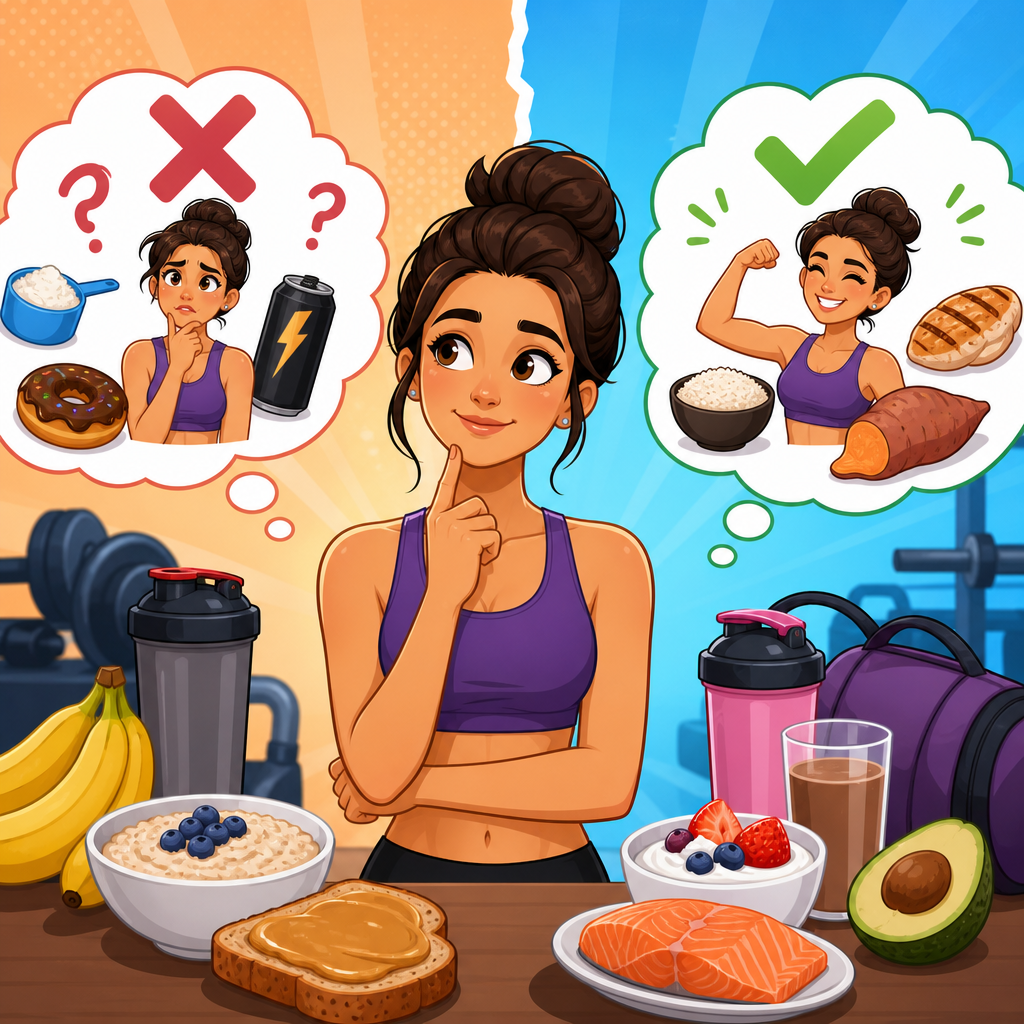
Weight loss and fat burning are often treated like the same goal, but in practice they are different outcomes that require a smarter nutrition plan than simply eating less. Weight loss refers to a reduction in total body weight, which can include water, glycogen, muscle, and fat. Fat burning refers to the metabolic use of stored fatty acids for energy and, over time, a reduction in body fat while preserving lean mass. If you want better performance, improved body composition, and results that last, your diet needs to support both energy balance and muscle retention.
In sports and performance nutrition, the best nutrition strategies for weight loss and fat burning do not rely on extreme restriction, detoxes, or single “superfoods.” They rely on calorie control, protein adequacy, food quality, meal timing, recovery, and consistency. I have seen athletes and general clients make the same mistake repeatedly: they chase intensity in training while ignoring the eating patterns that determine whether fat loss is efficient or whether hunger, fatigue, and muscle loss derail progress. The right plan creates a calorie deficit without sacrificing training quality, daily function, or long-term adherence.
This matters because poor dieting carries a real cost. Aggressive deficits can reduce resting energy expenditure, increase cravings, impair sleep, and compromise performance. Under-fueling can also make people weaker in the gym, less active outside it, and more likely to binge later. By contrast, a structured approach helps you protect muscle tissue, improve satiety, stabilize blood sugar, and use training as a lever rather than a punishment. For anyone building a sustainable fat-loss phase, the key question is not “What should I cut?” but “How do I organize my diet so my body can lose fat predictably?”
The answer starts with a few core principles. First, you need a manageable calorie deficit, usually created through portion control, food selection, and consistent intake rather than drastic elimination. Second, you need enough protein to preserve lean body mass and support recovery. Third, carbohydrates and fats must be distributed according to training demand, appetite, and preference. Fourth, meal structure should make hunger easier to manage. Finally, progress must be measured with more than the scale alone. When these pieces work together, nutrition strategies for weight loss and fat burning become practical, not theoretical.
Build fat loss around energy balance, not guesswork
The foundation of any effective fat-loss diet is energy balance: you must consistently consume fewer calories than you expend. That does not mean every day needs to be perfect or that metabolism is irrelevant. It means the long-term trend determines the outcome. In practice, a moderate deficit of about 300 to 500 calories per day is often enough for steady progress while preserving training quality. Larger deficits can work short term, but they usually increase hunger, reduce spontaneous movement, and make adherence harder. When clients ask how to incorporate more nutrition strategies for weight loss and fat burning into their diet, this is where I start: establish a deficit you can maintain for weeks, not days.
Creating that deficit works best when you use objective anchors. Estimate maintenance intake from body weight trends, activity level, and current intake logs rather than relying on smartwatch calorie numbers alone. Track food for one to two weeks using tools such as Cronometer, MyFitnessPal, or MacroFactor, then compare average intake to scale trend and waist measurements. If body weight is stable, that average is close to maintenance. From there, reduce calories deliberately, usually by removing low-satiety foods, trimming liquid calories, and tightening portions of calorie-dense extras like oils, spreads, desserts, and restaurant meals. This method is less glamorous than a detox, but it is more accurate and much more effective.
Prioritize protein to preserve muscle and improve satiety
Protein is the most important macronutrient during a fat-loss phase because it helps retain lean mass, supports recovery, and increases fullness. For active adults, a practical target is roughly 1.6 to 2.2 grams per kilogram of body weight per day. People in steeper deficits, very lean athletes, or those training frequently often do better near the higher end. This recommendation aligns with sports nutrition research showing that adequate protein reduces the loss of fat-free mass during dieting. In plain terms, higher protein helps ensure that weight lost comes more from fat and less from muscle.
Food choice matters as much as the target. Lean poultry, fish, Greek yogurt, cottage cheese, eggs, tofu, tempeh, edamame, whey isolate, and lean cuts of beef or pork provide high protein without excessive calories. Spreading protein across three to five meals also improves muscle protein synthesis compared with saving most of it for dinner. A simple approach is 25 to 40 grams per meal, depending on body size and training load. For example, breakfast could be Greek yogurt with berries and chia seeds, lunch a chicken grain bowl, post-workout a whey shake, and dinner salmon with vegetables and potatoes. This structure makes the entire day more satiating and reduces evening overeating.
Use carbohydrates strategically instead of fearing them
Carbohydrates are often blamed for body fat gain, but in performance nutrition they are a tool, not an enemy. Carbs replenish muscle glycogen, support training intensity, and can improve recovery between sessions. When carbs are too low for the training demand, output often drops, perceived exertion rises, and non-exercise activity tends to fall. That combination can slow fat loss despite “clean eating.” The better strategy is to match carbohydrate intake to activity. On hard training days, include more carbs around workouts. On rest days, reduce portions slightly if needed to maintain the calorie deficit.
Quality and context matter. Potatoes, oats, rice, beans, fruit, whole-grain bread, and minimally processed cereals usually offer better satiety and micronutrient value than pastries or sugary drinks. Timing matters too. A pre-workout meal with carbs and protein one to three hours before training can improve performance, while a post-workout meal supports glycogen restoration and recovery. Endurance athletes, field sport players, and lifters doing high-volume sessions generally tolerate and benefit from more carbohydrate than sedentary dieters. That is why successful nutrition strategies for weight loss and fat burning rarely eliminate carbs completely; they place them where they do the most good.
Control dietary fat without cutting it too low
Dietary fat is essential for hormone production, cell membranes, absorption of vitamins A, D, E, and K, and overall meal satisfaction. The problem is not fat itself but how easy it is to overeat because it is calorie dense. One tablespoon of olive oil contains about 120 calories, and casual pouring can double that quickly. Nut butters, cheese, dressings, granola, mixed nuts, and restaurant sauces often turn a reasonable meal into a calorie surplus without much increase in fullness. During a cut, controlling these foods usually has a bigger effect than removing fruit or rice.
Most active people do well when fat provides roughly 20 to 35 percent of total calories, adjusted for preference and sport demands. The goal is to include enough for health and satisfaction while using measured portions. I routinely recommend practical swaps such as using spray oil instead of free-pouring, choosing 0% or 2% Greek yogurt over full-fat versions when calories are tight, and emphasizing salmon, sardines, walnuts, olive oil, avocado, and seeds for fat quality. This keeps essential fatty acid intake solid without letting small extras erase the intended deficit.
Structure meals for satiety, adherence, and stable energy
The best fat-loss diet is the one you can repeat under work stress, social pressure, and imperfect schedules. Meal structure is what makes that possible. High-volume, high-fiber foods increase fullness for fewer calories, which is why vegetables, fruit, legumes, broth-based soups, potatoes, and whole grains consistently show up in successful plans. A useful template is protein plus produce at every meal, then adding carbs and fats according to activity and preference. That means a lunch is not just “salad”; it is 150 grams of chicken, mixed greens, chopped vegetables, quinoa, and a measured vinaigrette.
Regular meal timing can also prevent the all-day restriction, all-night overeating pattern. Many people do better with three meals and one planned snack than with constant grazing. The snack should be functional, not random: an apple with Greek yogurt, a protein shake and banana, or cottage cheese with berries. Hydration supports this structure too. Thirst is often confused with hunger, and starting meals dehydrated can increase intake. Water, sparkling water, coffee, tea, and low-calorie electrolyte drinks can help, but sugary coffees, juices, and alcohol often undermine progress because they add calories with weak satiety.
| Strategy | What to do | Why it works |
|---|---|---|
| Protein target | Eat 1.6 to 2.2 g/kg/day, split across 3 to 5 meals | Preserves muscle and improves fullness |
| Carb timing | Place more carbs before and after hard training | Supports performance and recovery |
| Fat control | Measure oils, dressings, nuts, and spreads | Reduces hidden calories |
| Food volume | Build meals around vegetables, fruit, potatoes, beans, and soups | Increases satiety per calorie |
| Progress checks | Track weight trend, waist, photos, and gym performance | Improves decision-making beyond the scale |
Use training nutrition and recovery to make fat loss easier
Exercise supports fat loss, but nutrition determines whether training remains productive during a deficit. Strength training is especially important because it signals the body to retain muscle tissue. Pairing lifting with adequate protein and sufficient carbohydrate around sessions is one of the most reliable ways to improve body composition. For example, a lifter cutting for summer might eat oats and whey before training, then rice, vegetables, and lean beef after. That pattern often produces better sessions and less post-workout hunger than fasted training followed by uncontrolled eating later.
Recovery is equally important. Sleep restriction raises hunger hormones, reduces insulin sensitivity, and makes high-calorie foods more rewarding. In my experience, clients who sleep five to six hours per night often struggle more with adherence than clients eating slightly more calories but sleeping seven to nine hours. Stress management matters for the same reason. High stress does not stop fat loss by magic, but it can increase appetite, reduce routine movement, and disrupt food choices. Good nutrition strategies for weight loss and fat burning therefore include sleep hygiene, consistent training, step goals, and realistic calorie targets instead of trying to out-discipline physiology.
Track the right metrics and adjust before progress stalls
The scale is useful, but it is incomplete. Daily weight fluctuates with sodium intake, glycogen, digestion, menstrual cycle phase, travel, and soreness. That is why a seven-day average is more meaningful than a single weigh-in. Waist circumference, progress photos, gym performance, and clothing fit provide critical context. If body weight is flat for two to three weeks but waist measurement is dropping, fat loss is likely still occurring. If performance is crashing, sleep is poor, and hunger is extreme, the deficit may be too aggressive.
When a true plateau happens, adjust one variable at a time. Reduce calories modestly, increase daily steps, or improve consistency on weekends before making drastic changes. Diet breaks at maintenance for one to two weeks can help some people restore training quality and adherence during long cutting phases, especially lean athletes. Refeeds can also be useful psychologically, though they are not magic and only work if weekly calories stay controlled. The most effective hub-level advice is simple: plan, track, review, and refine. Precision beats intensity.
Incorporating more nutrition strategies for weight loss and fat burning into your diet is less about finding a secret and more about building a repeatable system. Start with a moderate calorie deficit, then protect muscle with high protein, place carbohydrates where they support training, and keep dietary fats measured but sufficient. Structure meals around satiety, use hydration and sleep to control appetite, and evaluate progress with multiple metrics instead of reacting emotionally to day-to-day scale changes. These are the methods that work across sports, body types, and experience levels because they align with how energy balance, recovery, and performance actually operate.
The main benefit of this approach is not just losing weight. It is losing fat while maintaining strength, energy, and a diet you can realistically sustain. That distinction matters. Anyone can lose scale weight for a week; the real win is improving body composition without wrecking training or rebounding afterward. Use this article as your hub, then apply one change at a time: hit your protein target, measure calorie-dense extras, plan your workout meals, and track your weekly trend. Do that consistently, and your diet will start working with your physiology instead of against it.
Frequently Asked Questions
1. What is the difference between weight loss and fat burning, and why does it matter for nutrition?
Weight loss and fat burning are related, but they are not the same thing. Weight loss means your total body weight goes down, which can happen from losing water, glycogen, muscle tissue, digestive bulk, or body fat. Fat burning refers more specifically to your body using stored fat as fuel and, over time, reducing body fat while ideally maintaining lean muscle mass. That distinction matters because a lower number on the scale does not always mean better body composition, better health, or better long-term results.
From a nutrition perspective, this is important because overly aggressive calorie cutting can produce fast weight loss while also increasing the risk of muscle loss, poor workout performance, stronger hunger signals, and reduced energy expenditure. A smarter plan focuses on preserving muscle, supporting training, managing hunger, and creating a sustainable calorie deficit that encourages your body to rely more on stored fat over time. In other words, the goal is not just to eat less, but to eat strategically. That usually means prioritizing protein, choosing high-fiber foods, distributing meals in a way that supports appetite control, and matching carbohydrate intake to your activity level so that you can continue to move, train, and recover well while steadily reducing body fat.
2. What are the best nutrition strategies to support fat loss without losing muscle?
The most effective nutrition strategies for fat loss while preserving muscle start with adequate protein intake. Protein helps protect lean mass during a calorie deficit, supports recovery from exercise, and tends to be more filling than fats or carbohydrates. Including a quality protein source at each meal can make a major difference in body composition outcomes. Foods such as Greek yogurt, eggs, chicken, fish, tofu, cottage cheese, lentils, and lean cuts of meat are all practical options.
Beyond protein, food quality and meal structure matter. High-fiber foods such as vegetables, fruit, beans, oats, and whole grains help manage hunger and improve meal satisfaction. These foods slow digestion, support blood sugar control, and make it easier to maintain a calorie deficit without feeling deprived. It is also helpful to include healthy fats in moderate portions because they contribute to satiety and overall dietary balance, but they should be portioned thoughtfully since they are calorie-dense.
Another key strategy is to avoid turning every day into an extreme dieting day. Very low-calorie approaches may lead to short-term scale changes, but they often reduce training quality, increase cravings, and make adherence harder. A moderate, consistent calorie deficit paired with resistance training is usually much better for keeping muscle while losing fat. Timing can help as well. Many people benefit from placing protein and carbohydrates around workouts to support performance and recovery. When you combine sufficient protein, fiber-rich foods, controlled portions, and regular strength training, you create a nutritional environment that favors fat loss while protecting the muscle that helps keep metabolism, strength, and physical function in a better place.
3. Should I cut carbs to burn more fat, or can carbohydrates still fit into a fat-loss diet?
Carbohydrates can absolutely fit into a fat-loss diet, and for many people they should. The idea that you must eliminate carbs to burn fat is too simplistic. Your body is always using a mix of fuel sources depending on your activity level, meal timing, and energy needs. What matters most for body fat reduction is maintaining an appropriate calorie deficit over time while eating in a way that supports consistency, training, and recovery.
Carbohydrates are especially useful because they help fuel exercise, particularly resistance training and higher-intensity activity. When your workouts are better, you are more likely to preserve muscle and maintain a higher overall energy output. That makes your nutrition plan more effective in the long run. The real issue is not carbohydrates themselves, but the type, amount, and context. Highly refined carbs that are easy to overeat and low in fiber may make appetite control harder for some people. In contrast, fiber-rich carbohydrate sources such as potatoes, oats, rice, beans, fruit, and whole grains can be very satisfying and performance-supportive when portions are appropriate.
If someone feels better on a lower-carb approach and can sustain it, that can work. But lower-carb is not automatically superior for fat loss. A better question is whether your carbohydrate intake supports your lifestyle and helps you stay consistent. Many people do well by concentrating more of their carbs around physical activity and choosing minimally processed sources most of the time. This allows them to train effectively, recover properly, and still maintain the calorie deficit needed to reduce body fat.
4. How can I incorporate more fat-burning nutrition habits into everyday meals without following a restrictive diet?
The most practical approach is to build meals that naturally support satiety, stable energy, and portion control rather than chasing special “fat-burning” foods. Start by using a simple structure: include a lean protein source, a high-volume vegetable or fruit, a smart portion of carbohydrates based on your activity needs, and a moderate amount of healthy fat. This kind of meal framework helps you feel full, nourished, and less likely to overeat later in the day.
For example, breakfast could be Greek yogurt with berries and chia seeds, or eggs with vegetables and oatmeal. Lunch might be grilled chicken over a large salad with beans and olive oil dressing, while dinner could be salmon, roasted vegetables, and potatoes or rice. Snacks can also be strategic rather than random. Pairing protein and fiber, such as an apple with cottage cheese or carrots with hummus, helps keep appetite under control. These habits are much more powerful than relying on metabolism-boosting claims attached to trendy ingredients.
It also helps to improve your food environment. Keep satisfying, nutrient-dense staples readily available so the easier choice becomes the better choice. Prepping proteins, washing produce, portioning snacks, and planning a few repeatable meals each week can reduce decision fatigue and improve consistency. Eating slowly, paying attention to fullness cues, and minimizing distracted eating are also underrated strategies. They do not sound dramatic, but they can meaningfully reduce calorie intake over time. The best fat-loss nutrition plan is usually the one that feels realistic enough to repeat for months, not just days.
5. What common mistakes make fat loss harder even when someone thinks they are eating healthy?
One of the most common mistakes is underestimating calorie intake from foods that are considered healthy. Nuts, nut butters, oils, granola, smoothies, avocado, and restaurant salads can all be nutritious, but they can also be easy to overconsume. Healthy food still counts toward energy intake. Another frequent issue is not eating enough protein, which can leave you less satisfied and more vulnerable to muscle loss during a calorie deficit.
Another mistake is relying too heavily on the scale as the only measure of progress. Because body weight fluctuates from hydration, sodium intake, hormone shifts, glycogen storage, and digestion, daily changes can be misleading. Someone may be improving body composition, looking leaner, and performing better while the scale moves slowly. Tracking waist measurements, progress photos, strength levels, and how clothes fit often gives a more accurate picture of fat-loss progress.
People also run into trouble when they use an all-or-nothing mindset. Eating perfectly for a few days and then overeating on weekends can erase the weekly calorie deficit. Similarly, trying to survive on tiny portions often backfires through intense hunger and poor adherence. A better approach is consistency over perfection. Focus on repeatable habits such as protein at each meal, vegetables most meals, mostly whole-food carbohydrate choices, mindful portions, and a calorie deficit that feels manageable. When nutrition supports your energy, training, recovery, and appetite control, fat loss becomes much more achievable and sustainable.