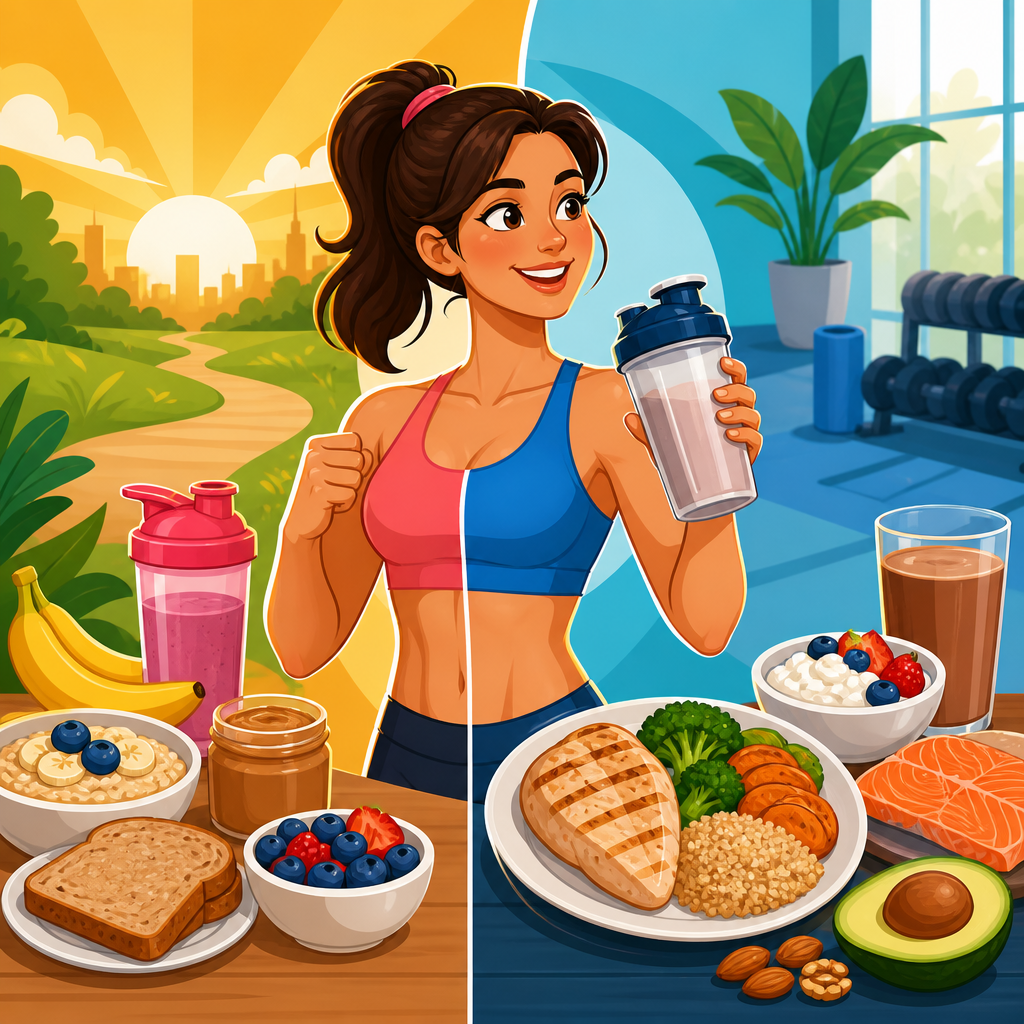
Choosing the best sources of pre-workout vs. post-workout nutrition for optimal health starts with understanding a simple truth: what you eat around training affects performance, recovery, body composition, and long-term consistency. Pre-workout nutrition is the food and fluid you consume before exercise to support energy, focus, and stamina. Post-workout nutrition is the intake after exercise that helps replace glycogen, stimulate muscle protein synthesis, rehydrate the body, and reduce the performance drop-off between sessions. In practice, these two windows are linked rather than competing priorities, because the right pre-workout meal often determines how much post-workout repair is needed.
I have worked with endurance athletes, team-sport players, and general fitness clients long enough to see the same pattern repeatedly: people often chase supplements while neglecting meal timing, food tolerance, and hydration. The best sources of pre-workout and post-workout nutrition are usually familiar whole foods used strategically. For most healthy adults, pre-workout meals emphasize digestible carbohydrates, moderate protein, low to moderate fat, and controlled fiber based on gut tolerance. Post-workout meals prioritize high-quality protein, carbohydrate matched to training demands, fluids, and sodium when sweat losses are meaningful.
This matters because exercise creates predictable physiological demands. Before training, muscles rely heavily on stored glycogen and circulating glucose. During and after training, muscle protein breakdown rises, fluid and electrolyte losses accumulate, and the immune system experiences short-term stress. Nutrition can either support adaptation or make training feel harder than necessary. A runner who begins a long workout under-fueled may fade early, while a lifter who misses protein after repeated sessions may blunt recovery and progress. The goal is not to eat perfectly at all times. The goal is to choose reliable nutrition sources that fit the type, intensity, and timing of your training.
Good choices also depend on context. A 45-minute easy walk has different demands than a 90-minute cycling session, a morning strength workout, or an evening soccer match. Body size, training age, stomach comfort, climate, and schedule all influence what works best. The most effective approach is practical: know what each window is meant to accomplish, build meals around proven food sources, and repeat options that digest well and support consistent performance.
What Pre-Workout Nutrition Should Do
Pre-workout nutrition should provide usable energy, maintain blood glucose, preserve glycogen where possible, reduce hunger, and help you start training hydrated. For high-intensity or long-duration sessions, carbohydrate availability matters most. Sports nutrition guidance from organizations such as the International Society of Sports Nutrition and the American College of Sports Medicine consistently supports carbohydrate intake before demanding exercise, especially when the previous meal was many hours earlier or when athletes train more than once per day.
The best pre-workout sources are foods that digest predictably. Common examples include oatmeal with banana, toast with honey, rice with eggs, low-fat yogurt with fruit, or a turkey sandwich on white or sourdough bread. These work because they supply carbohydrate without excessive fat or fiber, both of which can slow gastric emptying. When training begins within 30 to 60 minutes, simpler foods such as a banana, applesauce, sports drink, or a granola bar are often better tolerated than a large mixed meal.
Protein before exercise is helpful but should not crowd out carbohydrate. Around 20 to 30 grams of high-quality protein within a pre-training meal supports amino acid availability and may reduce muscle protein breakdown. Greek yogurt, milk, eggs, whey protein, tofu, or lean poultry are practical sources. Fat is not inherently bad before exercise, but large amounts from fried food, heavy cream sauces, or big nut butter portions can feel uncomfortable during running, intervals, or field sports.
Hydration belongs in the pre-workout plan. Starting exercise dehydrated raises perceived effort and can reduce power, endurance, and cognitive performance. A simple habit is drinking fluids with meals in the few hours before training and adding sodium if you are a heavy sweater or exercising in heat. For many athletes, water is enough before moderate sessions, while longer or hotter training may justify an electrolyte drink.
Best Food Sources Before Different Types of Training
The best pre-workout food depends on session type. For endurance training lasting more than 60 minutes, carbohydrate-rich foods lead. Bagels, cereal with milk, rice bowls, pancakes, pretzels, bananas, dried fruit, and sports drinks are effective because they top up glycogen and provide rapidly available energy. For strength training, carbohydrates still help performance, but a mixed meal with both carbohydrate and protein is often ideal. Rice and chicken, yogurt with fruit and cereal, or oatmeal with whey protein are common staples that support both output and recovery.
For early morning exercise, appetite and time are limiting factors. In those cases, liquid or semi-solid options are often easiest: a fruit smoothie with milk and whey, drinkable yogurt, a banana with a small protein shake, or toast with jam. For people training after work, the challenge is usually meal timing. A balanced lunch may still support a 5 p.m. session, but many athletes benefit from a top-up snack 60 to 90 minutes beforehand, such as crackers, fruit, or a small sandwich.
Gut tolerance should shape food choice more than trends. Some athletes digest oats well before training; others do better with white rice or toast. High-fiber cereal, beans, large salads, and very spicy meals are nutritious overall but poor choices right before intense exercise for many people. Through repeated trial during practice sessions, not on competition day, you can identify personal best sources.
| Training Situation | Best Pre-Workout Sources | Best Post-Workout Sources | Why They Work |
|---|---|---|---|
| Morning strength session | Banana, whey shake, toast with jam | Eggs, oatmeal, berries, milk | Quick energy before lifting, complete protein and carbohydrate after |
| Long run or ride | Bagel, honey, banana, sports drink | Rice bowl with chicken, fruit, electrolyte drink | Supports glycogen use during endurance work and fast replenishment after |
| Team sport practice | Low-fat yogurt, granola, fruit | Turkey sandwich, pretzels, chocolate milk | Easy digestion, protein plus carbohydrate for repeated sprint recovery |
| Evening gym session | Lunch plus a pre-session snack like crackers or fruit | Salmon, potatoes, vegetables, water | Builds on prior meals and restores nutrients without excess heaviness |
What Post-Workout Nutrition Should Do
Post-workout nutrition should accelerate recovery so you can perform again. Its main jobs are to stimulate muscle protein synthesis, restore glycogen according to training demands, replace fluids, and restore sodium and other electrolytes when losses are high. The post-workout meal is not magic, but it is highly useful, especially after hard sessions, two-a-day training, or inadequate pre-workout intake.
The best post-workout protein sources are complete proteins rich in essential amino acids, particularly leucine, which is a key trigger for muscle protein synthesis. Whey protein is especially effective because it is rapidly digested and leucine-rich. Other strong options include Greek yogurt, milk, cottage cheese, eggs, chicken, tuna, lean beef, soy foods such as tofu and tempeh, and mixed plant proteins that collectively provide a robust amino acid profile. A practical target for many adults is 20 to 40 grams of protein after training, adjusted for body size and total daily intake.
Carbohydrate needs vary. After glycogen-depleting exercise such as long runs, hard cycling sessions, or repeated sprint sports, carbohydrate intake becomes a priority. Rice, pasta, potatoes, bread, cereal, fruit, beans, and recovery drinks all work. If the next demanding session is within eight hours, more aggressive carbohydrate replacement is useful. If training was short or low intensity and the next session is a day away, normal balanced meals usually restore glycogen adequately.
Fluid and sodium are often underappreciated. Sweat losses can exceed one liter per hour in heat, and sodium losses vary dramatically between individuals. Rehydration is not just about drinking water. Salty foods, broth-based soups, electrolyte beverages, milk, and meals containing sodium improve fluid retention. In practice, post-workout recovery improves when athletes replace a meaningful share of sweat losses rather than waiting until thirst becomes pronounced.
Best Food Sources After Exercise for Recovery and Health
The strongest post-workout foods combine protein, carbohydrate, fluid, and micronutrients. Chocolate milk remains a classic example because it provides carbohydrate, protein, fluid, calcium, and sodium in a portable form. A rice bowl with chicken and vegetables works well because rice restores glycogen, chicken provides complete protein, and the meal is easy to scale up for larger athletes. Greek yogurt with berries and granola is excellent after moderate sessions, while eggs with toast and fruit offer a whole-food option many people can prepare quickly.
For athletes prioritizing muscle gain, protein quality and total daily intake matter more than obscure recovery products. Spacing protein across three to five meals, each containing roughly 0.25 to 0.4 grams per kilogram of body weight, supports adaptation better than loading most intake at dinner. Post-workout is simply one especially convenient time to hit that target. For endurance athletes, carbohydrate availability often drives recovery quality, especially during heavy training blocks, so options like bagels, potatoes, rice, cereal, fruit smoothies, and sports drinks have real value.
Plant-based athletes can recover just as effectively with planning. Soy milk, tofu stir-fries, tempeh bowls, edamame, lentil pasta, and pea-soy protein blends are reliable sources. Because some plant proteins are lower in leucine or certain essential amino acids, slightly larger servings or complementary protein sources can be helpful. Pairing tofu with rice and vegetables or a soy protein shake with fruit is a straightforward approach.
Micronutrients should not be ignored. Potassium from potatoes, bananas, and dairy; calcium from milk and yogurt; iron from lean red meat or legumes; and antioxidant compounds from berries, cherries, and colorful vegetables all contribute to health and training resilience. Recovery meals do not need to be clinically perfect, but the best sources are the ones that repeatedly deliver enough energy, enough protein, enough carbohydrate, and enough fluid.
Timing, Common Mistakes, and How to Choose the Right Sources
Timing matters most when training is hard, long, or frequent. If you eat a balanced meal two to three hours before exercise, the urgent need for an additional pre-workout product usually disappears. If you finish training and cannot eat immediately, a protein shake, milk, yogurt, or recovery bar can bridge the gap until a full meal. The often-cited narrow anabolic window is overstated, but waiting many hours after intense exercise to eat is still unnecessary and counterproductive.
The most common pre-workout mistake is eating too little carbohydrate or choosing foods that are technically healthy but poorly timed, such as large salads, greasy takeout, or very high-fiber meals right before activity. The most common post-workout mistake is overemphasizing protein while forgetting carbohydrate and fluids. Another frequent problem is relying on stimulant-heavy pre-workout supplements instead of building a nutrition routine. Caffeine can improve performance when dosed responsibly, typically around 3 to 6 milligrams per kilogram, but it cannot compensate for inadequate glycogen, poor hydration, or chronic under-eating.
Choosing the right sources comes down to four questions: How long is the session? How intense is it? How much time do you have before or after it? What foods do you tolerate well? If the session is short and easy, normal meals are usually enough. If it is long, intense, or repeated within the day, targeted carbohydrate, protein, fluids, and sodium become far more important.
The best sources of pre-workout vs. post-workout nutrition are therefore not fixed lists of “superfoods.” They are context-specific tools. Before training, emphasize digestible carbohydrates, moderate protein, and hydration. After training, prioritize complete protein, carbohydrate matched to the session, and fluid replacement with sodium when needed. Whole foods usually cover these needs better and more affordably than specialty products, though shakes, bars, and sports drinks can be useful for convenience. Build a short list of meals and snacks that you know digest well, support your training, and fit your schedule. Then use them consistently. That repeatable system is what produces optimal health, better recovery, and stronger performance over time.
Frequently Asked Questions
1. What is the difference between pre-workout and post-workout nutrition, and why does it matter?
Pre-workout and post-workout nutrition serve different but complementary purposes. Pre-workout nutrition is designed to prepare the body for exercise by supplying energy, supporting hydration, and helping maintain focus and stamina during training. In most cases, this means eating easily digested carbohydrates for fuel, including some protein when appropriate, and drinking enough fluids beforehand. The goal is to start your workout feeling energized rather than depleted, especially if your session is long, intense, or performance-focused.
Post-workout nutrition, on the other hand, is centered on recovery. After exercise, the body is primed to restore glycogen stores, repair muscle tissue, replace fluids and electrolytes, and begin adapting to the training stress you just created. A balanced post-workout meal or snack typically emphasizes protein to stimulate muscle protein synthesis and carbohydrates to replenish energy stores. This matters because even the best training plan can be undermined by poor fueling. Consistently choosing the right foods before and after exercise can improve workout quality, support body composition goals, reduce excessive fatigue, and make it easier to stay healthy and consistent over time.
2. What are the best foods to eat before a workout for energy, focus, and stamina?
The best pre-workout foods are usually those that provide digestible carbohydrates, moderate amounts of protein, and minimal quantities of foods that may slow digestion or cause stomach discomfort right before exercise. Good carbohydrate sources include bananas, oats, rice, toast, potatoes, applesauce, yogurt with fruit, or a simple smoothie. These foods can help maintain blood glucose and supply muscles with readily available energy. If your workout is especially intense or lasts longer than an hour, carbohydrates become even more important because they help preserve performance and delay fatigue.
Protein before a workout can also be useful, particularly if there will be several hours before your next meal or if you are aiming to support muscle maintenance or growth. Examples include Greek yogurt, eggs, cottage cheese, milk, protein smoothies, or lean turkey on toast. Timing and portion size matter. A larger meal is usually better tolerated two to four hours before training, while a smaller snack often works best 30 to 90 minutes before exercise. If you are sensitive to gastrointestinal distress, avoid very high-fat, very high-fiber, or overly spicy foods close to your session. Ultimately, the best pre-workout source is one that matches your training type, fits your schedule, and leaves you feeling fueled rather than heavy or uncomfortable.
3. What should you eat after a workout to support recovery and optimal health?
A strong post-workout meal should help your body recover by delivering protein, carbohydrates, and fluids. Protein is especially important after training because it provides the amino acids needed to repair and rebuild muscle tissue. High-quality options include eggs, Greek yogurt, cottage cheese, milk, chicken, fish, tofu, tempeh, edamame, lean beef, or a well-formulated protein shake. Carbohydrates are also important because they help refill glycogen stores that are reduced during exercise, particularly after endurance training, interval work, or high-volume resistance sessions. Good choices include rice, potatoes, fruit, oats, whole grain bread, quinoa, beans, or pasta.
The ideal post-workout meal does not have to be complicated. A rice bowl with chicken and vegetables, Greek yogurt with berries and granola, a turkey sandwich with fruit, or a smoothie with milk, protein, banana, and oats can all work well. Rehydration also deserves attention, especially if you sweat heavily. Water may be enough for many people, but after long or very sweaty sessions, sodium and other electrolytes may be helpful. While the idea of a tiny “anabolic window” is often exaggerated, it is still smart to eat within a reasonable time after training, especially if you exercised fasted or if several hours will pass before your next full meal. The big picture is choosing recovery foods that are nutrient-dense, practical, and easy to repeat consistently.
4. How important is timing for pre-workout and post-workout meals?
Timing matters, but it is not more important than total daily nutrition. For pre-workout eating, the closer you get to exercise, the smaller and simpler your meal should usually be. A balanced meal eaten two to four hours before training often works well because it gives the body enough time to digest carbohydrates, protein, and a modest amount of fat. If you only have 30 to 60 minutes before exercise, a lighter snack such as a banana, toast with honey, applesauce, or a small yogurt is often a better option. This approach can provide usable energy without increasing the risk of bloating or stomach upset.
For post-workout nutrition, the best approach is to think in terms of a recovery window rather than a single urgent deadline. Eating protein and carbohydrates within roughly one to two hours after exercise is a practical target for most people, especially after hard training or if your goal includes muscle gain, performance improvement, or better recovery between sessions. Timing becomes more important if you train multiple times per day, exercise on an empty stomach, or have very high training demands. Still, the most effective strategy is one you can maintain regularly. A perfectly timed recovery shake does not compensate for poor nutrition the rest of the day, while a well-structured eating pattern built around quality meals usually produces the best long-term results.
5. How do you choose the best pre-workout and post-workout nutrition for your specific goals and workout type?
The best nutrition choices depend on your goal, training intensity, duration, and personal tolerance. If your main priority is endurance or high-volume training, carbohydrates deserve more emphasis before and after exercise because they support sustained performance and help restore glycogen afterward. If your focus is strength training, body recomposition, or muscle gain, protein becomes especially important across the day, with smart carbohydrate intake around workouts still playing a major role. If fat loss is the goal, pre- and post-workout nutrition should still support performance and recovery rather than being skipped automatically. Under-fueling can reduce workout quality, increase cravings later, and make consistency harder.
It is also important to match your food choices to the type of workout. A short, easy walk may not require a dedicated pre-workout snack, while a long run, intense cycling session, heavy lifting workout, or competitive sport usually benefits from more deliberate fueling. Individual digestion matters too. Some people perform well with oatmeal before training, while others do better with a liquid smoothie or a piece of fruit. The best way to find your ideal sources is to test a few structured options and pay attention to energy, comfort, hunger, and recovery. Choose foods that are rich in nutrients, realistic for your routine, and aligned with your broader health habits. The most effective plan is rarely the most extreme one. It is the one that helps you train well, recover fully, and stay consistent week after week.