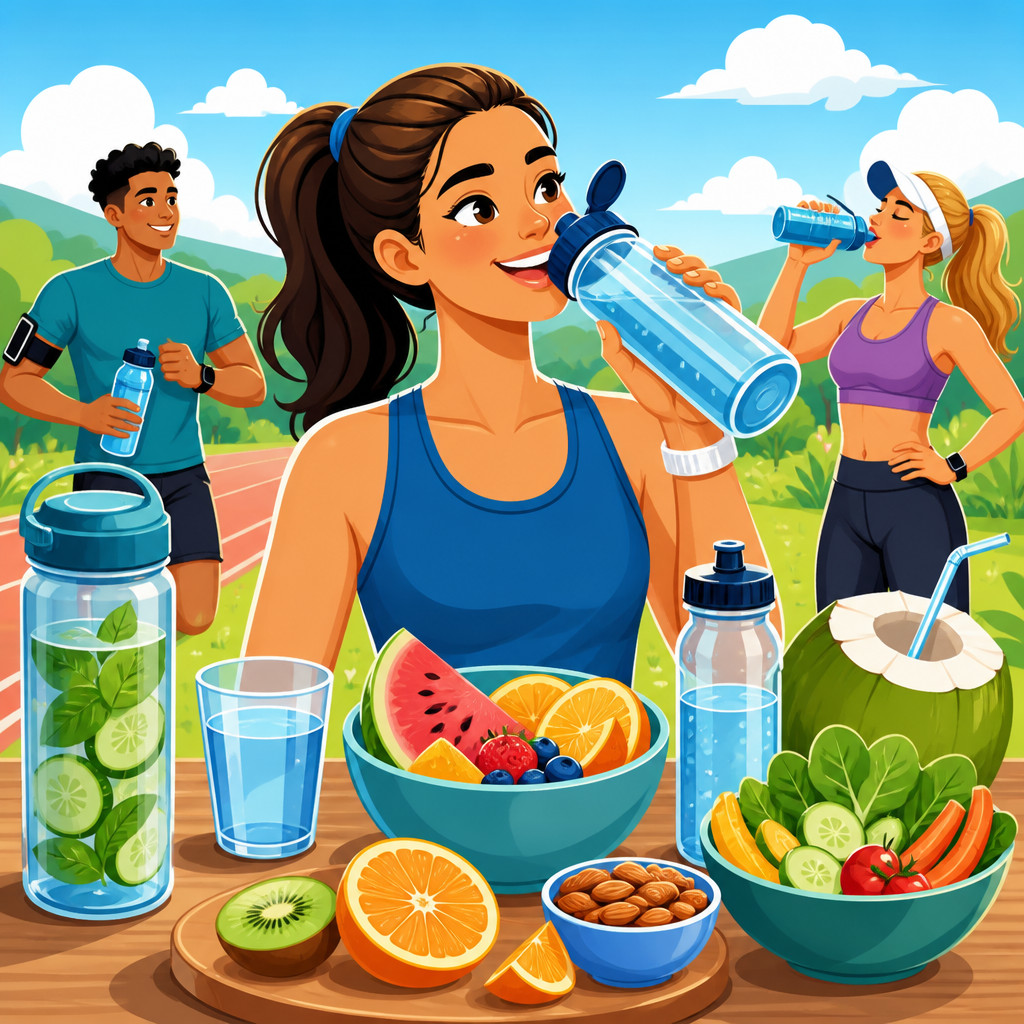
Hydration strategies for athletes directly influence endurance, power output, recovery, thermoregulation, and decision-making during training and competition. In sports nutrition practice, I have seen athletes spend months refining protein intake and race fueling while ignoring the simplest performance lever: consistent fluid and electrolyte planning. Hydration is not just drinking water. It includes total fluid intake, sodium balance, carbohydrate delivery, sweat-rate assessment, and timing before, during, and after exercise. For athletes, dehydration means a measurable loss of body water that can impair blood volume, increase cardiovascular strain, raise perceived effort, and reduce heat tolerance. Overhydration is also a risk, especially in long events, because excessive plain water can dilute blood sodium and contribute to exercise-associated hyponatremia. That is why effective hydration strategies for athletes must be individualized to the sport, session duration, climate, body size, sweat rate, and gastrointestinal tolerance.
A practical hydration plan belongs inside the daily diet, not just in a bottle on game day. Foods with high water content, routine sodium intake, pre-session meal composition, and recovery snacks all shape hydration status. Milk, yogurt, fruit, soups, potatoes, rice, and smoothies can support hydration as effectively as many sports drinks when used at the right times. The goal of this hub article is to explain how to incorporate more hydration strategies for athletes into your diet in a way that is structured, realistic, and evidence-based. You will learn how much to drink, when to add electrolytes, how to use hydration-focused foods, how to monitor hydration status, and how to adjust for endurance events, team sports, strength training, and hot-weather competition. If you want a framework that supports performance every day, this is where to start.
Why hydration matters for athletic performance
Hydration matters because water is the medium for nearly every performance-related process in the body. It helps maintain plasma volume, supports nutrient transport, regulates body temperature through sweating, lubricates joints, and allows muscle contractions and nerve signaling to occur efficiently. When athletes lose fluid through sweat and do not replace enough of it, heart rate rises faster at a given workload, core temperature climbs more quickly, and the session feels harder than it should. Even modest dehydration can reduce high-intensity repeat efforts, skill execution, and concentration, particularly in hot or humid settings.
The performance effect depends on context. A two percent body-mass loss during a cool, steady run may be manageable for one trained athlete, while the same level of dehydration during a tournament, road race, or long practice in heat can significantly reduce output. I have seen field athletes cramp late in sessions not because they were “low on potassium,” as commonly assumed, but because they started training underhydrated, consumed too little sodium, and accumulated a large sweat deficit over several hours. Hydration strategies for athletes work best when they begin well before fatigue appears.
Hydration also affects recovery. After hard sessions, athletes need fluid to restore normal blood volume, support glycogen replenishment, and deliver amino acids, glucose, and minerals to muscle tissue. If rehydration is delayed, appetite often drops, recovery nutrition becomes less effective, and the next training session starts at a disadvantage. This is especially relevant for athletes who train twice daily or compete on consecutive days. In those settings, hydration is not an accessory habit. It is part of recovery nutrition.
How to assess your hydration needs
The most useful starting point is sweat rate. Sweat losses vary dramatically between athletes, often from less than 0.5 liters per hour to more than 2 liters per hour depending on body size, intensity, clothing, acclimatization, and weather. To estimate sweat rate, weigh yourself before and after a training session with minimal clothing, track how much you drank, and account for urine losses if possible. Each kilogram of body mass lost is roughly equivalent to one liter of fluid. This simple method gives a practical estimate for future sessions and helps prevent both underdrinking and overdrinking.
Urine color can help, but it is not enough on its own. Pale yellow usually suggests acceptable hydration, while very dark urine can indicate a need for more fluids. However, first-morning urine is naturally more concentrated, vitamin supplements can change color, and a single reading does not capture rapid sweat losses during exercise. A better system combines body-weight trends, thirst, urine patterns, training environment, and symptoms such as headache, unusual fatigue, elevated perceived exertion, or dizziness.
Daily fluid needs are not fixed. A smaller athlete doing a light gym session indoors may need far less than a football player in preseason heat. A practical baseline for many athletes is to drink regularly across the day with meals and snacks, then adjust around training. Rather than chasing an arbitrary gallon target, build hydration strategies for athletes around actual demand. That means more fluid and sodium on heavy sweat days, less on rest days, and higher attention when travel, altitude, or illness increase losses.
Building hydration into your daily diet
The easiest way to improve hydration is to stop treating it as separate from food. Many athletes do better when fluids are anchored to routine eating occasions. Drink at breakfast, lunch, dinner, and each snack. Include water-rich foods such as oranges, berries, melon, cucumbers, tomatoes, soups, oats, yogurt, and smoothies. These foods contribute meaningful fluid while also providing carbohydrate, protein, vitamins, and minerals that support performance. In practice, athletes who eat structured meals often hydrate better than athletes who graze inconsistently and try to compensate with random bottle refills.
Sodium deserves more attention than it usually gets. It is the main electrolyte lost in sweat, and it helps the body retain consumed fluid. Athletes who train for long periods, sweat heavily, or leave visible salt stains on clothing may need more sodium than the general population. That does not automatically mean high-dose supplements. Often it means salting meals appropriately and including naturally sodium-containing foods such as broth, bread, cheese, cottage cheese, pickles, or sports drinks around key sessions. The right amount depends on sweat sodium concentration, total losses, and medical context, but very low-sodium diets can make rehydration harder for hard-training athletes.
Carbohydrate-containing fluids also have a place. During longer or harder sessions, beverages with roughly 6 to 8 percent carbohydrate can support both hydration and energy delivery without slowing gastric emptying excessively. For example, a cyclist riding ninety minutes at moderate to high intensity may benefit more from a sports drink than from plain water because the drink supplies sodium and usable carbohydrate at the same time. For short, easy sessions, water and normal meals are usually enough. Matching the drink to the session is a core principle of smart hydration.
| Situation | Best hydration approach | Diet example |
|---|---|---|
| Easy workout under 60 minutes | Water before and after, normal meals | Greek yogurt, fruit, oats, and a glass of water |
| Hard workout 60 to 90 minutes | Water or light electrolyte drink depending on sweat rate | Rice bowl with chicken, vegetables, and salted broth |
| Endurance session over 90 minutes | Sports drink with sodium and carbohydrate | Bagel with peanut butter, banana, and sports drink |
| Two-a-day training | Aggressive rehydration after session one | Recovery smoothie, pretzels, and a turkey sandwich |
| Hot or humid competition | Preload fluids and sodium, monitor body mass | Pasta meal, salted potatoes, watermelon, and electrolyte drink |
Pre-exercise hydration strategies
Pre-exercise hydration starts several hours before activity, not in the locker room. A useful target is to drink enough with meals and snacks so that urine is pale and the athlete begins exercise without excessive thirst. In practical terms, many sports dietitians use a pre-exercise window of about two to four hours for purposeful fluid intake, then a smaller top-up closer to the session if needed. This spacing allows time for absorption and urine output so athletes are not carrying unnecessary stomach volume into warm-ups.
The meal matters as much as the beverage. A pre-event breakfast that includes oats, fruit, yogurt, toast, and a lightly salted egg dish supports hydration better than dry foods alone. Sodium with the meal helps retain fluid, and carbohydrate supports liver and muscle glycogen before work begins. For early morning training, when there is less time to eat, a banana, toast, applesauce, or a liquid meal plus fluids may be more tolerable. Athletes with sensitive stomachs should rehearse pre-session hydration in training, not experiment on competition day.
In hot conditions or before long events, some athletes benefit from a sodium-containing beverage in the hours before the start. This is especially true for known salty sweaters or athletes with a history of large body-mass losses. The exact amount varies, but the principle is simple: preloading can reduce the likelihood of beginning exercise already behind. The mistake I most often see is drinking a large amount of plain water immediately before the session and assuming the job is done. That approach can increase bathroom trips without meaningfully improving hydration status.
Hydration during training and competition
During exercise, the aim is to limit excessive fluid losses without trying to replace every drop of sweat in real time. Most athletes perform well when they drink according to a plan informed by thirst, access, and sweat rate. In shorter sessions, especially those under an hour in mild weather, fluid during exercise may be optional. In longer sessions, interval work, tournaments, and heat, it becomes much more important. Team sport athletes often need a strategy built around breaks in play, while runners and cyclists must account for carrying capacity and course support.
Electrolytes are most useful when sweat losses are substantial. Sodium in a drink improves palatability, encourages fluid intake, and helps maintain plasma osmolality. For endurance athletes, a drink that also contains carbohydrate can preserve performance by sparing glycogen and maintaining blood glucose. For example, during a two-hour long run, a sports drink combined with gels may support both hydration and pacing better than water alone. In contrast, a lifter doing forty-five minutes of strength work in a cool gym usually needs only water before and after the session.
Personal tolerance matters. Some athletes can drink larger boluses infrequently, while others do better sipping every ten to fifteen minutes. Gastric comfort, sweetness preference, and bottle temperature all affect adherence. I have found that athletes follow hydration plans far more consistently when the beverage tastes acceptable and the logistics are simple. A perfect plan that cannot be executed on the field, in the pool, or on the road is not a useful plan.
Post-exercise rehydration and recovery
Post-exercise hydration should replace fluid losses and restore electrolytes, especially when another session is coming soon. If body mass dropped significantly, the athlete generally needs more than the exact amount lost because some of the fluid consumed will be excreted. Pair fluids with sodium-containing foods or drinks to improve retention. Recovery meals that include both carbohydrate and protein are ideal because they also accelerate glycogen resynthesis and muscle repair. Chocolate milk, a smoothie with fruit and yogurt, rice with lean protein, soup with bread, or a turkey wrap with pretzels can all work.
Alcohol deserves caution. It can interfere with fluid retention, disrupt sleep, and reduce recovery quality after competition. Caffeine is more nuanced. Moderate caffeine intake does not automatically dehydrate habitual users, but highly caffeinated beverages should not be the main recovery fluid after major sweat losses. Water, milk, oral rehydration solutions, and sports drinks are generally more effective choices in that window.
If an athlete finishes a session with nausea, cramping, or an inability to eat, start with small amounts of cool fluid and easy carbohydrates, then build toward a full meal as tolerance returns. Recovery is often better when the first twenty to thirty minutes are planned in advance. Keeping fluids, sodium-rich snacks, and a carbohydrate-protein option in a gym bag or team cooler removes guesswork when fatigue is high.
Adjusting hydration for different sports and environments
Hydration strategies for athletes should change by sport. Endurance athletes usually need the most structured plans because training duration is long and access may be limited. Team sport athletes face intermittent high-intensity efforts and often practice in heat while wearing heavy equipment, making sodium and planned breaks important. Strength and power athletes may underestimate sweat losses because sessions occur indoors, yet dense training blocks and warm facilities can still produce large deficits. Swimmers and winter athletes also dehydrate, even though they may not feel sweaty, because respiratory and unnoticed fluid losses still occur.
Environment changes everything. Heat and humidity raise sweat rates and make evaporation less effective. Altitude can increase respiratory fluid loss, and air travel often leaves athletes mildly dehydrated before they even arrive at an event. Illness, especially vomiting, diarrhea, or fever, requires a more medical approach and may justify oral rehydration solutions rather than standard sports drinks. Female athletes, adolescent athletes, and masters athletes can all use the same hydration principles, but body size, hormone-related fluid shifts, and medication use may influence execution.
The biggest takeaway is simple: build hydration into meals, use sweat data when possible, add sodium strategically, and match fluids to the demands of the session. That approach is more effective than generic advice to “drink more water.” Athletes perform better when hydration is individualized, rehearsed, and connected to the rest of the diet. Start by tracking one week of training, fluids, and body-weight changes, then adjust your plan for the sessions that matter most. Consistent hydration is not complicated, but it does require intent. Put that plan into practice now, and your diet will support performance more completely every day.
Frequently Asked Questions
1. What does hydration really mean for athletes, and why is it more than just drinking water?
For athletes, hydration is the full strategy of maintaining fluid balance, electrolyte status, and effective nutrient delivery before, during, and after exercise. Water is an essential part of that equation, but it is only one piece. When you train hard, you lose not just fluid through sweat, but also sodium and smaller amounts of other electrolytes. In longer or more intense sessions, hydration can also involve carbohydrate intake because fluids are often one of the most practical ways to deliver energy while helping preserve endurance, coordination, and pacing.
Athletic hydration directly affects thermoregulation, cardiovascular efficiency, muscle function, and cognitive performance. Even modest dehydration can increase perceived exertion, raise heart rate, reduce power output, and make decision-making less sharp. That matters in every setting, from long-distance running and cycling to team sports, strength sessions, and hot-weather training. Good hydration practices can support better consistency, especially when athletes want to maintain quality late in a workout or competition.
In practical terms, hydration should be treated like any other part of sports nutrition planning. That means considering your total fluid intake across the day, matching fluid and sodium intake to your sweat losses, using beverages strategically when training is long enough to require carbohydrates, and paying attention to timing. Athletes often focus heavily on protein or race-day fueling but overlook everyday hydration habits, even though they influence nearly every aspect of performance and recovery.
2. How can athletes incorporate more effective hydration strategies into their daily diet?
The most effective approach is to build hydration into your normal eating pattern instead of treating it as an emergency response to thirst. Start by distributing fluid intake across the day. Drinking only during training is rarely enough, especially if you begin a workout already underhydrated. A better system is to drink regularly with meals, between meals, and around training sessions. Pairing fluids with routine habits such as breakfast, lunch, dinner, snacks, and post-workout recovery makes consistency much easier.
Your diet can also contribute meaningfully to hydration. Many foods contain substantial amounts of water, including fruit, vegetables, yogurt, milk, soups, smoothies, and cooked grains. Including these foods can improve total hydration status without feeling like you are forcing down more plain water. For athletes who sweat heavily, meals should also provide enough sodium. Sodium helps the body retain fluid and supports normal muscle and nerve function. Depending on training load, climate, and sweat rate, this may mean using salted meals, broths, electrolyte beverages, or sports drinks more intentionally rather than relying on plain water alone.
Another useful strategy is matching the type of hydration to the training demand. For shorter, lower-intensity sessions, water and normal meals may be sufficient. For longer sessions, especially those lasting more than 60 to 90 minutes, many athletes benefit from drinks that contain both sodium and carbohydrate. That combination helps replace sweat losses while also supporting energy availability. If your goal is to incorporate more hydration strategies into your diet, think beyond bottles of water and build a plan that includes fluid-rich foods, appropriately salted meals, and performance-oriented beverages when needed.
3. How do I know how much fluid and sodium I actually need as an athlete?
There is no single hydration prescription that works for every athlete because sweat rate and sodium loss vary widely. Body size, training intensity, duration, fitness level, clothing, environment, and genetics all influence how much you lose. One athlete may finish a session with minimal fluid loss, while another may lose liters of sweat and significant sodium in the same conditions. That is why personalized hydration planning is so valuable.
A practical starting point is to assess your sweat rate. Weigh yourself before and after a training session under similar conditions, accounting for any fluid consumed during exercise. The change in body weight gives you a useful estimate of fluid loss. Repeating this in different environments, such as cool indoor sessions versus hot outdoor workouts, can help you understand how your needs change. If you routinely finish sessions with large body weight losses, strong salt stains on clothing, muscle cramping associated with heavy sweating, or pronounced fatigue in the heat, it may suggest that your hydration and sodium intake need more structure.
Sodium needs are especially individual. Some athletes are very salty sweaters and lose a substantial amount of sodium in training. In those cases, replacing fluid with plain water alone may not be enough and can sometimes dilute sodium levels if intake is excessive. A more effective strategy can include sports drinks, electrolyte mixes, salted snacks, or adding sodium to meals before and after training. The goal is not to guess perfectly every day, but to identify patterns and adjust. If you train frequently, sweat heavily, or compete in hot conditions, working with a sports dietitian can help you refine specific targets for fluid, sodium, and carbohydrate intake.
4. What should athletes drink before, during, and after workouts or competitions?
Before exercise, the aim is to start adequately hydrated rather than trying to catch up at the last minute. That usually means drinking consistently throughout the day and including fluids with your pre-exercise meal or snack. If you are training early in the morning, this may require a more intentional routine the night before and upon waking. Some athletes do well with water, while others benefit from a beverage containing sodium, particularly if they are heading into a long session, hot environment, or a workout where they know they sweat heavily.
During exercise, the best choice depends on duration, intensity, and sweat loss. For many workouts under an hour, water may be enough if you start well hydrated and conditions are moderate. As duration and intensity increase, hydration usually needs to become more targeted. In longer sessions, especially endurance work or repeated high-intensity efforts, a sports drink or electrolyte beverage with carbohydrates can help maintain blood glucose, support endurance, and encourage better fluid absorption. Team sport athletes, runners, cyclists, and triathletes often perform better when they practice drinking to a plan instead of relying only on thirst in demanding conditions.
After exercise, recovery hydration should focus on replacing what was lost while also restoring electrolytes and supporting glycogen and muscle recovery. Water can be part of that, but drinks containing sodium may improve fluid retention, and recovery meals or snacks should contribute both carbohydrate and protein. Milk, smoothies, broth-based meals, sports drinks, fruit, yogurt, and balanced meals all fit into this process. The key point is that post-workout hydration is not separate from nutrition. The best recovery plans restore fluid, sodium, and energy together so the athlete is better prepared for the next session.
5. What are the most common hydration mistakes athletes make, and how can they avoid them?
One of the biggest mistakes is waiting until thirst becomes intense before drinking. Thirst is useful, but in many training and competition settings it is not enough as a complete strategy, especially during long sessions or exercise in heat. Another common mistake is assuming that drinking large amounts of plain water automatically means you are well hydrated. If you lose substantial sodium in sweat, plain water alone may not adequately replace what is being lost, and in some cases can leave you feeling flat, bloated, or under-recovered.
Athletes also frequently under-plan hydration around logistics. They may have a strong fueling routine for race day but no reliable plan for access to fluids during normal training, travel, tournaments, or double-session days. Skipping hydration structure between sessions can quietly reduce training quality, increase fatigue, and make recovery less effective. Others make the opposite error and overdrink because they assume more is always better. Hydration should be appropriate and intentional, not excessive.
To avoid these problems, create a simple system. Track your response to training, monitor body weight trends around key sessions, note how much you sweat in different environments, and choose fluids based on the workout demand. Include sodium when losses are high, use carbohydrate-containing beverages when sessions are long or intense, and let your meals contribute to hydration with fluid-rich foods and adequately salted options. Most importantly, practice your hydration strategy in training, not just competition. The athletes who perform best are usually not the ones chasing hydration after the fact, but the ones who make it a regular part of their diet and preparation.