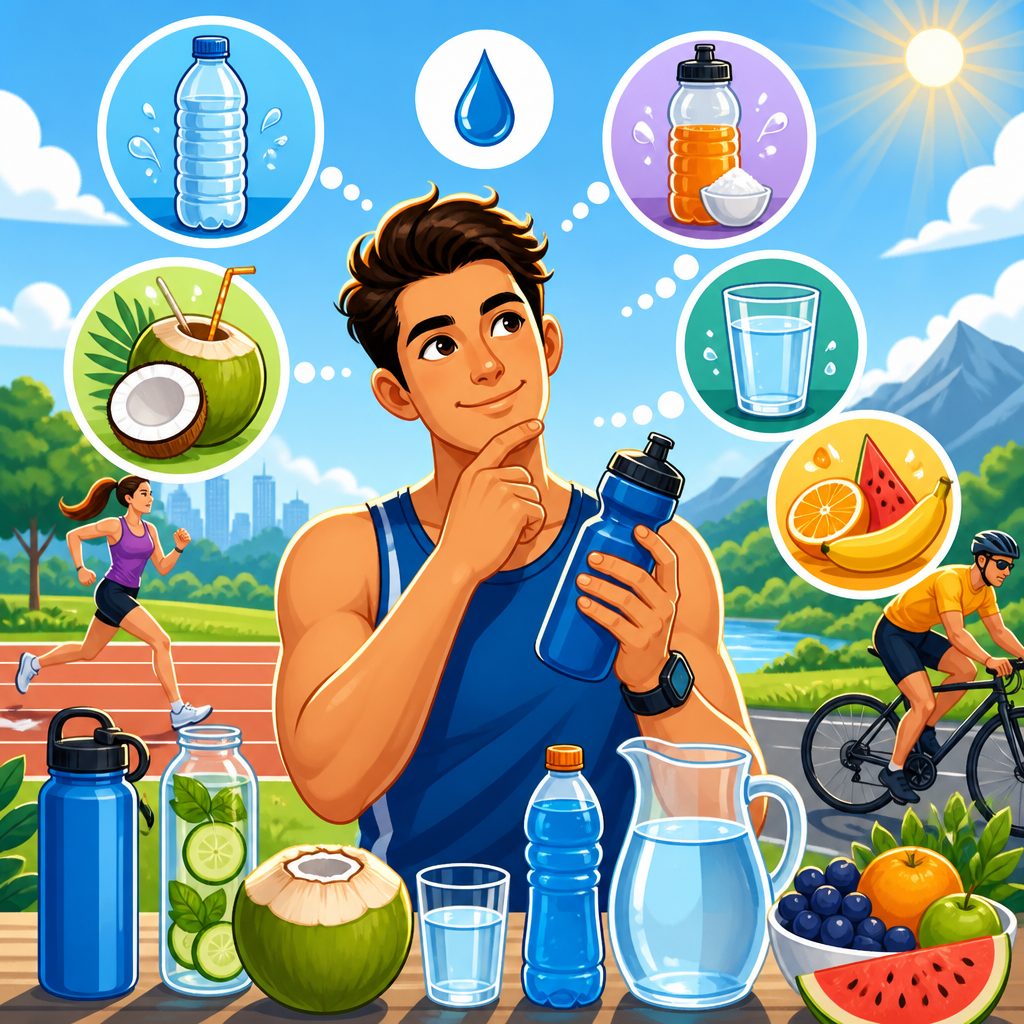
Choosing the best sources of hydration strategies for athletes for optimal health starts with one practical truth: performance drops fast when fluid and electrolyte intake do not match training demands. In sports nutrition, hydration means maintaining body water balance before, during, and after exercise, while also replacing electrolytes lost through sweat. For athletes, that balance affects endurance, strength, coordination, thermoregulation, heart rate, recovery, and even decision-making under fatigue. I have built hydration plans for endurance runners, field sport athletes, and weight-class competitors, and the pattern is always the same: athletes who treat hydration as a system, not a last-minute drink choice, perform more consistently and recover better. This topic matters because dehydration of as little as 2 percent of body mass can impair endurance capacity, increase perceived exertion, and raise core temperature, while overdrinking plain water can dilute blood sodium and create hyponatremia risk. A good hydration strategy is therefore not simply about drinking more. It is about choosing the right fluids, timing intake correctly, estimating sweat losses, and adapting to climate, exercise duration, and individual tolerance. This hub article explains the complete framework athletes need to make smart hydration decisions across training and competition.
What hydration strategies for athletes actually include
Hydration strategies for athletes include far more than a water bottle on the sideline. A complete plan covers pre-exercise hydration status, fluid intake during activity, post-exercise rehydration, sodium replacement, carbohydrate concentration, and practical access during training or competition. The American College of Sports Medicine and the National Athletic Trainers’ Association both emphasize individualized drinking plans because sweat rate varies widely, often from about 0.5 to more than 2.0 liters per hour depending on body size, intensity, environment, clothing, and heat acclimatization. In practice, that means one athlete may finish a 90-minute session with minimal losses while another loses more than 2 kilograms. The best source of hydration is the one that matches the situation. Water is often enough for short, low-intensity sessions under an hour, especially in cool weather. Sports drinks become more useful when exercise lasts longer than 60 minutes, when sweat losses are high, or when carbohydrate availability influences performance. Oral rehydration solutions, milk, smoothies, broth-based fluids, and high-water foods also play roles, especially in recovery. Athletes should think in categories: baseline daily hydration, training hydration, competition hydration, and recovery hydration. Each category has a different goal, and confusing them leads to common mistakes like under-salting in heat or relying on sugary drinks all day when plain fluids and meals would do the job better.
The best fluid sources before, during, and after exercise
Before exercise, the best fluid source is usually water or a sodium-containing beverage consumed early enough to absorb well. A practical target is 5 to 10 milliliters per kilogram of body weight in the two to four hours before training, then a smaller top-up closer to the session if urine remains dark or the environment is hot. During exercise, water is the best source for short sessions, but sports drinks are often the best source for longer or harder work because they deliver fluid, sodium, and carbohydrate at the same time. Most effective sports drinks contain roughly 6 to 8 percent carbohydrate, which supports gastric emptying and intestinal absorption better than overly concentrated products. For post-exercise recovery, the best source depends on how quickly the athlete must train again. If there is another session the same day, sodium-containing beverages, recovery shakes, or milk can work well because they help retain fluid and contribute protein and carbohydrate. If the next session is not until tomorrow, water plus a balanced meal is usually enough.
| Hydration source | Best use | Main benefit | Limitation |
|---|---|---|---|
| Water | Short sessions, daily hydration | Accessible, effective, low cost | Does not replace sodium or carbohydrate |
| Sports drink | Exercise over 60 minutes, heat, high sweat loss | Provides fluid, sodium, carbohydrate | Can add unnecessary sugar in low-demand sessions |
| Electrolyte drink | Heavy sweaters, long events, low-carb fueling plans | Replaces sodium with minimal calories | Does not provide meaningful energy |
| Milk or recovery shake | Post-exercise recovery | Supports rehydration, protein, glycogen restoration | May not suit lactose intolerance or immediate gut sensitivity |
| Oral rehydration solution | Severe sweat loss, illness, rapid rehydration | High sodium improves fluid retention | Often less palatable for casual use |
In the field, I often see team-sport athletes improve second-half output simply by moving from plain water to a drink with sodium and carbohydrate during hot matches. The change is not dramatic because the brand is special. It works because the fluid composition finally matches the physiology of repeated sprinting in heat.
Electrolytes, sodium loss, and why plain water is not always enough
Electrolytes are minerals that help regulate fluid balance, nerve signaling, and muscle contraction. For athletes, sodium matters most because it is the primary electrolyte lost in sweat, though potassium, chloride, magnesium, and calcium also contribute to function. Sweat sodium concentration varies greatly, but many athletes lose somewhere around 500 to 1,000 milligrams of sodium per liter of sweat, with some salty sweaters losing much more. White streaks on clothing, frequent muscle cramping in hot conditions, and stinging sweat in the eyes can all suggest high sodium loss, though formal sweat testing gives the clearest picture. Plain water is not always enough because it replaces volume without replacing the sodium needed to retain fluid and support plasma osmolality. In long events, especially marathons, triathlons, and multi-hour cycling sessions, heavy water intake without sufficient sodium can contribute to exercise-associated hyponatremia. That condition is uncommon but serious. It can cause nausea, headache, confusion, swelling, and in severe cases seizures. The solution is not to fear water. It is to match water with sodium when conditions require it. For most athletes in moderate sessions, normal meals cover electrolyte needs. For heavy sweaters, long-duration athletes, and anyone training repeatedly in the heat, sodium planning becomes essential rather than optional.
How to calculate sweat rate and build an individualized hydration plan
The most reliable starting point for individualized hydration strategies for athletes is sweat-rate testing. The method is simple and useful. Weigh the athlete before exercise, track how much fluid they drink, note any urine passed, then weigh again after the session in similar clothing. Every kilogram of body mass lost is roughly one liter of fluid deficit. Add consumed fluid back into that total to estimate hourly sweat rate. For example, if a soccer player loses 0.8 kilograms during a one-hour training session and drinks 0.5 liters, estimated sweat loss is about 1.3 liters per hour. That number helps set a drinking target. The goal is usually not to replace 100 percent of sweat loss during exercise, since full replacement can be impractical and unnecessary. A common working target is to limit body mass loss to less than about 2 percent, while avoiding weight gain from overdrinking. I prefer athletes test sweat rate in different settings: indoor versus outdoor, cool versus hot, easy versus race pace. The numbers often change dramatically. Once sweat rate is known, athletes can choose bottle size, aid-station frequency, sodium dose, and beverage type with much more confidence. This is where hydration planning becomes a repeatable performance tool instead of guesswork.
Hydration needs by sport, climate, and training goal
Different sports create different hydration problems. Endurance athletes face prolonged fluid and sodium losses, so they benefit most from structured drinking plans and portable carbohydrate-electrolyte solutions. Team-sport athletes such as football, rugby, soccer, and basketball often deal with intermittent high-intensity work, limited drink access, and hot uniforms, which means pre-hydration and opportunities at breaks matter more than many realize. Strength and power athletes may underestimate hydration because sessions are shorter, yet dehydration still reduces training quality, concentration, and power output, particularly in warm gyms or during circuit work. Combat-sport and weight-class athletes require special caution because rapid weight cutting through dehydration compromises cognition, cardiovascular strain, and safety. Climate changes everything. In hot and humid conditions, sweat rate rises while evaporation becomes less effective, increasing core temperature and fluid demand. At altitude, respiratory water loss increases and thirst can lag behind need. In cold weather, athletes often drink less despite ongoing losses from breathing and layered clothing. Training goal matters too. A low-intensity recovery walk does not require the same fluid composition as a two-hour tempo run, nor does a glycogen-depleted session call for the same carbohydrate concentration as a match-day effort. The best hydration source is therefore always contextual, not universal.
Common mistakes athletes make with hydration
The most common mistake is waiting for thirst to become the whole plan. Thirst is useful, but it often lags behind fluid needs during hard exercise, especially in heat. Another mistake is assuming all athletes need the same amount. Generic advice like “drink eight glasses a day” is almost meaningless for a swimmer, a marathoner, and a desk worker. I also see athletes overrely on plain water during long sessions, then wonder why they fade late or develop headaches afterward. Others go the opposite direction and sip sports drinks all day, adding calories without a performance reason. Some athletes ignore sodium entirely even when their clothing is covered in salt. Others use highly concentrated pre-workout drinks or fruit juices before training, then experience stomach sloshing because the beverage empties too slowly. Post-exercise underhydration is another frequent error. Finishing a hard session and drinking only a small bottle rarely restores losses, particularly when the athlete has another practice later. Finally, many athletes never test their plan in training before race day. That is avoidable. Hydration strategy should be rehearsed under realistic conditions just like pacing, footwear, or fueling. Nothing about fluid choice should be experimental on competition morning.
Choosing practical hydration products, foods, and monitoring methods
When selecting hydration products, athletes should read labels with a performance lens. The important details are sodium per serving, total carbohydrate concentration, serving size, and tolerability. For prolonged exercise, many athletes do well with 300 to 700 milligrams of sodium per liter and 30 to 60 grams of carbohydrate per hour, though endurance events lasting over 2.5 hours may justify higher carbohydrate intake if the gut is trained. Sports drink powders from established brands like Gatorade, Powerade, Maurten, Precision Fuel and Hydration, Skratch Labs, and Tailwind differ mainly in sodium density, carbohydrate type, and texture, so the right choice depends on event demands and stomach tolerance. Foods also contribute significantly. Fruit, yogurt, soups, oats, rice, potatoes, and salted meals support hydration by supplying water, sodium, and glycogen-building carbohydrate. Monitoring does not need to be complicated. Morning body weight trends, urine color, thirst, and training output provide useful daily signals, while smart bottles, sweat patches, and urine specific gravity testing offer more detail when needed. The best system is the one the athlete will actually follow consistently. Start with sweat-rate data, pick fluids that fit the sport, and review outcomes after key sessions. Build your hydration strategy now so health and performance improve together.
Frequently Asked Questions
What makes a hydration strategy effective for athletes?
An effective hydration strategy does more than tell an athlete to drink more water. It matches fluid and electrolyte intake to the type of exercise, training duration, intensity, environment, and the athlete’s individual sweat rate. The goal is to maintain body water balance before, during, and after activity so the body can support endurance, strength, coordination, temperature regulation, circulation, and recovery. When hydration is poorly managed, athletes often see a rapid decline in performance through earlier fatigue, a higher heart rate, reduced focus, slower reaction time, and greater perceived exertion.
The best strategies are planned, not guessed. That usually means beginning exercise well hydrated, drinking at regular intervals during training or competition, and replacing both fluid and sodium afterward. Sweat losses vary widely from one athlete to another, so a strong plan often includes tracking body weight changes before and after sessions to estimate fluid needs. In shorter, lower-intensity workouts, water may be enough. In longer sessions, especially those lasting more than an hour or taking place in hot or humid conditions, electrolyte-containing drinks usually become much more useful. A sound strategy is practical, repeatable, and personalized rather than based on generic advice.
Is water enough, or do athletes need sports drinks and electrolytes?
Water is essential, but it is not always sufficient on its own. For many athletes doing light to moderate exercise for less than 60 minutes, water can meet hydration needs effectively. However, when workouts are longer, more intense, or performed in heat, athletes lose not just water through sweat but also electrolytes, especially sodium. Replacing fluid without replacing enough sodium can make it harder to maintain fluid balance and may increase the risk of cramping, reduced performance, or, in extreme cases, dilution-related problems if excessive plain water is consumed.
Sports drinks can be helpful because they provide fluid, sodium, and often carbohydrates. Sodium helps the body retain consumed fluid and supports nerve and muscle function. Carbohydrates can improve endurance performance during prolonged exercise by supplying a readily available fuel source. That does not mean every athlete needs a commercial sports drink for every session. Some athletes use electrolyte tablets, oral rehydration mixes, or even food-based options paired with water. The best choice depends on sweat rate, sweat sodium loss, session length, gastrointestinal comfort, and practical considerations such as portability and taste. In short, water is the foundation, but electrolytes and sports drinks become increasingly important as training demands rise.
How can athletes tell if they are dehydrated or not drinking enough during training?
Athletes can often spot dehydration through a mix of physical signs, performance changes, and simple monitoring habits. Common warning signs include unusual thirst, dry mouth, headache, dizziness, dark yellow urine, a noticeable drop in energy, reduced power output, elevated heart rate at a familiar pace, and decreased concentration. In many cases, one of the earliest clues is that training starts to feel harder than it should. Athletes may also notice slower decision-making, poorer coordination, and more difficulty regulating body temperature, especially during demanding sessions.
One of the most useful ways to assess hydration is to compare body weight before and after exercise. A meaningful drop in body weight after a workout usually reflects fluid loss through sweat. Monitoring urine color can also help, although it is not perfect because supplements, foods, and first-morning concentration can affect appearance. The most reliable approach is to combine several indicators: body weight trends, thirst, urine observations, workout conditions, and how the athlete feels and performs. If dehydration symptoms appear regularly, the hydration plan likely needs adjustment in timing, total intake, sodium content, or all three. Athletes who train hard in heat or who consistently finish sessions much lighter than they started should be especially proactive about refining their strategy.
What should athletes drink before, during, and after exercise for optimal health and performance?
Before exercise, athletes should aim to start well hydrated rather than trying to catch up once the session begins. Water is often appropriate in the hours leading up to exercise, and a drink containing sodium may be useful if the athlete tends to sweat heavily, is training in heat, or has a long session ahead. The objective is to arrive at training with normal hydration status, not feeling thirsty and not relying on last-minute large fluid intakes that can cause stomach discomfort. Including fluids with meals and snacks before exercise is one of the simplest ways to support this.
During exercise, the right drink depends on duration and intensity. For shorter sessions, water may be adequate. For training that extends beyond about an hour, or for high-intensity efforts and hot-weather sessions, a beverage with electrolytes and carbohydrates is often the better option. This helps replace sweat losses, maintain blood volume, support muscle function, and provide fuel. After exercise, rehydration should focus on replacing the fluid lost and restoring sodium balance, particularly after heavy sweating. Water can work well when paired with meals or snacks that contain sodium, while dedicated recovery drinks or electrolyte beverages can be useful after longer or more demanding efforts. The best routine is one the athlete can tolerate consistently and adapt based on season, sport, and sweat loss.
How do athletes choose the best hydration strategy for their individual sport and body?
The best hydration strategy is highly individual because athletes differ in body size, sweat rate, sweat sodium concentration, training load, digestive tolerance, and competition setting. A runner doing an easy 30-minute session in cool weather has very different needs from a soccer player in preseason heat, a tennis player in a long match, or a cyclist during a multi-hour ride. The smartest starting point is to look at the specific demands of the sport: how long the event lasts, whether there are regular drinking opportunities, how much heat exposure is involved, and how much fluid can realistically be carried or accessed.
From there, athletes should test and refine. Tracking pre- and post-exercise body weight, noting how much fluid was consumed, and paying attention to symptoms such as cramps, bloating, sloshing, fatigue, or headaches can reveal whether the current plan is working. Athletes who lose a lot of sweat may need more frequent fluid intake and higher sodium support, while those with sensitive stomachs may do better with smaller, steady amounts. It is also important to practice hydration in training, not experiment for the first time on competition day. When possible, working with a sports dietitian or qualified sports medicine professional can help athletes build a strategy that supports optimal health, protects performance, and fits the real demands of their sport.