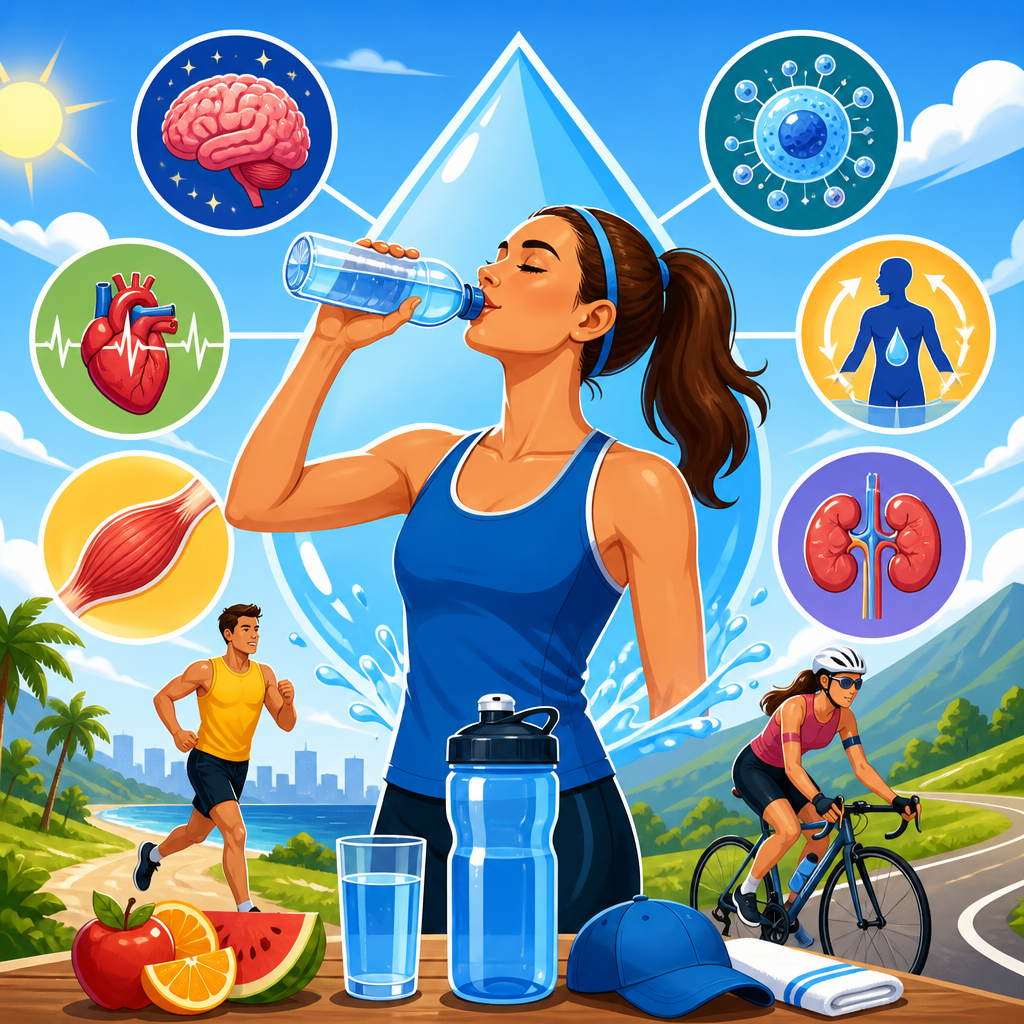
Hydration strategies for athletes determine far more than whether a workout feels comfortable; they directly influence circulation, temperature control, energy production, muscle function, cognition, and recovery. In practical sports nutrition, hydration means maintaining adequate body water and electrolyte balance before, during, and after training or competition so the body can perform its core tasks under physical stress. Athletes lose fluid through sweat, respiration, and urine, but sweat is the major variable because rates can range from less than 0.5 liters per hour to more than 2.0 liters per hour depending on body size, exercise intensity, clothing, acclimatization, and environmental conditions. When these losses are not replaced appropriately, plasma volume declines, heart rate rises, perceived effort increases, and performance often falls.
Most athletes think about hydration only when they feel thirsty, yet thirst lags behind physiological need in many training situations. Even a body mass loss of around 2 percent from fluid deficit can impair endurance capacity, decision-making, and heat tolerance, while larger deficits increase the risk of heat illness. Overhydration creates its own danger. Drinking far beyond sweat losses can dilute blood sodium and contribute to exercise-associated hyponatremia, a potentially serious condition seen in marathons, triathlons, military events, and long team-sport sessions. Effective hydration, then, is not simply about drinking more water. It is about matching intake to losses, choosing the right fluid composition, and adjusting the plan to the athlete, the sport, and the setting.
As a hub topic within sports and performance nutrition, hydration connects to fueling, recovery, supplementation, and competition planning. I have seen athletes spend months refining carbohydrate intake and training load, then undermine both with poor fluid strategy on race day. A lightweight runner competing in cool weather needs a different plan than a lineman training in full pads during August, and both differ from a tennis player facing multiple matches across a humid weekend. Understanding hydration strategy matters because water supports blood transport, sweat production, nutrient delivery, waste removal, joint lubrication, and cellular reactions that produce usable energy. When hydration is managed well, athletes protect health and preserve the body functions that make training adaptations possible.
Why Hydration Matters for Performance and Core Physiology
Water is the medium in which most physiological processes occur, so hydration affects nearly every system involved in sport. During exercise, blood delivers oxygen and nutrients to working muscle while carrying away heat and metabolic byproducts. Adequate fluid status helps maintain plasma volume, which supports stroke volume and stabilizes cardiovascular strain. If fluid losses mount, the heart must beat faster to maintain output, skin blood flow competes with muscle blood flow, and thermal stress rises. This is one reason the same pace can suddenly feel unsustainably hard late in a dehydrating session.
Hydration also supports thermoregulation through sweating and evaporation. In hot environments, sweat is the body’s main cooling mechanism. However, sweat removes both water and electrolytes, especially sodium. Sodium helps retain consumed fluid, supports nerve transmission, and contributes to muscle contraction. Potassium, chloride, magnesium, and calcium also play roles, but sodium is usually the priority in sweat replacement because it is lost in the greatest quantity. Athletes with salty sweat, visible white residue on clothing, or frequent heat cramps often need especially deliberate sodium planning.
Muscle function and brain function are both sensitive to hydration status. Dehydration can increase perceived exertion, reduce coordination, and impair fine motor skills, reaction speed, and tactical decisions. In sports requiring repeated sprinting, technical execution, or concentration under fatigue, these effects can be decisive. Recovery is influenced as well. Rehydration supports glycogen restoration, circulation, and normalization of body temperature after exercise. If athletes finish training underhydrated and stay that way, the next session often begins with a performance disadvantage already in place.
How Athletes Estimate Fluid Needs
The most practical starting point is to measure sweat rate under realistic conditions. The standard field method is straightforward: weigh the athlete before exercise, track all fluid consumed, note any urine produced, then weigh again after the session in similar clothing. Each kilogram of body mass lost approximates one liter of fluid deficit. For example, if an athlete starts at 70.0 kilograms, ends at 69.2 kilograms, drinks 0.6 liters during training, and does not urinate, estimated sweat loss is 1.4 liters for that session. Divide by exercise duration to get hourly sweat rate. Repeating this test across cool, temperate, and hot conditions produces a much more useful hydration profile than any generic calculator.
Body mass change is also the simplest way to monitor whether a hydration plan is working. In most sessions, finishing within about 2 percent of starting body mass is a reasonable target, especially for endurance and field sports. Some body mass loss is normal and not automatically harmful. The goal is to avoid excessive dehydration and also avoid weight gain from overdrinking. Morning body weight trends, urine color, and subjective thirst can add context, but they are less precise than session-specific weighing. Urine that is consistently dark first thing in the morning, persistent fatigue, headaches, and unusually elevated heart rate in training are common clues that baseline fluid intake may be too low.
| Situation | Primary Hydration Goal | Practical Target | Useful Tools |
|---|---|---|---|
| Before exercise | Start well hydrated with normal sodium status | Drink regularly through the day; add 5 to 10 mL/kg in the 2 to 4 hours before start if needed | Body weight trend, urine color, planned bottle volume |
| During exercise under 60 minutes | Limit excessive fluid loss without forcing intake | Drink to thirst or small planned amounts, especially in heat | Personal bottle, access to fluids |
| During exercise over 60 to 90 minutes | Replace a meaningful share of sweat and sodium losses | Aim to reduce body mass loss and include sodium; use sports drink when intensity is high | Sweat rate data, electrolyte drink, aid-station plan |
| After exercise | Restore fluid balance for recovery and next-session readiness | Replace about 125 to 150 percent of body mass lost over several hours with sodium present | Post-session weigh-in, recovery meal, salted foods |
Pre-Exercise Hydration: Starting in Balance
The best during-exercise plan cannot fully compensate for beginning a session already dehydrated. Pre-exercise hydration starts the day before important training and competition. Athletes should drink consistently with meals and snacks, since food contributes water and sodium that help retain fluid. The American College of Sports Medicine commonly guides athletes to consume roughly 5 to 10 milliliters of fluid per kilogram of body mass in the two to four hours before exercise when extra intake is needed. For a 70-kilogram athlete, that is about 350 to 700 milliliters. If urine remains dark or scant, another small amount closer to the start may help.
What the athlete drinks matters less than whether the plan is tolerated and repeatable, but sodium can be helpful before long or hot sessions. A standard sports drink, oral rehydration solution, or normal meal containing salt can improve fluid retention compared with plain water alone. In practice, I often find athletes do better when they pair pre-exercise fluid with breakfast rather than trying to chug a large bottle in the final thirty minutes. Excess intake just before exercise can leave the stomach sloshing and increase bathroom stops. The right pre-event routine is one the athlete can execute calmly every time.
Hydration During Exercise: Matching Intake to the Demands of the Sport
During exercise, hydration strategy depends on duration, intensity, environment, and access to fluids. For sessions under about an hour in cool conditions, many athletes can perform well by drinking to thirst. The picture changes during prolonged endurance events, repeated high-intensity work, or competition in the heat. Here, planned drinking becomes valuable. Most athletes should aim to replace enough fluid to limit excessive body mass loss without trying to fully match sweat loss when rates are very high. Stomach comfort, absorption capacity, and logistics all matter.
For many field and court sports, natural breaks create opportunities for frequent small sips, which are usually better tolerated than infrequent large boluses. Endurance athletes often benefit from integrating fluid with carbohydrate and sodium. A sports drink containing roughly 6 to 8 percent carbohydrate can support both hydration and fuel delivery during efforts lasting longer than sixty to ninety minutes. Sodium concentrations vary, but drinks commonly provide several hundred milligrams per liter. Athletes with very high sweat sodium losses may need additional electrolyte sources, especially in ultraendurance events or heavy-sweat team practices.
Different sports create different constraints. Cyclists can carry bottles and drink regularly. Distance runners may need to rely on aid stations and handheld flasks. Swimmers and indoor athletes often forget to drink because sweat is less visible, yet losses can still be meaningful. In combat sports, weight-category practices sometimes encourage deliberate dehydration, but this approach carries clear risks for cognition, power output, kidney stress, and heat illness. Whenever possible, body-mass manipulation should not depend on severe fluid restriction.
Electrolytes, Sports Drinks, and Common Hydration Mistakes
Water is essential, but water alone is not always the best choice for athletes. Electrolytes, especially sodium, help maintain fluid balance and support performance during long or sweaty sessions. Sports drinks become useful when exercise lasts long enough to require carbohydrate, when sweat losses are high, or when athletes need a convenient way to consume both fluid and sodium together. Oral rehydration solutions are even higher in sodium and can be valuable after heavy losses from heat or gastrointestinal illness, though they are often too salty for routine use during standard training.
Several mistakes show up repeatedly in practice. The first is relying on thirst alone in every context. Thirst is useful, but in fast-paced competition or hot environments, many athletes underdrink simply because they are distracted. The second is overdrinking plain water during long events. This can lead to bloating, frequent urination, and in severe cases hyponatremia. The third is assuming all electrolyte products are equivalent. Some tablets contain minimal sodium and function more as flavoring than meaningful replacement. Reading labels matters. The fourth is separating hydration from fueling. Athletes often consume enough carbohydrate but too little fluid, or enough water but too little sodium, and wonder why the plan fails late.
Recovery Hydration and Building an Individual Plan
Post-exercise hydration should restore what was lost and prepare the athlete for the next demand. A common guideline is to consume about 125 to 150 percent of the fluid deficit over the next several hours because some of what is consumed will be lost in urine. If an athlete loses one kilogram during training, replacing roughly 1.25 to 1.5 liters with sodium present is a practical target. This is easier when fluid is paired with a meal. Milk, broth, sports drinks, and water alongside salted foods can all work. Recovery becomes more urgent when the next session occurs within the same day.
An effective hydration plan is individualized, tested in training, and written down before competition. It includes starting status, expected sweat rate, bottle volume, sodium source, course or sideline access, and contingency plans for unusually hot weather or stomach upset. Athletes should also account for travel, altitude, illness, and menstrual cycle considerations, all of which can alter fluid regulation or practical access to drinks. The simplest plans often work best: know your sweat rate, begin hydrated, drink according to conditions, include sodium when losses are high, and verify outcomes with body-mass trends and performance response.
Hydration strategies for athletes support the body’s key functions because they protect the systems that keep performance possible: blood flow, temperature regulation, nerve signaling, muscle contraction, and recovery. The core lesson is precision. Too little fluid raises cardiovascular and thermal strain, while too much can be dangerous. The right approach starts with measuring sweat losses instead of guessing, then shaping intake around sport demands, climate, and individual tolerance. Pre-exercise habits, during-exercise drinking, sodium planning, and post-exercise rehydration all work together as one system rather than separate tasks.
As the hub of any sports nutrition plan, hydration deserves the same attention athletes give training cycles and race fueling. Build a repeatable routine, test products before competition, and keep records that show what works in cool, moderate, and hot conditions. Small adjustments, such as timing fluids better, choosing a drink with adequate sodium, or checking body mass before and after key sessions, can produce immediate gains in comfort, consistency, and readiness. Review your current plan this week, identify one gap, and correct it before the next hard session or event.
Frequently Asked Questions
Why are hydration strategies so important for athletes beyond simply preventing thirst?
Hydration strategies matter because water does much more than relieve thirst during exercise. For athletes, proper hydration supports the body’s most important functions under physical stress, including circulation, temperature regulation, energy delivery, muscle contraction, nerve signaling, and recovery. When fluid levels are adequate, blood volume is better maintained, which helps the heart pump efficiently and deliver oxygen and nutrients to working muscles. This also supports the removal of metabolic byproducts that build up during intense training.
Hydration is also essential for temperature control. As body temperature rises during exercise, sweating helps dissipate heat, but that cooling system depends on having enough fluid available. If an athlete becomes even mildly dehydrated, the body has to work harder to regulate heat, and performance can decline as perceived effort increases. In practical terms, hydration helps workouts feel more manageable and allows athletes to sustain intensity longer.
In addition, hydration affects cognition and coordination. Focus, reaction time, decision-making, and skill execution can all suffer when fluid and electrolyte losses are not replaced appropriately. That is especially important in sports that require strategy, timing, or technical precision. A strong hydration plan is not just about comfort; it is a core part of sports nutrition that helps athletes protect performance, support safety, and keep the body functioning efficiently before, during, and after training.
How does hydration support circulation, temperature control, and energy production during exercise?
Hydration plays a central role in circulation because body water helps maintain blood volume. During exercise, the cardiovascular system must deliver oxygen, glucose, and other nutrients to active muscles while also transporting heat away from the core. When an athlete is properly hydrated, blood can circulate more effectively, which supports endurance, power output, and overall efficiency. If fluid losses become too great, blood volume can drop, heart rate may rise to compensate, and the body has to work harder to perform the same amount of exercise.
Temperature control is closely tied to this process. The body cools itself largely through sweating and the evaporation of sweat from the skin. That mechanism is highly effective, but it comes with a cost: fluid loss. If those losses are not addressed, sweating capacity can decline and core temperature may rise more quickly. This can increase fatigue, reduce performance, and raise the risk of heat-related stress, especially in hot, humid, or long-duration training conditions.
Hydration also supports energy production indirectly but meaningfully. Many of the body’s metabolic processes occur in a fluid environment, and adequate hydration helps transport carbohydrates and electrolytes where they are needed. Muscles rely on efficient blood flow to receive fuel and oxygen for both aerobic and anaerobic work. When hydration status is compromised, athletes may notice earlier fatigue, reduced stamina, and a higher sense of effort. In short, proper hydration helps create the internal conditions the body needs to generate energy, regulate temperature, and keep movement sustainable.
What role do electrolytes play in hydration strategies for athletes?
Electrolytes are minerals such as sodium, potassium, magnesium, and chloride that help regulate fluid balance, muscle contraction, and nerve function. In athletic hydration, sodium is especially important because it is the primary electrolyte lost in sweat and has a major influence on how fluid is retained and distributed in the body. When athletes sweat heavily, they are not just losing water; they are also losing electrolytes, and replacing only water in some situations may not be enough to fully support performance and recovery.
Electrolytes help the body maintain normal muscle and nerve activity. If losses become significant, athletes may experience symptoms such as fatigue, reduced coordination, muscle cramping, or a general drop in performance quality. Sodium is particularly valuable during long or intense sessions because it helps stimulate thirst, supports fluid absorption, and reduces the likelihood that fluid replacement will dilute blood sodium levels too much. This is why many endurance athletes use sports drinks, electrolyte tablets, or sodium-containing foods as part of their training and competition plan.
The exact electrolyte strategy depends on the athlete, the sport, the duration and intensity of exercise, the environment, and individual sweat rate and sweat sodium concentration. Some athletes lose far more sodium than others, so personalized planning can be helpful. In general, for shorter or lighter sessions, water may be sufficient, while longer, hotter, or higher-sweat workouts often call for additional electrolytes. A smart hydration strategy considers both fluid and electrolyte replacement, not just one or the other.
How should athletes approach hydration before, during, and after training or competition?
Athletes should think of hydration as a continuous process rather than something that starts once exercise begins. Before training or competition, the goal is to begin well hydrated. That usually means drinking fluids consistently throughout the day and paying attention to basic signs of hydration, such as pale yellow urine and normal thirst levels. In the hours leading up to exercise, athletes can consume fluids gradually so they are not starting in a deficit. For longer events or sessions in the heat, including some sodium in pre-exercise meals or beverages may also help support fluid retention.
During exercise, hydration needs depend on several factors: workout length, intensity, temperature, humidity, clothing, body size, and personal sweat losses. The aim is to limit excessive dehydration while avoiding overdrinking. For many athletes, sipping fluids regularly during exercise works better than waiting until they feel very thirsty. For sessions lasting more than about an hour, or those involving heavy sweat loss, beverages containing electrolytes and carbohydrates may be useful because they support both hydration and fuel delivery. Endurance athletes often benefit from a more structured plan based on estimated sweat rate.
After exercise, the focus shifts to replacing what was lost and supporting recovery. This includes fluid, electrolytes, and often carbohydrates and protein depending on the session. Weighing before and after workouts can help some athletes estimate fluid loss more accurately and guide rehydration. Post-exercise meals and snacks can play a big role here, especially when they include sodium-containing foods and water-rich options. The best approach is practical and individualized: build daily hydration habits, adjust for training demands, and use recovery nutrition to restore balance efficiently.
What are the signs that an athlete may be underhydrated, and how can they improve their hydration strategy?
Signs of underhydration can range from subtle to more obvious. Early clues may include increased thirst, dry mouth, darker urine, headache, unusual fatigue, and a drop in workout quality. As dehydration progresses, athletes may notice a higher heart rate at a familiar pace, reduced endurance, dizziness, poor concentration, irritability, or difficulty regulating body temperature. In some cases, muscle function and coordination can decline, which affects both performance and safety. Because these symptoms can appear gradually, athletes do not always recognize them immediately during training.
One of the most effective ways to improve a hydration strategy is to make it more personalized. Athletes vary widely in how much they sweat and how much sodium they lose in that sweat. Tracking body weight changes before and after key sessions, monitoring urine color, and noting environmental conditions can provide useful patterns over time. If an athlete consistently loses a large amount of body weight in training, finishes sessions feeling depleted, or struggles in the heat, that is a sign the current plan may need adjustment.
Practical improvements often include drinking more consistently throughout the day, starting workouts better hydrated, bringing fluids to every session, and using electrolyte-containing drinks for long or high-sweat training. It can also help to schedule hydration breaks intentionally rather than relying on chance. For athletes with demanding training loads, hot-weather practices, or repeated sessions in one day, working with a sports dietitian can be especially valuable. The goal is not just to drink more, but to match fluid and electrolyte intake to real athletic demands so the body can continue performing its key functions effectively.