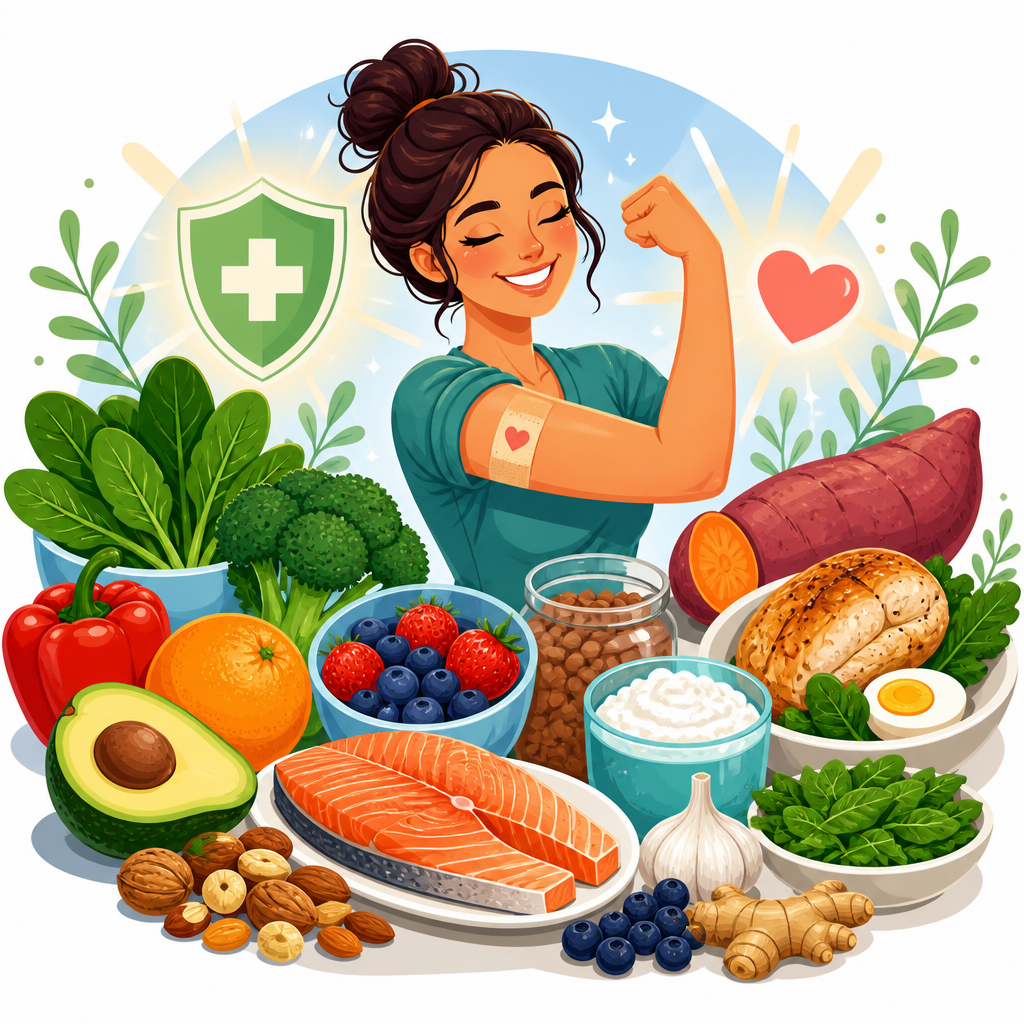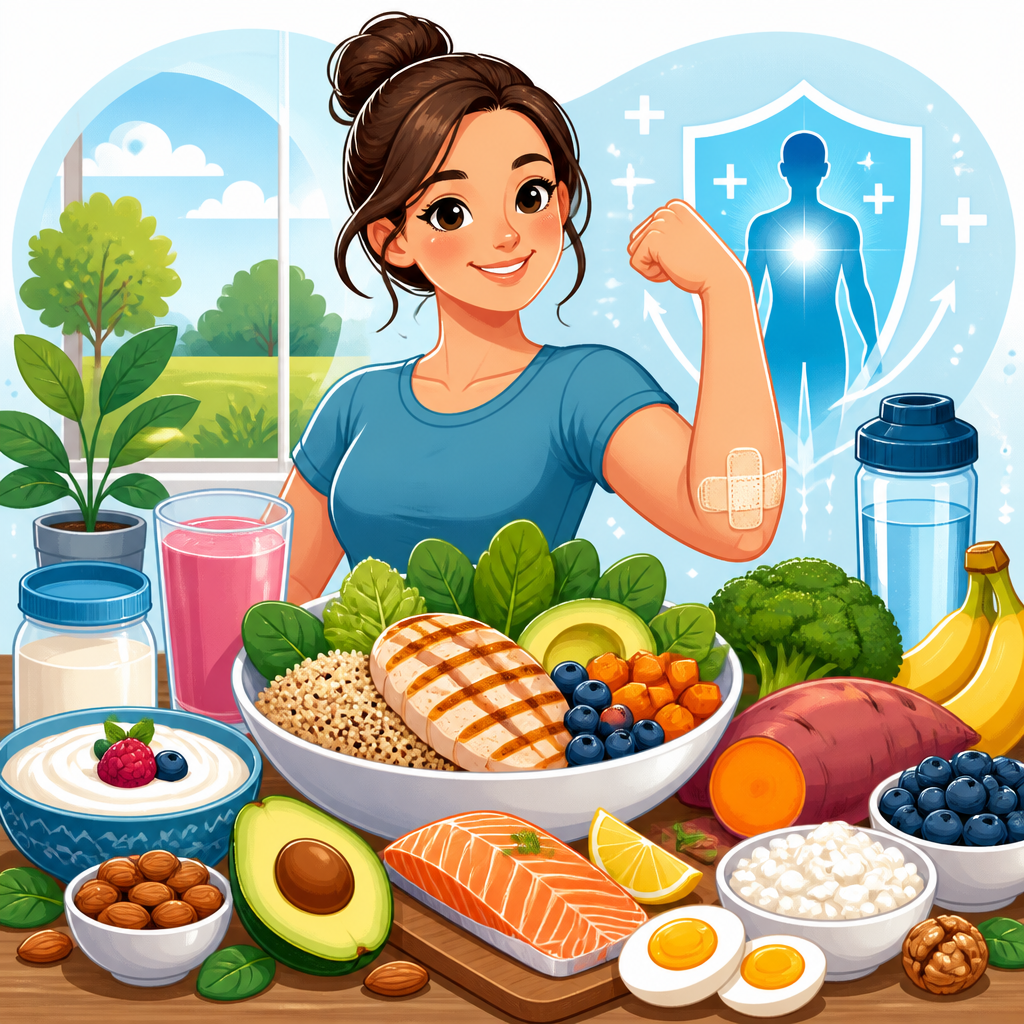
Recovery foods for faster healing are the foods, fluids, and nutrients that help the body repair tissue, restore energy, control inflammation, and return to normal function after hard training, injury, illness, or surgery. In sports and performance nutrition, recovery is not a vague wellness idea; it is a measurable biological process involving muscle protein synthesis, glycogen resynthesis, collagen remodeling, immune activity, and nervous system recovery. The right healthy diet can speed those processes, while poor nutrition can delay them.
When athletes ask what to eat for healing, they usually mean three different situations: recovery after exercise, recovery after minor strains or overuse problems, and recovery during rehabilitation from more serious injury. Each situation overlaps, but the demands are not identical. A runner finishing a long session needs carbohydrate and fluid to replace losses. A lifter with a muscle strain needs adequate protein spread through the day. An athlete coming back from a fracture or surgery may also need more total energy, vitamin D, calcium, zinc, and omega-3 fats, along with careful timing of meals.
In practice, I have seen recovery stall for one simple reason: athletes often keep eating for performance output they are no longer producing, or they under-eat because appetite drops during rehab. Healing requires energy. Even when training volume falls, tissue repair is metabolically expensive. The body must build new proteins, run immune responses, manufacture connective tissue, and maintain lean mass during reduced activity. That is why recovery foods matter within a healthy diet: they protect muscle, support repair, and help athletes return stronger instead of deconditioned.
This hub explains the most important recovery foods for faster healing, how they work, and how to build them into daily meals. It covers protein quality, carbohydrate timing, anti-inflammatory foods, micronutrients, hydration, and practical meal construction, giving you a clear framework for eating to recover well.
What recovery foods actually do in the body
Recovery foods support healing through five core functions. First, they provide energy, mainly from carbohydrate and fat, so the body does not break down extra muscle tissue for fuel. Second, they provide amino acids from protein to rebuild muscle fibers, enzymes, skin, tendons, ligaments, and immune cells. Third, they supply vitamins and minerals that act as cofactors in collagen formation, oxygen transport, bone remodeling, and antioxidant defense. Fourth, they restore fluid and electrolytes lost through sweat, blood loss, or inflammation. Fifth, they help regulate inflammation so it resolves appropriately rather than becoming excessive or chronic.
A useful definition is this: the best recovery foods are nutrient-dense foods that match the tissue you are trying to repair and the stress you are trying to recover from. Greek yogurt, eggs, salmon, potatoes, berries, kiwi, tart cherry juice, beans, milk, oats, leafy greens, and bone-in dairy foods all show up repeatedly because they combine protein, carbohydrate, micronutrients, or bioactive compounds in practical forms. Supplements can help in specific cases, but food should do most of the work because it brings multiple nutrients together.
Protein-rich foods for muscle and tissue repair
Protein is the foundation of recovery nutrition because healing is a construction project. The body needs essential amino acids, especially leucine, to stimulate muscle protein synthesis. Most athletes recover best with regular protein feedings across the day rather than one very large serving at dinner. A practical target is 20 to 40 grams of high-quality protein per meal, adjusted for body size, age, and total needs. During injury rehabilitation, total daily intake often needs to reach roughly 1.6 to 2.2 grams per kilogram of body weight to preserve lean mass, particularly when activity is reduced.
High-quality recovery foods include eggs, dairy, fish, poultry, lean meat, soy foods, and combinations of legumes and grains. Greek yogurt works well because it is easy to digest, rich in leucine, and provides calcium. Cottage cheese is especially useful before bed because casein digests slowly and supports overnight repair. Salmon gives protein plus omega-3 fats. Milk remains one of the most effective and affordable post-exercise recovery drinks because it contains whey, casein, carbohydrate, fluid, and electrolytes in one package.
Collagen deserves a specific note. Tendons, ligaments, cartilage, and skin are rich in collagen, but eating collagen alone does not automatically rebuild those tissues. The best evidence suggests that gelatin or hydrolyzed collagen paired with vitamin C, taken before rehab loading, may support collagen synthesis in connective tissue. This is not a magic fix, and it works alongside progressive rehabilitation, not instead of it. Still, for athletes managing tendon pain or returning from ligament injury, it is a legitimate tool.
Carbohydrate foods that restore energy and protect recovery
Carbohydrates are often undervalued during healing because people associate them only with fueling exercise. In reality, carbohydrate is essential for glycogen replenishment, immune support, and sparing protein from being used as energy. After intense training, endurance work, or repeated sessions in a day, recovery foods should include easily digested carbohydrate sources such as rice, potatoes, oats, fruit, pasta, bread, cereal, and milk. Pairing carbohydrate with protein after training improves recovery by supplying both energy and building material.
For injured athletes, carbohydrate needs depend on actual movement, but cutting too low can backfire. Low energy availability slows recovery, increases fatigue, worsens mood, and raises the risk of muscle loss. Whole-food carbohydrate choices also bring potassium, magnesium, fiber, and polyphenols. Potatoes are a strong recovery food because they provide carbohydrate and potassium for glycogen and fluid balance. Oats add beta-glucan fiber and B vitamins. Fruit contributes vitamin C and antioxidants. Rice can be useful when appetite is low or digestion is sensitive, especially right after hard sessions.
| Recovery need | Best food examples | Why they help healing |
|---|---|---|
| Muscle repair | Greek yogurt, eggs, chicken, tofu, milk | Provide complete or high-quality protein with essential amino acids |
| Glycogen restoration | Potatoes, rice, oats, fruit, bread | Replace stored carbohydrate and reduce protein breakdown |
| Inflammation control | Salmon, walnuts, berries, extra virgin olive oil | Supply omega-3 fats and polyphenols that support recovery |
| Bone support | Milk, yogurt, cheese, fortified soy milk, leafy greens | Deliver calcium, protein, and often vitamin D |
| Collagen formation | Citrus, kiwi, peppers, collagen or gelatin with vitamin C | Vitamin C is required for collagen synthesis |
| Rehydration | Milk, soup, fruit, water, oral rehydration drinks | Replace fluid, sodium, and other electrolytes |
Anti-inflammatory foods that support healing without blunting adaptation
Inflammation is part of healing, so the goal is not to eliminate it completely. The goal is to support a balanced response that repairs tissue without prolonging soreness or swelling. That is why a healthy diet for recovery emphasizes anti-inflammatory foods rather than aggressive reliance on high-dose antioxidant pills. Regular intake of fatty fish such as salmon, sardines, or trout provides EPA and DHA, omega-3 fats linked to reduced inflammatory signaling and support for muscle maintenance during immobilization. Extra virgin olive oil, nuts, seeds, avocado, and olives add unsaturated fats that fit the same pattern.
Colorful plant foods matter just as much. Berries, cherries, pomegranate, beets, leafy greens, tomatoes, citrus, and herbs deliver polyphenols, carotenoids, and vitamin C. Tart cherry juice is one of the more studied recovery foods in sport; it may reduce muscle soreness and help recovery during periods of intense competition. Turmeric can be useful in food, especially with black pepper and fat for absorption, but it is not a substitute for an overall strong diet. The most effective pattern is consistent variety, not a single superfood.
Micronutrients that commonly limit faster healing
Several micronutrients are central to tissue repair, and deficiencies are common enough that they deserve attention. Vitamin C is required for collagen formation and helps protect cells from oxidative stress. Citrus fruit, kiwi, strawberries, peppers, broccoli, and potatoes are reliable sources. Vitamin D influences bone health, immune function, and muscle performance; indoor athletes and people in northern climates frequently run low, so testing may be appropriate. Calcium supports bone remodeling and muscle contraction, with dairy foods, fortified plant milks, calcium-set tofu, and some leafy greens being key sources.
Iron matters for oxygen delivery and energy metabolism. Athletes recovering from surgery, blood loss, or heavy endurance loads should take low iron status seriously. Zinc supports wound healing and immune function, while magnesium contributes to protein synthesis, sleep quality, and muscle function. Foods that repeatedly earn a place in recovery plans include red meat in moderate amounts, shellfish, legumes, pumpkin seeds, whole grains, dairy, and dark greens. More is not automatically better. Excessive supplementation, especially with iron or zinc, can cause harm, so food-first assessment and clinical guidance are important.
Hydration, electrolytes, and recovery meals that work in real life
Hydration is often treated as separate from recovery foods, but it should not be. Water is required for circulation, nutrient delivery, joint lubrication, temperature regulation, and waste removal. Even mild dehydration can increase perceived fatigue and slow training quality. After sweaty sessions, replacing sodium matters because plain water alone may not fully restore fluid balance. Milk, soup, fruit, potatoes, yogurt, and oral rehydration solutions can all support rehydration more effectively than water by itself in the right context.
In everyday practice, the best recovery meal is one an athlete will eat consistently within one to two hours after training or rehabilitation. Good examples include a chicken rice bowl with vegetables and olive oil; Greek yogurt with berries, oats, and honey; eggs on toast with fruit; salmon, potatoes, and greens; or a smoothie made with milk, banana, whey protein, oats, and frozen cherries. Each option combines protein, carbohydrate, fluid, and micronutrients. If appetite is poor after hard exercise or during rehab, liquids such as milk-based shakes and smoothies are often easier than solid meals.
Meal timing helps, but total daily intake still matters more. A strong framework is four to five eating occasions across the day, each anchored by protein, with carbohydrate adjusted to training load and plenty of fruits, vegetables, and healthy fats. Before sleep, a protein-rich snack such as cottage cheese, kefir, or a casein shake can improve overnight recovery. During long rehab blocks, maintaining structure is crucial because reduced training often disrupts appetite and routine. Planning meals in advance prevents the under-eating that quietly slows healing.
Common mistakes, special cases, and how to build a healing diet
The biggest mistake with recovery foods for faster healing is under-fueling. Athletes often fear body fat gain during injury, so they slash calories when their bodies need nutrients most. The second mistake is over-focusing on supplements while neglecting basic meals. Powder cannot compensate for skipping breakfast, low protein intake, or poor hydration. Another common problem is relying on highly processed snack foods after training. Calories alone are not enough; the body needs amino acids, minerals, and bioactive compounds.
Special cases deserve tailored planning. Bone injuries increase the priority of calcium, vitamin D, protein, and overall energy. Tendon and ligament problems benefit from consistent protein intake, vitamin C-rich produce, and in some cases collagen before rehab exercise. Athletes with gastrointestinal issues may need lower-fiber recovery meals immediately after exercise, then more produce and legumes later in the day. Plant-based athletes can recover very well, but they need deliberate protein distribution from soy, dairy alternatives fortified with calcium, legumes, tofu, tempeh, seitan, and sometimes supplemental B12, iron, or vitamin D.
To build a healing diet, start with a simple plate method: one palm of protein, one to two fists of carbohydrate based on training load, two fists of colorful produce, and one to two thumbs of healthy fat. Add a calcium-rich food twice daily, include fatty fish two to three times per week or an equivalent omega-3 strategy, and keep convenient recovery staples on hand. I routinely recommend eggs, milk or fortified soy milk, Greek yogurt, frozen berries, oats, potatoes, rice, canned salmon, beans, olive oil, nuts, and citrus because they make effective recovery meals without complexity.
Recovery foods for faster healing work best when they are part of a consistent healthy diet, not a one-off post-workout fix. Protein repairs tissue, carbohydrate restores energy and protects muscle, healthy fats and colorful produce help regulate inflammation, and micronutrients such as vitamin C, vitamin D, calcium, iron, zinc, and magnesium support the machinery of healing. Hydration and electrolytes complete the picture by helping nutrients reach the tissues that need them.
The main benefit of this approach is simple: better food choices shorten the gap between stress and readiness. Whether you are recovering from heavy training, a muscle strain, surgery, or a long rehabilitation phase, your meals can either support the work your body is trying to do or slow it down. Build each day around protein-rich foods, smart carbohydrates, produce, healthy fats, and adequate fluids, then adjust details to the type of injury or training demand.
Use this hub as your starting point for every recovery nutrition decision. Review your current meals, identify the missing pieces, and make one practical upgrade today, such as adding a protein-rich breakfast, a better post-training meal, or a calcium-rich snack before bed. Small, repeatable changes are what turn good nutrition into faster healing and a stronger return to performance.
Frequently Asked Questions
What are recovery foods, and why are they important for faster healing?
Recovery foods are the foods, fluids, and nutrients that help the body repair and rebuild after physical stress such as intense exercise, injury, illness, or surgery. They matter because healing is not just about resting; it depends on a constant supply of raw materials the body uses to restore damaged tissue, replace lost energy, regulate inflammation, support immune defenses, and return muscles, joints, and the nervous system to normal function. Protein-rich foods provide amino acids needed for muscle protein synthesis and tissue repair. Carbohydrate-containing foods help replenish glycogen, which is the stored form of energy used during training and daily movement. Healthy fats, vitamins, minerals, and antioxidants help manage inflammation, support cell membranes, aid hormone production, and contribute to collagen formation and wound healing.
In practical terms, recovery foods can directly influence how quickly and effectively someone bounces back. If the diet is too low in calories, protein, or key micronutrients, the body may struggle to rebuild tissue efficiently, leading to slower progress, prolonged soreness, weaker immunity, and delayed healing. On the other hand, a balanced healthy diet with recovery-focused meals can improve muscle repair, reduce excessive fatigue, support connective tissue healing, and help maintain strength during the recovery process. Recovery nutrition is especially valuable because it turns eating into an active part of rehabilitation rather than an afterthought.
Which nutrients are most important for healing and recovery?
Several nutrients play a central role in recovery, and each contributes in a different way. Protein is one of the most important because it supplies amino acids that the body uses to rebuild muscle fibers, repair damaged tissues, and support immune function. High-quality protein sources such as eggs, Greek yogurt, fish, poultry, lean meat, tofu, tempeh, beans, lentils, and cottage cheese are especially useful during recovery. Carbohydrates are also essential because they restore glycogen stores after hard activity and help spare protein from being used as energy, allowing it to be used more efficiently for repair instead.
Micronutrients are just as important. Vitamin C supports collagen production and helps with wound healing, making foods like citrus fruits, berries, kiwi, bell peppers, and broccoli valuable choices. Zinc contributes to immune response and tissue repair and is found in foods such as meat, shellfish, beans, seeds, and dairy products. Iron helps carry oxygen to tissues, which is necessary for healing and energy production, while calcium and vitamin D support bone recovery and muscle function. Omega-3 fats from salmon, sardines, walnuts, chia seeds, and flaxseeds may help regulate inflammation when included as part of a balanced diet. Hydration also deserves attention, because fluids are necessary for circulation, nutrient transport, temperature regulation, and the overall efficiency of the healing process. Rather than relying on one “superfood,” the best strategy is to combine enough calories with a wide variety of nutrient-dense foods consistently throughout the day.
What are the best foods to eat after exercise, injury, illness, or surgery?
The best recovery foods are those that provide a mix of protein, carbohydrates, fluids, and micronutrients in forms the body can use easily. After exercise, many people benefit from meals or snacks such as Greek yogurt with fruit, eggs with whole-grain toast, a smoothie made with milk or soy milk and berries, chicken with rice and vegetables, or oatmeal with protein-rich toppings. These combinations help replenish glycogen, stimulate muscle protein synthesis, and begin the repair process quickly. When the recovery need is related to injury, illness, or surgery, the same principles apply, but the focus often becomes even more deliberate: enough total calories, adequate protein at regular intervals, colorful fruits and vegetables for vitamins and antioxidants, and foods rich in minerals like zinc, iron, magnesium, and calcium.
Some of the most helpful foods during healing include salmon or other fatty fish for protein and omega-3 fats, bone-in dairy or fortified alternatives for calcium and vitamin D, beans and lentils for protein and minerals, eggs for a compact source of protein and nutrients, berries and citrus for vitamin C, leafy greens for folate and minerals, nuts and seeds for healthy fats and trace nutrients, and soups or stews that make it easier to hydrate while eating. Soft, easy-to-digest meals can be especially useful after surgery or illness when appetite is reduced. What matters most is not a single perfect food but a pattern of meals that supplies enough nourishment repeatedly. Recovery is typically stronger when each meal includes a protein source, a carbohydrate source, and nutrient-rich produce, along with adequate fluids.
How soon should recovery foods be eaten, and does meal timing really matter?
Meal timing can help, especially after strenuous exercise, but it matters most when it supports total daily intake rather than replacing it. After training, eating within a reasonable window can begin refueling and repair earlier, particularly if another session is coming soon or if the workout was long and demanding. A post-exercise meal or snack that includes protein and carbohydrates is often useful within a couple of hours, and sooner may be beneficial when immediate recovery is a priority. For example, having a protein shake with fruit, yogurt with granola, or a balanced meal shortly after exercise can help start muscle repair and glycogen restoration.
For injury, surgery, or illness recovery, timing is less about a narrow “anabolic window” and more about distributing nutrition consistently across the day. The body heals continuously, not just right after an event, so regular meals and protein-rich snacks can support a steady supply of amino acids and energy. This is particularly important for people with poor appetite, reduced mobility, or increased nutrient demands. Skipping meals or eating too little for several days can make healing slower even if a single post-workout snack is well planned. In other words, timing matters, but consistency matters more. A practical approach is to eat balanced meals every few hours, include protein at each one, stay well hydrated, and avoid long stretches of under-fueling during recovery.
Can recovery foods reduce inflammation and soreness, or are they mainly for rebuilding muscle?
Recovery foods do much more than rebuild muscle. They also help regulate inflammation, support immune function, restore fluid balance, and influence how sore, fatigued, or run down someone feels after physical stress. Inflammation itself is not the enemy; it is a normal part of healing. The goal is not to eliminate it entirely, but to prevent excessive or prolonged inflammation that may interfere with recovery. A healthy diet can help create that balance by providing enough energy, protein, and anti-inflammatory nutrients without relying heavily on highly processed foods that may crowd out more supportive options.
Foods rich in omega-3 fats, antioxidants, polyphenols, vitamins, and minerals may help the body manage oxidative stress and inflammatory signaling more effectively. Examples include fatty fish, extra-virgin olive oil, berries, cherries, leafy greens, nuts, seeds, beans, herbs, and colorful vegetables. Carbohydrates can also help reduce stress on the body by restoring energy reserves, while adequate protein supports tissue remodeling and immune activity. Hydration plays a role in perceived soreness and physical function as well, especially after heavy sweating or illness. That said, nutrition works best as part of a larger recovery plan that includes sleep, appropriate rest, gradual return to activity, and medical guidance when needed. Recovery foods are not magic, but they are one of the most reliable tools for supporting faster, more complete healing in a healthy diet.