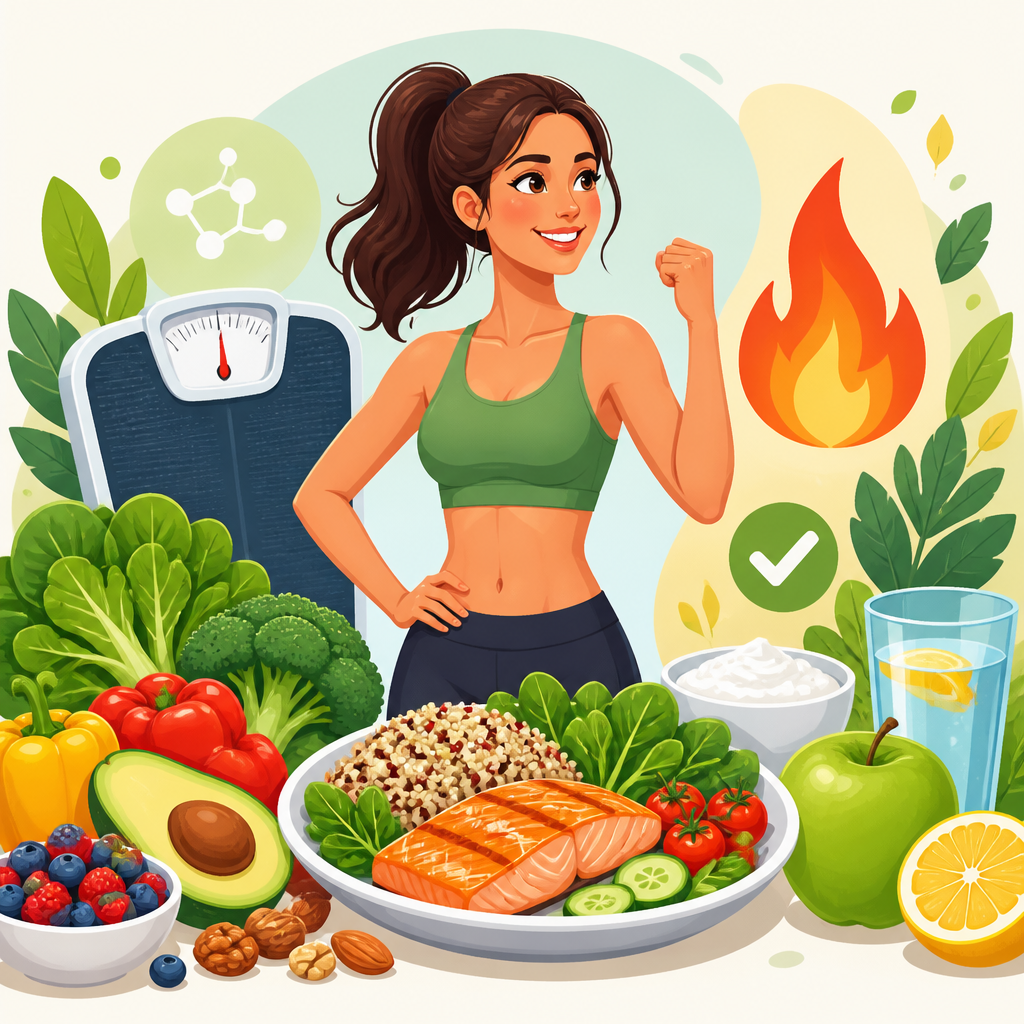
Recovery foods for faster healing do more than help sore muscles bounce back after training; they influence immunity, sleep quality, mood, injury resilience, and long-term athletic performance. In sports and performance nutrition, recovery foods are the meals, snacks, and beverages that supply the energy, protein, fluids, electrolytes, vitamins, minerals, and anti-inflammatory compounds the body needs after physical stress, illness, or tissue damage. Faster healing does not mean forcing biology to move unnaturally. It means giving the body the raw materials and timing support required to complete repair efficiently. That distinction matters because athletes, active adults, and even recreational exercisers often focus on workouts while underestimating the biological cost of adaptation.
When I build recovery plans for hard-training clients, the same pattern appears: progress improves when food supports healing, and plateaus appear when recovery is treated as an afterthought. Muscle fibers need amino acids to rebuild. Glycogen stores need carbohydrates to refill. Connective tissue relies on vitamin C, copper, manganese, and adequate protein turnover. Bones need energy availability, calcium, vitamin D, magnesium, and phosphorus. The immune system also competes for resources after intense exercise, which is why poor recovery nutrition can show up as frequent colds, prolonged soreness, or nagging tendon pain instead of obvious fatigue alone.
The practical value of this topic is broad. Recovery foods for faster healing affect marathoners, lifters, team-sport athletes, post-surgery patients returning to activity, and older adults trying to preserve function. They shape how quickly a strained calf calms down, how well a cyclist tolerates back-to-back training sessions, and how effectively a busy parent recovers from weekend competition. Good recovery nutrition cannot replace sleep, smart programming, or medical care, but it consistently improves the environment in which healing happens. Understanding what to eat, when to eat it, and why each nutrient matters is one of the highest-return skills in sports nutrition.
What recovery foods actually do inside the body
Recovery foods for faster healing work through several overlapping mechanisms. First, they restore energy. High-intensity and endurance exercise deplete muscle glycogen, and low glycogen can impair subsequent performance, raise perceived effort, and increase protein breakdown. Carbohydrate-rich foods such as rice, potatoes, oats, fruit, beans, and dairy help reverse that deficit. For athletes training more than once a day, carbohydrate timing matters most in the first few hours after exercise, when glycogen synthase activity is elevated.
Second, recovery foods stimulate muscle protein synthesis. Research consistently shows that a post-exercise protein dose rich in essential amino acids, especially leucine, supports repair and adaptation. In practice, 20 to 40 grams of high-quality protein from Greek yogurt, eggs, milk, whey, soy, fish, poultry, or tofu covers the needs of most adults after training. Larger athletes, older adults, and people recovering from injury often benefit from the upper end of that range because anabolic resistance or increased tissue turnover raises requirements.
Third, these foods limit unnecessary inflammation without shutting down the signaling needed for adaptation. Whole foods rich in omega-3 fats, polyphenols, vitamin C, carotenoids, and potassium support this balance better than simply overusing supplements. Tart cherries, berries, kiwi, leafy greens, salmon, extra virgin olive oil, and cocoa are useful because they provide compounds associated with lower oxidative stress and better recovery markers. The goal is not to eliminate inflammation entirely; healing requires a coordinated inflammatory response. The goal is to prevent excessive, prolonged inflammation that drags out soreness and tissue irritation.
Core nutrients that drive faster healing
Protein remains the anchor nutrient in any recovery plan. Athletes recovering from hard training or injury commonly need around 1.6 to 2.2 grams of protein per kilogram of body weight per day, distributed across meals. Collagen-containing tissues such as tendons, ligaments, cartilage, and skin also need overall protein sufficiency, not just a single post-workout shake. I often pair a complete protein source with vitamin C-rich produce because connective tissue synthesis depends on both amino acids and cofactor support.
Carbohydrates are often underrated in healing conversations. They are not only fuel for muscles; they spare protein and support immune function by reducing stress hormone load after demanding sessions. Endurance athletes and field-sport players usually recover best when they combine carbohydrates with protein soon after exercise. A simple example is chocolate milk with a banana, or rice with salmon and fruit. Both combinations replenish glycogen and initiate tissue repair without requiring expensive recovery products.
Micronutrients matter because healing is a construction project run by enzymes. Vitamin C supports collagen formation and helps with antioxidant defense. Zinc contributes to wound healing, immune function, and protein synthesis, but chronic high-dose supplementation can interfere with copper status, so food-first strategies are safer for most people. Iron is essential for oxygen transport and energy production; low ferritin is common in endurance athletes and can quietly reduce recovery capacity. Magnesium participates in hundreds of enzymatic reactions, including muscle function and ATP metabolism. Calcium and vitamin D remain central for bone health, especially during stress fracture recovery.
Hydration deserves equal billing. Even mild dehydration can worsen fatigue, slow gastric emptying, and impair nutrient delivery. Sweat losses vary dramatically by athlete, climate, and sport, so a personalized plan works better than a generic recommendation. Replacing fluid with water, milk, or an electrolyte beverage after heavy sweating is basic but powerful. Sodium is particularly important when sweat losses are high or sessions are long.
Best recovery foods and when to use them
The best recovery foods for faster healing are nutrient-dense, easy to digest after exercise, and practical enough to use consistently. Dairy is one of the most efficient options because it combines high-quality protein, carbohydrate, fluid, calcium, and electrolytes. Greek yogurt with berries and granola works well after strength training. Milk or kefir can be useful when appetite is low. Eggs offer leucine, choline, selenium, and versatile meal options; pairing eggs with toast and fruit creates a balanced post-training meal.
Fish, especially salmon, sardines, and trout, support healing through protein and omega-3 fats. Legumes provide carbohydrates, protein, magnesium, potassium, and fiber, making them valuable in meals later in the recovery window. Colorful produce supplies polyphenols and vitamins that support tissue repair. Kiwi has evidence for helping sleep quality in some people, which matters because sleep is where a large share of recovery work occurs. Tart cherry juice has been studied for post-exercise soreness and may help in dense competition periods, although it should complement, not replace, a complete food pattern.
| Recovery need | Useful foods | Why they help |
|---|---|---|
| Rapid protein delivery | Whey shake, milk, Greek yogurt | High leucine content supports muscle protein synthesis |
| Glycogen restoration | Rice, potatoes, oats, bananas | Carbohydrates refill muscle fuel stores efficiently |
| Inflammation balance | Salmon, berries, tart cherries, olive oil | Omega-3 fats and polyphenols help manage oxidative stress |
| Connective tissue support | Citrus, bell peppers, collagen-rich proteins, beans | Provide vitamin C and amino acids for collagen formation |
| Rehydration | Milk, water, electrolyte drinks, fruit | Replace fluid, sodium, potassium, and carbohydrate |
Timing depends on context. If the next session is within eight hours, prioritize carbohydrate plus protein immediately after training. If there is a full day before the next hard effort, total daily intake matters more than a narrow anabolic window. Injured athletes with reduced training loads still need structured meals because under-eating slows healing, increases lean mass loss, and can impair mood.
How recovery nutrition influences whole-body well-being
Healing nutrition has effects far beyond muscle repair. Stable recovery intake supports immune defense by reducing the prolonged energy deficit and elevated cortisol that often follow hard training blocks. Athletes who chronically under-fuel are more likely to report recurrent illness, poor sleep, irritability, and slower adaptation. In contrast, consistent intake of carbohydrate, protein, and micronutrient-rich foods helps maintain training continuity, and continuity is one of the strongest predictors of progress.
Recovery foods also affect mental well-being. Low energy availability often shows up as brain fog, short temper, low motivation, and poor concentration before an athlete realizes food is the issue. Post-exercise meals that include carbohydrate can help regulate stress responses and support serotonin pathways indirectly. Omega-3-rich foods have been associated with brain and mood benefits, and iron sufficiency matters for both physical and cognitive performance. From experience, athletes often describe better recovery nutrition not as a dramatic boost but as feeling more like themselves again: calmer, sharper, and less depleted.
Joint and bone health improve when healing is supported consistently. Stress fractures, tendinopathy, and recurrent soft-tissue injuries rarely come from one missing smoothie; they usually reflect weeks or months of mismatched load and recovery. Eating enough energy, maintaining calcium-rich foods, ensuring vitamin D status, and distributing protein across the day can reduce the biological friction that makes these issues linger. Better recovery food choices therefore support not just faster healing from a current problem, but a lower chance of the next one.
Common mistakes that slow healing
The biggest mistake is under-eating, especially after exercise. Many athletes finish hard sessions and wait hours to eat because of schedule, appetite suppression, or a misplaced fear of carbohydrates. That delay can lengthen fatigue and make total daily intake harder to achieve. Another common problem is over-relying on supplements while ignoring meal quality. Powders can be convenient, but they cannot fully replace the fiber, micronutrients, fluid, and food matrix effects of complete meals.
Alcohol is another recovery disruptor that deserves a direct mention. It can impair muscle protein synthesis, worsen sleep quality, and increase dehydration, particularly after competition. One celebratory drink will not erase all progress, but repeated post-event drinking habits can noticeably slow healing. Very low-fat diets are also problematic because fats carry energy, support hormone function, and help absorb fat-soluble vitamins. On the other side, high-fat meals immediately after intense exercise can be useful in some settings but may slow gastric emptying for athletes who need rapid carbohydrate delivery.
Finally, one-size-fits-all advice often fails. A rugby player doing double sessions, a runner returning from a bone stress injury, and a masters athlete managing sarcopenia have different needs. Effective recovery nutrition is individualized by body size, training load, sweat rate, injury type, digestive tolerance, food access, and medical history.
Building a practical recovery food strategy
The most effective approach is simple enough to repeat. Start by planning a post-training feeding that combines 20 to 40 grams of protein with a meaningful carbohydrate source. Then structure three to four additional balanced eating occasions across the day. Keep recovery staples available: milk, yogurt, eggs, fruit, oats, rice, potatoes, canned fish, tofu, frozen berries, nuts, and electrolyte options. For injury recovery, keep protein high, maintain micronutrient quality, and avoid aggressive calorie cuts unless supervised.
Track outcomes that matter: soreness duration, next-day energy, sleep quality, training consistency, illness frequency, and injury recurrence. If these markers improve, recovery foods are doing their job. If not, reassess meal timing, total intake, hydration, and whether deeper issues such as iron deficiency, gastrointestinal problems, or excessive training load are interfering.
Recovery foods for faster healing improve overall well-being because they support every system that makes performance possible. They rebuild muscle, restore fuel, protect immunity, steady mood, and create the conditions for stronger joints, bones, and connective tissue. The most important takeaway is that healing is not driven by a single superfood. It comes from a consistent pattern of enough energy, well-timed protein and carbohydrate, smart hydration, and micronutrient-rich whole foods. Build a recovery routine around those principles, apply it after every demanding session, and refine it based on your sport, schedule, and response. If you want better performance and fewer setbacks, start with your next recovery meal.
Frequently Asked Questions
What are recovery foods, and why do they matter for faster healing and overall well-being?
Recovery foods are the meals, snacks, and drinks that help the body repair itself after physical stress, intense exercise, illness, or tissue damage. They typically provide a strategic mix of carbohydrates to restore energy, protein to rebuild and maintain muscle and connective tissue, fluids and electrolytes to support hydration, and micronutrients such as vitamin C, vitamin D, zinc, magnesium, iron, and omega-3 fats that play key roles in tissue repair, immune defense, and inflammation control. What makes recovery foods especially important is that their impact extends far beyond reducing soreness after a workout. When the body has what it needs to recover efficiently, people often experience better immune function, steadier energy, improved sleep quality, better mood regulation, and more consistent athletic performance over time.
Faster healing does not mean forcing biology or expecting overnight results. It means creating the conditions that allow normal healing processes to happen as effectively as possible. The body repairs tissue in stages, and each stage depends on adequate nutrition, rest, circulation, and hydration. If recovery nutrition is poor, healing may be delayed, fatigue can linger, and the risk of repeated injury may rise. On the other hand, when recovery foods are chosen well and eaten consistently, they support a stronger foundation for both short-term healing and long-term well-being.
How do recovery foods affect immunity, sleep, and mood in addition to physical healing?
Recovery foods influence many systems at once because the body does not separate training recovery from everyday health. After strenuous activity or periods of illness, the immune system can be temporarily stressed. Nutrient-dense recovery foods help the body maintain immune defenses by supplying protein for antibody production, carbohydrates to reduce excessive stress hormone responses, and vitamins and minerals that support immune cell activity. Foods rich in vitamin C, zinc, selenium, and polyphenols, for example, can help the body respond more effectively to inflammation and oxidative stress. This is one reason athletes and active individuals who underfuel often feel run-down or become more susceptible to frequent illness.
Sleep is also tightly connected to recovery nutrition. Going to bed underfed, dehydrated, or low in key nutrients can interfere with sleep quality and overnight repair. A balanced evening recovery meal or snack that includes protein and carbohydrates may help stabilize blood sugar, support muscle protein synthesis, and promote relaxation. Certain foods also contribute nutrients associated with sleep regulation, including magnesium, potassium, and tryptophan. Mood can improve as well, because inadequate recovery often leads to low energy availability, irritability, brain fog, and higher perceived stress. Consistent intake of nourishing foods supports neurotransmitter production, reduces the fatigue that amplifies anxiety and frustration, and helps people feel more resilient both mentally and physically.
What nutrients are most important in recovery foods for faster healing?
The most important recovery nutrients depend somewhat on the situation, but several consistently matter. Protein is essential because it provides the amino acids needed to repair muscle fibers, enzymes, hormones, skin, tendons, and other tissues. High-quality protein sources such as Greek yogurt, eggs, fish, poultry, tofu, tempeh, cottage cheese, milk, and legumes are common recovery staples. Carbohydrates are equally important, especially after exercise, because they replenish glycogen stores and help reduce the stress load on the body. Without enough carbohydrate, recovery can feel incomplete, and the body may remain sluggish or overly fatigued.
Hydration and electrolytes are another major category. Water supports circulation, nutrient delivery, temperature regulation, and waste removal, while sodium, potassium, and magnesium help with fluid balance and muscle function. Healthy fats, especially omega-3 fatty acids from foods like salmon, sardines, walnuts, chia seeds, and flaxseeds, may help support a healthy inflammatory response. Micronutrients also play specialized roles. Vitamin C contributes to collagen formation and tissue healing. Zinc supports immune response and wound repair. Vitamin D and calcium are important for bone health. Iron supports oxygen transport, which is critical when the body is rebuilding. Magnesium contributes to muscle function, energy production, and sleep quality. Rather than relying on a single “superfood,” the best recovery strategy is usually a pattern of balanced, nutrient-dense eating repeated consistently.
What are some of the best examples of recovery foods and meals after exercise, injury, or illness?
Effective recovery foods are practical, balanced, and easy to tolerate. After exercise, one of the simplest combinations is protein plus carbohydrates, with fluids included. Good examples include a smoothie made with milk or soy milk, fruit, Greek yogurt, and oats; rice with eggs and vegetables; chicken with potatoes; salmon with quinoa; or yogurt with berries and granola. For someone with a low appetite after training, a drinkable option such as chocolate milk, a kefir-based smoothie, or a protein shake paired with fruit can work well. The exact portion size depends on body size, training intensity, and individual needs, but the quality and timing of intake both matter.
For injury or illness recovery, meals may need to place even greater emphasis on protein quality, total calories, micronutrients, and hydration. Soups with beans or chicken, oatmeal with nuts and fruit, eggs with whole-grain toast and avocado, cottage cheese with pineapple, lentil bowls, tofu stir-fries, and fatty fish with vegetables are all strong choices. If inflammation and tissue damage are present, foods rich in omega-3s, colorful produce, herbs, and spices can support an overall healing-oriented pattern. During illness, easy-to-digest foods and fluids may be especially important. The best recovery foods are not necessarily expensive or complicated; they are the ones that reliably help the body meet its repair needs day after day.
Can recovery foods improve long-term performance and reduce the risk of future injuries?
Yes, consistent recovery nutrition can significantly influence long-term performance and injury resilience. When the body recovers fully between sessions, it is better able to adapt to training, build strength, restore energy stores, and maintain healthy connective tissue. This means athletes and active individuals are more likely to train consistently, progress over time, and avoid the cycle of overreaching, poor performance, and repeated breakdown. Inadequate recovery nutrition, by contrast, can contribute to chronic fatigue, poor concentration, slower reflexes, hormonal disruption, and a greater likelihood of overuse issues.
Recovery foods also help protect long-term well-being by supporting bone health, muscle retention, immune function, and nervous system balance. For example, not getting enough total energy, protein, calcium, vitamin D, or iron can gradually undermine performance even if a person is still training hard. Over time, that mismatch may show up as frequent soreness, stalled progress, low motivation, poor sleep, recurring colds, or increased susceptibility to strains and stress injuries. A thoughtful recovery nutrition routine does not guarantee perfect health or eliminate all injuries, but it does improve the body’s capacity to repair, adapt, and perform sustainably. In that sense, recovery foods are not just a post-workout detail; they are a core part of overall wellness and long-term physical resilience.