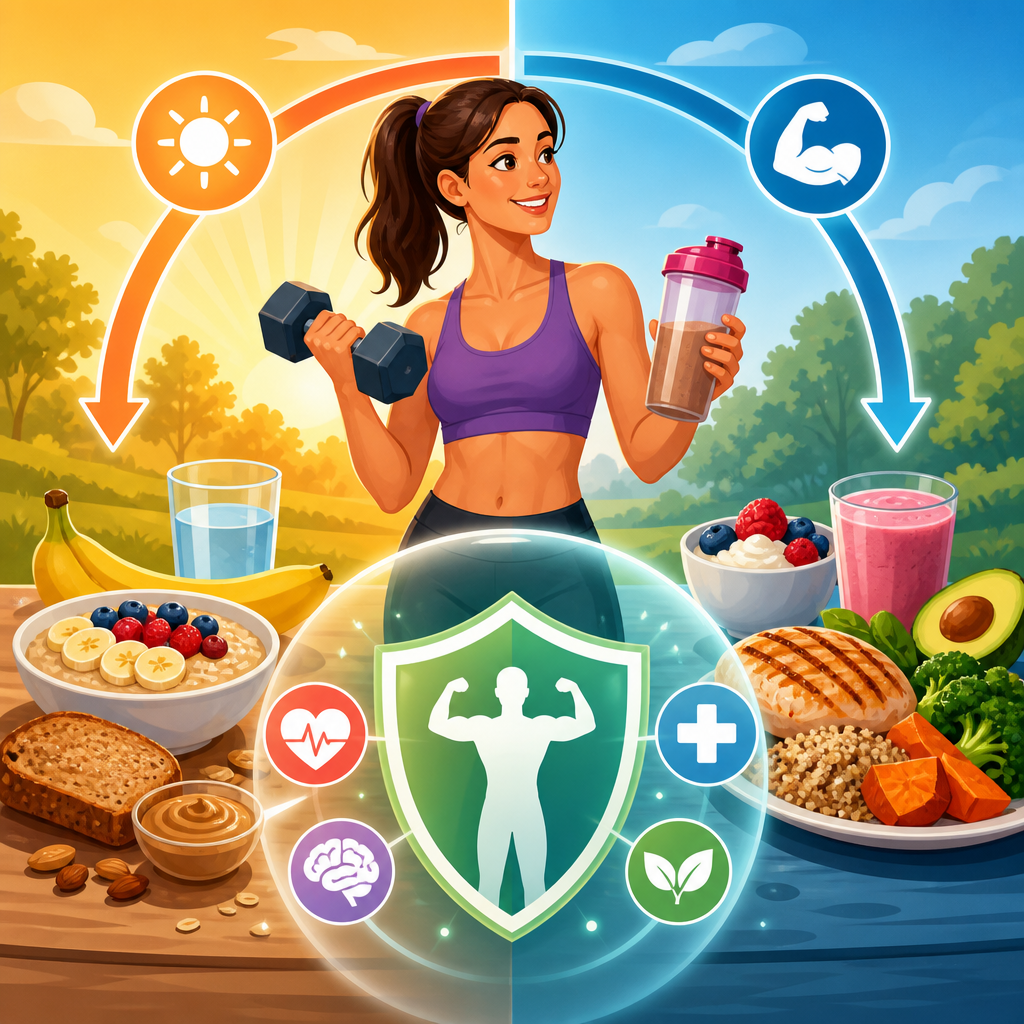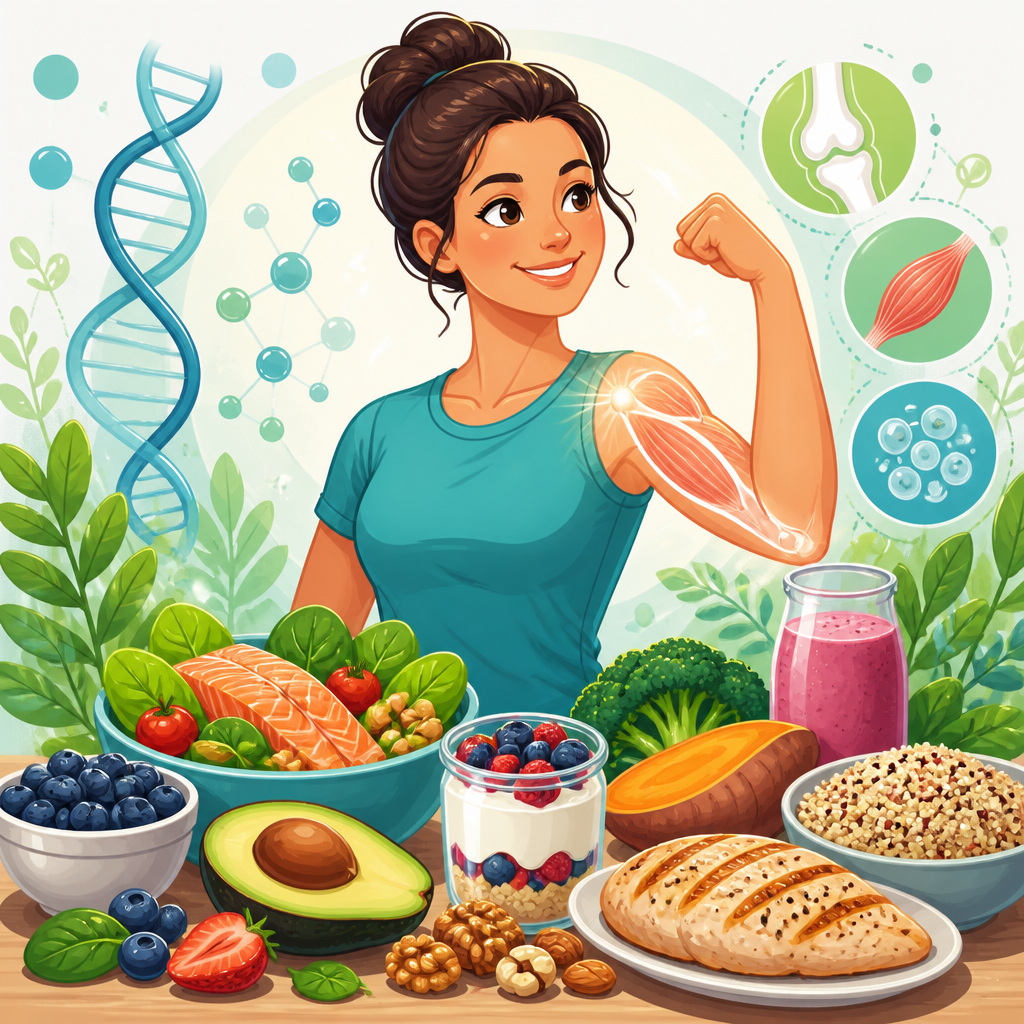
Recovery foods for faster healing sit at the center of sports and performance nutrition because tissue repair, immune defense, and training adaptation all depend on what the body receives after stress, injury, or hard exercise. In practice, recovery foods are not a vague category of “healthy eating.” They are foods and fluids that supply the exact substrates needed to rebuild muscle protein, restore glycogen, control excessive inflammation, support collagen formation, and replace electrolytes lost through sweat or illness. Faster healing does not mean forcing biology to move unnaturally; it means removing nutritional bottlenecks so normal repair can proceed efficiently.
This matters for athletes, active adults, and anyone recovering from surgery, infection, strains, fractures, or high training loads. I have seen the same pattern repeatedly when building recovery plans: the people who heal best are rarely using exotic supplements. They are consistently hitting protein targets, eating enough total calories, including carbohydrate at the right times, and choosing foods rich in vitamin C, zinc, omega-3 fats, calcium, vitamin D, and polyphenols. The body’s healing systems are expensive. Immune cells need glucose. Fibroblasts need amino acids. Bone remodeling needs minerals and hormones. If energy intake drops too low, repair slows, fatigue rises, and re-injury risk increases.
To understand why certain recovery foods work, it helps to define the major processes involved. Healing usually moves through overlapping phases: inflammation, proliferation, and remodeling. Early inflammation brings immune cells to the site of damage and is necessary, not harmful by default. The proliferation phase lays down new tissue, including collagen and blood vessels. Remodeling strengthens and organizes that tissue over time. Nutrition influences each phase through protein synthesis, antioxidant defense, mitochondrial energy production, and hormone signaling. That is why foods for faster healing must do more than reduce soreness; they must support the biology of repair from the cellular level upward.
Recovery nutrition also has a broad health payoff beyond sports. Better food choices after stress can help preserve lean mass during illness, improve blood sugar control, protect bone, support gut integrity, and shorten the functional downtime that often follows injury. For readers exploring sports and performance nutrition, this article serves as the central guide to recovery foods for faster healing, linking the key concepts that shape smart meal planning. The core question is simple: which foods actually accelerate recovery, and how should they be used? The answer starts with protein, energy balance, hydration, and strategic micronutrients delivered through real meals.
Protein and amino acids: the foundation of tissue repair
Protein is the most important nutrient for physical repair because amino acids are the raw materials for muscle fibers, enzymes, immune proteins, skin, connective tissue, and collagen-rich structures such as tendons and ligaments. After hard training or injury, muscle protein breakdown rises and the body’s demand for amino acids increases. Research consistently shows that high-quality protein, especially protein rich in leucine, stimulates muscle protein synthesis through the mTOR pathway. In practical terms, that means recovery foods for faster healing should include complete protein sources such as eggs, Greek yogurt, milk, cottage cheese, fish, poultry, lean beef, soy foods, or a well-formulated whey or soy isolate.
The most effective pattern is not one oversized serving at dinner but repeated protein doses across the day. For many active adults, about 20 to 40 grams per meal is a useful target, with higher amounts needed for larger bodies, calorie deficits, or injury recovery. Older adults often need the higher end because of anabolic resistance. Whey protein is especially useful after exercise because it is rapidly digested and naturally high in leucine. Casein, found in dairy, digests more slowly and can be helpful before sleep, when overnight amino acid availability supports repair. I often recommend a simple combination like Greek yogurt with berries after training and cottage cheese or milk before bed when recovery demands are high.
Collagen-supporting strategies deserve attention, but they should be framed accurately. Collagen peptides or gelatin can provide glycine, proline, and hydroxyproline, the amino acids common in connective tissue. However, collagen is low in leucine and does not replace complete protein for muscle recovery. A practical approach is to pair collagen or gelatin with vitamin C-rich foods, such as kiwi, citrus, or strawberries, one hour before rehab work targeting tendons or ligaments. Then anchor the rest of the day with complete proteins. This is a balanced, evidence-aware way to use recovery foods for faster healing without exaggerating what one ingredient can do.
Carbohydrates, glycogen, and energy availability
Carbohydrates are often underestimated in healing, especially by athletes who focus narrowly on protein. Yet carbohydrate plays a direct role in restoring muscle glycogen, reducing stress hormone burden, and fueling immune function. When training sessions are close together, depleted glycogen can compromise performance and slow adaptation. During injury or illness, inadequate carbohydrate can push the body toward using amino acids for energy instead of repair. Good recovery foods for faster healing therefore include digestible carbohydrate sources such as oats, rice, potatoes, whole grain bread, fruit, beans, and dairy. The best choice depends on appetite, gut tolerance, and how quickly energy needs to be replaced.
Total energy intake matters as much as macronutrient ratios. Healing is impaired when the body is underfed. Low energy availability can suppress thyroid output, reduce sex hormones, weaken immune defenses, and lower the rate of protein synthesis. I commonly see stalled recovery in athletes who maintain a “cutting” diet while expecting injured tissue to rebuild. The body does not interpret that as discipline; it interprets it as scarcity. Strategic carbohydrate intake after training, especially alongside protein, helps refill glycogen and lowers the likelihood that recovery quality will be limited by inadequate fuel.
| Recovery goal | Most useful foods | Why they help healing |
|---|---|---|
| Rapid muscle repair | Whey shake, eggs, Greek yogurt, chicken, tofu | Provide complete protein and leucine to stimulate protein synthesis |
| Glycogen restoration | Rice, potatoes, oats, bananas, low-fat chocolate milk | Replenish stored carbohydrate and support immune and training recovery |
| Connective tissue support | Gelatin or collagen, kiwi, oranges, berries | Supply collagen amino acids and vitamin C for collagen formation |
| Inflammation control | Salmon, sardines, walnuts, extra virgin olive oil | Provide omega-3 fats and polyphenols that modulate inflammatory signaling |
| Bone healing | Milk, yogurt, kefir, fortified soy milk, leafy greens | Deliver calcium, protein, and often vitamin D needed for remodeling |
For many athletes, one of the simplest recovery meals is also one of the best: a bowl with rice or potatoes, lean protein, vegetables, and olive oil, plus fruit and fluids on the side. It covers glycogen, amino acids, micronutrients, and hydration in a familiar format. Chocolate milk remains a practical option after hard sessions because it naturally combines fluid, carbohydrate, sodium, and protein. Recovery foods for faster healing do not have to be expensive or branded. They have to be physiologically appropriate and consumed consistently enough to meet demand.
Healthy fats, inflammation, and cell membranes
Inflammation is a normal part of healing, but excessive or prolonged inflammation can increase pain, delay return to training, and impair tissue quality. This is where dietary fats matter. Omega-3 fatty acids, particularly EPA and DHA from salmon, sardines, trout, and mackerel, become incorporated into cell membranes and influence the production of eicosanoids and specialized pro-resolving mediators. In plain language, these fats help the body regulate inflammation more effectively. They do not “turn off” healing inflammation; they help the body resolve it in a controlled way. For people who do not eat fish, algae-based DHA and EPA can fill part of the gap, while walnuts, flax, and chia provide ALA, which converts inefficiently.
Extra virgin olive oil also deserves a place in recovery nutrition. Its monounsaturated fats and polyphenols, including oleocanthal, have been associated with cardiometabolic benefits and may support a healthier inflammatory profile. In Mediterranean-style eating patterns, olive oil works with vegetables, legumes, herbs, nuts, and fish to create meals that support recovery without relying on ultra-processed foods. By contrast, diets high in trans fats and repeatedly heated oils are linked with poorer metabolic health and can crowd out more useful fats. The practical takeaway is not to fear fat, but to choose fats that support membrane function, hormone production, and the resolution phase of healing.
Micronutrients that directly influence healing speed
Several vitamins and minerals have outsized effects on recovery. Vitamin C is essential for collagen synthesis because it acts as a cofactor for enzymes that stabilize collagen structure. Citrus fruits, kiwi, bell peppers, strawberries, broccoli, and potatoes are reliable food sources. Zinc contributes to immune function, DNA synthesis, and wound healing; deficiency is associated with delayed repair. Good sources include beef, shellfish, dairy, beans, nuts, and fortified cereals. Vitamin D and calcium are especially important for bone health, muscle function, and fall risk reduction. Dairy foods, fortified milk alternatives, canned salmon with bones, and sunlight exposure all play a role, though blood testing may be needed when deficiency is suspected.
Magnesium, iron, selenium, copper, and vitamin A also contribute to energy production, oxygen delivery, antioxidant defense, and tissue remodeling. The key point is that healing rarely depends on one “superfood.” It depends on a pattern that reliably supplies many small but essential factors. A colorful plate helps because different pigments often reflect different phytonutrients. Dark leafy greens provide folate and magnesium. Orange vegetables provide carotenoids. Berries and cherries provide anthocyanins and other polyphenols that may help with oxidative stress and soreness. In real meal planning, variety is a performance advantage because it lowers the risk of missing a critical nutrient during longer recovery periods.
Hydration, electrolytes, gut health, and meal timing
Fluid status affects circulation, temperature regulation, nutrient transport, and joint lubrication, all of which influence how well the body recovers. Even mild dehydration can reduce performance and make post-exercise fatigue feel worse. Sodium, potassium, and chloride matter because they help maintain fluid balance and nerve function. Broth-based soups, milk, yogurt, fruit, potatoes, and lightly salted meals are useful when sweat losses are high or appetite is low. For endurance athletes or those returning from heat exposure, rehydration should include both fluid and sodium rather than water alone. A practical cue is to monitor body mass changes across hard sessions and replace losses methodically.
Gut health also shapes healing more than many people realize. The gut influences immune signaling, nutrient absorption, and tolerance to food during stressful periods. Fermented foods such as yogurt, kefir, and kimchi can contribute beneficial microbes, while fiber from oats, beans, vegetables, and fruit feeds the gut microbiota. Timing matters too. The hours after exercise are not magical, but they are useful because appetite may be focused and muscles are primed to store glycogen. A balanced meal or snack within about two hours after training works well for most people. During injury rehabilitation, regular eating every three to four hours usually supports recovery better than long gaps followed by oversized meals.
Best recovery foods in real meals and common mistakes to avoid
The best recovery foods for faster healing are the ones that repeatedly show up in balanced, realistic meals. Breakfast might be oatmeal cooked in milk with chia seeds, berries, and a side of eggs. Lunch could be salmon, quinoa, roasted vegetables, and olive oil. A post-training snack might be Greek yogurt with fruit and granola or a turkey sandwich with milk. Dinner could be beef and bean chili with potatoes and a citrus salad. These combinations work because they layer protein, carbohydrate, micronutrients, fluids, and anti-inflammatory compounds in one sitting. They are easy to scale up or down based on body size, training load, and injury status.
The most common mistakes are surprisingly consistent: eating too little overall, skipping carbohydrates, relying on supplements instead of food, fearing sodium despite heavy sweat loss, and ignoring sleep. Alcohol is another obstacle because it can impair muscle protein synthesis, worsen dehydration, and disrupt sleep architecture. Nonsteroidal anti-inflammatory drug overuse can also be counterproductive, especially when people use it to mask symptoms while underfueling. Faster healing comes from supporting adaptation, not bypassing it. If recovery stalls, appetite drops sharply, menstrual function changes, pain remains elevated, or weight loss becomes unintentional, the next step should be a review with a sports dietitian, physician, or athletic trainer who can assess the full picture.
Recovery foods for faster healing work because they match the biology of repair: protein rebuilds tissue, carbohydrate restores fuel, healthy fats regulate inflammation, micronutrients support collagen and bone, and fluids keep every system moving. The strongest recovery plans are not built on trends. They are built on consistent meals, adequate energy intake, and smart food timing repeated day after day. For athletes and active adults, that approach protects lean mass, shortens downtime, and improves the quality of return to training.
The main benefit is simple: when you eat for recovery with intention, healing becomes more efficient and performance losses are easier to limit. Start with the basics this week—add a complete protein source to each meal, include carbohydrate after hard sessions, eat oily fish twice weekly, and keep fruit, dairy, potatoes, beans, and colorful vegetables in regular rotation. If your demands are higher because of injury, surgery, or intense training, build your plan with a qualified sports nutrition professional and use this hub as your foundation for smarter recovery decisions.
Frequently Asked Questions
What exactly are recovery foods, and why do they matter for faster healing?
Recovery foods are foods and fluids chosen specifically to help the body repair and adapt after physical stress, illness, injury, or demanding exercise. They matter because healing is not just a passive process. The body needs a steady supply of amino acids to rebuild damaged muscle and connective tissue, carbohydrates to restore depleted glycogen stores, healthy fats and antioxidants to help regulate inflammation, and vitamins and minerals to support immune defense, collagen production, and cellular repair. In other words, recovery foods provide the raw materials that make healing possible.
From a science perspective, tissue recovery depends on several overlapping systems working at once. Muscle protein synthesis increases after exercise and requires enough high-quality protein, especially essential amino acids such as leucine. Glycogen resynthesis depends on carbohydrate intake, which is especially important after endurance training or repeated bouts of activity. Electrolytes and fluids help restore hydration status, support nerve signaling, and maintain muscle function. Micronutrients such as vitamin C, zinc, magnesium, and iron also play important roles in wound healing, oxygen transport, and energy metabolism. When these needs are not met, recovery may slow, soreness can last longer, and performance may decline.
That is why recovery foods are more than a general idea of “eating healthy.” They are targeted nutrition choices that support the body’s natural healing response. Practical examples include Greek yogurt with berries, eggs with whole-grain toast, salmon with rice and vegetables, milk or a protein smoothie after training, and soups or broths that replace fluid and sodium. The best recovery foods are those that match the type of stress the body has experienced and deliver nutrients in a form the body can readily use.
Which nutrients are most important in recovery foods for tissue repair and healing?
Several nutrients stand out because they directly contribute to repair, regeneration, and reduced downtime. Protein is at the top of the list because it supplies the amino acids needed to rebuild muscle fibers, enzymes, hormones, and connective tissues. High-quality protein sources such as eggs, dairy, fish, poultry, lean meats, soy foods, and legumes help stimulate muscle protein synthesis and provide the building blocks for recovery. Collagen-rich foods or gelatin paired with vitamin C may also support connective tissue health, although they should complement, not replace, complete protein sources.
Carbohydrates are equally important, especially after prolonged or intense exercise. They replenish glycogen, which is the stored form of carbohydrate in muscles and the liver. Low glycogen can leave the body feeling drained, reduce immune resilience, and limit readiness for the next training session. Whole grains, fruit, potatoes, rice, oats, and legumes are useful recovery carbohydrate sources. Pairing carbohydrate with protein after exercise is especially effective because it supports both refueling and repair at the same time.
Micronutrients also play critical supporting roles. Vitamin C is essential for collagen formation and wound healing. Zinc contributes to immune function and tissue repair. Magnesium helps with muscle contraction, relaxation, and energy production. Iron supports oxygen delivery to healing tissues. Omega-3 fatty acids, found in foods like salmon, sardines, walnuts, and flaxseeds, may help regulate inflammatory processes in a beneficial way, particularly when the overall diet is balanced. Fluids and electrolytes, including sodium and potassium, are vital as well, because even mild dehydration can impair circulation, nutrient delivery, and physical recovery. The most effective recovery foods combine several of these nutrients in one meal or snack, making the healing process more efficient.
How soon after exercise or injury should you eat recovery foods?
Timing matters, but it does not need to become overly rigid or stressful. In general, eating recovery foods within about 30 to 60 minutes after hard training can be helpful, especially when the session was long, intense, or followed by another workout later in the day. During this period, the body is especially responsive to replenishing glycogen and beginning muscle repair. A combination of protein and carbohydrates is usually the most effective choice, such as chocolate milk, a turkey sandwich, a protein smoothie with fruit, or yogurt with granola and berries.
That said, the bigger picture is total daily intake and consistency. If someone cannot eat immediately after activity, having a balanced meal within the next couple of hours still supports recovery very well. What matters most is making sure the body receives enough energy, protein, carbohydrates, fluids, and micronutrients across the full day. For injuries, post-surgical healing, or periods of rehabilitation, recovery nutrition becomes even more important because the body’s repair demands stay elevated beyond the immediate post-exercise window. In these cases, spacing protein-rich meals throughout the day can help provide a steady stream of amino acids for tissue rebuilding.
It is also helpful to match timing to the situation. After sweating heavily, fluids and electrolytes should be replaced as soon as practical. After strength training, protein becomes a higher priority. After endurance exercise, carbohydrate replenishment may need more emphasis. If appetite is low, liquid options such as shakes, soups, or smoothies can be easier to tolerate. So while the early recovery period offers a useful opportunity, the most important strategy is not chasing a perfect minute-by-minute window. It is building a pattern of timely, nutrient-dense eating that supports healing from the first session through full recovery.
Are anti-inflammatory foods helpful for healing, or can they interfere with recovery?
Anti-inflammatory foods can absolutely be helpful, but the key is understanding that inflammation itself is not always harmful. A certain amount of inflammation is a normal and necessary part of the healing process. It helps the body respond to tissue damage, remove debris, and trigger repair mechanisms. The goal of recovery nutrition is not to eliminate inflammation completely. It is to prevent excessive or prolonged inflammation that may contribute to more soreness, delayed healing, or impaired function.
Foods that support a healthy inflammatory balance include fatty fish rich in omega-3s, extra virgin olive oil, nuts, seeds, colorful fruits, leafy greens, cherries, berries, tomatoes, and spices such as turmeric and ginger. These foods provide antioxidants and bioactive compounds that help protect cells from oxidative stress generated by exercise or injury. They are especially useful when included regularly in a balanced eating pattern rather than treated as quick fixes. Tart cherry juice, for example, has been studied for exercise recovery and may help reduce muscle soreness in some situations, while omega-3-rich foods may support joint and tissue health over time.
At the same time, it is important not to rely on anti-inflammatory strategies so aggressively that they disrupt adaptation. The body uses inflammatory signaling to stimulate training improvements, muscle remodeling, and tissue repair. For that reason, whole foods are generally preferable to extreme approaches. Instead of trying to suppress all inflammation, focus on a nutrient-rich diet that includes protein, carbohydrates, healthy fats, and plant compounds. This creates an internal environment where the body can recover efficiently without pushing the inflammatory response too far in either direction.
What are the real health benefits of eating the right recovery foods beyond athletic performance?
The benefits go well beyond helping athletes bounce back from workouts. Recovery foods support fundamental biological processes that affect nearly everyone, including immune resilience, wound healing, maintenance of muscle mass, healthy aging, and stable energy levels. When the body receives enough protein, vitamins, minerals, fluids, and calories after stress, it can rebuild tissues more effectively and preserve lean mass. This is important not only for sports recovery but also for recovering from daily physical demands, illness, surgery, and age-related muscle loss.
Good recovery nutrition may also help reduce prolonged fatigue, support hormone balance, and improve overall metabolic health. For example, restoring glycogen and hydration can stabilize energy and cognitive function after strenuous activity. Adequate protein intake helps maintain strength, supports satiety, and protects against unnecessary muscle breakdown during healing. Nutrients involved in collagen synthesis, such as vitamin C and amino acids, may support skin, tendon, ligament, and joint health. Electrolyte replacement can improve hydration status, which affects circulation, temperature regulation, and nutrient transport throughout the body.
There is also a long-term preventive side to recovery foods. When people consistently underfuel or skip recovery nutrition, they may increase the risk of repeated fatigue, lowered immunity, poor training adaptation, and slower healing from minor injuries. By contrast, a recovery-focused eating pattern can help the body become more resilient over time. It supports not just faster healing in the short term, but also stronger physical function, better readiness for future activity, and healthier recovery capacity across the lifespan.