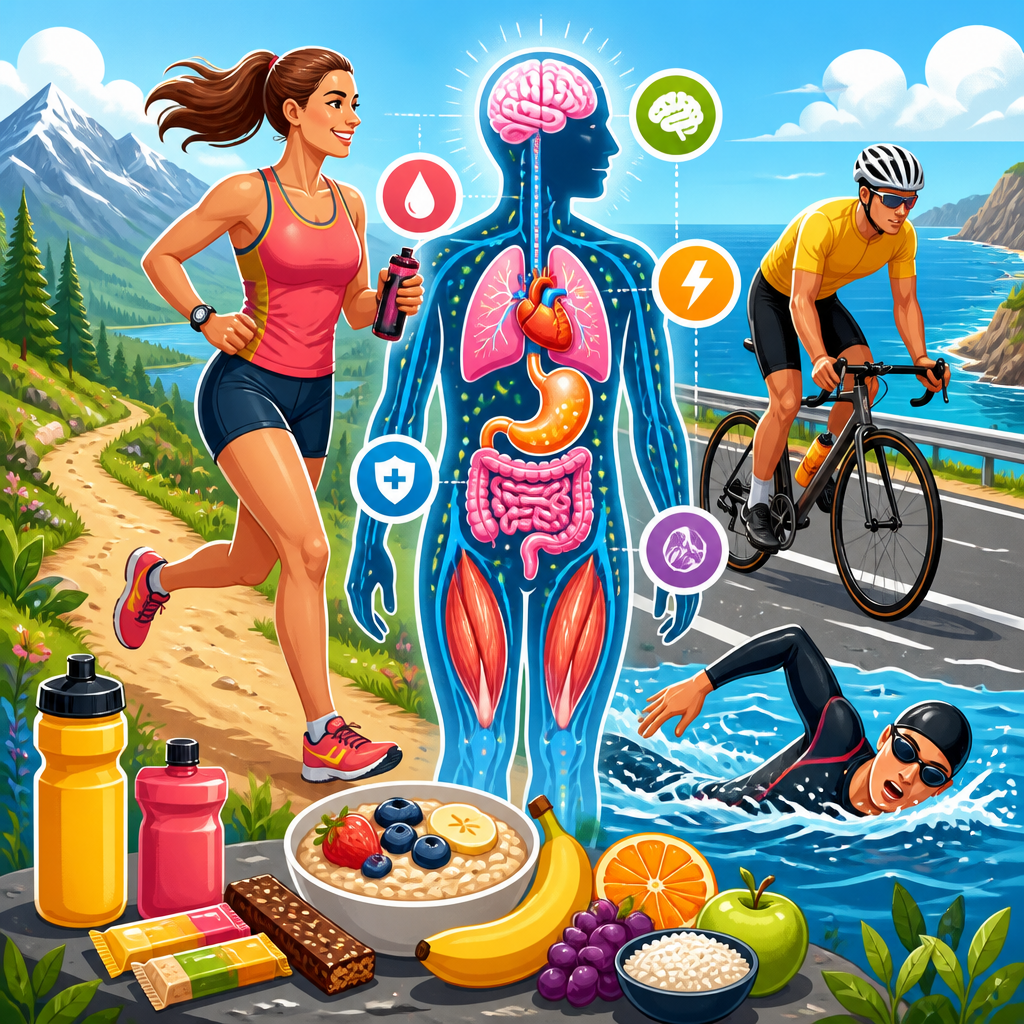
Hydration strategies for athletes are a core part of a healthy diet because fluid balance directly affects endurance, power output, cognitive function, recovery, and safety during training and competition. In sports nutrition, hydration means maintaining the right amount of body water and electrolytes before, during, and after exercise so the heart, muscles, nerves, and thermoregulation systems can work efficiently. For athletes, this is not just about drinking more water. It is about timing, fluid composition, sweat losses, body size, exercise duration, climate, and individual tolerance. After years of working with runners, field sport athletes, and strength competitors, I have seen the same pattern repeatedly: athletes often focus intensely on protein and carbohydrates yet underestimate how quickly even mild dehydration can reduce performance. A fluid loss equal to around 2% of body mass can impair aerobic capacity, decision-making, and heat dissipation, while excessive fluid intake without enough sodium can create a different and dangerous problem.
A healthy diet for athletes therefore includes planned hydration, not casual sipping alone. Water is essential, but sodium, potassium, and sometimes carbohydrate also matter, especially during long sessions or events in hot conditions. Sweat rates vary dramatically. One athlete may lose less than half a liter per hour, while another may lose more than two liters. Sweat sodium concentration also differs, which is why two teammates can complete the same session and have very different needs afterward. Governing bodies and consensus statements from organizations such as the American College of Sports Medicine and the National Athletic Trainers’ Association consistently emphasize individualized hydration plans. That advice aligns with what works in practice. The best hydration strategy is specific, measurable, and realistic enough to follow on busy training days, travel days, and competition mornings.
Because this article serves as a hub for hydration strategies for athletes, it covers the foundations every athlete should know: how hydration supports performance, how to estimate fluid and electrolyte needs, what to drink before, during, and after exercise, how sports drinks compare with water, and which common mistakes undermine results. It also addresses frequent questions directly. How much should an athlete drink per day? When is a sports drink useful? How can athletes tell if they are underhydrated? What changes in youth sports, endurance events, or team competitions played in the heat? Clear answers matter because hydration mistakes can be subtle at first, showing up as fatigue, cramps, headaches, or poor concentration before they become obvious.
Used well, hydration planning improves consistency. It helps athletes start sessions prepared, maintain pace deeper into workouts, preserve technical skill under fatigue, and recover faster for the next effort. It also fits naturally inside a healthy diet, because the foods athletes eat contribute fluid and electrolytes too. Milk, fruit, vegetables, soups, yogurt, and high-water meals all support hydration status. The goal is not perfection at every sip. The goal is a repeatable system that matches the demands of the sport and the physiology of the athlete.
Why hydration matters for performance and health
Hydration strategies for athletes matter because water is involved in nearly every performance-related process. Blood plasma volume depends on adequate fluid intake, and plasma volume influences cardiovascular efficiency. When athletes become dehydrated, heart rate rises for a given workload, perceived exertion increases, and the body has a harder time delivering oxygen to working muscles. Thermoregulation also suffers. Sweating is the primary cooling mechanism during exercise, but sweat loss without replacement reduces the body’s ability to dissipate heat. In hot and humid environments, that raises the risk of heat exhaustion and heat stroke.
The performance effects are not limited to endurance sports. I have worked with tennis players who lost precision late in matches after underdrinking between sets, and with soccer players whose decision-making deteriorated during second halves played in late summer conditions. Strength and power athletes are affected too. Dehydration can reduce training quality by increasing fatigue, lowering repetition performance, and slowing recovery between sets. Combat sport athletes who manipulate body weight are especially vulnerable because rapid fluid restriction may preserve weigh-in numbers while sharply reducing readiness if rehydration is incomplete.
Hydration also interacts with a healthy diet by affecting digestion and nutrient delivery. Carbohydrate absorption during exercise depends partly on adequate fluid. Recovery nutrition works better when athletes replace fluid alongside glycogen and protein. Practical indicators of poor hydration include dark urine, persistent thirst, headaches, unusual fatigue, elevated morning body weight losses relative to baseline, and a drop in training quality that cannot be explained by programming alone. None of these signs is perfect in isolation, but together they help athletes spot patterns early.
How athletes determine fluid and electrolyte needs
The most effective hydration strategies for athletes are individualized. Daily fluid needs depend on body size, climate, altitude, training load, clothing, and diet. A simple baseline target often used in practice is to drink regularly across the day and monitor urine color, thirst, and body weight stability. For a more precise exercise plan, athletes should measure sweat rate. The method is straightforward: weigh before exercise, track fluid consumed, note any urine losses, and weigh again afterward. The change in body mass, adjusted for intake and urine output, estimates sweat loss. For example, if an athlete finishes one hour of training 0.8 kilograms lighter after drinking 0.5 liters and not urinating, sweat loss is roughly 1.3 liters per hour.
Electrolyte needs are equally important. Sodium is the main electrolyte lost in sweat and the most relevant one for fluid retention and replacement. Heavy and salty sweaters often notice white residue on clothing, stinging sweat in the eyes, or repeated muscle cramping in long sessions. Not every cramp is caused by sodium loss, but high sweat sodium can contribute to performance decline and difficulty rehydrating. Potassium, magnesium, and calcium also play physiological roles, yet sodium remains the priority during and immediately after exercise because it supports plasma volume and stimulates thirst.
| Situation | Primary hydration goal | Practical approach |
|---|---|---|
| Exercise under 60 minutes | Start well hydrated and limit excessive losses | Water is usually enough; sip to thirst |
| Exercise 60 to 90 minutes | Maintain fluid balance and energy availability | Use water or a light sports drink depending on intensity and heat |
| Exercise over 90 minutes | Replace fluid, sodium, and carbohydrate progressively | Use a sports drink or planned combination of drink, gels, and sodium |
| Hot or humid conditions | Protect thermoregulation and reduce net fluid deficit | Prehydrate, chill fluids when possible, and monitor body mass loss |
| Post-exercise recovery | Restore fluid and electrolyte balance | Drink 125% to 150% of fluid lost with sodium-containing foods or beverages |
Before exercise: building a hydration routine that works
Pre-exercise hydration starts hours before the session, not at the moment an athlete walks onto the field or into the gym. A common guideline is to drink about 5 to 7 milliliters of fluid per kilogram of body mass around four hours before exercise, then add more if urine remains dark or minimal. For a 70 kilogram athlete, that is roughly 350 to 490 milliliters. This approach gives time for absorption and urination without beginning exercise overfull. In practice, I advise athletes to pair this with a familiar pre-training meal that includes sodium, especially if the session will be long, sweaty, or conducted in the heat.
Prehydration is especially valuable for morning training, travel schedules, and athletes who naturally drink little. Sleep creates an overnight fluid gap, and early sessions often begin with mild underhydration if breakfast and fluids are rushed. A simple solution is a structured morning routine: water on waking, a sodium-containing breakfast, and another small drink 30 to 60 minutes before warm-up. In hotter environments, cold fluids can improve comfort and voluntary intake. Some endurance athletes also benefit from glycerol or sodium loading protocols under professional supervision, but these are advanced tactics and not necessary for most training days.
Foods can support pre-exercise hydration better than many athletes realize. Oatmeal made with milk, yogurt with fruit, eggs with toast, and a bowl of soup all contribute fluid and sodium. This matters because athletes absorb hydration plans more consistently when the strategy fits normal eating habits rather than relying only on bottles and powders.
During exercise: matching fluids to duration, intensity, and conditions
During exercise, the goal is to limit excessive dehydration without causing gastrointestinal discomfort or overdrinking. For most sessions under an hour, water is sufficient if the athlete starts well hydrated. Once duration extends beyond 60 to 90 minutes, especially at moderate to high intensity, carbohydrate and sodium become more useful. Sports drinks typically provide 6% to 8% carbohydrate and meaningful sodium, helping maintain blood glucose and encouraging fluid intake. Endurance athletes may aim for about 30 to 60 grams of carbohydrate per hour in many events, with higher amounts possible when the gut is trained and multiple transportable carbohydrates such as glucose and fructose are used.
Team sport athletes face a different challenge because access to fluids is often intermittent. Football, basketball, hockey, and soccer players may have limited opportunities to drink, so planned access at breaks becomes essential. Individual sweat rate data helps here. If an athlete commonly loses 1.2 liters per hour and only has two drink opportunities, bottles can be premeasured to ensure meaningful intake rather than random sips. In hot weather, ice slurries, cold towels, shaded rest areas, and chilled bottles support cooling alongside fluid replacement.
Drinking to thirst works reasonably well for many recreational athletes, but competitive athletes in demanding environments often need more structure. Thirst usually lags behind rapid losses during intense exercise, particularly in the heat. The best plan prevents body mass losses from becoming excessive while accepting that some loss during long events is normal. Trying to replace every drop can lead to sloshing, nausea, and in rare cases exercise-associated hyponatremia if sodium intake is too low relative to fluid intake.
After exercise: rehydration, recovery, and the healthy diet connection
Recovery hydration begins by estimating what was lost. If an athlete loses one kilogram during training, the fluid deficit is roughly one liter. Because some of the fluid consumed after exercise will be lost in urine, standard sports nutrition guidance recommends replacing about 125% to 150% of the deficit over the next several hours. That means an athlete who lost one liter should aim for roughly 1.25 to 1.5 liters, ideally with sodium. This is one reason plain water is not always the best standalone recovery drink after heavy sweating.
Sodium-containing beverages and meals improve fluid retention. Milk is a practical option because it provides fluid, sodium, potassium, carbohydrate, and protein, making it useful after many training sessions. Recovery meals such as rice bowls, sandwiches with deli meat, pasta with sauce, yogurt with granola, or soup and bread also support rehydration. Fruit and vegetables add water and potassium, while salted foods help replace sodium losses. For athletes with another session later the same day, aggressive recovery hydration is more important because the turnaround time is short and performance can suffer if the deficit lingers.
Alcohol deserves a clear note. It can increase urine output and displace better recovery choices, so athletes should be cautious with post-event drinking, especially after heat exposure or when they need to train again soon. Caffeine in moderate amounts is less problematic than many athletes assume, because habitual caffeine users can still maintain hydration, but highly caffeinated drinks should not replace a sound fluid and electrolyte plan.
Common mistakes, special cases, and how athletes build a lasting plan
The most common hydration mistakes are simple: starting training dehydrated, relying only on thirst during long hot sessions, choosing water alone when sodium and carbohydrate are needed, and failing to practice race-day drinking in training. Gastrointestinal problems on event day are often planning failures rather than mysterious bad luck. Athletes need to train the gut just as they train muscles and energy systems. That means practicing the exact drinks, sodium sources, and carbohydrate amounts they will use in competition.
Special cases matter. Youth athletes depend on adults for scheduling drink breaks and may not recognize thirst early. Older athletes can have a blunted thirst response. Endurance athletes, triathletes, and marathoners often need the most detailed plans because events are long and environmental exposure is high. Athletes in weight-class sports must treat rapid dehydration methods with caution, since even when legal they can impair cardiovascular function, cognition, and repeated-effort capacity. Female athletes may also notice hydration differences across the menstrual cycle, though individual responses vary and should be tracked rather than assumed.
The best lasting plan is simple enough to repeat: establish a daily baseline, measure sweat rate in representative conditions, choose go-to pre-, during-, and post-exercise fluids, and review outcomes using body mass, urine color, and performance markers. Hydration strategies for athletes work best when they are integrated into the wider healthy diet, not treated as a separate task. Build meals and snacks that contribute fluid, keep sodium available for heavy sweat days, and adjust the plan as training blocks, seasons, and climates change. Athletes who do this consistently perform more predictably, recover more effectively, and reduce avoidable risks. Review your current routine, measure one week of real-world intake and sweat loss, and use those numbers to build a smarter hydration plan.
Frequently Asked Questions
Why are hydration strategies so important for athletes in a healthy diet?
Hydration strategies matter because water and electrolytes are involved in nearly every process that supports athletic performance and overall health. When an athlete is properly hydrated, the body can regulate temperature more effectively, maintain blood volume, deliver oxygen and nutrients to working muscles, remove metabolic waste, and support normal nerve and muscle function. This directly affects endurance, strength, power output, coordination, focus, reaction time, and recovery. Even mild dehydration can make exercise feel harder than it should, increase fatigue, reduce accuracy and decision-making, and raise the risk of heat-related illness.
In a healthy diet, hydration should be viewed as a daily nutrition priority rather than something that only matters during workouts. The right strategy includes fluid intake throughout the day, not just before competition, and should also account for electrolytes such as sodium, potassium, and chloride. These minerals help regulate fluid balance, muscle contractions, and nerve signaling. For athletes who sweat heavily or train for long periods, replacing electrolytes becomes especially important. A good hydration plan supports both performance and long-term wellness by helping the body function efficiently under physical stress.
Is drinking water enough, or do athletes also need electrolytes?
Water is essential, but it is not always enough on its own. For short, low-intensity sessions or everyday activity, plain water may be completely adequate. However, athletes who train hard, sweat heavily, exercise in hot or humid conditions, or participate in sessions lasting longer than about an hour often need electrolytes as well. Sweat does not only remove water; it also carries out sodium and smaller amounts of other minerals. If those losses are not replaced, fluid balance can become harder to maintain, and athletes may experience muscle cramping, headaches, early fatigue, dizziness, and declining performance.
Sodium is usually the key electrolyte to focus on during prolonged training because it helps the body retain fluid and supports normal muscle and nerve function. Sports drinks, electrolyte tablets, oral rehydration solutions, and salty foods can all be useful depending on the situation. The goal is not to consume as many electrolytes as possible, but to replace a meaningful portion of what is lost through sweat. This is why individualized hydration plans are often the most effective. An athlete with a very high sweat rate may need a much different strategy than someone doing lighter training in cool weather.
What is the best way for athletes to hydrate before, during, and after exercise?
The best hydration approach is one that is planned, consistent, and tailored to the athlete’s training load, environment, and sweat losses. Before exercise, athletes should begin activity already well hydrated. That usually means drinking fluids regularly throughout the day and having a moderate amount in the hours leading up to training or competition. A practical approach is to drink enough beforehand so urine is pale yellow and the athlete does not feel thirsty at the start of exercise. In some cases, including a small amount of sodium with pre-exercise fluids or meals can help improve fluid retention.
During exercise, the goal is to limit excessive fluid loss without overdrinking. The exact amount varies from person to person, but athletes generally benefit from sipping fluids at regular intervals rather than waiting until thirst becomes intense. For shorter or easier sessions, water may be sufficient. For longer sessions, especially those lasting more than 60 to 90 minutes, a beverage containing electrolytes and carbohydrates can help maintain hydration while also supporting energy levels. This becomes particularly important in endurance sports, repeated high-intensity efforts, and hot-weather training.
After exercise, rehydration is essential for recovery. Athletes need to replace both the water and the sodium lost in sweat. One of the most reliable ways to assess this is to compare body weight before and after exercise. Any weight lost during a session is largely fluid loss, and that fluid should be gradually replaced after activity. Recovery meals and snacks can contribute significantly, especially if they contain fluids, sodium, and water-rich foods such as fruit, soups, yogurt, or smoothies. Rehydration is most effective when it happens steadily over the next several hours instead of all at once.
How can athletes tell if they are dehydrated or not drinking enough?
There are several practical signs athletes can use to monitor hydration status. One of the easiest is urine color. Pale yellow urine generally suggests adequate hydration, while darker urine can be a sign that more fluid is needed. Thirst is another clue, but it should not be the only one, because by the time an athlete feels very thirsty, mild dehydration may already be present. Other common signs include dry mouth, headache, unusual fatigue, reduced concentration, irritability, and a noticeable drop in exercise performance.
For a more structured approach, athletes can track body weight before and after training sessions. Losing a significant amount of weight during exercise often indicates fluid loss through sweat. Repeatedly finishing workouts much lighter than when they started may signal that current drinking habits are not meeting hydration needs. Athletes should also pay attention to environmental factors, such as heat, humidity, altitude, and heavy clothing or protective equipment, all of which can increase sweat losses. Monitoring these patterns over time helps create a more accurate and personalized hydration strategy.
It is also important to recognize that hydration problems are not limited to dehydration. Drinking excessive amounts of plain water without enough electrolytes can dilute sodium levels and create a dangerous imbalance. This is why effective hydration is about balance, not simply volume. Athletes perform best when they understand their own fluid needs and use multiple indicators, not just one, to guide intake.
How does hydration support recovery, safety, and long-term athletic performance?
Hydration plays a major role in recovery because the body cannot repair, refuel, and adapt efficiently when fluid balance is disrupted. After exercise, fluids help restore circulation, support nutrient delivery to muscles, aid glycogen replenishment, and assist with temperature regulation. If an athlete remains dehydrated after training, recovery can be slower, soreness may feel worse, and the quality of the next session may decline. Over time, repeated poor hydration can contribute to underperformance, increased training stress, and inconsistent results.
From a safety standpoint, proper hydration reduces the risk of overheating, heat exhaustion, and heat stroke, especially during intense exercise or training in warm conditions. It also helps maintain cardiovascular stability, which is important because the heart has to work harder when blood volume drops due to fluid loss. Cognitive function is another major factor. Hydration supports focus, judgment, reaction time, and coordination, all of which are critical not only for performance but also for preventing mistakes and injuries in sport.
Long term, athletes who treat hydration as part of their overall nutrition strategy are usually better prepared for the demands of training and competition. They tend to recover more consistently, tolerate heavier workloads, and adapt more effectively over a season. The most successful approach is to combine daily hydration habits with sport-specific planning, including attention to fluid timing, electrolyte replacement, meal composition, and environmental conditions. In other words, hydration is not a side issue in a healthy diet for athletes. It is a foundational part of performance, recovery, and health.