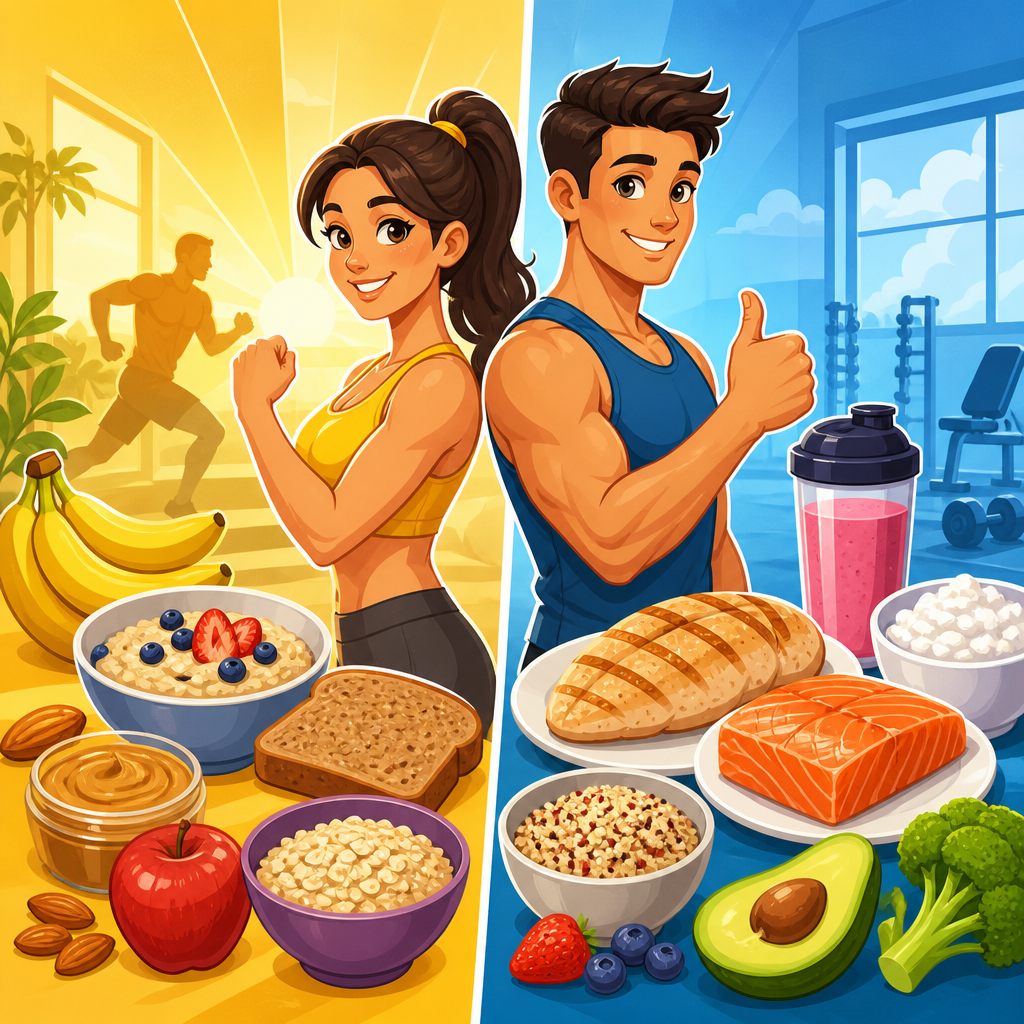
Pre-workout vs. post-workout nutrition shapes training quality, recovery speed, and long-term performance more than most gym routines acknowledge. In sports and performance nutrition, these two meal windows serve different physiological jobs: pre-workout nutrition prepares the body to train, while post-workout nutrition helps repair tissue, restore fuel, and support adaptation. People often blur the difference and ask a simple question: should you eat the same foods before and after exercise? The answer is no, because the body’s immediate demands change across the session.
Pre-workout nutrition usually emphasizes digestible carbohydrates for available energy, adequate fluids and electrolytes for hydration, and moderate protein to reduce muscle protein breakdown. Post-workout nutrition prioritizes protein to stimulate muscle protein synthesis, carbohydrates to replenish glycogen, and fluids with sodium to replace sweat losses. Fat and fiber are not “bad,” but timing matters. In practice, I have seen athletes improve both training output and recovery simply by shifting the same total calories into better meal timing and food selection.
This topic matters because exercise creates predictable metabolic stress. During hard training, muscles use glycogen, blood glucose, and stored fat for fuel. Resistance training also increases muscle protein turnover and creates microscopic tissue damage that must be repaired. Endurance sessions can leave athletes glycogen depleted, dehydrated, and short on sodium. Without strategic nutrition, the result is often flat workouts, slower recovery, excess soreness, poor sleep, and stalled progress.
Key terms help clarify the discussion. Glycogen is the stored form of carbohydrate in muscle and liver. Muscle protein synthesis is the process of building new muscle proteins after training. Bioavailability refers to how efficiently nutrients can be digested and absorbed. Gastric emptying describes how fast food leaves the stomach, which matters because the wrong pre-workout meal can sit heavily and impair performance. These concepts explain why a banana and Greek yogurt may work well before lifting, while salmon, rice, and fruit make more sense afterward.
Because this article is a hub page for pre-workout vs. post-workout nutrition, it covers the foods richest in the nutrients you need, the reasons each food works, and the situations where one option beats another. The goal is practical clarity. If you understand how carbs, protein, fluids, sodium, fats, and timing interact, you can build meals around your training instead of guessing and hoping your diet supports performance.
What your body needs before exercise
Before training, the main objectives are energy availability, hydration, and gastrointestinal comfort. For most workouts, carbohydrates are the first priority because they provide efficient fuel for moderate to high intensity effort. This is especially true for resistance training with volume, interval sessions, team sports, and endurance work above easy pace. Foods rich in pre-workout carbohydrates include oats, bananas, rice, potatoes, bagels, toast, cereal, applesauce, and low-fat granola. These foods differ in fiber, portion flexibility, and digestion speed, which is why meal timing affects the best choice.
If you eat two to four hours before exercise, a balanced meal works well: rice with chicken and fruit, oatmeal with milk and berries, or a turkey sandwich with a banana. If you eat within 30 to 90 minutes, lower-fiber, lower-fat foods are usually better tolerated, such as a banana, toast with honey, applesauce, pretzels, or a sports drink. In coaching settings, I have found that athletes who complain of nausea before training often improve when they reduce fat, large portions, and bulky vegetables in the final pre-workout hour.
Protein before exercise is useful, but it plays a supporting role compared with carbohydrate. A serving of 20 to 30 grams of protein before training can increase amino acid availability and help limit net muscle breakdown. Strong food options include Greek yogurt, cottage cheese, eggs, milk, kefir, tofu, deli turkey, and whey protein. The best choice depends on tolerance and timing. For early morning sessions, a shake and banana may be more realistic than a full meal.
Hydration belongs in every pre-workout plan. Even mild dehydration can reduce endurance capacity, increase perceived effort, and impair decision-making in sport. Water is adequate for many sessions under an hour, but athletes starting exercise already dehydrated need more deliberate fluid intake. Sodium matters too, particularly for heavy sweaters and hot environments. Foods that support pre-workout hydration include broth, salted rice, pickles in small amounts, yogurt, and fruit with high water content such as oranges or melon. Sports drinks can also help when convenience or tolerance is the limiting factor.
Top foods rich in pre-workout nutrition and why they work
The best pre-workout foods are rich in accessible carbohydrate, easy to digest, and practical for the training schedule. Bananas are a classic because they provide carbohydrate, potassium, portability, and low digestive burden. Oats offer steady-release carbohydrate and pair well with milk or yogurt for added protein, though their fiber content makes them better for meals eaten earlier. Bagels and toast are useful because they deliver concentrated carbohydrate with little bulk; add jam or honey for fast fuel.
Rice is one of the most reliable pre-workout carbohydrates because it is low in fiber, portion-friendly, and familiar across many cuisines. Athletes who struggle to eat enough before evening sessions often tolerate rice bowls better than salads or high-fat sandwiches. Potatoes are another strong option, especially when baked or mashed, because they provide carbohydrate, potassium, and satiety without excessive fat. Cereal with milk can work surprisingly well before training because it combines carbohydrate, fluid, and protein in a quick format.
For protein-rich pre-workout foods, Greek yogurt stands out for leucine content, digestibility, and convenience. Whey protein is the fastest and most practical option when appetite is low. Eggs are nutrient-dense but digest more slowly, so they fit better in meals eaten two or more hours before training. Tofu works well for plant-based athletes because it supplies complete protein and pairs easily with rice or noodles. Low-fat chocolate milk can also work before exercise, particularly for youth athletes who need a simple option they will actually consume.
Caffeine is technically not a food, but it often enters pre-workout planning through coffee, tea, or caffeinated gels. Used appropriately, it can improve alertness, reduce perceived effort, and support performance in both strength and endurance settings. The tradeoff is tolerance. Too much caffeine, especially with a heavy meal, can trigger jitters or stomach issues. In practice, the best pre-workout meal is not the trendiest one. It is the meal you can digest, repeat, and train hard on consistently.
What your body needs after exercise
After exercise, the priorities shift toward repair, refueling, and rehydration. Protein becomes central because training, especially resistance work, sensitizes muscle tissue to amino acids. A post-workout dose of about 20 to 40 grams of high-quality protein generally supports muscle protein synthesis, with larger athletes or those in hard training often benefiting from the upper end. Foods rich in post-workout protein include whey protein, milk, Greek yogurt, cottage cheese, eggs, chicken, tuna, salmon, lean beef, tempeh, tofu, and edamame.
Carbohydrates still matter after training, particularly when the session was long, intense, or followed by another workout later that day. Muscle glycogen resynthesis is most important for athletes with high training frequency. Rice, potatoes, pasta, bread, fruit, cereal, and sports drinks all contribute. If the next session is not for 24 hours, the exact timing is less critical than total daily intake, but in same-day training, recovering carbohydrate quickly is decisive.
Hydration after exercise means replacing both fluid and sodium losses. Water alone may be enough after light sessions, yet it is often insufficient after sweaty practices or summer runs. Rehydration works better when sodium is included because it helps retain the fluid you drink. Practical post-workout options include milk, soups, electrolyte drinks, salted meals, and fruit alongside water. I routinely remind athletes that a recovery shake without enough fluid or sodium can still leave them under-recovered if sweat losses were significant.
| Goal | Pre-workout foods | Post-workout foods | Why they fit |
|---|---|---|---|
| Fast carbohydrates | Banana, bagel, toast with honey, cereal | Rice, potatoes, fruit, cereal, sports drink | Support training energy before exercise and glycogen replacement after |
| High-quality protein | Greek yogurt, whey, milk, tofu | Whey, eggs, chicken, salmon, cottage cheese, tempeh | Provides amino acids; especially important after training for repair |
| Hydration and sodium | Water, yogurt, broth, fruit, sports drink | Milk, soup, electrolyte drink, salted meals, water | Helps maintain performance before and restore fluid balance after |
Top foods rich in post-workout nutrition and why they work
Whey protein is one of the strongest post-workout choices because it is rich in essential amino acids and leucine, the amino acid most associated with triggering muscle protein synthesis. It digests quickly and pairs well with carbohydrate sources such as fruit, oats, or cereal. Greek yogurt offers similar benefits in whole-food form and also contributes calcium. Cottage cheese is slower digesting because of casein, which can be useful when a full meal is delayed.
Eggs remain a valuable post-workout option because they provide complete protein plus micronutrients such as choline and selenium. Chicken breast and lean beef are staples for athletes who need larger protein servings without excessive fat. Salmon adds protein along with omega-3 fats, which may help support recovery and overall health, though very high-fat meals immediately after exercise can slow digestion for some people. For plant-based athletes, tofu, tempeh, edamame, soy milk, lentil pasta, and blended pea-soy protein drinks can all work when total protein is planned carefully.
For carbohydrate-rich recovery foods, white rice is hard to beat because it is easy to eat in useful portions and combines well with almost any protein. Potatoes replenish glycogen and provide potassium, a mineral lost in sweat. Fruit is effective not only for carbohydrate but also for fluid and palatability when appetite is low after intense sessions. Chocolate milk has remained popular for a reason: it naturally combines carbohydrate, protein, fluid, and electrolytes in one convenient package. It is not magic, but it is practical and evidence-aligned.
The best post-workout meals are often simple combinations: chicken with rice and vegetables, a whey shake with cereal and berries, eggs on toast with fruit, tofu stir-fry with noodles, or Greek yogurt with granola and banana. The ideal meal depends on body size, training load, and time until the next session. Recovery nutrition is not a single superfood. It is a system of matching protein, carbohydrate, fluid, and sodium to the actual demands created by training.
How to match foods to workout type, timing, and goals
Not every athlete needs the same pre-workout vs. post-workout nutrition. A 45-minute easy walk does not require the same strategy as two-a-day football practice or a heavy leg session. Before strength training, a meal with digestible carbohydrate and 20 to 30 grams of protein usually works best. Before endurance training lasting more than 60 to 90 minutes, carbohydrate quantity becomes more important, and during-session fueling may also be needed. Before high-intensity interval work, lower-fiber foods often prevent stomach distress.
After resistance training, prioritize protein and include carbohydrate according to overall daily intake and whether muscle glycogen was meaningfully taxed. After long endurance work, carbohydrate replacement and rehydration move to the front of the line. For athletes trying to gain muscle, both meal windows help create consistent intake without excessive fullness. For fat-loss phases, the principles stay the same, but portion sizes are adjusted rather than skipping recovery nutrition entirely. Underfueling around workouts commonly reduces training quality and makes adherence worse.
Meal timing should be practical, not obsessive. If you trained after a balanced meal eaten one to three hours earlier, you do not need to sprint to a shaker bottle the moment you rack the weights. If you trained fasted or have another session later the same day, earlier recovery feeding matters more. What consistently works is this: eat enough total protein across the day, center carbohydrates around demanding sessions, and use familiar foods you tolerate well.
Build your plan by testing meals in training, not on competition day. Keep notes on energy, hunger, stomach comfort, and recovery. Start simple with one or two reliable pre-workout options and two or three post-workout staples. Once those habits are consistent, refine portions. Mastering pre-workout vs. post-workout nutrition is less about rigid rules than about choosing the right foods at the right time for the work you expect your body to do.
Frequently Asked Questions
1. What is the main difference between pre-workout and post-workout nutrition?
Pre-workout and post-workout nutrition may involve some of the same food groups, but they serve very different purposes in the body. Pre-workout nutrition is primarily about preparation. It helps top off energy stores, supports stable blood sugar, improves focus, and may reduce early fatigue during training. In practical terms, this usually means eating foods that are rich in easily digested carbohydrates, moderate in protein, and relatively low in heavy fats or excessive fiber right before exercise. Foods such as oats, bananas, rice, toast, yogurt, or a smoothie can help provide accessible fuel without creating digestive discomfort.
Post-workout nutrition, on the other hand, is centered on recovery and adaptation. After exercise, the body is trying to repair muscle tissue, replenish glycogen, rehydrate, and restore normal function. This is where protein becomes especially important, along with carbohydrates to replace spent fuel. Foods like eggs, chicken, salmon, Greek yogurt, potatoes, rice, fruit, cottage cheese, and recovery smoothies are commonly used because they deliver the nutrients needed for repair and refueling. The key distinction is simple: before exercise, you are eating to perform; after exercise, you are eating to recover and improve from the work you just did.
2. Should you eat the same foods before and after a workout?
You can eat some of the same foods before and after a workout, but the composition and timing should usually change based on the goal of that meal. For example, rice, fruit, yogurt, and oats can all work on either side of a training session. What changes is why you are eating them and what they are paired with. Before a workout, the focus is usually on digestible carbohydrates for energy, with enough protein to support muscle function and satiety. After a workout, the priority shifts toward a stronger recovery balance of protein plus carbohydrates to support muscle repair and glycogen restoration.
For example, a banana with Greek yogurt might be a light pre-workout snack if you need energy without feeling too full. That same banana might become part of a post-workout meal when paired with a larger protein source like whey protein, eggs, or cottage cheese. Similarly, oatmeal before training may be ideal with fruit and a small amount of protein, while after training it can be built into a more recovery-focused meal with milk, protein powder, nuts, and berries. So the answer is yes, some foods overlap, but the portions, combinations, and nutrient emphasis should reflect whether you are fueling activity or recovering from it.
3. What are the best foods to eat before a workout for energy and performance?
The best pre-workout foods are the ones that provide steady, usable energy without causing stomach upset. For most people, carbohydrate-rich foods are the foundation of an effective pre-workout meal because carbohydrates are the body’s preferred fuel source for moderate to high-intensity training. Excellent choices include bananas, oatmeal, whole grain toast, rice, sweet potatoes, applesauce, low-fat yogurt, and smoothies made with fruit and milk or a milk alternative. These foods tend to digest relatively well and help support training intensity, endurance, and focus.
Protein also has a role before training, especially if the meal is eaten one to three hours in advance. Moderate portions of eggs, Greek yogurt, cottage cheese, turkey, or protein powder can help support muscle protein balance without making the meal too heavy. Fat and fiber are not bad nutrients, but large amounts immediately before exercise can slow digestion and increase the risk of bloating or discomfort during workouts, especially running, interval training, or leg sessions. A practical rule is to eat a larger mixed meal two to three hours before exercise, then use a smaller, simpler snack closer to training if needed. For example, chicken and rice a few hours before training works well, while a banana and yogurt 30 to 60 minutes before may be the better option if time is short.
4. What are the best foods to eat after a workout for recovery and muscle repair?
The best post-workout foods combine high-quality protein with carbohydrates, plus fluids and electrolytes when needed. Protein helps repair muscle tissue and supports training adaptation, while carbohydrates help replenish glycogen stores used during exercise. This combination is especially important after resistance training, long endurance sessions, high-volume conditioning, or any workout that significantly depletes energy and creates muscle stress. Strong post-workout choices include chicken with rice, eggs with potatoes, Greek yogurt with fruit, salmon with quinoa, cottage cheese with berries, a turkey sandwich, chocolate milk, or a protein smoothie with banana and oats.
The exact meal does not need to be complicated, but it should be purposeful. If your workout was intense or you train again soon, getting in both carbs and protein relatively soon afterward is a smart move. If your next meal is already planned within a couple of hours, that can often cover your recovery needs just fine. The bigger point is consistency. Repeatedly skipping post-workout nutrition can limit recovery quality, reduce performance in future sessions, and make it harder to gain strength, build muscle, or maintain energy across the week. A good recovery meal helps the body do what training is meant to trigger: rebuild stronger, restore fuel, and prepare for the next effort.
5. How important is timing for pre-workout and post-workout meals?
Timing matters, but it is not as rigid as many people think. The old idea that there is a tiny “anabolic window” that closes almost immediately after training is oversimplified. What matters more is the full pattern of eating around your workouts and across the day. For pre-workout nutrition, the main concern is giving your body enough time to digest while still arriving at the session with available energy. Larger meals usually work best two to four hours before exercise, while smaller snacks are often better 30 to 90 minutes before. The closer the meal is to the workout, the simpler and lower in fat and fiber it should generally be.
For post-workout nutrition, timing is still useful, especially if you trained hard, trained fasted, or have another session later the same day. In those cases, eating within roughly one to two hours after exercise can support better glycogen restoration and muscle recovery. However, total daily protein intake, carbohydrate intake, hydration, and meal quality still matter just as much as immediate timing. The best strategy is to avoid extremes: do not go into demanding training underfueled if performance matters, and do not wait half the day to eat after a tough session if recovery matters. Smart timing simply means matching the right foods to the right training window so your body has what it needs before, during, and after exercise.