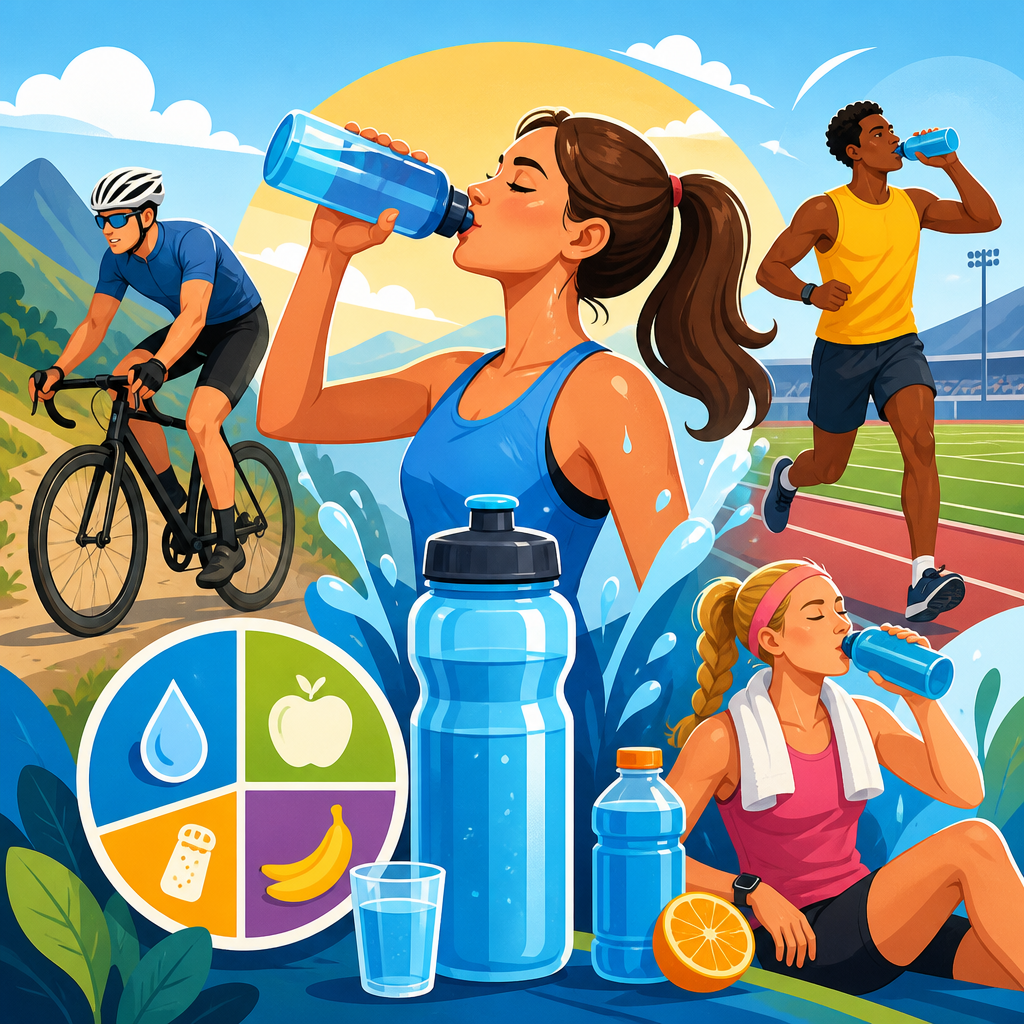
Hydration strategies for athletes directly affect endurance, power output, decision-making, and recovery, yet many training plans still treat fluid intake as an afterthought. In practice, hydration means more than drinking water before a workout. It includes managing total body water, replacing electrolytes lost in sweat, matching intake to training duration and intensity, and adjusting for heat, altitude, and individual sweat rate. I have worked with endurance athletes, field sport players, and strength competitors long enough to see the same pattern: performance drops often blamed on fitness, fueling, or mental fatigue are frequently tied to preventable hydration errors. A runner starts cramping late in a half marathon after relying on plain water, a tennis player loses sharpness in the third set after under-drinking between games, or a lifter trains hard in summer and finishes sessions dehydrated without realizing it because thirst lagged behind actual need.
For athletes, hydration matters because even modest fluid losses can impair output. A body mass loss of around 2 percent from dehydration can reduce aerobic performance, raise perceived exertion, and strain thermoregulation. Sweat is the body’s cooling system, but sweating also removes sodium, chloride, and smaller amounts of potassium, magnesium, and calcium. That loss profile varies widely between athletes, which is why a generic advice line such as “drink eight glasses a day” is not useful in sport. Effective hydration strategies for athletes are individualized, periodized, and tested in training before competition. They also balance risks on both sides: too little fluid can increase cardiovascular strain and overheating, while too much low-sodium fluid can contribute to exercise-associated hyponatremia. The goal is not perfect fluid balance at every moment. The goal is to support performance, safety, and recovery with a repeatable plan that matches the athlete, the sport, and the environment.
This hub article explains the foundations athletes need to build that plan. It covers what dehydration does to the body, how to assess sweat losses, when water is enough, when sports drinks are the better option, and how pre-exercise, during-exercise, and post-exercise hydration should differ. It also addresses common questions around electrolytes, cramping, heat adaptation, and practical monitoring tools. If you compete in endurance events, team sports, combat sports, strength training, or high-intensity indoor sessions, the principles are the same even though the application changes. Good hydration is not complicated once the moving parts are clear, but it does require intention. Athletes who understand their own needs can train harder, recover faster, and compete with fewer avoidable setbacks.
What hydration does for athletic performance
Hydration supports blood volume, temperature control, nutrient transport, and muscle function. When fluid status drops, plasma volume declines, heart rate rises for a given workload, and the body has to work harder to send blood to both exercising muscles and the skin for cooling. That competition matters most during long sessions, repeated sprints, and hot-weather play. In my experience, athletes usually notice dehydration first as a vague heaviness: pace feels harder, concentration slips, and recovery between efforts takes longer. By the time thirst becomes strong, performance may already be trending down.
The effect size depends on context. A mildly dehydrated athlete lifting in a cool gym may complete a session with little measurable change, while a soccer player covering repeated high-speed efforts in humid heat may fade quickly with the same percentage of body mass loss. Research from organizations such as the American College of Sports Medicine consistently shows that fluid deficits affect endurance and thermoregulation more reliably than short maximal strength, though perception, skill execution, and repeatability can still suffer across sports. Hydration also interacts with carbohydrate delivery. A well-formulated sports drink can supply both fluid and fuel, helping maintain blood glucose and gastric emptying during longer events. That is why hydration planning belongs inside broader sports nutrition, not beside it.
How athletes lose fluid and why sweat rate matters
The main route of fluid loss during exercise is sweat. Breathing also increases water loss, especially in dry or cold air, and some athletes start sessions already underhydrated because they drink too little throughout the day. Sweat rate is highly individual. I have seen athletes in the same practice lose less than 0.5 liters per hour and others lose more than 1.5 liters per hour under similar conditions. Body size, exercise intensity, clothing, heat acclimation, environment, and genetics all contribute. Sweat sodium concentration also differs significantly, which explains why one athlete finishes with only a salty jersey while another develops visible salt streaks and feels flat after an hour.
The simplest practical assessment is a pre- and post-session body weight check. Weigh yourself before training, then again after, accounting for any fluid consumed and urine produced. Roughly 1 kilogram of body mass loss equals about 1 liter of fluid deficit. If an athlete loses 1.2 kilograms during a one-hour run and drank 500 milliliters, estimated sweat loss is about 1.7 liters per hour. That number becomes the starting point for a replacement plan, not a commandment to drink exactly that amount every time. Day-to-day conditions change, and the stomach has limits. Still, this method is far better than guessing and is one of the most useful hydration strategies for athletes because it turns a vague habit into measurable practice.
Building a practical hydration plan before, during, and after exercise
Athletes need different hydration targets across the training timeline. Before exercise, the aim is to begin well hydrated, not overfilled. During exercise, the aim is to limit excessive fluid loss without causing gut discomfort. After exercise, the aim is to replace remaining deficits and restore sodium balance, especially if another session follows soon. The broad framework below works well for most sports and gives athletes a clear baseline to adjust from testing.
| Timing | Main goal | Practical target | Example |
|---|---|---|---|
| 2 to 4 hours before | Start session hydrated | About 5 to 10 mL fluid per kg body mass | A 70 kg athlete drinks 350 to 700 mL with a meal |
| 10 to 20 minutes before | Top up if needed | Small volume based on thirst and heat | 150 to 300 mL before warm-up |
| During exercise under 60 minutes | Limit excessive losses | Usually water as tolerated | Sip during breaks in a cool indoor session |
| During exercise over 60 to 90 minutes | Replace fluid, sodium, and often carbohydrate | Use sports drink; match intake to sweat rate as practical | Cyclist drinks 500 to 750 mL per hour with electrolytes |
| After exercise | Recover fluid and sodium | About 1.25 to 1.5 L per kg body mass lost | 1 kg lost equals 1.25 to 1.5 L over several hours |
Pre-exercise hydration works best when paired with meals containing sodium, because sodium helps retain consumed fluid. During exercise, tolerance is as important as theory. Athletes who force large volumes because a calculator told them to often end up bloated and underperforming. For sessions longer than 90 minutes, especially in heat, fluids containing sodium and carbohydrate are usually superior to plain water. Post-exercise, replacement should be spread over several hours, not chugged immediately, and should include salty foods or a recovery drink if sweat losses were high. That is especially important in tournaments, two-a-day practices, and stage races.
Water versus sports drinks versus electrolytes
Water is appropriate for many sessions, particularly low-to-moderate intensity workouts under an hour in temperate conditions. It is inexpensive, accessible, and effective when sweat losses are modest. Sports drinks become more useful as duration, heat, and sweat rate increase because they deliver sodium and carbohydrate along with fluid. A classic formulation contains about 6 to 8 percent carbohydrate, enough to support energy without slowing gastric emptying too much. Sodium content varies, but many standard drinks land around 230 to 700 milligrams per liter. Heavy or salty sweaters may need products on the higher end or additional sodium sources.
Electrolyte tablets and powders can be useful when carbohydrate is being handled separately through gels, chews, or solid food. They are also valuable for athletes who need sodium replacement without excess sugar during long, lower-intensity events. That said, “electrolyte” does not automatically mean effective. Some products are flavored water with tiny sodium doses that do little for a high-sweat athlete. Reading labels matters. In practical terms, I advise athletes to choose the drink based on event demands: water for short easy work, a sports drink for long or intense sessions, and targeted sodium support for heavy sweaters, heat, or repeated daily training. The right product is the one that solves the actual problem present that day.
How sport, climate, and body size change hydration needs
No universal hydration rule fits every athlete because demands vary sharply by sport. Endurance athletes often need the most structured plans due to long duration and cumulative sweat loss. Team sport athletes face a different challenge: stop-start play, limited access to bottles during competition, and a strong skill component that suffers when concentration drops. Combat sport athletes add the complication of weight cutting, which raises serious performance and safety concerns if dehydration is used aggressively. Strength and power athletes may not lose as much fluid in a short session, but hot training spaces, heavy clothing, and dense schedules can still create meaningful deficits.
Climate changes everything. Heat and humidity push sweat rate up and make evaporative cooling less effective. Cold conditions can mask thirst even while respiratory water loss increases. Altitude increases ventilation and can raise fluid needs, especially in the first days of exposure. Body size matters too. Larger athletes often produce more heat and may lose more total fluid, while smaller athletes can still have high relative sweat rates per kilogram. This is why the best hydration strategies for athletes are not copied from elite professionals or teammates. A football lineman training in August, a marathoner racing in dry conditions, and a volleyball player in an air-conditioned arena may all need different fluid plans despite training on the same day.
Common mistakes, warning signs, and smarter monitoring
The most common hydration mistake is waiting for thirst alone during demanding sessions. Thirst is useful, but it is not always timely enough for performance settings. The second mistake is overcorrecting with excessive plain water, especially in long events, which can dilute blood sodium. Early warning signs of underhydration include rising effort at normal pace, headache, unusual irritability, dizziness, and dark urine outside the immediate post-exercise window. Severe symptoms such as confusion, vomiting, or collapse require medical attention because dehydration, heat illness, and hyponatremia can overlap.
Good monitoring is simple. Check morning body weight trends, urine color, and how often you need to drink during normal days. Use session weigh-ins a few times in different environments to establish a realistic range. Notice salt crust on clothing, stinging eyes, or a strong preference for salty foods after training, which can suggest high sodium losses. Technology can help, but it should not replace judgment. Sweat testing services, smart bottles, and wearable sensors are useful only if the data leads to better decisions. The most reliable system I have seen is still basic: know your sweat rate, know the conditions, carry the right fluid, and practice your race-day plan in training.
Conclusion
Hydration strategies for athletes work best when they are specific, measured, and flexible. The fundamentals are clear: start exercise reasonably well hydrated, replace part of sweat losses during longer or hotter sessions, include sodium when losses are substantial, and restore remaining deficits after training. Water is enough for some workouts, but longer duration, higher intensity, and hotter conditions usually call for a more complete drink strategy. Individual sweat rate, sodium loss, body size, sport demands, and environmental stress all shape what “enough” looks like.
The biggest takeaway is that hydration is not a guess. Athletes can test it, refine it, and improve it just like pacing, fueling, and recovery. A simple body-weight check before and after key sessions, combined with attention to thirst, urine color, and performance quality, will reveal far more than generic advice ever can. If you want more consistent training and fewer preventable dips in performance, build your own hydration plan now and keep adjusting it as your season, climate, and workload change.
Frequently Asked Questions
1. Why is hydration so important for athletic performance?
Hydration plays a direct role in how well an athlete performs, thinks, and recovers. When fluid levels drop, blood volume decreases, which makes the heart work harder to deliver oxygen and nutrients to working muscles. That added strain can raise perceived effort, reduce endurance, and make a workout or competition feel harder than it should. Even mild dehydration can affect pace control, reaction time, concentration, and decision-making, which is especially important in field sports, team sports, and any event that requires tactical awareness under fatigue.
Hydration also supports temperature regulation. During exercise, the body cools itself through sweating, but that process depends on having enough fluid available. If sweat losses are not replaced, core temperature can rise more quickly, increasing the risk of heat stress and reducing output. On the recovery side, proper hydration helps maintain circulation, supports nutrient transport, and can improve how the body rebounds after training. In other words, hydration is not just about avoiding cramps or thirst. It is a performance variable that affects endurance, power, mental sharpness, and the ability to train consistently over time.
2. Is drinking water enough, or do athletes also need electrolytes?
Water is essential, but it is not always enough on its own. Athletes lose both fluid and electrolytes in sweat, especially sodium, along with smaller amounts of potassium, magnesium, and chloride. Sodium matters most because it helps maintain fluid balance, supports nerve signaling, and contributes to muscle function. If an athlete replaces large sweat losses with only plain water during long or intense exercise, especially in hot conditions, they may dilute blood sodium levels and increase the risk of underperforming or, in extreme cases, developing hyponatremia.
Electrolytes become more important as training sessions get longer, sweat rate increases, or environmental stress rises. For shorter or low-intensity sessions, water and normal meals may be enough. But for longer workouts, hard training blocks, or competitions where sweat loss is substantial, a sports drink or electrolyte plan can be more effective. This is particularly true for salty sweaters, endurance athletes, and players doing repeated sessions in the same day. The key point is that hydration is not just replacing what is lost in volume. It is also about replacing enough sodium to help the body retain and use that fluid effectively.
3. How much should an athlete drink before, during, and after exercise?
There is no single number that works for every athlete, because fluid needs depend on body size, sweat rate, training intensity, session length, weather, altitude, and sport demands. A practical pre-exercise strategy is to begin a workout already well hydrated rather than trying to catch up once training starts. Drinking fluids regularly throughout the day, then taking in additional fluid in the few hours before exercise, usually works better than chugging a large amount at the last minute. Urine color, morning body weight trends, and how you feel at the start of a session can all offer useful clues.
During exercise, the goal is to limit excessive fluid loss without overdrinking. For shorter sessions, drinking to thirst may be enough for many athletes. For longer sessions, high-intensity work, or training in the heat, a more structured plan is often better. That may include scheduled sips of water or a sports drink at regular intervals, with intake adjusted based on known sweat losses. After exercise, athletes should replace both fluid and electrolytes, especially if they have another session later the same day. A useful approach is to compare body weight before and after training to estimate sweat loss and then build a recovery plan that restores hydration gradually rather than all at once. This method is more precise than guessing and helps athletes avoid both underhydration and overhydration.
4. How do heat, altitude, and individual sweat rate change hydration needs?
Environmental conditions can dramatically change how much fluid and sodium an athlete needs. In hot and humid weather, sweat rates typically increase because the body works harder to regulate temperature. That means fluid losses can climb quickly, and athletes who use a normal cool-weather drinking routine may fall behind fast. In dry environments, sweat may evaporate so efficiently that athletes do not realize how much they are losing, which can also lead to underhydration. At altitude, fluid needs may rise due to increased breathing losses, changes in appetite and thirst, and the body’s adjustment to the environment.
Individual sweat rate matters just as much as climate. Some athletes lose relatively little fluid, while others can lose a large amount in a single hour, and sodium concentration in sweat varies widely too. That is why one-size-fits-all advice often falls short. A sweat test based on pre- and post-exercise body weight can help estimate fluid loss in specific conditions, and repeated observation can identify patterns across different training settings. Athletes who know they are heavy or salty sweaters often benefit from personalized hydration plans that include targeted sodium intake, especially for long races, hard practices, or back-to-back sessions. The more demanding the environment, the more valuable that individualized approach becomes.
5. What are the most common hydration mistakes athletes make?
One of the biggest mistakes is waiting until thirst becomes intense before drinking. Thirst is useful, but in demanding training or competition it may not always keep pace with actual fluid losses, particularly in heat or during highly focused play. Another common error is treating hydration as something that starts right before exercise rather than as an all-day habit. Athletes who begin a session already underhydrated are immediately at a disadvantage and often spend the rest of the workout trying to recover ground they already lost.
A second major mistake is focusing only on water and ignoring electrolytes, especially sodium. This shows up often in endurance events, tournaments, and long outdoor training blocks where sweat losses are high. Athletes also frequently copy someone else’s plan without considering body size, sweat rate, climate, and sport demands. Overdrinking can be just as problematic as underdrinking, especially if large amounts of plain water are consumed without sodium replacement. Finally, many athletes neglect post-exercise rehydration, which can compromise recovery and reduce readiness for the next session. The most effective strategy is individualized, practiced in training, and adjusted for duration, intensity, and environment rather than improvised on competition day.