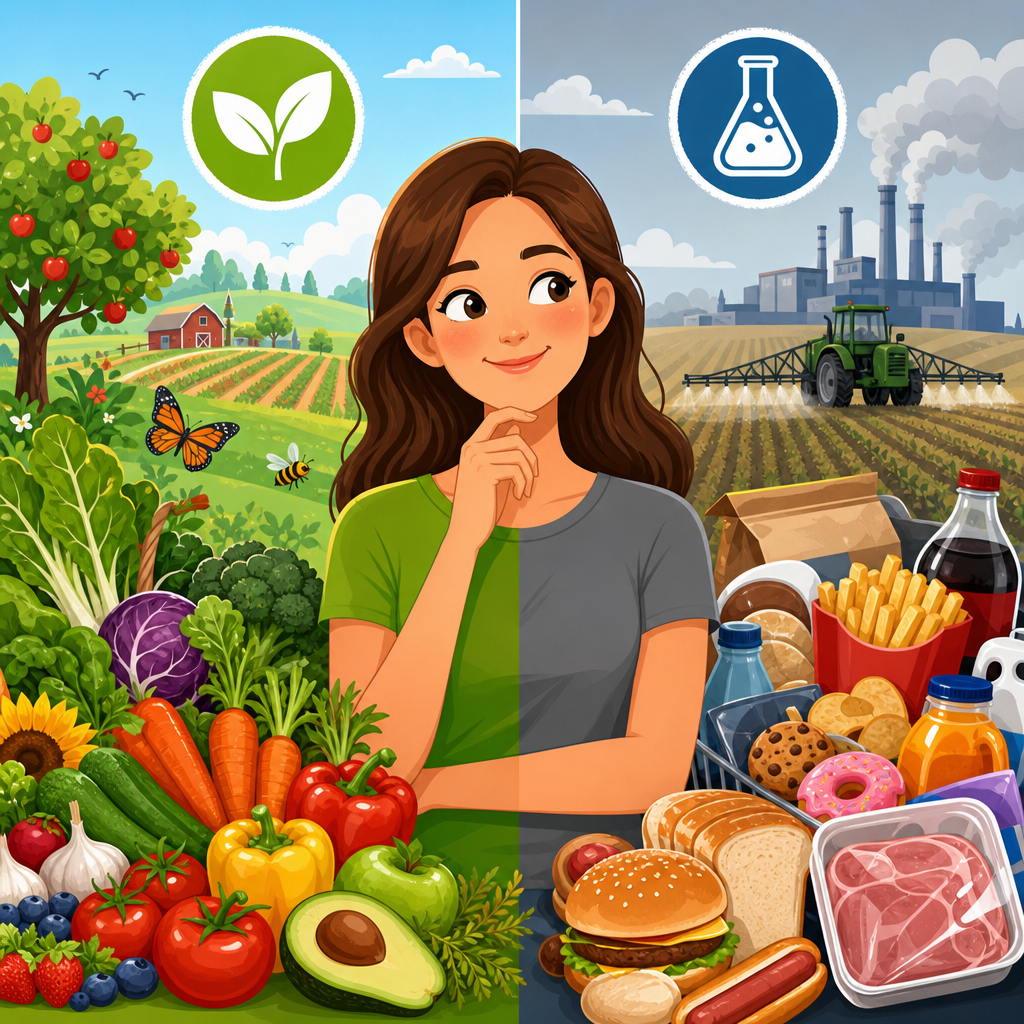
Organic vs. conventional foods shapes daily health decisions because the way food is grown, processed, and regulated affects nutrient intake, chemical exposure, environmental quality, and household budgets. Organic food generally refers to products produced under certified standards that restrict most synthetic pesticides, prohibit routine use of genetically engineered seeds in many jurisdictions, limit synthetic fertilizers, and set rules for animal feed, outdoor access, and antibiotic use. Conventional food refers to the dominant agricultural system, which may use synthetic crop protection products, mineral fertilizers, modern breeding tools, and a wider range of livestock management practices. In practice, consumers are not choosing between “good” and “bad” food. They are choosing between production systems with different tradeoffs. That distinction matters, because discussions about overall well-being often become simplistic when the evidence is more nuanced.
From years of reviewing food labels, farm standards, residue reports, and nutrition studies, I have found that the most useful question is not “Is organic always healthier?” but “Which differences are meaningful for health, and for whom?” For a pregnant person worried about pesticide exposure, the answer may differ from that of an endurance athlete focused on carbohydrate intake, or a family trying to increase fruit and vegetable consumption on a tight budget. Well-being includes physical health, mental confidence in food choices, social values, and long-term environmental conditions that support human health. A clear comparison between organic and conventional foods helps consumers make informed decisions instead of reacting to marketing claims or fear-based messaging.
This hub article explains how organic vs. conventional foods impacts your overall well-being by defining the core differences, reviewing what research says about nutrient content and pesticide residues, examining effects on gut and metabolic health, and outlining environmental and affordability considerations. It also addresses practical questions readers commonly ask, such as whether organic dairy and meat are different, whether washing produce is enough, and how to prioritize purchases when every item cannot be organic. The goal is direct: give you a reliable framework for choosing foods that support health without ignoring cost, access, or scientific uncertainty.
What Actually Makes a Food Organic or Conventional?
The most important starting point is certification and production rules. In the United States, organic foods regulated under the USDA Organic program must meet standards for soil fertility practices, approved and prohibited substances, livestock feed, and recordkeeping. Similar frameworks exist in the European Union, Canada, and other markets. Organic farming is not pesticide-free; it allows certain naturally derived or specifically approved pest control substances. Conventional farming is also not unregulated; farmers must follow residue limits, worker-safety rules, and environmental laws, though the allowed tools are broader. This matters because many consumers incorrectly assume organic means no pesticide use and conventional means unsafe food. Neither assumption is accurate.
Growing methods differ in ways that can influence food characteristics. Organic systems often rely more heavily on crop rotation, cover crops, composted manure, mechanical weed control, and biological pest management. Conventional systems often use precision fertilizer programs, herbicides, fungicides, insecticides, and high-yield crop varieties to stabilize output. On livestock farms, organic standards usually require organic feed and restrict routine antibiotics, while conventional systems may use antibiotics therapeutically and, depending on jurisdiction and species, under different management frameworks. These distinctions can affect residue profiles, fatty acid composition in some animal foods, and environmental outcomes such as soil organic matter or nitrogen runoff.
For overall well-being, the key point is that “organic vs. conventional foods” is not a single nutritional property. It is a bundle of production choices that can alter exposure patterns and, in some cases, composition. A certified organic apple and a conventional apple are both still apples with fiber, water, vitamin C, and polyphenols. The baseline health benefit of eating produce remains strong in either system. Differences become more meaningful when exposure levels, farming practices, or specific product categories are examined closely.
Nutritional Differences: Are Organic Foods More Nutritious?
The short answer is that organic foods are not consistently or dramatically higher in nutrients across the board, but some differences do appear in certain contexts. Meta-analyses have reported that organic crops may contain higher levels of some polyphenols and lower cadmium concentrations, while protein levels in some conventional crops can be slightly higher because of nitrogen fertilization patterns. For most consumers, these differences are real but modest compared with larger determinants of diet quality such as total produce intake, fiber consumption, protein adequacy, and overall dietary pattern. Eating more vegetables matters more than whether every vegetable is organic.
That said, the details are worth understanding. Polyphenols are plant compounds associated with antioxidant activity and potential benefits for cardiovascular and metabolic health. In lower-input farming systems, plants sometimes produce more of these defensive compounds under greater pest or environmental pressure. I have seen this finding overinterpreted in marketing, but the science does not support the claim that organic produce automatically delivers a clinically significant nutrition advantage in every meal. Variety, freshness, storage time, cultivar, soil conditions, and ripeness often influence nutrient content just as much as the production label.
Animal foods show a somewhat clearer pattern in certain cases. Organic milk and some organic meats may contain higher proportions of omega-3 fatty acids when animals consume more pasture or forage. However, the absolute contribution to total omega-3 intake can still be small compared with fatty fish, flaxseed, chia, or supplements when medically appropriate. If someone believes organic yogurt alone will correct an otherwise poor diet, they will be disappointed. The practical conclusion is balanced: organic foods can have compositional advantages, but they do not replace the fundamentals of good nutrition.
Pesticide Residues and Human Health
When people ask how organic vs. conventional foods impacts overall well-being, pesticide exposure is usually the first concern. This is where the evidence is most relevant. Monitoring programs from agencies such as the USDA Pesticide Data Program and the European Food Safety Authority consistently show that most conventional foods test below established maximum residue limits. That supports the conclusion that the food supply is generally compliant and not acutely dangerous. However, organic foods tend to have fewer detectable synthetic pesticide residues and lower overall residue levels. For consumers trying to reduce chronic exposure, especially during pregnancy or early childhood, that difference is meaningful.
Risk is not the same as hazard. A substance can be capable of harm at certain doses yet present at levels regulators consider acceptable. Still, acceptable does not mean zero concern in every scenario, particularly for endocrine-disrupting chemicals, cumulative exposures from multiple foods, or occupational and environmental burdens affecting farm communities. Several observational studies have linked higher dietary exposure to certain pesticide classes with adverse reproductive, neurologic, or metabolic outcomes, although establishing direct causation from food residues alone remains difficult. This is one reason many clinicians support reducing unnecessary exposure where practical, even while encouraging people not to avoid produce.
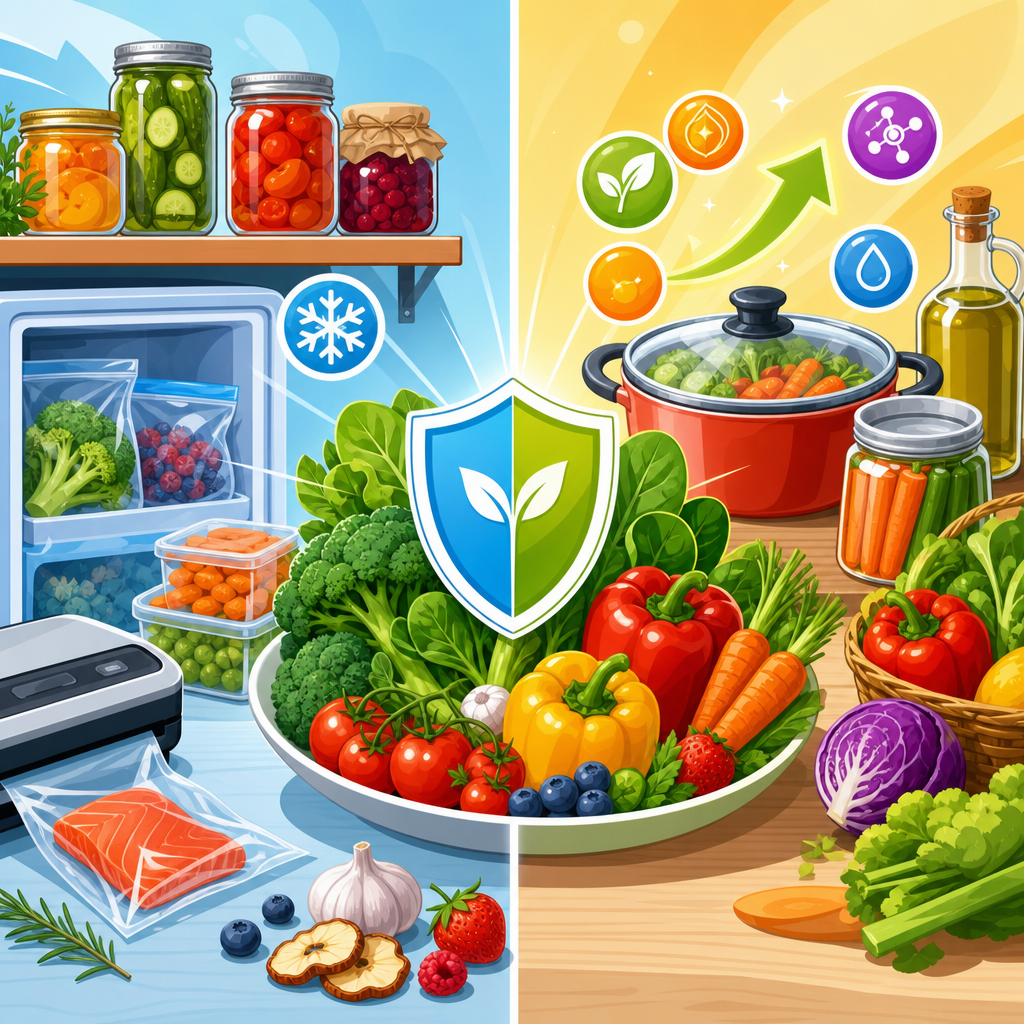
Washing, peeling, and trimming can lower some residues on conventional produce, but not all residues sit only on the surface. Systemic pesticides can be taken up into plant tissues, and processing methods vary in effectiveness. Organic can therefore reduce exposure beyond what washing achieves, though proper produce handling remains useful for both systems. In my experience advising shoppers, the most realistic message is this: if buying organic helps you feel more comfortable and you can afford it, prioritize items commonly eaten often and in high quantity, such as berries, apples, leafy greens, oats, and children’s snack foods. If organic is unavailable, conventional produce is still worth buying and eating.
Effects on Gut, Metabolic, and Long-Term Health
Direct evidence that organic diets independently improve long-term health outcomes remains limited, but there are plausible pathways. Lower pesticide exposure may matter for neurodevelopment, hormone signaling, and microbiome interactions, though these pathways are still being studied. Higher intake of organic foods has been associated in some cohort studies with lower rates of certain outcomes, including overweight and some cancers. Yet these findings can be confounded by lifestyle patterns. People who buy more organic food often exercise more, smoke less, eat more fiber, and have higher incomes. Good research adjusts for these factors, but observational data cannot eliminate every source of bias.
Gut health is another area where consumers deserve a precise answer. Organic food is not automatically probiotic, anti-inflammatory, or microbiome-restoring. What supports the gut most strongly is a dietary pattern rich in fiber, legumes, whole grains, fermented foods, and diverse plant intake. Organic versions of these foods can reduce certain exposures, but the presence or absence of synthetic pesticide residues is only one variable in a complex system. Conversely, an ultra-processed organic cookie with cane sugar and refined starch does little for gut or metabolic health simply because it carries an organic seal.
For chronic disease prevention, diet quality outranks production label. Mediterranean-style eating patterns, adequate potassium, lower sodium, healthy fats, and limited added sugars have stronger evidence than choosing organic alone. Still, production methods can complement these goals. A person who selects organic oats, beans, milk, and produce while maintaining a high-quality dietary pattern may gain incremental benefits through lower residues and, in some cases, different nutrient profiles. The realistic interpretation is that organic can be a useful layer of risk reduction, not a substitute for dietary fundamentals or medical care.
Environmental Quality, Animal Welfare, and Personal Well-Being
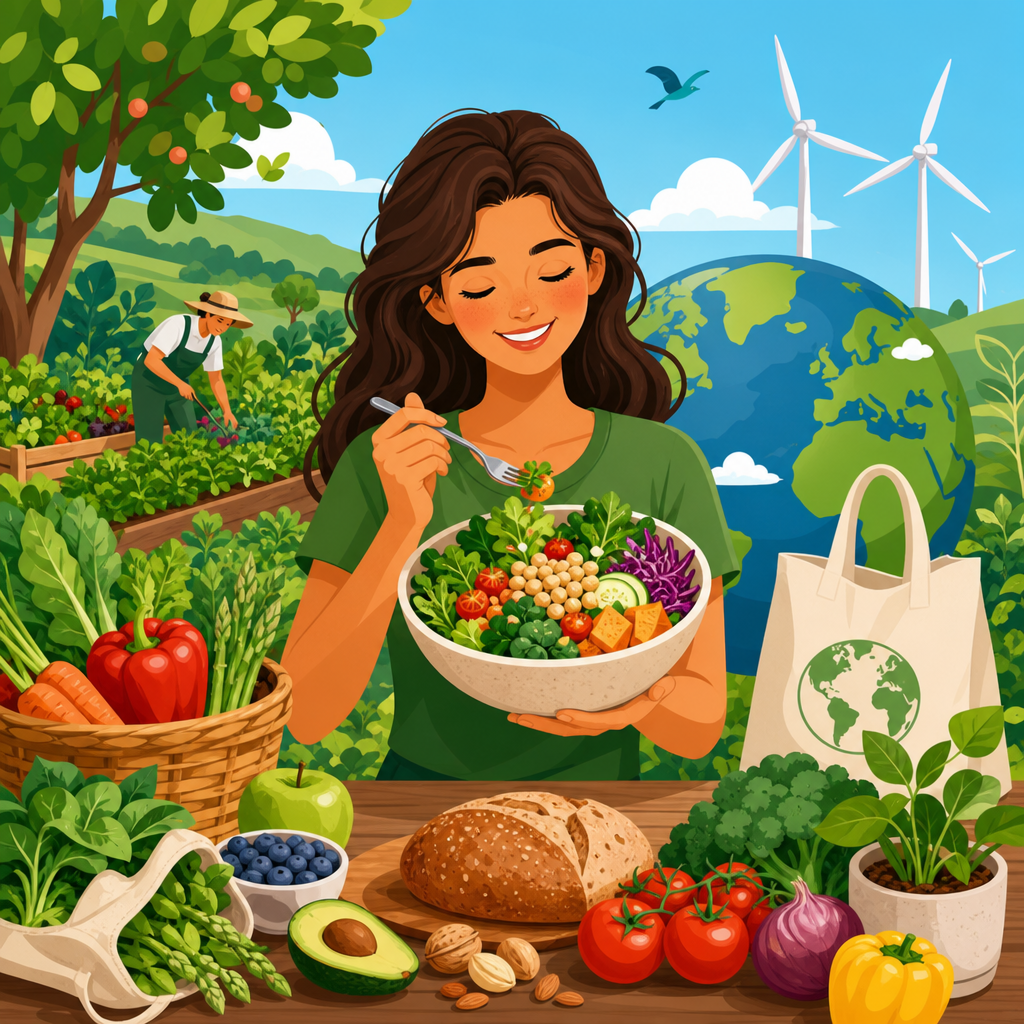
Overall well-being is broader than biomarkers on a lab report. Food choices influence environmental conditions that feed back into human health. Organic farming often improves soil structure, supports higher on-farm biodiversity, and reduces use of many synthetic inputs associated with water contamination or insect decline. Healthier soils can increase water retention and resilience during drought. Reduced herbicide and insecticide use may also benefit neighboring ecosystems and potentially lower environmental exposure burdens for rural communities. These outcomes are not universal, but they are frequent enough to matter in a serious comparison.
Conventional farming, however, usually achieves higher yields per acre for many crops, which can reduce land-use pressure if managed responsibly. Yield matters because expanding farmland into forests or grasslands can carry major climate and biodiversity costs. I have seen consumers overlook this tradeoff. Organic systems are often environmentally favorable on some measures and less efficient on others. The strongest position is not ideological; it recognizes that regenerative practices, precision nutrient management, integrated pest management, and improved soil stewardship can and should be advanced across both systems.
Animal welfare also affects consumer well-being, especially for people whose food choices are tied to ethics. Organic livestock standards generally require more space and outdoor access, and they restrict routine antibiotic use. For many households, that alignment with personal values reduces decision stress and increases satisfaction with purchases. Psychological well-being is part of overall well-being. Feeling that your food choices reflect your health and environmental priorities can improve confidence and consistency, provided the choices remain financially sustainable.
Cost, Access, and How to Prioritize Purchases
The biggest limitation of an organic-first approach is cost. Organic foods often carry premiums because of certification expenses, lower yields in some systems, more labor-intensive weed control, and segmented supply chains. For many families, insisting on all-organic shopping can reduce total produce purchases, which is counterproductive. The best strategy is usually selective prioritization: buy organic where it most aligns with your concerns, and buy conventional where price and availability make that more realistic.
| Food category | When organic may be worth prioritizing | When conventional is usually fine |
|---|---|---|
| Thin-skinned fruits | If eaten frequently by children or during pregnancy | If washed well and organic price is prohibitive |
| Leafy greens | If consumed daily in salads or smoothies | If budget limits total vegetable intake |
| Frozen produce | If cost gap is small and used often | If frozen conventional helps maintain intake year-round |
| Grains and oats | If staple foods are eaten every day | If whole-grain conventional options fit the budget better |
| Dairy and eggs | If pasture access and feed standards matter to you | If conventional versions support protein needs affordably |
Smart shoppers use practical tools. Compare unit prices, not package prices. Use frozen organic berries or spinach when fresh organic options are expensive. Buy in-season produce from local farms and ask about spray practices, even if the farm is not certified organic. Focus first on food groups you eat repeatedly, because repeated exposure and repeated nutrition benefits both matter more than occasional purchases. If you want the strongest return on spending, prioritize fruits, vegetables, grains, dairy, and children’s foods before highly processed snack products labeled organic.
Another useful rule is to protect dietary consistency. A conventional lunch built around beans, brown rice, vegetables, yogurt, and fruit will support well-being far more reliably than skipping meals because your preferred organic options are unavailable. Sustainable habits beat perfect ideals. The best food system for a household is the one it can maintain week after week.
How to Make the Best Choice for Your Health
If you want a clear decision framework, start with four questions. First, how often do you eat the food? Second, who is eating it, especially are there children, pregnant people, or anyone with high vulnerability? Third, is the organic version affordable enough to buy without reducing overall diet quality? Fourth, does the farming method matter to your values around environment or animal care? These questions cut through marketing and keep the decision tied to measurable well-being.
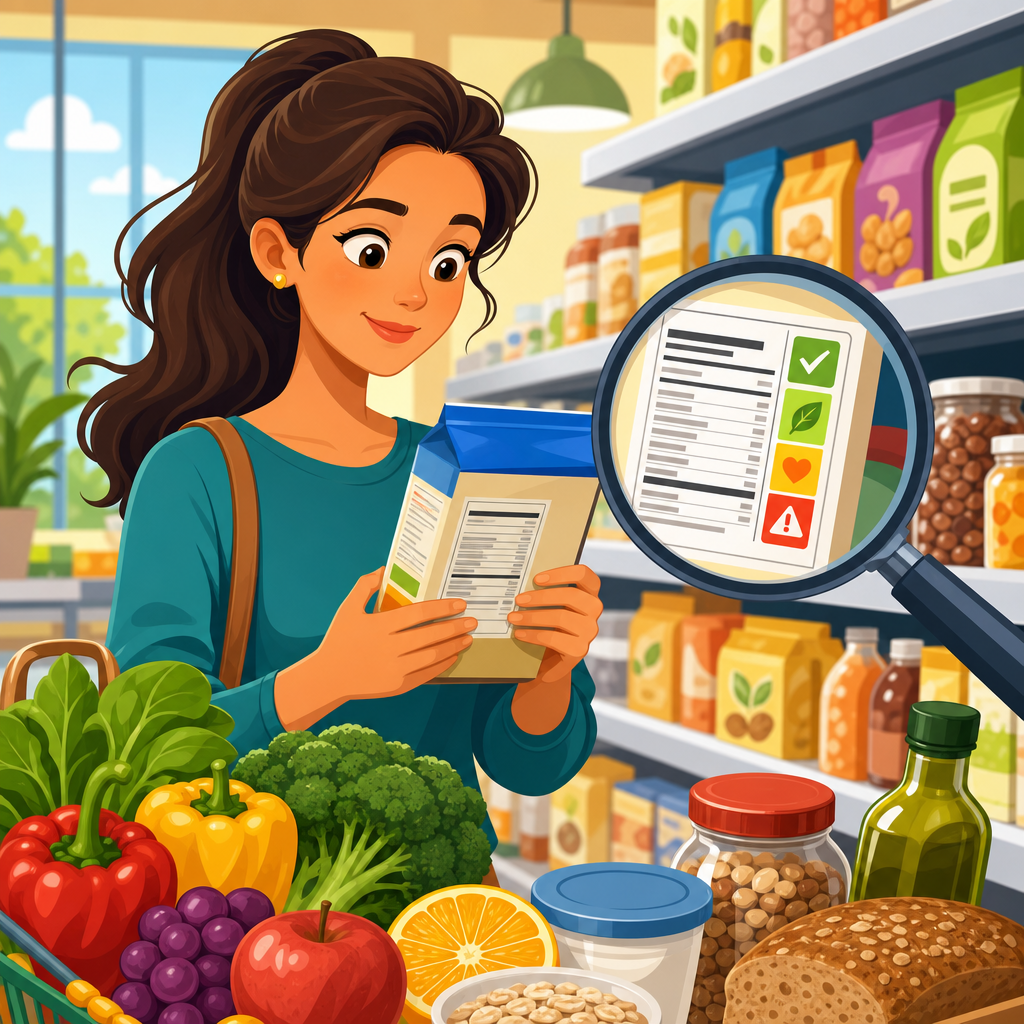
In practical terms, prioritize total intake of minimally processed foods, then upgrade strategically. Build meals around vegetables, fruit, legumes, whole grains, nuts, seeds, and quality protein. Choose organic versions of frequent staples when cost allows. Wash all produce, store it properly, and do not assume an organic label guarantees nutritional excellence. Read ingredient lists on packaged foods. Certified organic sugar cereal is still sugar cereal. A conventional bag of dried lentils may deliver more health value than a shelf of organic snack bars.
The central takeaway is straightforward: organic foods can reduce exposure to certain synthetic pesticide residues and may offer selective nutritional or ethical advantages, while conventional foods remain an important, safe, and often more accessible source of nourishment. Overall well-being improves most when you eat a diverse, plant-forward diet consistently, use organic purchases where they matter most to your health goals, and avoid letting labels distract from fundamental nutrition. Review your current grocery routine, identify three foods you buy most often, and decide whether switching one or two of them makes sense for your budget and priorities.
Frequently Asked Questions
1. Does choosing organic food automatically make your diet healthier?
Not automatically. Organic food can be part of a healthier lifestyle, but overall well-being depends much more on the total quality of your diet than on a single label. For example, an organic apple is still a nutritious whole food, but an organic cookie is still a processed dessert. The biggest health gains usually come from eating more fruits, vegetables, whole grains, legumes, nuts, seeds, and minimally processed proteins, whether they are organic or conventional. That said, organic foods may offer specific advantages for some people because certified organic production generally restricts most synthetic pesticides, limits synthetic fertilizers, and follows stricter standards for livestock feed and routine antibiotic use. These differences may reduce certain exposures and influence how people feel about the food they eat.
From a practical perspective, organic foods may support healthier choices when they encourage someone to cook more at home, eat more produce, or prioritize cleaner ingredient lists. They can also be meaningful for families trying to lower pesticide exposure, especially for children or during pregnancy. Still, conventional foods remain highly valuable nutritionally and should not be avoided simply because they are not organic. If budget is a concern, eating a wide variety of conventional fruits and vegetables is far better for long-term health than eating fewer plant foods while waiting to buy only organic. In other words, organic can be a helpful tool, but it is not a substitute for a balanced, nutrient-dense eating pattern.
2. Are organic foods more nutritious than conventional foods?
The nutritional difference between organic and conventional foods is real in some cases, but it is usually smaller and less consistent than many headlines suggest. Nutrient content can vary because of soil quality, crop variety, climate, harvest timing, storage conditions, transport, and freshness, not just farming method. Some studies have found slightly higher levels of certain antioxidants or beneficial plant compounds in some organic produce, while others show minimal differences in vitamins and minerals overall. In animal foods such as milk or meat, differences may sometimes reflect what the animals were fed and how they were raised, including pasture access. However, these differences do not always translate into dramatic changes in health outcomes for the average person.
For overall well-being, the most important nutritional factor is consistency: regularly eating enough fiber, protein, healthy fats, vitamins, minerals, and phytonutrients from a diverse diet. A fresh, seasonal conventional tomato may be more flavorful and nutritionally appealing than an organic tomato that spent too long in storage. Likewise, a locally grown food can sometimes beat a more expensive packaged option regardless of the label. If you prefer organic and can afford it, it may offer modest nutritional benefits in some categories, but the larger takeaway is that food variety, freshness, and preparation habits usually matter more than whether a product is organic or conventional.
3. How does organic vs. conventional food affect exposure to pesticides, antibiotics, and other chemicals?
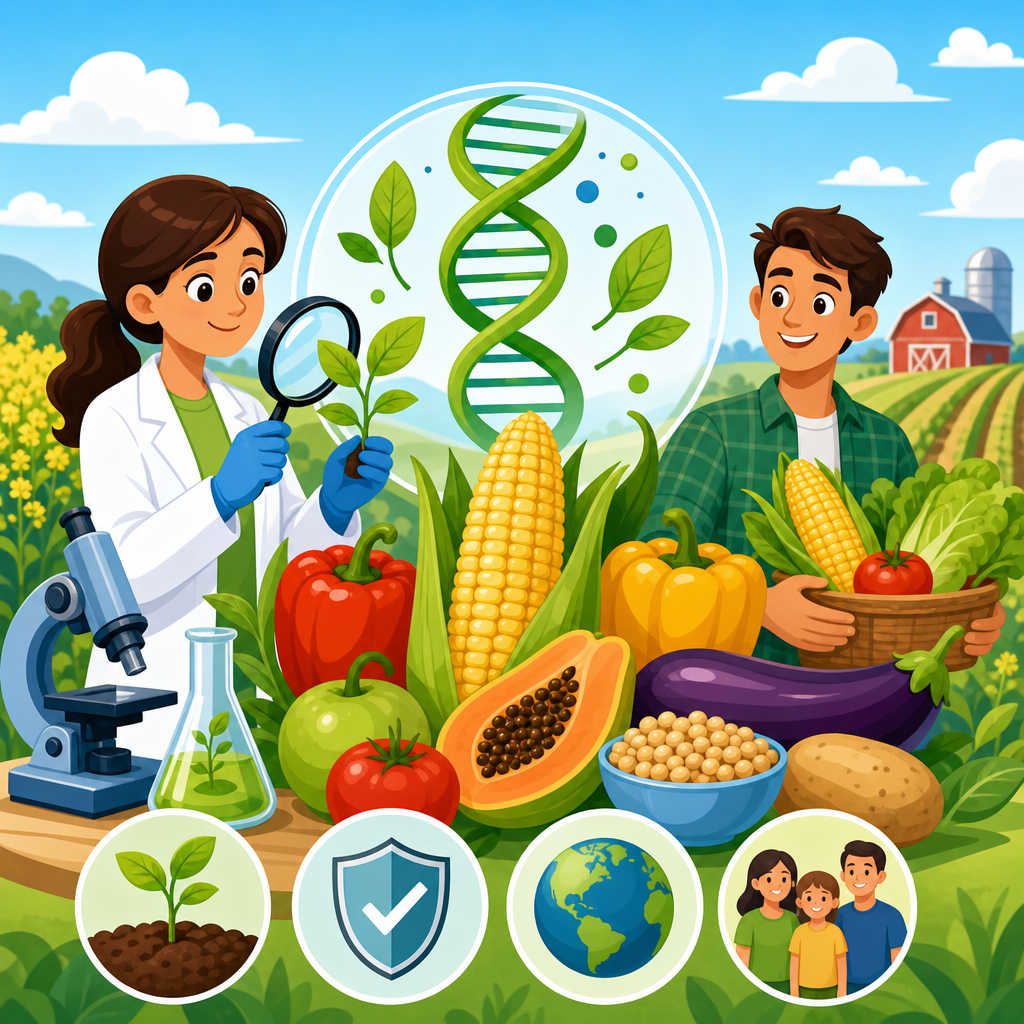
This is one of the clearest areas where organic and conventional foods differ. Organic farming standards generally restrict most synthetic pesticides and prohibit routine use of genetically engineered seeds in many jurisdictions, while conventional farming may use a broader range of approved pest-control tools, fertilizers, and production methods. As a result, people who eat more organic foods often show lower measurable exposure to certain pesticide residues. That does not mean conventional food is automatically unsafe. Conventional foods sold through regulated markets must typically meet legal safety thresholds, and washing, peeling, and proper food handling can reduce residues further. Still, some consumers prefer organic because it offers an additional layer of restriction on what can be used during production.
For animal products, the distinction can also matter. Organic standards usually limit routine antibiotic use and require specific practices related to feed and living conditions. This matters to some shoppers who want to reduce indirect exposure concerns and support farming systems that rely less heavily on antibiotics. At the same time, food safety depends on more than labels. Bacterial contamination, spoilage, and kitchen hygiene risks can affect both organic and conventional products. The best approach is to understand that organic may reduce certain chemical exposures, while conventional foods remain part of a regulated food system designed to manage risk. If you want to reduce exposure without overspending, a smart strategy is to buy organic selectively for the foods you eat most often or for products where you personally feel the production method matters most.
4. Is organic food better for gut health, energy levels, and long-term well-being?
Organic food may support long-term well-being indirectly, but it is not a guaranteed fix for digestion, fatigue, or chronic health issues. Gut health depends largely on factors such as fiber intake, hydration, sleep, stress, physical activity, and the variety of plant foods in your diet. If choosing organic leads you to eat more beans, vegetables, fruit, oats, fermented foods, and less ultra-processed food, then your digestion and energy may improve, but that benefit comes mostly from the dietary pattern itself. Some people also report feeling better when they switch to organic because they begin cooking more from scratch and paying closer attention to ingredients, portion sizes, and meal timing.
Long-term well-being is shaped by many small inputs over time, including nutrient quality, exposure patterns, environmental influences, and lifestyle habits. Organic food may fit into that bigger picture by reducing some pesticide exposure and supporting farming practices that many people believe are more aligned with environmental health. Environmental quality can affect personal well-being too, since soil health, water systems, biodiversity, and farming sustainability all connect indirectly to human health. However, no food label can replace the basics: eating enough whole foods, maintaining a healthy routine, managing stress, and getting regular medical care. Organic may be a meaningful part of a wellness plan, but it works best when viewed as one component of a broader, sustainable approach to health.
5. Is organic food worth the higher cost, or can conventional foods still support excellent health?
For many households, cost is the deciding factor, and the good news is that conventional foods can absolutely support excellent health. If your grocery budget is limited, it is usually wiser to buy more fruits, vegetables, whole grains, eggs, yogurt, beans, and lean proteins in conventional form than to buy a smaller quantity of organic foods and miss out on variety and consistency. Nutritional adequacy, meal planning, and regular intake of minimally processed foods matter far more to daily energy, immune function, weight management, and long-term disease prevention than buying everything organic. A realistic food budget that you can stick to is better for your health than an idealized shopping plan that is too expensive to maintain.
If you do want to include organic foods strategically, focus on the categories that matter most to you. Some people prioritize organic produce they eat often, while others choose organic dairy, eggs, or certain snack staples for personal, ethical, or environmental reasons. Shopping in season, buying frozen organic produce, choosing store brands, and combining organic and conventional items in the same cart can help control costs. The most balanced view is this: organic food may offer meaningful benefits in production standards and reduced exposure for some consumers, but conventional food is still a valid, nutritious, and practical part of a healthy lifestyle. The best choice is the one that helps you consistently eat well, stay within budget, and feel confident about how your food supports your overall well-being.