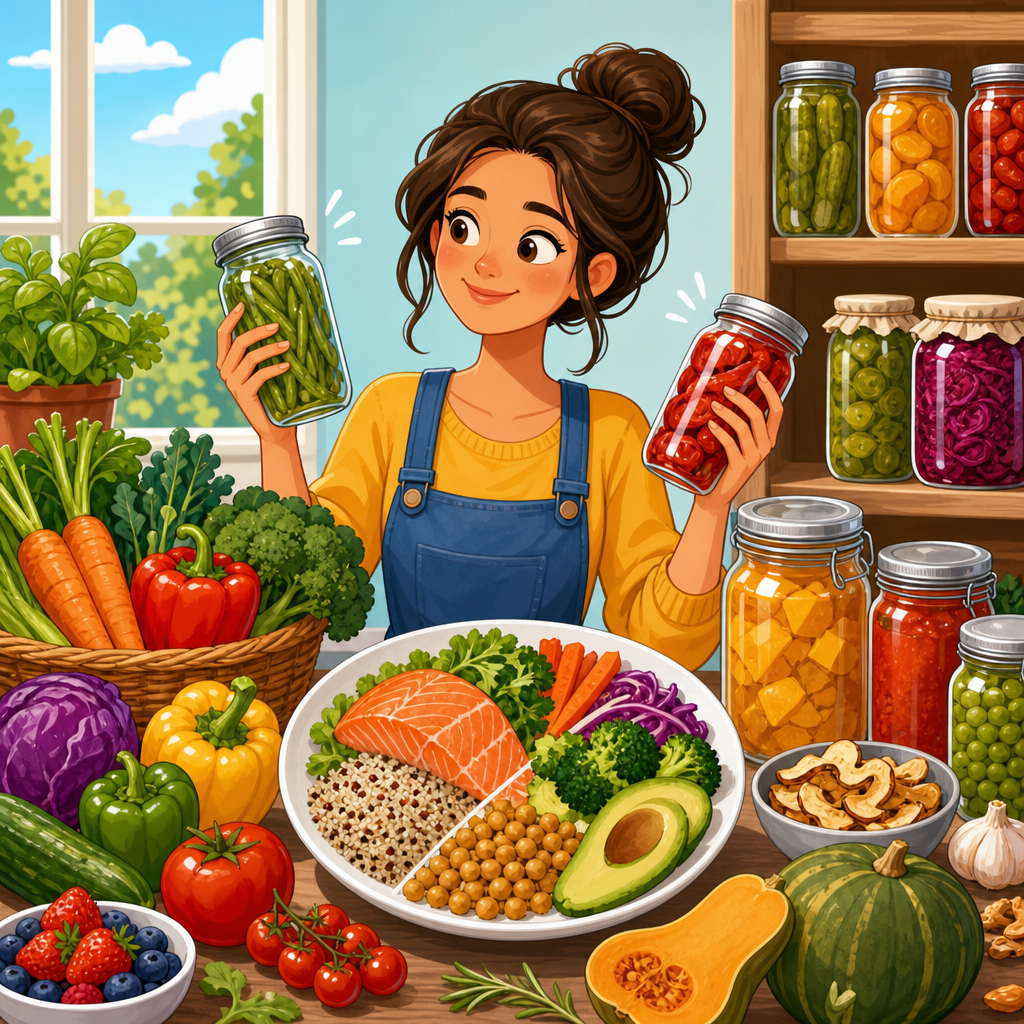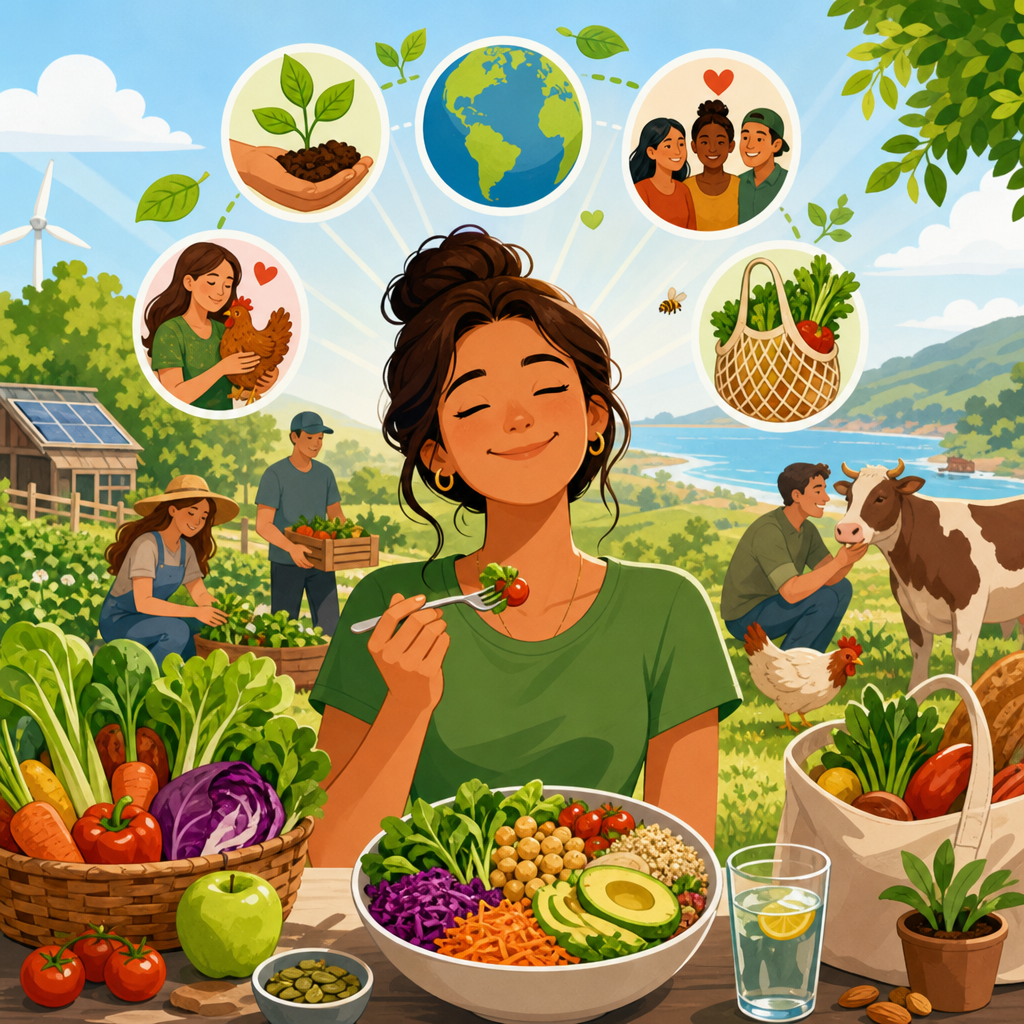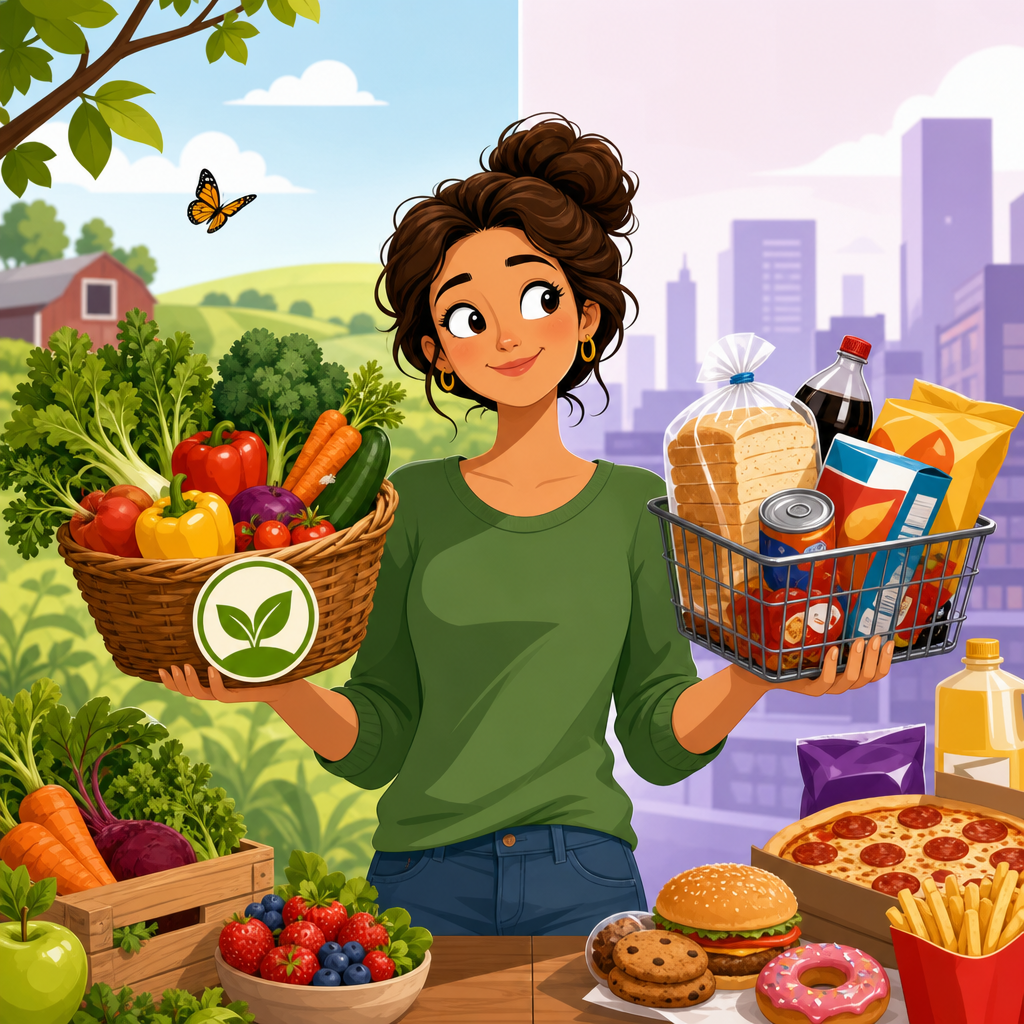
Choosing how to incorporate more organic vs. conventional foods into your diet is less about following a perfect rulebook and more about understanding how each food is produced, what tradeoffs matter most to your household, and where your money can make the biggest difference. In food science, “organic” generally refers to crops and animal products raised under certified standards that restrict most synthetic pesticides, fertilizers, genetically engineered ingredients, sewage sludge, irradiation, and routine antibiotic use in livestock. “Conventional” is a broad category covering standard modern agriculture, which may use synthetic crop protection products, mineral fertilizers, biotechnology, and highly efficient production systems. Both systems feed millions of people, both are regulated, and both can be part of a healthy diet.
This topic matters because people often reduce the conversation to a simple question: is organic better or safer? After years of reading labels, auditing suppliers, and helping households build realistic food purchasing plans, I have found that the better question is more practical: where does buying organic meaningfully align with your health goals, values, budget, and access? Nutrition still depends first on eating enough fruits, vegetables, whole grains, legumes, nuts, seeds, and quality protein. Yet production methods also affect pesticide exposure, soil management, biodiversity, farmworker conditions, and long-term consumer trust. A useful hub page should explain definitions, benefits, limitations, and buying strategies so readers can make informed decisions rather than reactive ones.
If you want to incorporate more organic foods without overspending, start by prioritizing the products you buy most often, the foods your family eats in large quantities, and items where production differences are most relevant to you. For some households that means organic berries, apples, spinach, milk, or eggs. For others it means sticking mainly with conventional staples such as oats, bananas, carrots, beans, rice, and frozen vegetables because cost and availability matter more. The goal is not dietary purity. The goal is a durable approach that improves food quality, maintains nutritional adequacy, and fits daily life.
What Organic and Conventional Foods Actually Mean
Organic food standards are legal production rules, not marketing vibes. In the United States, the USDA National Organic Program sets requirements for certified organic producers. Farmers must use practices that support soil and water quality, rely on approved substances, and avoid most prohibited synthetic inputs for at least three years before harvest on certified land. Organic livestock standards include organic feed, outdoor access, and restrictions on antibiotics and growth-promoting hormones. Processed foods labeled “organic” must also meet ingredient and handling rules. That certification framework is why an organic seal carries more weight than unverified claims such as “natural,” “clean,” or “farm fresh.”
Conventional food production is not unregulated or automatically low quality. It operates within pesticide residue tolerances, food safety laws, and inspection systems established by agencies such as the Environmental Protection Agency, Food and Drug Administration, and USDA. Conventional farms often use integrated pest management, precision fertilizer application, no-till systems, drip irrigation, improved seed genetics, and data-driven yield planning. Those tools can lower waste, reduce land pressure, and improve affordability. In practice, the organic vs. conventional discussion is about different production philosophies and risk management methods, not a neat divide between good and bad food.
From a nutrition standpoint, the evidence does not support the claim that organic food is always dramatically more nutritious. Some studies find modest differences in certain phytochemicals or fatty acid profiles, especially in dairy and produce grown under specific conditions, but those differences are inconsistent and usually smaller than the nutritional gap between eating vegetables regularly and not eating them at all. That distinction matters. If an organic price premium causes someone to buy fewer fruits and vegetables overall, the net dietary result may be worse than buying a wider variety of conventional produce.
Health, Safety, and Pesticide Exposure: What the Evidence Shows
The strongest reason many consumers choose organic is to reduce exposure to synthetic pesticide residues. That goal is reasonable. Organic diets generally lower measurable pesticide metabolites in urine, especially in children and pregnant women, according to intervention studies where participants switch from conventional to organic foods. At the same time, it is also accurate that most conventional foods sold legally have residue levels below established safety tolerances. “Below tolerance” does not mean zero, and it does not settle every scientific debate about cumulative or developmental effects, but it does mean conventional produce remains widely considered safe to eat.
Context is important here. The health risk of not eating enough produce is far more clearly established than the risk of consuming regulated trace pesticide residues from conventional produce. Cardiovascular disease, type 2 diabetes, certain cancers, and digestive disorders are strongly linked with poor dietary patterns. In plain terms, an apple is better than no apple, whether it is organic or conventional. Washing produce under running water, peeling when appropriate, and varying food choices can further reduce residues, although washing does not remove everything because some pesticides are systemic or embedded in waxes and surfaces.
Organic animal products raise a different set of questions. Consumers often choose organic milk, eggs, or meat because they want to avoid routine antibiotic use and support different livestock practices. That preference can align with concerns about antimicrobial resistance and animal welfare, though standards and outcomes vary by farm and region. Organic does not guarantee superior food safety; contamination from pathogens such as Salmonella, Listeria, or E. coli can occur in any production system if handling fails. Safe storage, cooking, and kitchen hygiene still matter as much as the label.
Environmental Impact and Sustainability Tradeoffs
When readers ask whether organic food is more sustainable, the honest answer is: often in some ways, not always in all ways. Organic systems can improve soil organic matter, diversify crop rotations, support pollinator habitats, and reduce synthetic pesticide and fertilizer use. Those are meaningful advantages, especially in landscapes under heavy chemical pressure or in watersheds vulnerable to nutrient runoff. I have seen smaller mixed farms use compost, cover crops, and rotational grazing in ways that measurably improve soil structure and resilience. Those practices can reduce erosion, support beneficial insects, and build long-term fertility.
However, sustainability is not a single metric. Many organic crops produce lower yields per acre than comparable conventional systems, depending on crop type, climate, pest pressure, and management skill. Lower yield can mean more land is needed to produce the same amount of food. Conventional systems, especially those using precision agriculture, can sometimes outperform organic farms on land-use efficiency, irrigation control, and greenhouse gas emissions per unit of product. Transport distance, cold-chain efficiency, food waste, packaging, and seasonality also shape environmental impact. An organic blueberry shipped long distance in winter may not be the most sustainable option compared with local seasonal fruit grown conventionally.
This is why a practical food sustainability strategy looks beyond a single label. Eating more plant-forward meals, reducing household food waste, choosing seasonal produce, supporting farms with transparent soil and water practices, and buying only what you can use often matter as much as organic certification. Organic is a valuable tool within sustainable food systems, but it is not the only indicator of responsible agriculture.
How to Prioritize Organic Purchases Without Blowing Your Budget
The most effective way to add more organic foods is to stop treating every item equally. Prioritize by exposure, frequency, and values. Exposure means foods eaten with edible skins or foods known to carry more residue concerns may be stronger candidates for organic versions. Frequency means if your household eats strawberries, apples, spinach, oats, milk, or eggs every week, upgrading those recurring purchases will have more impact than buying one expensive organic novelty item once a month. Values means some families care most about pesticide reduction, others about livestock standards, local farming, or water stewardship.
Price premiums vary widely. Organic bananas may be only slightly more expensive than conventional, while organic berries, salad greens, or meat can cost dramatically more. Store brands at major chains, warehouse packs, frozen organic produce, and seasonal promotions can narrow the gap. Farmers’ markets can go either direction; some certified organic growers charge a premium, while others offer competitive bulk pricing near peak harvest. Community supported agriculture programs may also improve value if your household can use the volume and tolerate seasonal variability.
| Food category | When organic is often worth prioritizing | When conventional is often a smart choice |
|---|---|---|
| Leafy greens and berries | If eaten frequently, especially by children, and organic options fit budget | If organic cost is too high; buy conventional and wash well or choose frozen |
| Bananas, citrus, avocados | If price difference is small or you strongly prefer organic farming methods | Usually reasonable to buy conventional because inedible peels reduce direct residue intake |
| Milk and eggs | If animal feed, antibiotic restrictions, and production standards matter to you | If budget is tight and you can choose reputable conventional brands |
| Beans, rice, oats, frozen vegetables | Useful if these are major staples and organic store brands are available | Excellent conventional staples when affordability and pantry stability are priorities |
A smart budget method is to assign your grocery list into three tiers: buy organic when possible, buy either version based on price, and buy conventional confidently. This keeps decision fatigue low. It also turns the organic vs. conventional food debate into a system you can maintain for months, which is what actually changes diet quality.
Shopping Strategies, Labels, and Meal Planning That Work
To incorporate more organic foods consistently, build the change into routines rather than relying on motivation. Start with one aisle at a time. In produce, compare unit prices and check frozen options because frozen organic blueberries, spinach, peas, and mixed vegetables are often cheaper per serving than fresh. In dairy, compare private-label organic milk or yogurt with premium national brands. In dry goods, buy organic oats, lentils, canned tomatoes, peanut butter, or pasta when the price premium is modest. Online grocery tools make this easier because you can filter by certification, compare store brands, and monitor price history.
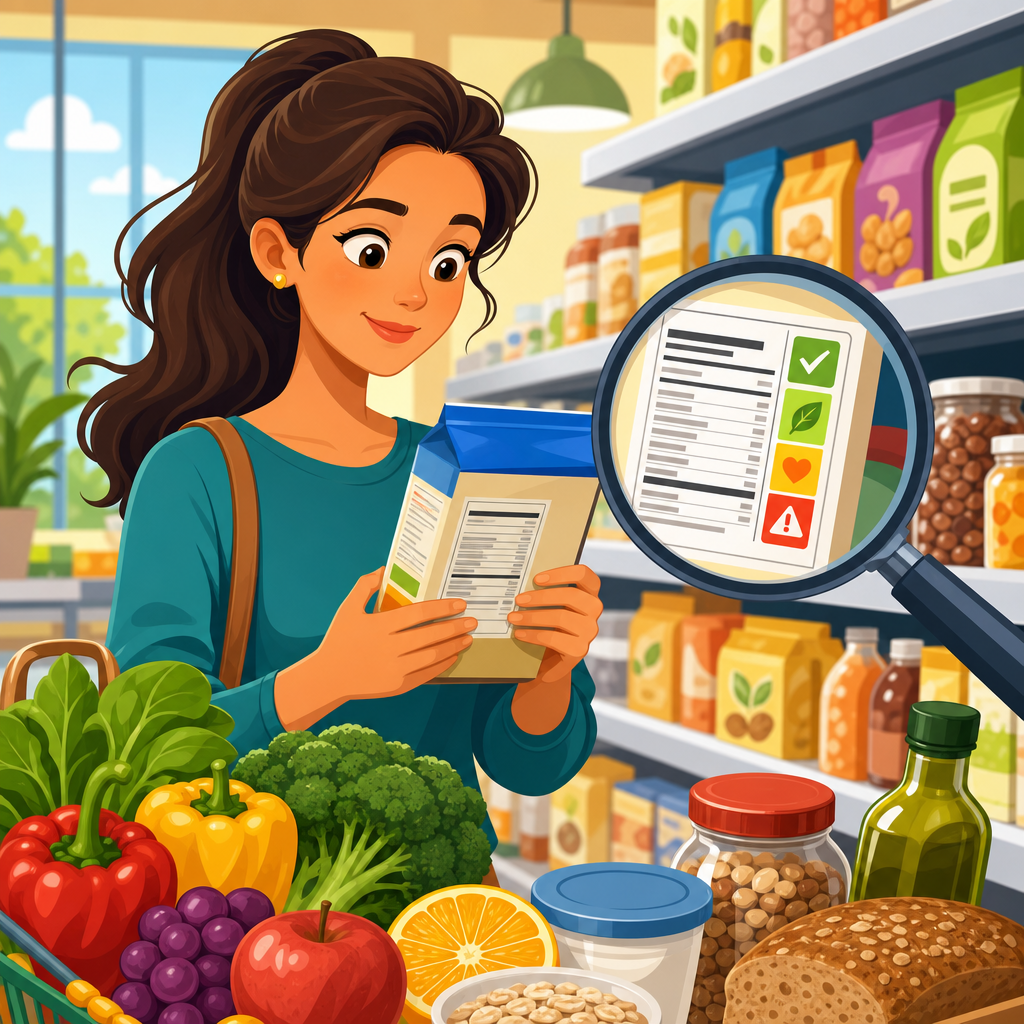
Learn how labels work. “100% organic” and “organic” have specific certification meanings in the United States, while “made with organic ingredients” follows different thresholds. “Natural” has no equivalent production standard for pesticide use or animal raising practices. “Non-GMO” and “organic” are not interchangeable; organic certification prohibits genetically engineered ingredients, but a non-GMO label alone does not address pesticide practices, soil management, or livestock antibiotic rules. For seafood, organic standards are more limited globally, so shoppers should pay more attention to species, sourcing, and third-party sustainability certifications.
Meal planning helps most with cost control. Plan recipes around flexible ingredients that are available in organic form when prices drop: soups with carrots and onions, grain bowls with seasonal greens, overnight oats, yogurt with fruit, stir-fries using frozen vegetables, and bean-based chili. Buy perishables you know you will use within three to five days. Waste is the hidden tax on well-intentioned organic shopping. Throwing away expensive organic greens every week is not healthier or more sustainable than buying affordable conventional vegetables you actually cook and eat.
Common Myths, Best First Swaps, and Building a Long-Term Approach
Several myths make this topic harder than it needs to be. First, organic does not automatically mean pesticide-free; organic farming can use approved pesticides, though the allowed substances differ from conventional systems. Second, conventional does not mean nutritionally inferior across the board. Third, local and organic are not synonyms; a local farm may use conventional methods, and an organic item may travel thousands of miles. Fourth, processed organic snack foods are still processed snack foods. An organic cookie is not equivalent to a bowl of beans, berries, and oats just because it carries a certification seal.
If you are new to this shift, the best first swaps are the ones you will repeat. In most households I advise starting with five categories: one produce item your family eats weekly, one dairy item, one breakfast staple, one snack item for children, and one pantry staple. For example, switch to organic apples, milk, oats, peanut butter, and baby spinach for a month. Track cost, use, and satisfaction. Then expand gradually. This method reveals whether organic purchasing improves how your household eats or simply increases spending without changing habits.
Long term, the strongest approach is balanced and evidence-based. Eat more whole foods overall. Buy organic selectively where it aligns with your goals. Use conventional foods strategically to maintain variety, affordability, and consistency. Pay attention to trusted certifications, transparent farm practices, and sensible kitchen habits. If you want to go further, explore subtopics such as pesticide residues, regenerative agriculture, organic dairy, labeling laws, and seasonal produce planning, because each adds useful detail to smarter food decisions.
Incorporating more organic vs. conventional foods into your diet does not require an all-or-nothing mindset. It requires clear definitions, realistic priorities, and a system that matches your budget and values. Organic foods can reduce synthetic pesticide exposure and support specific farming practices. Conventional foods remain safe, accessible, and nutritionally valuable, and they often make a produce-rich diet possible for more families. The best diet is the one you can sustain: abundant in fruits and vegetables, grounded in minimally processed staples, and flexible enough to use both organic and conventional options wisely.
Start with the foods you buy most often, compare labels carefully, and make a few repeatable swaps this week. Small, informed decisions compound into a healthier, more sustainable diet over time.
Frequently Asked Questions
What is the main difference between organic and conventional foods?
The biggest difference is how the food is grown, raised, and processed. Organic foods are produced under certified standards that limit the use of most synthetic pesticides and fertilizers, prohibit genetically engineered ingredients in certified organic products, and restrict practices such as sewage sludge and irradiation. For animal products, organic standards also include rules related to feed, living conditions, and the use of antibiotics and hormones. Conventional foods, by contrast, are produced under broader agricultural systems that may use synthetic crop protection products, conventional fertilizers, and other approved modern farming tools to improve yield, control pests, and manage disease.
That said, the distinction is not simply “good” versus “bad.” Both organic and conventional foods sold through regulated markets must meet food safety standards, and both can be part of a healthy diet. Nutritionally, organic and conventional versions of the same food are often more similar than people expect. The more meaningful differences tend to involve production methods, environmental priorities, pesticide residue preferences, animal welfare considerations, and budget. If you are trying to eat more intentionally, it helps to think of organic as one production approach with specific standards, not automatically a guarantee of higher nutrition, better taste, or perfect sustainability in every case.
Do I need to buy everything organic to eat healthier?
No. You do not need to make your entire diet organic to improve its quality. A diet rich in fruits, vegetables, whole grains, beans, nuts, seeds, and minimally processed foods is generally more important for long-term health than whether every single item is organic. If switching to all-organic foods strains your budget and causes you to buy fewer produce items overall, that tradeoff may work against your nutrition goals. Eating more plant foods consistently matters more than chasing perfection.
A practical strategy is to prioritize organic purchases where it aligns best with your concerns and spending power. Some households focus on foods their family eats most often, highly perishable produce, or products they prefer to buy with organic certification for environmental or pesticide-related reasons. Others choose organic milk, eggs, or certain fruits and vegetables, while buying conventional pantry staples and frozen produce to stay within budget. This approach can make your grocery habits more sustainable over time. The goal is not to follow a rigid rulebook but to create a pattern you can maintain without financial stress or unnecessary guilt.
Which foods should I prioritize if I want to add more organic items without overspending?
Start with the foods you purchase most often and the items that make up a large share of your weekly diet. If your household eats berries, apples, leafy greens, potatoes, oats, milk, yogurt, or eggs regularly, those may be smart categories to review first. Prioritizing high-frequency purchases gives you more impact than occasionally buying a specialty organic product you rarely eat. It is also worth considering foods that are difficult to peel or wash thoroughly, since some shoppers prefer to choose organic options for those items when possible.
Another cost-conscious method is to compare categories rather than trying to convert your cart all at once. Organic versions of frozen fruits and vegetables, store-brand organic pantry staples, dried beans, rice, oats, and seasonal produce are often more affordable than people expect. Buying in-season organic produce, shopping sales, using farmers markets strategically, and considering larger containers or family packs can also lower the price gap. If a particular organic item is dramatically more expensive, it may make more sense to buy the conventional version and keep your diet varied and produce-rich. A flexible plan usually works better than an all-or-nothing mindset.
Are organic foods more nutritious than conventional foods?
In most cases, the nutritional differences are not large enough to make organic automatically the healthier choice. An organic strawberry and a conventional strawberry both provide vitamin C, fiber, water, and beneficial plant compounds. The same is true across many food categories: the basic nutritional value of a food is driven more by the type of food itself, its freshness, ripeness, processing level, and how often you eat it than by whether it is organic or conventional. Choosing whole foods more often will usually have a much bigger effect on diet quality than choosing organic alone.
Where organic may matter more to some consumers is in areas beyond nutrient totals. People may prefer organic to reduce exposure to certain pesticide residues, support specific farming systems, or align purchases with environmental or animal welfare values. Those are valid reasons, but they are different from saying organic is universally more nutrient-dense. A useful way to think about it is this: organic can be a meaningful preference, but it does not cancel out the basics of healthy eating. Organic cookies are still cookies, and conventional broccoli is still a highly nutritious vegetable. The strongest foundation remains a balanced, diverse diet built around minimally processed foods.
How can I realistically incorporate more organic foods into my diet over time?
The most effective approach is gradual and strategic. Begin by looking at your current grocery routine and identifying two or three swaps that feel easy and affordable. For example, you might buy organic oats, organic spinach, and organic yogurt this month, then reassess. If those choices fit your budget, add another category later. This step-by-step method helps you build habits that last, instead of making a dramatic change that is hard to maintain. It also gives you time to compare brands, prices, and quality at different stores.
You can also make organic choices more accessible by using practical shopping tools. Shop seasonally, compare unit prices, choose frozen or canned organic items when fresh is too expensive, and take advantage of store brands, coupons, and weekly promotions. If local farms in your area use low-spray or certified organic practices, community-supported agriculture boxes and farmers markets may provide additional options, although value varies by region. Most importantly, keep your focus on the bigger picture: a realistic, balanced diet that includes plenty of fruits, vegetables, and other nutrient-dense foods. Organic can absolutely be part of that plan, but it works best when it is integrated thoughtfully rather than treated as a test of dietary purity.