Energy density is one of the most practical concepts in nutrition because it explains why some foods leave you satisfied on fewer calories while others make it easy to overeat. In simple terms, energy density means the number of calories in a given weight or volume of food, usually expressed as calories per gram. Foods with low energy density, such as vegetables, fruit, broth-based soups, beans, and plain yogurt, provide fewer calories in a larger portion. Foods with high energy density, such as chips, pastries, fried foods, and many processed snacks, pack more calories into a smaller serving. After years of helping clients track intake and rebuild eating habits, I have found that understanding energy density often changes behavior faster than teaching calorie math alone, because people can see and feel the difference on the plate.
This topic matters because hunger, fullness, and body weight are influenced by more than willpower. They are shaped by food composition, eating patterns, and energy balance, the relationship between calories consumed and calories burned. If intake matches expenditure over time, weight tends to stay stable. If intake exceeds expenditure, the body stores the surplus, mostly as fat. If intake falls below expenditure, stored energy is used and weight usually declines. That sounds straightforward, but in real life energy balance is affected by appetite, food environment, sleep, activity, stress, medications, and social habits. A hub article on understanding calories and energy balance should therefore connect the science of calories with the practical question most people ask: what foods help me feel full without overshooting my energy needs?
Energy density provides that bridge. Water and fiber lower energy density because they add volume without adding many calories. Protein often improves fullness because it slows digestion and influences satiety hormones. Fat is not unhealthy, but it is calorie dense at nine calories per gram, compared with four calories per gram for carbohydrate and protein. That means meals built mainly from added fats or refined starches can become calorie dense quickly, even when portions look modest. Learning how these factors work together helps you choose foods that support healthy energy balance without constant restriction. It also gives you a framework for reading labels, planning meals, and linking to more specific topics within nutrition basics, from portion control to macronutrients to weight management.
What energy density means in everyday eating
Energy density answers a simple question: how many calories are you getting for the amount of food you eat? A large bowl of vegetable soup may contain 150 to 250 calories, while a small handful of crackers can contain the same amount. The soup has lower energy density because water-rich vegetables and broth create bulk. The crackers have higher energy density because they contain less water and often more refined flour and fat. In practice, lower-energy-dense foods let you eat a satisfying volume while managing calorie intake more comfortably.
The most important drivers of energy density are water, fiber, and fat content. Water adds weight and volume with zero calories. Fiber adds bulk and slows gastric emptying, helping food stay in the stomach longer. Fat raises energy density because it contains more than twice the calories per gram of carbohydrate or protein. This is why grapes are less energy dense than raisins, and why a baked potato is less energy dense than potato chips. Removing water through drying or adding fat through frying concentrates calories dramatically.
Researchers at Pennsylvania State University, especially Barbara Rolls, have shown repeatedly that lowering the energy density of meals can reduce total calorie intake while maintaining satisfaction. This happens because many people tend to eat a fairly consistent weight of food each day rather than a precise number of calories. When meals contain more vegetables, fruit, beans, and broth-based dishes, calorie intake often falls naturally. That principle is useful for weight loss, but it is equally useful for weight maintenance and for athletes or busy adults who want steady energy without constant snacking.
Calories and energy balance: the foundation of weight change
A calorie is a unit of energy. In nutrition, calories describe the energy food provides and the energy the body uses to maintain life and power movement. Your body burns calories through basal metabolic rate, the energy needed for essential functions such as breathing and circulation; the thermic effect of food, which is the energy required for digestion; structured exercise; and nonexercise activity thermogenesis, often shortened to NEAT, which includes walking, standing, fidgeting, and daily movement. Together these components determine total daily energy expenditure.
Energy balance is the long-term relationship between calorie intake and calorie expenditure. Positive energy balance means taking in more than the body uses, leading to stored energy. Negative energy balance means using more than is consumed, leading the body to draw on stored fuel. Neutral energy balance supports weight stability. In coaching practice, I explain that daily fluctuations matter less than patterns across weeks and months. One high-calorie meal does not cause lasting gain on its own, just as one light day does not guarantee fat loss. Repeated habits matter most.
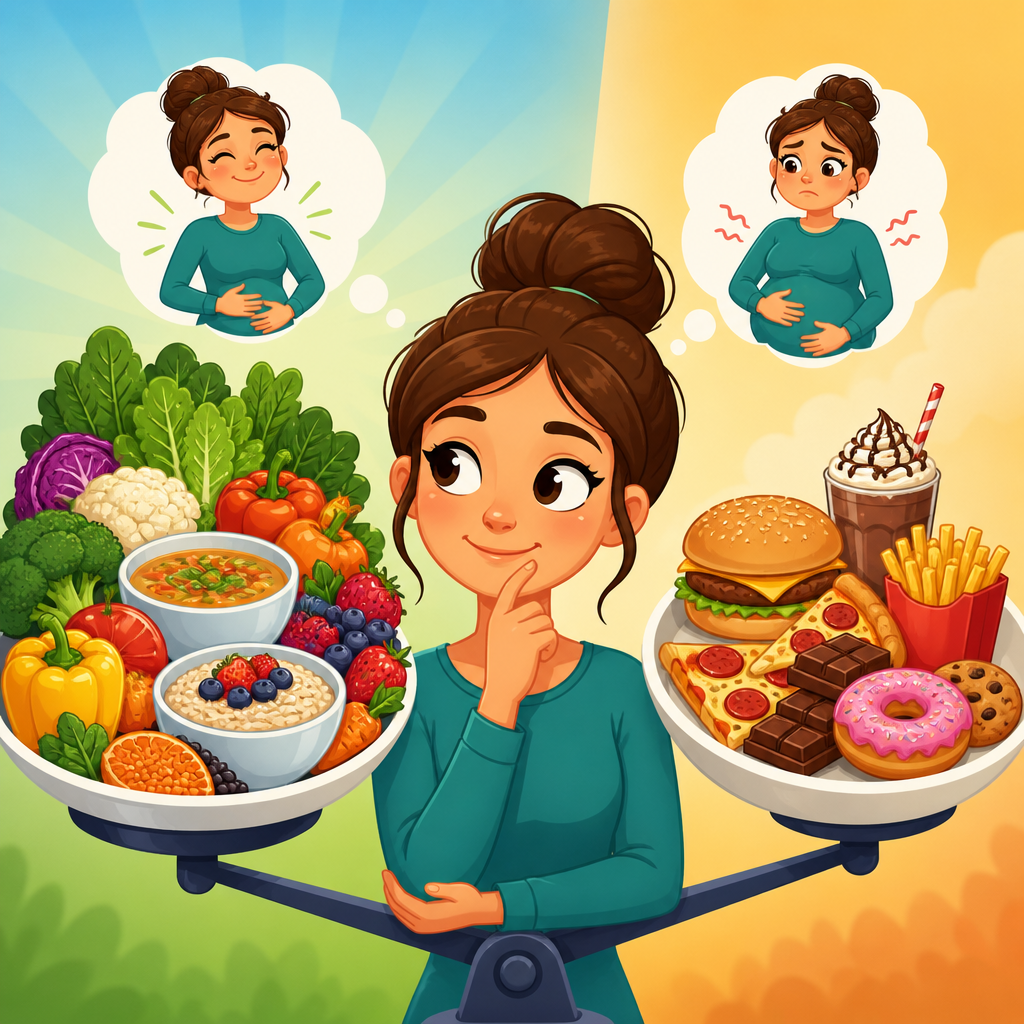
However, calories are not the whole story when it comes to appetite. Two meals with the same calories can affect fullness very differently. For example, 500 calories from grilled chicken, potatoes, broccoli, and berries will usually satisfy longer than 500 calories from a muffin and a sweetened coffee. Both count in energy balance, but the lower-energy-dense, higher-protein, higher-fiber meal makes calorie control easier. This is the practical value of energy density: it works with energy balance rather than replacing it.
Which foods help you feel full longest
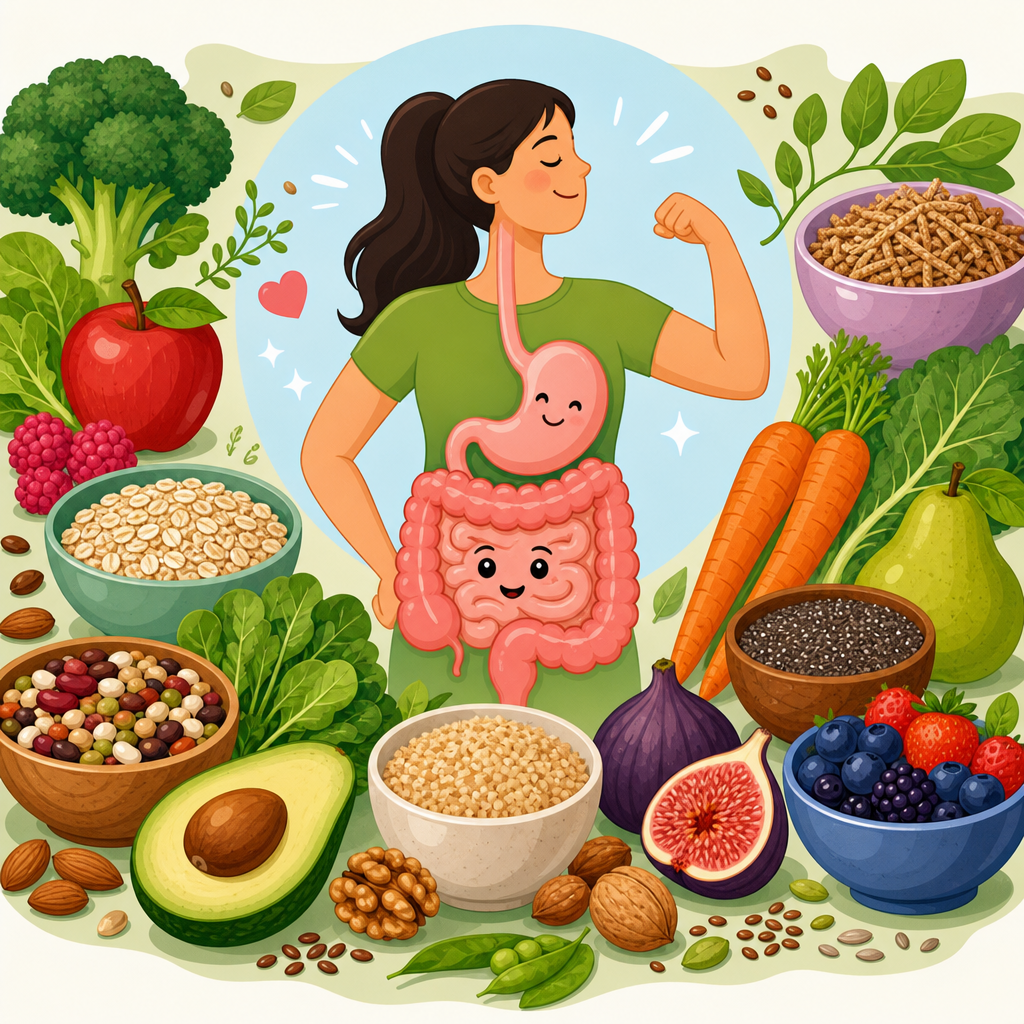
Foods that promote fullness usually share four traits: high water content, meaningful fiber, adequate protein, and lower calorie concentration. Nonstarchy vegetables are the clearest example. Leafy greens, cucumbers, tomatoes, zucchini, mushrooms, cauliflower, cabbage, and peppers add large volume for relatively few calories. Fruits such as apples, oranges, berries, melon, and grapefruit also score well because they combine water and fiber. Whole fruit generally satisfies better than juice because chewing and intact fiber slow intake.
Protein-rich foods are another cornerstone. Greek yogurt, cottage cheese, eggs, fish, chicken breast, tofu, edamame, lentils, and beans often improve satiety more than refined carbohydrates alone. In mixed meals, protein helps moderate hunger between eating occasions. Fiber-rich starches matter too. Oats, barley, potatoes, brown rice, quinoa, beans, and whole-grain pasta can fit well when portions are balanced with vegetables and lean protein. Potatoes are especially notable. In satiety research, boiled potatoes consistently rank high for fullness per calorie because of their water content and resistant starch, particularly when cooled and reheated.
Preparation method changes the picture. An apple is filling; apple chips are less so. A baked potato is moderate in energy density; french fries are much higher because oil adds calories and lowers the relative water content. Chicken breast can be part of a satisfying meal, while breaded fried chicken becomes much denser. The same principle applies to soups, stews, and casseroles. Meals that incorporate broth, vegetables, beans, and lean proteins usually provide better fullness per calorie than dry, highly processed convenience foods.
| Food choice | Why it helps fullness | How energy density changes |
|---|---|---|
| Apple instead of apple juice | More fiber, more chewing, slower intake | Lower |
| Baked potato instead of chips | Higher water content, less added fat | Lower |
| Greek yogurt instead of pastry | More protein, less refined flour and sugar | Lower to moderate |
| Bean soup instead of crackers | Water, fiber, and protein in a larger volume | Much lower |
| Stir-fry with vegetables and tofu instead of takeout fried rice | More vegetables and protein, less oil per bite | Lower |
How to build meals that support healthy energy balance
The most effective meal pattern I use starts with volume, then adds protein, then includes smart carbohydrates and fats. Begin with produce. Aim for at least half the plate from vegetables or fruit when appropriate. Add a protein source such as fish, chicken, eggs, tofu, tempeh, yogurt, or beans. Include a carbohydrate that brings fiber and staying power, such as potatoes, oats, brown rice, fruit, or legumes. Finish with a moderate amount of fat from olive oil, nuts, seeds, avocado, or cheese. This structure keeps meals satisfying without letting calories climb unnoticed.
Portion awareness still matters, even with healthy foods. Nuts, nut butter, granola, dried fruit, cheese, and oils offer nutrients, but their energy density is high. A small amount can fit easily; a casual pour or handful can double the calories of a meal. This is why salads are not automatically light. A salad with greens, chickpeas, vegetables, grilled chicken, and vinaigrette may be balanced, while a restaurant salad loaded with fried toppings, cheese, creamy dressing, and sugary add-ins can exceed the calories of a sandwich. Understanding calories and energy balance means recognizing both food quality and quantity.
Meal timing and eating speed also influence fullness. Eating too quickly can outpace satiety signals that develop during the meal. Including a first course of salad, fruit, or broth-based soup often reduces intake at the main course, a strategy supported by controlled feeding studies. Regular meals can help some people avoid the rebound hunger that leads to overeating later. Others do well with three meals and one planned snack. The best pattern is the one that controls hunger, supports energy needs, and is realistic enough to repeat.
Common mistakes, limitations, and when lower energy density is not enough
Energy density is powerful, but it is not a complete nutrition system. A food can be low in energy density and still low in protein or other nutrients. Rice cakes, for example, are light but not especially filling for many people unless paired with protein or fiber. Likewise, smoothies can appear healthy yet become easy to overconsume if they contain juice, sweeteners, nut butter, and large portions of calorie-dense ingredients. Liquids often satisfy less than solid foods because they require less chewing and are consumed faster, although thick shakes with protein and fiber can work well in some contexts.
Another common mistake is assuming all hunger is solved by eating large volumes. Some people need more protein at breakfast, more structured meals, better sleep, or reduced intake of ultra-processed foods that can override fullness cues. Ultra-processed foods are typically engineered for reward, convenience, and rapid eating. They often combine refined starch, added fat, salt, and flavorings in ways that increase calorie intake. In a widely discussed NIH metabolic ward study led by Kevin Hall, participants eating an ultra-processed diet consumed about 500 more calories per day than when they ate minimally processed foods matched for macronutrients, sugar, sodium, and fiber.
There are also situations where higher energy density is useful. Endurance athletes, older adults with low appetite, people recovering from illness, and children with high energy needs may benefit from more calorie-dense foods. The goal is not to avoid fat or rich foods completely. The goal is to match energy intake to energy requirements while keeping meals satisfying and nutritionally complete. For most adults trying to manage hunger and maintain a healthy weight, the winning strategy is not tiny portions. It is combining lower-energy-dense foods with enough protein, fiber, and structure to make calorie control sustainable.
Energy density explains why fullness is not just about how much you eat, but about what the food is made of. Foods rich in water, fiber, and protein generally help you feel full on fewer calories, while foods high in added fat and refined ingredients concentrate calories into smaller portions. When you connect that idea to calories and energy balance, healthy eating becomes more practical. You do not need to memorize every number to make progress. You need to recognize which foods deliver volume and satisfaction, which foods are easier to overeat, and how repeated choices shape body weight over time.
As a hub within nutrition basics, this topic supports every related question: how calories work, why portion sizes matter, what macros do, how to read labels, and why minimally processed meals often make weight management easier. The main benefit is control without constant hunger. Build meals around vegetables, fruit, beans, whole grains, and lean proteins; use calorie-dense foods thoughtfully rather than mindlessly; and monitor patterns instead of chasing perfection. If you want a practical next step, review one typical day of eating and identify where you can swap a high-energy-dense item for a more filling alternative.
Frequently Asked Questions
What does energy density mean in simple terms?
Energy density refers to how many calories are packed into a certain weight or volume of food, usually measured as calories per gram. It is a practical way to understand why some meals feel large and satisfying without containing many calories, while other foods seem small but deliver a lot of calories quickly. Foods with low energy density contain fewer calories in a bigger portion, often because they are rich in water, fiber, or both. Examples include vegetables, fruit, broth-based soups, beans, and plain yogurt. These foods take up more space on the plate and in the stomach, which can help support fullness.
By contrast, high-energy-dense foods contain more calories in a smaller amount. This often includes foods that are high in fat and low in water, such as chips, pastries, candy, fried foods, and many ultra-processed snack foods. Because these foods are compact in calories, it is easy to eat a lot of energy before feeling physically full. Understanding energy density can make healthy eating easier because it shifts the focus away from tiny portions and toward foods that allow generous servings while still helping with calorie control and appetite management.
Why do low-energy-dense foods help you feel full?
Low-energy-dense foods can support fullness because they typically provide more volume for fewer calories. This matters because hunger and satisfaction are influenced not only by calories, but also by the physical amount of food you eat. Foods high in water and fiber, such as vegetables, fruit, legumes, and soups, add bulk to meals and can help stretch the stomach, which sends signals of fullness to the brain. That means you may feel more satisfied after eating a large salad with beans, a bowl of vegetable soup, or a serving of plain yogurt with berries than you would after eating a much smaller, calorie-dense snack.
Fiber also plays an important role. It slows digestion, helps food move through the digestive system at a steadier pace, and can prolong the feeling of satisfaction after a meal. Protein can add to this effect as well, especially when low-energy-dense foods include protein-rich choices like beans, lentils, plain Greek yogurt, cottage cheese, or eggs paired with vegetables. Together, water, fiber, and protein can create meals that are filling, balanced, and easier to stick with over time. This is why meals built around low-energy-dense foods often feel more satisfying than diets focused on restriction alone.
Which foods are lowest in energy density and best for fullness?
Some of the best low-energy-dense foods are non-starchy vegetables, fruit, broth-based soups, beans, lentils, and plain unsweetened yogurt. Non-starchy vegetables such as leafy greens, broccoli, cauliflower, zucchini, cucumbers, tomatoes, mushrooms, and peppers are especially useful because they are high in water and fiber but naturally low in calories. Fruit also tends to have low energy density, particularly berries, melons, oranges, apples, and peaches. Whole fruit is generally more filling than juice because it retains its fiber and requires more chewing, which can also help with satisfaction.
Beans, lentils, and other legumes are standout foods because they combine relatively low energy density with fiber and protein. They work well in soups, salads, grain bowls, and main dishes and often keep people full for longer than refined carbohydrates alone. Broth-based soups are another smart choice because they provide volume and warmth, which can enhance satiety. Plain yogurt, especially Greek yogurt, can be effective as well because it offers protein and can be paired with fruit for a filling snack or breakfast. In general, the best approach is to build meals around foods that naturally contain a lot of water and fiber, then add moderate portions of protein, healthy fats, and whole grains for balance.
Does low energy density mean a food is always healthy?
No. Low energy density is a useful concept, but it is not the only factor that determines whether a food is nutritious. A food can be low in calories for its size and still not provide much nutritional value, while a more energy-dense food may offer important nutrients. For example, vegetables, fruit, beans, and plain yogurt are both low in energy density and nutrient-rich, making them excellent choices. But nutrition quality also depends on vitamins, minerals, protein, fiber, added sugar, sodium, and the overall level of processing.
On the other side, some energy-dense foods can still be part of a healthy diet. Nuts, seeds, avocado, olive oil, and nut butters are higher in energy density because they contain healthy fats, but they also provide beneficial nutrients and can support satisfaction when eaten in reasonable portions. The key is to think about balance rather than labeling foods as simply good or bad. Low-energy-dense foods are especially helpful for increasing fullness and managing calorie intake, but the healthiest eating pattern usually includes a mix of low-energy-dense staples and smaller amounts of more calorie-dense foods that contribute flavor, texture, and important nutrients.
How can you use energy density to build meals that are satisfying and easier to manage?
A practical way to use energy density is to make low-energy-dense foods the foundation of most meals. Start by filling at least half your plate with vegetables or fruit, then add a source of lean protein such as chicken, fish, eggs, tofu, beans, lentils, or plain Greek yogurt. Include a moderate portion of whole grains or starchy vegetables if desired, and use healthy fats thoughtfully rather than heavily. This structure gives you volume, fiber, and protein, which work together to improve fullness while keeping total calories more manageable.
Simple strategies can make a big difference. Choose whole fruit instead of juice, snack on vegetables with hummus, add beans to salads and soups, and begin meals with a broth-based soup or a large salad. Swap highly processed snack foods for options with more volume and nutrients, such as yogurt with berries or an apple with a small amount of peanut butter. It also helps to be mindful of foods that are easy to overeat because they are high in energy density, like chips, desserts, fried foods, and fast food. You do not need to avoid them completely, but pairing them with lower-energy-dense foods or enjoying smaller portions can help create a more satisfying and sustainable way of eating.