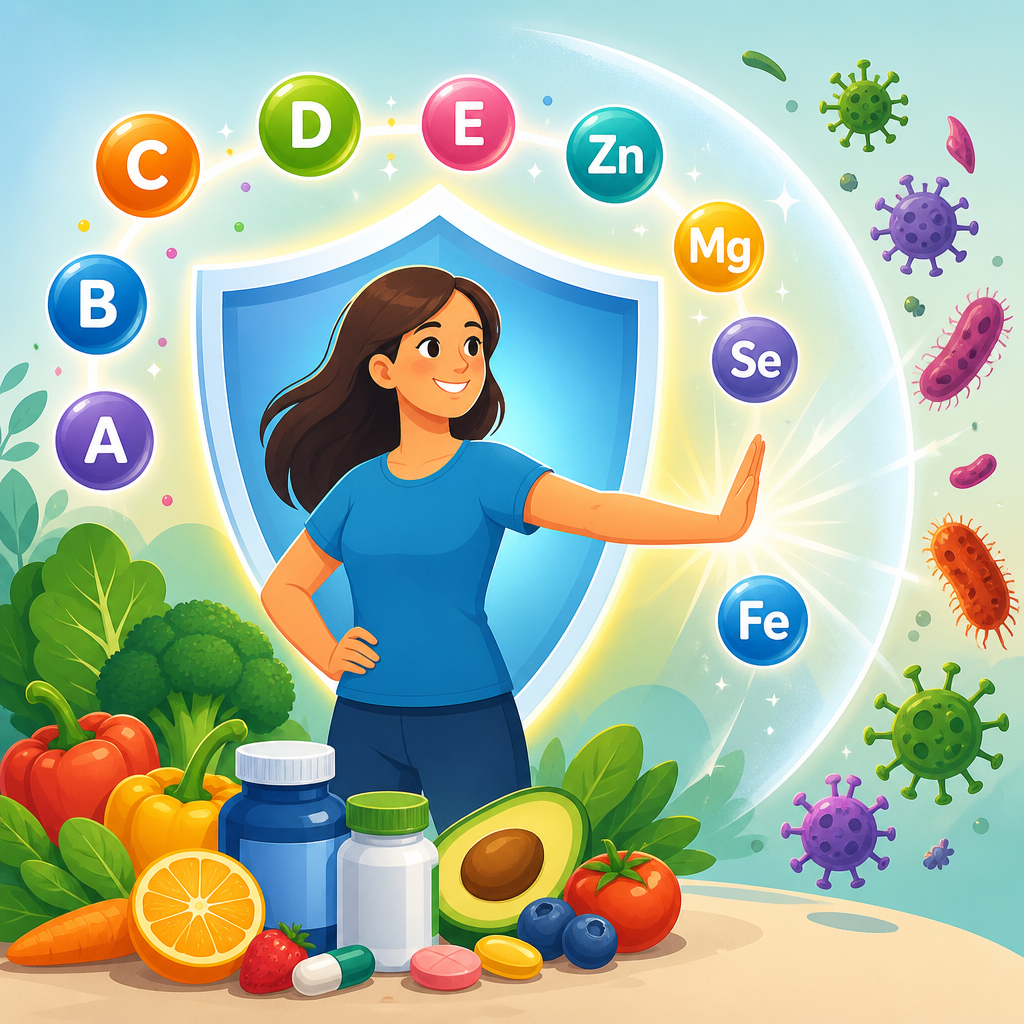
Essential vitamins and mineral supplements play a central role in disease prevention because they help maintain immune function, bone strength, energy metabolism, cognition, vision, and cellular repair when diet alone does not consistently meet human nutrient requirements. Vitamins are organic compounds the body needs in small amounts for normal physiological processes, while minerals are inorganic elements such as calcium, iron, magnesium, zinc, selenium, and iodine that support structural and biochemical functions. Supplements are concentrated sources of these nutrients delivered as tablets, capsules, powders, liquids, or fortified formulas. In clinical practice and nutrition counseling, I have repeatedly seen the same pattern: people understand that nutrients matter, but they often do not know which deficiencies are common, which supplements are evidence based, and where the line sits between prevention, correction, and unnecessary overuse.
This topic matters because micronutrient insufficiency is more common than severe deficiency, yet even mild shortfalls can influence long-term health. Vitamin D inadequacy is widespread in regions with limited sun exposure, iron deficiency remains one of the most common nutrient deficiencies globally, iodine intake still varies depending on salt policies and dietary patterns, and older adults frequently struggle to absorb vitamin B12 effectively. Disease prevention does not mean supplements can replace diet, sleep, exercise, vaccination, or medical care. It means targeted use of essential vitamins and mineral supplements can reduce risk in clearly defined situations, close known gaps, and support normal body systems before dysfunction progresses. Understanding who benefits, which nutrients have the strongest evidence, and how to choose products safely is the foundation of smart supplementation.
Essential vitamins include A, C, D, E, K, and the B-complex group, including folate, B6, and B12. Essential minerals include calcium, phosphorus, magnesium, sodium, potassium, chloride, iron, zinc, copper, selenium, manganese, iodine, chromium, molybdenum, and fluoride. Each has distinct roles. Vitamin A supports vision and epithelial integrity. Vitamin C is required for collagen synthesis and antioxidant defense. Vitamin D regulates calcium balance and immune signaling. Folate and B12 are critical for DNA synthesis and red blood cell production. Calcium and vitamin D together support bone remodeling, while magnesium participates in hundreds of enzyme reactions. Zinc contributes to wound healing and immune response. Selenium is needed for thyroid hormone metabolism and antioxidant enzymes. The prevention question is not whether these nutrients matter. It is how to use them precisely, based on age, diet, health status, medications, and documented risk.
How vitamins and minerals help prevent disease
Disease prevention starts with physiology. Nutrients act as cofactors, hormones, antioxidants, structural components, and gene-regulating agents. When intake or absorption is inadequate, the body often compensates for a while, then subtle problems emerge. Bone density declines when calcium and vitamin D are chronically insufficient. Anemia develops when iron, folate, or B12 stores fall. Poor iodine intake can impair thyroid hormone production. Low vitamin C weakens collagen formation and connective tissue maintenance. These are not abstract textbook points. In routine nutrition reviews, I often find fatigue linked to iron depletion, neuropathy tied to low B12, or recurrent stress fracture concerns associated with poor calcium and vitamin D intake.
The strongest disease prevention benefit appears when supplements correct a true deficiency or meet a higher-than-average need. Folic acid before conception and in early pregnancy reduces neural tube defects. Vitamin D and calcium can help lower fracture risk in selected older adults with low intake or high risk of osteoporosis. Iron supplementation prevents iron deficiency anemia in populations with increased need, including some pregnant women and menstruating individuals. Iodine supplementation or iodized salt use prevents goiter and neurodevelopmental harm related to deficiency. These are well-established preventive applications because the biological pathway is clear and outcomes have been measured over time.
At the same time, supplements are not automatically protective in everyone. Trials of high-dose antioxidant vitamins have often failed to show broad reductions in cardiovascular disease or cancer in well-nourished adults, and some interventions have caused harm. Beta-carotene increased lung cancer risk in smokers in major studies. Excess vitamin A can damage the liver and cause teratogenic effects during pregnancy. Too much iron can accumulate in people with hereditary hemochromatosis. Prevention works best when supplementation is targeted, not indiscriminate. The practical rule is simple: identify need, match the nutrient to the problem, use an appropriate dose, and reassess.
Key vitamins and minerals with the strongest preventive evidence
Not every nutrient has the same level of evidence for disease prevention. Some are supported by decades of clinical, epidemiological, and public health data. Others are useful mainly for correcting deficiency rather than preventing major disease outcomes in the general population. The table below highlights core nutrients that deserve attention on any essential vitamins and mineral supplements hub page.
| Nutrient | Main preventive role | Who may benefit most | Common caution |
|---|---|---|---|
| Vitamin D | Supports bone health, calcium absorption, muscle function | Older adults, people with low sun exposure, darker skin, malabsorption | Excess can raise calcium levels and harm kidneys |
| Calcium | Maintains bone mass and skeletal integrity | Older adults, low-dairy eaters, postmenopausal women | Large doses may increase constipation and interact with medications |
| Folic acid | Prevents neural tube defects | People who are pregnant or may become pregnant | High intake can mask B12 deficiency |
| Vitamin B12 | Prevents megaloblastic anemia and neurological injury | Older adults, vegans, metformin users, pernicious anemia patients | Underlying absorption disorders still need diagnosis |
| Iron | Prevents iron deficiency anemia | Pregnant women, heavy menstrual loss, restricted diets | Overuse can cause toxicity and gastrointestinal side effects |
| Iodine | Supports thyroid function and fetal brain development | Pregnant women, low-seafood diets, non-iodized salt users | Too much can also disrupt thyroid function |
| Zinc | Supports immune response and wound healing | People with low intake, malabsorption, some older adults | Excess zinc can lower copper status |
| Magnesium | Supports neuromuscular function, glucose metabolism, blood pressure regulation | Low whole-food intake, certain diuretic users, gastrointestinal disorders | High supplemental doses may cause diarrhea |
Vitamin D is one of the most discussed supplements because deficiency is common and symptoms are often vague. Blood testing for 25-hydroxyvitamin D can help in high-risk cases, but universal testing is not always necessary. Prevention is most relevant for bone health, especially in older adults, people with osteoporosis, and those with minimal sun exposure. Calcium works in partnership with vitamin D, but food sources are generally preferred because they provide protein, phosphorus, and other nutrients important for bone.
Folate and B12 deserve special attention because they affect blood formation and DNA synthesis. Folic acid supplementation around conception is one of the clearest examples of disease prevention through micronutrition. B12 is different because deficiency may occur even with normal intake if absorption is impaired, especially in pernicious anemia, after bariatric surgery, or with long-term use of metformin or acid-suppressing drugs. Iron remains essential for oxygen transport and cognitive performance, yet it should never be taken casually for fatigue without confirming need. Iodine, selenium, and zinc also matter, particularly in thyroid health and immunity, but the correct dose range is narrow enough that more is not always better.
Who is most likely to need supplements
The people most likely to benefit from essential vitamins and mineral supplements are those with increased requirements, reduced intake, impaired absorption, or higher losses. Pregnancy is the clearest example. Prenatal formulas usually include folic acid, iron, iodine, vitamin D, and other nutrients because fetal development creates demands that are difficult to cover consistently through diet alone. Older adults are another high-priority group because appetite may decline, stomach acid can fall, medication use increases, and skin synthesis of vitamin D becomes less efficient. In practice, B12, vitamin D, calcium, and sometimes magnesium are common concerns in this population.
Diet pattern also matters. Vegans often need reliable vitamin B12 supplementation because unfortified plant foods do not provide adequate amounts. People who avoid dairy may need to review calcium intake carefully unless they consume fortified alternatives, tofu set with calcium, small fish with bones, or large amounts of low-oxalate greens. Individuals following highly restrictive diets for weight loss, food intolerance, or gastrointestinal symptoms may unknowingly reduce iron, zinc, iodine, selenium, or folate intake. Athletes with low energy availability, especially female endurance athletes, may develop iron deficiency and impaired bone health if intake is not monitored.
Medical conditions change the equation further. Celiac disease, inflammatory bowel disease, chronic pancreatitis, chronic kidney disease, and prior gastrointestinal surgery can all reduce absorption or alter requirements. Common medications matter too. Proton pump inhibitors may reduce absorption of B12, magnesium, and possibly iron in susceptible users. Loop and thiazide diuretics can shift mineral balance. Some anticonvulsants affect vitamin D metabolism. This is why supplement decisions should be personalized. The hub concept is useful here because readers often start with a broad question, then need a pathway to deeper pages about age groups, conditions, lab interpretation, and medication interactions.
How to choose high-quality supplements safely
Choosing a supplement requires more than reading the front label. I advise looking first at the nutrient form, dose, third-party testing, and how the product fits an actual need. USP, NSF, and ConsumerLab are widely recognized verification systems for quality, identity, and contaminant screening, although they do not prove clinical effectiveness. For minerals, form influences tolerability and sometimes absorption. Calcium citrate is often better tolerated than calcium carbonate in people with low stomach acid, while magnesium glycinate may cause less diarrhea than magnesium oxide. For vitamin B12, cyanocobalamin and methylcobalamin can both work, but dose and adherence usually matter more than marketing language.
Safety depends on dose, timing, and interactions. Fat-soluble vitamins A, D, E, and K can accumulate, making excessive intake more concerning than with many water-soluble vitamins. Iron should be kept away from children because overdose can be severe. Calcium can interfere with absorption of levothyroxine, iron, and some antibiotics, so spacing matters. Zinc taken in high doses for long periods can induce copper deficiency. Selenium has a relatively narrow therapeutic window; chronic overuse may cause hair loss, nail brittleness, and neurologic symptoms. Patients are often surprised that natural does not mean low risk.
Label reading should include the percent daily value, total dose per serving, and whether the product duplicates nutrients already present in a multivitamin, fortified drink, or specialty powder. More is not better when the body only needs adequacy. A targeted product often makes more sense than a stack of overlapping formulas. If there is one principle that consistently prevents problems, it is this: supplement to correct a gap you can define, not to chase a vague promise. That approach lowers cost, reduces adverse effects, and improves the odds that the supplement actually contributes to disease prevention.
Food first, supplements second, and when testing helps
Food should remain the primary source of vitamins and minerals because whole foods deliver fiber, protein, fats, phytonutrients, and bioactive compounds that pills do not replicate. A Mediterranean-style pattern rich in vegetables, fruit, legumes, nuts, seafood, dairy or fortified alternatives, and minimally processed grains supports micronutrient adequacy better than any broad supplement strategy. Supplements are best viewed as nutritional insurance for defined gaps, not replacements for balanced eating. When I review food logs, many low nutrient intakes improve simply by increasing beans, yogurt, eggs, leafy greens, canned fish, seeds, and fortified staples.
Testing is useful when deficiency is plausible, symptoms are present, or the result would change management. Serum B12, methylmalonic acid, ferritin, complete blood count, transferrin saturation, 25-hydroxyvitamin D, thyroid markers, or red blood cell folate may help in selected cases. But not every nutrient is easy to assess with a simple blood test, and normal serum levels do not always reflect tissue status perfectly. Clinical context matters. The right question is not, should everyone take supplements, but who has evidence of risk, what nutrient is involved, and what outcome are we trying to prevent?
For readers building a supplement plan under a broader Supplements & Nutraceuticals strategy, the practical next step is to audit diet, identify risk factors, review medications, and discuss appropriate testing with a qualified clinician. Essential vitamins and mineral supplements can prevent anemia, birth defects, bone loss, thyroid dysfunction related to deficiency, and other nutrition-linked problems when used with precision. They cannot compensate for poor lifestyle habits, but they can close meaningful gaps that affect health over years. Start with the nutrients most relevant to your age, diet, and medical history, choose quality products, and use them intentionally.
Frequently Asked Questions
How do essential vitamins and mineral supplements support disease prevention?
Essential vitamins and mineral supplements help reduce disease risk by supporting the body’s core defense and repair systems. Vitamins are organic compounds required in small amounts for normal physiology, while minerals are inorganic elements that contribute to structural strength, fluid balance, nerve signaling, oxygen transport, and enzyme activity. Together, they influence immune function, bone health, cardiovascular performance, cognition, energy metabolism, and cellular maintenance. When the body does not receive adequate nutrients over time, the risk of deficiency-related problems rises, and that can weaken the systems that protect long-term health.
For example, vitamin D and calcium are closely tied to bone density and may help lower the risk of fractures and osteoporosis when intake is insufficient. Vitamin C, zinc, and selenium support immune defenses and help protect cells from oxidative stress. Iron is necessary for healthy red blood cell production and oxygen delivery, while magnesium contributes to muscle and nerve function, blood pressure regulation, and energy production. Folate, vitamin B12, and vitamin B6 are important for red blood cell formation, nerve health, and homocysteine metabolism, which has relevance to cardiovascular wellness. In this way, vitamins and minerals do not act as miracle cures, but they do help the body maintain the biological functions that make disease prevention possible.
Supplements become especially relevant when diet alone does not consistently meet nutrient requirements. That may happen because of restrictive eating patterns, poor appetite, aging, digestive disorders, food insecurity, medication interactions, or increased nutritional demands during certain life stages. In those situations, targeted supplementation can help restore adequacy and support prevention strategies. The strongest benefit comes when supplements are used thoughtfully, based on real needs, and alongside a balanced diet, regular movement, quality sleep, and routine medical care.
Can vitamin and mineral supplements replace a healthy diet for preventing chronic disease?
No, supplements should not be viewed as a replacement for a healthy diet. Whole foods provide a complex nutritional package that supplements cannot fully duplicate. Fruits, vegetables, legumes, whole grains, nuts, seeds, dairy products, seafood, eggs, and lean proteins supply vitamins and minerals along with fiber, phytonutrients, antioxidants, healthy fats, and bioactive compounds that work together to support health. These combinations appear to be one reason why eating patterns rich in minimally processed foods are consistently linked with lower rates of heart disease, type 2 diabetes, hypertension, and some forms of cognitive decline.
Supplements are best understood as tools to fill nutritional gaps, not shortcuts that erase the effects of poor eating habits. For instance, a multivitamin may help cover shortfalls in intake, but it cannot provide the satiety, digestive benefits, blood sugar support, or cardiovascular advantages associated with fiber-rich whole foods. Likewise, calcium tablets cannot completely stand in for the broader nutritional value of dairy products or fortified alternatives that may also provide protein, phosphorus, and other nutrients. The same principle applies across many nutrients: the body generally benefits most from a food-first approach, with supplements used when intake is inconsistent or medically indicated.
That said, there are clear cases where supplements can play an important preventive role. Vitamin D may be helpful for individuals with limited sun exposure or low blood levels. Iron supplements may be appropriate for people with diagnosed iron deficiency. Vitamin B12 supplementation is often important for older adults, vegans, and people with absorption issues. Folate is especially important before and during early pregnancy to help reduce the risk of neural tube defects. So while supplements cannot replace healthy eating, they can be highly valuable additions to a prevention-focused lifestyle when chosen for the right reasons.
Which vitamins and minerals are most commonly linked to immune health, bone strength, and healthy aging?
Several nutrients stand out because of their broad involvement in disease prevention and long-term wellness. For immune health, vitamin C, vitamin D, zinc, and selenium are among the most frequently discussed. Vitamin C supports immune cell function and collagen formation, while vitamin D helps regulate immune responses. Zinc is essential for immune signaling and wound healing, and selenium contributes to antioxidant defense and thyroid function. When these nutrients are lacking, immune resilience may be compromised, which is one reason adequate intake matters across the lifespan.
For bone strength, calcium and vitamin D are foundational. Calcium provides structural support for bones and teeth, and vitamin D helps the body absorb and use calcium effectively. Magnesium and vitamin K also play meaningful roles in bone metabolism. If intake remains too low over time, bone mineral density can suffer, increasing the risk of osteopenia, osteoporosis, and fractures. This becomes particularly important with aging, when nutrient absorption, hormonal changes, physical inactivity, and medication use can all affect skeletal health.
Healthy aging also depends on nutrients involved in cognition, muscle function, and cellular repair. B vitamins, especially B6, B12, and folate, support nervous system health and red blood cell production. Iron remains important for oxygen transport and energy levels, though supplementation should only be used when deficiency is confirmed. Magnesium supports muscle and nerve function and may also contribute to cardiovascular health. Iodine is necessary for thyroid hormone production, which affects metabolism and development. Overall, no single nutrient determines healthy aging by itself. The greatest protective effect comes from maintaining adequate levels across multiple vitamins and minerals, ideally through a nutrient-dense diet and targeted supplementation when needed.
Who is most likely to benefit from vitamin and mineral supplements for disease prevention?
Some people are more likely than others to have nutrient gaps that increase the value of supplementation. Older adults are a major example because appetite may decline with age, absorption can become less efficient, and certain medications may interfere with nutrient status. Vitamin B12, vitamin D, calcium, and magnesium are often relevant in this group. People following vegan or highly restrictive diets may also benefit from supplements, particularly for vitamin B12, iron, zinc, iodine, calcium, omega-3 fats, and sometimes vitamin D, depending on food choices and sun exposure.
Pregnant individuals and those trying to conceive represent another high-priority group. Folate is especially important before and during early pregnancy because it helps reduce the risk of neural tube defects. Iron, iodine, choline, and other nutrients may also need closer attention during this time. People with gastrointestinal disorders such as celiac disease, inflammatory bowel disease, or chronic malabsorption issues may have difficulty absorbing key nutrients even when their diets appear adequate. In those cases, supplements can be an important part of preventing complications related to deficiency.
Other groups that may benefit include people with heavy menstrual blood loss, individuals recovering from illness, those with limited food variety, and people living in regions or lifestyles with low sunlight exposure. However, supplementation should ideally be based on personal risk factors, diet quality, symptoms, and when appropriate, laboratory testing. Disease prevention works best when supplementation is individualized rather than automatic. A healthcare professional can help determine whether a person needs a basic multivitamin, a specific single-nutrient supplement, or no supplement at all.
Are there risks associated with taking too many vitamins or minerals?
Yes, more is not always better. While correcting a deficiency can be beneficial, excessive supplementation can lead to adverse effects and sometimes increase health risks. Fat-soluble vitamins such as vitamins A, D, E, and K can accumulate in the body more readily than water-soluble vitamins, especially when taken in high doses over time. Too much vitamin A can be toxic and may affect the liver, bones, and pregnancy outcomes. Excessive vitamin D can raise calcium levels too much, potentially leading to kidney problems and other complications. Minerals can also become harmful when overused. Too much iron may cause gastrointestinal distress and oxidative damage, while excessive calcium can contribute to kidney stones in some people. Very high zinc intake can interfere with copper absorption and immune balance.
There is also the issue of interactions. Supplements can affect how medications work, and medications can alter nutrient absorption or metabolism. For example, calcium, iron, and magnesium can interfere with the absorption of certain antibiotics or thyroid medications if taken at the same time. Vitamin K can affect anticoagulant therapy. Because supplements are often self-prescribed, people sometimes overlook these interactions and unintentionally create new problems while trying to prevent disease.
The safest approach is to use supplements strategically rather than casually. Look for evidence-based doses, avoid stacking multiple products with overlapping ingredients, and remember that fortified foods also contribute to total intake. If there are signs of deficiency, underlying medical conditions, pregnancy, or regular prescription medication use, professional guidance is especially important. Supplements can absolutely support disease prevention, but they are most effective and safest when they are targeted, balanced, and part of a broader health plan rather than used in excess.