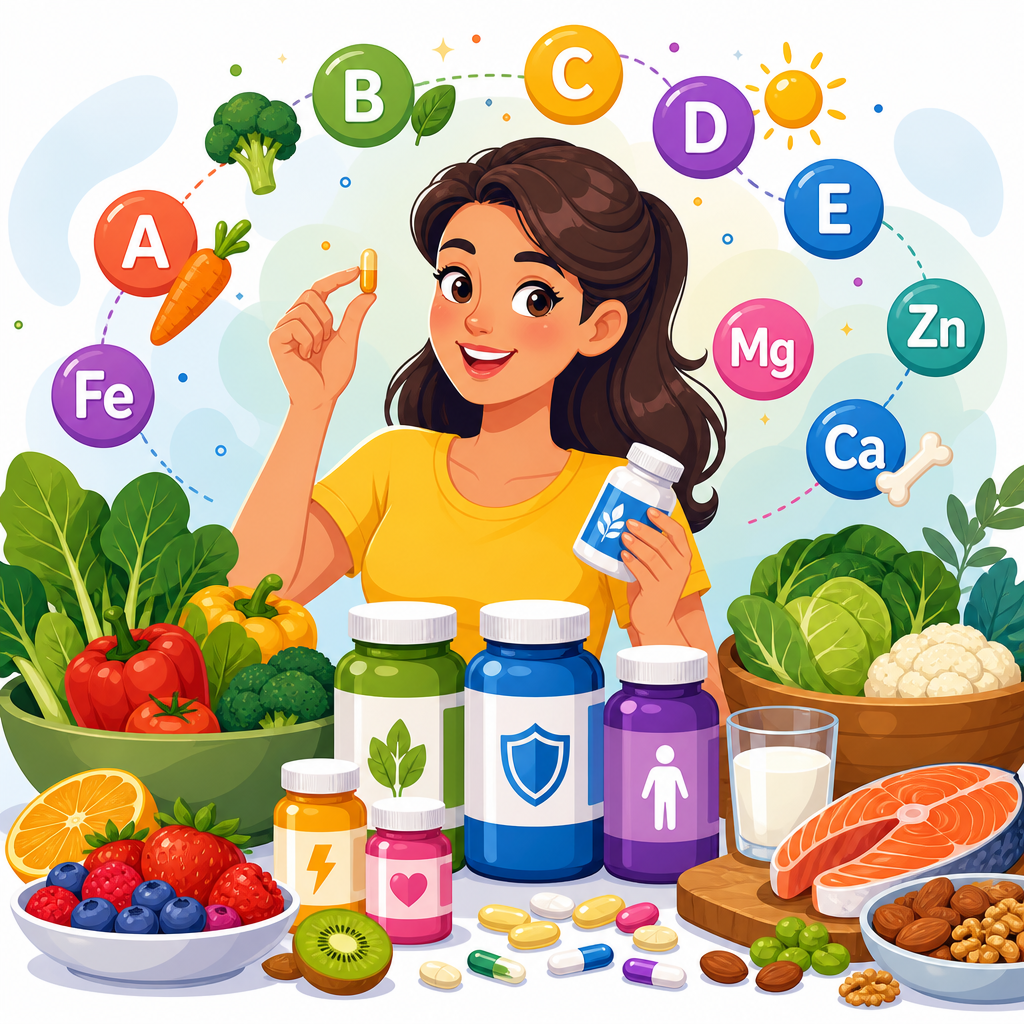
Essential vitamins and mineral supplements shape overall well-being by helping the body convert food into energy, support immunity, maintain bones and muscles, and protect critical processes such as nerve signaling, oxygen transport, and fluid balance. Vitamins are organic compounds the body needs in small amounts, while minerals are inorganic elements such as calcium, iron, magnesium, zinc, iodine, and selenium. Some nutrients are essential because the body cannot make enough of them on its own, so they must come from food, sunlight, or supplements. In practice, supplements are concentrated sources delivered as tablets, capsules, powders, gummies, or liquids, intended to fill gaps rather than replace a balanced diet.
This topic matters because nutrient inadequacy is common even in people who appear healthy. I routinely see adults who eat enough calories yet fall short on vitamin D, magnesium, iron, folate, potassium, or B12 because of restricted diets, busy schedules, medication use, pregnancy, aging, gastrointestinal conditions, or limited sun exposure. The consequences are often subtle at first: fatigue, poor recovery, brittle nails, frequent illness, reduced concentration, muscle cramps, or low mood. Over time, unresolved deficiencies can contribute to anemia, bone loss, impaired thyroid function, poor immune resilience, and cardiovascular strain. Understanding essential vitamins and mineral supplements helps people choose products intelligently, avoid unnecessary megadoses, and match nutrients to real physiological needs.
As a hub within Supplements and Nutraceuticals, this guide explains what these supplements do, who benefits most, how to evaluate quality, and where food still leads. It also sets up the broader subtopics readers usually explore next: multivitamins, single-nutrient supplements, prenatal formulas, sports recovery, healthy aging, plant-based nutrition, and interactions with medications. The central principle is straightforward. Supplements work best when they correct a known gap, support a documented life stage need, or complement a diet pattern that predictably limits certain nutrients. They are not shortcuts to perfect health, but they can be powerful tools when used with evidence, proper dosing, and attention to the whole diet and lifestyle picture.
What essential vitamins and minerals do for the body
Essential vitamins and minerals are cofactors, structural components, signaling agents, and antioxidants. B vitamins such as B1, B2, B3, B6, folate, and B12 help enzymes release energy from carbohydrates, fats, and protein. Vitamin C supports collagen synthesis, wound healing, and antioxidant defense. Vitamin A contributes to vision, immune barriers, and cellular differentiation. Vitamin D regulates calcium absorption and affects muscle and immune function. Vitamin E protects cell membranes from oxidative damage. Vitamin K is necessary for blood clotting and bone protein activation. Minerals are equally foundational. Calcium and phosphorus give bones and teeth structural integrity. Magnesium participates in hundreds of enzymatic reactions tied to muscle contraction, blood glucose regulation, and nervous system stability. Iron carries oxygen as part of hemoglobin. Zinc supports immunity, skin repair, and gene expression. Iodine enables thyroid hormone production, while selenium helps antioxidant enzymes and thyroid metabolism function properly.
When intake is insufficient, the body often triages. It preserves immediate survival processes and lets longer-term systems suffer. That is why deficiency signs vary. Low iron may show up as reduced exercise tolerance, headaches, or hair shedding before full anemia appears. Inadequate magnesium may present as poor sleep, muscle twitching, constipation, or migraines in some people. Low vitamin D may remain unnoticed until blood work, frequent infections, reduced strength, or declining bone density reveal a problem. This is one reason targeted supplementation matters. Correcting a nutrient gap can improve outcomes that feel unrelated on the surface because the nutrient serves multiple systems at once.
Who benefits most from vitamin and mineral supplements
Not everyone needs the same supplement plan, but several groups consistently benefit from closer attention. Pregnant people or those trying to conceive need folic acid or methylfolate, iron, iodine, choline, and often vitamin D because fetal development sharply increases nutrient demand. Older adults commonly need vitamin B12 due to lower stomach acid, vitamin D because skin synthesis decreases with age, and calcium depending on dietary intake and bone health risk. Vegans usually need B12 and may need iodine, iron, zinc, calcium, vitamin D, and omega-3 support depending on food choices. People with heavy menstrual bleeding frequently benefit from iron assessment. Individuals with celiac disease, inflammatory bowel disease, bariatric surgery history, or chronic diarrhea face elevated risk of malabsorption and often require clinician-guided supplementation.
Medication use is another major factor. Metformin can reduce B12 status over time. Proton pump inhibitors may impair absorption of magnesium, calcium, and B12. Certain diuretics influence potassium and magnesium balance. Anticonvulsants can affect vitamin D metabolism. People avoiding dairy may undershoot calcium. Those with minimal sun exposure, darker skin tones living at northern latitudes, or indoor work schedules often struggle with vitamin D adequacy. In sports nutrition, athletes with high sweat loss, low energy intake, or weight-class pressures may need specific minerals, but broad supplementation without assessing diet can backfire. The key is matching supplements to diet pattern, labs when available, symptoms, and medical context rather than assuming that more is always better.
Food first, supplements second: where the balance should be
Supplements are valuable, but food remains the preferred foundation because whole foods deliver nutrient packages, fiber, protein, healthy fats, and phytochemicals that isolated pills cannot fully reproduce. Spinach provides folate, magnesium, carotenoids, and nitrate compounds. Salmon offers vitamin D, selenium, protein, and omega-3 fats. Yogurt contributes calcium, protein, and often probiotics. Beans bring iron, magnesium, potassium, and fiber. In practice, I tell clients to think of supplements as insurance for gaps that diet, sunlight, or physiology cannot reliably cover. This framing reduces both overuse and disappointment.
There are also limits to what supplements can fix. A multivitamin will not offset a chronically ultra-processed diet, excessive alcohol, poor sleep, or smoking. At the same time, food alone is not always enough. A vegan cannot reliably obtain vitamin B12 from unfortified plant foods. Someone with diagnosed deficiency may need a therapeutic dose for weeks or months before maintenance is possible. A prenatal supplement helps cover requirements that become difficult to meet consistently through food alone. The best outcomes usually come from pairing a nutrient-dense eating pattern with a carefully chosen supplement strategy.
How to choose the right supplement and dose
Choosing well starts with label literacy. Look for the nutrient form, dose per serving, serving size, and percentage of Daily Value, then compare that with age, sex, and life-stage needs. Forms matter. Magnesium glycinate is often better tolerated than magnesium oxide. Vitamin D3 typically raises blood levels more effectively than D2. Methylcobalamin and cyanocobalamin can both correct B12 deficiency, though individual preferences differ. Ferrous bisglycinate may cause fewer gastrointestinal side effects than ferrous sulfate for some users. Calcium citrate is usually absorbed well and can be taken with or without food, while calcium carbonate is more dependent on stomach acid and is best with meals. These details influence adherence, not just theory.
Quality verification matters because supplement regulation is not the same as prescription drug regulation. Reputable products often use third-party testing programs such as USP, NSF, or Informed Choice, and many manufacturers provide certificates of analysis, contaminant screening, and transparent sourcing. Avoid formulas that hide doses in proprietary blends. Be cautious with gummies, which can be lower in certain minerals and higher in added sugars. Also watch for tolerable upper intake levels. Vitamin A, iron, selenium, iodine, and zinc can become harmful in excess. More is not safer, and stacking a multivitamin with separate single-nutrient products can push intake above appropriate ranges without the user noticing.
| Nutrient | Primary role | Common reasons to supplement | Practical note |
|---|---|---|---|
| Vitamin D | Calcium absorption, muscle and immune support | Low sun exposure, older age, confirmed low blood levels | Blood testing helps personalize dose |
| Vitamin B12 | Nerve function, red blood cell formation | Vegan diet, metformin use, older age, malabsorption | Oral high-dose or sublingual forms are common |
| Iron | Oxygen transport, energy metabolism | Heavy menstrual losses, pregnancy, diagnosed deficiency | Supplement only with clear need; excess iron is risky |
| Magnesium | Muscle, nerve, glucose, enzyme activity | Low intake, cramps, constipation, certain medications | Form affects tolerance and purpose |
| Calcium | Bone structure, muscle contraction | Low dairy intake, osteoporosis risk, inadequate diet | Split doses improve absorption |
| Zinc | Immune function, skin repair, enzyme activity | Restricted diets, low intake, some absorption issues | Long-term high doses can lower copper |
Common deficiencies, symptoms, and real-world examples
Several deficiencies appear repeatedly in clinical practice and public health data. Vitamin D insufficiency is common worldwide, especially in regions with limited winter sunlight. People often ask whether fatigue alone means they need vitamin D. The answer is no; fatigue has many causes, but low vitamin D can contribute, especially alongside low mood, muscle weakness, or low bone density risk. Iron deficiency is the most common nutrient deficiency globally and frequently affects menstruating women, pregnant women, endurance athletes, and people with gastrointestinal blood loss. Symptoms may include breathlessness on stairs, restless legs, paleness, and reduced work capacity. Magnesium inadequacy is harder to identify because serum magnesium does not always reflect total body status well, yet low intake is widespread where diets rely heavily on refined grains and low vegetable intake.
Vitamin B12 deficiency deserves special attention because neurological symptoms can appear even before severe anemia. Tingling in hands and feet, balance issues, memory changes, or glossitis should not be dismissed, particularly in vegans or older adults. Iodine remains a concern for people who avoid dairy, seafood, eggs, and iodized salt. Without adequate iodine, thyroid hormone production can falter, affecting energy, temperature regulation, and development during pregnancy. Calcium inadequacy accumulates more quietly through years of low intake, often becoming visible only when bone density declines. These examples show why essential vitamins and mineral supplements are most effective when they are tied to a specific likely gap rather than chosen by marketing trend.
Safety, interactions, and when medical guidance is necessary
Safe supplementation depends on context. Fat-soluble vitamins A, D, E, and K can accumulate more readily than water-soluble vitamins, although even water-soluble nutrients can cause problems at high doses. Vitamin B6 in excess may lead to neuropathy. Too much zinc can induce copper deficiency and affect immunity. Excess iodine can worsen thyroid dysfunction in susceptible people. High-dose calcium taken unnecessarily may contribute to constipation and, in some cases, increase kidney stone risk if hydration and total intake are not considered. Iron should never be used casually, because overload is harmful and some conditions, including hemochromatosis, make excess storage more likely.
Interactions with medications are equally important. Vitamin K can interfere with warfarin management. Calcium, magnesium, and iron can reduce absorption of certain antibiotics and thyroid medication if taken too close together. High-dose biotin may distort some lab test results, including thyroid and cardiac troponin assays. This is why timing, dose, and disclosure matter. People who are pregnant, managing kidney disease, living with thyroid disorders, taking anticoagulants, or treating chronic gastrointestinal disease should involve a clinician before starting significant supplementation. Testing is not required for every nutrient, but it is valuable when deficiency is likely, symptoms are significant, or therapeutic dosing is being considered.
Building a practical supplement routine that supports long-term well-being
The most effective routine is simple, consistent, and evidence-based. Start with diet review: identify whether protein, dairy or fortified alternatives, vegetables, legumes, seafood, and whole grains appear regularly. Next, consider life stage and exposure patterns, especially pregnancy status, age, medication use, vegan eating, and sunlight habits. Then add only the supplements that solve a clear problem. A common baseline might be vitamin D during low-sun months, B12 for vegan diets, and iron only when indicated by symptoms or labs. For some people, a modest multivitamin acts as a safety net, but it should not replace targeted products where needs are higher, such as prenatal formulas or prescribed iron.
Consistency usually matters more than complexity. Take supplements at times that improve adherence and absorption: iron away from calcium when possible, vitamin D with a meal containing fat, and divided calcium doses if the amount is large. Reassess periodically. Energy, training capacity, hair shedding, sleep, and lab values can all change after diet or health shifts. Essential vitamins and mineral supplements improve overall well-being most when they are personalized, measured, and reviewed rather than collected impulsively. Use this hub as your starting point, then explore focused guidance on individual nutrients, multivitamins, prenatal support, healthy aging, and special diets so your supplement plan is precise, safe, and genuinely useful.
Frequently Asked Questions
What do essential vitamins and mineral supplements actually do for overall well-being?
Essential vitamins and mineral supplements help the body carry out many of its most important daily functions. They support how food is converted into usable energy, help maintain a healthy immune response, contribute to strong bones and muscles, and protect systems that depend on proper nerve signaling, oxygen transport, hydration, and fluid balance. Vitamins are organic compounds the body needs in small amounts, while minerals are inorganic elements such as calcium, iron, magnesium, zinc, iodine, and selenium. Even though they are needed in relatively small quantities, their impact is far-reaching because they act behind the scenes in countless biological processes.
For example, B vitamins are closely involved in energy metabolism, helping the body break down carbohydrates, fats, and proteins so cells can function efficiently. Vitamin D helps the body absorb calcium, which is essential for bone strength and muscle function. Iron supports the production of hemoglobin, the protein in red blood cells that carries oxygen throughout the body. Magnesium plays a role in muscle contraction, nerve communication, and enzyme activity, while zinc supports immune health, wound healing, and cell growth. When the body does not get enough of these nutrients, people may notice fatigue, weaker immunity, poor concentration, muscle cramps, or other signs that core systems are not operating at their best.
Supplements can be useful when diet alone does not fully meet nutrient needs. They are not a replacement for balanced eating, but they can help fill nutritional gaps and support consistent wellness. In that sense, essential vitamins and minerals matter not because they work as quick fixes, but because they help the body maintain the steady internal conditions needed for strength, resilience, and long-term health.
Why are some vitamins and minerals considered essential?
Nutrients are considered essential when the body cannot make them at all or cannot make enough of them to meet physiological needs. That means they must come from food, supplements, or both. This distinction is important because it explains why certain vitamins and minerals must be supplied regularly. Without an adequate intake, normal body functions begin to suffer over time, sometimes subtly at first and then more noticeably if deficiency continues.
Essential nutrients include both vitamins and minerals. Vitamins such as vitamin C, many of the B vitamins, and vitamin D play unique roles in tissue maintenance, metabolism, and immune support. Minerals such as calcium, iron, magnesium, zinc, iodine, and selenium are also essential because they are involved in structural functions and regulatory processes the body cannot perform properly without them. Iodine, for example, is needed to make thyroid hormones that regulate metabolism. Selenium helps protect cells from oxidative stress and supports thyroid and immune function. Calcium provides structural support for bones and teeth while also helping with muscle contraction and nerve transmission.
Because the body depends on outside sources for these nutrients, consistency matters. Even when severe deficiencies are uncommon, marginal intake can still affect energy levels, recovery, focus, and general vitality. That is why understanding which nutrients are essential helps people make smarter decisions about diet quality and, when needed, supplementation. The goal is not simply to avoid deficiency, but to give the body what it needs to perform well every day.
Can vitamin and mineral supplements help with energy, immunity, and muscle function?
Yes, they can support all three areas, especially when a person is low in specific nutrients. Vitamins and minerals are deeply involved in the processes that govern energy production, immune defense, and muscle performance. However, it is important to understand that supplements do not create energy in the same way calories from food do. Instead, many nutrients help unlock, transfer, and use that energy efficiently within the body.
B vitamins are among the best examples. They assist in converting food into cellular energy, which is why low intake may contribute to feelings of tiredness or sluggishness. Iron is another key nutrient for energy because it supports oxygen transport through the blood. Without enough iron, tissues may not receive adequate oxygen, which can lead to fatigue and reduced stamina. For immunity, nutrients such as vitamin C, vitamin D, zinc, and selenium are especially important. They help support immune cell activity, regulate inflammatory responses, and strengthen the body’s ability to respond to everyday health challenges.
Muscle function also relies heavily on proper nutrient status. Calcium and magnesium help muscles contract and relax normally, while vitamin D supports muscle strength and coordination. Potassium and other electrolytes are critical for fluid balance and nerve impulses that trigger movement. If the body is lacking these nutrients, a person may experience weakness, cramps, reduced exercise tolerance, or slower recovery. In people who already meet their nutritional needs, supplements may offer maintenance rather than dramatic changes. But when there is a gap, targeted supplementation can make a meaningful difference in how the body feels and performs.
Are supplements better than getting vitamins and minerals from food?
In most cases, food should be the foundation of vitamin and mineral intake because whole foods provide a broader nutritional package. Fruits, vegetables, legumes, whole grains, dairy products, seafood, lean proteins, nuts, and seeds contain not only vitamins and minerals but also fiber, healthy fats, protein, antioxidants, and other beneficial compounds that work together to support health. Food also tends to provide nutrients in forms the body is designed to recognize and use efficiently.
That said, supplements can still play an important role. They are especially helpful for people who have increased nutrient needs, dietary restrictions, reduced appetite, digestive absorption issues, or limited access to a varied diet. For example, someone with low iron levels may need supplementation to restore healthy stores. A person who gets little sun exposure may benefit from vitamin D. Individuals avoiding dairy might need help meeting calcium needs, and some people may use magnesium or zinc supplements when intake from food is inconsistent.
The best way to think about supplements is as support, not substitution. They can fill gaps and help maintain adequate intake, but they do not replace the overall benefits of balanced eating. Relying only on pills while ignoring diet quality usually misses the bigger picture of well-being. A food-first approach, combined with appropriate supplementation when needed, is typically the most effective strategy for supporting energy, immunity, bones, muscles, and other essential body systems.
How can someone choose the right vitamin and mineral supplements safely?
Choosing the right supplement starts with identifying actual needs rather than guessing. The most useful supplement is one that addresses a genuine nutritional gap or supports a specific health goal based on diet, lifestyle, age, or medical guidance. Someone who feels tired, for example, may assume they need more vitamins, but the issue could be related to iron, vitamin D, poor sleep, stress, hydration, or something unrelated to nutrition. That is why a thoughtful approach is better than simply taking multiple products at random.
Start by reviewing your eating patterns and considering whether you regularly fall short in certain food groups. Then look at products that clearly list ingredients and amounts, and avoid formulas that provide unnecessarily high doses unless they have been specifically recommended. More is not always better. Some nutrients can build up in the body or interfere with the absorption of others when taken in excess. Iron, calcium, zinc, selenium, and fat-soluble vitamins such as A and D are good examples of nutrients that should be used carefully and according to need.
It is also wise to consider quality and compatibility. Choose reputable brands with transparent labeling, and be mindful of combinations if you are taking more than one supplement. Some nutrients work well together, such as vitamin D and calcium, while others may compete for absorption depending on dose and timing. If you are pregnant, managing a health condition, or taking medications, professional guidance is especially important because interactions and specialized needs are more likely. Safe, effective supplementation is not about taking the most products possible. It is about using the right nutrients, in the right amounts, to support the body’s natural systems and overall well-being.