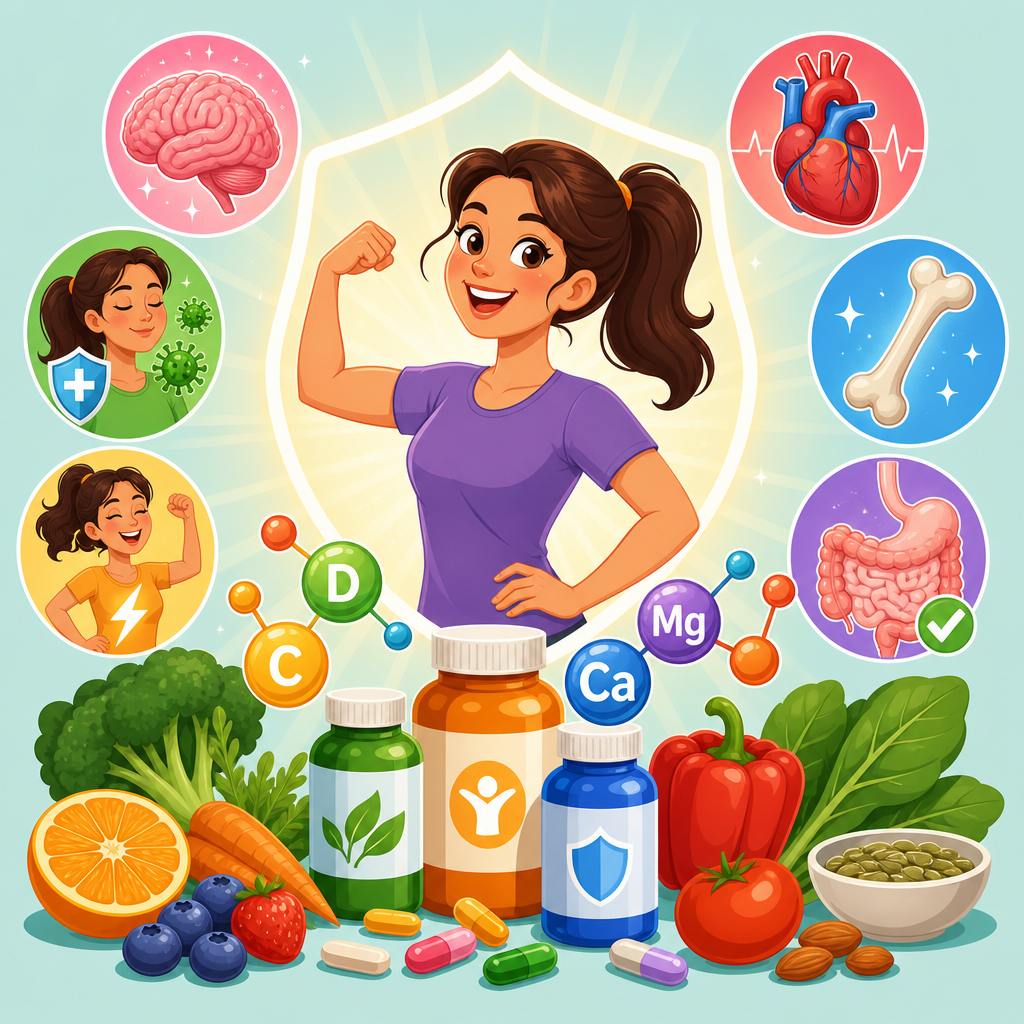
Essential vitamins and mineral supplements sit at the center of modern nutrition because they bridge the gap between what the body needs to function and what many people actually eat each day. Vitamins are organic compounds required in small amounts for processes such as energy production, immunity, blood clotting, vision, and cell repair. Minerals are inorganic elements, including calcium, magnesium, iron, zinc, potassium, iodine, and selenium, that support bone structure, nerve signaling, fluid balance, oxygen transport, and enzyme activity. Foods rich in essential vitamins and mineral supplements matter because even mild deficiencies can affect energy, mood, concentration, recovery, and long-term health before obvious disease appears.
In practice, I see the same pattern repeatedly: people assume a multivitamin can compensate for a poor diet, yet the strongest nutrition outcomes still come from eating nutrient-dense foods first and using supplements strategically. Whole foods deliver vitamins and minerals alongside protein, fiber, healthy fats, and phytonutrients that pills cannot fully replicate. At the same time, supplements can be valuable when diet alone is insufficient, when lab work confirms a shortfall, or when life stage, medications, digestive disorders, training demands, or dietary restrictions raise requirements. Understanding both sides is what turns this topic from generic wellness advice into a practical plan.
This hub article explains the top foods rich in essential vitamins and minerals, where supplements fit, which nutrients are most commonly low, and how to choose products wisely. If you want better immunity, bone strength, energy metabolism, red blood cell production, thyroid support, muscle function, and healthy aging, you need to know which nutrients do what, where to get them, and when supplementation makes sense. The goal is not to take more pills. The goal is to meet real physiological needs with the most effective combination of food quality, targeted supplementation, and informed monitoring.
Why essential vitamins and minerals are foundational to health
Essential nutrients are called essential because the body cannot make enough of them on its own. Vitamin A supports vision, epithelial tissues, and immune defense. B vitamins help convert carbohydrates, fats, and proteins into usable energy and are deeply involved in nervous system function. Vitamin C is required for collagen synthesis and antioxidant protection. Vitamin D regulates calcium absorption and immune signaling. Vitamin E protects cell membranes. Vitamin K supports clotting and bone metabolism. Minerals act just as broadly: calcium and phosphorus build bone, magnesium assists hundreds of enzymatic reactions, iron carries oxygen in hemoglobin, zinc helps immunity and wound healing, and iodine is necessary for thyroid hormone production.
When intake falls short, symptoms may begin subtly. Low iron can show up as fatigue, poor exercise tolerance, headaches, brittle nails, or hair shedding. Inadequate magnesium may contribute to muscle cramps, poor sleep, constipation, or migraines. Low vitamin D is often silent until bone density declines or blood tests reveal deficiency. A diet low in potassium and high in sodium can worsen blood pressure control. These are not niche concerns. National dietary surveys consistently find gaps in vitamin D, calcium, potassium, magnesium, and, in some groups, iron, folate, vitamin B12, and iodine.
That is why food choices and supplement decisions should be made together. The best strategy is to identify your likely gaps based on age, sex, diet pattern, health conditions, medications, and lifestyle, then correct those gaps with the least complicated approach that works.
Top foods rich in essential vitamins and minerals
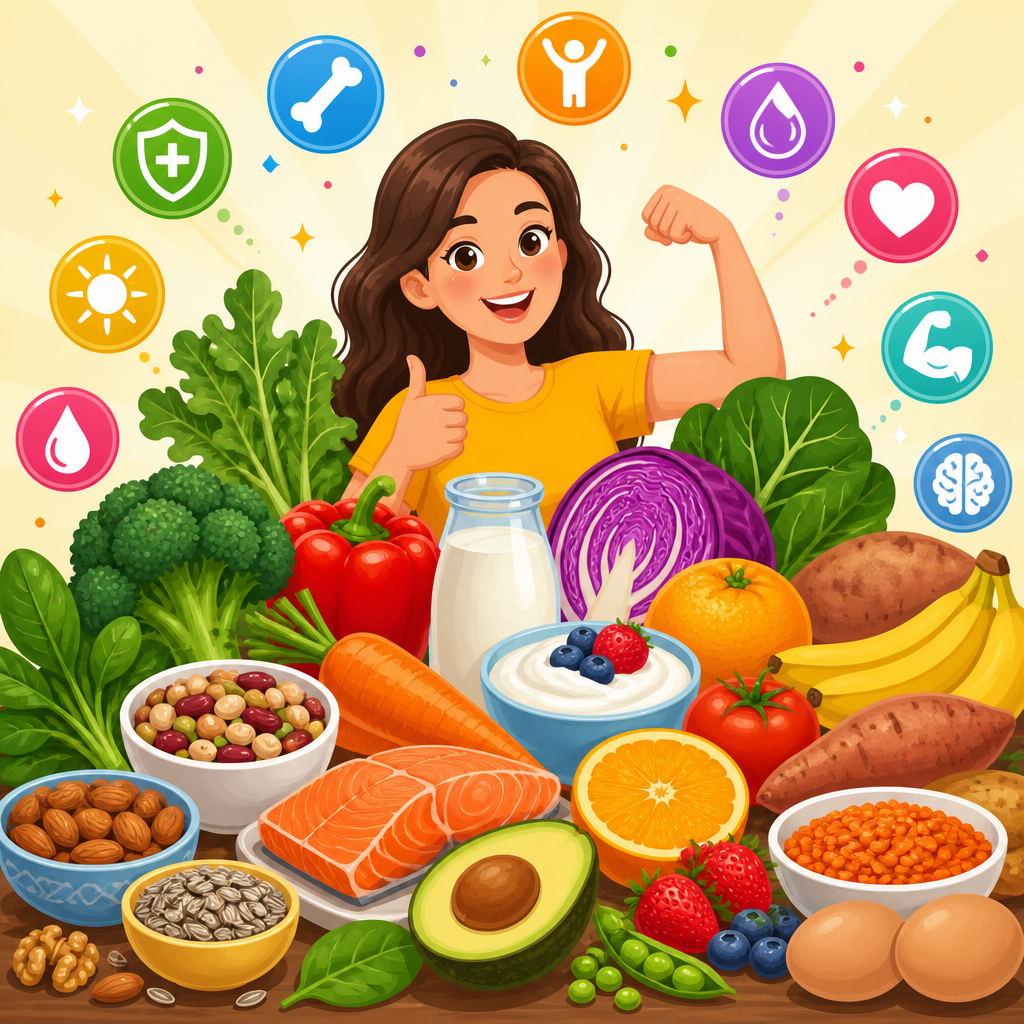
Nutrient density means getting a high concentration of beneficial nutrients relative to calories. The most useful foods are not trendy superfoods but reliable staples that cover several nutrient categories at once. Leafy greens such as spinach, kale, and Swiss chard provide vitamin K, folate, magnesium, and carotenoids. Fatty fish like salmon, sardines, trout, and mackerel supply vitamin D, selenium, iodine, vitamin B12, and omega-3 fats. Eggs contribute choline, vitamin B12, selenium, iodine, and smaller amounts of vitamins A and D. Dairy foods and fortified alternatives can provide calcium, vitamin D, phosphorus, and protein.
Legumes including lentils, chickpeas, and black beans are excellent for folate, magnesium, potassium, and iron, especially in plant-forward diets. Nuts and seeds provide magnesium, zinc, selenium, and vitamin E; Brazil nuts are particularly concentrated in selenium, while pumpkin seeds are strong in magnesium and zinc. Citrus fruits, kiwi, berries, bell peppers, and broccoli are practical vitamin C sources. Sweet potatoes and carrots are rich in beta-carotene, a precursor to vitamin A. Whole grains contribute B vitamins, magnesium, and trace minerals, while shellfish such as oysters and mussels are among the most concentrated food sources of zinc, iron, copper, and vitamin B12.
Variety matters because no single food supplies everything. In meal planning, I usually aim for a repeating pattern: a protein source, a colorful plant, a calcium source, and either a legume, whole grain, seed, or fruit that fills a common gap. That structure consistently outperforms random healthy snacking.
| Nutrient | Best food sources | Why it matters | When supplements are often considered |
|---|---|---|---|
| Vitamin D | Salmon, sardines, egg yolks, fortified milk | Bone health, immunity, calcium absorption | Low sun exposure, older age, dark skin, confirmed deficiency |
| Calcium | Yogurt, milk, fortified plant drinks, tofu, sardines | Bone density, muscle contraction, nerve function | Low dairy intake, osteoporosis risk, menopause |
| Iron | Red meat, lentils, beans, spinach, oysters | Oxygen transport, energy, cognition | Heavy menstrual losses, pregnancy, low ferritin, vegan diets |
| Magnesium | Pumpkin seeds, almonds, beans, whole grains, greens | Muscle, sleep, blood sugar, enzyme activity | Low intake, GI losses, certain medications |
| Vitamin B12 | Fish, meat, eggs, dairy, fortified foods | Nerves, red blood cells, DNA synthesis | Vegan diets, metformin use, low stomach acid |
| Iodine | Seafood, dairy, eggs, iodized salt | Thyroid hormone production | Low seafood intake, non-iodized specialty salts, pregnancy |
When food is enough and when supplements help
Most healthy adults can meet many nutrient needs through diet, but not everyone can meet all of them consistently. Supplements are most justified in situations where requirements rise, absorption falls, or diet excludes entire food groups. Pregnancy is the clearest example. Folic acid before conception and early in pregnancy reduces neural tube defect risk, and iron, iodine, choline, and vitamin D may also need attention. Older adults often need vitamin B12 monitoring because stomach acid and intrinsic factor decline with age, reducing absorption from food. People with osteoporosis risk may need calcium and vitamin D if dietary intake is low.
Vegans commonly require vitamin B12 supplementation and may need vitamin D, iodine, iron, calcium, zinc, and long-chain omega-3 support depending on diet quality. People with celiac disease, inflammatory bowel disease, bariatric surgery history, chronic diarrhea, kidney disease, or prolonged antacid use often need individualized supplementation based on lab findings. Athletes can also have targeted needs; endurance runners, for example, may develop iron depletion from higher losses and increased demand, especially women.
Supplementation should solve a defined problem. A blood test, dietary review, or symptom pattern should guide the decision whenever possible. More is not automatically better. Excessive vitamin A can be toxic, too much iron can damage organs in susceptible individuals, and high supplemental calcium may not be appropriate for everyone. The right dose, form, and timing matter.
Common nutrients people miss and how to correct them
Vitamin D is one of the most frequent gaps because food sources are limited and sun exposure varies with latitude, season, clothing, sunscreen use, and skin tone. If blood levels are low, clinicians often recommend vitamin D3 because it raises 25-hydroxyvitamin D efficiently. Calcium shortfalls are also common, especially when dairy intake is low. Food-first solutions include yogurt, kefir, cheese, calcium-set tofu, fortified plant beverages, and canned salmon or sardines with bones.
Magnesium intake often lags behind need because refined diets remove whole grains, legumes, nuts, and leafy greens. Restoring these foods can improve intake significantly, though magnesium glycinate or citrate is sometimes used when symptoms or medications increase need. Iron deserves caution. Iron deficiency is common, but supplementation should ideally follow ferritin and hemoglobin assessment because unnecessary iron can cause gastrointestinal effects and oxidative stress. Pairing plant iron sources with vitamin C, such as lentils with peppers or beans with salsa, improves absorption.
Vitamin B12 deserves special attention in vegan and vegetarian patterns and in adults taking metformin or acid-suppressing medications. Deficiency can impair nerve function and elevate homocysteine. Iodine is another overlooked nutrient now that many people use gourmet salts that are not iodized. Seafood, dairy, eggs, and iodized salt remain dependable sources. Zinc, selenium, and potassium can also slip in low-quality diets. The practical fix is usually not exotic supplements but a return to beans, dairy or fortified alternatives, seafood, fruits, vegetables, nuts, and minimally processed staples.
How to choose high-quality essential vitamins and mineral supplements
The best supplement is the one that matches a real need, uses a bioavailable form, and comes from a manufacturer that tests for potency and contaminants. Third-party certification matters. Look for seals from USP, NSF, or ConsumerLab-style testing programs, because they indicate the product was checked for label accuracy and common contaminants. This is especially important for minerals, where dosing errors can matter clinically.
Forms make a difference. Vitamin D3 is generally preferred over D2 for raising blood levels. Magnesium glycinate is often better tolerated than magnesium oxide, while citrate may help constipation. Calcium citrate is useful when stomach acid is low; calcium carbonate is less expensive and works well with meals. For B12, methylcobalamin and cyanocobalamin are both effective in most cases, though cyanocobalamin is highly stable and well studied. Iron bisglycinate is often easier on the stomach than ferrous sulfate, even if sulfate remains a common standard.
Check the dose against actual need. Many multivitamins contain nutrients you do not need and too little of the ones you do. Avoid mega-doses unless prescribed. Review interactions too: calcium can reduce iron absorption when taken together, magnesium can interfere with some antibiotics, vitamin K can affect warfarin management, and high-dose biotin can distort certain lab tests. Good supplementation is precise, not casual.
Building a practical nutrient strategy that lasts
A lasting plan starts with meals, not bottles. Build around repeatable habits: include a protein source at each meal, eat at least one deeply colored vegetable daily, choose calcium-rich foods twice a day, add legumes several times a week, and rotate seafood one to three times weekly if you eat it. If you follow a restricted diet, identify your predictable weak points and cover them intentionally. For example, a vegan pattern usually needs B12 by default and benefits from deliberate planning for calcium, iodine, iron, zinc, and vitamin D.
Then use supplements to close remaining gaps. A prenatal, a vitamin D supplement during low-sun months, a B12 supplement for vegans, or iron for a documented deficiency are sensible examples. Reassess after a meaningful interval. Nutrient status changes with diet, age, medication use, and health conditions, so the right supplement at one stage of life may be unnecessary later. This hub page should help you navigate the rest of the supplements and nutraceuticals topic with better questions and better judgment.
The main takeaway is simple: the top foods rich in essential vitamins and mineral supplements are everyday foods, and supplements work best when they support, rather than replace, a nutrient-dense diet. Focus first on leafy greens, legumes, dairy or fortified alternatives, eggs, seafood, nuts, seeds, fruit, and whole grains. Add targeted supplementation only where evidence, intake patterns, or lab work show a real need. If you want stronger energy, immunity, bones, recovery, and long-term health, audit your diet, review your likely gaps, and choose one food upgrade and one evidence-based supplement change to make this week.
Frequently Asked Questions
What are the most important vitamins and minerals your body needs every day?
Your body depends on a wide range of essential vitamins and minerals every day because each one supports different systems that keep you healthy, energized, and functioning properly. Among the key vitamins, vitamin A supports vision, skin health, and immune function. The B vitamins, including B12, folate, B6, riboflavin, niacin, and thiamin, are central to energy metabolism, red blood cell formation, and nervous system health. Vitamin C plays a major role in immune defense, collagen production, wound healing, and antioxidant protection. Vitamin D helps your body absorb calcium and supports bones, muscles, and immune regulation. Vitamin E acts as an antioxidant that helps protect cells from damage, while vitamin K is essential for blood clotting and bone health.
On the mineral side, calcium is best known for building and maintaining strong bones and teeth, but it also supports muscle contraction and nerve signaling. Magnesium is involved in hundreds of biochemical reactions, including energy production, muscle function, and heartbeat regulation. Iron is critical for carrying oxygen in the blood, and zinc contributes to immune health, wound healing, and enzyme activity. Potassium helps regulate fluid balance, blood pressure, and muscle contractions. Iodine is necessary for normal thyroid hormone production, and selenium supports thyroid function and antioxidant defenses.
While all of these nutrients are important, the most essential ones for you specifically may depend on your age, sex, diet, lifestyle, and health conditions. For example, menstruating women often need to pay close attention to iron intake, older adults may need more vitamin D and B12 support, and people who avoid dairy may need to focus on calcium from other foods or supplements. The bottom line is that no single vitamin or mineral does everything. Good health depends on getting a balanced mix of nutrients consistently through food first, with supplements used when intake falls short.
Which foods are naturally rich in essential vitamins and minerals?
Some of the best sources of vitamins and minerals are whole, minimally processed foods that offer a broad range of nutrients in a form the body can use efficiently. Leafy greens such as spinach, kale, collards, and Swiss chard are standout choices because they provide vitamin K, folate, magnesium, potassium, and in some cases iron and calcium. Colorful vegetables like carrots, sweet potatoes, red peppers, and broccoli are rich in vitamin A precursors, vitamin C, and other protective plant compounds. Citrus fruits, strawberries, kiwi, and guava are especially well known for vitamin C, while bananas and avocados contribute potassium and other supportive nutrients.
Animal-based foods also play a major role. Fatty fish such as salmon, sardines, mackerel, and trout provide vitamin D, vitamin B12, selenium, and omega-3 fats, while shellfish can be excellent sources of zinc, iodine, and iron. Eggs offer vitamin B12, choline, selenium, and smaller amounts of vitamins A and D. Dairy foods such as milk, yogurt, and cheese provide calcium, phosphorus, and often vitamin D if fortified. Lean meats and poultry are reliable sources of iron, zinc, and B vitamins, especially B12 and niacin.
Plant-based staples can also be nutrient-dense. Beans, lentils, chickpeas, and soy foods provide folate, iron, magnesium, and zinc. Nuts and seeds, including almonds, pumpkin seeds, sunflower seeds, and chia seeds, can deliver magnesium, vitamin E, selenium, and healthy fats. Whole grains contribute B vitamins, iron, and magnesium, especially when less refined. Seaweed can be a concentrated source of iodine, though amounts vary widely. Fortified foods such as breakfast cereals, plant milks, and nutritional yeast can help fill specific nutrient gaps, especially for people following vegetarian or vegan diets. A varied diet that includes fruits, vegetables, proteins, legumes, whole grains, and healthy fats is the most practical way to cover your bases.
Why might someone still need vitamin or mineral supplements if they eat a healthy diet?
Even people who make smart food choices may still benefit from supplements in certain situations because real-life nutrition is not always as complete as it looks on paper. Modern eating habits, busy schedules, limited food variety, food intolerances, digestive issues, and increased nutrient needs can all create gaps. For example, someone may eat reasonably well but still fall short on vitamin D because sunlight exposure is low, especially in winter or for people who spend most of their time indoors. Others may not absorb enough vitamin B12 due to age-related changes in digestion or certain medications, even if they consume animal products regularly.
There are also life stages and health circumstances when nutrient demands increase. Pregnancy raises the need for folate, iron, iodine, and other nutrients that support fetal development. Athletes may need more magnesium, iron, or electrolytes depending on training volume and sweat loss. Vegetarians and vegans may need to monitor B12, iron, zinc, iodine, calcium, and vitamin D more carefully. People with restricted diets, low appetite, gastrointestinal disorders, or a history of bariatric surgery are particularly vulnerable to deficiencies because either intake or absorption can be compromised.
Another factor is consistency. A healthy diet over time matters more than a few good meals here and there, and many people simply do not meet daily recommendations regularly enough. Supplements can act as nutritional insurance when used thoughtfully, but they should not replace balanced eating. It is also important to remember that more is not always better. Taking high doses without a clear need can be ineffective or even harmful, especially with nutrients such as iron, vitamin A, selenium, and zinc. The best approach is to identify likely gaps based on diet, symptoms, lifestyle, and medical advice, then choose targeted supplementation rather than assuming every supplement is necessary.
How do you know if you are low in essential vitamins or minerals?
Nutrient deficiencies can be tricky because the signs are often subtle at first and may develop gradually. Common early symptoms include fatigue, weakness, poor concentration, low mood, frequent illness, brittle nails, hair thinning, pale skin, muscle cramps, slow wound healing, and changes in appetite. However, these symptoms are not specific to one deficiency and can overlap with stress, lack of sleep, hormonal changes, or other medical conditions. That is why symptoms alone should not be used to diagnose a vitamin or mineral deficiency.
Some deficiencies do have classic patterns. Low iron may lead to tiredness, shortness of breath, dizziness, cold hands and feet, and reduced exercise tolerance because iron is essential for oxygen transport. Inadequate vitamin B12 can contribute to fatigue, numbness or tingling, memory problems, and anemia. Low vitamin D may be associated with bone discomfort, muscle weakness, and a higher risk of fractures over time. Not getting enough magnesium can sometimes show up as muscle twitches, cramps, or irregular heartbeat, although mild deficiency may go unnoticed. Inadequate iodine can affect thyroid function, leading to sluggishness, sensitivity to cold, or changes in metabolism.
The most reliable way to know whether you are deficient is through a combination of diet assessment, medical history, symptom review, and appropriate lab testing when needed. A healthcare professional can help determine whether blood work makes sense for nutrients such as iron, ferritin, vitamin D, B12, folate, or thyroid-related markers. This matters because taking supplements without confirmation can mask underlying problems or delay proper treatment. If you suspect a deficiency, it is wise to review your diet and speak with a qualified professional rather than self-diagnosing based on internet checklists alone.
What should you look for when choosing a vitamin or mineral supplement?
Choosing a supplement starts with understanding your actual needs rather than buying the most popular product on the shelf. First, consider whether you need a general multivitamin or a specific nutrient such as iron, vitamin D, calcium, magnesium, or B12. Targeted supplements are often more useful when there is a known gap, especially because many multivitamins include modest amounts that may not correct a true deficiency. It is also important to check the dosage carefully. A product that provides around 100% of the daily value may be appropriate for general support, while higher doses should usually be guided by a healthcare professional.
Form matters too. For example, calcium citrate may be easier for some people to absorb than calcium carbonate, magnesium glycinate is often chosen for gentler digestion, and methylcobalamin or cyanocobalamin are common forms of vitamin B12. Iron supplements vary as well, and some forms may cause less stomach upset than others. Look for products that have been third-party tested for quality, purity, and label accuracy by organizations such as USP, NSF, or other reputable certifiers. This can give you more confidence that the supplement contains what it claims and is free from problematic contaminants.
You should also consider interactions and safety. Certain minerals compete for absorption when taken together, and some supplements can interfere with medications. Calcium can affect the absorption of certain antibiotics and thyroid medicine, while vitamin K may interact with blood thinners. Iron should not be taken casually unless needed, and fat-soluble vitamins such as A, D, E, and K can build up in the body if taken in excess. In short, the best supplement is not the one with the longest ingredient list. It is the one that fits your diet, health goals, life stage,