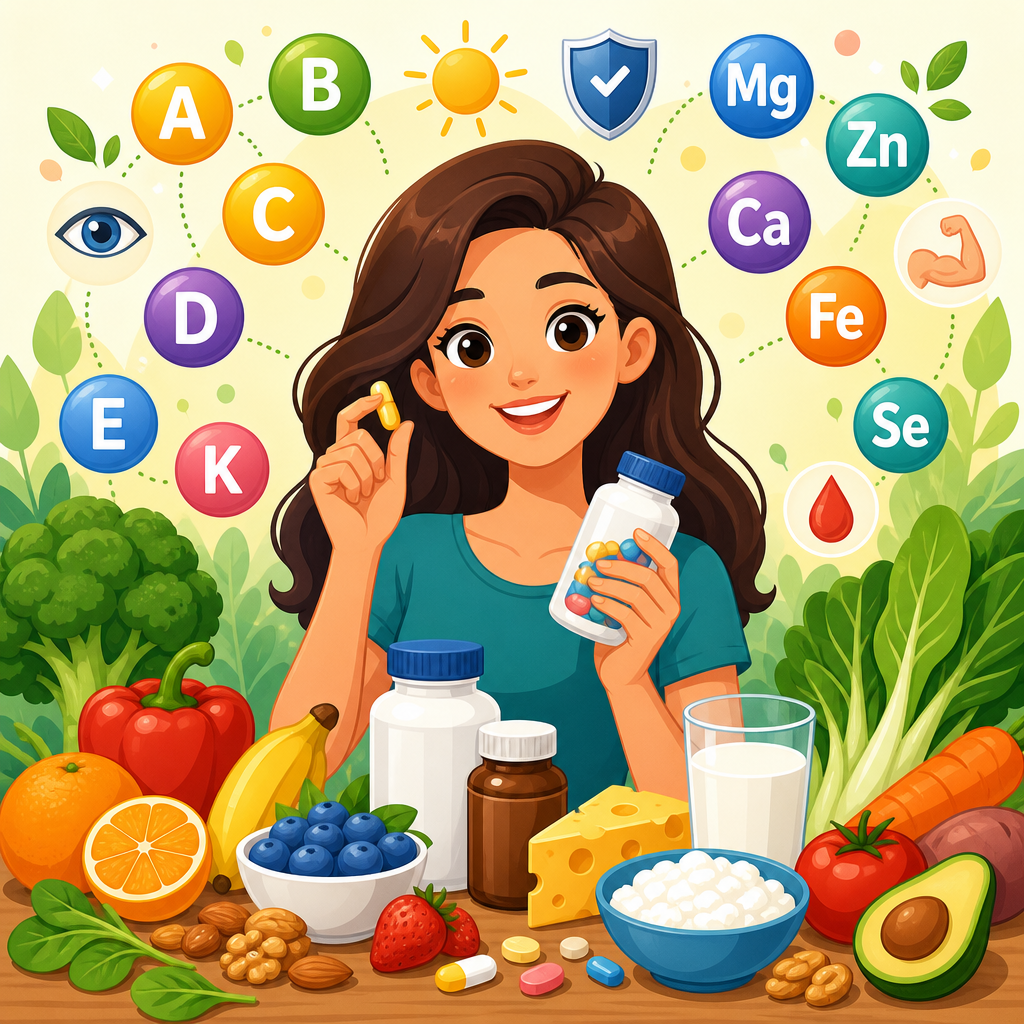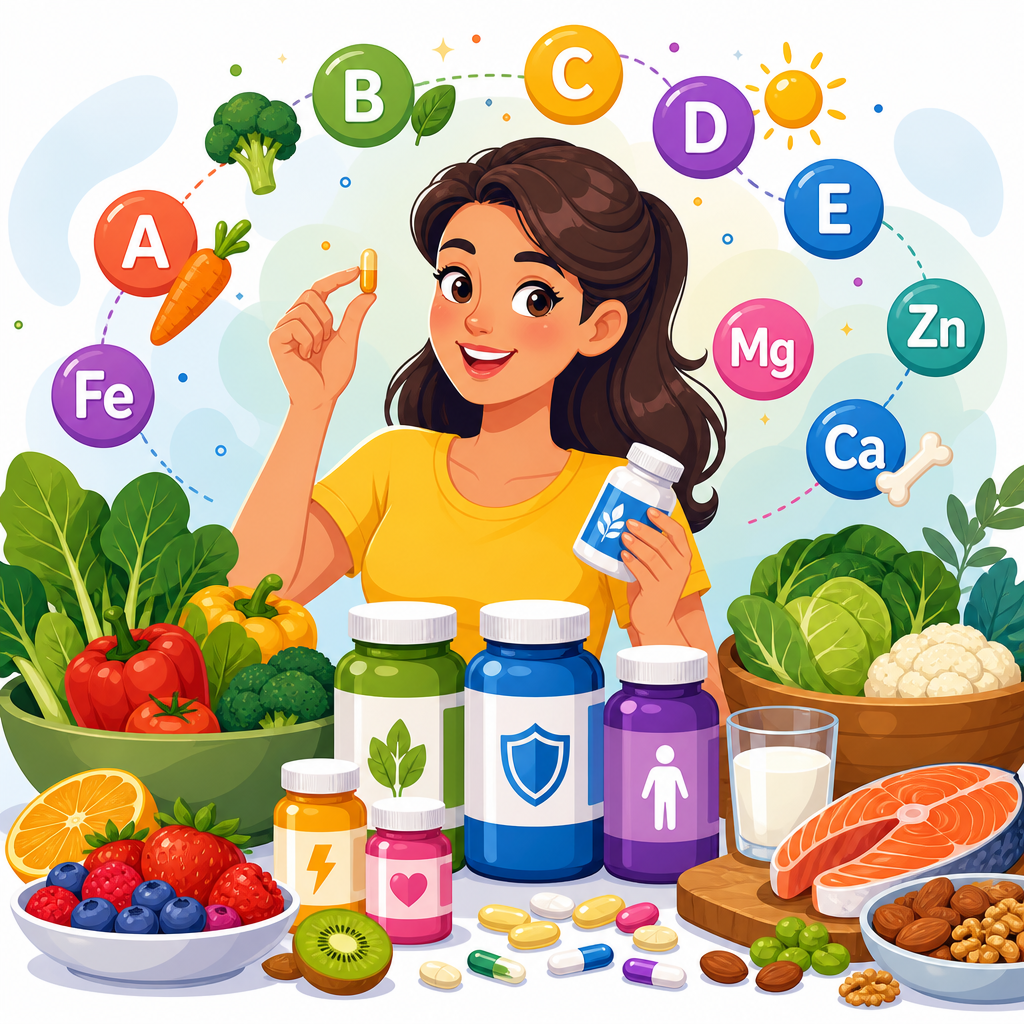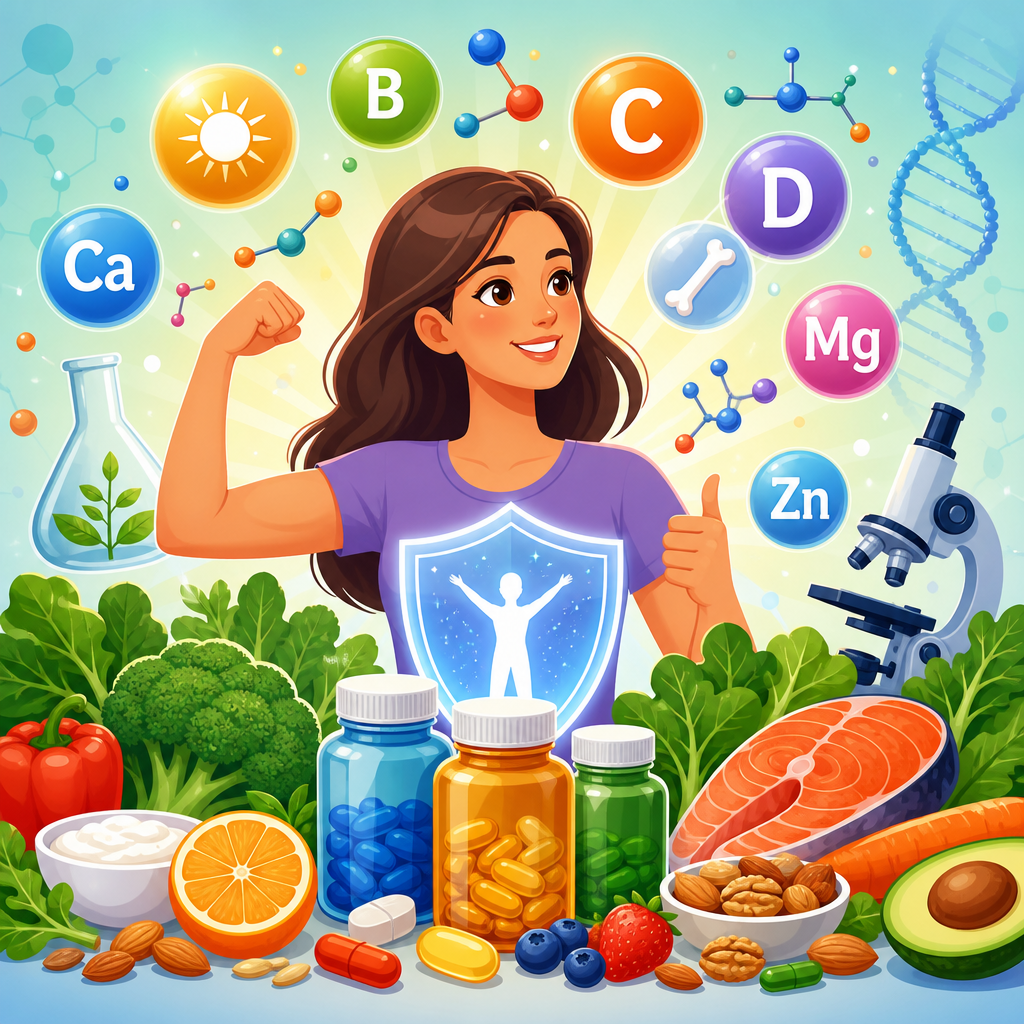
Essential vitamins and mineral supplements sit at the center of modern preventive nutrition because they help fill nutrient gaps that food alone does not always cover. Vitamins are organic compounds required in small amounts for metabolism, immunity, tissue repair, and cellular signaling, while minerals are inorganic elements that support fluid balance, bone structure, nerve transmission, oxygen transport, and hundreds of enzyme reactions. When intake falls short, the body often compensates quietly for months or years before symptoms appear, which is why this subject matters far beyond obvious deficiency disease. In practice, I see three common reasons people start looking for supplements: restricted diets, increased physiological demand, and confirmed low laboratory values.
The science behind essential vitamins and mineral supplements is not simply that “more is better.” It is about adequacy, bioavailability, timing, interactions, and clinical context. A nutrient can be present in a capsule yet poorly absorbed, blocked by another compound, or unnecessary for a person who already meets needs through diet. Conversely, a relatively modest supplement can produce meaningful health benefits when it corrects a documented shortfall. Iron raises hemoglobin in iron deficiency, vitamin D improves status in people with low 25-hydroxyvitamin D, and folic acid before conception reduces neural tube defects. These are not marketing claims; they are among the most established findings in nutritional science.
This hub article explains how vitamin and mineral supplements work, which nutrients are considered essential, who benefits most, and how to choose products that are both effective and safe. It also clarifies important terms. “Essential” means the body cannot make enough of a nutrient on its own, so it must come from food, sunlight exposure in the case of vitamin D synthesis, or supplementation. “Recommended Dietary Allowance” refers to average daily intake sufficient for nearly all healthy people in a life stage group. “Upper Intake Level” marks the highest daily intake unlikely to pose risk for most adults. Understanding these benchmarks helps readers evaluate whether a supplement supports health or pushes intake into unhelpful territory.
As a sub-pillar within Supplements & Nutraceuticals, this page serves as the central guide to essential vitamins and mineral supplements. It connects the core science with the real decisions consumers and clinicians face: multivitamin or targeted formula, daily use or short-term repletion, food-first strategy or structured supplementation plan. The goal is simple: give you a clear, evidence-based framework for using vitamins and minerals to protect health without wasting money or creating avoidable risk.
What makes a vitamin or mineral essential
Essential nutrients are required because the body depends on them for biochemical tasks it cannot perform unaided. The thirteen essential vitamins include A, C, D, E, K, and the eight B vitamins: thiamin, riboflavin, niacin, pantothenic acid, biotin, vitamin B6, folate, and vitamin B12. Major minerals include calcium, phosphorus, magnesium, sodium, potassium, and chloride. Trace minerals include iron, zinc, iodine, selenium, copper, manganese, fluoride, chromium, and molybdenum. Each has a defined physiological role. Vitamin A supports vision and epithelial integrity. Magnesium stabilizes ATP-dependent reactions. Iodine is necessary for thyroid hormone production. Zinc contributes to immune signaling, wound healing, and gene expression.
Deficiency does not always look dramatic. Scurvy and rickets are classic textbook examples, but modern insufficiency more often appears as low energy, poor bone density, impaired immunity, anemia, neuropathy, or suboptimal fetal development. Older adults may absorb less vitamin B12 because stomach acid and intrinsic factor decline. People avoiding dairy may fall short on calcium and sometimes iodine. Vegans need reliable vitamin B12 sources because plant foods do not naturally provide adequate active B12. Individuals with heavy menstrual bleeding can deplete iron stores long before anemia is diagnosed.
The health benefits of essential vitamins and mineral supplements therefore depend on need. In someone with deficiency, benefits can be profound and measurable. In someone already replete, benefits are often smaller and may be limited to maintaining status during stress, illness, aging, or dietary disruption. This difference explains why supplement studies sometimes show mixed results. Broad populations include both deficient and sufficient participants, so average effects can appear modest even when specific subgroups benefit substantially.
How supplements work in the body
Supplements help by increasing nutrient intake, but their impact is shaped by digestion, absorption, transport, storage, activation, and excretion. Fat-soluble vitamins A, D, E, and K are absorbed with dietary fat and bile, then stored to varying degrees in liver and body tissues. Water-soluble vitamins, especially most B vitamins and vitamin C, circulate more freely and generally require more consistent intake because excess amounts are more readily excreted. Minerals follow different pathways. Heme iron from animal foods is absorbed better than non-heme iron, and supplemental iron absorption can be reduced by calcium, tea polyphenols, and phytates from grains and legumes.
Form matters. Magnesium glycinate is often better tolerated than magnesium oxide, which has lower absorption and more laxative effect. Calcium citrate absorbs well with or without food, whereas calcium carbonate is best taken with meals because stomach acid improves solubility. Vitamin D3 usually raises blood levels more effectively than D2. Folate appears in foods, folic acid is the stable synthetic form used in fortified foods and many supplements, and methylfolate is an already reduced form sometimes chosen when absorption or metabolism is a concern. Good supplementation matches nutrient form to the intended outcome.
Timing and pairing matter too. Vitamin C enhances non-heme iron absorption, so combining them is common in iron repletion protocols. Zinc and copper can compete when high doses are used long term. Vitamin K interacts with warfarin because clotting pathways depend on it; consistency of intake matters more than avoidance alone. These are practical details, but they are central to the science behind effective use.
Key benefits of essential vitamins and mineral supplements
The clearest health benefits appear in four areas: deficiency prevention, correction of diagnosed low status, support during increased demand, and risk reduction in defined populations. Prenatal folic acid is a leading example because adequate intake before and during early pregnancy significantly lowers neural tube defect risk. Vitamin D and calcium support bone health, particularly when dietary intake, sun exposure, or age-related absorption is inadequate. Iron supplementation improves iron deficiency anemia, which can reduce fatigue, improve exercise tolerance, and restore normal oxygen-carrying capacity.
Immune function is another major area, though nuance matters. Zinc deficiency impairs immune responses, and correcting it supports normal function. Vitamin C deficiency weakens connective tissue and immune defense; restoring adequate intake helps normalize both. Vitamin A is essential for mucosal immunity and vision, yet high-dose supplementation is mainly useful where deficiency is prevalent or clinically identified. In populations with adequate intake, megadoses have not consistently shown broad preventive benefits and can add risk.
Neurological and metabolic functions also depend on micronutrient sufficiency. Vitamin B12 and folate are needed for DNA synthesis and red blood cell production, while B12 additionally supports myelin integrity and nerve function. Magnesium participates in muscle contraction, glucose metabolism, blood pressure regulation, and nerve conduction. Potassium supports healthy blood pressure when intake is adequate, though supplementation must be individualized because excess can be dangerous in kidney disease or when certain medications are used.
| Nutrient | Primary role | Who commonly benefits from supplementation | Important note |
|---|---|---|---|
| Vitamin D | Calcium balance, bone, immune signaling | People with low sun exposure, older adults, documented deficiency | Best assessed with 25-hydroxyvitamin D testing |
| Vitamin B12 | Nerve function, DNA synthesis, red blood cells | Vegans, older adults, metformin users, people with malabsorption | Deficiency can exist without obvious anemia initially |
| Iron | Hemoglobin formation, oxygen transport | Menstruating women, pregnant women, people with blood loss | Supplement only when need is established |
| Calcium | Bone and tooth structure, muscle signaling | Low dairy intake, postmenopausal women with inadequate intake | Total intake from food and supplements matters |
| Magnesium | Enzyme activity, muscle and nerve function | People with low intake, GI losses, certain medication use | Form affects absorption and tolerance |
| Iodine | Thyroid hormone production | Pregnant women, people avoiding iodized salt and dairy | Both low and high intake can disrupt thyroid health |
Who should consider targeted supplementation
Not everyone needs the same supplement plan. Targeted use is most appropriate when biology, diet, life stage, medication use, or lab data points to higher risk. Pregnancy is the clearest example: folic acid, iron, iodine, choline, and often vitamin D deserve attention. Older adults often need vitamin B12, vitamin D, and sometimes calcium, depending on diet and bone status. Vegans require vitamin B12 and may also need iodine, iron, zinc, calcium, and vitamin D depending on food choices and fortified product use.
Medication effects are frequently overlooked. Metformin is associated with lower vitamin B12 status in some patients. Proton pump inhibitors can reduce absorption of vitamin B12, magnesium, and possibly iron over time. Diuretics may affect potassium or magnesium balance. Bariatric surgery substantially changes nutrient absorption and usually requires long-term structured supplementation with regular monitoring. Athletes, people with gastrointestinal disorders, and individuals with food allergies or elimination diets also face increased risk of specific shortfalls.
Clinical testing can sharpen decisions. Ferritin helps assess iron stores, though inflammation can elevate it independently. Serum B12 alone may miss functional deficiency, so methylmalonic acid or homocysteine may be used in context. Red blood cell folate, 25-hydroxyvitamin D, thyroid markers, and bone density testing can all guide targeted nutrition strategy. Supplements work best when they solve a defined problem.
Choosing quality supplements and avoiding common mistakes
A quality supplement starts with transparent labeling and credible manufacturing standards. I look for third-party testing from organizations such as USP, NSF, or ConsumerLab because independent verification helps confirm identity, potency, and contamination control. This is especially important for minerals like iron and calcium, where dose accuracy matters, and for vitamin D, where underdosing or overdosing can undermine the intended benefit. Product quality does not guarantee clinical need, but poor quality can nullify good intentions.
Common mistakes include duplicating ingredients across a multivitamin, fortified foods, and separate single-nutrient products; using gummy formulas that omit key minerals due to size limits; and assuming “natural” forms are always superior. Another frequent error is taking high-dose biotin before laboratory testing, since biotin can interfere with certain immunoassays, including thyroid and cardiac markers. People also underestimate the role of food. Supplements should complement a nutrient-dense diet built around fruits, vegetables, legumes, dairy or fortified alternatives, whole grains, nuts, seeds, eggs, seafood, and lean proteins.
Safety is as important as benefit. Fat-soluble vitamins can accumulate. Excess vitamin A in retinol form is a known concern in pregnancy and can harm the liver and bone over time. Too much iron can be dangerous, especially for children or people with hereditary hemochromatosis. High supplemental calcium may contribute to kidney stone risk in susceptible individuals if hydration and total intake are not managed properly. The best approach is precise, not aggressive.
Building a practical supplement strategy
An effective strategy begins with diet review, symptom history, medication assessment, and, when appropriate, laboratory testing. From there, choose either a foundational product or a targeted correction plan. A simple multivitamin can make sense for people with inconsistent eating patterns, travel-heavy schedules, or mild intake gaps, but it is rarely enough to correct significant deficiency. Targeted therapy is better when the goal is to raise ferritin, restore B12, or improve vitamin D status. Dosing should align with evidence, life stage, and follow-up intervals.
Reassessment is essential. For iron deficiency, repeat ferritin and blood counts confirm whether treatment is working and when maintenance can replace repletion. For vitamin D, repeat 25-hydroxyvitamin D testing can help tailor ongoing dose, especially in winter or in obesity, where distribution changes may increase requirements. For B12, symptom improvement and biochemical follow-up matter because neurological effects can linger if deficiency is prolonged.
This hub on essential vitamins and mineral supplements should help readers navigate every related topic within Supplements & Nutraceuticals: multivitamins, prenatal nutrition, bone support, immune nutrients, deficiency testing, senior supplementation, and plant-based diet planning. The science is clear on one point above all: the right nutrient, in the right form, at the right dose, for the right person, can deliver real health benefits. Start with your diet, identify genuine gaps, choose quality products, and review your plan with a qualified clinician when risks, symptoms, pregnancy, chronic disease, or medication use are involved. Thoughtful supplementation is not a shortcut around nutrition; it is a precise tool for protecting long-term health.
Frequently Asked Questions
1. What are essential vitamins and mineral supplements, and why do they matter for overall health?
Essential vitamins and mineral supplements are concentrated sources of nutrients the body needs to perform basic and highly specialized functions every day. Vitamins are organic compounds required in small amounts for processes such as energy metabolism, immune defense, tissue repair, vision, hormone support, and cellular communication. Minerals are inorganic elements that help regulate fluid balance, strengthen bones and teeth, support muscle contraction, enable nerve signaling, assist oxygen transport, and activate hundreds of enzymes. Because the body cannot make most of these nutrients in sufficient amounts on its own, they must come from food, supplements, or both.
They matter because even mild nutrient shortfalls can affect how efficiently the body operates. A person may not notice a severe deficiency right away, but over time, low intake can quietly influence energy levels, immunity, recovery, cognitive performance, skin health, bone integrity, and cardiovascular function. Modern eating habits, restrictive diets, poor appetite, food processing, digestive issues, aging, pregnancy, intense physical activity, and certain medications can all make it harder to consistently meet nutrient needs through food alone. In those situations, supplements can help close nutritional gaps and support preventive health in a practical, measurable way.
The scientific value of supplementation lies in nutrient adequacy. The goal is not simply to take more nutrients, but to ensure the body has enough of the right ones to maintain normal physiological function. When used appropriately, vitamin and mineral supplements can serve as a reliable nutritional safety net that complements a balanced diet rather than replacing it.
2. How do vitamins and minerals actually work in the body?
Vitamins and minerals work by participating in the body’s biochemical systems at nearly every level. Many vitamins act as coenzymes or helpers in metabolic reactions, allowing the body to convert food into usable energy, build and repair tissues, synthesize hormones and neurotransmitters, and protect cells from damage. For example, B vitamins are deeply involved in carbohydrate, fat, and protein metabolism, while vitamin C supports collagen formation, antioxidant defense, and immune activity. Vitamin D helps regulate calcium absorption and bone metabolism, and vitamin A contributes to vision, immune function, and epithelial tissue maintenance.
Minerals are equally fundamental. Calcium and phosphorus help build bone structure, magnesium supports muscle and nerve function while participating in hundreds of enzymatic reactions, iron is central to hemoglobin and oxygen delivery, potassium and sodium regulate fluid balance and nerve impulses, and zinc supports immunity, wound healing, and DNA synthesis. These nutrients do not work in isolation. They interact in coordinated pathways, which is why balanced intake matters so much. For instance, vitamin D enhances calcium absorption, vitamin C improves non-heme iron absorption from plant foods, and magnesium plays a supporting role in vitamin D activation and muscle function.
When nutrient intake falls short, the body often compensates quietly at first by prioritizing essential survival functions over optimal performance. That compensation can eventually lead to subtle but meaningful effects, such as fatigue, reduced focus, slower recovery, weaker immunity, poor sleep quality, muscle cramps, brittle nails, or increased susceptibility to long-term health concerns. Supplementation can help restore sufficient levels so these systems can function more efficiently and consistently, especially when dietary intake is uneven or physiologic demands are elevated.
3. Can vitamin and mineral supplements really help prevent nutrient deficiencies and improve wellness?
Yes, when used correctly, vitamin and mineral supplements can be highly effective at preventing or correcting nutrient insufficiencies and supporting overall wellness. Their main benefit is not that they act like a quick fix, but that they help maintain the nutrient foundation required for normal health. This is especially important because deficiencies do not always begin with dramatic symptoms. In many cases, low intake develops gradually and may present as persistent tiredness, low resilience to stress, frequent minor illnesses, reduced mental clarity, poor exercise recovery, or changes in skin, hair, and nails.
Scientific evidence strongly supports the use of supplementation in specific situations. Folate is important before and during early pregnancy to support healthy fetal development. Iron supplementation may be helpful for people with iron deficiency or increased needs, such as some menstruating individuals and pregnant women. Vitamin D is commonly recommended for people with limited sun exposure, older adults, or those with low blood levels. Calcium may support bone health when dietary intake is inadequate. Vitamin B12 can be especially important for vegans, vegetarians, older adults, and people with absorption issues. In each case, the health benefit comes from restoring or maintaining adequacy, which allows the body to perform its normal functions more effectively.
That said, supplements are most beneficial when they are targeted and appropriate. They work best alongside a nutrient-dense diet, regular physical activity, quality sleep, and healthy lifestyle habits. Wellness improves not because supplements replace food, but because they reinforce a strong nutritional baseline that supports energy production, immune strength, tissue maintenance, bone integrity, and long-term physiological balance.
4. Who is most likely to benefit from taking essential vitamin and mineral supplements?
Many people can benefit from supplementation, but certain groups are more likely to have increased nutrient needs or difficulty meeting those needs through food alone. Older adults often experience changes in appetite, digestion, absorption, and medication use that can affect nutrients such as vitamin B12, vitamin D, calcium, and magnesium. Pregnant or breastfeeding individuals have elevated requirements for nutrients including folate, iron, iodine, and choline. People following vegan or vegetarian diets may need closer attention to vitamin B12, iron, zinc, calcium, omega-3 fats, and sometimes vitamin D depending on food choices and sun exposure.
Individuals with digestive disorders, food allergies, restrictive eating patterns, chronic stress, or demanding athletic schedules may also be at greater risk of nutrient shortfalls. People with limited sun exposure may struggle to maintain healthy vitamin D levels. Those who eat highly processed diets or regularly skip meals may not consume enough magnesium, potassium, folate, vitamin C, and other essential micronutrients. In addition, certain medications can interfere with nutrient absorption, utilization, or excretion, increasing the need for monitoring and, in some cases, supplementation.
The key point is that need varies from person to person. A supplement regimen that is useful for one individual may be unnecessary for another. The greatest benefit comes from identifying likely gaps based on diet, life stage, health history, and lab testing when appropriate. A well-chosen supplement can provide meaningful support, but personalization is what turns supplementation from a general wellness trend into an evidence-informed health strategy.
5. How should someone choose vitamin and mineral supplements safely and effectively?
Choosing supplements safely starts with understanding your goal. Are you trying to cover general nutritional gaps, support bone health, improve iron status, maintain immune function, or address a clinician-identified deficiency? Once the purpose is clear, the next step is selecting products with appropriate doses rather than assuming more is better. Excess intake of some nutrients can be harmful, especially fat-soluble vitamins like A, D, E, and K, as well as minerals such as iron and selenium. Effective supplementation is about adequacy and balance, not megadosing without a reason.
It is also important to look for quality. Reputable brands typically provide transparent labeling, clear serving sizes, ingredient lists, and third-party testing or quality assurance practices. Bioavailability matters too. For example, some forms of magnesium may be better tolerated than others, methylcobalamin or cyanocobalamin may be selected for B12 depending on context, and iron is often better absorbed when taken with vitamin C. Timing and interactions can affect results as well. Calcium, iron, zinc, and magnesium may compete for absorption in some settings, and certain supplements can interact with medications.
The safest and most effective approach is to use supplements as part of an informed nutrition plan. A balanced diet should remain the foundation, with supplements filling predictable or confirmed gaps. If symptoms such as fatigue, hair loss, muscle weakness, numbness, or frequent illness are present, it may be worth discussing blood work and supplement choices with a qualified healthcare professional. That helps ensure the product, dosage, and duration match your actual needs. When selected thoughtfully, essential vitamin and mineral supplements can be a practical and science-backed way to support both short-term wellness and long-term health.