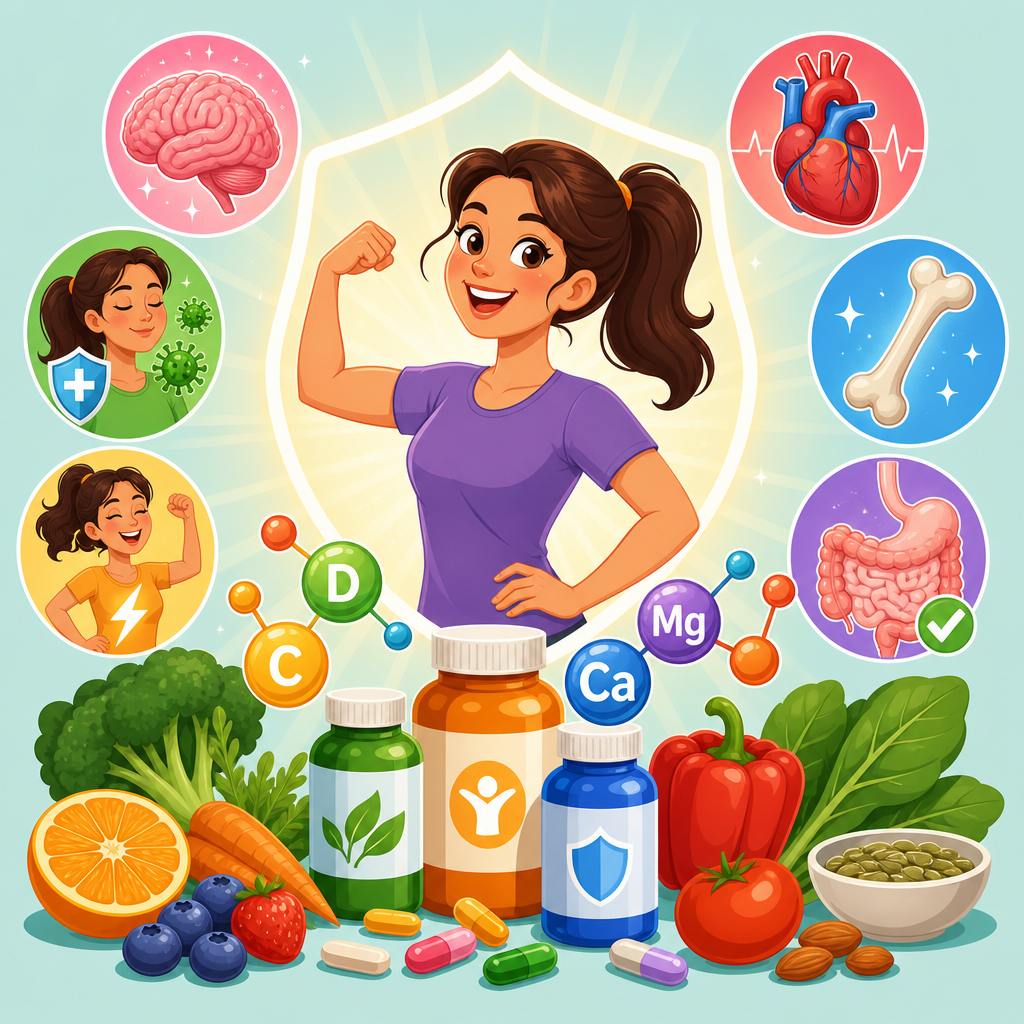
Maximizing your health with essential vitamins and mineral supplements starts with understanding what these nutrients do, where diets often fall short, and when supplementation is genuinely useful. Vitamins are organic compounds required in small amounts for metabolism, immunity, tissue repair, vision, and energy production. Minerals are inorganic elements such as calcium, magnesium, iron, zinc, and selenium that support bone structure, fluid balance, nerve signaling, oxygen transport, and hundreds of enzyme reactions. In practice, supplements are concentrated sources delivered as capsules, tablets, powders, gummies, liquids, or fortified functional foods. They are not magic, and they do not replace a balanced diet, but they can correct deficiencies, cover predictable gaps, and support health goals when chosen carefully.
This topic matters because modern eating patterns make nutrient adequacy harder than many people assume. Highly processed foods can be calorie-dense yet micronutrient-poor. Busy schedules reduce dietary variety. Restrictive eating patterns, food allergies, digestive disorders, pregnancy, aging, intense training, and common medications all change nutrient requirements or absorption. I have seen clients with persistent fatigue improve after identifying iron or vitamin B12 deficiency, and older adults stabilize bone markers after targeted vitamin D and calcium strategies. At the same time, I have also seen people waste money on megadoses they did not need, or develop problems from stacking multiple products with overlapping ingredients. The best approach is informed, targeted, and measured.
Essential vitamins include the fat-soluble vitamins A, D, E, and K, plus water-soluble vitamin C and the B-complex group: B1 thiamin, B2 riboflavin, B3 niacin, B5 pantothenic acid, B6, biotin, folate, and B12. Essential minerals commonly discussed in supplements include calcium, magnesium, potassium, iron, zinc, iodine, selenium, copper, manganese, chromium, and molybdenum. Each nutrient has a reference intake, signs of deficiency, safety limits, and preferred forms. Understanding those basics helps you choose supplements based on evidence rather than marketing. This hub article explains the core vitamins and mineral supplements, who may benefit most, how to compare products, and how to use them safely within a broader nutrition plan.
Why vitamin and mineral supplements matter
Vitamins and mineral supplements matter because deficiencies are common, consequences are real, and symptoms are often mistaken for normal stress or aging. Vitamin D insufficiency is widely reported in populations with limited sun exposure, darker skin, indoor lifestyles, or older age. Iron deficiency remains one of the most common nutrient deficiencies worldwide, especially in menstruating women, pregnant people, endurance athletes, and those eating little heme iron. Vitamin B12 deficiency can develop gradually in vegans, older adults with low stomach acid, and people taking metformin or acid-suppressing drugs. Iodine intake may also fall short in people who avoid iodized salt and dairy, while magnesium intake often lags because refined diets are lower in legumes, nuts, seeds, and leafy greens.
The health impact of these gaps is broad. Low vitamin D impairs calcium absorption and weakens bone mineralization. Inadequate iron reduces hemoglobin production, limiting oxygen delivery and exercise tolerance. Insufficient folate before and during early pregnancy raises neural tube defect risk. Low B12 can affect red blood cells and nerve function. Too little iodine compromises thyroid hormone production. Zinc deficiency can impair wound healing and immune response. These are not abstract textbook issues. They affect energy, cognition, mood, immunity, fertility, growth, and long-term disease risk. Supplements are most effective when they solve a defined problem: a low lab value, a restrictive diet pattern, a life stage with increased demand, or a diagnosed absorption challenge.
That said, more is not better. A supplement strategy should account for dietary intake, laboratory data when relevant, and the tolerable upper intake levels set by authorities such as the U.S. National Academies and reflected on many product labels. Excess vitamin A can be teratogenic and hepatotoxic. Too much iron can cause gastrointestinal distress and, in overload states, organ damage. Chronic high zinc can induce copper deficiency. High calcium from supplements may increase kidney stone risk in susceptible individuals. The value of supplementation lies in precision. The goal is to meet needs consistently, not to chase exaggerated doses.
The essential vitamins and what they do
Vitamin D is one of the most important supplements because diet alone rarely supplies enough. It supports calcium absorption, bone remodeling, muscle function, and immune regulation. Cholecalciferol, listed as vitamin D3, generally raises blood 25-hydroxyvitamin D more effectively than ergocalciferol, or D2. Many adults use maintenance doses in the 1,000 to 2,000 IU range, but the right amount depends on baseline levels, body size, sun exposure, and medical context. Vitamin A supports vision, epithelial tissue, and immunity, but preformed retinol deserves caution in pregnancy and in high-dose multivitamins. Vitamin E acts as an antioxidant, though routine high-dose supplementation has not shown broad preventive benefit. Vitamin K, especially K1 for clotting and K2 forms such as MK-7 for bone-related pathways, is important but can interact with warfarin.
Vitamin C supports collagen synthesis, antioxidant defense, and iron absorption. It is useful for people with low fruit and vegetable intake and can be paired with non-heme iron to improve uptake. The B vitamins work together in energy metabolism, neurotransmitter synthesis, and blood cell formation, but they have distinct roles. Thiamin supports carbohydrate metabolism and nerve function. Riboflavin and niacin are core coenzymes. Vitamin B6 participates in amino acid metabolism and neurotransmitter production. Folate is essential for DNA synthesis, and supplemental folic acid before conception is a public health standard because it lowers neural tube defect risk. Vitamin B12 is critical for red blood cell formation and myelin maintenance; methylcobalamin and cyanocobalamin are both used effectively, though cyanocobalamin is often more stable and well studied.
Not everyone needs separate single-nutrient products. A quality multivitamin can provide baseline coverage for common gaps, especially in older adults, selective eaters, or people with inconsistent diets. However, multivitamins often contain modest amounts of calcium, magnesium, potassium, and choline because those nutrients require larger serving sizes. They also vary widely in folate form, vitamin A source, iodine content, and iron inclusion. Men and postmenopausal women often prefer iron-free formulas unless iron deficiency is documented, while prenatal formulas intentionally include folic acid, iron, iodine, and sometimes choline. The best vitamin supplement is the one that fits the actual nutritional risk profile of the user, not the one with the longest ingredient list.
Key mineral supplements and common use cases
Calcium, magnesium, iron, zinc, iodine, and selenium are among the most discussed mineral supplements because they address common physiological needs and common gaps. Calcium is central to bone and tooth structure, vascular contraction, and nerve transmission. When dietary calcium is low, supplements may help, particularly in people at osteoporosis risk. Calcium citrate is usually better tolerated and can be taken with or without food, while calcium carbonate is more concentrated but absorbs best with meals. Magnesium supports muscle relaxation, nerve signaling, glucose control, and ATP production. Magnesium glycinate is often chosen for tolerance, citrate for constipation support, and oxide less often because absorption is poorer.
Iron supplementation should be targeted, not casual. Ferritin, hemoglobin, transferrin saturation, symptoms, and cause all matter. Ferrous sulfate is common and inexpensive, but ferrous bisglycinate may cause fewer gastrointestinal side effects. Zinc helps immune function, skin integrity, taste, and wound healing, yet chronic high intake can reduce copper status. Iodine is required for thyroid hormone synthesis; deficiency remains relevant for those avoiding seafood, dairy, eggs, and iodized salt. Selenium supports thyroid enzyme activity and antioxidant systems, but the margin between adequacy and excess is narrower than many realize. Potassium is essential for blood pressure regulation and muscle function, yet over-the-counter supplements are usually low-dose because excessive potassium can be dangerous, particularly with kidney disease or potassium-sparing medications.
| Nutrient | Common reason to supplement | Preferred forms often used | Key caution |
|---|---|---|---|
| Vitamin D | Low blood levels, limited sun exposure | D3 | Monitor if using high doses long term |
| Iron | Low ferritin, anemia risk, menstruation | Ferrous sulfate, bisglycinate | Use labs and avoid unnecessary dosing |
| Magnesium | Low intake, muscle cramps, constipation | Glycinate, citrate | Loose stools at higher doses |
| Calcium | Low dietary intake, bone health support | Citrate, carbonate | Split doses; consider kidney stone risk |
| B12 | Vegan diets, malabsorption, metformin use | Cyanocobalamin, methylcobalamin | Investigate cause of deficiency |
| Zinc | Restricted diets, wound healing support | Picolinate, gluconate | High intake can lower copper |
Trace minerals deserve mention because they are often bundled into broad-spectrum products. Copper supports iron metabolism and connective tissue formation. Chromium is marketed for glucose metabolism, though benefits are modest and context dependent. Manganese and molybdenum are essential but usually adequate in varied diets. Boron is not universally classified as essential, yet it is often discussed in bone formulas. In my experience, most people benefit more from getting the fundamentals right first: vitamin D, iron when indicated, B12 when indicated, magnesium if intake is low, iodine in specific diet patterns, and calcium when food sources are insufficient. Advanced stacks rarely outperform a disciplined approach to the basics.
How to choose the right supplement
Choosing the right vitamin and mineral supplement starts with the question, “What problem am I trying to solve?” If the answer is general insurance, a reputable multivitamin may be enough. If the answer is fatigue, bone health, pregnancy, vegan nutrition, heavy training, or digestive disease, the product should match that context. Read the Supplement Facts panel carefully. Check serving size, elemental mineral amount, form of the nutrient, percent daily value, and whether the formula duplicates other products you take. Also look for third-party testing from organizations such as USP, NSF, or ConsumerLab, which can help verify identity, potency, and contamination screening. This is especially important for minerals, where actual content and heavy metal testing matter.
Bioavailability matters, but it should not be exaggerated. Chelated forms such as magnesium bisglycinate or iron bisglycinate may improve tolerance and absorption in some people. Methylated folate can be useful in certain clinical contexts, but standard folic acid remains effective for neural tube defect prevention and is the form backed by major public health policy. Sublingual B12 is not automatically superior to oral tablets if the dose is adequate. Gummies improve adherence for some users but often contain sugar and may deliver lower doses of key minerals. Powders can be practical for magnesium or electrolyte blends, while capsules are convenient for targeted nutrients. The best format is the one you will use consistently and tolerate well.
Timing and combinations also influence results. Iron is generally absorbed better away from calcium and can be paired with vitamin C. Calcium absorbs best in divided doses, often no more than 500 to 600 milligrams at a time. Fat-soluble vitamins absorb better with meals containing fat. Zinc on an empty stomach may cause nausea. Magnesium in the evening can be useful if relaxation or bowel regularity is the goal. Keep a current list of medications before starting supplements, because interactions are common. Levothyroxine, certain antibiotics, bisphosphonates, and minerals require spacing. Warfarin users need consistent vitamin K intake. People with kidney disease, hemochromatosis, hyperparathyroidism, or pregnancy should be especially careful with unsupervised supplementation.
Who benefits most and how to use supplements safely
Some groups are far more likely to benefit from targeted vitamin and mineral supplementation. Pregnant people or those trying to conceive should use a prenatal containing folic acid, iron, iodine, and ideally choline, because early fetal development depends on adequate nutrient status before many people realize they are pregnant. Older adults often need more attention to vitamin D, B12, calcium, and sometimes magnesium due to reduced intake, lower absorption, less sun exposure, and higher fracture risk. Vegans usually need reliable vitamin B12 and should assess vitamin D, iodine, iron, zinc, calcium, and omega-3 intake from fortified foods or separate products. Athletes may require closer evaluation of iron, vitamin D, magnesium, and electrolyte status depending on sweat losses, training load, and energy availability.
People with celiac disease, inflammatory bowel disease, bariatric surgery history, chronic diarrhea, or pancreatic insufficiency face higher risk of malabsorption and should not rely on generic supplement advice alone. Lab-guided plans are better. The same is true for persistent fatigue, hair loss, brittle nails, neuropathy, recurrent fractures, or thyroid concerns. Safety comes from dose discipline and follow-up. Start with the smallest effective dose, reassess symptoms, and repeat labs when the nutrient warrants monitoring. Store iron safely away from children. Avoid stacking a multivitamin, fortified shake, hydration mix, sleep formula, and hair supplement without calculating total intake. I regularly see vitamin B6, zinc, and selenium creep too high through stacking, even when each individual product appears reasonable.
Ultimately, maximizing your health with essential vitamins and mineral supplements means using them as precision tools, not shortcuts. Build your foundation with a varied diet rich in vegetables, fruit, legumes, whole grains, dairy or fortified alternatives, nuts, seeds, seafood, eggs, and lean proteins. Then identify the gaps created by your lifestyle, medical history, labs, and life stage. Choose evidence-based forms from reputable brands, use doses that match your need, and monitor outcomes rather than assuming more pills equal better health. If you are building a broader supplements plan, start here: assess vitamin D, iron when risk factors exist, B12 for plant-based or malabsorption contexts, calcium and magnesium based on intake, and iodine when diet suggests low exposure. A focused strategy delivers the real benefit: better nutrient adequacy, fewer avoidable deficiencies, and smarter long-term health decisions. Review your current routine, compare it against your actual needs, and make one informed upgrade today.
Frequently Asked Questions
What do vitamins and minerals actually do in the body?
Vitamins and minerals are essential micronutrients, meaning your body needs them in relatively small amounts but depends on them for a wide range of critical functions. Vitamins are organic compounds that help regulate metabolism, support immune defenses, assist with tissue growth and repair, maintain healthy skin and vision, and help convert food into usable energy. For example, vitamin C supports collagen formation and immune function, B vitamins help with energy metabolism and nerve health, vitamin D helps regulate calcium use and immune activity, and vitamin A is important for vision and cell growth.
Minerals play equally important roles. Calcium contributes to strong bones and teeth, magnesium supports muscle and nerve function, iron helps transport oxygen through the blood, zinc is involved in immune health and wound healing, and selenium acts as an antioxidant that helps protect cells from damage. Electrolyte minerals such as potassium and sodium also help maintain fluid balance, muscle contraction, and normal nerve signaling. Because these nutrients work together in complex ways, deficiencies can affect multiple systems at once, including energy levels, mood, immunity, and physical performance. That is why both diet quality and thoughtful supplementation, when needed, can have a meaningful impact on overall health.
Why do some people still need supplements if they eat a fairly healthy diet?
Even people with generally good eating habits can fall short on certain vitamins and minerals. Modern diets may include enough calories but still lack nutrient density, especially when meals rely heavily on processed foods or limited food variety. In addition, nutrient levels in the body are influenced by more than food choices alone. Age, digestive health, medications, stress, pregnancy, intense exercise, restricted diets, and certain medical conditions can all affect how nutrients are absorbed, used, or depleted.
For instance, people who avoid dairy may not get enough calcium, those who eat little animal-based food may struggle with vitamin B12 or iron intake, and individuals with limited sun exposure may have low vitamin D levels. Some medications can interfere with nutrient absorption, and gastrointestinal issues can reduce the body’s ability to take in key vitamins and minerals efficiently. Supplements can help fill these specific gaps when food alone is not enough. The key point is that supplements are not a substitute for a healthy diet, but they can be a practical and effective tool to support nutritional adequacy when real-life circumstances make ideal intake difficult.
Which vitamin and mineral supplements are most commonly beneficial?
The most useful supplements depend on the individual, but a few nutrients are commonly discussed because shortfalls are relatively common. Vitamin D is one of the most frequently supplemented nutrients, especially for people who spend little time outdoors, live in northern climates, or have low blood levels. Calcium may be important for those who do not consume enough calcium-rich foods or who are at risk for bone loss. Magnesium is often considered when diets are low in nuts, seeds, legumes, and leafy greens, or when people experience muscle cramps, poor sleep, or high stress, although symptoms can have many causes.
Iron is another important supplement for some groups, particularly menstruating women, pregnant women, and people with diagnosed iron deficiency. However, iron should be supplemented carefully because too much can be harmful. Vitamin B12 is commonly relevant for older adults, vegans, vegetarians, and people with digestive absorption issues. Zinc and selenium can support immune and antioxidant functions, but they are best used with attention to dosage since excess intake may create imbalances or side effects. In many cases, a basic multivitamin can provide broad nutritional support, but targeted supplementation is often more effective when a specific need has been identified through diet review, symptoms, or lab testing.
How can I tell if I have a vitamin or mineral deficiency?
Deficiencies can show up in subtle or obvious ways, and the signs often overlap with other health issues. Common warning signs may include unusual fatigue, weakness, poor concentration, frequent illness, hair thinning, brittle nails, pale skin, muscle cramps, slow wound healing, numbness or tingling, or changes in mood. For example, iron deficiency may lead to low energy and shortness of breath, while low vitamin B12 can affect nerves and cause tingling or memory problems. Inadequate vitamin D may contribute to low mood, reduced bone health, or muscle weakness, and insufficient magnesium can sometimes be associated with muscle tension or poor sleep.
Still, symptoms alone are not a reliable way to diagnose a deficiency. The best approach is to look at the full picture: diet, lifestyle, medical history, and, when appropriate, lab testing. Blood tests can help identify issues such as low iron stores, vitamin D deficiency, or poor B12 status. A healthcare professional can also help interpret whether symptoms are truly related to nutrient levels or to another underlying condition. This matters because taking supplements without confirmation can be ineffective or even risky, especially with nutrients like iron, vitamin A, or selenium, where too much can cause problems. Thoughtful assessment leads to better and safer decisions.
What is the safest way to use vitamin and mineral supplements for better health?
The safest and most effective strategy is to start with food first, then use supplements intentionally rather than automatically. A nutrient-rich diet built around vegetables, fruits, whole grains, legumes, quality proteins, nuts, seeds, and dairy or fortified alternatives should be the foundation. From there, choose supplements based on a real need, such as a known deficiency, a restricted diet, a life stage like pregnancy, or a healthcare provider’s recommendation. It is also important to check supplement labels for dosage, serving size, ingredient quality, and whether the product has been independently tested for purity and accuracy.
More is not always better. Some nutrients are water-soluble and excess amounts may be excreted, but others can build up in the body and become harmful over time. High doses of iron, vitamin A, calcium, selenium, and zinc, for example, can create side effects or interfere with the absorption of other nutrients. Timing and interactions matter too, since some supplements absorb better with food, some compete with each other, and some may interact with medications. If you are managing a health condition, pregnant, nursing, taking prescription drugs, or considering high-dose supplements, it is wise to consult a qualified healthcare professional. Used correctly, supplements can be a valuable part of a broader wellness plan, but they work best when they are personalized, evidence-based, and paired with strong daily nutrition habits.