Herbal supplements and natural remedies can play a meaningful role in a balanced diet when they are used to complement food, not replace it. A balanced diet is the regular intake of macronutrients, micronutrients, fiber, and fluids in amounts that support energy, growth, immune defense, and long term health. Herbal supplements are concentrated preparations made from leaves, roots, seeds, flowers, bark, or fungi, while natural remedies include broader practices such as herbal teas, traditional tonics, spice based preparations, and plant derived extracts. In nutrition work, I have seen people use these products for practical goals: filling gaps created by limited food variety, supporting digestion, improving sleep, helping stress resilience, and addressing age related concerns such as joint comfort. The topic matters because modern eating patterns often combine convenience foods, irregular meal timing, medication use, and high stress, all of which can affect nutrient status and perceived wellbeing. Yet many people overestimate what herbs can do or choose products without understanding potency, interactions, or evidence. A balanced view is essential. The strongest approach is to treat herbal supplements and natural remedies as targeted tools inside a broader dietary framework built on vegetables, fruit, legumes, whole grains, quality proteins, healthy fats, and hydration. Used carefully, they can add functional compounds that ordinary meals may not consistently provide in therapeutic amounts. Used poorly, they can waste money, delay treatment, or conflict with medicines. Understanding where herbs fit, which ones are supported by evidence, and how to choose safe products helps consumers and practitioners build a more complete, resilient nutrition strategy.
What herbal supplements add to a balanced diet
Herbal supplements matter because foods deliver nutrients, while herbs often deliver phytochemicals in more concentrated and standardized forms. Phytochemicals are biologically active plant compounds such as polyphenols, terpenes, alkaloids, glucosinolates, and saponins. These compounds do not replace vitamins or minerals, but they can influence inflammation, oxidative stress, gut activity, circulation, liver enzyme pathways, and nervous system signaling. That is the nutritional logic behind using herbs alongside diet.
A practical example is turmeric. Culinary turmeric contributes flavor and color, but standardized curcumin extracts can provide much higher concentrations than a typical meal. Another example is ginger, which can be used fresh in food yet also appears in capsules standardized for gingerols to support nausea management. Garlic is similar: whole cloves support cardiovascular friendly eating patterns, while aged garlic extract is studied for blood pressure and vascular function. In each case, the herb is not replacing vegetables or protein. It is adding a specific layer of support that may be hard to obtain consistently from diet alone.
Herbs also help when dietary quality is limited by season, access, appetite, or medical issues. Older adults with reduced food intake may rely on chamomile or peppermint tea for digestive comfort. People under prolonged stress often use ashwagandha or lemon balm to support sleep and calmer evenings, which can indirectly improve appetite regulation and meal consistency. These are real world nutrition outcomes, not abstract wellness claims.
Evidence based herbs for common nutrition and wellness goals
The best herbal supplements and natural remedies are tied to specific goals and used with realistic expectations. Digestive support is one of the clearest categories. Peppermint oil has evidence for irritable bowel syndrome symptom relief, particularly abdominal discomfort and bloating, although enteric coated forms are usually preferred. Ginger is well studied for nausea, including motion sickness and pregnancy related nausea when medically appropriate. Fennel and chamomile are traditional options for mild digestive discomfort, especially in tea form after meals.
Stress and sleep are another major reason people explore this category. Ashwagandha is commonly used for stress resilience, and some trials suggest benefits for perceived stress and sleep quality. Lemon balm and chamomile are gentler options often used in evening routines. Valerian root is also used for sleep, though response varies and quality differences between products are significant. In practice, I advise people to match the herb to the problem: racing thoughts, poor sleep onset, middle of the night waking, or stress linked digestive tension.
Immune support requires nuance. Elderberry is popular for upper respiratory symptom support, while echinacea has mixed but longstanding evidence depending on preparation and timing. Medicinal mushrooms such as reishi are often grouped with herbal supplements and are used for immune modulation, though they should be chosen from reputable brands with beta glucan testing rather than vague proprietary blends.
For cardiometabolic health, garlic, berberine, cinnamon, and hawthorn are frequently discussed. Berberine, found in plants such as Berberis species, has notable evidence for glucose metabolism and lipid support, but it also has significant interaction potential and should be handled more like a potent intervention than a casual supplement. That distinction matters.
How to choose the right remedy for the right need
Choosing herbal supplements should start with the health objective, not the trend. Ask a direct question: what am I trying to improve, and how will I measure whether this works? Better bowel regularity, fewer nausea episodes, lower perceived stress, improved sleep latency, or reduced reliance on sugary digestive aids are measurable goals. Without that clarity, people stack random products and cannot tell what is useful.
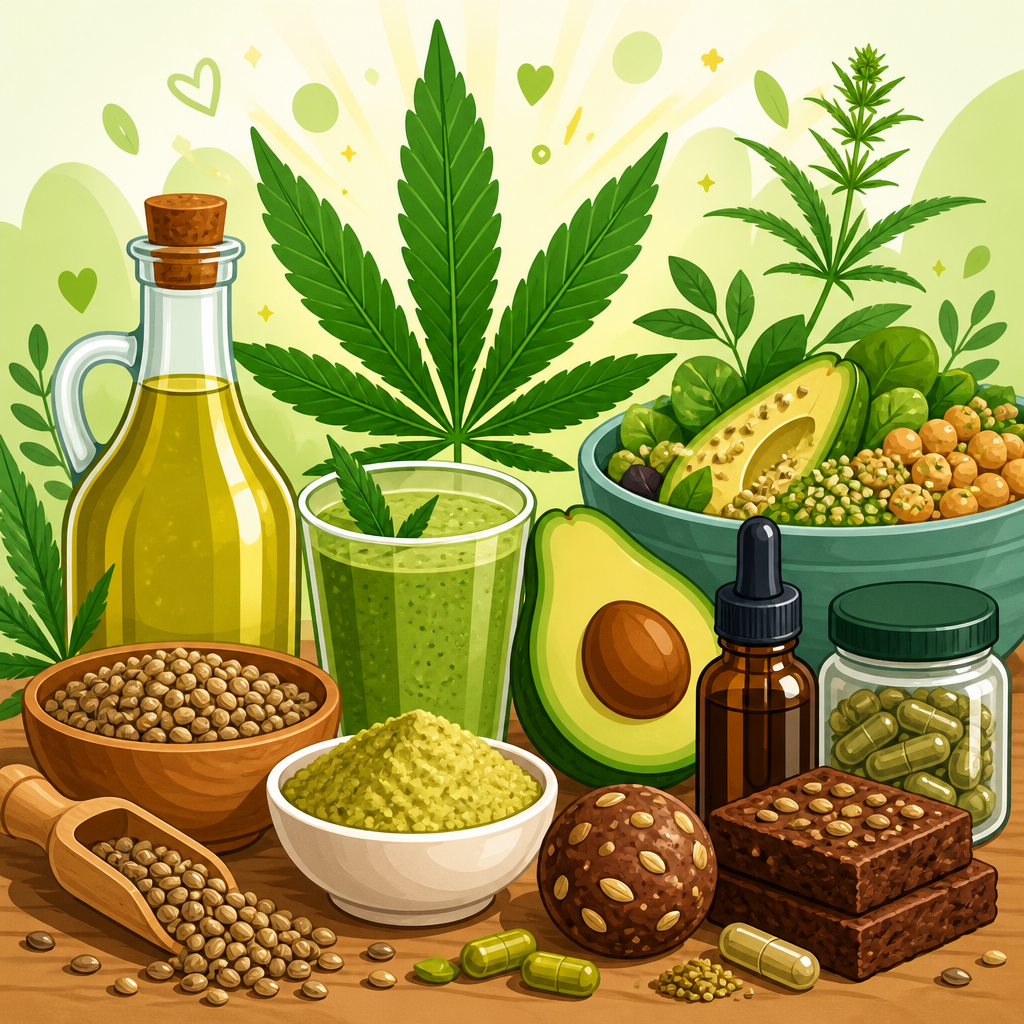
Form matters as much as ingredient choice. Teas are helpful for mild effects, hydration, and ritual. Tinctures absorb quickly and are useful when flexible dosing is needed. Capsules are convenient and can provide standardized potency. Powders fit smoothies or foods but may have inconsistent taste and lower compliance. Essential oils are not interchangeable with oral herbal supplements and require separate safety rules.
| Need | Common Herbal Option | Typical Form | Key Caution |
|---|---|---|---|
| Digestive discomfort | Peppermint, ginger, chamomile | Tea, capsule, enteric coated oil | Peppermint may worsen reflux |
| Stress support | Ashwagandha, lemon balm | Capsule, tincture, tea | Ashwagandha may not suit thyroid conditions |
| Sleep support | Chamomile, valerian, lemon balm | Tea, capsule, tincture | May increase sedation with medications |
| Glucose support | Berberine, cinnamon | Capsule | Can interact with diabetes treatment |
| Circulatory support | Garlic, hawthorn | Capsule, extract | Use caution with blood thinners |
Quality indicators should be non negotiable. Look for standardized extracts when the evidence is based on active compounds, third party testing from organizations such as USP, NSF, or ConsumerLab when available, transparent labels listing plant part and extraction ratio, and manufacturers following current Good Manufacturing Practices. Latin binomial names help distinguish species; for example, Panax ginseng and Eleutherococcus senticosus are not the same herb and should not be treated as equivalent.
Safety, interactions, and quality control
Safety is the reason this topic must be handled with discipline. Natural does not mean harmless. Herbs can alter liver enzyme activity, blood clotting, blood pressure, blood glucose, sedation level, and gastrointestinal transit time. St. John’s wort is a classic example because it can reduce the effectiveness of oral contraceptives, anticoagulants, transplant medicines, HIV therapies, and many other drugs through enzyme induction. Ginkgo may increase bleeding risk in susceptible people. Licorice root can raise blood pressure and lower potassium when used in large amounts over time.
Pregnancy, breastfeeding, childhood, surgery, chronic illness, and polypharmacy all require extra caution. I have seen consumers assume that tea is always safe, then use concentrated tinctures or extracts at labels they do not fully understand. Dose changes everything. A culinary sprinkle of cinnamon is not the same as high dose cassia cinnamon capsules, which can expose users to more coumarin.
Contamination and adulteration are also real issues. Some botanical products have been found to contain heavy metals, undeclared pharmaceuticals, or the wrong plant species. This is why reputable sourcing matters more than attractive packaging. Reliable companies provide lot numbers, certificates of analysis, allergen disclosures, and clear expiration dating. Products sold only through vague marketplace listings deserve skepticism.
The safest habit is simple: bring every supplement and remedy into the same conversation as food, medication, and medical history. A physician, pharmacist, or registered dietitian can often identify interaction risks quickly. That step protects both benefit and safety.
How herbs fit into daily eating patterns
Herbal supplements work best when they support consistent dietary habits. They should sit inside established routines: digestive teas after meals, sleep herbs as part of a fixed evening schedule, or glucose focused supplements paired with carbohydrate aware meal planning. This reduces random use and improves evaluation. If someone takes berberine but continues to skip breakfast, overeat refined carbohydrates late at night, and sleep five hours, the supplement is carrying an unrealistic burden.
Food first remains the foundation. Fiber from legumes, oats, berries, flax, and vegetables supports gut health more comprehensively than any single capsule. Omega 3 fats from fish, walnuts, and chia influence inflammation in ways herbs can complement but not duplicate. Protein distribution across the day supports satiety and muscle maintenance, especially in aging adults. Herbs become valuable when they reinforce these basics. Ginger may make a protein rich breakfast easier for someone with nausea. Peppermint may improve post meal comfort enough to help a person tolerate a higher fiber eating pattern. Chamomile tea may reduce evening snacking driven by stress.
This is why herbal supplements and natural remedies belong in a supplements and nutraceuticals hub. They intersect with micronutrient status, gut health, healthy aging, sports recovery, immune resilience, and women’s health. They also connect naturally to deeper topics such as adaptogens, medicinal mushrooms, tinctures versus capsules, herb drug interactions, and evidence based supplement timing. As a hub category, they help readers move from broad understanding to precise decision making.
Building a smart long term strategy
The most effective strategy is conservative, specific, and review based. Start with one concern, one well chosen product, one reasonable dose, and one evaluation window. Keep a simple log of timing, symptoms, sleep, digestion, energy, and any side effects. Most herbs need context to be judged fairly. A digestive tea may help within days, while stress related benefits from ashwagandha may take several weeks. If there is no meaningful improvement, stop and reassess instead of adding more bottles.
Rotation can be useful, but constant cycling is not automatically better. Some herbs are appropriate for situational use, such as ginger during travel or peppermint during digestive flare ups. Others may fit a structured short term protocol. Long term daily use deserves a stronger reason, especially when medications, liver concerns, or blood sugar issues are involved. Cost should be considered too. A high quality product with clinical dosing is often more economical than multiple underdosed formulas.
For readers building a balanced diet, the central lesson is this: herbal supplements and natural remedies are most valuable when they are purposeful, evidence aware, and integrated with real food. They can support digestion, stress management, sleep, immune function, and metabolic health, but they do not excuse poor eating patterns or replace medical care. Choose products with transparent sourcing, respect interactions, and measure results against a defined goal. If you are developing your supplements and nutraceuticals plan, use this topic hub as your starting point, then explore the related guides that match your needs and discuss any higher risk products with a qualified clinician.
Frequently Asked Questions
1. Why are herbal supplements and natural remedies considered important for a balanced diet?
Herbal supplements and natural remedies are considered important because they can help support overall wellness in ways that complement a healthy eating pattern. A balanced diet is built on consistent intake of carbohydrates, protein, healthy fats, vitamins, minerals, fiber, and fluids from whole foods. Herbal products do not replace those essentials, but they may provide additional plant compounds that support normal body functions such as digestion, stress response, sleep quality, and immune health. In practical terms, that means a person who already eats a varied diet may use herbs and natural remedies to fill supportive roles that food alone may not always address efficiently.
Many herbs contain naturally occurring bioactive compounds, including polyphenols, flavonoids, bitters, and aromatic oils, that have long been used in traditional wellness practices. For example, ginger is often used to support digestion, peppermint may help with digestive comfort, and chamomile is commonly used to promote relaxation. When used appropriately, these remedies can be part of a broader lifestyle that includes nutritious meals, hydration, movement, and sleep. Their value lies in enhancement, not substitution. That distinction is essential, because no capsule, tea, or tincture can replace the nutritional depth of vegetables, fruits, legumes, whole grains, quality proteins, and healthy fats.
2. Can herbal supplements replace healthy foods in a balanced diet?
No, herbal supplements should not replace healthy foods in a balanced diet. Whole foods provide a complex nutritional package that supplements cannot fully replicate. A balanced meal offers not only vitamins and minerals, but also fiber, protein, healthy fats, water content, and a wide range of naturally occurring compounds that work together in the body. For example, eating leafy greens gives you folate, magnesium, potassium, fiber, and phytonutrients all at once, while a supplement typically delivers only a narrow set of isolated components. This is why nutrition experts consistently emphasize food first.
Herbal supplements are best viewed as complementary tools. They may be helpful for specific wellness goals, such as using turmeric alongside an anti-inflammatory eating pattern, or drinking herbal teas as part of a calming evening routine. However, relying on supplements while neglecting regular meals, produce intake, hydration, or protein quality can create nutritional gaps over time. The most effective strategy is to build a strong foundation with real food and then use carefully selected herbs or natural remedies to support that foundation. In other words, supplements can add value, but they cannot do the heavy lifting that a genuinely balanced diet is designed to do.
3. What are the main health benefits of adding herbal supplements and natural remedies to your routine?
The main health benefits depend on the herb, the form used, and the individual’s overall diet and lifestyle, but many herbal supplements and natural remedies are chosen to support common wellness areas. Some are used for digestive comfort, such as ginger, fennel, or peppermint. Others are selected to promote relaxation and sleep support, including chamomile, lemon balm, or valerian in certain contexts. Some herbs are popular for immune support, while others are used to help maintain energy balance, cognitive focus, or general resilience during stressful periods. These benefits are usually most noticeable when herbal products are part of consistent healthy habits rather than quick fixes.
Another advantage is that natural remedies often fit easily into daily routines. Herbal teas can encourage hydration, traditional preparations may help create mindful wellness rituals, and certain herbs can support a more personalized approach to well-being. That said, “natural” does not automatically mean harmless or universally effective. Benefits are influenced by quality, dosage, timing, preparation method, and individual health status. For best results, herbal supplements should be chosen with clear goals in mind and used alongside nutrient-dense meals, not in place of them. A thoughtful approach helps people gain the supportive benefits of herbs while maintaining the nutritional balance that long-term health requires.
4. How can you safely use herbal supplements and natural remedies as part of a balanced diet?
Safe use starts with understanding that herbal products are active substances, not casual add-ons. The first step is to identify why you want to use a specific herb. Are you looking for digestive support, stress management, help with sleep, or another targeted benefit? Once your goal is clear, choose products from reputable brands that provide transparent labeling, standardized ingredients when appropriate, and third-party testing for purity and quality. This matters because herbal products can vary widely in strength, contamination risk, and ingredient accuracy.
It is also important to consider personal health factors. Some herbs may interact with prescription medications, blood thinners, diabetes medications, antidepressants, or treatments for blood pressure and heart conditions. Pregnant or breastfeeding individuals, older adults, and people with chronic health issues should be especially cautious. A healthcare professional, registered dietitian, or qualified herbal practitioner can help determine whether a supplement is appropriate and how it fits into your diet and routine. Starting with a low dose, following product directions, and monitoring how your body responds are practical steps that improve safety. Used responsibly, herbal supplements can be a useful addition to a balanced diet, but they should always be chosen with the same care you would use for any other health decision.
5. Which herbal supplements and natural remedies are commonly used to support a balanced diet and overall wellness?
Several herbs are commonly used as supportive additions to a balanced diet, each with a different purpose. Ginger is widely used for digestive comfort and may be especially helpful after heavy meals or during occasional nausea. Peppermint is another popular choice for digestive ease, while chamomile is often used to promote calm and support healthy sleep routines. Turmeric is frequently included in wellness plans because of its naturally occurring compounds, particularly when paired with an overall anti-inflammatory eating pattern rich in vegetables, fruits, legumes, healthy fats, and spices. Green tea is also commonly used for its antioxidant content and gentle energy support.
Other traditional remedies may include lemon balm for relaxation, fennel for digestion, echinacea in seasonal wellness routines, and herbal teas that support hydration while offering mild functional benefits. The best choice depends on individual needs, dietary habits, and health goals. It is also worth remembering that herbs work best when the basics are already in place: consistent meals, enough fiber, quality protein, healthy fats, adequate water, and sufficient micronutrients. Instead of asking which herb is “best” in general, it is more useful to ask which herb is most appropriate for your specific situation. A tailored, food-first approach makes herbal supplements and natural remedies more effective, more practical, and more supportive of true dietary balance.