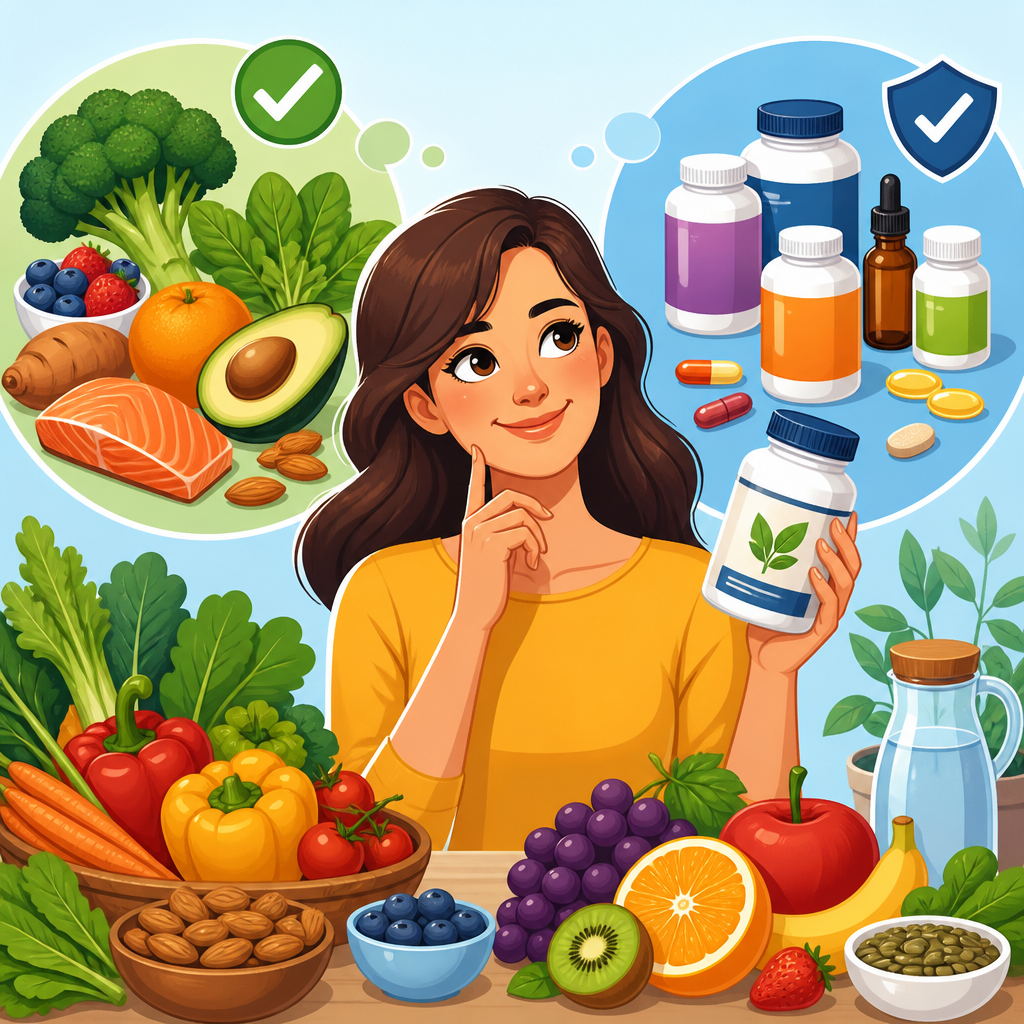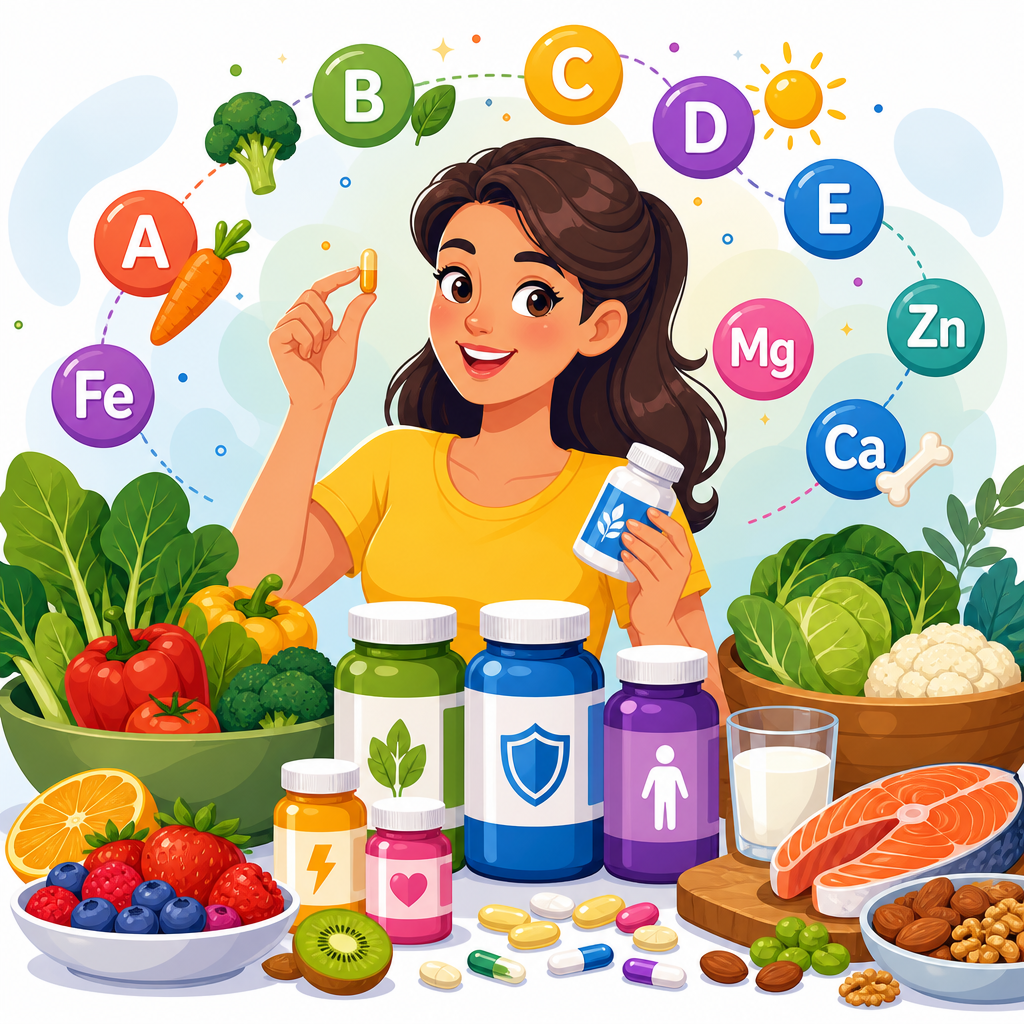
Essential vitamins and mineral supplements can close meaningful nutrient gaps, but they work best when you understand what each nutrient does, who benefits most, and where supplements fit within a broader nutrition plan. Vitamins are organic compounds the body needs in small amounts for metabolism, immunity, vision, blood formation, and tissue repair. Minerals are inorganic elements such as calcium, iron, zinc, magnesium, iodine, and selenium that support bones, nerves, muscles, fluid balance, thyroid function, and oxygen transport. “Essential” means the body cannot make enough on its own, so the nutrient must come from food, fortified products, or supplements. In practice, I have seen two common mistakes: people assume a multivitamin covers everything, or they take single nutrients at high doses without checking need, interactions, or lab values.
This topic matters because nutrient insufficiency is common even in high-income countries. Vitamin D intake is frequently low, iron deficiency remains one of the most prevalent nutrient deficiencies worldwide, iodine status can suffer when iodized salt use declines, and older adults often struggle with vitamin B12 absorption. Pregnancy, restrictive diets, heavy training, gastrointestinal disorders, bariatric surgery, and certain medications all increase the chance that food alone may not be enough. At the same time, more is not automatically better. Fat-soluble vitamins can accumulate, excess iron can be harmful, and minerals often compete for absorption. A clear guide helps people choose effective supplements, avoid unnecessary products, and discuss targeted testing with a clinician when symptoms or risk factors justify it.
As a hub within Supplements and Nutraceuticals, this article explains the core categories, evidence-based uses, and practical selection criteria for essential vitamin and mineral supplements. It also answers the questions most readers ask first: Which nutrients are commonly low, who should consider supplementation, how do dosages compare with daily needs, and what risks should you watch for? The central point is simple: supplements are tools, not shortcuts. The best outcomes come from matching the right nutrient, dose, form, and timing to a real need while keeping diet quality as the foundation.
What Vitamins and Minerals Actually Do in the Body
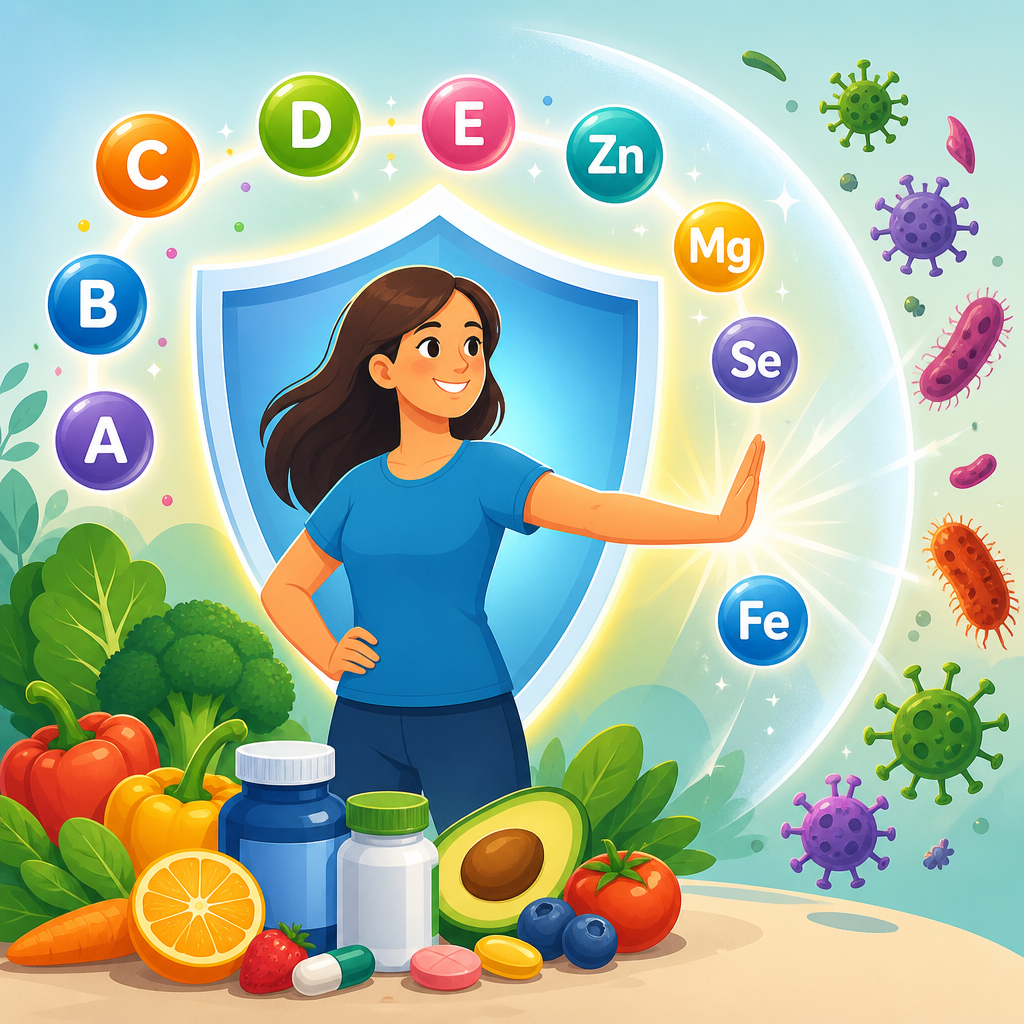
Vitamins and minerals are often marketed as “energy” or “immunity” products, but their roles are more specific. B vitamins help enzymes release energy from carbohydrates, fat, and protein; they do not provide calories themselves. Vitamin A supports vision and epithelial tissue, vitamin C assists collagen synthesis and enhances nonheme iron absorption, vitamin D regulates calcium metabolism, and vitamin K is required for normal blood clotting and bone-related proteins. Among minerals, magnesium acts as a cofactor in hundreds of enzymatic reactions, calcium contributes to bone structure and muscle contraction, zinc supports immune signaling and wound healing, and iron carries oxygen in hemoglobin. When intake is inadequate, the resulting symptoms can be subtle at first, including fatigue, poor concentration, muscle cramps, brittle nails, reduced exercise tolerance, or frequent infections.
Deficiency and insufficiency are not the same. A true deficiency produces recognizable clinical problems, such as scurvy from severe vitamin C deficiency, rickets from vitamin D deficiency, or megaloblastic anemia from folate or B12 deficiency. Insufficiency sits earlier on the spectrum and may show up as low lab markers or nonspecific symptoms. That distinction matters because supplement decisions should be proportional. Someone with diagnosed iron-deficiency anemia needs a more structured plan than someone whose diet is simply low in iron-rich foods. Likewise, a vegan without a reliable B12 source should supplement routinely, while a person with a balanced diet may only need targeted support during pregnancy, aging, or seasonal low-sun periods.
Common Essential Vitamin Supplements and Who Benefits Most
Vitamin D is one of the most discussed supplements for good reason. The skin can synthesize it with ultraviolet B exposure, yet latitude, sunscreen use, darker skin pigmentation, indoor lifestyles, and winter all reduce production. Vitamin D supports calcium absorption, bone health, and normal muscle and immune function. People at higher risk of low status include older adults, those with limited sun exposure, individuals with obesity, and people with malabsorption disorders such as celiac disease or inflammatory bowel disease. Vitamin D3 is generally preferred over D2 for raising blood 25-hydroxyvitamin D, although both can work. Dosing should reflect baseline status and clinician guidance when levels are clearly low.
Vitamin B12 is another priority nutrient because deficiency can affect both blood cells and the nervous system. It is found naturally in animal foods, so vegans need a reliable fortified source or supplement. Older adults may also struggle to absorb food-bound B12 because stomach acid and intrinsic factor physiology change with age. Long-term use of metformin or acid-suppressing medications can further increase risk. Typical warning signs include fatigue, numbness, balance problems, memory changes, and megaloblastic anemia, but symptoms can develop gradually. Cyanocobalamin is common and effective; methylcobalamin is also widely used. The most important point is consistent intake and proper evaluation when neurologic symptoms are present.
Folate, usually consumed from leafy greens, legumes, and fortified grains, deserves special attention before and during early pregnancy because adequate intake lowers the risk of neural tube defects. Public health guidance widely supports supplemental folic acid for people who could become pregnant, ideally starting before conception. For most users, folic acid is effective and well studied. In specific cases involving certain medications, malabsorption, or clinician-directed protocols, alternative folate forms may be used. Vitamin C supplements can help people with limited fruit and vegetable intake, smokers, or those seeking to improve nonheme iron absorption, but they are less critical when produce intake is already strong.
Key Mineral Supplements, Typical Uses, and Important Tradeoffs
Iron is one of the most consequential mineral supplements because low iron can impair cognition, work capacity, endurance, and pregnancy outcomes. However, it is also the supplement most often taken incorrectly. Iron deficiency should be confirmed with markers such as ferritin, hemoglobin, and iron studies when possible, since fatigue alone is not diagnostic. Menstruating women, pregnant individuals, endurance athletes, blood donors, and people with gastrointestinal blood loss or restrictive diets are common high-risk groups. Ferrous salts, including ferrous sulfate, are standard options, but dose tolerance varies. Nausea, constipation, and abdominal discomfort are common, and taking iron with calcium, tea, or coffee can reduce absorption. Many clinicians now use lower or alternate-day dosing strategies to improve both absorption and adherence.
Calcium and magnesium are often paired in consumer products, but they have different jobs and different evidence bases. Calcium supplementation is mainly discussed in the context of bone health when dietary intake is inadequate. Dairy foods, calcium-set tofu, canned fish with bones, and fortified beverages can supply substantial amounts, so many people can prioritize food first. If a supplement is needed, calcium citrate is often better tolerated and can be taken without as much dependence on stomach acid as calcium carbonate. Magnesium is involved in neuromuscular function, glucose metabolism, and blood pressure regulation. Low intake is not rare, especially when diets are heavy in ultra-processed foods and low in nuts, legumes, and whole grains. Magnesium glycinate and citrate are commonly chosen; oxide is cheaper but less reliably absorbed and more likely to cause loose stools.
Zinc, iodine, and selenium illustrate why mineral supplementation should be targeted rather than trendy. Zinc lozenges may modestly shorten the duration of some colds if used early, but chronic high-dose zinc can induce copper deficiency and affect immune balance. Iodine is essential for thyroid hormone production, and deficiency is especially concerning during pregnancy because fetal brain development depends on adequate maternal thyroid function. Yet excess iodine can also disturb thyroid activity, particularly in susceptible people. Selenium supports antioxidant enzymes and thyroid hormone metabolism, but the therapeutic window is narrow enough that routine high-dose use is hard to justify. In my work, mineral plans are safest when they start with diet review, medication review, and a short list of clear goals rather than a shopping cart full of “just in case” products.
How to Choose the Right Supplement Form, Dose, and Quality Standard
Choosing a supplement begins with need, then moves to form, dose, and quality verification. The label should show the nutrient amount per serving, the chemical form, other active ingredients, and the percentage of daily value. That daily value is a labeling benchmark, not a personalized prescription. Many adults do well with modest doses that complement food intake, while others need therapeutic doses based on lab-confirmed deficiency or medical guidance. More is not safer simply because a product is sold over the counter. Fat-soluble vitamins A, D, E, and K can accumulate, and excess vitamin A in retinol form is a particular concern in pregnancy. Minerals also have upper intake limits, especially for iron, zinc, selenium, and iodine.
Form matters because absorption and tolerability differ. Here is a practical comparison:
| Nutrient | Common forms | Typical reason to choose | Key caution |
|---|---|---|---|
| Vitamin D | D3, D2 | D3 often raises blood levels more efficiently | Avoid chronic high dosing without monitoring |
| Vitamin B12 | Cyanocobalamin, methylcobalamin | Both work; choose a consistent, reliable dose | Neurologic symptoms need medical evaluation |
| Iron | Ferrous sulfate, ferrous gluconate, bisglycinate | Balance elemental iron with stomach tolerance | Keep away from children; overdose is dangerous |
| Calcium | Carbonate, citrate | Citrate is often better tolerated | Large doses absorb poorly when taken at once |
| Magnesium | Citrate, glycinate, oxide | Citrate and glycinate are common practical choices | Too much may cause diarrhea |
Quality matters because supplement regulation does not preapprove products the way prescription drugs are approved. I usually recommend choosing brands that undergo third-party testing through programs such as USP, NSF, or ConsumerLab-style verification, because those checks improve confidence that the contents match the label and that contaminants are controlled. Readers should also scan for stimulant blends, proprietary formulas that hide exact amounts, and duplicate nutrients across multiple products. A multivitamin, bone formula, electrolyte powder, and greens blend can easily stack into excessive intake without the user realizing it. For this hub, the broader lesson is that the best supplement is the one that addresses a documented gap with the simplest effective formula.
When Supplements Help Most, and When Food or Testing Should Come First
Supplements are most useful in predictable scenarios: pregnancy, vegan diets, diagnosed deficiencies, limited sun exposure, older age, malabsorption, food allergies that remove major nutrient sources, and phases of higher physiological demand such as recovery from illness or intense training. They are less useful as a blanket solution for low energy, poor sleep, or “immune support” when no dietary issue has been identified. In those situations, food quality, total calorie intake, protein adequacy, sleep, and chronic stress usually matter more than another capsule. A nutrition-first approach also brings benefits supplements cannot fully replace, including fiber, phytonutrients, potassium-rich produce, and the natural food matrix that influences satiety and absorption.
Testing can sharpen decisions. A 25-hydroxyvitamin D blood test can guide vitamin D dosing. Ferritin and a complete blood count can clarify whether iron is appropriate. Vitamin B12 status may require methylmalonic acid or homocysteine in borderline cases. Thyroid concerns should not be self-treated with iodine; they require proper medical assessment. The main takeaway for better nutrition is practical and conservative: use essential vitamins and mineral supplements to solve defined problems, choose evidence-based forms from reputable brands, and revisit the plan as health status changes. If you are building your supplement routine, start with your diet, identify likely gaps, and bring a clinician or registered dietitian into the conversation when symptoms, medications, pregnancy, or lab abnormalities are involved.
Frequently Asked Questions
What is the difference between vitamins and minerals, and why does the body need both?
Vitamins and minerals are both essential nutrients, but they are not the same. Vitamins are organic compounds made by living things, and the body needs them in small amounts to support critical functions such as energy metabolism, immune defense, vision, blood cell production, tissue repair, and normal growth. Examples include vitamin A for eye and immune health, vitamin C for collagen formation and antioxidant protection, vitamin D for calcium absorption, and B vitamins for turning food into usable energy. Because many vitamins are not produced in sufficient amounts by the body, they must come from food, sunlight in the case of vitamin D, or supplements when appropriate.
Minerals, by contrast, are inorganic elements that come from soil and water and enter the food supply through plants and animals. They help regulate bone strength, muscle contraction, nerve signaling, hydration, thyroid activity, oxygen transport, and many enzyme-driven reactions. Calcium and phosphorus help build bones and teeth, iron carries oxygen in the blood, magnesium supports muscle and nerve function, zinc contributes to immunity and wound healing, and iodine is necessary for healthy thyroid hormone production. The body cannot function optimally without an adequate supply of both vitamins and minerals because they often work together. For example, vitamin D helps the body absorb calcium, and vitamin C can improve iron absorption from plant foods. That is why a balanced nutrition plan looks at the full nutrient picture rather than focusing on just one supplement at a time.
Who is most likely to benefit from vitamin and mineral supplements?
Supplements can be especially helpful for people who have increased nutrient needs, limited diets, poor absorption, or medically confirmed deficiencies. Pregnant individuals often need folic acid, iron, iodine, and sometimes other nutrients to support fetal development and maternal health. Older adults may benefit from vitamin D, vitamin B12, calcium, and sometimes magnesium because absorption, appetite, sun exposure, and dietary variety can decline with age. People who follow vegan or highly restrictive diets may need vitamin B12, iron, zinc, iodine, calcium, or omega-3 support depending on food choices, since some nutrients are harder to obtain consistently from plant-based diets alone.
Other groups that may benefit include people with digestive conditions such as celiac disease, inflammatory bowel disease, or a history of bariatric surgery, all of which can interfere with nutrient absorption. Individuals with heavy menstrual bleeding may be at higher risk for iron deficiency. Those with low sun exposure may not make enough vitamin D, and people taking certain medications can have altered nutrient status as well. Even so, supplements are not automatically necessary for everyone. The most effective approach is to identify personal risk factors, review diet quality, and use lab testing or medical guidance when needed. That helps ensure you are taking the right supplement for the right reason rather than guessing and potentially missing the real issue.
Can supplements replace a healthy diet?
No, supplements are best viewed as a tool to support nutrition, not as a substitute for a well-rounded diet. Whole foods provide far more than isolated vitamins and minerals. They also contain fiber, protein, healthy fats, phytonutrients, antioxidants, and thousands of naturally occurring compounds that work together to support long-term health. For example, leafy greens provide folate, magnesium, potassium, and vitamin K along with fiber and plant compounds; dairy foods may offer calcium, protein, phosphorus, and vitamin B12; beans and lentils supply iron, folate, and fiber in one package. A supplement can help fill a gap, but it does not recreate the full nutritional complexity of real food.
That said, supplements can play an important role when diet alone is not enough. If someone has a diagnosed deficiency, cannot meet needs through food, or belongs to a population with higher requirements, supplementation can be very valuable. The key is to think of supplements as part of a broader plan that includes balanced meals, adequate protein, hydration, sleep, and physical activity. In practical terms, it is better to build a food-first foundation and then use supplements strategically to cover specific shortfalls. This approach supports better nutrition without creating the false impression that a pill can undo an otherwise poor diet.
What are the most important things to know before choosing a vitamin or mineral supplement?
The first thing to know is that more is not always better. Many nutrients have a recommended intake range, and taking excessive amounts can be ineffective or even harmful. High doses of iron can cause digestive upset and may be dangerous if taken unnecessarily. Too much vitamin A can become toxic, and very high zinc intake can interfere with copper balance. It is also important to understand the form and dosage of a supplement. For example, calcium citrate and calcium carbonate differ in how they are absorbed, magnesium glycinate may be better tolerated than some other forms, and vitamin D3 is commonly used to improve vitamin D status. Reading the label carefully helps you compare serving size, amount per dose, and whether the product provides 100 percent or many times the daily value.
Quality matters too. Reputable brands often follow good manufacturing practices and may use third-party testing for purity, potency, and contamination screening. This is especially important because the supplement market can vary widely in quality. It is also wise to consider interactions. Certain supplements may interfere with medications, and some medications can affect nutrient absorption. Calcium, iron, and magnesium, for example, may need to be taken separately from some prescription drugs. Finally, it helps to match the supplement to a clear need. Instead of choosing a broad product based on marketing claims, consider your age, diet pattern, health history, and whether a healthcare professional has identified a likely deficiency or risk. That targeted approach is safer, more efficient, and more likely to improve results.
Which vitamins and minerals are most commonly low, and what happens if intake is inadequate?
Several nutrients are commonly under-consumed or low in certain populations. Vitamin D is one of the most frequently discussed because many people get limited sun exposure and do not consistently eat foods rich in vitamin D. Low vitamin D status can affect calcium absorption, bone health, muscle function, and immune support. Iron is another common concern, especially for menstruating women, pregnant individuals, endurance athletes, and people who eat little or no red meat. Inadequate iron can reduce oxygen delivery in the body and lead to fatigue, weakness, shortness of breath, and iron-deficiency anemia. Calcium intake is also often insufficient, particularly when dairy or fortified alternatives are limited, and long-term low intake may affect bone density.
Magnesium, zinc, iodine, vitamin B12, and folate can also be low depending on diet and health status. Low magnesium may influence muscle function, energy production, and nerve signaling. Inadequate zinc can affect immune health, wound healing, and taste perception. Too little iodine can impair normal thyroid hormone production, while vitamin B12 deficiency can contribute to fatigue, nerve symptoms, and problems with red blood cell formation. Folate is especially important before and during early pregnancy because it supports normal neural tube development. Symptoms of low intake are not always obvious at first, which is why persistent fatigue, poor diet quality, or belonging to a higher-risk group should prompt a closer look. When deficiencies are confirmed and addressed appropriately, supplements can be an effective way to restore balance and support better overall nutrition.