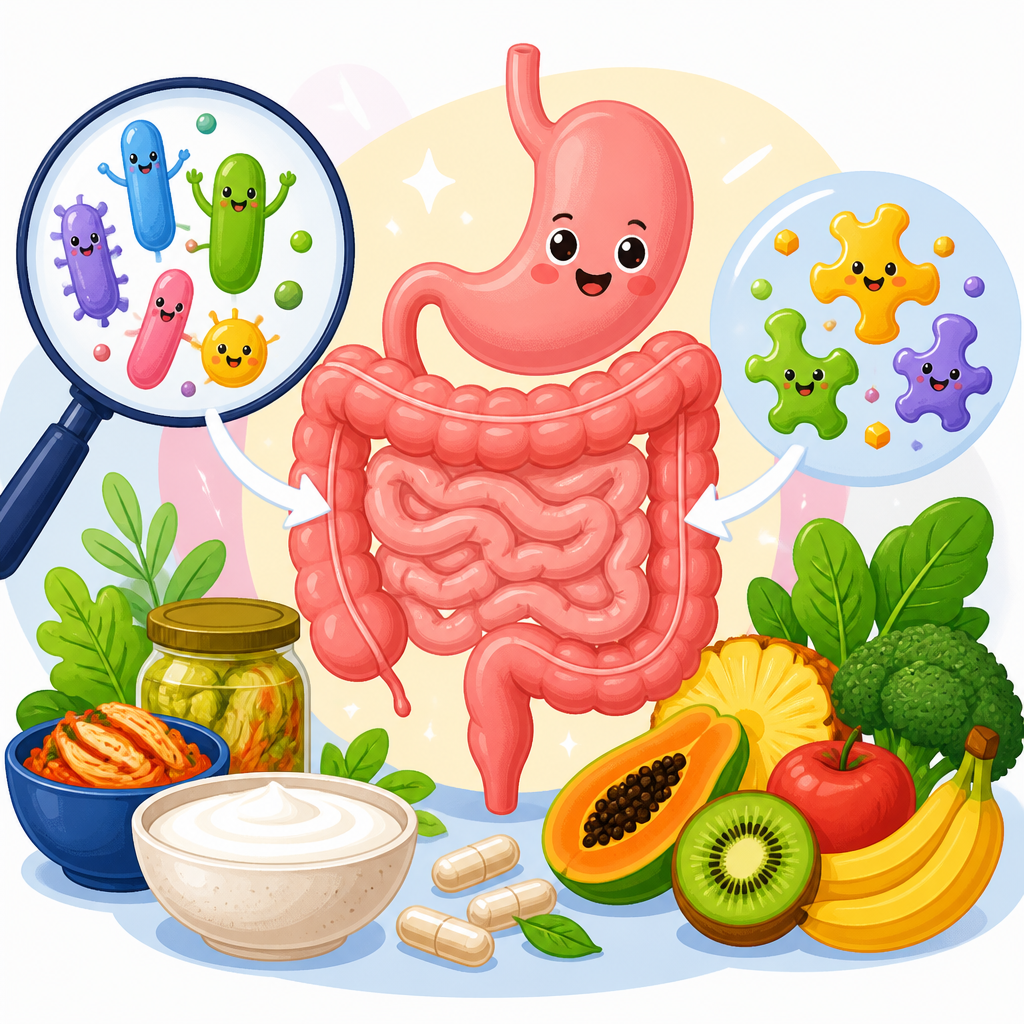
Probiotics and digestive enzymes are two of the most discussed tools in modern nutrition, yet they solve different problems and work through separate biological pathways. Probiotics are live microorganisms that, when consumed in adequate amounts, confer a health benefit on the host, a definition established by the International Scientific Association for Probiotics and Prebiotics and widely used in clinical literature. Digestive enzymes are proteins that catalyze the breakdown of food into absorbable components such as amino acids, fatty acids, and simple sugars. In practice, I have found that many people lump them together because both are sold as gut health supplements, but that shortcut causes confusion, poor product choices, and unrealistic expectations.
Understanding the distinction matters because digestion and the gut microbiome are related but not interchangeable. If someone feels bloated after dairy, the issue may involve lactase deficiency rather than an imbalance in gut bacteria. If another person has irregular bowel habits after antibiotics, microbial disruption is a more likely factor than low pancreatic enzyme output. The most effective nutrition strategy starts by identifying the mechanism behind symptoms. That approach improves supplement selection, helps clinicians make better referrals, and keeps consumers from spending money on products that do not match their needs.
This hub article explains the foundational science, the practical uses, the limits, and the quality standards that matter when evaluating probiotics and digestive enzymes. It also serves as a central resource for broader work in supplements and nutraceuticals, because these categories connect to issues including lactose intolerance, irritable bowel syndrome, antibiotic recovery, exocrine pancreatic insufficiency, and age-related digestive changes. By the end, you should know what each category does, who may benefit, how to compare products, and what questions to ask before adding either one to a daily routine.
What Probiotics Do and When They Help
Probiotics influence health primarily by interacting with the gut microbiota, the intestinal lining, and the immune system. Common supplemental genera include Lactobacillus, Bifidobacterium, Saccharomyces, Bacillus, and Streptococcus, but the health effect depends on the exact strain, dose, and target condition. That point is essential. Lactobacillus rhamnosus GG is not functionally identical to Lactobacillus acidophilus, and one Bifidobacterium strain cannot be assumed to produce the same outcome as another. In evidence-based practice, the strongest probiotic recommendations are strain-specific rather than generic.
Research supports certain probiotic uses more clearly than others. Some products reduce the risk of antibiotic-associated diarrhea, especially when started early in the antibiotic course. Saccharomyces boulardii and several Lactobacillus and Bifidobacterium combinations are frequently studied for that purpose. In some people with irritable bowel syndrome, probiotics can modestly improve bloating, abdominal pain, or stool regularity, although results vary because IBS itself is heterogeneous. There is also support for specific probiotics in some forms of infectious diarrhea and for prevention of necrotizing enterocolitis in certain preterm infant settings under medical supervision. Those are meaningful applications, but they do not justify broad claims that every probiotic improves every digestive complaint.
Food sources and supplements both matter. Yogurt with live cultures, kefir, fermented vegetables, and some cultured dairy products can contribute useful microbes, but food labels do not always identify strains or viable counts through the end of shelf life. Supplements may provide more targeted formulations and higher colony-forming unit counts, often listed as CFU. Higher counts are not automatically better. A ten-billion CFU product with clinically relevant strains and verified stability can be more appropriate than a fifty-billion CFU product built around poorly characterized organisms. Storage also matters: some strains require refrigeration, while shelf-stable spore-forming products rely on different survival mechanisms.
What Digestive Enzymes Do and When They Help
Digestive enzymes work in the lumen of the gastrointestinal tract by breaking down macronutrients before absorption. Amylase acts on carbohydrates, protease on proteins, and lipase on fats. Other common enzymes include lactase for lactose, alpha-galactosidase for fermentable carbohydrates in beans and cruciferous vegetables, and bromelain or papain in some blended products, though the evidence for plant enzyme blends is mixed and product positioning often exceeds the data. The body normally produces enzymes in the salivary glands, stomach, pancreas, and small intestine brush border. Problems arise when enzyme production is insufficient or when a specific carbohydrate cannot be adequately digested.
The clearest medical indication for enzyme replacement is exocrine pancreatic insufficiency, a condition associated with chronic pancreatitis, cystic fibrosis, pancreatic surgery, advanced pancreatic cancer, and occasionally long-standing celiac disease or diabetes. In these cases, patients may experience steatorrhea, weight loss, fat-soluble vitamin deficiency, bloating, and malnutrition because fats, proteins, and carbohydrates are not properly digested. Prescription pancreatic enzyme replacement therapy, often called PERT, is standardized and dosed by lipase units relative to meal size. It is not interchangeable with over-the-counter digestive enzyme blends.
There are also narrower over-the-counter uses that can be practical. Lactase taken with dairy can reduce symptoms of lactose intolerance. Alpha-galactosidase, sold under brands such as Beano, may help some people digest oligosaccharides in beans, lentils, and certain vegetables before they reach the colon and ferment. These are straightforward mechanism-based interventions. By contrast, a broad-spectrum capsule marketed for all bloating, indigestion, and nutrient absorption issues is often less convincing unless there is a defined deficiency or a clear food-specific trigger. In day-to-day counseling, I see the best outcomes when enzymes are matched to a specific digestive challenge rather than treated as a universal fix.
Probiotics vs. Digestive Enzymes: Core Differences
The simplest way to separate these categories is this: probiotics add live microbes that may influence the gut ecosystem, while digestive enzymes accelerate food breakdown during digestion. Probiotics do not replace missing pancreatic enzymes, and digestive enzymes do not rebalance the microbiome after antibiotics. Some people benefit from both, but they address different physiological bottlenecks. Timing differs as well. Enzymes are usually taken with meals because they need to encounter food substrates. Probiotics are often taken daily for a period of weeks or months, depending on the goal and the strain used.
| Feature | Probiotics | Digestive Enzymes |
|---|---|---|
| Primary role | Modulate gut microbiota and host responses | Break down food into absorbable nutrients |
| Main targets | Antibiotic disruption, some diarrhea patterns, select IBS symptoms | Lactose intolerance, certain food triggers, pancreatic insufficiency |
| How they are measured | CFU, strain designation, viability at end of shelf life | Activity units such as FCC, ALU, HUT, or lipase units |
| Best timing | Daily, according to studied protocol | With meals or the first bite of problem foods |
| Common limitation | Benefits are strain-specific and not universal | Blended formulas may not match the actual digestive problem |
That distinction helps answer common consumer questions. If the issue is gas after milk, start by considering lactase. If the issue is post-antibiotic diarrhea risk, a studied probiotic is more relevant. If symptoms include greasy stools, weight loss, and nutrient deficiencies, medical evaluation is needed because a prescription enzyme approach may be warranted. Using the right category for the right mechanism is the central principle of better outcomes.
How to Choose High-Quality Products
Label reading is where many supplement decisions improve or fail. For probiotics, look for the full organism name including genus, species, and strain, such as Lactobacillus rhamnosus GG or Bifidobacterium lactis HN019. A label that lists only broad species names provides less confidence because the clinical literature is strain-dependent. Next, check the CFU count at the end of shelf life rather than at manufacture, since viability declines over time in some products. Third-party testing by organizations such as USP, NSF, or ConsumerLab can add reassurance about identity and contaminants, although not every credible product carries these marks.
For digestive enzymes, the most useful labels list enzyme activity units rather than just milligram weights. A capsule can contain many milligrams of powder yet provide weak enzymatic activity if the preparation is poorly standardized. The units may vary by enzyme type, including FCC units, ALU for alpha-amylase, HUT for protease, and specific lipase activity units. Matching the formula to the problem is more important than buying the largest blend. Someone with lactose intolerance should prioritize lactase potency and dosing instructions around dairy intake. Someone using prescription PERT should not substitute retail blends without physician guidance, because underdosing can sustain malabsorption and nutritional risk.
Formulation details also matter. Delayed-release probiotic capsules can protect organisms from stomach acid. Enteric-coated enzyme preparations may improve delivery for certain ingredients, while excessive reliance on proprietary blends can obscure actual potency. Watch for added prebiotics, sugar alcohols, or herbal extras that may trigger symptoms in sensitive users. In my experience, cleaner formulas with transparent labels and a clear intended use outperform flashy products that promise whole-body benefits from a single capsule.
Safety, Side Effects, and Who Should Be Cautious
Both categories are generally well tolerated, but they are not risk free. Probiotics can cause temporary gas, bloating, or changes in bowel habits when first started. Rare but serious infections have been reported in people who are severely immunocompromised, critically ill, or using central venous catheters, particularly with Saccharomyces boulardii or bacterial translocation in high-risk settings. For healthy adults, this risk is very low, but the exception matters. Medical review is appropriate for anyone with major immune suppression, short bowel syndrome, or recent intensive care hospitalization.
Digestive enzymes can also produce side effects, including abdominal discomfort, nausea, diarrhea, or constipation, depending on the product and dose. High-dose prescription pancreatic enzymes have specific dosing considerations, and people with pork allergies should discuss porcine-derived products with their clinicians because most PERT products come from porcine pancreas. Bromelain and papain may interact with anticoagulant therapy or irritate oral tissues in some users. Another caution is symptom masking. Persistent bloating, reflux, early satiety, or unintentional weight loss may reflect celiac disease, inflammatory bowel disease, gallbladder disease, peptic ulcer disease, or malignancy. Supplements should not delay diagnosis.
Practical Use in a Nutrition Plan
The most effective way to use probiotics and digestive enzymes is as part of a broader nutrition strategy rather than as isolated fixes. Start with symptom pattern recognition. Keep a brief food and symptom log for one to two weeks, noting timing, trigger foods, stool changes, medications, and stress. This simple step often distinguishes lactose intolerance from high-FODMAP sensitivity, or post-antibiotic disruption from chronic malabsorption. Then choose the most targeted intervention. For example, take lactase with pizza or ice cream if dairy is the clear issue. Use a studied probiotic during and after antibiotics if your clinician agrees and the goal is to lower diarrhea risk.
Diet quality remains foundational. Fermented foods can complement probiotics, while adequate fiber supports beneficial microbial activity by supplying fermentable substrate. Enzymes cannot compensate for rushed eating, very large meals, excessive alcohol, or chronic intake of foods that consistently provoke symptoms. Nor should probiotics be expected to overcome a low-fiber, highly processed diet indefinitely. The main benefit of understanding these supplements is precision: when the product fits the physiology, it can reduce symptoms and improve nutritional comfort. If you are building a smarter supplement routine, review your symptoms, choose a product with transparent labeling and evidence behind it, and involve a qualified clinician when signs point to something more serious.
Frequently Asked Questions
What is the difference between probiotics and digestive enzymes?
Probiotics and digestive enzymes are often mentioned together, but they do very different jobs in the body. Probiotics are live microorganisms, typically specific strains of beneficial bacteria or yeast, that can support health when consumed in adequate amounts. Their main role is tied to the gut microbiome, the complex ecosystem of microbes that lives primarily in the intestines. Depending on the strain, probiotics may help support digestive balance, reinforce the gut barrier, influence immune function, and assist the body in maintaining a healthier microbial environment.
Digestive enzymes, by contrast, are not living organisms. They are proteins that help chemically break down food into smaller components the body can absorb and use. For example, amylase helps digest carbohydrates, protease helps digest proteins, and lipase helps digest fats. Without enough enzymatic activity, food may not be fully broken down, which can contribute to symptoms such as bloating, gas, heaviness after meals, or nutrient malabsorption in some cases.
In simple terms, probiotics help manage the microbial environment in the gut, while digestive enzymes help process the food you eat. One supports the ecosystem; the other supports the mechanics of digestion. That is why they are not interchangeable. A person dealing with microbiome imbalance may benefit from probiotic support, while someone with difficulty digesting specific foods may be looking at an enzyme-related issue. In some situations, both may be used as part of a broader nutrition strategy, but they should be understood as separate tools with separate biological pathways.
Can probiotics and digestive enzymes be taken together?
Yes, probiotics and digestive enzymes can often be taken together, and many people use them at the same time because they address different aspects of digestive health. Digestive enzymes work directly on the food in a meal, helping break macronutrients into smaller absorbable units. Probiotics work more indirectly and over time by supporting the balance and function of the gut microbiota. Because their functions do not overlap in a redundant way, combining them may make sense for some individuals.
That said, taking them together does not automatically mean better results for everyone. Digestive enzymes are typically most useful when taken with meals, since that is when they can act on incoming food. Probiotics, depending on the strain and product design, may be taken with or without food, although manufacturers often provide specific guidance based on how the supplement was formulated. Following label directions matters, because timing, dosage, and strain viability can influence outcomes.
It is also important to keep expectations realistic. Neither probiotics nor enzymes should be viewed as a shortcut that cancels out a poor diet or chronic digestive problems that need medical evaluation. If someone regularly experiences pain, unexplained diarrhea, constipation, reflux, weight loss, or signs of nutrient deficiency, those symptoms deserve professional attention. Used appropriately, however, probiotics and digestive enzymes can complement one another: enzymes support the breakdown of meals in the short term, while probiotics may help support long-term gut ecology and digestive resilience.
Who might benefit most from probiotics?
People who may benefit from probiotics are usually those looking to support microbial balance in the gut rather than those who simply want help breaking down food. Probiotics are often discussed in the context of digestive wellness, especially after events that can disrupt the normal intestinal microbiota, such as antibiotic use, travel-related digestive changes, or periods of dietary disruption. Some strains have also been studied for helping support regularity, reducing occasional bloating, and maintaining immune and gut barrier function.
The key point is that probiotic effects are strain-specific. Not all probiotics do the same thing, and two products with different strains may produce very different outcomes. This is one of the biggest misconceptions in the supplement space. A product labeled “probiotic” is not automatically appropriate for every digestive concern. Clinical evidence usually applies to particular strains, doses, and conditions, so choosing based on broad marketing claims can be misleading.
People considering probiotics should also remember that results can take time. Unlike digestive enzymes, which act during the meal in which they are taken, probiotics generally work through repeated use and interaction with the gut environment. Some people notice changes within days, while for others it may take several weeks to assess whether a product is useful. Individuals with significant medical conditions, compromised immunity, or complex gastrointestinal disorders should talk with a healthcare professional before starting a probiotic, since personalized guidance is especially important in those settings.
When are digestive enzymes most useful?
Digestive enzymes are most useful when the issue is related to the breakdown of food rather than the balance of gut microbes. Their primary purpose is to assist the digestive process by helping convert carbohydrates, proteins, and fats into smaller molecules that can be absorbed in the small intestine. In practical terms, this means they may be helpful for people who feel overly full after meals, experience discomfort with certain foods, or have trouble digesting specific components of the diet.
One common example is lactase, the enzyme that helps digest lactose, the natural sugar in dairy products. People with low lactase activity may develop gas, bloating, or diarrhea after consuming milk or ice cream, and a lactase supplement can be useful in that targeted situation. Other enzyme formulations may include amylase, protease, lipase, or blends designed to support mixed meals. In clinical settings, there are also prescription enzymes used for medically diagnosed conditions involving pancreatic insufficiency, which is very different from casual over-the-counter supplement use.
It is worth emphasizing that digestive enzymes are not a universal fix for every gut complaint. If symptoms are frequent, severe, or worsening, the underlying cause could involve food intolerance, celiac disease, inflammatory conditions, gallbladder issues, pancreatic problems, or other medical concerns. Enzymes may relieve symptoms in some situations, but they do not replace a proper diagnosis. They tend to be most helpful when there is a clear mismatch between what is being eaten and the body’s ability to digest that food efficiently.
How should someone choose between a probiotic, a digestive enzyme, or both?
The best choice depends on the problem you are actually trying to solve. If the goal is to support the gut microbiome, improve microbial balance after antibiotics, or address concerns more closely tied to intestinal ecology, a probiotic may be the better fit. If the goal is to help break down a meal, especially one that tends to trigger discomfort, a digestive enzyme may be more appropriate. The mistake many consumers make is choosing a product based on trend, advertising, or vague digestive claims rather than matching the supplement to the underlying issue.
A practical way to think about it is this: if symptoms seem tied to particular foods or larger meals, enzymes may deserve attention. If symptoms seem more related to overall digestive stability, bowel pattern changes, or post-antibiotic recovery, probiotics may be the more logical category to explore. In some cases, both may be considered, particularly when someone has meal-related digestive discomfort and also wants broader microbiome support. Still, more is not always better, and combining products without a clear reason can make it harder to tell what is actually helping.
Quality also matters. For probiotics, look for clearly identified strains, viable counts through the end of shelf life, and evidence connected to the intended use. For digestive enzymes, look for formulas that specify which enzymes are included and what types of food they are meant to help digest. Most importantly, persistent digestive symptoms should not be self-managed indefinitely with supplements alone. A targeted supplement can be useful, but the best results usually come from combining the right product with a thoughtful diet, symptom tracking, and professional guidance when needed.