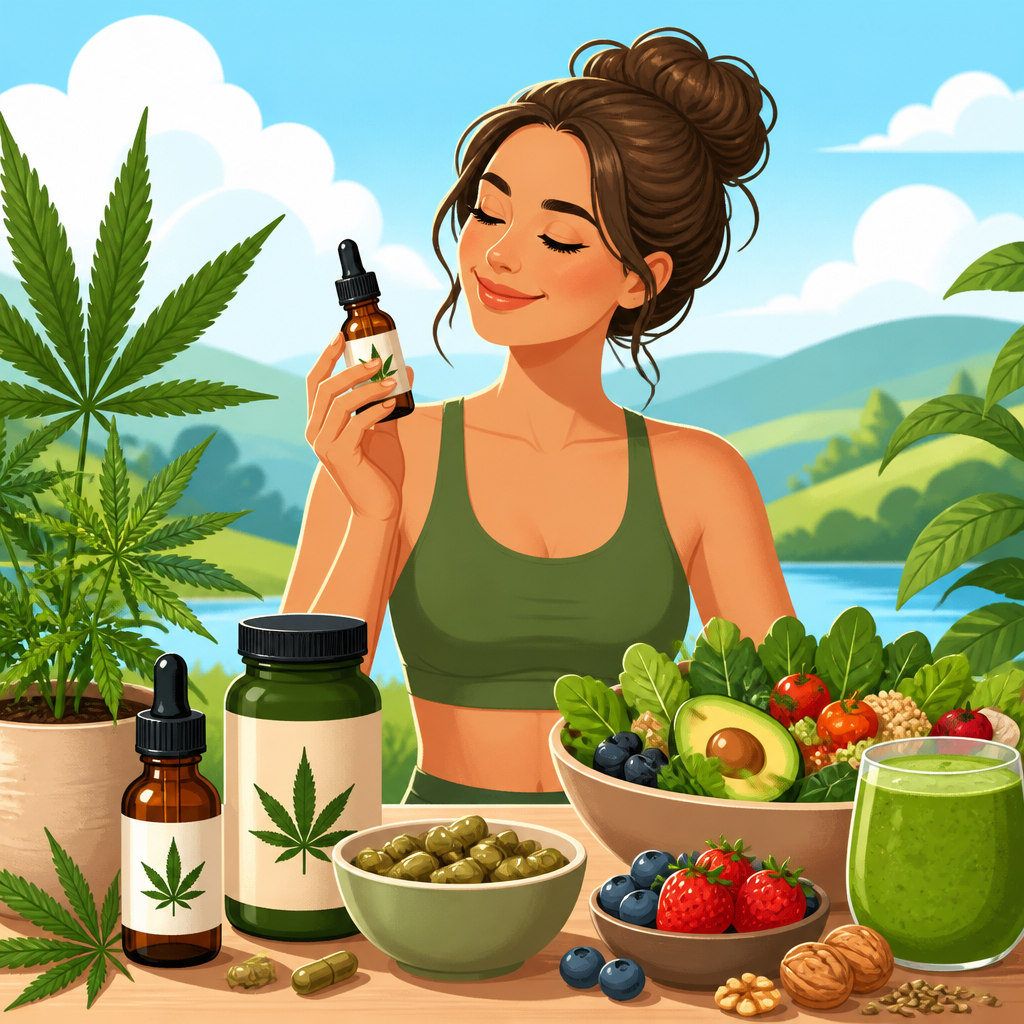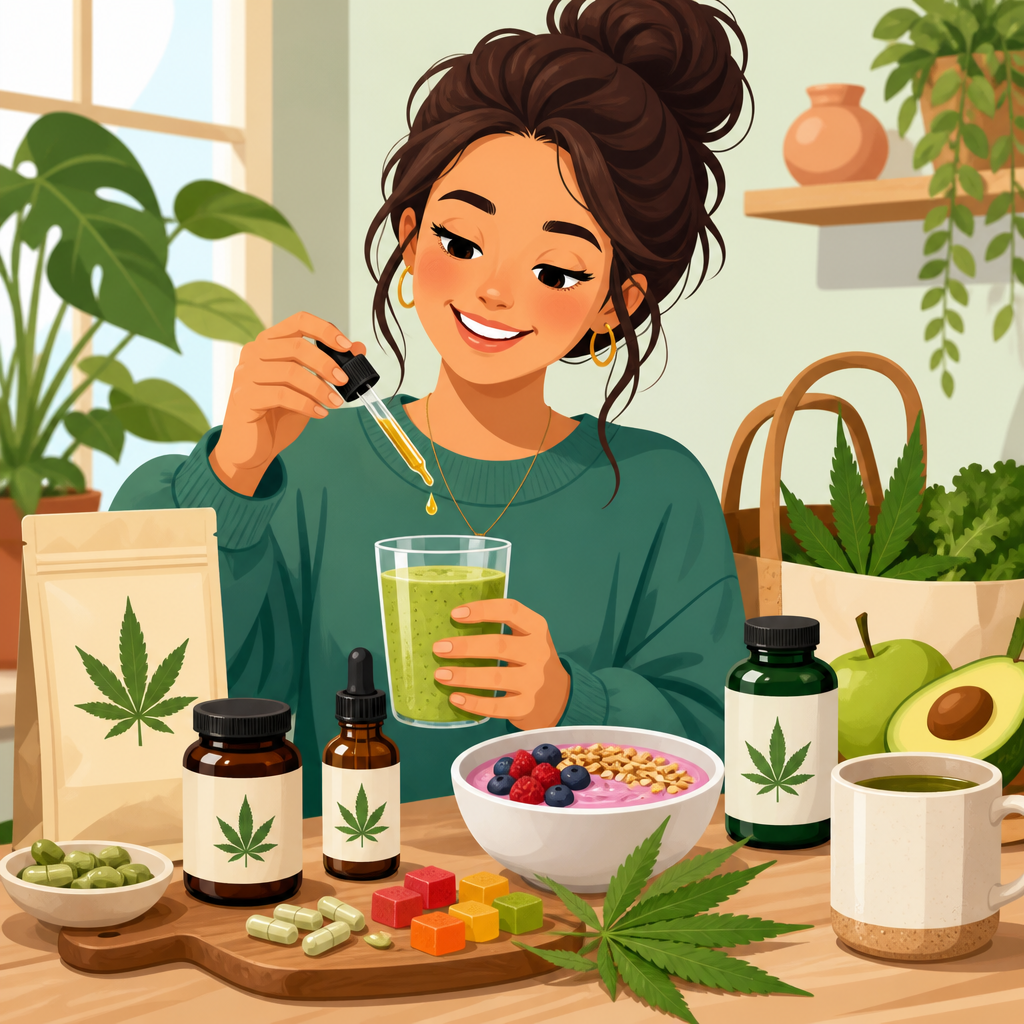
CBD and hemp-based supplements have moved from niche wellness shelves into mainstream nutrition, yet many people still do not know how to use them intelligently within a normal diet. CBD, short for cannabidiol, is a non-intoxicating cannabinoid found in hemp, while hemp-based supplements also include hemp seed, hemp protein, hemp seed oil, and full-spectrum or broad-spectrum extracts made from legally defined hemp. In practice, incorporating more CBD and hemp-based supplements into your diet means choosing forms that match your goals, understanding dosage and labeling, and fitting them into meals and routines you already follow. This matters because product quality varies widely, interactions with medications are real, and the potential benefits differ depending on whether you want extra protein, essential fatty acids, recovery support, or help with stress and sleep. I have worked with supplement routines long enough to know that success rarely comes from buying the strongest bottle on the shelf. It comes from selecting the right product, using it consistently, tracking how you respond, and making changes based on evidence rather than marketing. A sound approach also helps you avoid common mistakes, such as confusing hemp seed oil with CBD oil or assuming every hemp gummy contains meaningful active compounds.
The broad category of hemp supplements can support different nutritional needs. Hemp seeds and hemp protein contribute fiber, magnesium, and plant protein. Hemp seed oil supplies polyunsaturated fats, especially linoleic acid and alpha-linolenic acid. CBD products may be used by adults seeking support around relaxation, recovery, or sleep quality, although responses differ and claims should stay grounded in label-compliant, realistic expectations. Many people ask whether these products can simply be added to smoothies, coffee, salads, or evening snacks. The answer is yes, but the best method depends on bioavailability, flavor, concentration, meal timing, and whether the supplement is intended for nourishment, convenience, or targeted use. When you understand those distinctions, hemp and CBD can become practical parts of breakfast, post-workout nutrition, meal prep, and nightly routines rather than occasional impulse purchases.
Understand the main types of CBD and hemp-based supplements
The first step is separating nutrition-focused hemp foods from cannabinoid-focused supplements. Hemp hearts, whole hemp seeds, hemp flour, and hemp protein powder are foods with established nutritional value. Three tablespoons of hemp hearts typically provide around 10 grams of protein plus healthy fats, making them easy additions to oatmeal, yogurt, grain bowls, or pesto. Hemp protein powder is useful when you want a plant-based protein source with more texture and earthier flavor than pea or rice blends. Hemp seed oil is different again: it is valued for fatty acids and culinary use, but it usually contains little to no CBD unless specifically fortified.
CBD supplements include tinctures, capsules, softgels, gummies, beverages, powders, and in some markets, functional shots. Full-spectrum hemp extract contains CBD along with other cannabinoids and terpenes, including trace THC within legal limits. Broad-spectrum products remove THC while keeping multiple hemp compounds. CBD isolate contains cannabidiol alone. In day-to-day use, isolates are straightforward when you want precise CBD intake and no other cannabinoids, while full-spectrum products are often chosen by users who prefer the broader phytochemical profile. Neither format is automatically better; the right choice depends on sensitivity, testing requirements, taste, and personal response.
Choose products that fit your dietary goals
If your goal is better overall nutrition, start with hemp foods before specialized CBD formats. I often recommend hemp hearts for people who want a low-effort upgrade because they work in sweet and savory meals. Add them to overnight oats with berries, blend them into smoothies for creaminess, or sprinkle them over roasted vegetables. For athletes or busy professionals who struggle to hit protein targets, hemp protein powder can be mixed into shakes, pancake batter, or homemade energy bites. These uses increase nutrient density without requiring major dietary change.
If your goal is more targeted support, select a delivery format that fits the moment you plan to use it. A CBD tincture works well for adults who want flexible serving sizes and quicker onset than a capsule, especially when taken consistently at the same time daily. Capsules and softgels suit people who travel, dislike the taste of hemp extracts, or already use a supplement organizer. Gummies are convenient, but they often include added sugars and lower CBD concentrations per serving. Beverage enhancers and powders can be useful, though their effectiveness depends on formulation quality and actual cannabinoid content. Read the Supplement Facts or similar panel carefully, check milligrams per serving, and avoid choosing a product based on front-label language alone.
Read labels like a professional buyer
Label literacy is where most shoppers gain an immediate advantage. Start by confirming whether the product lists CBD content per serving and per package. A bottle described as “1000 mg hemp extract” may sound potent, but unless it specifies actual CBD milligrams, you cannot compare it accurately. Reputable brands also provide third-party certificates of analysis showing cannabinoid potency, residual solvents, heavy metals, pesticides, and microbial contaminants. I consider batch-specific testing non-negotiable because hemp is a bioaccumulator and poor manufacturing standards can undermine any potential benefit.
Next, review ingredient quality and manufacturing indicators. Look for products made in facilities following current good manufacturing practices and for companies that identify extraction methods such as CO2 or food-grade ethanol. Pay attention to carrier oils, sweeteners, allergens, and unnecessary additives. A CBD tincture suspended in MCT oil will behave differently in taste and digestion than one made with hemp seed oil or olive oil. For foods such as hemp protein or hemp hearts, check whether the product is organic, hulled, flavored, or blended with other proteins. Small differences in processing affect texture, digestibility, and how easily the supplement fits into meals.
| Supplement type | Best use in diet | What to check on the label | Practical example |
|---|---|---|---|
| Hemp hearts | Protein, healthy fats, meal topping | Serving size, protein grams, freshness date | Sprinkle on oatmeal or salads |
| Hemp protein powder | Shakes, baking, recovery meals | Protein per scoop, fiber, added flavors | Blend with banana and milk alternative |
| Hemp seed oil | Cold use for fats and dressings | Unrefined status, storage guidance, oxidation risk | Whisk into vinaigrette |
| CBD tincture | Flexible daily serving | CBD mg per serving, spectrum type, lab testing | Add to evening routine |
| CBD gummies or capsules | Convenience and portability | CBD mg each, sugar content, ingredient list | Use during travel or fixed schedules |
Work hemp foods into everyday meals
The easiest way to incorporate more hemp-based supplements into your diet is to attach them to meals you already repeat every week. Breakfast is the lowest-friction entry point. Stir hemp hearts into Greek yogurt, oats, chia pudding, or high-protein cereal. If you make smoothies, combine hemp protein with frozen berries, cocoa, and a banana to soften its earthy taste. In my experience, blending hemp protein with another plant protein improves texture for people who find pure hemp powder too gritty.
Lunch and dinner offer more options than most people expect. Hemp hearts add a mild nutty finish to soups, grain bowls, hummus, avocado toast, and stir-fried vegetables. Hemp seed oil can replace part of the olive oil in salad dressings, but it is best used cold because heat can degrade delicate fatty acids. You can also fold hemp seeds into turkey meatballs, veggie burgers, homemade granola, or no-bake bars. These are simple kitchen habits, yet they matter because consistency beats occasional high-dose use. A tablespoon here and there, every day, often delivers more nutritional value than a weekend health kick.
Use CBD supplements strategically, not randomly
CBD works best when it is integrated with a clear purpose and a steady routine. People commonly use it in the evening with herbal tea, after training with a snack, or alongside a wind-down habit such as reading. Timing is individual, but random use makes it harder to judge whether a product helps. I advise starting low, maintaining the same serving for several days, and noting factors such as stress level, sleep timing, food intake, and perceived effects. This log matters because variables outside the supplement often shape the outcome.
Taking CBD with food, especially meals containing fat, may improve absorption compared with using it on a completely empty stomach. That makes dinner or an evening snack a practical anchor for many adults. Some prefer capsules with breakfast for routine compliance, while others prefer tinctures at night for flexible serving control. If you are choosing among oils, gummies, or softgels, convenience should not be the only factor. Consider how quickly you need the product, whether you want exact serving sizes, and whether added ingredients support or complicate your diet.
Match format, dosage, and expectations to the individual
There is no universal serving size that works for everyone because body size, metabolism, product type, and intended use all affect response. This is one area where disciplined experimentation matters more than internet anecdotes. A person using a 10 milligram CBD gummy may feel that it fits well into an evening routine, while another may need a different amount or may respond better to a full-spectrum tincture. The responsible approach is to begin with the manufacturer’s suggested serving, verify the product with a certificate of analysis, and make gradual adjustments rather than large jumps.
Expectations should remain practical. Hemp foods can improve nutrient intake, especially protein and unsaturated fats, but they will not compensate for a poor overall diet. CBD may complement recovery or relaxation habits, yet it is not a substitute for sleep hygiene, stress management, exercise, or medical care. I have seen people get better results by pairing a modest CBD routine with fixed bedtimes, less alcohol, and a more balanced dinner than by continually chasing stronger products. The supplement should support a system, not replace one.
Know the safety, legal, and medication issues
Any serious guide to CBD and hemp-based supplements must address safety. Hemp foods are generally straightforward for most adults, though seed allergies and digestive adjustment can occur when intake rises quickly. CBD requires more caution. It can interact with medications through liver enzyme pathways, including drugs that carry grapefruit warnings. People who are pregnant, breastfeeding, managing liver conditions, or taking prescription medications should speak with a qualified clinician or pharmacist before use. Drowsiness, digestive changes, and appetite shifts are possible, and product quality remains inconsistent across the market.
Legal status also deserves attention because regulations differ by country and sometimes by state. In the United States, hemp-derived products are generally expected to contain no more than 0.3 percent delta-9 THC on a dry-weight basis, but that does not mean every product is uniformly regulated or suitable for every consumer. Anyone subject to workplace drug testing should be especially careful with full-spectrum products because even trace THC can be a concern over time. Broad-spectrum or isolate options may reduce that risk, but no product should be treated as a guarantee without documentation and informed judgment.
Build a practical weekly routine
The most sustainable way to incorporate more CBD and hemp-based supplements into your diet is to build a repeatable weekly system. Keep hemp hearts near your breakfast staples. Use hemp protein in two or three preplanned smoothies or snack recipes each week. Reserve hemp seed oil for dressings, dips, or finishing cooked vegetables. If you use CBD, tie it to a specific meal or evening habit and record the product, serving size, and response for two weeks before making changes. This process turns guesswork into usable information.
As a hub topic within Supplements and Nutraceuticals, CBD and hemp-based supplements connect nutrition, quality control, formulation science, and personal routine. The main takeaway is simple: start with product clarity, prioritize tested brands, use hemp foods for everyday nourishment, and add CBD with a defined purpose rather than impulse. When you approach the category this way, you get more value from each product and lower the chance of confusion or misuse. Review your current diet, identify one meal and one routine where hemp or CBD fits naturally, and begin with a measured, trackable change today.
Frequently Asked Questions
1. What is the difference between CBD, hemp seed oil, hemp hearts, and other hemp-based supplements?
CBD and hemp-based foods are often grouped together, but they serve different roles in a diet. CBD, or cannabidiol, is a non-intoxicating compound extracted from the flowers, leaves, and aerial parts of hemp. It is commonly sold as oils, tinctures, capsules, gummies, powders, and drink mixes. By contrast, hemp seeds, hemp hearts, hemp protein, and hemp seed oil are food ingredients valued primarily for their nutritional profile rather than their cannabinoid content. Hemp hearts are rich in protein, healthy fats, magnesium, and other minerals, while hemp protein powder is often used in smoothies, oatmeal, or baked goods to increase protein intake. Hemp seed oil is typically used as a finishing oil in dressings, dips, and cold dishes because it contains beneficial fats but usually little to no meaningful CBD.
It also helps to understand the label terms used for CBD products. Full-spectrum hemp extracts contain CBD plus other naturally occurring hemp compounds, including trace cannabinoids and terpenes, and they may contain legally permitted trace amounts of THC. Broad-spectrum products contain multiple hemp compounds but generally remove THC. CBD isolate contains only cannabidiol. If your goal is everyday nutrition, hemp foods like seeds and protein are easy pantry staples. If your goal is specifically to add CBD to your routine, then tinctures, capsules, or infused foods are more relevant. Knowing which category a product falls into prevents confusion and helps you choose supplements that fit your dietary needs and comfort level.
2. What are the easiest ways to incorporate CBD and hemp-based supplements into everyday meals?
The simplest approach is to treat hemp foods as versatile ingredients and CBD products as optional add-ons that can be used consistently and mindfully. Hemp hearts are one of the easiest starting points because they have a mild, nutty flavor and require no preparation. You can sprinkle them over yogurt, oatmeal, salads, grain bowls, soups, or avocado toast. Hemp protein powder blends well into smoothies, pancake batter, overnight oats, or energy bites, making it useful for people trying to raise protein intake without relying solely on dairy or soy. Hemp seed oil works well in salad dressings, pesto, dips, and drizzled over cooked vegetables, but it is generally best not to use it for high-heat cooking because delicate fats can degrade with excessive heat.
For CBD itself, many people prefer tinctures, softgels, or powders because they allow more consistent serving sizes. A CBD tincture can be taken directly or mixed into a smoothie, tea, or yogurt if the flavor is compatible. Capsules are especially convenient if you want a no-fuss option with predictable dosing. If you use CBD edibles or infused beverages, pay close attention to the amount of CBD per serving because products vary widely. A practical strategy is to anchor use to habits you already have, such as adding hemp hearts to breakfast, using hemp protein after exercise, and taking a measured CBD serving in the evening or with a meal. This routine-based approach is usually more sustainable than trying to overhaul your entire diet at once.
3. How much CBD or hemp-based supplementation should I start with?
When it comes to hemp foods, the starting point is usually straightforward: begin with normal food portions and adjust based on taste, calorie needs, and digestive comfort. For example, one to three tablespoons of hemp hearts can be added to meals, and a serving of hemp protein powder can be used according to the package directions. Because these are food-based ingredients, they can often be incorporated much like chia seeds, flaxseed, or other nutrient-dense staples. Still, it is wise to introduce any concentrated supplement gradually, especially if you are increasing fiber, fat, or protein intake significantly.
CBD requires a more individualized approach. There is no one universal serving size that fits everyone, because body size, metabolism, product format, concentration, timing, and personal goals all influence response. A common rule of thumb is to start low and increase slowly while keeping your routine consistent for several days before making changes. That means checking the label carefully to see how many milligrams of CBD are in each dropper, capsule, gummy, or scoop. Taking a small, measured serving and tracking how you feel can be more useful than jumping into a high amount immediately. It is also smart to discuss CBD with a healthcare professional if you take prescription medications, have a medical condition, are pregnant or breastfeeding, or are unsure how CBD may fit into your broader wellness plan. With both CBD and hemp-based foods, consistency and label awareness matter more than taking large amounts.
4. Are there any safety concerns or side effects to consider when adding CBD and hemp supplements to a diet?
Most hemp foods, such as hemp hearts, hemp protein, and hemp seed oil, are well tolerated by many people when used as part of a balanced diet, but safety still depends on individual circumstances. Anyone with seed sensitivities or digestive issues should introduce hemp foods gradually and monitor tolerance. Because hemp-based foods can add fiber, fat, and calories, portion sizes should make sense within your overall eating pattern. Storage matters too: hemp seed oil and shelled hemp seeds can go rancid if exposed to heat, light, or air for too long, so following package storage instructions helps preserve freshness and quality.
CBD deserves more careful consideration. Although it is non-intoxicating, it can still cause side effects in some people, such as drowsiness, digestive upset, dry mouth, or changes in appetite. One of the most important concerns is drug interaction potential, since CBD may affect how the body processes certain medications. That is why people taking blood thinners, seizure medications, sedatives, or other prescription drugs should consult a qualified healthcare professional before using it regularly. Product quality is another major issue. Reputable brands should provide third-party lab testing that verifies CBD content, confirms THC levels, and screens for contaminants such as pesticides, heavy metals, residual solvents, and microbes. Choosing tested products, starting with conservative servings, and being mindful of how your body responds are the best ways to use CBD more safely as part of a diet.
5. How can I choose high-quality CBD and hemp-based products that actually fit my nutrition goals?
Start by identifying what you want the product to do in your routine. If you are looking for more plant-based protein, healthy fats, or easy nutrient boosts, hemp hearts, hemp protein, and hemp seed oil may be more useful than a CBD product. If you specifically want to add cannabidiol, then you should focus on CBD oils, capsules, powders, or edibles with clearly stated concentrations. Good labeling is essential. A high-quality product should clearly list serving size, total CBD content, ingredients, extraction or processing details when relevant, and whether the formula is full-spectrum, broad-spectrum, or isolate. For hemp foods, look for simple ingredient lists and packaging that protects freshness.
Third-party testing is one of the strongest signs of quality, especially for CBD. Trustworthy brands make certificates of analysis easy to access and current to the batch you are purchasing. These reports should confirm potency and check for contaminants. It is also important to buy from companies that are transparent about sourcing and manufacturing practices, including where the hemp was grown and how the product was produced. From a nutrition standpoint, examine the full label rather than focusing only on buzzwords. Some infused gummies or drinks may contain added sugars or ingredients that do not align with your dietary goals, while a plain tincture, capsule, or unsweetened powder may be easier to integrate into a balanced eating plan. The best product is not necessarily the trendiest one; it is the one that is clearly labeled, independently tested, realistic for your budget, and easy to use consistently within your normal diet.