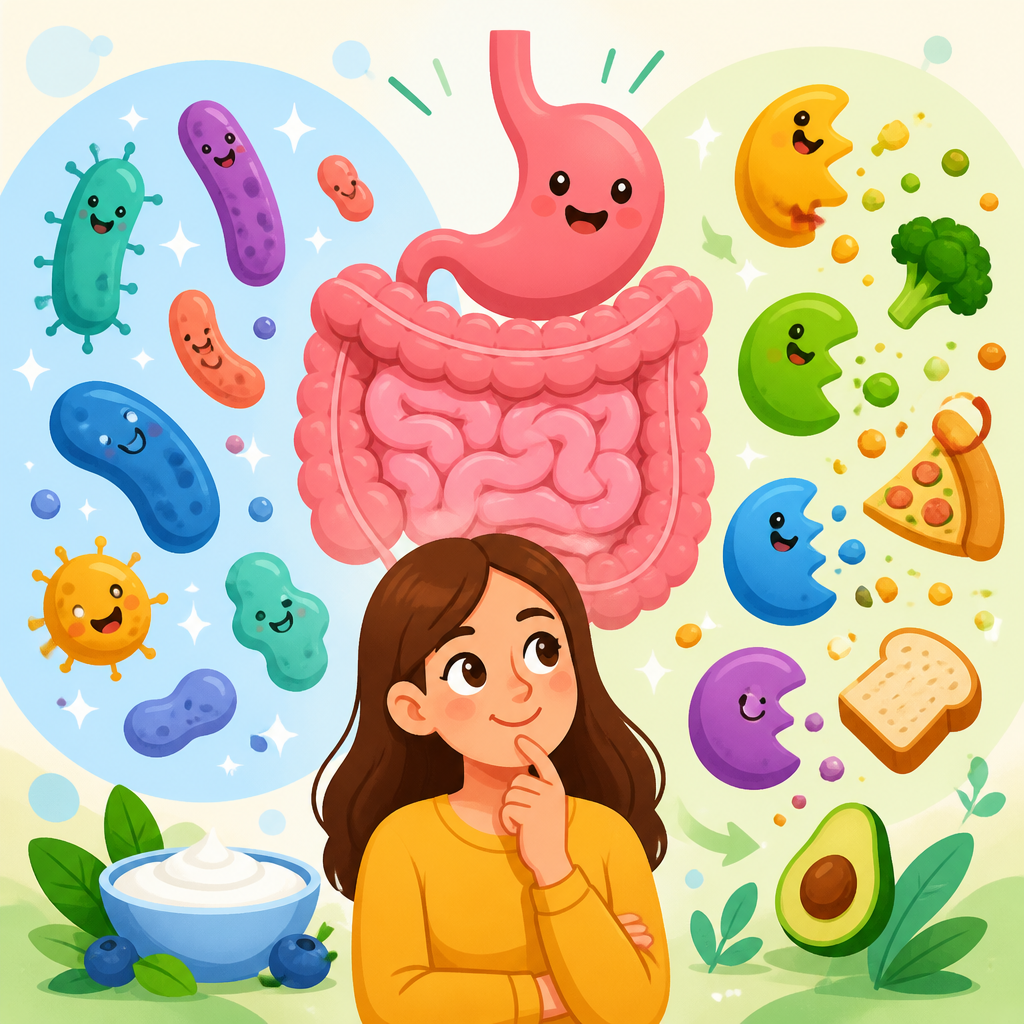
Probiotics and digestive enzymes play distinct but complementary roles in a healthy diet, and understanding how each works can help people make smarter choices about supplements, food, and digestive health. Probiotics are live microorganisms, usually specific strains of bacteria or yeast, that confer a health benefit when consumed in adequate amounts. Digestive enzymes are proteins that break food into smaller molecules the body can absorb, including carbohydrates, fats, proteins, and certain fibers. I have worked with clients who assumed these products were interchangeable, but they solve different problems. Probiotics help shape the gut microbiome and influence digestion, immune signaling, and metabolic function. Digestive enzymes support the mechanical and chemical breakdown of meals, especially when a person lacks enough of a particular enzyme or has trouble digesting specific foods.
This topic matters because digestive complaints are common, supplement shelves are crowded with confusing claims, and the evidence differs widely by product and condition. Bloating, gas, irregular bowel habits, reflux, and meal-related discomfort can stem from many causes, from lactose intolerance and pancreatic insufficiency to irritable bowel syndrome and poor diet quality. In practice, the right tool depends on the mechanism behind the symptom. A lactase tablet can help with lactose digestion within hours, while a probiotic strain may need days or weeks to influence bowel patterns or antibiotic-associated diarrhea risk. Food choices matter as much as capsules. Fermented foods, fiber, hydration, meal composition, and timing can all affect outcomes. This hub article explains what probiotics and digestive enzymes are, how they work, where they may help, their limitations, safety issues, and how to use them in a practical, evidence-based way as part of a healthy diet.
What probiotics are and how they support digestive health
Probiotics are defined by three criteria accepted by the International Scientific Association for Probiotics and Prebiotics: the microbe must be alive when administered, it must be identified at the strain level, and it must be shown in human studies to provide a health benefit at the given dose. That strain-level point is critical. Lactobacillus rhamnosus GG is not interchangeable with every Lactobacillus rhamnosus product, and Bifidobacterium infantis 35624 is not the same as another Bifidobacterium blend. In the clinic, I have seen people say a probiotic “didn’t work” when what they really tried was an underdosed product with strains never studied for their symptom.
Most probiotics work through several pathways. They can compete with potentially harmful organisms, produce short-chain fatty acids and other metabolites, strengthen the intestinal barrier, influence bile acid metabolism, and modulate immune activity in the gut-associated lymphoid tissue. Some strains improve stool consistency or reduce antibiotic-associated diarrhea. Others may reduce abdominal pain or bloating in certain people with irritable bowel syndrome. Common food sources include yogurt with live cultures, kefir, kimchi, sauerkraut, miso, tempeh, and some aged cheeses, although the exact organisms and doses vary. Fermented foods can support dietary diversity, but supplement labels are usually more precise when a targeted clinical effect is the goal.
Evidence is strongest when the condition, strain, and dose line up. For example, Saccharomyces boulardii has substantial evidence for helping reduce the risk of antibiotic-associated diarrhea in some populations. Certain Lactobacillus and Bifidobacterium strains have been studied for constipation, traveler’s diarrhea, and symptoms associated with IBS, though results are not uniform. A probiotic should never be treated as a cure-all. Benefits tend to be modest, product-specific, and dependent on baseline diet, medications, microbiome composition, and adherence. That said, when a probiotic is chosen well, it can be a useful component of digestive support rather than a random add-on.
What digestive enzymes do and when they are useful
Digestive enzymes are the body’s biochemical scissors. Amylase helps break starch into sugars, proteases digest protein into peptides and amino acids, and lipase breaks triglycerides into fatty acids and monoglycerides. Specialized enzymes matter too. Lactase splits lactose in dairy, alpha-galactosidase helps digest gas-producing oligosaccharides in beans and cruciferous vegetables, and sucrase breaks down sucrose. The pancreas is the main source of many digestive enzymes, while the small intestine produces brush-border enzymes such as lactase. Stomach acid, bile flow, and intestinal motility also influence how well these enzymes can do their job.
Digestive enzyme supplements are most useful when there is a known digestive limitation. Lactase is a classic example. In lactose intolerance, the small intestine produces too little lactase, so undigested lactose reaches the colon and is fermented by bacteria, causing gas, bloating, and diarrhea. Taking lactase with dairy can reduce symptoms because it addresses the mechanism directly. Alpha-galactosidase can similarly reduce gas from beans by breaking down carbohydrates that humans do not digest efficiently on their own. Prescription pancreatic enzyme replacement therapy is essential for people with exocrine pancreatic insufficiency caused by chronic pancreatitis, cystic fibrosis, pancreatic cancer, or pancreatic surgery.
Where consumers get misled is with broad-spectrum blends marketed for every meal and every symptom. These products may include amylase, protease, lipase, cellulase, bromelain, papain, ox bile, and herbal additions, but more ingredients do not automatically mean better results. Outside of specific indications, evidence for over-the-counter digestive enzyme blends is mixed. Some people do feel better, especially if large, high-fat meals are part of the problem, but relief may also come from eating smaller portions, slowing down, reducing alcohol intake, or identifying trigger foods. The best enzyme strategy is targeted, not indiscriminate.
Probiotics versus digestive enzymes: key differences and practical uses
Probiotics and digestive enzymes are often grouped together in supplement aisles, but they differ in purpose, timing, and expected effect. Digestive enzymes act on food during digestion, so they are usually taken with meals and may work the same day. Probiotics influence the gut environment and host response over time, so they are usually taken daily for a defined period and evaluated over weeks. Enzymes address the breakdown of a meal. Probiotics address the ecosystem that interacts with digestion, barrier function, and immune signaling.
| Factor | Probiotics | Digestive Enzymes |
|---|---|---|
| Main role | Support gut microbiome and intestinal function | Break down food for absorption |
| Best use case | Antibiotic-associated diarrhea, some IBS patterns, microbiome support | Lactose intolerance, gas from beans, pancreatic insufficiency |
| How fast they work | Days to weeks | Within the meal or same day |
| How chosen | By studied strain and dose | By the nutrient or food causing symptoms |
| Common limitation | Strain mismatch and weak formulations | Using generic blends without a clear indication |
A practical example makes the difference clear. If someone gets bloated after ice cream, lactase is the first tool to consider, not a random probiotic. If someone develops loose stools during an antibiotic course, a studied probiotic may be reasonable, while enzymes are unlikely to help. If a person feels uncomfortably full after large restaurant meals, the issue may be meal size, fat load, alcohol, or reflux rather than enzyme deficiency or microbiome imbalance. The symptom alone does not determine the solution; the pattern and trigger do.
They can sometimes be used together. A person with lactose intolerance and a history of antibiotic-related diarrhea may use lactase when eating dairy and a probiotic during or after antibiotics. Still, stacking products without a clear reason increases cost and confusion. In supplement counseling, the most effective approach is to define the symptom, identify the likely mechanism, choose one intervention with the best fit, and track the response for a realistic period.
Food sources, diet quality, and the microbiome-enzyme connection
Supplements are only part of the picture. A healthy diet creates the conditions in which both endogenous digestive function and the gut microbiome can work well. Fermented foods provide live cultures, but prebiotic fibers feed beneficial microbes already living in the colon. Foods rich in inulin, fructooligosaccharides, resistant starch, and beta-glucans include onions, garlic, leeks, asparagus, oats, legumes, slightly green bananas, cooked-and-cooled potatoes, and many whole grains. These fibers are fermented into short-chain fatty acids such as butyrate, acetate, and propionate, which support colon cells, gut barrier integrity, and metabolic signaling.
Chewing thoroughly, eating at a moderate pace, and balancing meals with fiber, protein, and healthy fats can improve digestive comfort as much as many supplements. In people who rely heavily on ultra-processed foods, low fiber intake and erratic meal patterns often contribute to constipation, irregular appetite, and poor tolerance of large meals. When they improve the basics, they often need fewer add-on products. Digestive enzymes made by the body also depend on overall health. Pancreatic disease, celiac disease, small intestinal injury, aging-related changes, alcohol misuse, and some gastrointestinal surgeries can alter digestion in ways that no generic wellness supplement can fully correct.
The microbiome-enzyme connection is also important. Gut microbes produce enzymes humans do not make, helping ferment fibers and other compounds that escape digestion in the small intestine. That is beneficial up to a point, but rapid fermentation can also cause gas and distension, especially in sensitive individuals. This is one reason a person may feel worse when abruptly increasing prebiotic fiber or fermented foods. More is not always better. The most successful plans build gradually, match the intervention to tolerance, and consider the person’s diagnosis, medications, and habitual diet.
How to choose products, evaluate evidence, and use them safely
Choosing a probiotic starts with the symptom or clinical goal. Look for the full genus, species, and strain name, the colony-forming unit dose through the end of shelf life, storage instructions, and a product tied to human trials. Third-party testing from organizations such as USP, NSF, or ConsumerLab adds confidence because label accuracy can be inconsistent. For digestive enzymes, look at the specific enzyme activity rather than marketing language. Lactase should list FCC units, pancreatic enzymes may list lipase, protease, and amylase activity, and products should include clear directions about taking them with the first bites of a meal.
Safety is usually good, but not absolute. Probiotics may cause temporary gas or bloating at initiation. They should be used cautiously in severely immunocompromised patients, critically ill patients, or those with central venous catheters because rare cases of bloodstream infection have been reported. People with severe pancreatitis, unexplained weight loss, gastrointestinal bleeding, anemia, persistent vomiting, progressive dysphagia, or new bowel habit changes need medical evaluation, not self-treatment. Digestive enzymes can also have downsides. Some enzyme products irritate the mouth or stomach if misused, and animal-derived pancreatin may not suit every patient.
Evaluation should be structured. Pick one product, define the target symptom, use the correct timing, and reassess after a set window. For lactase, the answer may be obvious after one or two dairy exposures. For a probiotic, two to eight weeks is more realistic depending on the indication. If there is no measurable benefit, stop rather than collecting half-used bottles. The main benefit of probiotics and digestive enzymes in a healthy diet is precision: using the right support for the right digestive problem while keeping food quality, diagnosis, and long-term habits at the center of the plan. If you want better digestive health, start with symptoms, meals, and triggers, then choose targeted support and review results systematically.
Frequently Asked Questions
What is the difference between probiotics and digestive enzymes?
Probiotics and digestive enzymes both support digestive health, but they do very different jobs. Probiotics are live beneficial microorganisms, often bacteria or yeast, that help maintain a healthy balance in the gut microbiome. They may support digestion indirectly by promoting a healthier intestinal environment, helping crowd out unwanted microbes, and interacting with the immune system. Common probiotic strains include members of the Lactobacillus and Bifidobacterium families, though different strains can have different effects.
Digestive enzymes, by contrast, are proteins that help physically break down food into smaller components your body can absorb. For example, amylase helps digest carbohydrates, protease helps break down proteins, and lipase helps digest fats. The body naturally produces digestive enzymes in the mouth, stomach, pancreas, and small intestine. Some people also use enzyme supplements when they have trouble digesting certain foods or have reduced enzyme production.
In simple terms, probiotics help support the gut environment, while digestive enzymes help break down the food you eat. That is why they are often described as complementary rather than interchangeable. One does not replace the other, and whether someone may benefit from one, both, or neither depends on their diet, symptoms, and overall digestive health.
How do probiotics support a healthy diet and digestive system?
Probiotics can support a healthy diet by helping maintain balance in the gut microbiome, which plays a major role in digestion, nutrient handling, and overall gastrointestinal function. A healthy digestive tract contains trillions of microbes, and when that ecosystem is balanced, it may help the body process food more efficiently and support regular bowel function. Certain probiotic strains have been studied for their potential to help with occasional bloating, mild digestive discomfort, and changes in bowel habits, although results can vary depending on the strain and the individual.
They may also be especially relevant during or after periods that disrupt gut balance, such as antibiotic use, major dietary changes, travel, or illness. Some probiotic-rich foods, including yogurt with live cultures, kefir, kimchi, sauerkraut, miso, and other fermented foods, can be useful additions to a healthy diet. These foods may provide beneficial microbes along with other nutrients, though the amount and survival of live cultures can differ from product to product.
It is important to remember that probiotics are not a cure-all. Their benefits are strain-specific, meaning one product may not have the same effect as another. They also tend to work best as part of a broader healthy eating pattern that includes fiber-rich plant foods, adequate hydration, and overall dietary variety. Fiber is especially important because it can help nourish beneficial gut bacteria and support a more favorable digestive environment over time.
What do digestive enzymes do, and when might someone need extra support?
Digestive enzymes break food down into absorbable nutrients so the body can actually use what you eat. Without adequate enzyme activity, larger food molecules may not be digested properly, which can contribute to symptoms such as gas, bloating, cramping, fullness, or loose stools after meals. Different enzymes target different nutrients: amylase acts on carbohydrates, protease on proteins, lipase on fats, and specialized enzymes such as lactase help digest lactose, the sugar found in dairy products.
Many healthy people produce enough digestive enzymes on their own and do not need supplementation. However, extra support may be helpful in specific cases. A common example is lactase for people who are lactose intolerant. Another example is alpha-galactosidase, an enzyme sometimes used to help digest certain carbohydrates found in beans and cruciferous vegetables. In more medically significant situations, some individuals have enzyme insufficiency due to pancreatic disorders or other digestive conditions, and those cases may require evaluation and treatment under medical supervision.
It is also worth noting that not every digestive symptom means someone needs enzymes. Similar symptoms can be caused by eating too quickly, high-fat meals, stress, food sensitivities, irritable bowel syndrome, or underlying gastrointestinal disease. For that reason, persistent symptoms should not be self-diagnosed. Digestive enzymes can be useful tools, but they are most effective when matched appropriately to the specific digestive issue involved.
Can probiotics and digestive enzymes be taken together?
Yes, probiotics and digestive enzymes can often be taken together because they serve different functions and may complement each other. Digestive enzymes work during the process of digestion to help break down food, while probiotics work more broadly to support the microbial environment in the gut. For someone who experiences occasional digestive discomfort related both to certain foods and to gut imbalance, a combined approach may make sense.
That said, taking them together is not automatically necessary for everyone. Some people may benefit more from focusing on food choices first, such as eating slowly, reducing problem foods, increasing fiber gradually, or adding fermented foods to the diet. Others may find that only one type of supplement addresses their concern. For example, a person with lactose intolerance may benefit mainly from lactase, while someone recovering from antibiotics may be more interested in probiotic support.
When using both, product quality and suitability matter. Probiotic effectiveness depends on the specific strains, dose, and storage requirements. Enzyme supplements should match the digestive need they are intended to address. People with chronic gastrointestinal symptoms, immune concerns, or diagnosed digestive disorders should speak with a qualified healthcare professional before starting new supplements, especially if they plan to use them regularly.
What is the best way to get probiotics and digestive enzymes through diet?
The best dietary approach is usually to combine naturally probiotic-rich foods with a balanced eating pattern that supports your body’s own digestive processes. For probiotics, fermented foods are the main dietary source. Yogurt with live active cultures, kefir, cultured cottage cheese, kimchi, sauerkraut, tempeh, miso, and some fermented beverages may provide beneficial microorganisms. Reading labels can help, since not all fermented foods contain live cultures by the time they are sold or consumed.
For digestive enzymes, the body itself is the primary source, and a healthy digestive system typically produces what it needs. That means supporting enzyme function often comes down to general dietary and lifestyle habits rather than chasing specific “enzyme foods.” Eating regular meals, chewing thoroughly, avoiding consistently overeating, and managing highly heavy or greasy meals can all help digestion work more smoothly. Some foods, such as pineapple and papaya, naturally contain enzymes like bromelain and papain, but they should not be viewed as substitutes for medically necessary enzyme therapy when a true deficiency exists.
A well-rounded diet that includes plenty of fiber from fruits, vegetables, legumes, nuts, seeds, and whole grains can support long-term gut health by feeding beneficial microbes. Hydration also matters, as does paying attention to personal triggers. If someone notices recurring symptoms after certain foods, a food and symptom journal can be helpful. In many cases, the smartest approach is food first, supplements second, and professional guidance when symptoms are frequent, severe, or unexplained.