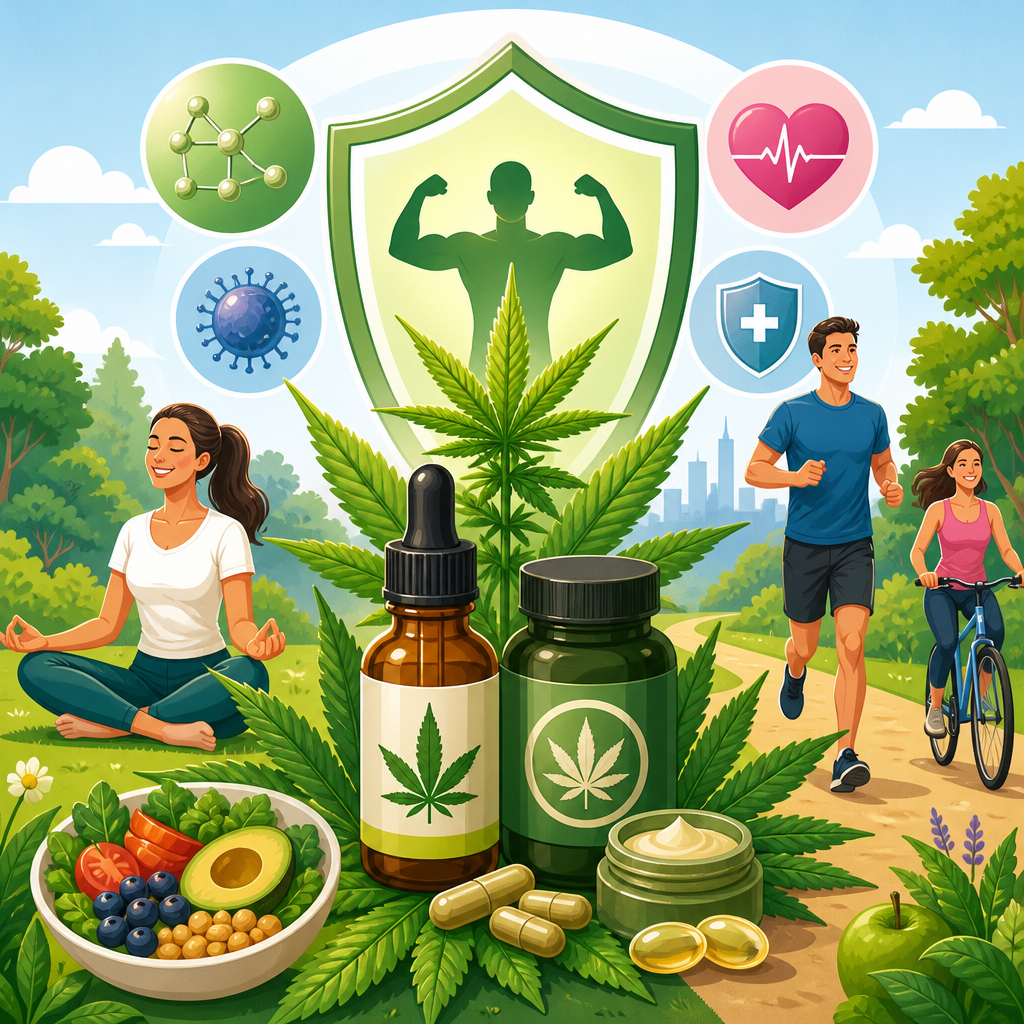
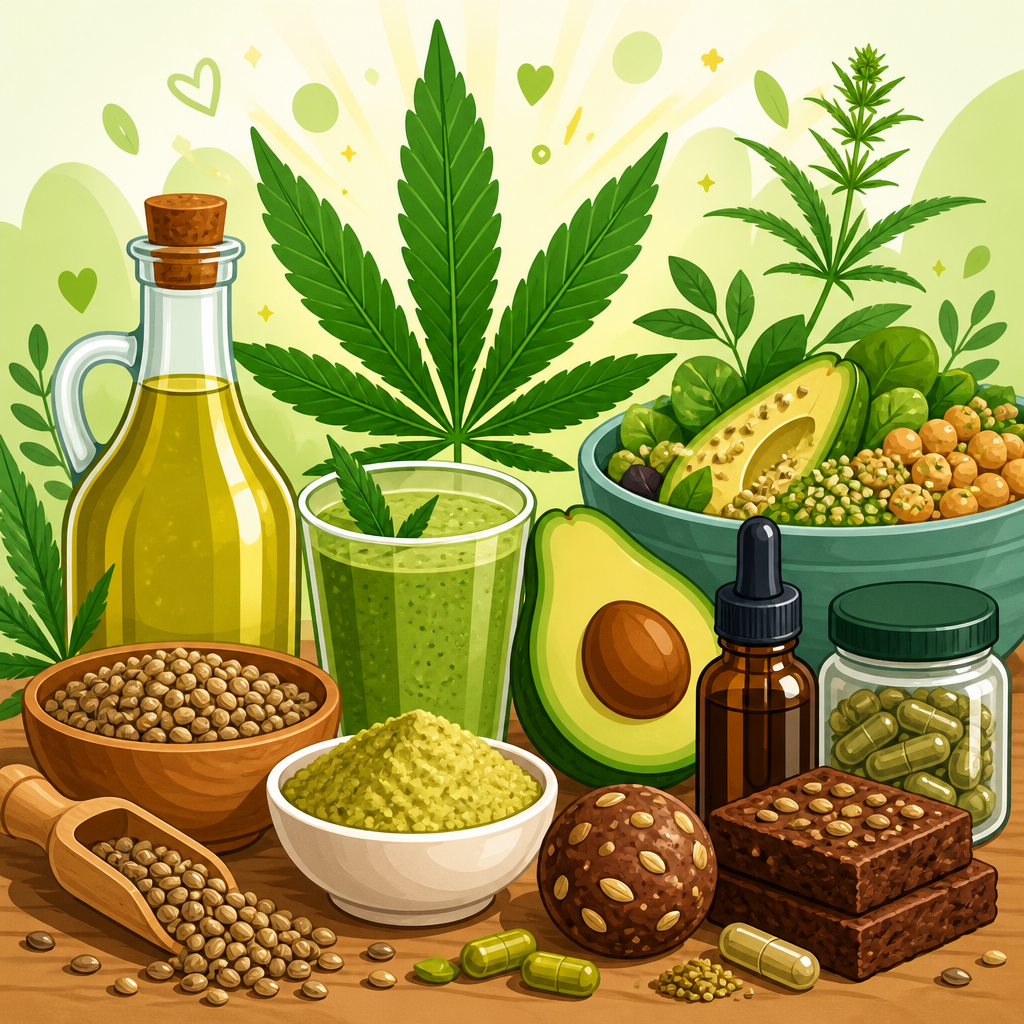
CBD and hemp-based supplements have moved from fringe wellness products to mainstream staples because they combine nutrient density, plant bioactives, and versatile delivery formats in ways few supplement categories can match. In practical terms, hemp refers to legally defined low-THC varieties of Cannabis sativa, while CBD, short for cannabidiol, is one of the plant’s most studied non-intoxicating cannabinoids. Hemp foods usually include seeds, hearts, protein powder, and seed oil, whereas hemp-based supplements extend into CBD oils, capsules, gummies, topicals, and blended formulas with botanicals, adaptogens, or sleep-support nutrients. This distinction matters because many consumers incorrectly assume all hemp products contain meaningful CBD, when hemp seed foods generally provide little to none unless cannabinoids are specifically added.
I have worked with supplement content teams and product audits long enough to see the same confusion repeatedly: people buy hemp granola or hemp oil expecting the calming effects associated with CBD, then conclude the category does not work. The reality is simpler. Hemp foods are valuable primarily for protein, essential fatty acids, magnesium, iron, and fiber, while CBD supplements are chosen for their cannabinoid content and targeted wellness role. Understanding that split helps shoppers select the right product for the right outcome, whether the goal is nutritional support, recovery, stress management, or convenience.
The reason this category deserves a hub article is that CBD and hemp-based supplements sit at the intersection of nutrition, regulatory nuance, and fast-changing consumer demand. Hemp seeds are among the rare plant foods that deliver complete protein, and their fat profile naturally includes omega-6 linoleic acid and omega-3 alpha-linolenic acid. CBD, by contrast, is discussed in relation to the endocannabinoid system, a broad signaling network involved in balance across sleep, mood, appetite, discomfort, and immune response. Consumers searching for the best foods rich in CBD and hemp-based supplements need direct answers: which products actually contain cannabinoids, which foods deliver the strongest nutritional value, how do formats differ, and why should these products be part of a modern supplement routine?
What Counts as a CBD or Hemp-Based Supplement?
CBD and hemp-based supplements fall into two broad groups: hemp-derived nutritional foods and cannabinoid-focused formulations. Hemp hearts, hulled hemp seeds, whole hemp seeds, hemp protein, and hemp seed oil are fundamentally foods. They contribute macronutrients and micronutrients, making them suitable for smoothies, cereals, baking, and sports nutrition. CBD oils, tinctures, softgels, gummies, beverages, and powders are supplement formats designed around measured cannabidiol content, often labeled in milligrams per serving. Some products are full-spectrum, meaning they include multiple cannabinoids and terpenes with trace THC within legal limits; some are broad-spectrum, removing THC while retaining other plant compounds; and some are CBD isolate, containing purified cannabidiol only.
This category also includes emerging combinations such as CBD plus melatonin for sleep, CBD plus magnesium for evening recovery, and hemp protein blends fortified with digestive enzymes or probiotics. In reviewing labels, I treat three details as non-negotiable: the form of hemp used, the amount of active ingredients per serving, and third-party testing. A hemp seed snack can be excellent nutritionally but still not function as a cannabinoid supplement. Likewise, a CBD gummy may contain the promised milligrams yet add enough sugar to make daily use less attractive. Clarity at the label level separates useful products from marketing noise.
Top Foods Rich in Hemp Nutrients and Where CBD Fits
If the goal is to identify top foods rich in CBD and hemp-based supplements, the first correction is factual: natural whole foods rich in CBD are limited, because cannabidiol is not meaningfully present in common culinary hemp ingredients unless extracted cannabinoids have been added. The most valuable everyday hemp foods are rich in hemp nutrients rather than naturally high CBD levels. Hemp hearts lead the list because they are easy to use and exceptionally balanced. A three-tablespoon serving commonly supplies around 10 grams of protein and substantial polyunsaturated fats, making them ideal for oatmeal, yogurt, salads, and homemade energy bites.
Whole hemp seeds offer similar nutrition with more fiber because the outer shell remains intact. Hemp protein powder is particularly useful for people who want a plant-based complete protein with a less processed profile than some isolates. Hemp seed oil deserves attention for cold applications such as dressings and finishing oils, since heat can degrade delicate fatty acids. Fortified functional foods come next: CBD sparkling waters, CBD-infused honey sticks, cannabinoid beverage powders, and snack bars with added hemp extract. These products can be convenient, but they vary widely in stability, absorption, and dosing accuracy.
| Product | Main Benefit | Typical Use | Contains Meaningful CBD Naturally? |
|---|---|---|---|
| Hemp hearts | Complete protein and essential fats | Oatmeal, yogurt, smoothies | No |
| Whole hemp seeds | Protein, fats, extra fiber | Baking, cereals, salads | No |
| Hemp protein powder | Plant protein for recovery | Shakes, meal prep | No |
| Hemp seed oil | Omega fatty acids | Dressings, cold finishing | No |
| CBD oil or tincture | Measured cannabidiol intake | Direct use or added to food | Yes |
| CBD gummies or capsules | Convenient dosing | Daily supplement routine | Yes |
Why Hemp Foods Matter Nutritionally
Hemp foods earn their place in the supplements and nutraceuticals conversation because their nutrition profile is unusually practical. Hemp seed protein contains all nine essential amino acids, which is why many sports dietitians and plant-based formulators consider it a strong support ingredient, even though digestibility is somewhat lower than whey isolate. The fats in hemp are equally important. Many products provide a favorable balance of omega-6 to omega-3 fatty acids, though exact ratios vary by source and processing. They also contribute gamma-linolenic acid, a less common omega-6 fat that appears in evening primrose and borage oils and attracts interest for skin and inflammatory balance.
Micronutrients strengthen the case. Hemp seeds can provide magnesium, phosphorus, manganese, iron, and zinc, nutrients frequently under-consumed in modern diets. In product development work, hemp ingredients often solve two problems at once: they raise protein content and improve label appeal because consumers recognize them as minimally processed and plant forward. For vegan households, athletes wanting variety beyond pea protein, and busy adults trying to make breakfast more substantial, hemp foods are a simple upgrade with measurable nutritional payoff.
Why CBD Supplements Are Used and What the Evidence Suggests
People use CBD supplements for several reasons, but the most common are stress support, sleep routines, physical recovery, and general balance. Mechanistically, CBD does not work like THC and does not create intoxication. It interacts indirectly with signaling pathways linked to the endocannabinoid system and may also influence serotonin receptors, TRPV channels, and other targets discussed in cannabinoid science. That complexity explains both its broad appeal and the need for realistic expectations. CBD is not a cure-all, and effects can vary based on dose, body size, product format, timing, and individual physiology.
The strongest clinical evidence around purified cannabidiol exists in prescription settings for specific seizure disorders, but consumer wellness use focuses on lower-dose over-the-counter products. In practice, many adults report that CBD helps smooth evening stress, supports wind-down rituals, or reduces the “wired but tired” pattern that disrupts sleep onset. Others prefer it after training, travel, or physically demanding work. The most responsible conclusion is that CBD shows promise for targeted wellness support, especially when products are consistently dosed and independently tested, but buyers should avoid exaggerated claims and view it as one tool within a broader health plan.
How to Choose the Best CBD and Hemp-Based Supplements
The best CBD and hemp-based supplements are defined less by branding than by transparency and fit. Start with the supplement facts panel and the certificate of analysis from an accredited third-party lab. Reputable brands test for cannabinoid potency, pesticides, heavy metals, residual solvents, and microbial contamination. Then assess format. Oils allow flexible titration and often act faster than capsules because users can hold them under the tongue before swallowing. Capsules and softgels are cleaner and more consistent for routine use. Gummies improve compliance but may include sweeteners or lower effective doses. Powders and beverages work for people who already use shakes or hydration products.
Next, decide whether full-spectrum, broad-spectrum, or isolate makes sense. Full-spectrum formulas may produce a broader effect profile for some users because they include additional cannabinoids and terpenes, but they also carry trace THC that may matter for highly sensitive users or workplace testing concerns. Broad-spectrum options reduce that issue. Isolate suits consumers who want CBD only, though some find it less nuanced in effect. For hemp foods, freshness matters more than branding. Buy hemp seeds in packaging that protects from light and oxygen, store them cool, and pay attention to rancidity because polyunsaturated fats are delicate.
Common Mistakes, Safety Considerations, and Smart Use
The biggest mistake in this category is confusing hemp seed nutrition with CBD supplementation. The second is ignoring serving size. A bottle may advertise 1,500 milligrams of CBD, but what matters is the amount per serving and how many servings the container holds. Another common error is taking too much too quickly. Most people do better with a low starting dose, several days of observation, and gradual adjustment. Keeping a simple log for timing, amount, and response makes patterns visible and prevents inconsistent use from being mistaken for product failure.
Safety deserves direct discussion. CBD can interact with medications metabolized through certain liver enzyme pathways, including some anticoagulants, antiseizure drugs, and antidepressants, so anyone on regular medication should consult a qualified healthcare professional. Pregnant or breastfeeding individuals should be especially cautious. Quality also matters because the hemp category has had issues with mislabeling. That is why third-party testing is not optional. For hemp foods, allergy concerns are uncommon but still possible, and calorie density should be considered when adding seeds and oils liberally. Used thoughtfully, though, hemp foods and CBD supplements can fit into daily routines without complexity.
Building a Practical Routine With Hemp Foods and CBD
The most effective approach is to treat hemp foods and CBD supplements as complementary, not interchangeable. Hemp hearts at breakfast, a hemp protein shake after exercise, and hemp seed oil in a lunch dressing can raise nutrient quality across the day. CBD, if appropriate, is usually added more intentionally: perhaps a measured oil serving in the evening, a capsule during high-stress periods, or a gummy before a long flight. This separation of roles keeps expectations realistic and helps users notice which component is delivering which benefit.
For content planning within a broader supplements and nutraceuticals library, this hub naturally connects to deeper topics such as full-spectrum versus isolate, CBD dosage basics, hemp protein for athletes, hemp seed oil benefits, reading third-party lab reports, and legal considerations by market. That is exactly why this subtopic matters. It is not one product but a family of foods and supplements with different use cases, evidence levels, and shopping criteria. Consumers who understand those distinctions spend more wisely and get better outcomes from the products they choose.
Top foods rich in CBD and hemp-based supplements deserve attention because they solve two modern needs at once: better nutrition and more targeted wellness support. Hemp foods bring complete plant protein, beneficial fats, minerals, and culinary flexibility. CBD supplements bring measured cannabinoid intake for people seeking structured support around stress, recovery, or evening routines. The key lesson is straightforward but essential: hemp seeds, hemp protein, and hemp oil nourish the body, while CBD oils, capsules, and gummies deliver cannabidiol in defined amounts. Knowing which category you are buying prevents disappointment and leads to smarter results.
When I review this market, the strongest products consistently share the same traits: clear labeling, realistic positioning, independent testing, and formulations that match a specific need instead of promising everything. That is the standard shoppers should expect. Use hemp hearts and protein as dependable nutritional staples. Use CBD selectively, start low, and track response. Prioritize brands that publish current lab reports and explain whether a product is full-spectrum, broad-spectrum, or isolate. If you are building out a supplement routine under the wider nutraceuticals umbrella, this is the right place to start because it gives you the framework for every related decision.
The benefit of learning this category well is confidence. Instead of chasing trends, you can choose hemp foods for nourishment and CBD supplements for purpose, then integrate both in ways that fit your diet, schedule, and health goals. Explore the connected guides in this subtopic, compare formats carefully, and make your next hemp or CBD purchase with evidence in mind.
Frequently Asked Questions
What is the difference between hemp foods and CBD supplements?
Hemp foods and CBD supplements come from the same plant family, but they are used for different nutritional purposes. Hemp foods usually include hemp seeds, hemp hearts, hemp protein powder, and hemp seed oil. These products are valued primarily for their nutrient content, including plant-based protein, healthy fats, fiber, vitamin E, and minerals such as magnesium, iron, and zinc. Hemp seeds are especially well known for providing omega-3 and omega-6 fatty acids in a naturally balanced ratio, making them a popular addition to smoothies, oatmeal, salads, and baked goods.
CBD supplements, on the other hand, are formulated to provide cannabidiol, one of the best-known non-intoxicating compounds found in hemp. Unlike hemp seed ingredients, CBD is typically extracted from the flowers, leaves, and aerial parts of the hemp plant rather than the seeds. That distinction matters because hemp seeds contain excellent nutrition but naturally contain little to no CBD. If you are eating hemp hearts for protein and healthy fats, you are not getting the same targeted cannabinoid profile you would get from a CBD oil, gummy, capsule, tincture, or topical product.
In simple terms, hemp foods support everyday nutrition, while CBD supplements are usually chosen for specific wellness routines involving recovery, balance, or stress support. Many people use both together because they complement each other well. Hemp foods can improve dietary quality, while CBD products offer a more concentrated and intentional way to include hemp-derived plant compounds in a daily regimen.
What are the top foods rich in hemp nutrients, and why are they considered so beneficial?
Some of the most valuable hemp-based foods are hemp seeds, hemp hearts, hemp protein powder, and hemp seed oil. Hemp seeds are the whole seed with the outer shell intact, while hemp hearts are the soft inner portion with the shell removed. Both are highly regarded because they deliver a dense mix of protein, beneficial fats, and micronutrients in a compact serving. Hemp hearts are especially popular because they are mild in flavor, easy to digest, and simple to sprinkle over yogurt, grain bowls, soups, or roasted vegetables.
Hemp protein powder is another standout because it offers a practical plant-based protein option for people who want to support muscle maintenance, satiety, or post-workout recovery. It is often less processed than some other protein powders and may retain fiber and additional phytonutrients depending on the brand. For people following vegetarian, vegan, or dairy-free diets, hemp protein can be a useful alternative that also contributes iron and magnesium.
Hemp seed oil is prized for its fatty acid profile. It contains essential fats that the body cannot make on its own, particularly linoleic acid and alpha-linolenic acid. These fats play an important role in overall wellness, including support for cell structure, skin health, and a healthy inflammatory response. Unlike CBD oil, hemp seed oil is mainly a culinary and nutritional ingredient. It is best used in dressings, dips, and low-heat applications rather than high-temperature frying.
What makes these foods so beneficial is their versatility and nutrient density. Few single ingredients can contribute protein, good fats, and important minerals at the same time while fitting into so many eating styles. That is a major reason hemp foods have moved into the mainstream and are now common in everything from snack bars to smoothie blends.
Do hemp foods or CBD products cause a high?
No, hemp foods and most reputable hemp-derived CBD products are not intended to cause a high. This is one of the most common points of confusion, and it helps to separate hemp from marijuana in practical terms. Legally defined hemp contains only trace amounts of THC, the psychoactive cannabinoid associated with intoxication. CBD itself is non-intoxicating, which is why it has become so popular among people who want plant-based wellness support without the mind-altering effects linked to high-THC cannabis products.
Hemp foods such as hemp hearts, seeds, protein powder, and hemp seed oil do not function like psychoactive cannabis products. They are consumed as foods and are best understood as nutritional ingredients. In normal use, they do not produce a high. Similarly, broad-spectrum CBD and CBD isolate products are formulated specifically to minimize or eliminate THC exposure, depending on the type of extract used. Full-spectrum CBD may contain trace legal amounts of THC, but not at levels designed to create intoxication when taken as directed.
That said, product quality matters. Consumers should buy from brands that provide third-party lab testing, often called a certificate of analysis, to confirm cannabinoid content and verify that THC levels stay within legal limits. This is especially important for anyone who is sensitive to cannabinoids, takes multiple supplements, or is subject to workplace drug testing. In short, hemp foods are nutritional, CBD is non-intoxicating, and careful label reading is the best way to ensure you are getting the type of product you expect.
Why do so many people add CBD and hemp-based supplements to their daily routine?
People are drawn to CBD and hemp-based supplements because they offer a combination of convenience, plant-based nutrition, and targeted wellness support. Hemp foods fit naturally into meals and snacks, helping people increase protein intake, diversify fat sources, and add more minerals to their diet without making major changes to how they eat. That ease of use is a big reason hemp ingredients appeal to busy consumers who want functional foods rather than complicated health routines.
CBD supplements add another layer of appeal because they come in flexible delivery formats such as tinctures, capsules, gummies, beverages, and softgels. This gives consumers the ability to choose what works best for their schedule and preferences. Some people want a precise capsule, others prefer the customizable serving size of a tincture, and some simply like the convenience of a gummy. That versatility has helped CBD move far beyond niche wellness circles and into everyday supplement habits.
Another reason for the growing interest is that consumers are increasingly looking for products that align with broader health goals such as stress management, recovery support, sleep routines, and plant-forward living. Hemp and CBD occupy a unique position because they can be both practical and aspirational. Hemp foods are nutritionally credible, and CBD has attracted strong public interest because it is one of the most studied cannabinoids in the hemp plant. Together, they create a category that feels modern, multifunctional, and easy to personalize.
For many users, the appeal is not about chasing trends. It is about having access to products that can support nutrition and wellness in ways that are simple, adaptable, and grounded in ingredients they recognize. That balance of science, convenience, and everyday usability is exactly why so many people now consider hemp and CBD staples rather than specialty products.
How can you choose high-quality hemp and CBD products safely and effectively?
Choosing high-quality hemp and CBD products starts with understanding the label and knowing what the product is supposed to do. If you want nutrition, look for hemp foods such as hemp hearts, seeds, protein powder, or hemp seed oil with minimal additives and clear sourcing information. If you want cannabidiol specifically, make sure the product states the amount of CBD per serving, the type of extract used, and the total contents of the bottle or package. Vague labeling is usually a red flag.
Third-party testing is one of the most important quality markers. Reputable brands provide independent laboratory reports showing cannabinoid potency and screening for contaminants such as heavy metals, pesticides, residual solvents, and microbial impurities. This matters because hemp is a bioaccumulator, meaning it can absorb substances from the soil. A clean and accurately labeled product is essential for both safety and consistency.
It is also wise to consider the form of the product and how it fits your needs. For example, hemp hearts are ideal for meals, hemp protein works well in shakes, and hemp seed oil is best for dressings or finishing dishes. With CBD, tinctures offer flexible dosing, capsules provide convenience, and gummies may be the most approachable for beginners. Start with the manufacturer’s suggested serving size and give your body time to respond before increasing use.
Finally, talk with a healthcare professional if you are pregnant, nursing, managing a medical condition, or taking prescription medications. CBD can interact with certain drugs, and personalized guidance is important if you have specific health concerns. The best hemp and CBD products are not just trendy or well packaged; they are transparent, tested, appropriately formulated, and easy to use consistently as part of a thoughtful wellness plan.