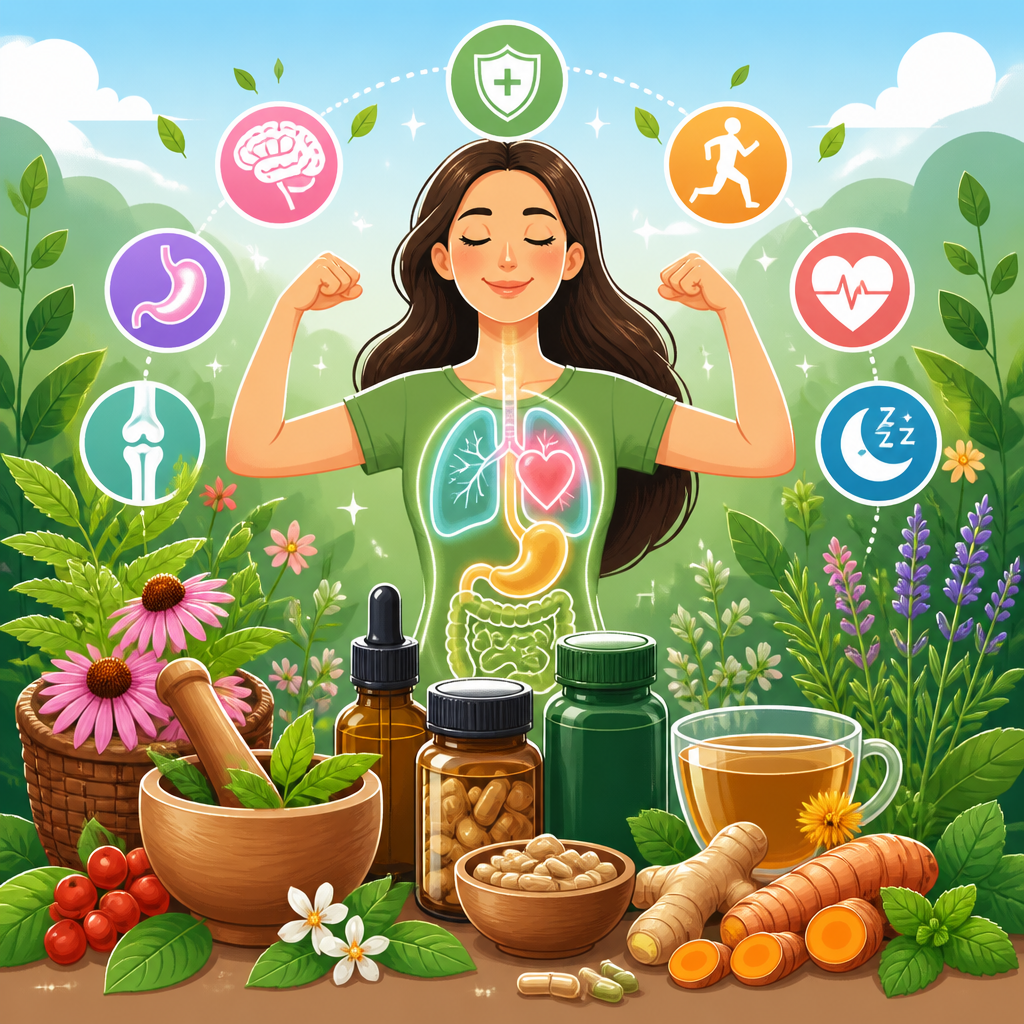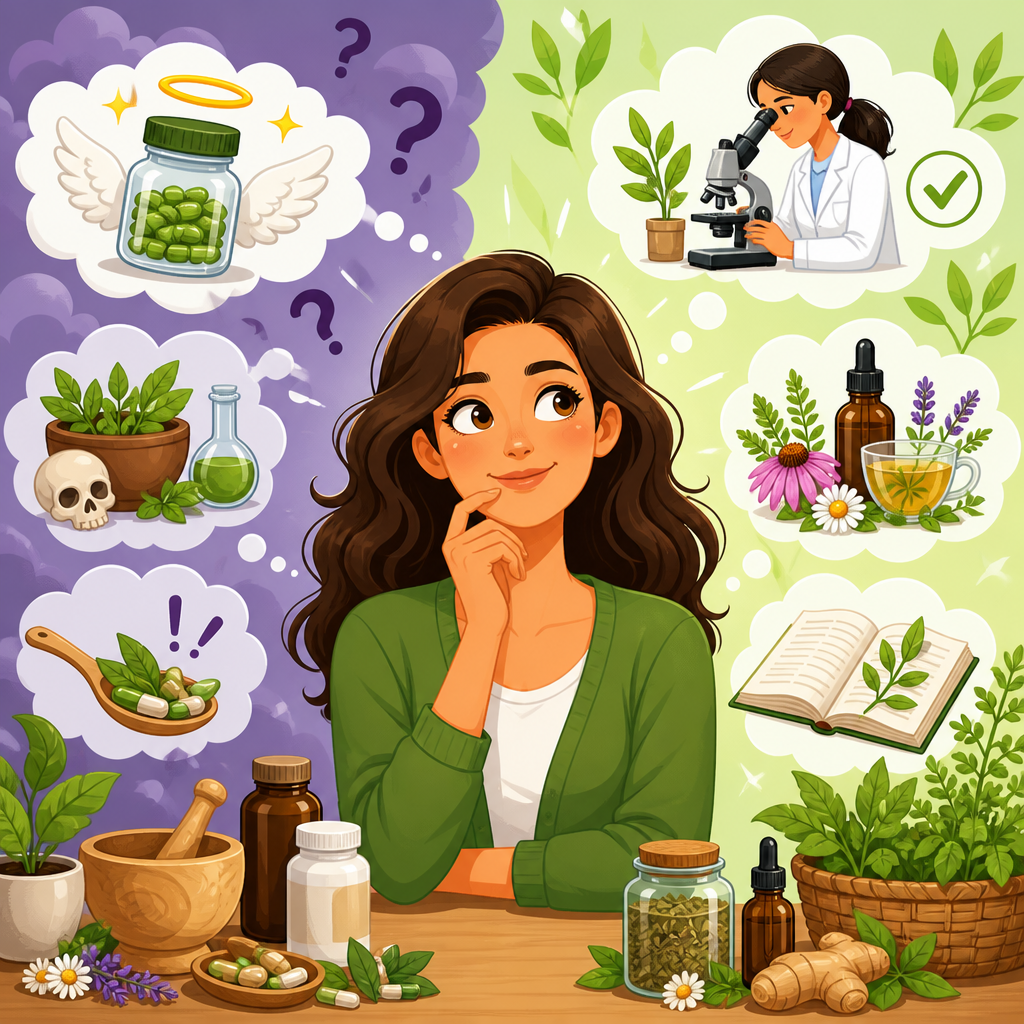
Herbal supplements and natural remedies sit at the intersection of traditional healing, modern consumer wellness, and regulated healthcare, which is exactly why myths about them spread so easily. In practice, I have seen people treat “natural” as a synonym for safe, effective, gentle, and universally appropriate, even though none of those assumptions is automatically true. Herbal supplements are products made from plant materials such as roots, leaves, seeds, flowers, bark, or extracts, while natural remedies is a broader term that can include herbs, minerals, foods, probiotics, and nonprescription approaches used to support health. The distinction matters because not every natural remedy is an herbal supplement, and not every herb is taken as a supplement.
This topic matters because use is widespread. Surveys from the U.S. National Center for Health Statistics have shown that many adults use dietary supplements regularly, and herbal product sales have climbed for years across categories such as elderberry, ashwagandha, turmeric, and mushroom blends. At the same time, the U.S. Food and Drug Administration regulates dietary supplements differently from prescription drugs. Manufacturers are responsible for product safety and labeling, but supplements are not approved for effectiveness before sale in the same way medications are. That gap between consumer expectations and regulatory reality is where misinformation thrives.
As a hub within supplements and nutraceuticals, this article addresses the questions readers most often ask before buying or using herbal products: Are they safe? Do they work? Are traditional remedies supported by research? Can herbs replace medicine? How do you judge quality? The answers require nuance. Some herbs have solid evidence for limited uses. Others are promising but under-researched. Some carry real risks, especially when combined with anticoagulants, sedatives, antidepressants, diabetes drugs, or immunosuppressants. Debunking common myths helps people use herbal supplements more intelligently, avoid preventable harm, and focus on products with a clearer benefit-risk profile.
Myth 1: Natural Means Safe
The most persistent myth about herbal supplements and natural remedies is that natural means safe. It does not. Hemlock, deadly nightshade, and certain mushrooms are natural. Aristolochia, once used in traditional remedies, was linked to kidney failure and cancers because of aristolochic acids. Kava has been associated with rare but serious liver injury. Comfrey contains pyrrolizidine alkaloids that can damage the liver. Even familiar herbs can create problems at the wrong dose, in contaminated form, or in vulnerable groups such as pregnant people, children, older adults, and people with chronic illness.
Safety depends on identity, dose, preparation, timing, and the person taking it. A tea made from a culinary herb is not equivalent to a concentrated standardized extract in capsules. One turmeric dish is not the same as high-dose curcumin with piperine designed to boost absorption. I routinely advise people to think like toxicologists: the dose and context determine the risk. Allergic reactions, gastrointestinal upset, bleeding risk, sedation, photosensitivity, and liver injury are all documented adverse effects across different herbal categories.
Natural products can also be unsafe because of quality failures rather than the herb itself. Independent testing has found some supplements contaminated with heavy metals, pesticides, microbes, or undeclared pharmaceuticals. Products sold for sexual enhancement, weight loss, or bodybuilding have been especially problematic in enforcement actions. A safer approach is to choose brands that use third-party verification, follow current Good Manufacturing Practices, and provide transparent labeling with the Latin botanical name, plant part, extract ratio, and serving size.
Myth 2: If a Remedy Has Been Used for Centuries, It Must Work
Traditional use is important, but it is not proof of effectiveness. A remedy may persist because it offers real benefit, because alternatives were limited, because symptoms improve on their own, or because cultural trust reinforces continued use. Historical use can point researchers toward useful therapies, but it cannot replace controlled evidence. Willow bark is a good example of tradition eventually aligning with modern pharmacology; salicin helped inspire aspirin research. On the other hand, many legacy remedies have failed under rigorous study or showed benefits too small or inconsistent to justify confident claims.
What matters is whether a specific preparation, at a defined dose, improves a defined outcome better than placebo or standard care. Echinacea illustrates the challenge. Some trials suggest modest benefit for certain cold-related outcomes, while others show little effect, partly because species, extraction methods, and formulas vary. St. John’s wort has evidence for mild to moderate depression in some studies, yet product variation and significant drug interactions limit simple recommendations. Centuries of use can justify interest, not certainty.
When evaluating natural remedies, ask precise questions. Which species was studied? Which part of the plant? Was the extract standardized to a marker compound? Was the trial long enough? Did it measure symptom relief, lab changes, or hard clinical outcomes? Those details separate folklore from dependable guidance. The strongest herbal recommendations usually come from a combination of traditional use, plausible mechanism, quality-controlled products, and reproducible human trials.
Myth 3: Herbal Supplements Are Regulated and Tested Like Prescription Drugs
Herbal supplements are not regulated the same way as prescription medicines, and misunderstanding this leads to misplaced confidence. In the United States, dietary supplements fall under the Dietary Supplement Health and Education Act of 1994. Companies can market products without proving effectiveness to the FDA before launch, provided they do not claim to diagnose, treat, cure, or prevent disease in the way drugs do. They may use structure-function claims such as “supports immune health,” but those claims do not mean the product has undergone drug-level review.
This does not mean all supplements are poor quality. Many reputable manufacturers invest heavily in identity testing, stability testing, contaminant screening, and standardized extraction. But consumers must be more selective than they would be with a prescription drug. I look for third-party seals from organizations such as USP, NSF, or ConsumerLab where applicable, lot numbers that support traceability, and labels that name the botanical species clearly, such as Withania somnifera rather than just “ashwagandha.” Ambiguous labels are a red flag.
The quality gap between brands can be substantial, which is why the same herb may work for one person and fail for another. One product may contain the expected active profile, while another may be underdosed, substituted, or degraded by poor storage. The practical takeaway is simple: evaluate the manufacturer as carefully as the ingredient. For a subtopic hub on herbal supplements and natural remedies, quality control is not a side issue; it is central to safety and effectiveness.
Myth 4: More Is Better
Many people assume that if a little is helpful, a larger dose will be more effective. With herbs, that logic is unreliable and often dangerous. Some compounds have a narrow therapeutic window, where benefits plateau while side effects rise. Others produce biphasic effects, meaning low and high doses act differently. Caffeine-containing botanicals can shift from alertness to palpitations and anxiety. Sedating herbs can move from mild relaxation to excessive drowsiness or impaired coordination, especially when combined with alcohol or sleep medicines.
Standardization complicates dosing further. A capsule containing 500 milligrams of one extract may be stronger than 1,500 milligrams of another if the first is concentrated and standardized. This is why evidence-based dosing relies on the studied preparation, not just the herb name. In my experience, problems often start when users stack multiple products with similar actions: valerian plus melatonin plus magnesium plus a calming blend, or turmeric plus fish oil plus garlic before surgery. The person sees only natural labels, but the body experiences additive pharmacology.
| Herbal product | Common use | Key concern | Practical caution |
|---|---|---|---|
| St. John’s wort | Mood support | Induces drug-metabolizing enzymes | Can reduce effectiveness of oral contraceptives, transplant drugs, and many prescriptions |
| Ginkgo biloba | Memory or circulation claims | Bleeding risk | Use caution with anticoagulants, antiplatelets, and before procedures |
| Kava | Stress relief | Liver toxicity and sedation | Avoid with liver disease, alcohol misuse, or sedative drugs |
| Licorice root | Digestive support | Can raise blood pressure and lower potassium | Avoid chronic high intake, especially with hypertension or heart disease |
Good dosing starts low, follows the studied range, and respects duration limits. If a product lacks clear dosing rationale or combines many botanicals without explaining the purpose of each, skepticism is warranted. More is not better; appropriate is better.
Myth 5: Herbs Do Not Interact With Medications
This myth causes some of the most serious avoidable harms. Herbal supplements can interact with medications through pharmacokinetic and pharmacodynamic mechanisms. Pharmacokinetic interactions change absorption, metabolism, or elimination. Pharmacodynamic interactions amplify or oppose a drug’s effect. St. John’s wort is the classic example because it induces CYP3A4 and P-glycoprotein, lowering blood levels of numerous medicines, including certain antidepressants, antiretrovirals, immunosuppressants, anticoagulants, and oral contraceptives. The consequence is not theoretical; treatment failure can occur.
Other interactions are easier to understand in plain terms. Ginkgo, garlic, ginger, and high-dose turmeric may increase bleeding tendency when layered with warfarin, apixaban, rivaroxaban, clopidogrel, or even frequent NSAID use. Sedating herbs such as kava or valerian may intensify drowsiness when paired with benzodiazepines, sleep drugs, antihistamines, or alcohol. Licorice can worsen hypertension and interfere with potassium balance. Grapefruit is not an herb, but it remains a useful reminder that natural compounds can alter drug metabolism significantly.
The safest habit is full disclosure. Bring every supplement bottle, tea blend, powder, and tincture to medical appointments, especially before surgery, during cancer treatment, in pregnancy, or when starting new prescriptions. Interaction checkers from major health systems and pharmacists are useful, but they are only as good as the product information entered. Precise brand and dosage details matter.
Myth 6: Herbal Remedies Can Replace Medical Care
Herbal supplements can support health, relieve mild symptoms, or complement conventional treatment, but they are not automatic substitutes for diagnosis or medical management. I have seen delays in care matter more than the supplement choice itself: chest pain treated with hawthorn tea, prolonged heavy bleeding managed with internet remedies, depression self-treated without screening for bipolar disorder, or uncontrolled diabetes masked by “blood sugar support” blends. The danger is not only inefficacy. It is the lost time during which a treatable condition worsens.
There is a legitimate role for complementary use. Peppermint oil may help some people with irritable bowel syndrome. Ginger can reduce nausea in specific settings. Psyllium, though not an herb in the narrow sense, is a natural therapy with strong evidence for bowel regularity and modest cholesterol improvement. But these examples work best when the diagnosis is reasonably clear and red-flag symptoms have been excluded. Herbal care should fit into a broader plan, not replace it blindly.
A practical rule is that severe pain, unexplained weight loss, persistent fever, blood in stool or urine, fainting, progressive neurologic symptoms, or rapidly worsening mood symptoms require medical evaluation first. Natural remedies are tools, not comprehensive healthcare systems in a bottle.
Myth 7: If a Study Exists, the Evidence Is Strong
Single studies often drive headlines, but evidence quality depends on replication, sample size, methodology, and relevance to the product being sold. A petri dish experiment showing anti-inflammatory or antimicrobial effects may be scientifically interesting yet clinically weak. Many herbs look impressive in cell or animal studies because the compounds are tested at concentrations humans do not realistically reach. Human trials carry more weight, and systematic reviews or meta-analyses that assess bias carry more weight still.
Even then, details matter. Was the trial randomized and placebo-controlled? Did it use a validated symptom scale? Was adherence measured? Was the sponsor involved in product manufacturing? Were adverse events reported thoroughly? Ashwagandha is a useful case study. Several trials suggest benefits for stress-related outcomes and sleep, but many studies are small, short, and use proprietary extracts, making broad generalizations difficult. Promising does not mean proven for every person, dose, and product.
The smartest reading strategy is to separate mechanism, preliminary evidence, and established clinical use. Mechanism explains why an herb might work. Preliminary evidence suggests it may work. Established use means multiple quality studies show a meaningful effect with an acceptable safety profile. Consumers make better decisions when they know which level of evidence they are looking at.
Choosing Herbal Supplements and Natural Remedies Wisely
Consumers do not need to reject herbal supplements and natural remedies; they need a disciplined way to evaluate them. Start with the goal. Are you trying to improve a symptom, correct a deficiency-related issue, support recovery, or reduce disease risk? Then match that goal to evidence, not marketing. Favor products with a single clear purpose rather than broad claims that promise energy, detox, immunity, metabolism, mood, and hormone balance all at once.
Next, assess product quality. Look for the common and Latin names, standardized extract information, serving size, other ingredients, expiration date, and manufacturer contact details. Reputable companies often provide certificates of analysis, allergen statements, and sourcing information. Avoid products that hide behind proprietary blends with undisclosed amounts. Finally, involve qualified professionals when the stakes are higher, especially pharmacists, physicians, or registered dietitians familiar with supplement interactions. Good herbal use is informed, targeted, and transparent.
Herbal supplements and natural remedies deserve neither blind trust nor blanket dismissal. The myths surrounding them usually fail for the same reason: they ignore context. Natural does not guarantee safety, traditional use does not guarantee effectiveness, and a label on the shelf does not guarantee pharmaceutical-grade quality. Some herbs have meaningful evidence for limited uses, some are mainly supported by early research, and some create more risk than benefit depending on the person, product, and dose.
The clearest takeaway is that smart use depends on three habits: verify the evidence, verify the manufacturer, and verify compatibility with your health conditions and medications. That approach protects you from the most common errors, including overdosing, buying low-quality products, and delaying necessary care. It also helps you identify the natural remedies that are genuinely worth considering as part of a larger wellness or treatment plan.
As the hub page for herbal supplements and natural remedies within supplements and nutraceuticals, this guide gives you the framework to evaluate future articles and product claims with more confidence. Use it as your starting point, ask better questions before you buy, and review any new supplement with a qualified healthcare professional before making it part of your routine.
Frequently Asked Questions
Are herbal supplements automatically safe because they are natural?
No. One of the most persistent myths is that “natural” means harmless, but that is simply not how safety works. Many natural substances have powerful biological effects, which is exactly why some herbs are used for wellness purposes in the first place. A plant-based product can affect blood pressure, blood sugar, heart rhythm, hormone activity, blood clotting, liver function, or sleep patterns just as meaningfully as a conventional medication. In some cases, an herb may be well tolerated for one person and risky for another depending on age, medical history, pregnancy status, allergies, dosage, and what else they are taking.
Safety also depends on product quality and how the supplement is used. Herbal supplements can vary in potency, purity, concentration, and contamination risk. Some products may contain more or less of the active compounds than the label suggests, while others may be contaminated with heavy metals, pesticides, or undeclared ingredients. Even when an herb itself has a legitimate traditional or evidence-supported use, the wrong dose, poor manufacturing standards, or combining it with other substances can create real problems. The bottom line is that “natural” describes the source, not the safety profile.
If a remedy has been used for centuries, does that prove it works?
Not necessarily. Historical use can be meaningful, but it is not the same as scientific proof. Longstanding traditional use may suggest that a plant has perceived benefits or cultural importance, and in some cases modern research later confirms that a traditional remedy contains active compounds with real effects. However, tradition alone cannot tell us how well it works, what dose is appropriate, who should avoid it, how it compares with other treatments, or whether reported benefits were influenced by expectation, ritual, or natural recovery over time.
This is why modern evaluation matters. Researchers look at clinical trials, consistency of results, mechanisms of action, side effects, and interactions. Some herbal remedies hold up reasonably well under study for specific uses, while others show mixed evidence or fail to outperform placebo. Traditional knowledge should not be dismissed, but it should also not be treated as unquestionable proof. The most responsible approach is to respect historical practice while also asking modern questions about quality, effectiveness, dosage, and safety.
Can herbal supplements replace prescription medications or professional medical care?
In some situations, herbal supplements may play a supportive role, but they should not be assumed to be substitutes for prescription treatment or medical evaluation. This myth can become especially dangerous when people use herbs to self-manage conditions such as depression, diabetes, high blood pressure, asthma, infections, thyroid disorders, or heart disease without proper monitoring. A supplement may help with certain symptoms or general wellness goals, but that does not mean it can reliably treat the underlying condition, prevent complications, or provide the same degree of evidence and dosing precision as a prescribed therapy.
There is also a practical concern: delaying diagnosis or stopping medication without guidance can worsen outcomes. Symptoms that seem minor may actually signal a condition that needs prompt care. In addition, some herbs can interfere with how prescription drugs are absorbed or metabolized, making either the drug or the herb less effective or more risky. The safest approach is to view herbal supplements as tools that may complement care in some cases, not as universal replacements. If someone wants to add a natural remedy to an existing treatment plan, it is wise to discuss it with a qualified healthcare professional who can consider the full picture.
Are all herbal supplements gentle and free from side effects?
No. Herbal products can cause side effects ranging from mild digestive upset or headaches to more serious reactions such as allergic responses, sedation, dizziness, bleeding risk, liver stress, or changes in blood pressure. The idea that herbs are always “gentler” than conventional medicine is misleading because any substance that has a beneficial physiological effect can also have unwanted effects. Whether a product feels mild or potent depends on the specific herb, the dose, the formulation, the duration of use, and the person taking it.
It is also important to remember that side effects are not always obvious right away. Some problems emerge only after regular use, use at high doses, or use alongside alcohol, medications, or other supplements. People with chronic medical conditions, older adults, children, and pregnant or breastfeeding individuals may be more vulnerable to adverse effects. Reading labels is not enough, because labels may not fully explain the interaction profile or the quality of the evidence. A more accurate mindset is to treat herbal supplements with the same respect you would give any active health product: useful in some cases, but not automatically gentle or risk-free.
Is it safe to combine multiple herbal supplements and natural remedies on your own?
Not always. Another common myth is that if one natural remedy seems helpful, combining several must be even better. In reality, stacking supplements can make it harder to predict effects, side effects, and interactions. Two or more herbs may amplify the same action, such as sedation, blood thinning, stimulant effects, or blood sugar lowering, which can increase the risk of unwanted outcomes. Combination use can also make it difficult to identify what is helping, what is causing side effects, and whether one ingredient is interfering with another.
There is an additional issue with quality control and labeling. People often combine products from different brands, formulations, and concentrations without realizing they may be duplicating ingredients or taking inconsistent doses. Some teas, tinctures, capsules, powders, and “wellness blends” contain overlapping herbs under different names. For anyone considering multiple supplements, it is much safer to review the full ingredient list, understand the intended purpose of each product, and get guidance from a pharmacist, physician, or another qualified professional familiar with supplement interactions. Natural remedies can be part of a thoughtful health strategy, but they should be used deliberately rather than mixed casually.