Herbal supplements and natural remedies occupy a growing place in modern wellness because many people want targeted support from foods, plants, and traditional preparations before moving to more intensive interventions. In practical terms, herbal supplements are concentrated products made from botanicals such as turmeric, ginger, garlic, echinacea, ashwagandha, ginseng, peppermint, chamomile, elderberry, and milk thistle, while natural remedies include food-based approaches, teas, extracts, oils, and simple household preparations used to relieve symptoms or support normal body functions. I have worked with nutrition-focused content and supplement product research long enough to see the same pattern repeatedly: people are less confused about individual herbs than about where herbs fit into a broader food-first strategy. That distinction matters. A capsule is not automatically better than a meal, and a fresh plant is not always strong enough to match a studied extract.
The phrase top foods rich in herbal supplements and natural remedies can sound awkward, but the intent is clear: which everyday foods naturally contain the same beneficial compounds that make popular herbal supplements valuable, and why should you use them? The answer starts with phytochemicals. These are naturally occurring plant compounds, including polyphenols, flavonoids, terpenes, organosulfur compounds, alkaloids, and carotenoids, that influence taste, aroma, color, and biological activity. Curcumin in turmeric, gingerols in ginger, allicin in garlic, catechins in green tea, and anthocyanins in berries are well-known examples. Some support antioxidant defenses, some interact with inflammatory pathways, some influence digestion, and some may help the body respond to stress. Foods matter because they deliver these compounds alongside fiber, minerals, water, and other cofactors that shape absorption and tolerance. Supplements matter because they can provide standardized amounts when a therapeutic range is hard to reach through diet alone.
This topic deserves a hub article because consumers face three common problems: too many choices, too little context, and uneven quality. A person shopping for a sleep remedy may compare chamomile tea, magnesium, valerian, melatonin, and lavender oil without understanding their different mechanisms. Someone looking for immune support may buy elderberry gummies, echinacea tincture, and zinc lozenges at the same time and still not know when each is appropriate. Others assume natural means risk free, even though herbs can interact with medications, affect liver enzymes, alter blood clotting, or be unsuitable during pregnancy. Building a reliable foundation begins with the foods and culinary herbs that have the strongest tradition, the best fit for daily use, and the clearest rationale. From there, more concentrated herbal supplements can be evaluated logically rather than emotionally.
What follows explains the leading foods connected to herbal supplements and natural remedies, the compounds that make them useful, the health goals they commonly support, and the limits people should respect. Used well, these foods can strengthen digestion, immune resilience, cardiometabolic health, stress response, and recovery. Used carelessly, they can waste money or complicate treatment. The goal is not to replace conventional care. It is to show where food, herbs, and evidence-based natural remedies fit into a smart, safe, and sustainable routine.
Core Foods That Deliver Herbal Compounds
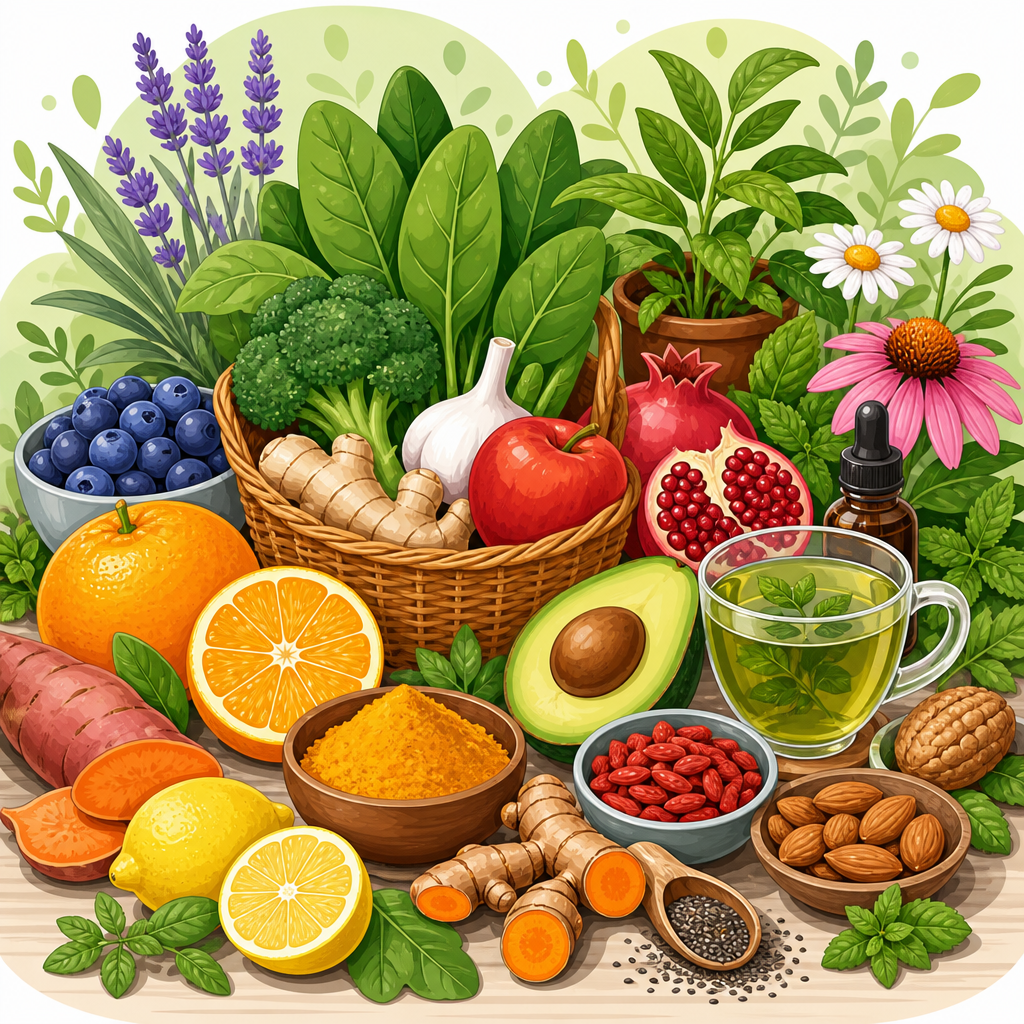
The most practical starting point is the kitchen. Several foods double as traditional remedies because they contain the same active constituents found in popular herbal supplements. Turmeric root and turmeric powder are central examples. Their headline compound, curcumin, has been studied for effects on inflammatory signaling and oxidative stress. In real use, turmeric is most effective when paired with fat and often black pepper, which contains piperine and can improve curcumin bioavailability, although piperine also changes drug metabolism and is not appropriate for every person. Ginger is equally versatile. Fresh ginger, dried ginger, and ginger tea provide gingerols and shogaols, compounds associated with nausea relief, digestive comfort, and support during motion sickness or mild pregnancy-related nausea under clinician guidance.
Garlic deserves special attention because it bridges food and supplement categories better than almost any herb. Crushed raw garlic forms allicin, an organosulfur compound linked with antimicrobial activity and cardiovascular support. Aged garlic extract, a common supplement form, is used when people want a standardized dose with less odor and better stomach tolerance. Peppermint is another example where food use and remedy use overlap. Peppermint tea can ease occasional indigestion, while enteric-coated peppermint oil has clinical use for some patients with irritable bowel syndrome because it acts lower in the digestive tract. Chamomile, cinnamon, rosemary, thyme, oregano, and sage also belong in this conversation. They contribute meaningful polyphenols and volatile oils, and frequent culinary exposure may have cumulative value even when a single serving is not dramatic.
| Food or Herb | Key Active Compounds | Common Wellness Use | Typical Form |
|---|---|---|---|
| Turmeric | Curcuminoids | Inflammation support, joint comfort | Powder, curry, capsules |
| Ginger | Gingerols, shogaols | Nausea relief, digestive support | Fresh root, tea, extract |
| Garlic | Allicin, sulfur compounds | Heart health, antimicrobial support | Fresh cloves, aged extract |
| Green tea | Catechins, EGCG | Antioxidant support, metabolic health | Brewed tea, standardized extract |
| Elderberry | Anthocyanins | Seasonal immune support | Syrup, gummies, lozenges |
Green tea, cocoa, berries, and pomegranate are often left out of herbal discussions because they are seen as foods first, yet they are prime examples of natural remedies with well-characterized phytochemistry. Green tea contains catechins, especially epigallocatechin gallate, commonly abbreviated EGCG, which is associated with antioxidant activity and cardiometabolic benefits. Berries and pomegranate supply anthocyanins and ellagitannins, compounds connected to vascular function and cellular protection. Cocoa provides flavanols that have been studied for endothelial support. In day-to-day counseling, these are the foods I prioritize because adherence is high. People will reliably drink tea, add berries to breakfast, and cook with garlic more often than they will maintain a complicated stack of underdosed capsules.
Why People Use Herbal Supplements and Natural Remedies
The appeal of herbal supplements usually comes down to five goals: symptom relief, prevention, resilience, recovery, and autonomy. Symptom relief is the easiest to understand. Peppermint for bloating, ginger for nausea, chamomile for mild restlessness, and honey with herbal tea for throat comfort are common examples. Prevention is broader and often less dramatic. People use garlic, green tea, berries, and turmeric to support long-term cardiovascular, metabolic, or inflammatory balance. Resilience refers to the body’s ability to handle stressors. Adaptogenic herbs such as ashwagandha, rhodiola, and ginseng are popular here, though their use belongs more to the supplement category than the food category because meaningful doses are rarely reached in regular meals.
Recovery includes post-exercise soreness, occasional digestive upset, and seasonal immune challenges. Tart cherry, ginger, turmeric, and certain polyphenol-rich foods appear often in recovery routines. Autonomy matters more than many professionals acknowledge. People appreciate having safe tools they can use at home for self-care, especially for mild issues that do not require an office visit. That does not make every remedy effective, but it explains why these products continue to gain market share globally. In the United States, dietary supplements are regulated primarily under the Dietary Supplement Health and Education Act, while product quality can vary widely. This is why informed use matters as much as ingredient choice. An effective herb in a poor-quality product can still fail.
There is also a practical reason to prefer food-linked remedies when possible: the risk of overconcentration is lower. A meal containing garlic, ginger, and turmeric usually delivers moderate amounts in a familiar matrix. A supplement may deliver a high dose of an isolated constituent that behaves differently. For example, green tea as a beverage has a different safety profile than highly concentrated green tea extract, which has been associated with rare liver injury in susceptible users. The lesson is not to fear supplements. It is to match the intensity of the tool to the problem being addressed.
Best Herbal Foods for Digestion, Immunity, and Inflammation
For digestion, ginger and peppermint lead the list because their effects are widely recognized and easy to apply. Ginger can support gastric motility and reduce nausea, making it useful for travel, mild stomach upset, and some medication-related queasiness under medical advice. Peppermint relaxes smooth muscle and can reduce spasms, but concentrated oil may worsen reflux in some people. Fennel, chamomile, and licorice root also appear frequently in digestive formulas. Deglycyrrhizinated licorice, often called DGL, is used when soothing upper digestive irritation is the goal without the blood pressure concerns linked to glycyrrhizin. Fermented foods are not herbs, but they complement herbal digestive strategies by supporting microbial diversity and digestive comfort.
For immune support, elderberry, garlic, ginger, echinacea, and medicinal mushrooms dominate consumer interest. Elderberry syrup is popular during cold and flu season because anthocyanin-rich berries have a long tradition of use for upper respiratory support. Garlic contributes both culinary value and broad traditional use. Echinacea is more nuanced than its marketing suggests; species, plant parts, extraction methods, and timing all matter, which is why study results are mixed. Mushrooms such as reishi, shiitake, and maitake contain beta-glucans that are more accurately described as immunomodulatory than immune boosting. That distinction matters because a balanced immune response is preferable to an indiscriminate one.
For inflammation-related goals, turmeric is the best-known choice, but it works best as part of a pattern. Extra-virgin olive oil, fatty fish, berries, leafy greens, garlic, ginger, and green tea create a broader anti-inflammatory dietary context. I have seen better outcomes when people stop expecting one capsule to compensate for a pro-inflammatory lifestyle. If someone sleeps poorly, eats ultra-processed foods, and is sedentary, adding curcumin may help only marginally. When that same person adopts a Mediterranean-style eating pattern and uses turmeric regularly in meals or a standardized supplement, the herb fits into a system that supports its intended effect.
Choosing Between Whole Foods, Teas, Tinctures, and Capsules
The best form depends on the goal, the evidence, the needed dose, and the user’s tolerance. Whole foods are ideal for routine wellness because they are inexpensive, familiar, and nutritionally dense. Teas work well for herbs whose water-soluble compounds or aromatic vapors are beneficial, such as peppermint, chamomile, lemon balm, and ginger. Tinctures offer fast dosing flexibility and are useful when a person wants small, concentrated servings, though alcohol-based extracts are not suitable for everyone. Capsules and standardized extracts are the most precise choice when research supports a defined intake range, as with certain curcumin, ashwagandha, or milk thistle products.
Standardization is a critical concept. It means a product is manufactured to contain a consistent amount of one or more marker compounds, such as a stated percentage of curcuminoids or withanolides. That does not guarantee superiority, but it improves reproducibility. Third-party testing also matters. Reputable brands often verify identity, purity, heavy metals, microbes, and label accuracy through organizations such as USP, NSF, or ConsumerLab. In practice, I tell readers to distrust products that promise everything, hide dosages in proprietary blends, or make disease-treatment claims. A strong herbal supplement should tell you exactly what plant species is used, which part of the plant is included, how it was extracted, and what compounds were standardized.
Safety, Interactions, and Quality Standards
Natural does not mean universally safe. Garlic, ginkgo, turmeric, and fish oil may affect bleeding risk, especially around surgery or when combined with anticoagulant or antiplatelet medications. St. John’s wort is well known for drug interactions because it can induce liver enzymes and lower the effectiveness of oral contraceptives, antidepressants, transplant medications, and other prescriptions. Licorice root can raise blood pressure and lower potassium when used excessively. Kava has been linked to serious liver concerns. Even seemingly gentle herbs can be problematic in pregnancy, breastfeeding, autoimmune disease, or chronic illness. These are not fringe exceptions; they are routine reasons to review supplements with a pharmacist or clinician.
Quality control is equally important because botanical products are vulnerable to substitution, contamination, and inconsistent potency. Good Manufacturing Practices provide a baseline, but they do not replace rigorous sourcing and testing. The best companies use authenticated raw materials, contaminant screening, and stability testing. If a label does not list the Latin binomial, plant part, extraction ratio, and serving size, the product is giving you less information than you need. Consumers should also watch for duplicate exposure. A person may take turmeric capsules, drink turmeric shots, and use a joint blend containing curcumin without realizing the cumulative amount is substantial. Keeping a simple supplement list prevents that problem and supports better decisions.
How to Build a Smart Herbal Routine
Start with the health goal, not the trend. If digestion is the issue, begin with ginger tea, peppermint tea, slower eating, and meal composition before buying a six-product gut stack. If stress and sleep are the concern, consider caffeine timing, evening light exposure, chamomile or lemon balm tea, and only then assess whether a supplement such as ashwagandha or valerian is appropriate. Build one change at a time so cause and effect are clear. Use symptom tracking for two to four weeks, note dosage and timing, and stop products that do not show a plausible benefit. This approach saves money and reduces confusion.
As a hub within Supplements and Nutraceuticals, herbal supplements and natural remedies connect directly to broader topics such as vitamins and minerals, probiotics, omega-3s, adaptogens, sports recovery supplements, and healthy aging formulas. Food-first choices like garlic, ginger, turmeric, berries, green tea, and chamomile create the base. Targeted supplements can then sit on top of that base when evidence, symptoms, and professional guidance support them. The most effective strategy is rarely extreme. It is consistent, specific, and informed.
Top foods rich in herbal supplements and natural remedies are valuable because they translate ancient practice into daily habits that modern people can actually sustain. They offer accessible support for digestion, immunity, inflammation balance, and general resilience while reminding us that many effective remedies begin on the plate, not in a pill organizer. The key takeaways are straightforward: use whole foods and culinary herbs often, choose standardized supplements only when the goal justifies them, verify quality through trusted testing, and check interactions before combining herbs with medications or medical conditions. If you want better results from herbal supplements and natural remedies, begin by upgrading your kitchen staples, then build a focused routine that matches your needs.
Frequently Asked Questions
1. What are the top foods and herbs commonly used in herbal supplements and natural remedies?
Some of the most widely used ingredients in herbal supplements and natural remedies include turmeric, ginger, garlic, chamomile, peppermint, elderberry, echinacea, ginseng, ashwagandha, and milk thistle. Many of these begin as foods, roots, flowers, or traditional botanicals that have long histories of use in everyday wellness routines. Turmeric is especially valued for its naturally occurring compounds called curcuminoids, while ginger is often used for digestive comfort and general anti-inflammatory support. Garlic is popular because it contains sulfur compounds associated with immune and heart health support, and peppermint is commonly used in teas, oils, and capsules for digestive ease and tension relief.
Other natural remedies are just as important in food-based wellness. Chamomile is frequently used as a calming tea, elderberry is often included in seasonal immune-support formulas, and milk thistle is well known for its connection to liver support. Adaptogenic herbs such as ashwagandha and ginseng are commonly chosen by people looking for help with stress resilience, energy, and mental stamina. What makes these ingredients stand out is that they can be used in multiple forms, including teas, broths, tinctures, extracts, powders, capsules, and whole-food recipes. In many cases, the “top foods” in this category are valuable not only because they nourish the body, but also because they deliver plant compounds that offer more targeted wellness benefits.
2. Why do people use herbal supplements and natural remedies before turning to stronger interventions?
Many people are drawn to herbal supplements and natural remedies because they want a more gradual, supportive, and preventive approach to wellness. Rather than waiting until discomfort becomes severe, they often use plant-based options to support digestion, stress management, sleep quality, immune function, circulation, and overall balance. This approach can feel practical and empowering because it allows people to build daily habits around nutrition, teas, spices, and traditional botanicals that may help the body function more efficiently over time.
Another reason these remedies are so popular is accessibility. A person can add ginger to meals, sip chamomile tea in the evening, use garlic regularly in cooking, or take a standardized turmeric or elderberry supplement as part of a wellness routine. These habits often fit naturally into daily life, which makes consistency easier. It is also important to understand that “natural” does not automatically mean harmless or appropriate for everyone. Herbal supplements can interact with medications, may not be ideal during pregnancy or certain health conditions, and can vary in quality depending on sourcing and processing. For that reason, many experts recommend viewing herbal remedies as useful tools within a broader wellness strategy, ideally used with good information and, when needed, professional guidance.
3. What is the difference between herbal supplements and natural remedies?
Herbal supplements are usually concentrated products made from specific botanicals and designed to deliver active plant compounds in a more measured amount. These often come in the form of capsules, tablets, powders, tinctures, softgels, or liquid extracts. For example, a curcumin supplement may provide a concentrated form of turmeric’s key compounds, while an echinacea extract may be formulated for short-term immune support. Because they are more concentrated than everyday foods, herbal supplements are often used when someone wants targeted support in a consistent serving size.
Natural remedies, on the other hand, is a broader term that includes herbal supplements but also covers food-based and traditional approaches such as teas, infused oils, broths, warm compresses, honey preparations, steam inhalation, and culinary herbs used therapeutically. A natural remedy might be peppermint tea after a heavy meal, fresh ginger in hot water for stomach comfort, or garlic included regularly in a heart-conscious diet. In simple terms, herbal supplements are one category within the larger world of natural remedies. The key difference is usually concentration, format, and intended use. Natural remedies tend to be more lifestyle-based and gentle, while supplements are often selected for more focused, measurable support.
4. How can you safely add herbal supplements and natural remedies to your routine?
The safest way to begin is to start with one goal and one remedy at a time. If your priority is digestive comfort, ginger or peppermint may make more sense than taking several unrelated products at once. If your goal is stress support, chamomile or ashwagandha may be more appropriate depending on the situation. Starting slowly helps you notice how your body responds and reduces the chances of confusion if a product does not agree with you. It is also wise to choose reputable brands that provide clear ingredient lists, standardized extracts when appropriate, third-party testing, and realistic directions for use.
Safety also depends on your personal health profile. Some herbs can affect blood pressure, blood sugar, liver enzymes, sleep patterns, or blood clotting. Others may interact with prescription medications, over-the-counter drugs, or existing medical conditions. For example, garlic, ginseng, and turmeric may not be suitable in every circumstance, especially when combined with certain treatments. Reading labels carefully, avoiding megadoses, and using products for their intended time frame are all important practices. If you are pregnant, breastfeeding, managing a chronic illness, preparing for surgery, or taking medication regularly, it is especially important to consult a qualified healthcare professional before adding a new supplement. Used thoughtfully, herbal remedies can be a helpful part of a balanced routine, but they work best when quality, dosage, and compatibility are taken seriously.
5. Do herbal supplements and natural remedies really work, and what should you realistically expect?
Herbal supplements and natural remedies can be helpful, but realistic expectations are essential. Some ingredients have stronger research support than others, and results often depend on the quality of the product, the dosage, the person using it, and the health goal involved. For instance, ginger is widely recognized for digestive support, peppermint is commonly used for gastrointestinal comfort, chamomile is often associated with relaxation, and turmeric is frequently chosen for inflammation-related wellness support. At the same time, not every herb works the same way for every person, and no supplement should be viewed as a miracle cure.
In most cases, these products work best as part of a broader lifestyle foundation that includes nutritious food, adequate sleep, regular movement, hydration, and stress management. Some remedies may offer relatively quick effects, such as a soothing tea for temporary discomfort, while others may take days or weeks of consistent use before benefits become noticeable. It is also important to remember that herbs can support the body without replacing appropriate medical care when symptoms are serious, persistent, or unexplained. A smart, evidence-aware approach is to use herbal supplements and natural remedies for support, prevention, and daily balance while also knowing when professional evaluation is necessary. That balanced mindset is one of the main reasons these traditional and food-based tools continue to earn a place in modern wellness routines.