Choosing the best sources of CBD and hemp-based supplements for optimal health starts with understanding that quality varies dramatically, and the difference between a well-made product and a poor one can affect safety, effectiveness, taste, dosing, and long-term trust. CBD, or cannabidiol, is a non-intoxicating cannabinoid found in hemp, while hemp-based supplements may also include hemp seed oil, hemp protein, fiber, and extracts containing terpenes, flavonoids, and minor cannabinoids. In practice, consumers often confuse these categories, buying hemp seed oil expecting CBD benefits or assuming every CBD tincture delivers the same result. They do not. I have reviewed product certificates, manufacturing records, and ingredient panels across dozens of brands, and the pattern is consistent: the best sources are transparent about cultivation, extraction, testing, and labeling, while weaker brands hide behind vague claims like “premium hemp extract” without stating cannabinoid content or contaminant screening.
This matters because people use CBD and hemp-based supplements for specific health goals, including stress support, sleep quality, exercise recovery, everyday discomfort, and general wellness routines. Source quality directly influences whether a supplement contains the labeled amount of CBD, whether it includes measurable THC, and whether it carries residues from pesticides, heavy metals, or solvent contamination. Hemp is a bioaccumulator, meaning it can absorb compounds from soil efficiently. That agricultural trait makes source selection especially important. A product can begin with organically grown hemp yet still lose quality through poor extraction or careless formulation. The opposite is also true: a technically competent manufacturer can preserve valuable plant compounds and create a consistent, useful supplement. For a category that sits between nutrition, botanical medicine, and regulated manufacturing, informed buying is not optional. It is the foundation of getting benefits while reducing avoidable risk.
Understand the main types of CBD and hemp-based supplements
The first step is to distinguish product categories. Full-spectrum CBD contains cannabidiol plus other naturally occurring hemp compounds, including minor cannabinoids and trace THC within legal limits in many markets, often below 0.3 percent on a dry-weight basis in the United States. Broad-spectrum CBD removes detectable THC while aiming to retain additional hemp compounds. CBD isolate contains purified cannabidiol with no meaningful contribution from other cannabinoids or terpenes. Hemp seed oil is different again. It is pressed from seeds and valued for fatty acids such as linoleic acid and alpha-linolenic acid, but it does not naturally provide significant CBD.
Each type has a place. Full-spectrum formulas are often chosen by people who want the broadest phytochemical profile. Broad-spectrum products appeal to those seeking a THC-free option for personal preference or workplace testing concerns. Isolate can be useful for precise dosing and simple formulations. Hemp seed oil works well as a nutritional oil and carrier but should not be mistaken for a cannabinoid supplement. I regularly see shoppers choose the wrong category because the front label emphasizes “hemp.” The correct approach is to look for the actual CBD amount per serving, the extract type, and the intended use.
Delivery format also matters. Tinctures allow flexible dosing and generally have faster onset than capsules because many users hold them under the tongue before swallowing. Capsules offer convenience and consistency but slower onset through digestion. Gummies improve adherence for some people, though sugar content and flavor systems vary. Topicals target localized application rather than whole-body effects. Powders, drink mixes, and softgels can fit broader supplement routines, but they still need the same sourcing scrutiny as any tincture.
What makes a CBD source high quality
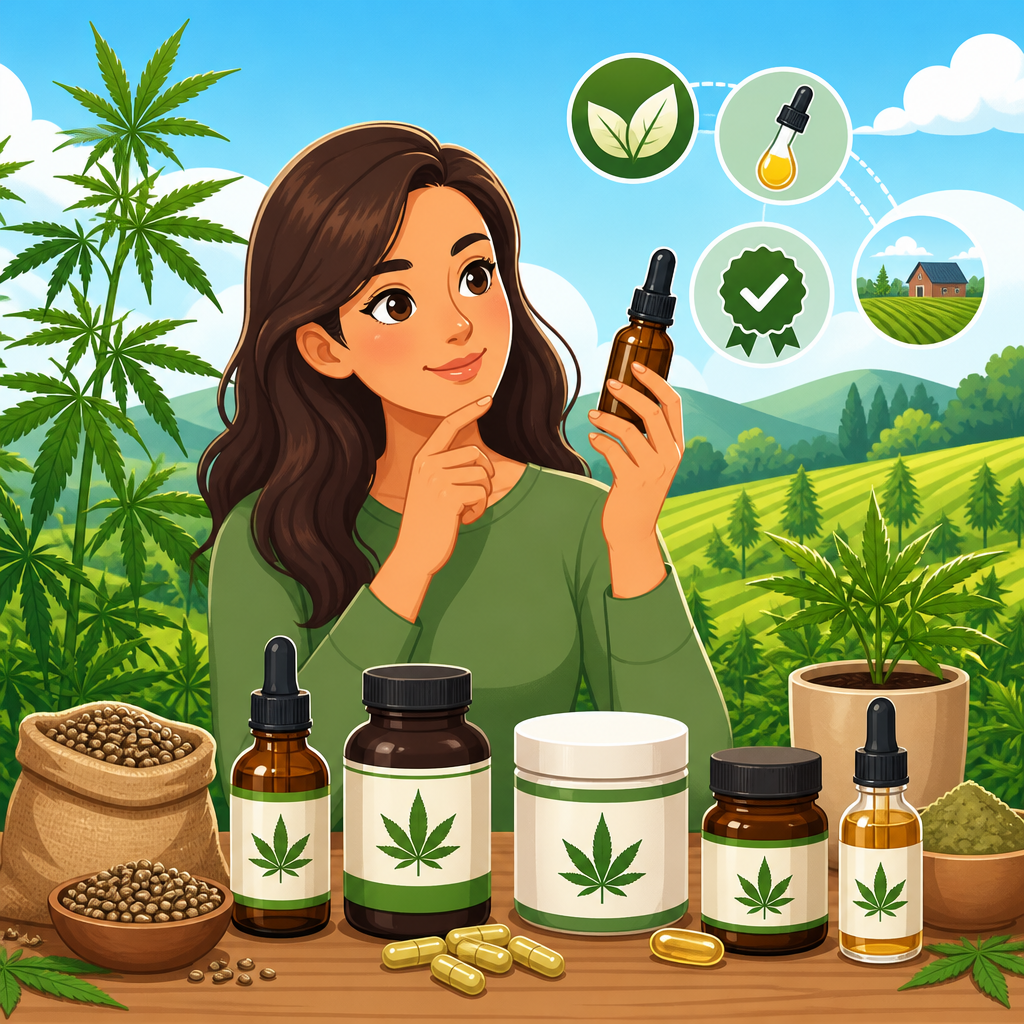
A high-quality CBD source is defined by traceability from farm to finished bottle. Start with hemp origin. Reputable brands disclose where the hemp is grown and whether farming follows organic principles, regenerative methods, or recognized state licensing requirements. In the United States, hemp programs operate under federal and state frameworks tied to the 2018 Farm Bill, but compliance alone does not guarantee quality. The better signal is a brand that can identify the farm region, cultivation controls, harvest timing, and post-harvest handling. Drying and storage conditions affect terpene retention and microbial growth, so these details matter.
Extraction method is the next filter. Supercritical carbon dioxide extraction is widely used because it avoids petroleum solvents and can be tuned for selective compound recovery. Ethanol extraction is also common and can be effective when performed under controlled conditions with proper solvent removal. Hydrocarbon extraction is less common for ingestible hemp supplements and generally demands closer scrutiny. The goal is not to chase one method blindly but to confirm that the manufacturer uses validated processes and tests the final extract for residual solvents.
Manufacturing standards separate serious brands from opportunistic sellers. Look for current Good Manufacturing Practices, often written as cGMP, and preferably third-party certifications such as NSF, UL, or ISO-aligned laboratory competence where relevant. A quality brand should provide batch-specific certificates of analysis from an independent lab showing cannabinoid potency, terpene profile when claimed, heavy metals, pesticides, microbiology, mycotoxins, and residual solvents. If a company posts only a generic certificate from last year, that is not enough. Batch-level transparency is the standard.
| Quality factor | What to look for | Why it matters |
|---|---|---|
| Hemp origin | Named farm region, licensed cultivation, organic or low-input practices | Reduces contamination risk and improves traceability |
| Extract type | Full-spectrum, broad-spectrum, or isolate clearly stated | Sets expectations for THC exposure and compound profile |
| Third-party testing | Batch-specific certificate with potency and contaminant panels | Confirms label accuracy and safety |
| Manufacturing standards | cGMP facility, controlled formulation, documented lot numbers | Improves consistency between bottles |
| Label clarity | CBD per serving, serving size, ingredient list, carrier oil named | Enables correct dosing and comparison shopping |
How to read labels and lab reports without guesswork
The most useful CBD labels answer three questions immediately: how much CBD is in the bottle, how much is in each serving, and what else is in the formula. A 30 milliliter tincture labeled “1500 mg CBD” usually provides 50 milligrams per milliliter if the dropper is calibrated to 1 milliliter. If the front panel says “hemp extract 3000 mg” but does not specify CBD, that number may include carrier oil or non-cannabinoid plant material. Clear products separate total hemp extract from active cannabinoids.
Certificates of analysis should match the product’s lot number and date. In potency results, compare the reported CBD amount against the label claim. Small variance is normal, but major gaps signal weak quality control. For THC, broad-spectrum and isolate products should align with the brand’s THC-free or non-detect claims according to the lab’s limit of quantitation. Contaminant panels should list pass results for lead, arsenic, cadmium, and mercury; pesticide screens; microbial organisms such as Salmonella and E. coli; and residual solvents if extraction warrants it. Mycotoxin screening is a plus because botanical ingredients can carry mold-related compounds.
I advise consumers to be skeptical of decorative testing badges without direct certificate access. Real transparency means a scannable QR code or easily searchable batch lookup. It also means the lab is independent, not an internal marketing document. Labs such as Eurofins and ACS Laboratory are widely recognized in this category, though the individual certificate matters more than the logo alone.
Choose products based on health goals, not marketing claims
The best source depends partly on the reason for use. For stress support or evening relaxation, many adults prefer full-spectrum or broad-spectrum tinctures because dose adjustments are simple and onset is predictable enough for routine use. For sleep, formulas combining CBD with melatonin, L-theanine, magnesium glycinate, or calming terpenes like linalool may fit better than CBD alone, though combination products require more label scrutiny. For exercise recovery, some people use ingestible CBD alongside topical balms containing menthol, arnica, or capsaicin. For general nutrition, hemp seed oil or hemp protein can complement a wellness plan through fatty acids and plant protein rather than cannabinoid effects.
Good brands avoid disease claims. They describe structure-and-function benefits such as supporting calm mood, helping maintain healthy sleep cycles, or promoting post-exercise recovery. That restraint is a positive sign. When a company promises to treat every major condition, it usually signals poor compliance and weak scientific discipline. The current evidence base for CBD is promising in several areas, but dosing, bioavailability, and individual response vary considerably. Plain language, realistic expectations, and conservative claims are marks of a trustworthy source.
Bioavailability is another practical issue. Taking CBD with food, especially dietary fat, may improve absorption. Carrier oils such as MCT oil, olive oil, and hemp seed oil are commonly used for this reason. Water-dispersible formats can change absorption profiles, but they should still be judged by the same testing and manufacturing standards. I have seen excellent conventional tinctures outperform flashy nano-labeled products simply because the conventional brand had stronger quality control and more honest dosing.
Where consumers commonly make mistakes
The biggest mistake is buying on price alone. Hemp supplements can be expensive to produce properly because compliant farming, validated extraction, contaminant testing, and cGMP manufacturing all cost money. A very low price often indicates weak potency, incomplete testing, or misleading serving math. Another common error is confusing “per bottle” with “per serving.” A bottle may sound potent until you calculate what one dropper actually delivers.
A third mistake is ignoring personal constraints. Anyone subject to workplace drug testing should be cautious with full-spectrum products because even legal trace THC may accumulate or trigger concerns depending on use patterns and test sensitivity. People taking medications should review potential interactions with a clinician or pharmacist, particularly because CBD can affect cytochrome P450 enzymes involved in metabolizing certain drugs. This is especially relevant for anticoagulants, anti-seizure medications, and some antidepressants. Pregnancy and breastfeeding require extra caution due to limited safety data.
Storage and shelf life are overlooked too. Light, heat, and oxygen gradually degrade cannabinoids and aromatic compounds. Reputable products use amber glass, child-resistant packaging where appropriate, and clear expiration dating. Once opened, a tincture stored in a cool, dark place generally maintains quality better than one left in a hot car or sunny bathroom cabinet.
How to identify the best brands and build a reliable routine
The best brands make verification easy. Their websites list exact cannabinoid amounts, explain sourcing, show recent certificates, identify carrier oils and flavor ingredients, and provide responsive customer support. They also separate educational content from sales copy. A strong brand teaches consumers how to read a certificate, how to start with a low dose, and when to consult a healthcare professional. In my experience, companies that invest in this level of education usually run better operations behind the scenes.
For daily use, start low and titrate slowly. Many adults begin with 10 to 25 milligrams of CBD once or twice daily and adjust based on response, body size, timing, and product type. Keep a simple log for one to two weeks noting dose, timing, food intake, and perceived effects on sleep, calmness, or recovery. This method is more useful than chasing internet anecdotes because it captures your own pattern. If a product provides no noticeable effect despite verified potency and appropriate use, the issue may be dose, product type, or expectation mismatch rather than fraud.
As a hub for CBD and hemp-based supplements, this topic connects naturally to broader supplement decisions: ingredient quality, delivery systems, third-party testing, and interactions with medications or other nutraceuticals. The same disciplined buying habits apply whether you are comparing omega-3 fish oil, magnesium glycinate, medicinal mushrooms, or hemp extracts. Read the label, verify the batch, match the formula to the goal, and prefer brands that welcome scrutiny.
Choosing the best sources of CBD and hemp-based supplements ultimately comes down to evidence you can verify. Know the difference between CBD, broad-spectrum hemp extract, isolate, and hemp seed oil. Prioritize licensed cultivation, clean extraction, cGMP manufacturing, and batch-specific third-party testing. Read labels for active cannabinoid content per serving, not just impressive front-panel numbers. Match the product format and extract type to your health goal, and be realistic about dosing, timing, and possible limitations. When medications, pregnancy, or drug testing are factors, use extra caution and seek professional guidance.
The main benefit of a careful selection process is simple: better odds of getting a safe, consistent product that fits your routine and delivers the effect you are actually seeking. In a crowded market, transparency is the clearest shortcut to quality. Use this page as your starting point for evaluating every CBD oil, gummy, capsule, topical, or hemp nutrition product you consider, and let documented sourcing and testing guide the next purchase you make.
Frequently Asked Questions
What should I look for when choosing a high-quality CBD or hemp-based supplement?
Start with the source of the hemp. Reputable brands usually explain where and how their hemp is grown, because farming practices directly affect the final product. Hemp is known to absorb compounds from soil, which means clean growing conditions matter. Look for supplements made from hemp grown under strong agricultural standards, with clear information about cultivation, harvesting, and extraction methods. Brands that are transparent about these details are typically more trustworthy than those that rely on vague marketing language.
Next, check for third-party lab testing, often called a Certificate of Analysis, or COA. This is one of the most important quality indicators. A reliable COA should confirm the amount of CBD or other cannabinoids in the product and also screen for contaminants such as pesticides, heavy metals, residual solvents, and microbial impurities. The label should match the lab report closely. If a product claims a specific strength but provides no proof, that is a red flag.
You should also pay attention to ingredient quality and formulation. Some hemp-based supplements contain only hemp extract and a carrier oil, while others include added botanicals, flavors, sweeteners, or functional ingredients. Simpler formulas can be easier to evaluate, especially if you are sensitive to additives. If you are choosing a CBD product specifically, decide whether you want full-spectrum, broad-spectrum, or CBD isolate. Full-spectrum products contain multiple hemp compounds, broad-spectrum products include many hemp compounds but typically remove THC, and isolates contain only cannabidiol. The best choice depends on your preferences, sensitivity, and comfort level.
Finally, evaluate the company itself. Good brands provide clear labeling, realistic health claims, lot-specific testing, customer support, and dosage guidance. They do not promise miracle cures. In practical terms, the best CBD and hemp-based supplements are not just potent; they are consistent, clean, accurately labeled, and made by companies willing to prove it.
Why does third-party testing matter so much for CBD and hemp supplements?
Third-party testing matters because it helps separate verified quality from marketing claims. CBD and hemp-based supplements can vary significantly from one product to another, even when labels look similar. Independent lab testing gives you evidence of what is actually inside the bottle, capsule, powder, gummy, or tincture. Without that outside verification, you are relying entirely on the manufacturer’s word.
A strong third-party lab report should confirm cannabinoid potency, meaning the measured amounts of CBD and other cannabinoids should align with what the label states. This is important for both effectiveness and dosing consistency. If the product contains much less CBD than advertised, it may not perform as expected. If it contains more than expected, it can make dosing harder, especially for people who prefer a measured, predictable routine.
Testing is also essential for safety. Hemp can be exposed to pesticides, heavy metals, mold, yeast, bacteria, and residual solvents depending on how it is grown and extracted. A trustworthy company tests for these contaminants and makes the results accessible, often through a QR code, batch number, or website link. This level of transparency shows the company is serious about consumer safety and quality control.
It is also worth noting that third-party testing can reveal whether a product contains detectable THC. That matters for consumers who want to avoid THC entirely for personal, workplace, or athletic reasons. In short, third-party testing is not an optional extra. It is one of the clearest ways to verify purity, potency, consistency, and transparency before making CBD or hemp supplements part of your health routine.
What is the difference between full-spectrum, broad-spectrum, and CBD isolate products?
These terms refer to how much of the hemp plant’s natural chemical profile remains in the final product. Full-spectrum CBD contains cannabidiol along with other naturally occurring hemp compounds, including minor cannabinoids, terpenes, flavonoids, and trace amounts of THC where legally permitted. Many consumers choose full-spectrum formulas because they want a more complete plant profile and believe the compounds may work better together than in isolation.
Broad-spectrum CBD is similar, but it is typically processed to remove THC while keeping many of the other hemp compounds intact. This option appeals to people who want more than just CBD alone but would prefer to avoid THC exposure. It can be a practical middle ground for those who value a wider hemp profile without choosing a full-spectrum product.
CBD isolate is the most refined option. It contains only cannabidiol, with other cannabinoids, terpenes, and plant compounds removed. Some people prefer isolates because they want a straightforward product with a single active cannabinoid. This can make label reading simpler and may be useful for those who are especially sensitive to other compounds in hemp.
The best choice depends on your goals, tolerance, and preferences. If you want a more whole-plant approach, full-spectrum may be appealing. If avoiding THC is a priority, broad-spectrum or isolate may be better options. No category is automatically best for everyone. The key is to choose a product with verified testing, accurate labeling, and a formulation that aligns with your personal health priorities and comfort level.
Are hemp seed oil and CBD oil the same thing?
No, they are not the same, and this is one of the most common points of confusion for shoppers. Hemp seed oil is made by pressing the seeds of the hemp plant. It is valued primarily for its nutritional profile, including beneficial fats such as omega-3 and omega-6 fatty acids. Hemp seed oil may also be used in foods, skincare products, and general wellness supplements. However, it does not naturally provide meaningful amounts of CBD.
CBD oil, on the other hand, is made from the flowers, leaves, and aerial parts of hemp where cannabinoids such as cannabidiol are concentrated. A true CBD oil should clearly list the amount of CBD in milligrams and usually includes a third-party lab report confirming cannabinoid content. This distinction is important because some products use hemp-related language in a way that can confuse consumers into thinking they are buying CBD when they are actually buying only hemp seed oil.
That does not mean hemp seed oil is low quality or unhelpful. It simply serves a different purpose. Hemp seed oil can be a valuable nutritional supplement and a useful carrier oil in some formulations, while CBD oil is chosen specifically for its cannabinoid content. Some products contain both, which can be perfectly reasonable as long as the label is clear about what you are getting.
When comparing products, read the ingredient panel and supplement facts carefully. If the product highlights hemp but never states the amount of CBD, that is a clue to look more closely. Understanding the difference between hemp seed oil and CBD oil helps you choose a supplement that actually matches your intended health goals.
How can I tell whether a CBD or hemp supplement brand is trustworthy?
A trustworthy brand usually makes verification easy. It clearly identifies the type of product, the source of the hemp, the amount of active ingredients, and the results of independent testing. You should be able to find batch-specific lab reports without having to search endlessly or contact customer service multiple times. Reliable companies tend to be direct, organized, and transparent because they know educated consumers expect proof.
Pay close attention to labeling and claims. Reputable brands describe their supplements accurately and avoid exaggerated promises. If a company suggests its product can cure serious medical conditions or guarantees dramatic results for everyone, that is a warning sign. High-quality wellness brands usually focus on purity, consistency, sourcing, and responsible use rather than hype. They are also more likely to provide practical details such as suggested serving size, storage instructions, extraction method, and whether the product is full-spectrum, broad-spectrum, or isolate.
Customer experience also matters. Trustworthy brands often have responsive support teams, clear return policies, educational resources, and consistent product availability. Reviews can be helpful, but they should be considered alongside harder evidence like lab reports and manufacturing transparency. A polished website alone is not enough. What matters is whether the company can back up its claims with documentation and good practices.
In the end, trust comes from consistency and openness. The best brands treat CBD and hemp-based supplements as serious wellness products that require quality control at every stage, from cultivation and extraction to testing and final packaging. If a company is transparent, realistic, and willing to show exactly what is in its products, that is usually a strong sign you are looking at a better source.