CBD and hemp-based supplements have moved from niche wellness shelves into mainstream retail, yet many buyers still struggle to separate useful facts from marketing claims. In practical terms, CBD refers to cannabidiol, a non-intoxicating cannabinoid found in Cannabis sativa, while hemp-based supplements include products made from federally compliant hemp plants such as CBD oils, capsules, gummies, topicals, and hemp seed ingredients. The topic matters because consumers use these products for stress support, sleep, soreness, and general wellness, but quality, legality, formulation, and dosing vary widely. After reviewing labels, certificates of analysis, extraction methods, and retailer claims across this category, one point stands out: informed selection is essential. A hemp supplement may be well made, accurately labeled, and appropriate for a person’s goals, or it may be weak, contaminated, or legally confusing. This guide explains the core science, major product types, quality standards, safety considerations, and buying criteria so readers can evaluate CBD and hemp-based supplements with confidence and build a stronger foundation for deeper articles within the broader supplements landscape.
What CBD and Hemp-Based Supplements Actually Are
CBD is one of more than a hundred cannabinoids identified in cannabis. Unlike delta-9 tetrahydrocannabinol, commonly called THC, CBD does not produce the classic intoxicating effect associated with marijuana. Hemp, in the United States, generally refers to cannabis containing no more than 0.3 percent delta-9 THC on a dry weight basis under federal law. That distinction matters because most hemp-derived supplements are marketed for wellness without a psychoactive experience.
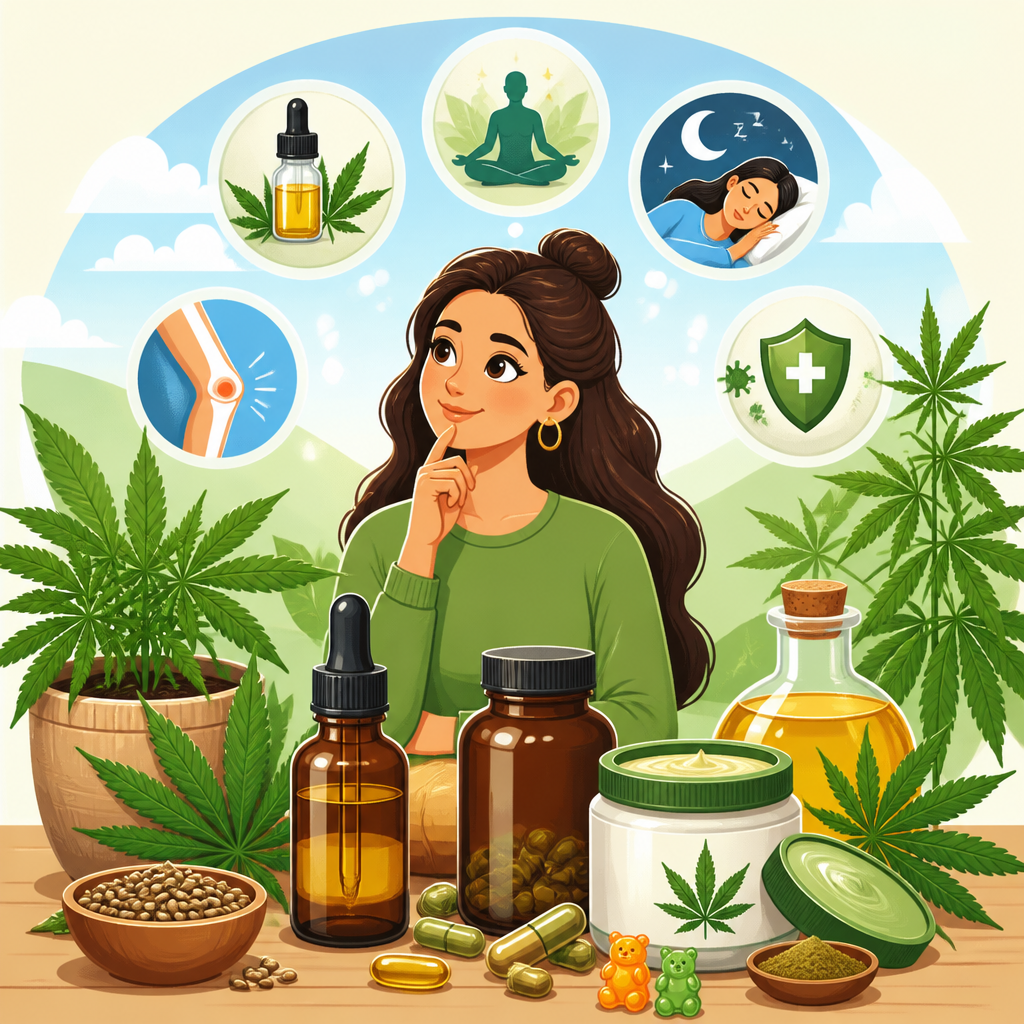
Hemp-based supplements fall into several categories. CBD oil tinctures combine hemp extract with a carrier such as MCT oil or hemp seed oil. Softgels and capsules offer a premeasured dose. Gummies and beverages provide convenience but often contain added sweeteners or lower cannabinoid concentrations. Topicals such as balms and creams are used for localized application. Hemp seed supplements are different again: they are rich in protein, fiber, and essential fatty acids but naturally contain little or no CBD because cannabinoids are concentrated primarily in the flowers, leaves, and resinous parts of the plant rather than the seeds.
Consumers also encounter terms like full-spectrum, broad-spectrum, and isolate. Full-spectrum products contain CBD plus other naturally occurring cannabinoids, terpenes, and trace THC within legal limits. Broad-spectrum products include multiple hemp compounds but are processed to remove detectable THC. Isolate products contain purified CBD only. These labels are not mere marketing language; they shape the chemical profile, taste, legal suitability, and how a product may fit a person’s preferences or drug-testing concerns.
How CBD Works in the Body
CBD is often discussed in connection with the endocannabinoid system, a signaling network involved in balance across functions including mood, pain perception, sleep, appetite, inflammation, and stress response. The body produces endocannabinoids such as anandamide and 2-AG, which interact with CB1 and CB2 receptors as well as enzymes and related signaling pathways. CBD does not behave like THC, which binds more directly to cannabinoid receptors. Instead, CBD influences the system more indirectly and also interacts with non-cannabinoid targets including serotonin receptors, TRPV channels, and enzymes involved in endocannabinoid breakdown.
That indirect action helps explain why CBD is studied across varied wellness and clinical contexts. In practice, users commonly report taking CBD for tension, occasional sleeplessness, exercise recovery, and everyday discomfort. The strongest formal medical evidence is narrower than the broad wellness market suggests. A purified prescription form of cannabidiol, Epidiolex, is approved in the United States for specific seizure disorders, showing that CBD has real pharmacological activity. However, evidence for many over-the-counter uses remains mixed, promising in some areas, and still incomplete. This is exactly why product quality and realistic expectations matter.
Hemp compounds beyond CBD also deserve attention. Minor cannabinoids such as CBG and CBN, along with terpenes like myrcene, limonene, and beta-caryophyllene, may contribute to how a full extract feels. Researchers and formulators sometimes describe this as a synergistic effect, although the degree and consistency of synergy are still being studied. From a supplement standpoint, this means the label claim “25 milligrams of CBD” tells only part of the story; the broader phytochemical profile can materially change the user experience.
Main Types of Hemp Supplements and When They Fit Best
The best CBD or hemp supplement format depends on the goal, onset time, convenience, and user tolerance for flavor. Tinctures are the most flexible. A dropper lets the user adjust serving size in small increments, which is valuable when starting low and increasing gradually. Sublingual use may produce effects faster than capsules because some absorption begins in the mouth before swallowing. Capsules and softgels suit people who want consistency, no taste, and easy travel use. Gummies are approachable for beginners, but sugar content, slower onset, and uneven dosing across brands can be drawbacks.
Topicals fit a different need. They are chosen for specific muscles, joints, or skin areas rather than whole-body effects. In my experience reviewing formulations, the best topical products clearly disclose total CBD content per container and pair cannabinoids with functional ingredients such as menthol, camphor, arnica, or shea butter. Hemp seed oil foods and powders belong more in the nutrition category. They contribute omega-3 and omega-6 fats, often in a useful ratio, along with minerals and plant protein, but they should not be mistaken for meaningful cannabinoid delivery systems.
| Product type | Best use case | Typical onset | Main advantage | Main limitation |
|---|---|---|---|---|
| Tincture | Flexible daily wellness support | 15 to 45 minutes | Easy dose adjustment | Earthy taste |
| Capsule or softgel | Routine, consistent use | 45 to 120 minutes | Precise serving size | Slower onset |
| Gummy | Beginner-friendly convenience | 45 to 120 minutes | Palatable and simple | Added sugar, lower potency |
| Topical | Localized application | Variable, often quick | Targeted use | Not ideal for systemic effects |
| Hemp seed product | Nutrition and healthy fats | Food-like digestion timeline | Protein and essential fatty acids | Little or no CBD |
As a hub topic, this distinction is important because future articles can go deeper into tinctures, edibles, topicals, and hemp nutrition separately. For now, the key point is simple: the best format is the one aligned with the intended result, not the one with the most aggressive marketing.
Full-Spectrum, Broad-Spectrum, and Isolate: Which Is Better?
There is no universal winner, but there is a clear decision framework. Full-spectrum hemp extract is often preferred by experienced users who want the plant’s broader chemical profile, including terpenes and trace THC. Many people find these products more complete, especially at moderate serving sizes. The tradeoff is that even legal trace THC may be unacceptable for individuals subject to workplace drug testing or those who are highly sensitive to THC.
Broad-spectrum products are designed to preserve multiple cannabinoids and aromatic compounds while removing detectable THC. For many shoppers, this is the middle-ground option because it offers more than CBD alone without the same THC concern. However, “THC-free” claims should always be verified with a current third-party lab report. Manufacturing variation and poor quality control can undermine label promises.
CBD isolate is the most stripped-down format. It contains purified cannabidiol with no meaningful amount of other hemp compounds. Isolate can be useful for people who want a single ingredient, dislike the taste of whole-plant extract, or prefer a formula with fewer variables. The downside is that some users find isolates less effective for their goals than broader extracts. This does not make isolate inferior across the board; it means the product should match the user’s priorities, sensitivity, and compliance needs.
How to Evaluate Quality, Potency, and Label Accuracy
Quality assessment is where many purchases go right or wrong. The first document to check is the certificate of analysis, often called a COA, from an independent laboratory. A credible COA confirms cannabinoid potency and should also screen for pesticides, heavy metals, residual solvents, and microbial contamination. The lot number on the report should match the product in hand. If a brand does not provide batch-specific test results, that is a serious warning sign.
Extraction method matters too. CO2 extraction is widely used and respected because it can produce clean extracts without leaving hydrocarbon residues when performed correctly. Ethanol extraction is also common and can be effective, especially for broad phytochemical preservation, but it requires strong process control. Beyond extraction, brands should disclose serving size, total CBD per bottle, CBD per serving, ingredient list, carrier oil, flavoring, and whether the extract is full-spectrum, broad-spectrum, or isolate.
Potency can be confusing because labels may emphasize total cannabinoids while obscuring practical serving strength. A 30-milliliter bottle containing 1500 milligrams of CBD delivers 50 milligrams per milliliter. If the dropper is marked, that is usable information. Without that math, shoppers can easily underdose or overpay. Reputable manufacturers also follow current good manufacturing practices, use child-resistant packaging where appropriate, and avoid sweeping disease-treatment claims that cross regulatory lines.
Safety, Side Effects, and Drug Interactions
Most adults tolerate CBD reasonably well, but “natural” does not mean risk-free. Common side effects can include drowsiness, diarrhea, dry mouth, changes in appetite, and lightheadedness. Sedation is more likely at higher servings or when CBD is combined with alcohol, sleep aids, or other calming compounds. Topicals are generally lower risk systemically, though skin sensitivity to fragrance or botanical ingredients can still occur.
Drug interactions are one of the most important but underappreciated issues. CBD can affect liver enzymes in the cytochrome P450 system, which are involved in metabolizing many medications. That means it may alter blood levels of certain drugs, including some anticoagulants, anti-seizure medications, antidepressants, and immunosuppressants. Grapefruit-style interaction warnings are a useful analogy, though not a perfect one. Anyone taking prescription medications, pregnant or breastfeeding, or managing liver disease should speak with a qualified clinician before using CBD supplements.
Another practical safety issue is intoxicating contamination or mislabeled hemp products sold through informal channels. Gas-station CBD, marketplace listings with vague sourcing, and products that emphasize extreme effects should be treated cautiously. Responsible use starts with conservative dosing, verified testing, and an honest understanding that supplement responses vary by body size, metabolism, formulation, and concurrent health factors.
Legal Status, Regulation, and What Buyers Should Know
Legality is one reason CBD remains confusing. In the United States, hemp-derived products with no more than 0.3 percent delta-9 THC are federally lawful under the 2018 Farm Bill framework, but that does not mean every product is automatically compliant or permitted in every context. States can impose their own rules on manufacturing, labeling, testing, and retail sale. Internationally, laws vary even more, with some countries allowing only prescription access and others permitting broader over-the-counter sales.
Regulatory oversight also has limits. The Food and Drug Administration has repeatedly signaled concerns about unsubstantiated claims and inconsistent product quality in the CBD market. It has issued warning letters to companies making disease-treatment claims or selling products with inaccurate labeling. This matters because shoppers cannot assume that shelf presence equals rigorous vetting. Until the regulatory environment matures further, brand transparency remains the buyer’s best protection.
For athletes, military personnel, and employees in safety-sensitive roles, the legal question overlaps with a testing question. Even compliant full-spectrum hemp can contain trace THC. Over time, repeated use may create enough exposure to matter on some screens, particularly with high-serving products. In those situations, broad-spectrum or isolate options with robust lab documentation are more prudent, though no product can guarantee zero testing risk in every scenario.
How to Choose and Use CBD and Hemp Supplements Wisely
The most effective buying strategy begins with a clear goal. For everyday calm or sleep support, a tincture or capsule may be appropriate. For targeted post-exercise use, a topical may make more sense. For nutritional support, hemp seeds or hemp protein are the better fit. Once the goal is clear, compare format, potency per serving, cannabinoid profile, ingredient quality, and third-party testing rather than focusing only on price.
Start low and adjust slowly. Many first-time users begin with 10 to 20 milligrams of CBD once daily, then increase in small increments every several days based on response. There is no single ideal serving because absorption and sensitivity differ meaningfully between people and between product formats. Taking CBD with food, especially dietary fat, may improve absorption for some oral products. Keeping a brief log of timing, serving size, and perceived effect is one of the simplest ways to determine whether a supplement is helping.
As the hub page for CBD and hemp-based supplements, this guide establishes the core framework: understand the plant compounds, choose the right format, verify testing, respect safety and legal nuances, and match the product to the intended use. Done well, hemp supplementation can be a thoughtful part of a broader wellness routine. Done carelessly, it becomes an expensive guess. Use this page as your starting point, then explore more specialized articles on CBD oils, gummies, topicals, hemp seed nutrition, and supplement safety to make better decisions with every purchase.
Frequently Asked Questions
1. What is the difference between CBD and hemp-based supplements?
CBD, short for cannabidiol, is one specific compound naturally found in the Cannabis sativa plant. It is one of many cannabinoids produced by the plant and is widely discussed because it does not cause the intoxicating “high” associated with THC. Hemp-based supplements, by contrast, are a broader category. They can include products that contain CBD, but they may also include hemp seed oil, hemp protein, hemp extract, or other hemp-derived ingredients that do not necessarily provide meaningful amounts of cannabinoids. In other words, all CBD products made from hemp may be considered hemp-based supplements, but not all hemp-based supplements are CBD products.
This distinction matters because product labels can be confusing. For example, hemp seed oil is nutritionally valuable and may provide healthy fats, but it does not typically contain significant CBD. A bottle labeled “hemp extract” may contain cannabinoids, terpenes, and plant compounds, while a “hemp seed” product is usually marketed more for nutrition than for cannabinoid content. Consumers should read the supplement facts panel, ingredient list, and any third-party lab results rather than relying only on front-label marketing language. Understanding the difference helps buyers choose products that match their goals, whether those goals involve general nutritional support, targeted cannabinoid use, or both.
2. Will CBD make you feel high, and is it the same as THC?
CBD is not the same as THC, and it does not produce the classic intoxicating effects most people associate with cannabis. THC, or tetrahydrocannabinol, is the primary psychoactive cannabinoid responsible for the “high” linked to marijuana. CBD interacts with the body differently and is generally described as non-intoxicating. Many people choose CBD specifically because they want to explore hemp-derived supplements without the impairing effects of THC.
That said, the answer is not always as simple as “never.” Some hemp-derived products contain trace amounts of THC, especially broad-spectrum and full-spectrum formulas, depending on the product type and manufacturing process. Federally compliant hemp products in the United States are typically required to contain no more than 0.3% delta-9 THC by dry weight, but even within legal limits, THC may still be present in small amounts. For most users, that does not create a noticeable intoxicating effect, but potency, serving size, body chemistry, and sensitivity can all matter. This is one reason why reputable lab testing is essential. If someone wants to avoid THC entirely, a CBD isolate or a verified THC-free broad-spectrum product is usually the most cautious option.
3. What kinds of hemp-based supplements are available, and how do they differ?
Hemp-based supplements now come in many forms, which is one reason they have become so common in mainstream retail. The most familiar categories include CBD oils and tinctures, softgels and capsules, gummies and other edibles, topicals such as creams and balms, and hemp seed foods or nutritional supplements. Each format has a different use case. Oils and tinctures are popular because they allow flexible serving sizes and can be added easily to a daily routine. Capsules appeal to people who want convenience and consistency. Gummies are often chosen for taste and simplicity. Topicals are usually used for localized application rather than general systemic use. Hemp seed products are valued mainly for nutrition, including fatty acids and plant protein, rather than for CBD content.
There are also important differences in formulation. Full-spectrum products include CBD plus other naturally occurring hemp compounds, including trace THC. Broad-spectrum products contain multiple hemp compounds but are typically made to remove THC. CBD isolate contains only purified cannabidiol. These differences may matter to consumers who are comparing ingredients, taste, sensitivity, or personal preferences about THC exposure. Beyond the label category, quality can vary significantly from one brand to another, so buyers should look for clearly stated cannabinoid content, lot-specific third-party testing, transparent sourcing, and ingredient lists free from unnecessary fillers or misleading claims.
4. How can you tell whether a CBD or hemp supplement is high quality and trustworthy?
A high-quality CBD or hemp supplement should be transparent long before you open the package. One of the most important signs of quality is access to a recent third-party certificate of analysis, often called a COA. This lab report should confirm cannabinoid content and ideally screen for contaminants such as heavy metals, pesticides, residual solvents, and microbial impurities. The best companies make these reports easy to find by batch number or QR code. If lab results are outdated, incomplete, or difficult to access, that is a reason to be cautious.
Other quality signals include clear labeling, realistic marketing, and responsible manufacturing practices. A trustworthy product should state how much CBD or hemp extract is in each serving, not just in the entire package. It should identify whether the formula is full-spectrum, broad-spectrum, or isolate-based. Ingredient lists should be straightforward, and the company should be willing to explain where the hemp was grown and how the extract was processed. Consumers should also be wary of products that promise dramatic medical results or sound too good to be true. In a crowded market, credibility comes from consistency, testing, and transparency, not hype.
5. What should beginners know before trying CBD or hemp-based supplements?
Beginners should start with the understanding that hemp-based supplements are not one-size-fits-all products. The right choice depends on what a person is looking for, how they prefer to take supplements, and how carefully they want to manage ingredients like THC. Starting with a lower serving size and increasing gradually is a common and practical approach, especially with CBD products. This allows the user to assess how a particular formula fits into their routine before committing to a larger amount. It is also wise to keep expectations realistic. Many people are drawn to CBD because of growing public interest, but product experiences can vary based on formulation, consistency, body chemistry, and overall lifestyle factors.
Beginners should also pay close attention to label details and safety considerations. Choosing products from companies that provide independent lab testing is essential. People who take prescription medications, are pregnant or nursing, or have underlying health conditions should speak with a qualified healthcare professional before using CBD or concentrated hemp extracts, because interactions and individual considerations may apply. It is also worth remembering that “hemp” on a label does not automatically mean a product contains useful amounts of CBD. Taking a few extra minutes to verify the product type, cannabinoid profile, and quality testing can make the experience safer, clearer, and far more worthwhile.