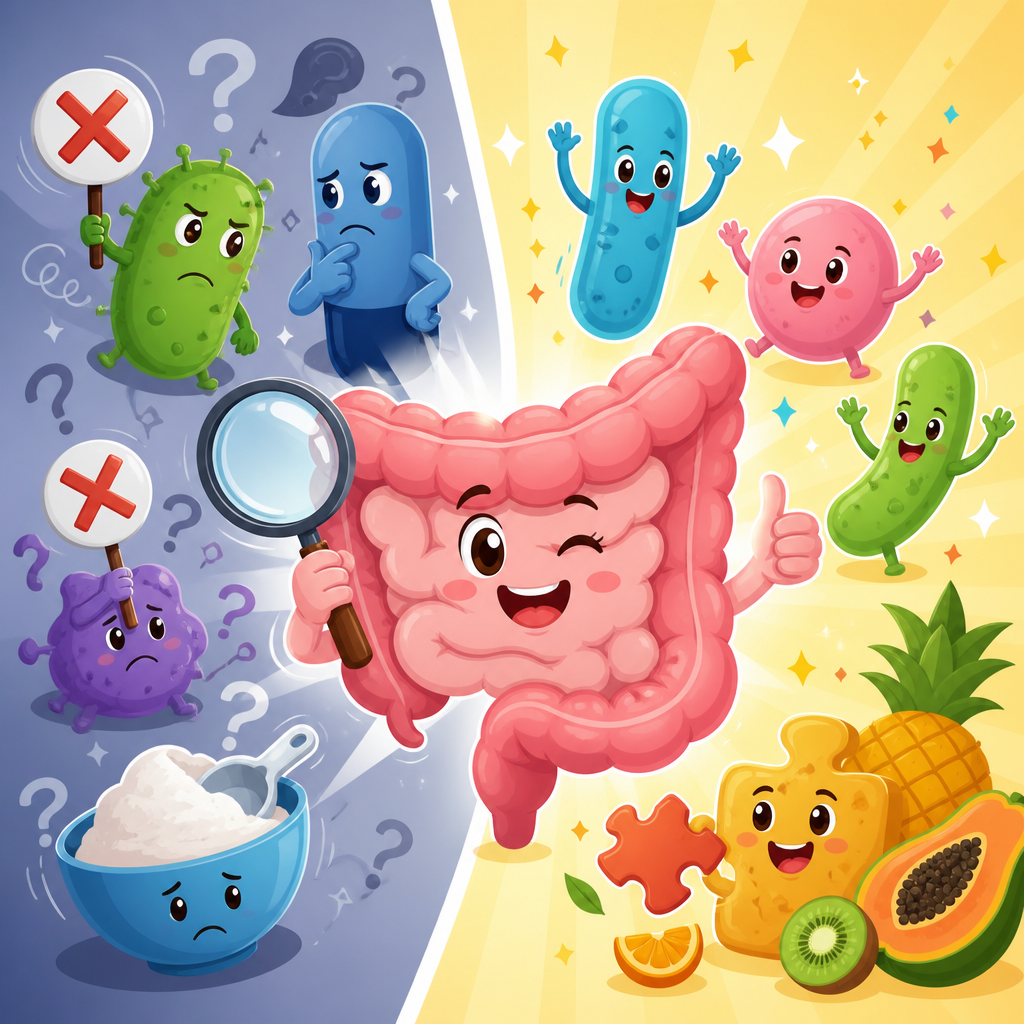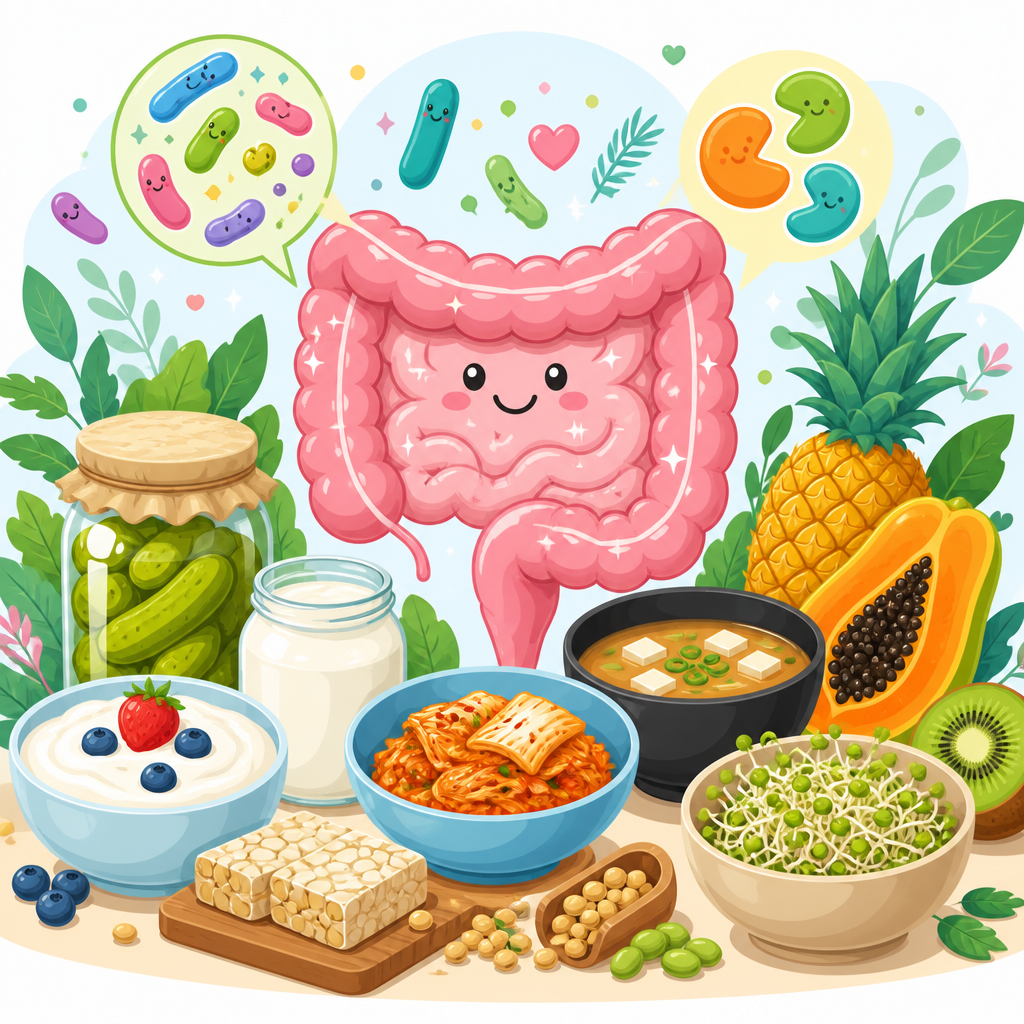
Probiotics and digestive enzymes can play a useful role in gut health, but they are often confused, overhyped, or used without a clear plan. Probiotics are live microorganisms that, when consumed in adequate amounts, can support the balance of bacteria and other microbes in the digestive tract. Digestive enzymes are proteins that break food into smaller molecules the body can absorb, including amylase for carbohydrates, protease for protein, and lipase for fat. They do different jobs, and understanding that difference is the first step to using them well.
I have worked with clients who assumed a yogurt drink and an enzyme capsule were interchangeable. They are not. A probiotic may help maintain microbial diversity, support regularity, and reduce certain symptoms such as bloating after antibiotics or during periods of digestive disruption. An enzyme supplement may help when someone struggles to break down a particular nutrient, such as lactose in dairy or alpha-galactosides in beans. In practice, some people benefit from one, some from the other, and some from a combination matched to meals, symptoms, and medical history.
This matters because digestive complaints are common. Bloating, gas, constipation, loose stools, reflux, post-meal heaviness, and food intolerance can affect quality of life, training, sleep, and adherence to an otherwise healthy diet. The gut also intersects with immunity, metabolic health, and medication tolerance. Still, neither probiotics nor digestive enzymes are a cure-all. The best results come from using food first, selecting supplements carefully, and matching the approach to a defined goal such as improving lactose tolerance, restoring routine after antibiotics, or making higher-fiber meals easier to handle.
As a hub topic within supplements and nutraceuticals, probiotics and digestive enzymes deserve a practical framework. You need to know which foods provide meaningful probiotic exposure, which enzymes are naturally present in foods versus made by your pancreas and small intestine, how labels should be read, when timing matters, and when symptoms point to a condition that needs medical evaluation instead of self-treatment. The guidance below covers definitions, best food sources, supplement selection, meal strategies, safety issues, and realistic expectations so you can incorporate more probiotics and digestive enzymes into your diet in a way that is informed, safe, and sustainable.
Understand what probiotics and digestive enzymes actually do
Probiotics influence the gut ecosystem; digestive enzymes drive chemical digestion. That distinction shapes every recommendation. Probiotics commonly belong to genera such as Lactobacillus, Bifidobacterium, Saccharomyces, and Bacillus, though benefits are strain specific. For example, Lactobacillus rhamnosus GG and Saccharomyces boulardii are frequently used around antibiotic exposure because they have been studied for reducing antibiotic-associated diarrhea. A product that simply says “contains probiotics” tells you almost nothing unless it names the strain, potency, and storage conditions.
Digestive enzymes include those made by the body and those supplied in foods or supplements. Salivary amylase begins starch digestion in the mouth. The stomach uses pepsin to start protein digestion. The pancreas then releases amylase, protease, and lipase into the small intestine, while the intestinal brush border provides enzymes such as lactase and sucrase. If this system is impaired, certain foods may trigger symptoms. Lactase tablets can help with dairy intolerance because they replace a specific missing function. Broad-spectrum blends may assist some people with heavy mixed meals, but they are not a substitute for treating pancreatic insufficiency, celiac disease, inflammatory bowel disease, or gallbladder problems.
In day-to-day nutrition work, I explain it this way: probiotics help shape the neighborhood, while enzymes help dismantle the groceries. If the issue is a disrupted microbiome after travel or antibiotics, a probiotic-rich diet may be sensible. If the issue is obvious lactose intolerance, digestive enzymes may be the more direct tool. If someone gets gassy after suddenly increasing beans, resistant starch, and cruciferous vegetables, the answer may involve a slower fiber ramp, cooking methods, hydration, and targeted enzyme support rather than more supplements across the board.
Choose probiotic foods that deliver live cultures consistently
The simplest way to incorporate more probiotics into your diet is to make fermented foods a routine part of meals. Yogurt with live and active cultures is the most accessible option for many people. Kefir usually provides a broader range of bacteria and yeasts than standard yogurt and is often better tolerated because fermentation reduces lactose. Sauerkraut, kimchi, miso, tempeh, kombucha, and certain aged cheeses can also contribute, although the amount of live microbes varies by product, processing, storage, and heat exposure. Shelf-stable pickles preserved in vinegar are not the same as refrigerated fermented pickles with active cultures.
Label reading matters. Look for phrases such as “live and active cultures,” strain names, and refrigeration guidance when relevant. Heat kills many organisms, so adding miso to boiling soup or cooking kimchi aggressively can reduce probiotic value, even though flavor remains. Unsweetened or low-sugar products are usually better daily staples because highly sweetened yogurt drinks can undermine broader metabolic goals. If dairy does not fit your diet, cultured coconut yogurt, water kefir, and fermented vegetables can still help, though protein quality and calcium may need attention elsewhere.
Portion and consistency matter more than chasing exotic products. A practical target is one to two servings of fermented food per day, introduced gradually if you are not used to them. Many people do well with kefir at breakfast, yogurt as a snack, or a forkful of sauerkraut alongside lunch. The goal is not to flood the gut with random microbes; it is to establish a repeatable pattern that your digestive system tolerates. If a fermented food leaves you consistently more bloated, histamine-sensitive, or uncomfortable, do not force it. There are multiple ways to support digestion.
Use digestive-enzyme foods and meal preparation strategies
When people ask how to get more digestive enzymes from food, the answer is more limited than with probiotics, but still useful. Papaya contains papain, and pineapple contains bromelain, both proteolytic enzymes that help break down protein. Fermented foods may contain microbial enzymes created during fermentation, which can make foods easier to digest even if they are not medicinal doses. Sprouting grains and legumes activates endogenous enzymes that begin breaking down starches and storage compounds, often improving digestibility. Slow cooking, soaking beans, pressure cooking lentils, and chewing thoroughly all reduce digestive workload before supplements are considered.
Timing and food pairing make a real difference. If dairy is the issue, take lactase with the first bites of milk, ice cream, or soft cheese. If beans cause gas, alpha-galactosidase works best when taken just before the first mouthful. For people eating large, high-fat restaurant meals, a broad-spectrum enzyme that includes lipase may reduce that heavy, lingering sensation, but it should not become permission to overeat routinely. Enzymes work on what is in the meal; they are not retroactive and they do not neutralize every trigger food.
| Need or Symptom Pattern | Best Food-First Option | Targeted Enzyme or Probiotic Strategy | Important Limitation |
|---|---|---|---|
| Bloating after antibiotics | Kefir or yogurt with live cultures | Consider studied strains such as L. rhamnosus GG or S. boulardii | Persistent diarrhea needs medical review |
| Symptoms after dairy | Lactose-free milk or cultured dairy | Lactase taken with first bites | Does not help true milk-protein allergy |
| Gas after beans | Soak, rinse, and pressure cook legumes | Alpha-galactosidase before the meal | Increase fiber gradually, not all at once |
| General low fermented food intake | Daily serving of yogurt, kefir, kimchi, or sauerkraut | Supplement only if food intake is inconsistent | Products vary widely in live culture content |
| Heavy mixed meals | Smaller portions and slower eating | Broad-spectrum enzyme blend with meals | Not a treatment for pancreatic insufficiency |
Select supplements based on strain, activity, and your actual goal
If you use supplements, precision matters more than brand hype. For probiotics, choose products that list the full strain designation, colony-forming units through the end of shelf life, storage instructions, and third-party quality testing when available. More CFUs are not automatically better. A billion CFU of a well-studied strain can be more useful than fifty billion of a vague blend. Match the product to the reason you are taking it: antibiotic-associated diarrhea, occasional constipation, traveler’s diarrhea risk, support during dietary transitions, or maintaining routine when fermented foods are sparse.
For digestive enzymes, the label should list enzyme activity units rather than only milligram amounts. Lipase, amylase, and protease are common in broad-spectrum blends, while lactase and alpha-galactosidase are purpose-built for specific foods. People with exocrine pancreatic insufficiency need prescription pancreatic enzyme replacement therapy, not an over-the-counter wellness formula. If someone has oily stools, unexplained weight loss, chronic diarrhea, or significant pain after meals, that is a clinical evaluation issue. Supplements may mask symptoms that need proper diagnosis.
Quality and tolerance also matter. Some probiotic products contain prebiotic fibers such as inulin or fructooligosaccharides, which can be helpful for some users and very uncomfortable for others, especially those with IBS sensitive to fermentable carbohydrates. Some enzyme blends include betaine HCl, which may aggravate reflux or gastritis. In clinic-style work, I start with the narrowest effective tool and a clear test period, usually two to four weeks, while tracking meal composition and symptom response. That approach produces far better decisions than buying a large, expensive stack and changing five variables at once.
Build a daily routine that improves digestion without overrelying on pills
The most effective way to incorporate more probiotics and digestive enzymes into your diet is to anchor them to meals you already eat. Breakfast might include kefir, Greek yogurt, or cultured cottage cheese with oats and berries. Lunch could add a side of kimchi or sauerkraut to a grain bowl or sandwich. Dinner can include miso stirred into warm, not boiling, broth or tempeh as a protein source. If dairy causes trouble, use lactose-free kefir, water kefir, or plant-based cultured products and monitor ingredient lists for gums and added sugar if you are sensitive.
Meal structure supports enzyme function naturally. Eat at a pace that allows adequate chewing, because mechanical breakdown starts digestion before the stomach and small intestine take over. Avoid making every evening meal your largest and richest meal if you routinely feel heavy afterward. Split very high-fat meals into smaller portions, and increase beans, whole grains, and cruciferous vegetables gradually over one to two weeks so your gut microbes can adapt. Hydration, movement after meals, and regular eating times often improve symptoms that people mistakenly blame only on low enzymes or a “bad gut.”
A simple progression works well. Start with one probiotic food daily for a week. Add a second serving if tolerated. Then identify one recurring trigger food and use a targeted enzyme only for that item, such as lactase for pizza night or alpha-galactosidase for chili. Keep notes on dose, timing, and symptom changes. This method is practical, affordable, and honest about cause and effect. It also creates a stronger foundation for deeper articles on probiotic strains, digestive enzyme supplements, gut-friendly meal planning, and when to seek testing for conditions that supplements cannot fix.
Know the safety issues, limitations, and when to get medical help
Probiotics and digestive enzymes are generally well tolerated, but they are not risk free. People with severe immunocompromise, central venous catheters, critical illness, or recent major surgery should speak with a clinician before taking probiotics because rare bloodstream infections have been reported. Histamine-sensitive individuals may react to fermented foods. Enzymes can cause nausea, abdominal discomfort, or mouth irritation if chewed improperly, and products containing fungal or animal-derived enzymes may not suit every dietary pattern. Interactions and contraindications are uncommon but real, especially in medically complex patients.
Most important, certain symptoms should not be managed with supplements alone. Seek medical evaluation for blood in stool, black stool, fever, persistent vomiting, nighttime diarrhea, unexplained anemia, unintentional weight loss, severe abdominal pain, new symptoms after age fifty, or a strong family history of colorectal cancer, celiac disease, or inflammatory bowel disease. Long-term reflux, trouble swallowing, or greasy floating stools also deserve workup. These red flags suggest structural, inflammatory, infectious, or malabsorptive conditions where food tweaks and over-the-counter enzymes are not enough.
Expect realistic results. Probiotics may help some symptoms and do little for others. Digestive enzymes often work best when the trigger is specific and identifiable. Neither one can compensate for chronic sleep loss, heavy alcohol intake, very low fiber intake, repeated binge eating, or medications that irritate the gut. The win is not perfection; it is fewer symptoms, better tolerance of nutritious foods, and a routine you can maintain. Use foods first, add targeted supplements carefully, and treat persistent digestive problems as a signal to investigate rather than something to cover up.
Incorporating more probiotics and digestive enzymes into your diet is less about buying the trendiest supplement and more about matching the right tool to the right problem. Probiotics help support the gut microbiome and are easiest to build in through fermented foods such as yogurt, kefir, kimchi, sauerkraut, miso, and tempeh. Digestive enzymes help break down specific components of meals and are most useful when tied to a clear trigger, such as lactose in dairy or gas-producing carbohydrates in beans. Understanding that division prevents wasted money and disappointing results.
The most reliable strategy is practical and specific: add one fermented food daily, improve meal preparation and chewing, increase fiber gradually, and use targeted enzymes only when a recurring food actually calls for them. Read labels closely, look for named strains or enzyme activity units, and be cautious with broad blends that promise everything. If symptoms are severe, persistent, or accompanied by warning signs, seek medical evaluation instead of self-treating. Digestive support works best when it sits on top of sound eating habits, not in place of them.
Use this hub as your starting point for smarter choices within probiotics and digestive enzymes. Review your current meals, choose one probiotic food to add this week, identify one trigger food that may benefit from a targeted enzyme, and track the response carefully. Small, consistent changes usually outperform aggressive supplement stacks. Build from there with intention, and your digestive routine will become simpler, more effective, and easier to sustain.
Frequently Asked Questions
What is the difference between probiotics and digestive enzymes, and do you need both?
Probiotics and digestive enzymes are often mentioned together, but they do very different jobs in the body. Probiotics are live microorganisms, usually beneficial bacteria or yeasts, that can help support the balance of microbes in the digestive tract when consumed in adequate amounts. Their main role is related to the gut microbiome. Digestive enzymes, by contrast, are proteins that help break food down into smaller particles so your body can absorb nutrients more efficiently. For example, amylase helps digest carbohydrates, protease helps digest protein, and lipase helps digest fat.
Because they serve different functions, one is not automatically a substitute for the other. If your goal is to support a healthy microbial environment in the gut, probiotic-rich foods may be helpful. If your concern is difficulty breaking down certain foods, digestive enzymes may be more relevant. Some people benefit from including both in a balanced routine, especially if they are trying to improve overall digestive comfort and nutrient absorption. That said, not everyone needs to actively add both. It is usually best to start by identifying your main concern, such as bloating after meals, difficulty tolerating dairy, or low intake of fermented foods, and then choosing foods or supplements that match that need rather than taking everything at once.
What are the best food sources of probiotics and digestive enzymes?
The most practical way to incorporate more probiotics into your diet is through fermented foods that contain live cultures. Common options include yogurt with live and active cultures, kefir, sauerkraut, kimchi, miso, tempeh, and certain fermented cottage cheeses or cultured drinks. Not every fermented food contains live probiotics by the time you eat it, however. Some products are heat-treated after fermentation, which can reduce or eliminate live microbes, so it helps to read labels carefully if your goal is specifically probiotic intake.
Digestive enzymes occur naturally in the body, but certain foods either contain enzymes or are traditionally included in digestion-supportive eating patterns. Pineapple contains bromelain, papaya contains papain, and fermented foods may also contribute enzyme activity depending on how they are processed. More importantly, a diet that supports your body’s own digestive processes can matter just as much as chasing enzyme-rich foods. Eating regular meals, chewing thoroughly, avoiding consistently oversized portions, and including a variety of whole foods can all help digestion work more smoothly. If you want a simple strategy, try adding one probiotic food daily, such as kefir at breakfast or yogurt as a snack, and pair that with meals built around fiber-rich vegetables, whole grains, and well-balanced protein and fat sources.
How can you add probiotics and digestive enzymes to your diet without upsetting your stomach?
The best approach is to start slowly. Increasing probiotic foods too quickly can sometimes lead to temporary gas, bloating, or changes in bowel habits, especially if your current diet is low in fiber or fermented foods. Begin with small portions, such as a few spoonfuls of sauerkraut, half a cup of yogurt, or a small serving of kefir, and give your body time to adjust before increasing the amount. It is also helpful to spread these foods across the week rather than introducing several new products at once.
For digestive enzymes, the key is to use them thoughtfully rather than assuming more is better. If you are using naturally enzyme-containing foods, such as pineapple or papaya, simply include them as part of meals or snacks. If you are considering an enzyme supplement, it is smart to match the product to your actual issue. For example, lactase is used for digesting lactose in dairy, while other formulas may focus on fat, protein, or carbohydrate digestion. Taking a broad supplement without a clear reason may not provide much benefit. To reduce the chance of stomach upset, introduce only one change at a time, keep a food and symptom journal for a couple of weeks, and pay attention to whether certain foods improve or worsen how you feel after meals.
Can probiotic and enzyme supplements replace a healthy diet?
No. Supplements can sometimes be useful, but they should not be viewed as a replacement for a well-rounded diet. Probiotic supplements may offer specific strains in targeted amounts, and digestive enzyme supplements may help in certain situations, but neither can make up for a diet that is low in fiber, lacking in variety, or consistently built around highly processed foods. Gut health is influenced by much more than a single capsule. The foods you eat every day shape the digestive environment, influence the microbes in your gut, and affect how efficiently digestion works over time.
In most cases, food should be the foundation. Fermented foods can provide probiotics, while plant foods such as beans, vegetables, fruits, nuts, seeds, and whole grains help nourish beneficial gut microbes by providing fiber and other compounds they use as fuel. Balanced meals also support your body’s own natural digestive processes. Supplements may have a place when food intake is limited, when someone is trying to address a specific intolerance, or when a healthcare professional recommends a particular strain or enzyme formula. But relying on supplements alone usually misses the bigger picture. A better long-term plan is to focus on consistent eating habits, dietary diversity, hydration, and identifying any specific foods that repeatedly trigger symptoms.
Who should be cautious about taking probiotics or digestive enzymes?
Although probiotics and digestive enzymes are widely marketed as general wellness tools, they are not one-size-fits-all. People with significant digestive symptoms, such as persistent abdominal pain, unexplained weight loss, ongoing diarrhea, blood in the stool, or frequent vomiting, should not self-treat without medical guidance. Those symptoms may point to an underlying condition that needs proper evaluation. People with immune system concerns, serious illnesses, recent surgery, or complex gastrointestinal disorders should also speak with a healthcare professional before using probiotic supplements, since not all products are appropriate in every situation.
Caution is also important with digestive enzymes. Someone who suspects lactose intolerance, trouble digesting fatty meals, or other food-related symptoms may benefit from targeted support, but recurring digestive problems deserve a clearer explanation rather than guesswork. In addition, enzyme supplements can vary widely in quality and formulation, and some may include blends that are unnecessary for your needs. If you are considering adding either probiotics or enzymes, the most effective approach is to begin with food, make changes gradually, and seek personalized advice if symptoms are frequent, severe, or confusing. That way, you can build a plan that supports digestion without overcomplicating it or relying on products you may not actually need.