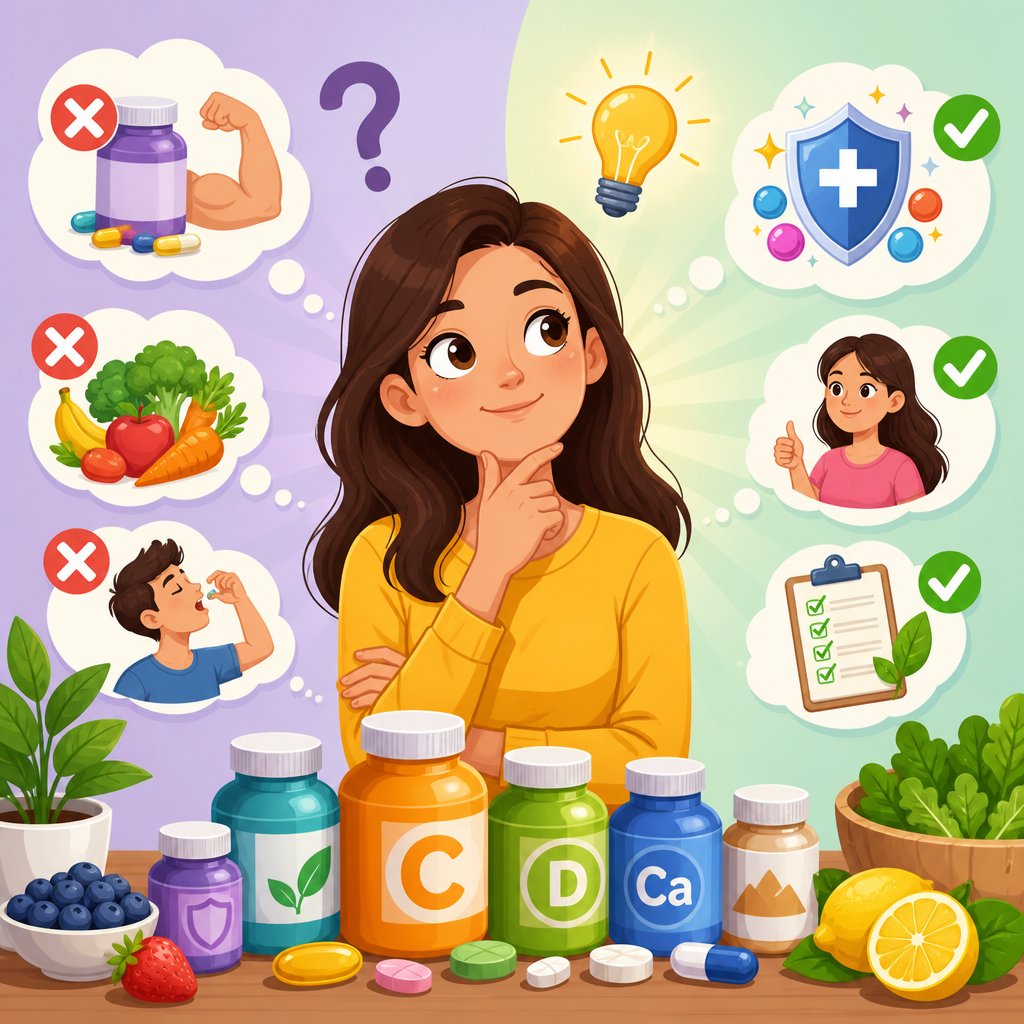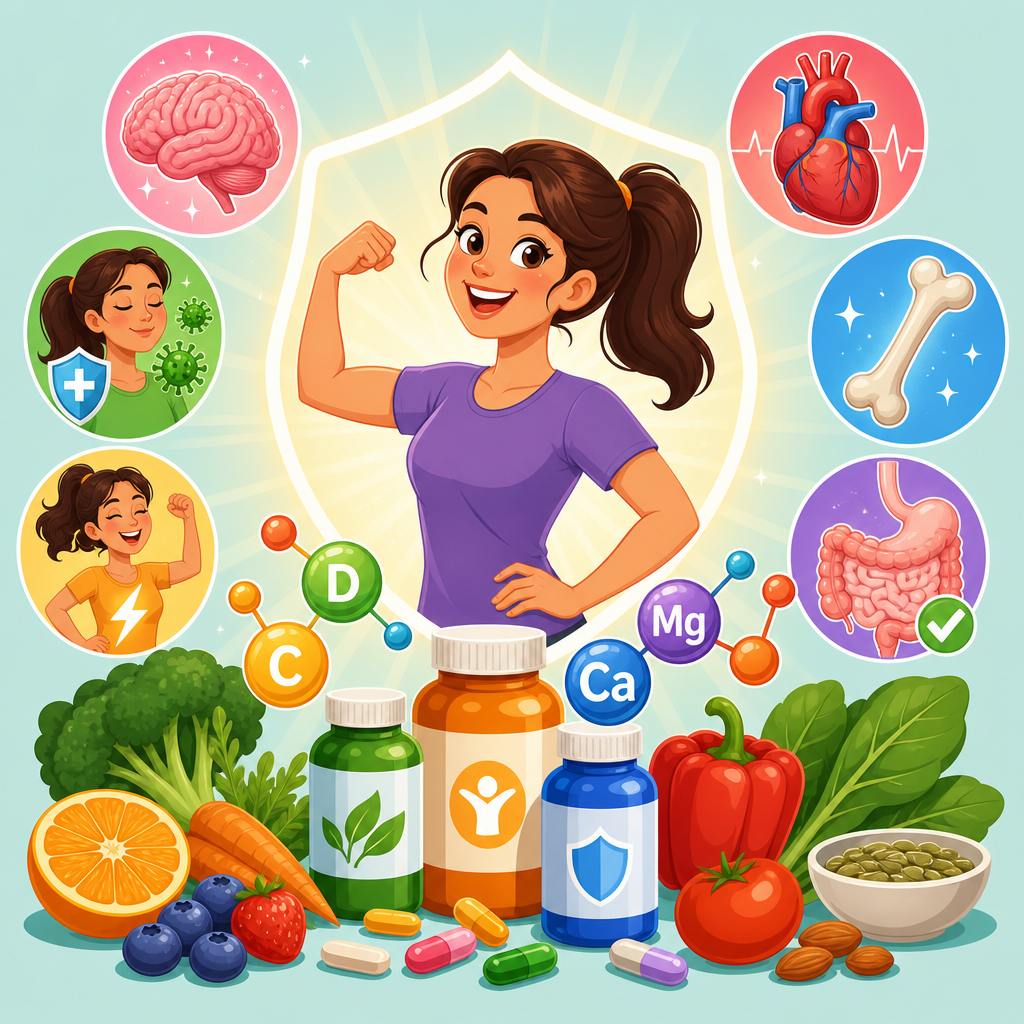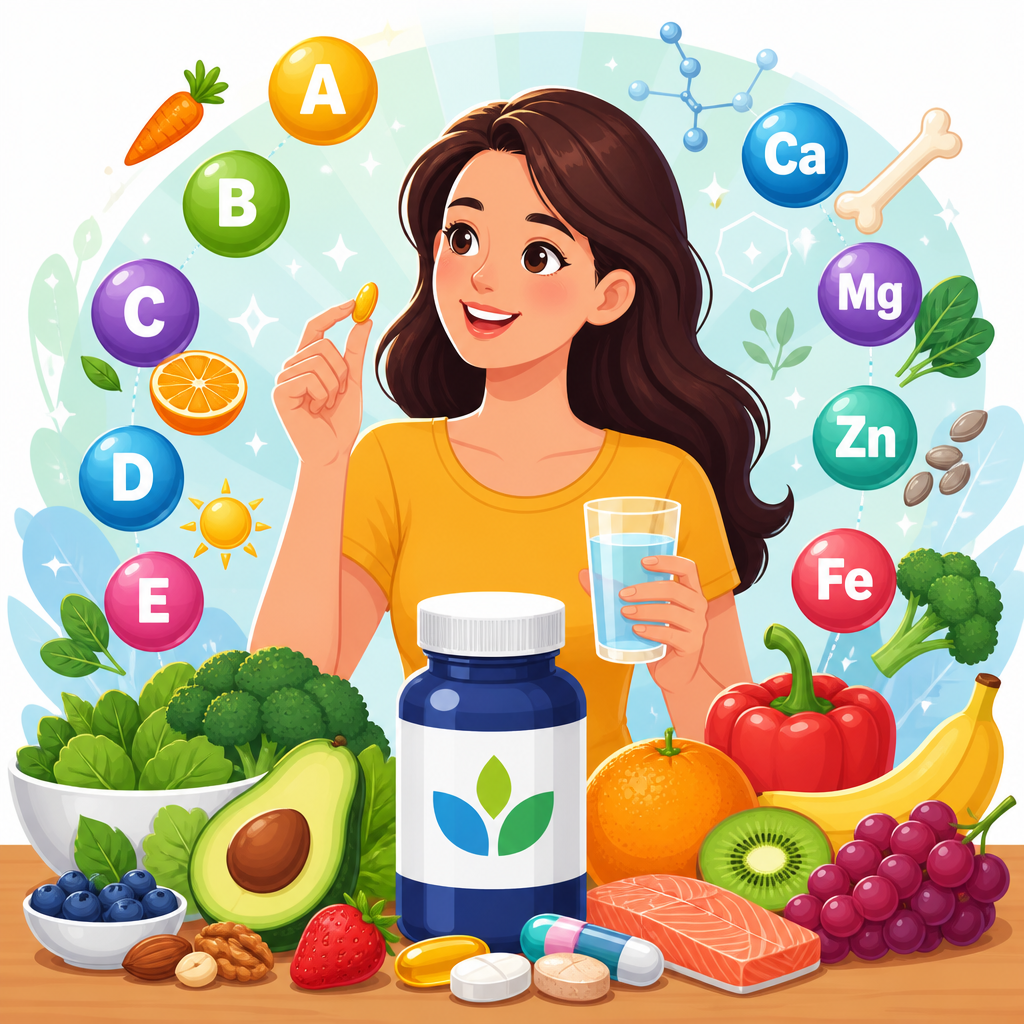
Essential vitamins and mineral supplements sit at the center of modern preventive nutrition because they promise a simple answer to a hard question: how do people consistently meet micronutrient needs in a world of irregular meals, restrictive diets, chronic disease, aging, and heavy marketing? Vitamins are organic compounds required in small amounts for normal metabolism, while minerals are inorganic elements that support bone structure, fluid balance, nerve signaling, oxygen transport, immune defense, and hundreds of enzyme reactions. Supplements include standalone nutrients such as vitamin D or iron, broad multivitamin-mineral products, prenatal formulas, and targeted combinations designed for defined populations. Science does not treat all of these products equally. Some are clearly beneficial when a deficiency exists or when needs rise during pregnancy, infancy, older age, or certain medical conditions. Others offer little measurable value for otherwise healthy adults eating a varied diet.
In clinical practice and nutrition content work, I have seen the same pattern repeatedly: people either assume every supplement is protective, or they dismiss them all as useless. Neither position reflects the evidence. The real question is not whether supplements work in the abstract, but who benefits, which nutrient is appropriate, what dose is supported, and how safety is monitored. Public health guidance from the National Institutes of Health Office of Dietary Supplements, the World Health Organization, the U.S. Preventive Services Task Force, and professional medical societies consistently makes that distinction. Deficiency prevention is evidence based. Disease prevention in replete populations is far less certain.
This hub article explains what science says about essential vitamins and mineral supplements, where benefits are strongest, where evidence is mixed, and how to choose products responsibly. It also serves as a practical map for the wider supplements and nutraceuticals topic: deficiency correction, life-stage needs, product quality, dosing, interactions, and the difference between justified supplementation and expensive excess. If you understand those principles, you can evaluate nearly any micronutrient product with more confidence and less confusion.
What Essential Vitamins and Minerals Do in the Body
Essential vitamins and minerals are called essential because the body cannot make enough of them, or cannot make them at all, to meet physiological needs. Vitamin A supports vision and immune function. B vitamins help convert food into energy and are central to DNA synthesis, red blood cell production, and nervous system health. Vitamin C is required for collagen formation and improves nonheme iron absorption. Vitamin D regulates calcium metabolism, bone mineralization, muscle function, and immune signaling. Vitamin E acts primarily as a fat-soluble antioxidant. Vitamin K is necessary for blood clotting and bone-related proteins.
Among minerals, calcium and phosphorus provide structural support for bone and teeth. Magnesium participates in more than 300 enzymatic reactions, including ATP metabolism, muscle contraction, and glucose regulation. Iron carries oxygen in hemoglobin and supports cognitive development. Zinc is crucial for immune function, wound healing, gene expression, and taste perception. Iodine is required for thyroid hormone synthesis. Selenium supports antioxidant enzymes such as glutathione peroxidase. Potassium helps regulate blood pressure and nerve transmission, though it is usually discussed more in food than in supplements because high-dose over-the-counter forms are tightly limited in some markets.
These roles matter because deficiency produces recognizable patterns. Low vitamin C causes scurvy, though mild insufficiency is more common than frank deficiency. Inadequate vitamin D contributes to rickets in children and osteomalacia in adults. Iron deficiency causes anemia, fatigue, reduced exercise tolerance, and impaired concentration. Vitamin B12 deficiency can lead to macrocytic anemia and nerve damage. Iodine deficiency remains a major global cause of preventable cognitive impairment. Supplements can be lifesaving or function restoring in those settings. That is the strongest and least controversial evidence base in the field.
Who Benefits Most From Supplements
The people most likely to benefit from essential vitamin and mineral supplements are not random consumers but groups with predictable biological needs or measurable risk. Pregnant people are the clearest example. Folic acid supplementation before conception and in early pregnancy reduces neural tube defects, which is why major guidelines recommend 400 micrograms daily for most women who could become pregnant. Iron needs also increase during pregnancy, and iodine becomes more important because fetal brain development depends on adequate maternal thyroid hormone production.
Infants and children are another high-priority group. Breastfed infants commonly need supplemental vitamin D because human milk alone may not provide enough to maintain optimal status, especially with limited sun exposure. Premature infants may have additional iron needs. In older adults, reduced stomach acid, medication use, less dietary variety, and lower skin synthesis of vitamin D raise the risk of deficiency. Vitamin B12 absorption often declines with age, making fortified foods or supplements useful even when intake appears adequate on paper.
Restricted eating patterns also change the equation. Vegans usually need vitamin B12 from supplements or fortified foods because reliable plant sources are lacking. People avoiding dairy may need vitamin D and calcium planning. Those with celiac disease, inflammatory bowel disease, chronic pancreatitis, or a history of bariatric surgery often require individualized supplementation because absorption is impaired. I routinely flag metformin, proton pump inhibitors, anticonvulsants, diuretics, and certain weight-loss drugs as medication classes that can affect micronutrient status. In these cases, supplementation is not a wellness trend; it is part of clinical nutrition management.
What the Evidence Shows for Common Supplements
Evidence is strongest when supplements correct a known gap and weaker when they are used as general insurance against chronic disease. Vitamin D is a prime example. Supplementation clearly prevents and treats deficiency, supports bone health when calcium intake is also adequate, and reduces fracture risk in some older or institutionalized populations. However, large trials in generally healthy adults have not shown dramatic universal benefits for cancer, cardiovascular disease, or total mortality. The implication is precise: vitamin D is important, but more is not automatically better.
Calcium works similarly. It helps preserve bone mass, especially when intake from food is low, but benefits depend on total diet, vitamin D status, exercise, age, and baseline fracture risk. Excess supplemental calcium may increase the likelihood of kidney stones in susceptible people, which is one reason many clinicians prefer food-first strategies when possible. Iron is highly effective for iron deficiency and iron-deficiency anemia, yet unnecessary iron can cause gastrointestinal side effects and, in overdose, toxicity. Zinc can shorten the duration of some viral upper respiratory infections when started early in lozenge form, but long-term high doses may induce copper deficiency.
Multivitamins are the most debated category. Large observational studies and randomized trials generally show modest or no clear reduction in major chronic disease among well-nourished adults. Some evidence suggests multivitamins may help fill nutritional gaps, and certain studies have explored possible small cognitive or age-related benefits, but the effect size is limited. They should be viewed as a backstop, not a substitute for dietary quality. That distinction matters because no pill can reproduce the fiber, protein matrix, phytochemicals, and food patterns associated with lower disease risk.
| Supplement | Best-supported use | Typical concern | Who should prioritize evaluation |
|---|---|---|---|
| Vitamin D | Deficiency correction, bone health support | Overuse without testing in low-risk adults | Older adults, limited sun exposure, osteoporosis risk |
| Iron | Iron deficiency and iron-deficiency anemia | GI upset, toxicity if unnecessary | Pregnancy, heavy menstrual bleeding, low ferritin |
| Vitamin B12 | Low intake or poor absorption | Missed diagnosis if symptoms ignored | Vegans, older adults, metformin users |
| Calcium | Low dietary intake, bone health plans | Kidney stones in susceptible individuals | Postmenopausal adults, dairy-free eaters |
| Folic acid | Neural tube defect prevention | Masking B12 deficiency at high intake | Women planning pregnancy |
Food First, but Not Food Only
Food remains the preferred source of most vitamins and minerals because whole diets deliver nutrients in biologically relevant combinations. Spinach provides folate, magnesium, carotenoids, and potassium. Dairy foods contribute calcium, protein, phosphorus, and often fortified vitamin D. Legumes offer iron, folate, and fiber. Nuts and seeds deliver magnesium, copper, and vitamin E. From both a clinical and public health perspective, eating patterns such as the Mediterranean diet, DASH, and varied minimally processed diets outperform isolated supplements for long-term cardiometabolic health.
Still, food first should not be misread as food only. Real intake data show gaps are common. In the United States, usual intake of vitamin D, calcium, magnesium, and potassium is often below recommended levels in substantial portions of the population. Busy schedules, low appetite, medication side effects, food insecurity, allergies, and cultural or ethical dietary restrictions all shape what is realistic. A supplement can be the most efficient way to close a targeted gap, especially when blood work or a diet review confirms low intake. The science-based approach is to use supplements to complement diet, not to excuse a poor one.
That point also helps readers navigate other content within supplements and nutraceuticals. Protein powders, omega-3 products, probiotics, and botanical extracts all raise the same strategic question: is this filling a real need or replacing a healthier habit? Essential vitamins and mineral supplements deserve the same scrutiny. They are foundational nutrients, but their value depends on context, baseline status, and whether the intervention addresses the true problem.
How to Choose Quality Products and Safe Doses
Not all supplement labels reflect equal quality. In my experience reviewing products, the biggest consumer mistakes are assuming “natural” means safe, ignoring serving size, and choosing mega-dose formulas far above established upper intake levels. A better selection process starts with the Supplement Facts panel: identify the exact nutrient form, dose per serving, percentage of the Daily Value, and whether other ingredients are relevant for allergies or tolerability. For example, magnesium citrate and glycinate are often better tolerated or absorbed than magnesium oxide, while cyanocobalamin and methylcobalamin are both useful vitamin B12 forms depending on clinical context and cost considerations.
Third-party testing matters because supplement regulation is lighter than prescription drug regulation. Independent certification programs such as USP Verified, NSF, and ConsumerLab testing reports help assess identity, potency, and contaminants. This is especially important for minerals where contamination with heavy metals can be a concern. Dose should match purpose. Correcting deficiency may require a short-term therapeutic dose supervised by a clinician, while maintenance usually requires much less. More is not safer. Fat-soluble vitamins A, D, E, and K can accumulate, and minerals such as iron and selenium have relatively narrow margins between adequacy and excess.
Interactions are another overlooked issue. Calcium can reduce absorption of levothyroxine and certain antibiotics if taken together. Vitamin K interacts with warfarin because clotting control depends on consistent intake. High-dose zinc can lower copper status. Iron absorption is improved by vitamin C and impaired by simultaneous calcium, tea, coffee, and some medications. A smart supplement plan therefore includes timing, monitoring, and occasionally laboratory follow-up, not just a purchase.
Limitations, Misconceptions, and What Science Does Not Support
Science does not support the idea that everyone needs a multivitamin, that high doses create extra resilience, or that supplements can neutralize smoking, sleep deprivation, sedentary behavior, or ultra-processed diets. Those claims persist because supplements are easier to market than behavior change. Yet randomized controlled trials repeatedly show a ceiling effect: once nutritional sufficiency is reached, extra intake often adds little and can sometimes cause harm. Beta-carotene supplements increased lung cancer risk in smokers in major trials. Excess vitamin A can damage the liver and increase teratogenic risk in pregnancy. Too much iodine may worsen thyroid dysfunction in susceptible individuals.
Laboratory testing also has limits. Not every nutrient status marker is straightforward, and symptoms such as fatigue, hair loss, or brain fog are nonspecific. Ferritin, transferrin saturation, methylmalonic acid, 25-hydroxyvitamin D, and red blood cell folate can be useful in the right setting, but interpretation should fit the patient, not just the number. Self-diagnosis based on social media symptom lists often leads to the wrong supplement or an unnecessarily high dose. Good evidence comes from combining dietary assessment, clinical history, medications, biomarkers where appropriate, and response over time.
The practical takeaway is balanced and clear: essential vitamins and mineral supplements are most beneficial when they are targeted, evidence based, and used to correct a real or likely inadequacy. They are least useful when treated as nutritional insurance against every future disease. Readers exploring this hub should use that lens across the entire supplements and nutraceuticals category. Start with need, confirm with diet or testing when possible, choose quality products, respect dose limits, and review interactions with a qualified clinician or pharmacist. Done correctly, supplementation can protect bone health, support pregnancy, prevent anemia, preserve nerve function, and close common intake gaps. Done casually, it can waste money or create avoidable risk. Use the science, personalize the decision, and build your plan from there.
Frequently Asked Questions
What are vitamins and minerals, and why are they considered essential for health?
Vitamins and minerals are micronutrients the body needs in small amounts to carry out thousands of basic functions that keep people alive and functioning well. Vitamins are organic compounds, which means they are made by living organisms and can be broken down by heat, air, or acid. Minerals are inorganic elements that come from soil and water and are absorbed by plants or animals before entering the human diet. Even though the required amounts are small compared with protein, fat, or carbohydrates, their roles are enormous. They help convert food into usable energy, support immune defenses, maintain normal nerve and muscle function, aid hormone production, protect vision, assist blood clotting, and help build and preserve bones, teeth, and connective tissue.
Science is very clear that essential vitamins and minerals are necessary for normal growth, repair, and disease prevention related to deficiency states. For example, iron is needed to transport oxygen in red blood cells, calcium and vitamin D are central to bone health, vitamin B12 supports nerve function and red blood cell formation, iodine is needed for thyroid hormone production, and magnesium helps regulate muscle contraction, heart rhythm, and hundreds of enzyme reactions. When intake is too low for too long, the effects can range from subtle fatigue and poor concentration to more serious problems such as anemia, weakened immunity, poor wound healing, osteoporosis, or neurological changes.
The reason supplements are so widely discussed is that many people do not consistently eat a varied diet rich in fruits, vegetables, legumes, whole grains, dairy or fortified alternatives, seafood, and other nutrient-dense foods. Irregular meals, restrictive diets, aging, digestive disorders, pregnancy, certain medications, and chronic disease can all increase the likelihood of nutrient gaps. Supplements can help fill those gaps in specific situations, but they do not replace the broad health benefits of whole foods, which also provide fiber, protein, healthy fats, and plant compounds not found in standard pills.
Do vitamin and mineral supplements actually improve health in people who are otherwise healthy?
The scientific answer is nuanced. Supplements clearly help when a person has a diagnosed deficiency, increased nutrient need, poor absorption, or a diet that predictably falls short. In those cases, the benefits can be substantial. Correcting iron deficiency can improve fatigue and exercise tolerance, folic acid before and during early pregnancy reduces the risk of neural tube defects, vitamin D and calcium can support bone health in people with low intake or higher fracture risk, and vitamin B12 supplementation can be especially important for older adults or people who avoid animal products. In short, supplements work best when there is a real need to address.
For generally healthy adults who already meet nutrient needs through food, however, large studies have not consistently shown that taking broad multivitamins or high-dose single nutrients leads to dramatic protection against major chronic diseases such as heart disease, cancer, or cognitive decline. Some research suggests small benefits in certain populations or for specific outcomes, but the overall picture is not one of universal, guaranteed improvement simply from taking more vitamins. This is one reason evidence-based guidance usually emphasizes food first, targeted supplementation when appropriate, and caution around marketing claims that make supplements sound like a shortcut to optimal health.
What science supports most strongly is a personalized approach. People who are pregnant, older, vegan, living with gastrointestinal disease, recovering from illness, dieting aggressively, or taking medicines that interfere with nutrient absorption may benefit far more from supplementation than someone with a balanced diet and no risk factors. The key point is that supplements are tools, not magic. They can be highly beneficial in the right context, but they are not automatically necessary for everyone.
Who is most likely to benefit from taking vitamin or mineral supplements?
Several groups stand out as more likely to benefit from supplementation because of higher needs, lower intake, or reduced absorption. Pregnant and breastfeeding women often need additional folic acid, iron, iodine, and sometimes other nutrients depending on diet and medical history. Folate is especially important before conception and in early pregnancy because it helps prevent neural tube defects. Older adults may benefit from vitamin B12 because stomach acid production can decline with age, making absorption less efficient. Vitamin D is also commonly discussed in older adults because reduced sun exposure, skin changes, and lower dietary intake can raise the risk of insufficiency.
People following vegan or highly restrictive diets are another important group. Vitamin B12 is found naturally in animal foods, so those avoiding meat, dairy, eggs, and fish usually need fortified foods or a supplement. Iron, zinc, calcium, iodine, and omega-3 fats may also require closer attention depending on food choices. Individuals with digestive disorders such as celiac disease, Crohn’s disease, ulcerative colitis, chronic pancreatitis, or a history of bariatric surgery may not absorb nutrients effectively and may require ongoing monitoring and supplementation. People with heavy menstrual bleeding may be more prone to iron deficiency, while those with limited dairy intake or low bone density may need extra attention to calcium and vitamin D.
Certain medications can also increase nutrient needs or affect nutrient status. For example, proton pump inhibitors and metformin may affect vitamin B12 over time, some diuretics can influence magnesium or potassium balance, and long-term anticonvulsant use can affect vitamin D metabolism. That is why the most responsible approach is not guessing, but matching supplementation to real-life risk factors, lab testing when appropriate, and guidance from a healthcare professional. Supplements can be extremely helpful for the people who truly need them, but the “best” supplement plan is rarely the same for everyone.
Can taking too many vitamins or minerals be harmful?
Yes. One of the most important science-based messages about supplements is that more is not always better. While deficiencies are harmful, excessive intake can also create real health problems. Fat-soluble vitamins such as A, D, E, and K can accumulate in the body more readily than water-soluble vitamins, increasing the risk of toxicity when taken in high doses over time. Too much vitamin A, for example, may harm the liver, contribute to bone problems, and cause birth defects during pregnancy. Excess iron can cause digestive distress and, in some cases, dangerous organ damage. Very high calcium intake from supplements may increase the risk of kidney stones in some people, and too much zinc over time can interfere with copper absorption and immune function.
Another concern is that supplements can interact with medications or with each other. Vitamin K can affect blood-thinning medications, magnesium and calcium can interfere with the absorption of certain antibiotics or thyroid medicine, and high-dose biotin can distort results on some blood tests. Some products also contain doses far above daily requirements, which may sound impressive in marketing but are not automatically safer or more effective. In fact, very high doses may offer no extra benefit and could increase risk.
This is why upper intake levels exist for many nutrients. They provide guidance on the maximum daily amount unlikely to cause harm in most people. Reading labels matters, but so does remembering that total intake includes fortified foods and multiple products taken together. Someone using a multivitamin, a bone formula, an electrolyte powder, and a fortified protein shake may unintentionally stack the same nutrients several times. The safest strategy is to choose supplements with a clear purpose, avoid megadoses unless medically prescribed, and discuss long-term use with a qualified clinician.
How should someone choose a vitamin or mineral supplement based on science rather than marketing?
Start by identifying the goal. Are you trying to correct a known deficiency, support a life stage such as pregnancy, cover dietary gaps, or address a condition that affects absorption? Science-based supplement use begins with a reason, not a trend. If symptoms, diet history, or medical conditions suggest a deficiency, laboratory testing may help confirm what is actually needed. This is especially useful for nutrients such as iron, vitamin D, vitamin B12, and sometimes folate or magnesium, where both low and excessive intake can be problematic.
Next, choose products that match established needs rather than exaggerated claims. Look for supplements that provide amounts close to recommended daily intake unless a healthcare professional has advised a higher therapeutic dose. A standard multivitamin may be reasonable for some adults with inconsistent diets, but it should not be viewed as nutritional insurance against poor eating habits. For single-nutrient supplements, form can matter in certain cases, such as vitamin D3 versus D2, methylcobalamin or cyanocobalamin for B12, or different iron salts that vary in tolerability. The “best” form often depends on cost, absorption, side effects, and the individual’s health history rather than hype.
Quality is another major issue because supplements are heavily marketed and not all products are equally reliable. Choosing brands that undergo third-party testing can offer added confidence that what is on the label is actually in the bottle and that the product is screened for contaminants. It is also wise to be skeptical of promises involving detoxification, anti-aging miracles, rapid immune boosts, or disease cures. Strong evidence usually supports targeted benefits, not sweeping claims. The most evidence-based approach is simple: prioritize a nutrient-dense diet, use supplements to address real gaps or medically relevant needs, and review your plan periodically so it stays aligned with current health status rather than advertising trends.